How to Choose Commercial Real Estate Photography for Your Property
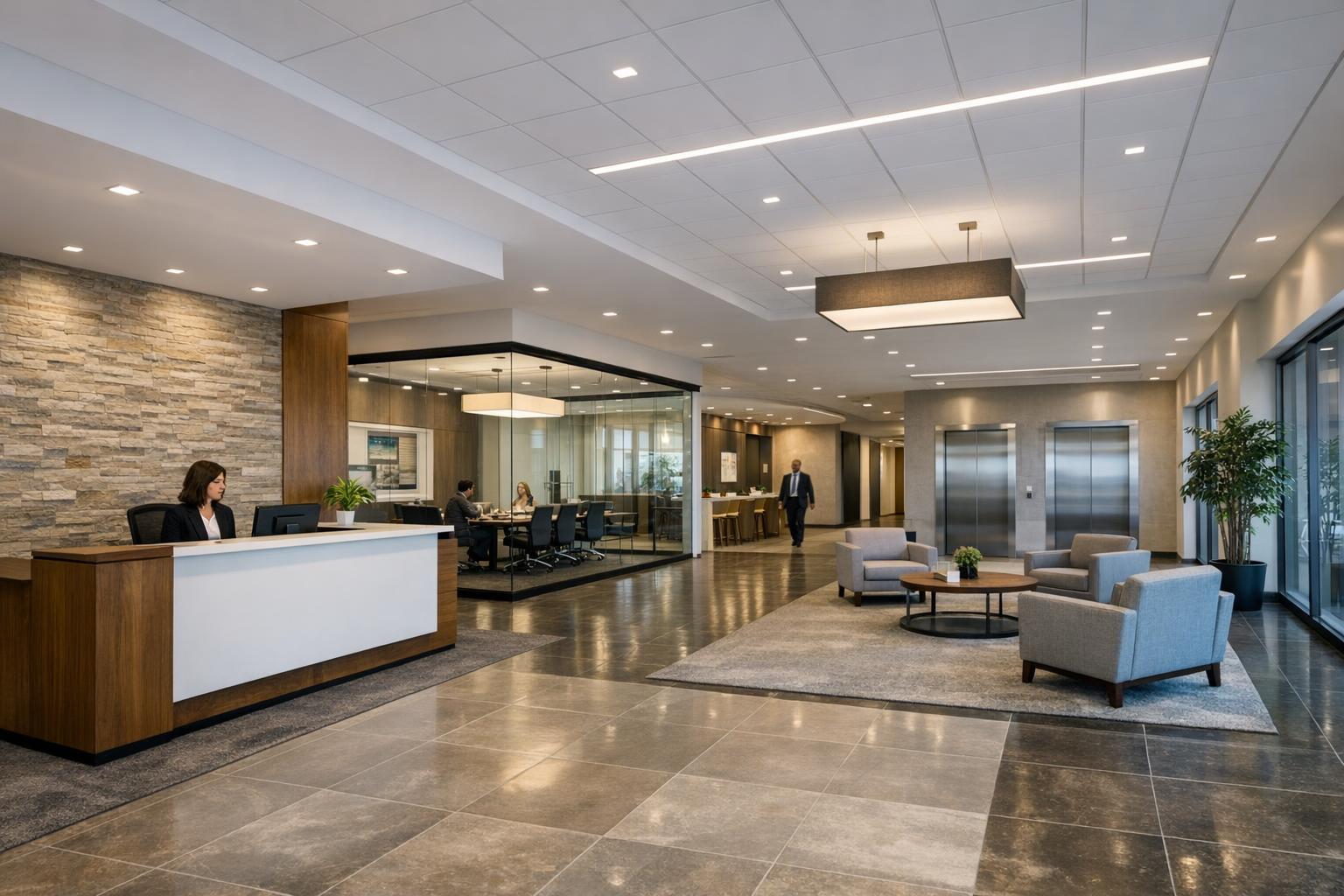
The commercial real estate photography showcases a modern lobby with a reception desk, seating area, elevators, and a glass-walled conference room.

How to Choose Commercial Real Estate Photography for Your Property
Commercial real estate photography in NYC and New Jersey is more than a “nice to have”—it’s a practical decision that directly shapes how serious buyers, tenants, and investors experience your marketing. Whether you’re a broker listing a downtown office, a landlord prepping a North Jersey warehouse, or a property manager tackling a mixed-use development, the media you select should answer business-critical questions from the very first view.
Let’s dig into how to approach commercial property photography services so your images do more than decorate a listing—they actually communicate what makes the space work.
Let the Purpose Drive the Approach
Before looking at portfolios or chasing price quotes, define what you need your commercial photos to explain. Your creative brief doesn’t have to be fancy, but it should be clear about:
- Property type and the main marketing objective (leasing, selling, repositioning)
- Key spaces and features to highlight
- Where the images will be used (listing sites, pitch decks, development updates, investor outreach)
- Whether tenant activity or customers will appear, or if the site should be depicted empty
- Any relevant access, security, or shooting limitations
- If you need anything besides standard photography, such as video, aerials, 3D tours, or floor plans
Giving real thought to these points up front helps prevent the classic mistake of getting slick images that look terrific but leave real prospects asking, “Where’s the truck court?” or “Can I see the real ceiling height?”
What Great Commercial Photography Should Actually Show
High-quality photos for commercial listings aren’t just about style—they’re about substance. Commercial audiences want to understand how a property functions, how spaces connect, and whether the physical details work for their business needs.
Layout, Circulation, and Scale
A good sequence of images should let someone visually “walk through” the property. For an office suite, this might run from exterior signage to the lobby, through reception, into shared workspaces, private offices, meeting rooms, service areas, and available amenities. If it’s an industrial space, the pathway often starts outside—showing truck access, loading bays, ceilings, warehouse floors, and support spaces.
Photography can’t replace a floor plan, but it should help a viewer build a mental map—making the overall scale, workflow, and room relationships legible.
Light, Finishes, and Real Condition
Details matter. Window lines, daylight, ceiling height, polished floors, exposed brick, feature lighting—all deserve straightforward, accurate presentation. Images should balance interior and exterior exposures so architectural lines stay true and finishes appear natural. Over-editing or hyper-brightening spaces can mislead, so prioritize honest visual storytelling over making every shot look identical.
Exterior Context and Access Points
For most commercial properties, what’s around the building is nearly as important as what’s inside. Show how the property meets the street, its signage potential, parking or loading access, and the context of nearby transit, businesses, or foot traffic. In Manhattan, for instance, even the street scene—handled thoughtfully—can signal value. North Jersey sites, on the other hand, are often assessed based on circulation, setbacks, and the relationship of buildings to roads and parking.
Align the Coverage With the Property Type
Not every commercial real estate shoot should follow the same formula. Here’s how visual priorities tend to shift by property:
Offices
- Exteriors, entrances, lobbies, elevator banks
- Reception, workspaces, private offices, conference rooms, kitchens
- Window views, daylight, ceilings
- Shared amenities like lounges or fitness areas
Occupied offices mean additional care: screens, confidential documents, and personal effects should be handled before the shoot. Timing often matters—early in the morning or after hours may be ideal for clean, disruption-free shots.
Retail and Restaurant
- Storefront width, signage, display windows, entrances
- Sales floors, counters, seating areas, fixtures, and unique finishes
- For restaurants: capture atmosphere, table settings, and clutter-free service areas
It’s smart to consider sun direction and pedestrian activity for street-facing exteriors. A beautiful store can be lost in afternoon shadow—or blocked by parked trucks—if timing isn’t planned.
Industrial, Warehouse, and Flex Spaces
- Building approach, loading docks, ramps, drive-in doors
- Warehouse interiors, ceiling heights, racking, aisle widths
- Office buildout, break rooms, support areas, parking, truck courts
For these, a clear, honest view is more persuasive than trying to “dress up” the space. A clean floor, open loading areas, and attention to practical features matter far more than decorative staging.
Mixed-Use and Development Projects
These often need flexible coverage: retail frontage, residential-style amenities, commercial corridors, roof areas, and overall site context. For active developments, images might track construction milestones or highlight completed areas for pre-leasing. Decide the main purpose—documentation, marketing, or both—so the shoot stays focused.
Evaluating Portfolios: Go Beyond the Glamour Shots
Most photographers can point to a few impressive images. The real test? Consistency across properties like yours.
When comparing providers, look for evidence that:
- Comparable property types are photographed clearly
- The photographer can handle both bright windows and interior details—without losing one to the other
- Image sequences build a logical walkthrough
- Details like finishes, proportions, and conditions appear as they really are
- Exteriors, amenities, and context shots are included where they matter
- The editing style feels trustworthy, not over-processed
A portfolio that does all this signals the photographer can communicate what matters to buyers and tenants, not just deliver pretty pictures.
Working Around an Active Property
Commercial assignments rarely happen in a vacuum. Properties are often occupied, operational, or in transition. That means more moving parts: tenants, security, contractors, site staff, and sometimes strict access requirements.
Preparation is key. Before the photographer arrives, do a walkthrough:
- Clear visible clutter, cables, boxes, or loose signage
- Tidy up desks, counters, and display areas
- Turn on all desired interior lighting
- Clean glass, mirrors, and floors
- Prep exteriors by moving bins or temporary barriers if possible
- Coordinate with staff or tenants so spaces are ready and accessible
At RealtaSnap, we photograph what’s physically there during the shoot. Prepping the space in advance is the best way to make sure your property is presented as clean, functional, and market-ready as possible.
When to Add Video, Drone, Floor Plans, or Virtual Tours
Sometimes, photos alone don’t fully explain a property—especially if layout or setting is central to a business decision. Here’s what extra media can bring:
- Floor Plans: Help buyers, tenants, and investors visualize connections and circulation, especially for offices, retail, or larger suites. RealtaSnap creates these by capturing the space in person.
- Video: Adds a sense of movement, arrival, and transitions not easily communicated through stills. Particularly useful for amenity-rich offices, retail with a customer journey, or large, multi-zone properties.
- 3D Virtual Tours: Allow remote or out-of-state prospects to explore interactively, revisit measurements, and check sightlines. Like floor plans, these require on-site scanning.
- Drone Media: Aerials can show the true scale, site access, parking, and views, especially for campuses, industrial buildings, and development parcels. In dense areas, flights are subject to airspace, weather, safety, and pilot discretion.
Smart Questions to Ask Before You Book
Selecting a commercial property photography partner doesn’t need to feel complicated. A few honest questions can tell you if a provider is experienced with properties like yours:
- What commercial property types have you photographed?
- Which spaces do you recommend covering for my listing?
- How do you handle active or occupied properties?
- What should we have ready before the shoot?
- Can you accommodate building or tenant access protocols?
- Are video, drone, or floor plan services available if we need them?
- What’s included with photo editing and retouching?
- What information do you need up front for us to stay on schedule?
A short, clear conversation up front helps everyone set expectations—and usually leads to more effective coverage.
A Practical Partner for NYC and New Jersey Commercial Properties
If you’re managing, leasing, or marketing commercial space in NYC or New Jersey, RealtaSnap offers straightforward, on-site photography with options for video, drone, floor plans, and 3D tours when needed. We focus on delivering images that actually help brokers and business decision-makers understand your property. Online booking is easy: just select the service address, choose your media, add any access notes, and pick a slot that works for your schedule.
You can book shoots online at www.RealtaSnap.com, and you’ll find more info—including prep tips for your property—right on the site.
Propelling your listing starts with clear, professional photography. Define what matters for your asset, prep deliberately, and work with a provider who knows how to tell the property’s story in a way your audience will appreciate.
FAQ
Question: How many images do I really need for a commercial listing?
Answer: It depends on your property type and goals. A small retail space might only need exterior, sales floor, and back-of-house coverage, but a larger office or industrial property will benefit from a sequence that shows entrances, key rooms, amenities, and operational areas. The focus should be on answering real-world prospect questions, not hitting an arbitrary photo count.
Question: Is it better to photograph a commercial property when vacant or occupied?
Answer: Either approach can work, but planning is essential. An occupied space can feel more active and established, but clutter, screens, and business operations need attention. Scheduling during off-peak hours can help, and prepping the space to look clean and organized makes a difference in the final result.
Question: What should I know about booking drone or aerial shots for my property?
Answer: Drone services are handled case by case, since factors like airspace, weather, access, and site safety all play a role. For many larger buildings, development sites, or properties with unique layouts or views, aerial images provide extra value—but flights in NYC are never guaranteed until conditions are reviewed by a certified pilot.
Ready to discuss your next commercial property shoot? Start planning online at www.RealtaSnap.com.