How to Choose Real Estate Photography Services for Your Next Listing
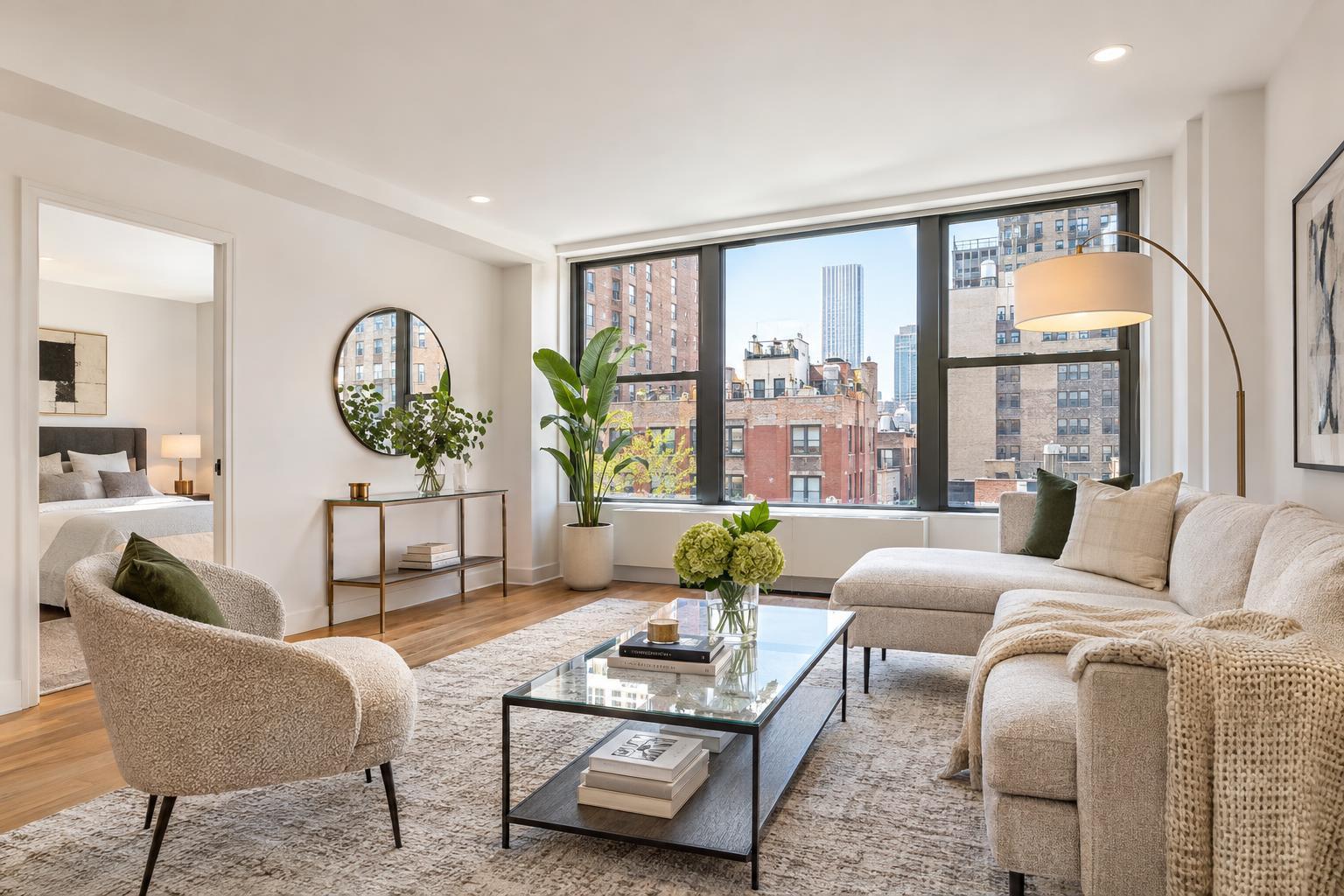
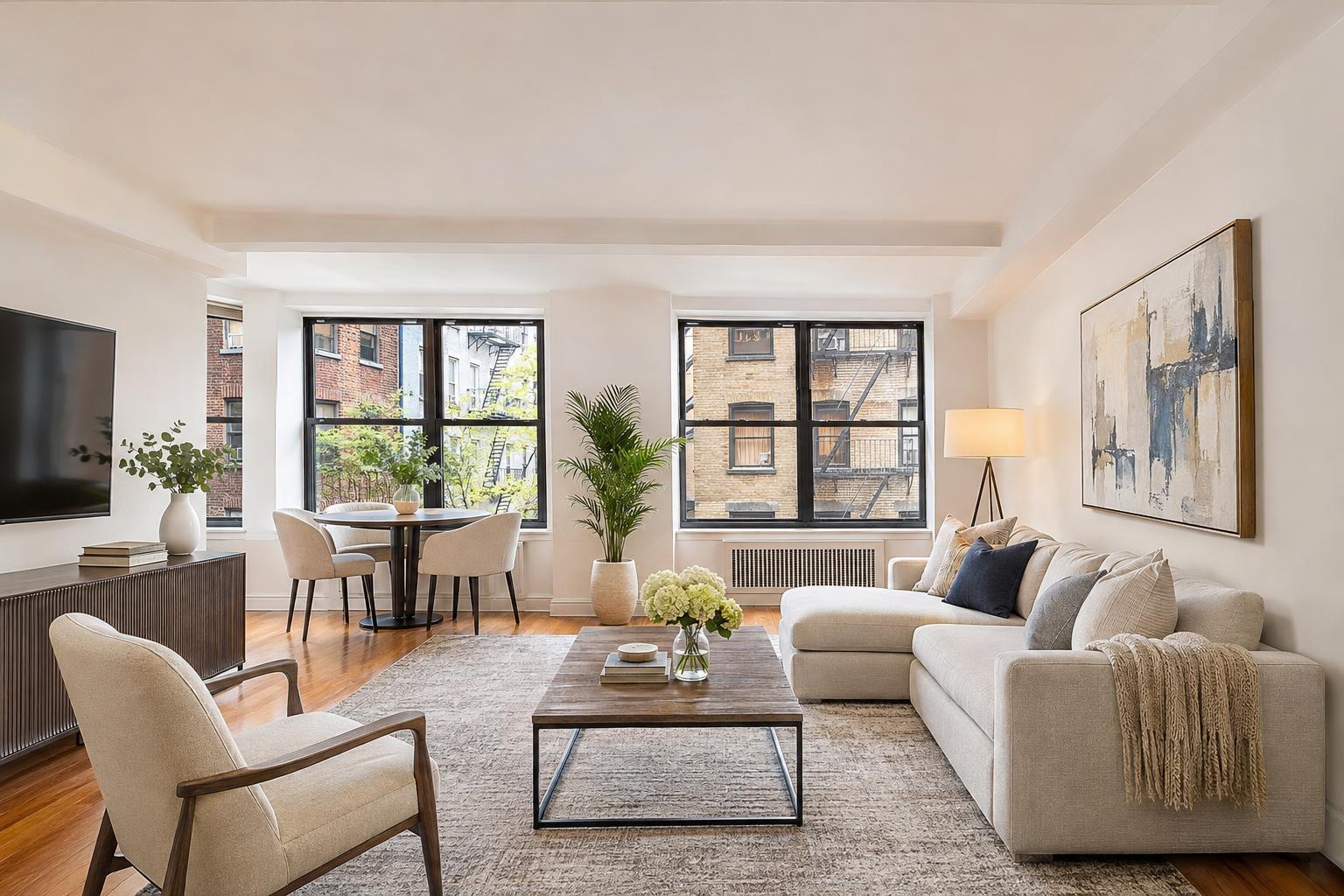
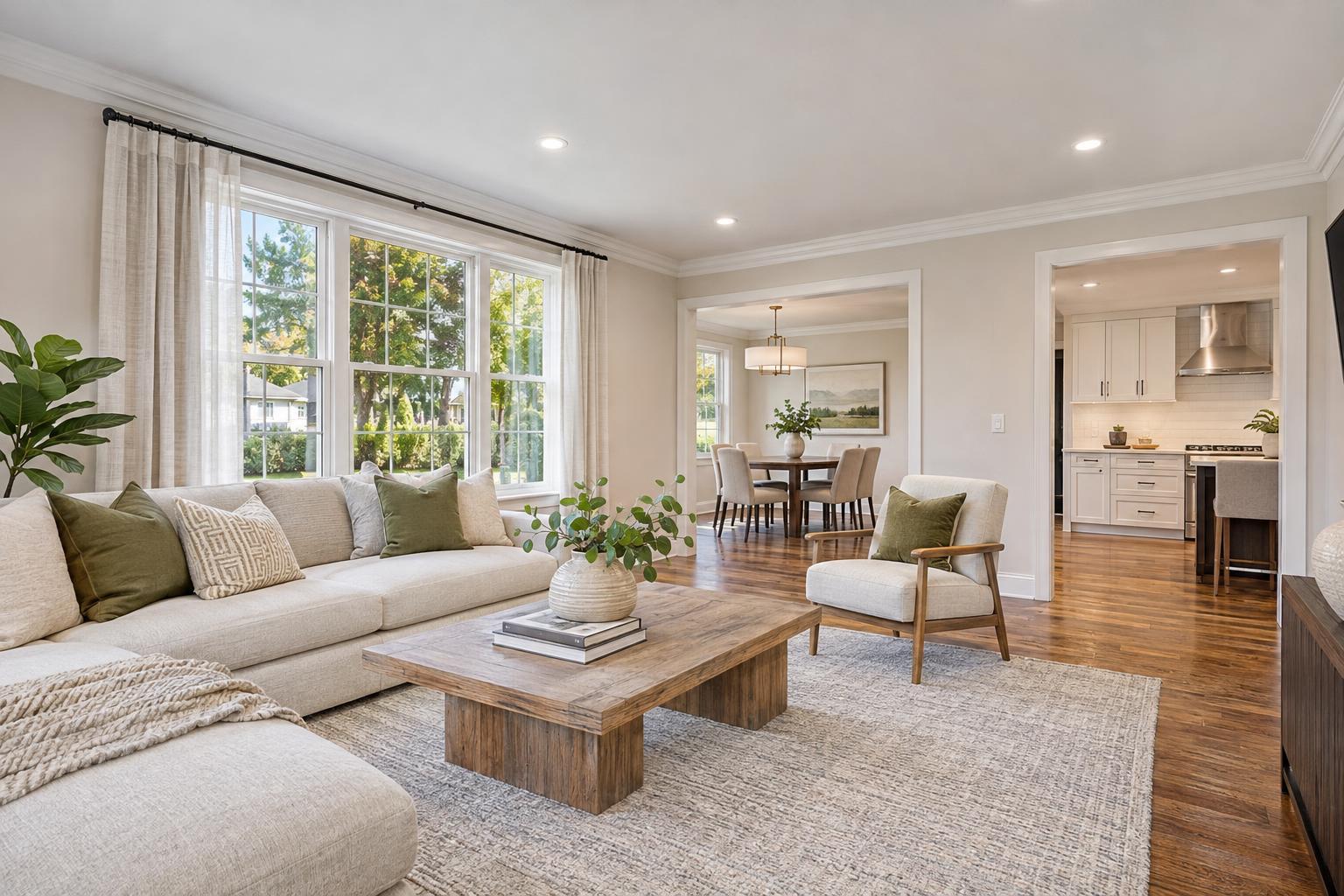
Real estate photography services capture a beautifully staged, light-filled living and dining area with modern decor and hardwood floors.

How to Choose Real Estate Photography Services for Your Next Listing
Real estate photography services play a big role in how buyers and renters experience a property before ever setting foot inside. Deciding who to hire as your real estate photographer isn’t as simple as finding someone with a camera and an open calendar. It’s about matching the right provider to your unique listing—balancing visuals, timing, access, and local expertise—so your property stands out for the right reasons.
Whether you’re an agent, broker, or property manager, choosing the right fit takes some practical consideration. Here’s how to navigate the decision process and what to watch for, especially when marketing homes and apartments in NYC and New Jersey.
Center Your Search on the Listing's Needs
Before comparing what each real estate photography company includes in their packages, pause and consider the property itself. Each home or apartment has its own highlights and quirks, and what worked for one listing might not work for another.
Think about:
- How compact or spacious is the layout?
- Which rooms or features are biggest selling points?
- Are there views, garden spaces, or unique details that deserve attention?
- Would an exterior photo tell an important part of the story?
- Is there something about the property that’s hard to grasp in just one shot?
For a cozy Manhattan studio, well-chosen angles can show how spaces flow together. Brooklyn brownstones may require images that highlight woodwork, staircases, or rear gardens. Larger homes in New Jersey might benefit from a more comprehensive visual tour, showing not just interiors, but also outdoor spaces, driveways, and landscaping.
Photography should help viewers quickly understand the logic, scale, and mood of the property—not just make it look pretty.
Go Deeper Than Pretty Pictures in the Portfolio
Reviewing a photographer’s portfolio is essential, but it’s not enough to be dazzled by a dramatic exterior or an ultra-wide living room. Examine portfolios for:
- Straight vertical lines (no sloping walls or skewed doors)
- Balanced exposure, where interiors and exteriors are both visible
- Images that clearly convey room proportions
- Consistency across different properties and room types
- Solutions for common challenges—small bathrooms, narrow hallways, or rooms with lots of windows
- Variety in the types of properties shown, especially if you’re listing apartments or urban spaces
In dense cities like New York, experience with smaller, busier properties is crucial. Look for proof that the photographer manages tricky layouts, daylight changes, elevator access, or complex building rules smoothly.
Understand What’s Included (and What’s Not)
The term “real estate photography services” can mean something slightly different with each provider. Always confirm basics before scheduling:
- How many finished images are included?
- Is editing standard, and is retouching limited or unlimited?
- What is the promised turnaround for final images?
- Are exteriors included when possible?
- How are the images delivered?
- Can you order extra editing or additional images?
- Will the photographer accommodate access notes or building-specific logistics?
- Is the number of photos flexible for different property sizes?
A good fit means enough images to tell the full story—neither too few for a larger house nor so many that a small apartment feels overwhelming.
For a sense of RealtaSnap's approach, explore their real estate photo services for NYC or New Jersey.
Prepare the Property: Small Details, Big Impact
No amount of professional property photography will hide major clutter or distractions. Both vacant apartments and occupied homes benefit from a simple checklist before the session:
- Turn on all lights and replace any burnt-out bulbs
- Open blinds or curtains if the view or daylight is appealing
- Clear countertops, tables, desks, and bathroom surfaces
- Put away pet bowls, visible cords, and personal photos
- Tidy beds, sofas, and arrange furniture
- Remove visible clutter in closets, laundry areas, and entries
- Move cars if driveway or garage shots are important
- Ensure access to all areas to be photographed
Simple, tidy spaces let the listing’s features—not background distractions—do the talking.
Want more prep tips? RealtaSnap offers a free real estate photography prep guide.
Confirm Access, Timing, and Building Procedures
In NYC and much of New Jersey, property access is rarely as simple as “show up and shoot.” Considerations might include:
- Entry codes, doorman or super schedules, or specific vendor sign-in requirements
- Elevator bookings or loading dock rules
- Whether the agent, owner, or building staff will provide access
- Limitations on photography timing or building areas permitted
- Day-of contacts for questions or last-minute changes
Outlining these details during scheduling can save time, prevent bottlenecks, and make the entire appointment more productive.
When to Add Floor Plans, Video, or Virtual Staging
Photography is the foundation of most listings, but sometimes additional media is genuinely helpful:
Floor Plans
A floor plan can clarify flow, size, and room arrangement in a way no photo can. This is especially relevant for apartments with unique layouts, combined units, or homes with multiple levels. Floor plans require onsite measurement—they’re not created from old blueprints or listing photos.
Video
A true listing video shows movement, transitions, and scale. It’s best for homes with striking entryways, layered indoor-outdoor living, or special atmosphere. RealtaSnap’s listing videos are captured on site—not just slideshows of existing images.
3D Virtual Tours
These are powerful tools for remote buyers, busy prospective tenants, or large, complex listings. Like floor plans, modern virtual tours require an in-person scan for accuracy.
Drone/Aerial
Drone imagery is ideal for properties where lot size, waterfront, landscape, or roofline drive value. For urban apartments, drones may not make sense; for suburban or rural homes, aerials can provide real context. Drone work is always subject to airspace, weather, safety, access, and pilot discretion—not every location is guaranteed.
Virtual Staging
Virtual staging is useful when a room is vacant and could benefit from a sense of scale or warmth. For realistic results, the space itself must be empty or properly cleared—digital staging is not intended to “cover over” existing furniture or clutter.
Local Knowledge Makes the Difference
List properties in Manhattan, Brooklyn, or New Jersey long enough, and you learn every neighborhood, property type, and building has its own quirks.
- Manhattan condos/co-ops: Expect tight spaces and scheduling, with special focus on access and accurately showing room proportions.
- Brooklyn brownstones: Detail shots and careful flow matter—staircases, garden access, and original character all come into play.
- New Jersey homes: Exterior features often matter as much as interiors. Prep, access, and the photo count may need to be planned around larger layouts and landscape highlights.
A provider who understands these differences can help guide the schedule and the strategy so nothing important is missed.
How to Compare Providers: A Practical Agent's Checklist
Price is important, but a smooth experience, consistent results, and local know-how matter just as much. When comparing who to trust with your listing’s images, ask yourself:
- Does their portfolio include properties like mine?
- Are the images clear, straight, and genuinely helpful?
- Do they offer the right number of images and flexible add-ons?
- Can they handle the building’s access rules and scheduling?
- Are their editing standards professional and realistic?
- Do they make it easy to communicate requests, access notes, and timing?
- Are there examples of both sunny and challenging rooms, not just perfect model homes?
- Will they cover my service area reliably?
Agents and property professionals across NYC and New Jersey rely on RealtaSnap for honest, high-quality photography and complementary media designed for local listings. If you’re ready to make your property shine, see your options at www.RealtaSnap.com.
FAQ
Question: How many photos do I need for my listing?
Answer: Think in terms of coverage, not just a fixed number. Smaller apartments usually need images of main rooms, kitchen, bath, views, and any standout features. Larger homes may require enough images to cover multiple levels, secondary rooms, exteriors, and amenities—without overwhelming viewers.
Question: Is a floor plan or virtual tour always necessary?
Answer: Not always. Choose them when layout and room relationships are complicated, or when out-of-town buyers are likely to explore remotely. For simple, straightforward properties, professional photos alone may be the most efficient choice.
Question: What should I share with my photographer before the appointment?
Answer: Let your photographer know about building access, timing limitations, any spaces to highlight or skip, and features that deserve extra attention—like a skyline view, private garden, or renovated kitchen. Good notes help the session run smoothly.
Ready to book or curious about package options? Visit www.RealtaSnap.com to get started.