Why Matterport NYC is Revolutionizing Real Estate Marketing
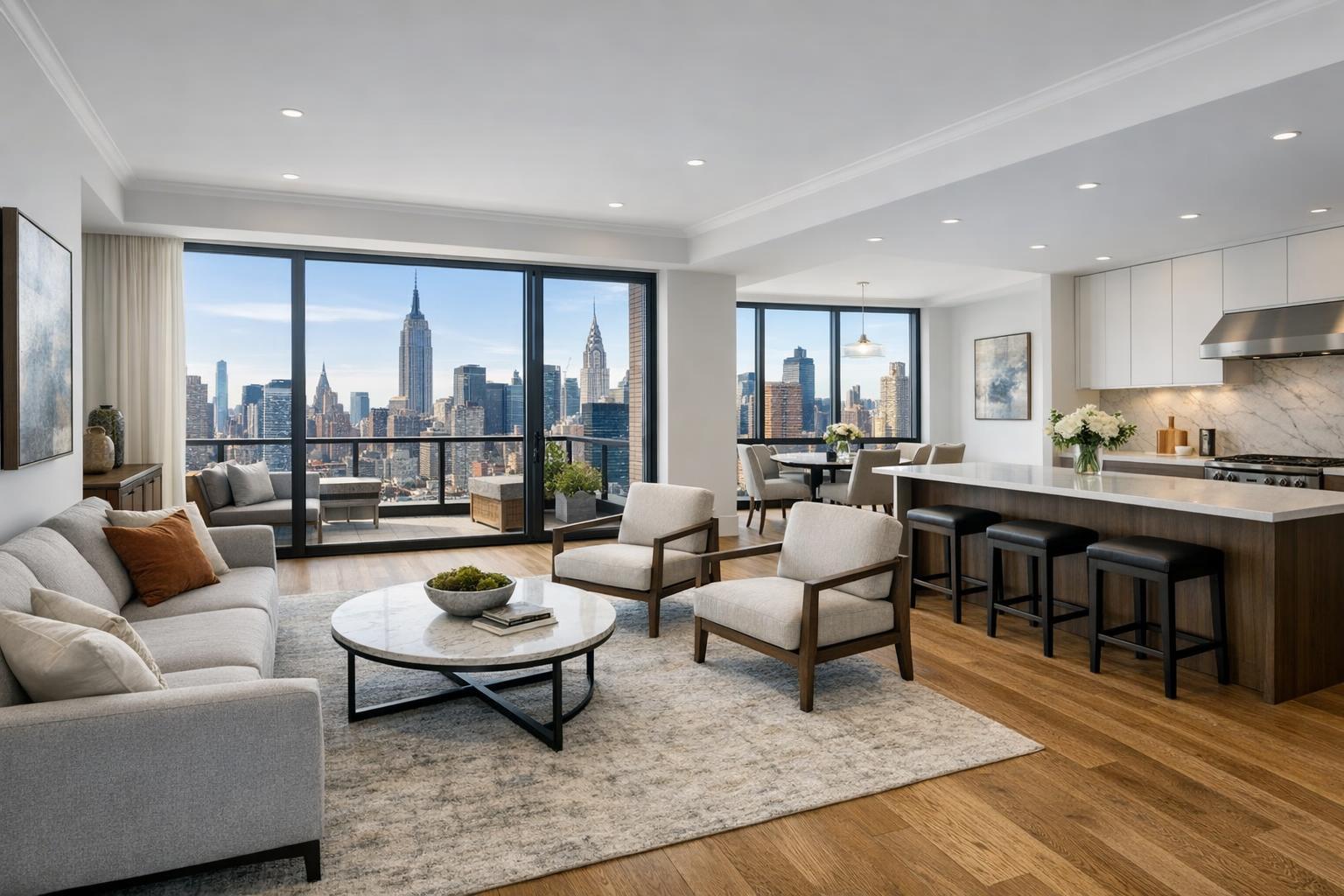
A luxurious Matterport NYC apartment offers stunning views of the city skyline through expansive windows, featuring a stylish open-plan living area with modern furnishings and a sleek kitchen.

Why Matterport NYC is Revolutionizing Real Estate Marketing
Matterport NYC technology is quietly reshaping the way properties are introduced and explored throughout the city’s ever-competitive market. For real estate professionals and sellers, interactive 3D virtual tours have become far more than a digital novelty—they’re a must-have tool for listing presentation, buyer engagement, and efficiency, especially in markets as dense and varied as Manhattan, Brooklyn, Queens, and New Jersey.
Beyond the Slideshow: What a Modern 3D Virtual Tour Offers
For years, crisp listing photos have been the backbone of real estate marketing. But as expectations evolve, so does the need for depth, clarity, and flexibility in the digital viewing experience. A 3D virtual tour, powered by platforms like Matterport, lets prospective buyers or renters “walk” through a property at their own pace from wherever they happen to be—on a lunch break, commuting, or contemplating a move from out of state.
Instead of clicking through a set of agent-selected images, viewers can navigate each room directly. They pause in a kitchen, look out a window, retrace their steps, or carefully examine how rooms are connected. This ability to self-direct their tour makes an enormous difference for listings that are:
- Unusual in layout (like brownstones, lofts, and multi-level condos)
- Compact homes where spatial efficiency matters
- Renovated spaces with distinct finishes
- Properties featuring outdoor spaces, terraces, or unique common areas
- Commercial properties where circulation, access, or retail workflow needs to be understood
While nothing can fully replace visiting a property in person, a sophisticated virtual walkthrough removes much of the guesswork and helps buyers decide when a showing is truly warranted.
Why Layout and Flow Matter in NYC Listings
The physical layout of NYC properties is rarely straightforward. Townhouses might span several floors with varying ceiling heights, garden access, or parlor levels. Pre-war apartments could offer generous foyers and winding hallways. Even the most artfully photographed set of images often leaves buyers puzzled about how everything connects.
This is where a Matterport 3D tour proves invaluable. It doesn’t just show a bedroom—it clarifies whether that bedroom is tucked away for privacy or steps from the main living area. It lets a client determine whether the dining nook could double as an office or if the primary suite truly feels “separate.” With so much of New York’s housing stock featuring quirky or bespoke layouts, having an interactive model helps viewers answer:
- How do public and private areas relate?
- Where are bathrooms and closets?
- How does the space feel when moving from one room to another?
- Is it easy to entertain, or is the kitchen cut off?
- How does the apartment’s layout compare to others on their shortlist?
Floor plans still play a supporting role, yet the virtual tour bridges the gap between abstract diagrams and real-world experience.
Video vs. 3D Tour: Two Tools, Two Purposes
A listing video and a virtual walkthrough are both powerful, but they’re not interchangeable. Video works as a curated highlight reel—a guided, cinematic tour that sets a mood, showcases key features, and often includes music or narration. It’s ideal when the property’s atmosphere and style are the headline.
A 3D tour delivers something different: autonomy. The viewer gets to focus on the spaces that matter most to them, spend extra time comparing the kitchen layouts of two competing apartments, or return to double-check how a terrace is accessed from the living room. For many buyers, especially those relocating to New York or working with little flexibility for in-person showings, virtual walkthroughs become a deciding factor.
Many successful listings use both formats: a video to introduce the property and generate excitement, plus a 3D tour for self-guided exploration and layout clarity.
Practical Benefits for Agents and Sellers
Adding a virtual tour to a listing isn’t about chasing every technological trend. Particularly in dense real estate environments, the benefits are tangible:
- Remote viewing for out-of-area buyers: Essential for clients relocating, investors, or anyone unable to visit right away.
- Pre-qualifying interest: Buyers who tour virtually arrive at showings better informed and more motivated.
- Supporting busy schedules: Tenants, partners, or remote decision-makers can “walk through” when it suits them.
- Highlighting value: Unique layouts, amenities, or renovations are easier to showcase effectively.
For sellers, this means the home is presented with more than just a gallery of isolated photos; for agents, it offers a credible link to share in marketing, social media, emails, and private follow-ups.
Getting the Most Out of a Virtual Tour
High-quality 3D tours depend on thoughtful preparation—the camera picks up everything, in every direction. Before capture, ensure the property is clean, organized, and free of unnecessary clutter. This isn’t just about looking tidy; viewers can peer into corners, down hallways, and revisit any room at will.
Recommended prep steps include:
- Clearing tables, countertops, and vanities
- Tidying up bedding, pillows, and towels
- Removing personal items and pet supplies
- Adjusting lights and window treatments for consistent lighting
- Discussing with your media partner any spaces that should remain off-camera
A lived-in property doesn’t need to be “staged” to an unnatural degree, but a fresh and navigable layout helps the tour feel more inviting and accessible.
Real-World Scope: Which Properties Benefit?
The usefulness of a 3D walkthrough in NYC and New Jersey isn’t limited by property type. Different buildings have different stories to tell, and each can benefit from a perspective beyond still images.
Condos and Co-ops: Buyers scrutinize square footage and want to visualize traffic flow between living, dining, sleeping, and storage areas.
Townhouses and Brownstones: Multi-level layouts and alternate entrances make navigation and spatial orientation a challenge without a tour.
Rental Listings: With prospective tenants comparing numerous apartments online, an interactive tour helps a property stand out and reduces wasted showings.
Commercial Spaces: Office, retail, and hospitality spaces require advanced planning for build-outs, customer circulation, and functionality. A virtual model helps clarify these elements in a way photos cannot.
The Process: On-Site Scanning Creates Realism
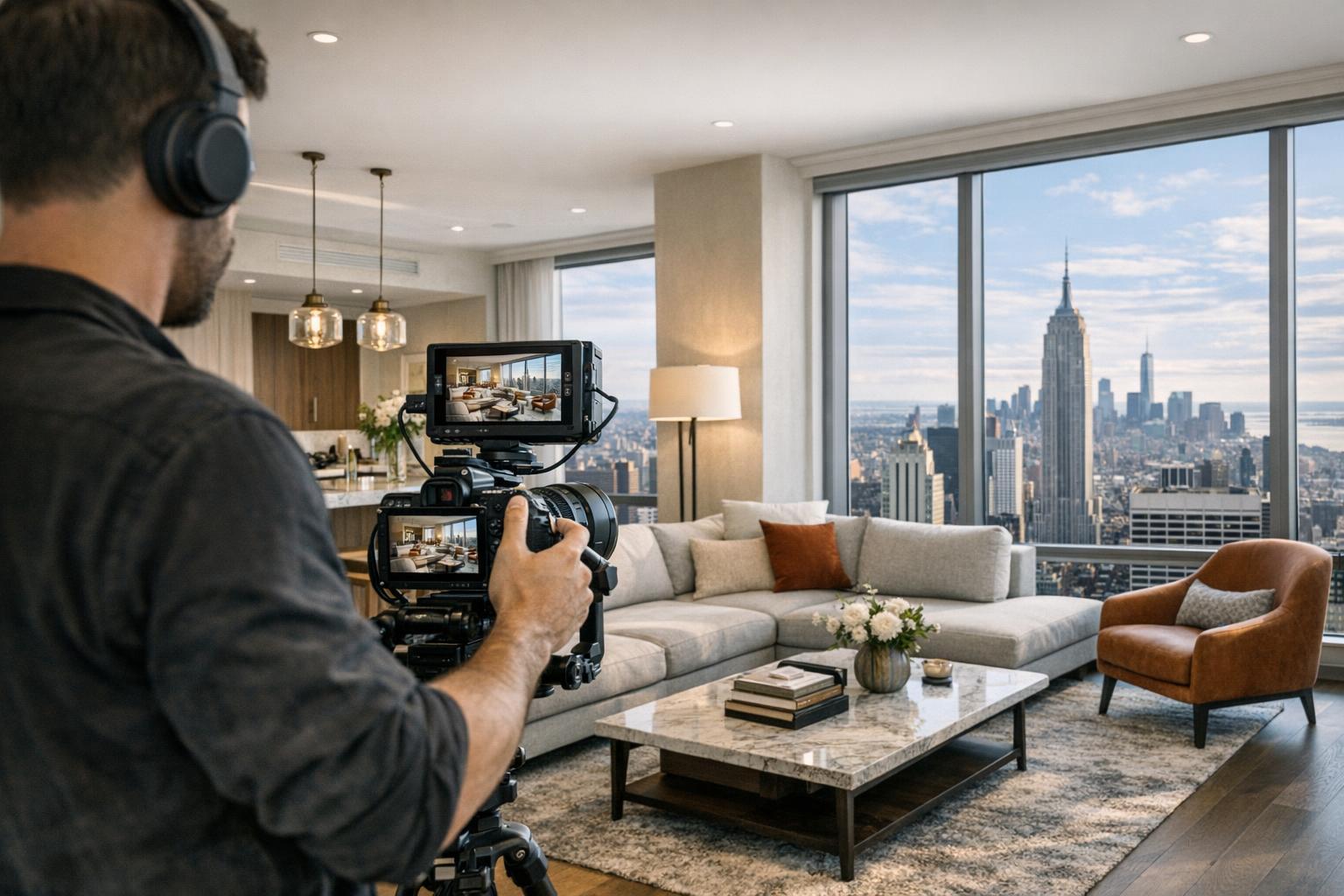
Creating a 3D virtual tour is a hands-on process. Physical access to the property is required—the space must be mapped room by room, capturing every angle and detail as it exists at the time of the appointment. This means accuracy is built into the experience from the start; viewers see the real-world transitions and connections as they would if they visited in person.
Working with an experienced local provider means logistical details—whether that’s scheduling with a building’s management, planning for elevator use, or ensuring all access points are pre-approved—are handled efficiently.
Using Virtual Tours Strategically
The smartest listings incorporate a 3D tour intentionally, not as a last-minute add-on. Before scheduling, consider what aspects of your property could cause confusion or merit extra detail:
- Is there a key selling point hidden beyond the entry?
- Will buyers struggle to imagine how the terrace connects to the living space?
- Does a unique layout risk being overlooked in a crowded MLS search?
Professional providers like RealtaSnap help agents and sellers throughout NYC and New Jersey showcase their properties through high-quality Matterport virtual tours, supporting a full suite of real estate media services. For an overview of 3D tour options and details, visit the Matterport virtual tour information page.
Setting Expectations: What 3D Tours Can and Can’t Do
A virtual walkthrough delivers a remarkable level of layout clarity, autonomy, and realism, but it isn’t a substitute for every aspect of an in-person showing. Keep in mind:
- Lighting and colors may vary based on display settings.
- The “feel” of materials, ambient light, neighborhood activity, and sound aren’t fully captured.
- Common areas or amenities outside the scanned space should be shown with supplementary photos, video, or agent remarks.
The strongest property presentations leverage every available tool: photography for polished highlights, video for flow and mood, tours for navigation, and floor plans for measurements and orientation.
Low-Pressure, High-Impact Marketing
There’s no one-size-fits-all answer for every listing. Some agents rely heavily on 3D tours to market rentals, new developments, or high-end listings to global buyers. Others reserve them for uniquely challenging spaces or properties where layout transparency is critical. Across the board, the trend is clear—self-directed exploration is becoming the new standard in online property shopping.
If your next listing could benefit from a more engaging, user-guided viewing experience, it’s worth learning what interactive virtual tours can offer. Learn more about available services or book an appointment at www.RealtaSnap.com.
FAQ
Question: How is a Matterport 3D virtual tour for NYC properties created?
Answer: Matterport tours require an on-site scan of the property, room by room. The process uses specialized cameras to map every angle, ensuring viewers can navigate the actual layout online.
Question: Do I need to have the property empty before a 3D virtual tour appointment?
Answer: While the home doesn’t need to be empty, tidying surfaces and removing personal or distracting items helps the tour look its best. Clean, organized rooms are easier for viewers to explore virtually.
Question: Can I use a Matterport scan for both residential and commercial listings?
Answer: Yes. 3D virtual tours are especially helpful for condos, townhouses, rentals, and retail or office spaces—anywhere layout, features, or flow are important factors for buyers or tenants.