Commercial Real Estate Photography: Elevate Your NYC Listings with Professional Imagery
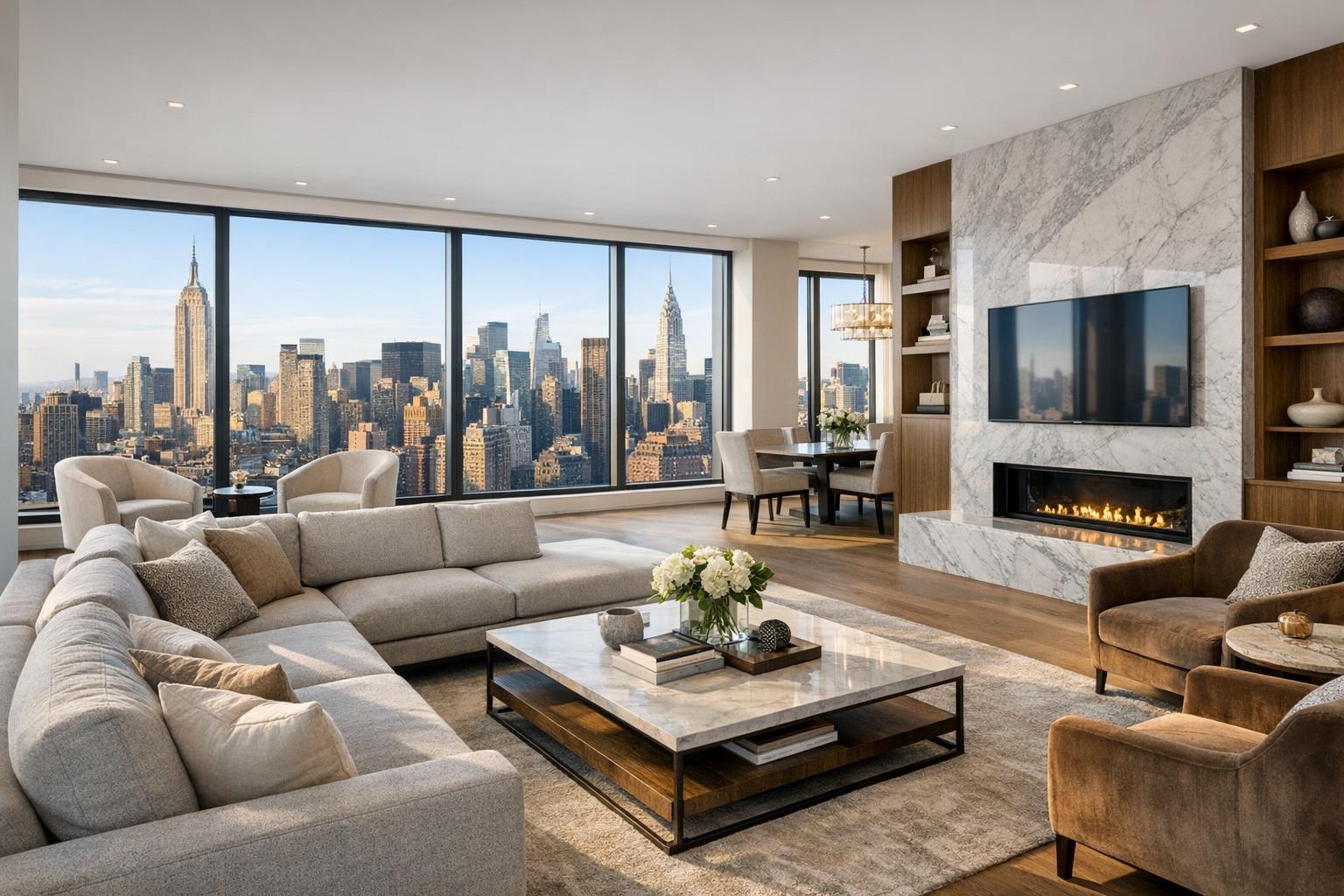
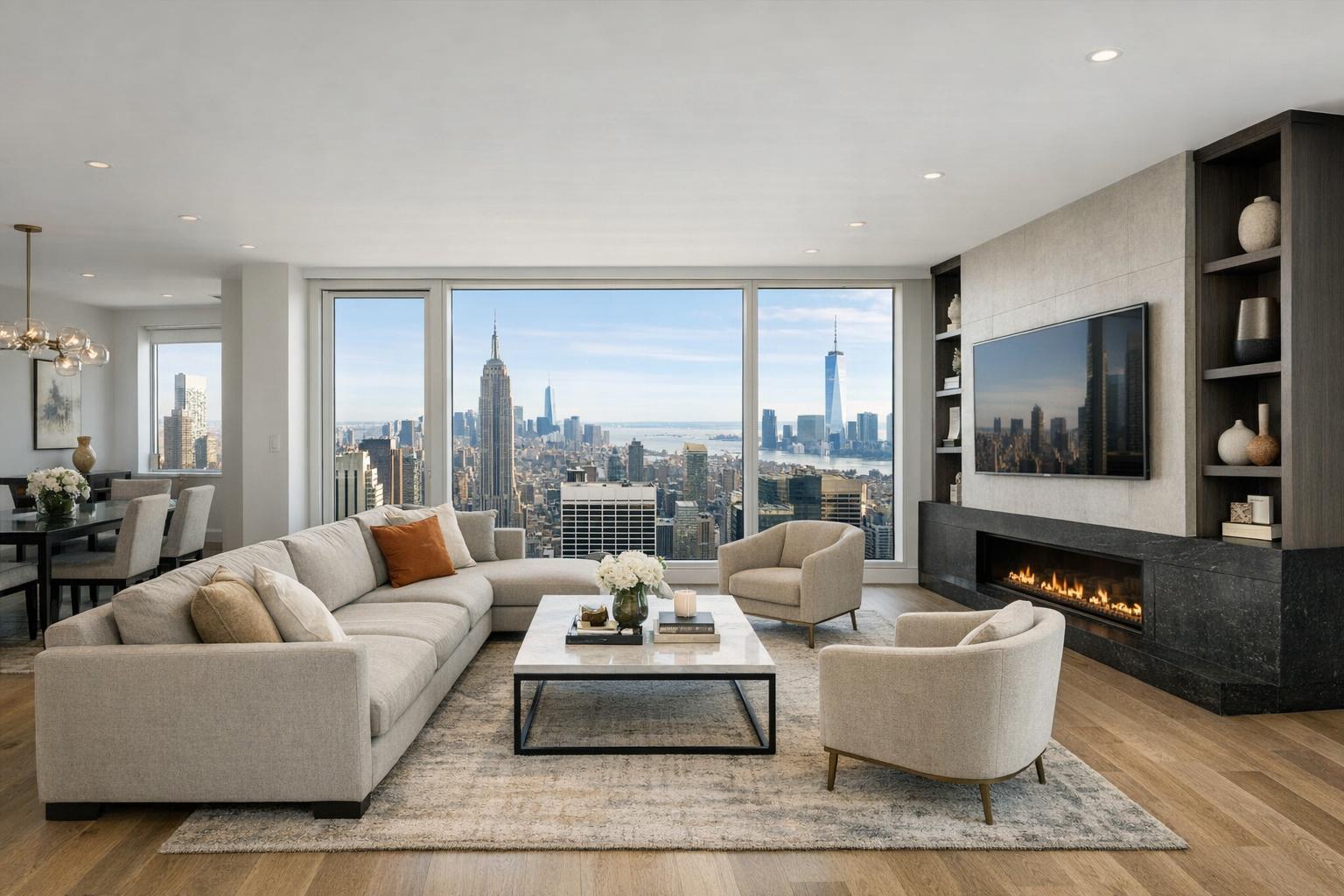
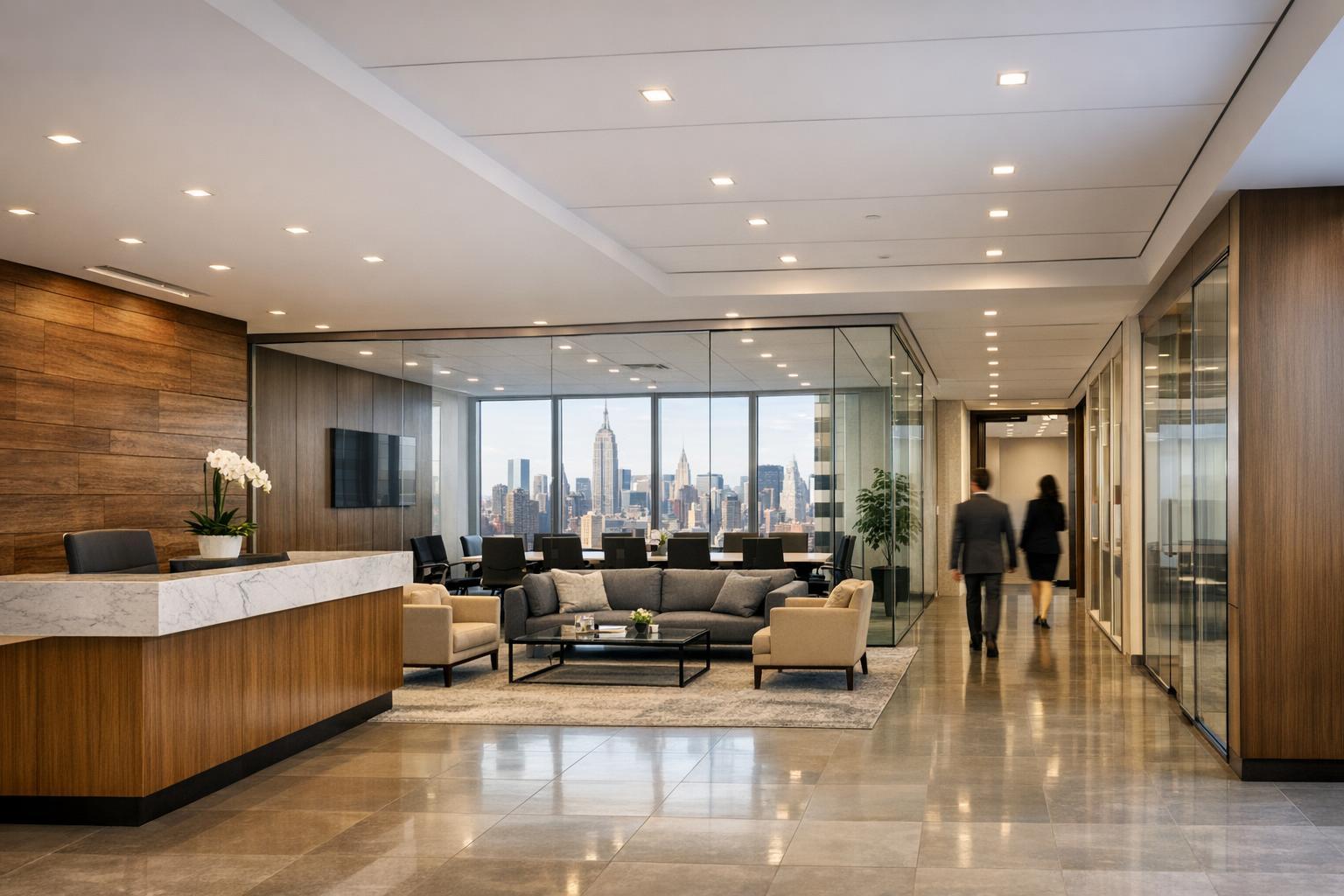
A modern office lobby with sleek furnishings and a panoramic city view showcases commercial real estate photography.

Commercial Real Estate Photography: Elevate Your NYC Listings with Professional Imagery
Commercial real estate photography in New York City isn’t just about making properties look good. In a market as dynamic and competitive as NYC, where every square foot counts, expertly captured images help brokers, landlords, and property managers communicate value instantly to potential tenants, buyers, and investors. With a single glance, photos shape crucial first impressions and set expectations for any type of business space—whether it’s a ground-floor retail shop in SoHo, an office in Midtown, or a renovated industrial loft in Brooklyn.
Why Professional Commercial Photography Makes a Difference
For commercial listings, the priorities differ from residential real estate. While homeowners might daydream about a cozy kitchen, businesses need concrete details: Will their brand resonate on this corner? Can their team collaborate effectively in this workspace? Are there features, like natural light or high foot traffic, that could translate to daily benefits? High-quality photos need to answer these questions quickly and clearly.
Professional photographers approach every property with a plan designed to showcase practical features, usability, and atmosphere. Instead of relying on generic angles or overused effects, they break down a property’s strengths with images that do more than show dimensions—they allow viewers to imagine operations, customer experience, and workflow in the space.
Distinct Visual Demands of NYC’s Business Properties
Every NYC commercial space tells a unique story through its layout, location, and amenities. A retail spot might prioritize clear street-facing photos, storefront signage, and the relationship to surrounding foot traffic. Office listings typically benefit from images of lobbies, work areas, conference rooms, and communal amenities.
The challenges don’t end with what you photograph. Dense urban settings mean exterior views are often limited by adjacent buildings or busy sidewalks. Interiors—especially in older or unconventional spaces—may feel cramped or visually confusing. Effective commercial real estate photography brings clarity, using wide shots to establish context, mid-range images to show functional use, and close-ups to capture distinctive finishes or branding opportunities.
What Images Matter Most?
While every commercial property has different highlights, these categories are useful for most NYC spaces:
- Exterior and entrance
- Reception and lobby
- Workspaces, suites, and meeting rooms
- Amenities such as roof decks, lounges, or fitness centers
- Architectural features, signage, and unique finishes
- Relevant access points and support areas (loading docks, parking)
A successful portfolio answers practical questions and motivates the next step, whether that’s scheduling a tour or making an offer.
Navigating NYC Realities: Logistical and Visual Hurdles
Capturing business property photography in New York involves more than showing up with a camera. The city’s tight spaces, busy streets, and complex building access rules demand careful planning and communication.
Typical NYC Photography Challenges
- Limited exterior angles: Buildings shoulder-to-shoulder mean street views might be blocked, while traffic or delivery trucks can appear in frames.
- Irregular or compact layouts: Older buildings and creative renovations can make it tough to capture full floor plans in one shot.
- Mixed lighting environments: Daylight, accent lighting, and reflections from nearby buildings require skilled balancing to avoid artificial colors or washed-out details.
- Active spaces: Coordinating around open businesses, employee schedules, and property access restrictions is key to a seamless shoot.
Preparation and communication with all stakeholders—including building management, tenants, and brokers—make it possible to highlight what matters without disrupting daily operations.
Lighting, Scale, and Branding: Nuances That Matter
Bright but Honest Lighting
The best commercial images feel vibrant and welcoming without altering reality. Balanced exposure allows interiors to shine—even when challenging window views or artificial lights are involved—without distorting color or scale. Responsible editing should enhance clarity, not invent features that don’t genuinely exist.
Representing Scale Accurately
Wide-angle lenses have their place but must be used carefully. Overly expansive shots can make NYC’s compact suites look misleadingly large, while a portfolio of only close-ups may leave viewers lost on layout. A balanced set of images—wide, medium, and detailed—creates honest visual storytelling.
Incorporating Brand and Purpose
Whether a property houses an established brand or is presented vacant for lease, consider what branding elements should be visible. Outdated signage, personal items, or clutter can distract from a listing’s message, while intentional inclusion of a logo or curated décor can strengthen a company profile. Decide early which story the photography needs to tell and keep the images consistent with that narrative.
Preparing a Commercial Space for a Shoot
Getting a property photo-ready doesn’t mean making it look unlike itself. Instead, it’s about removing anything that distracts from its function or appeal. Before your photographer arrives, do a walk-through with a fresh set of eyes.
Quick Preparation Checklist
- Clear desks, counters, and surfaces of extra papers and supplies
- Remove boxes, cleaning gear, cables, and temporary signs
- Replace any burned-out lights; check that all lighting works
- Clean windows, doors, and reflective surfaces
- Tidy common areas and arrange chairs or furniture for a cohesive look
- Review whether tenant or business signage should be included or hidden, depending on your audience
- Secure access to all amenities and special areas that need to be shown
Even vacant spaces need attention. Highlight clean lines, abundant light, or generous dimensions—these characteristics are often best shown in spacious, uncluttered images. For truly empty rooms, tools like AI virtual staging (intended for fully vacant or cleared-out areas) can help showcase possible usages, provided all physical clutter is removed or digitally eliminated as part of the prep.
When to Add Video, Floor Plans, or 3D Tours
Photos are nearly always the foundation of an NYC commercial listing, but some spaces benefit from a broader toolkit. A detailed floor plan can clarify how unique layouts connect, 3D virtual tours let remote stakeholders explore on their own time, and video can illustrate movement through amenities, from lobbies to open workspaces.
Drone photography can be especially powerful for buildings with substantial curb appeal, rooftop access, or sprawling campuses. However, flying drones in New York comes with airspace rules and safety constraints, as each location’s feasibility depends on site conditions and regulatory approval.
Learn more about real estate photography NYC and related services designed to help every listing reveal its full potential.
How to Select a Commercial Photography Partner
Choosing a photographer for a NYC commercial listing goes beyond looking at a portfolio. Seek out specialists who consistently deliver both clarity and creativity in complicated city spaces and who understand the specific needs of commercial marketing.
What to Ask Before You Book
- Do you have experience with properties like ours (retail, office, hospitality, mixed-use)?
- How will you highlight the most relevant features and amenities?
- Can you work around unique access or scheduling limitations?
- What’s included in your standard package, and what are the options for add-ons (like video or virtual tours)?
- How do you approach editing and adjustments?
- Will you help us establish a consistent look across marketing channels?
A successful collaboration starts with transparency about your goals, priorities for the shoot, and any logistical details that affect timing or access.
NYC’s Tailored Solution: RealtaSnap
Serving all five boroughs, RealtaSnap specializes in commercial imagery that meets the standard NYC demands: tight timelines, variable lighting, and properties of all shapes and sizes. With flexible photo packages ranging from focused sets (10 images) to extensive coverage for complex listings (up to 50 images), you can match the service to your needs.
Beyond photography, RealtaSnap offers add-on options for video, floor plans, Matterport 3D tours, and drone media—always respecting location-specific rules and choosing the best mix for each project’s audience. For more, explore their NYC-specific offerings.
Make Your Listing Stand Out
Quality commercial real estate photography isn’t just a finishing touch. It’s your first (and sometimes only) chance to help decision-makers understand why your property deserves a closer look, leading to more tour requests and more productive conversations. In a city that moves fast, clear, compelling visuals can make all the difference.
If you’re ready to invest in professional, NYC-savvy marketing that makes your commercial space impossible to ignore, plan your shoot at www.RealtaSnap.com.
FAQ
Question: How do I determine the right number of photos for my NYC commercial listing?
Answer: The best photo count depends on the property’s size, layout, and complexity. Small retail spaces benefit from a concise set highlighting both exterior and key interior features, while larger offices or multi-use buildings often require broader coverage to show all public areas, amenities, and room connections. Focus on images that help your target audience visualize operational fit and flow.
Question: Can commercial photography be scheduled during regular business hours?
Answer: Yes, but careful scheduling helps minimize disruptions to employees and clients. Early mornings, late afternoons, or scheduled windows during off-peak hours often work best, especially for spaces like restaurants or busy offices. Sharing access and activity constraints with your photographer ahead of time ensures clean results and smooth operations.
Question: What steps should I take before photographing a vacant business property?
Answer: Remove all visible debris, cleaning materials, loose cords, and any temporary items that don’t highlight the space’s strengths. Ensure that lighting works throughout, unlock doors, and make all common areas accessible. A bare, clean environment will photograph better and make spatial features easier for potential tenants or investors to assess.