Why You Need a Professional Real Estate Photographer in NJ for Standout Listings
A stunning New Jersey waterfront home at sunset is beautifully captured by a real estate photographer in NJ.

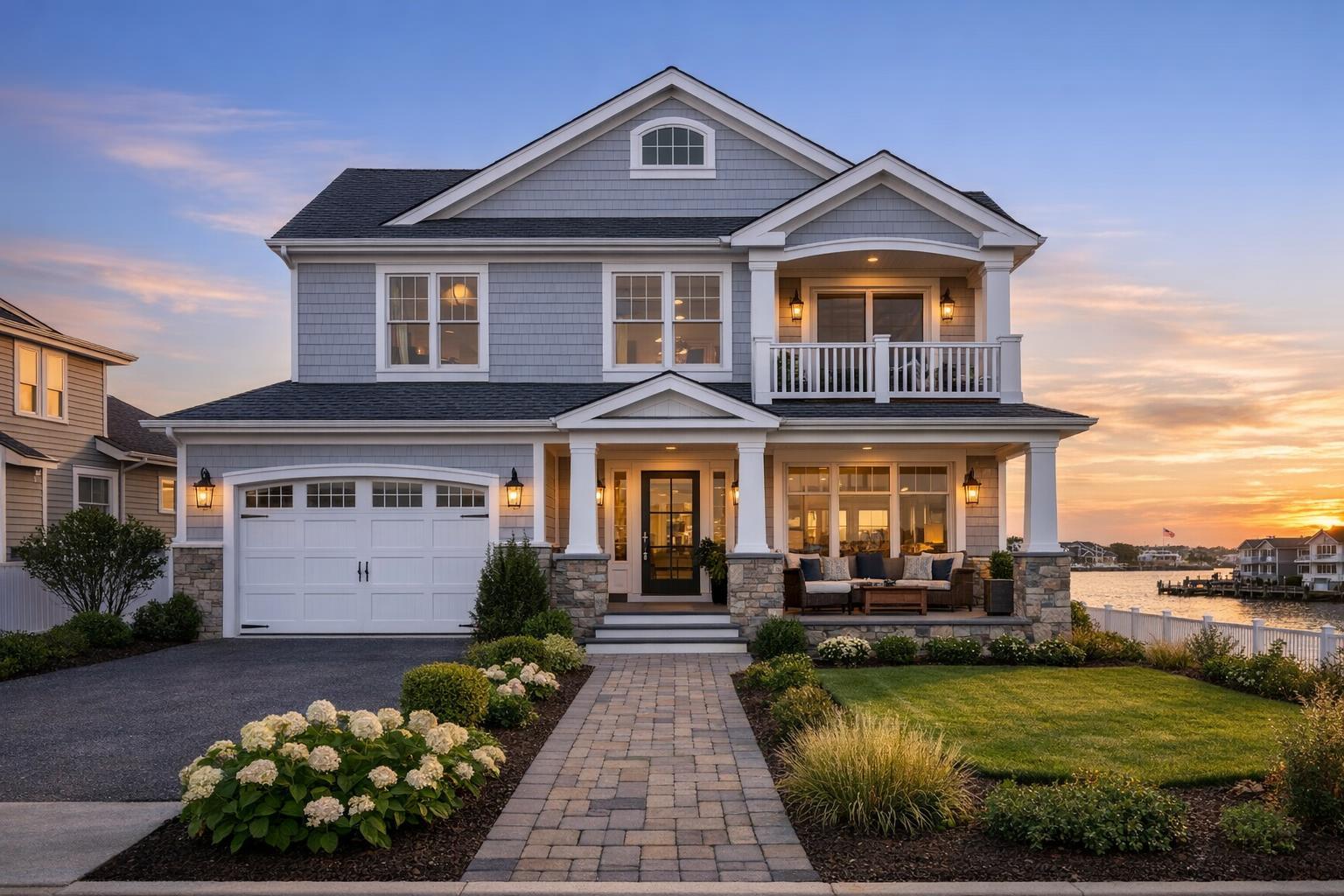
Why You Need a Professional Real Estate Photographer in NJ for Standout Listings
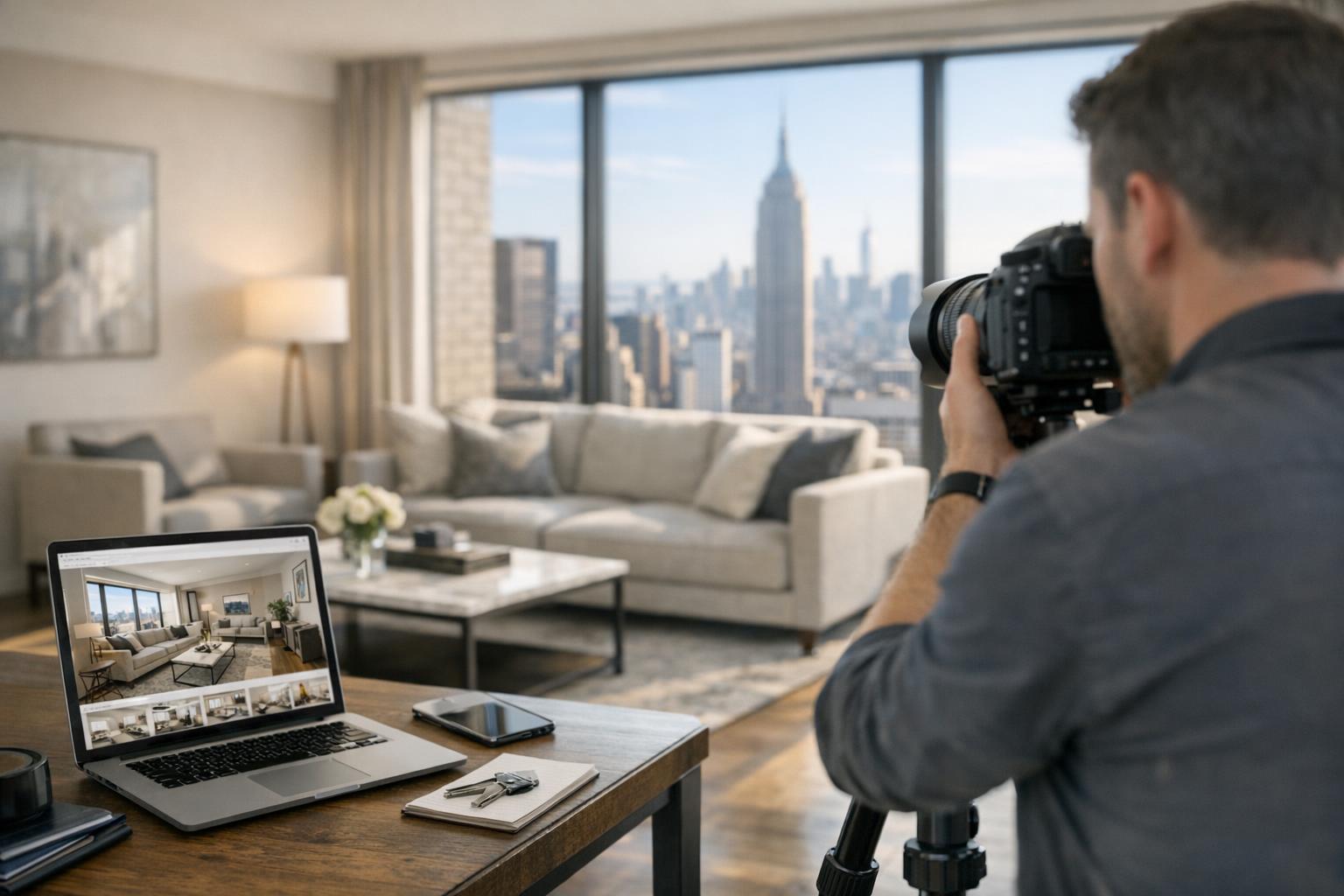
A real estate photographer in NJ does more than snap a few bright photos—professional listing photography is about crafting a visual experience that helps buyers understand not just what a property looks like, but why it’s worth their attention. In today’s online-driven market, first impressions are made in seconds as buyers skim listings on their laptops or phones, often from miles away. To make your property truly shine, a seasoned real estate photographer tells the home’s story with intention, clarity, and creativity.
The Power of Photographs in a Buyer’s First Impression
Homebuyers start their journey with pictures. Before diving into descriptions or pricing details, it’s the images that set expectations and drive decisions about which homes to visit in person. A gallery of thoughtfully composed photographs helps viewers see the actual flow of a house, the quality of light throughout the day, the proportions of each room, and special features like outdoor patios or custom built-ins. Poorly lit, awkwardly angled, or cluttered images can have the opposite effect—making even well-kept spaces feel less appealing than they are.
It’s not about tricking the viewer. Strong real estate photography accurately represents the property while highlighting its best attributes:
- The way social spaces connect
- Abundant windows and daylight
- Renovated touches and built-in storage
- Curb appeal, yards, and outdoor living zones
- The real lifestyle each home offers, whether in Hoboken or Bergen County
Good images are clear, orienting, and easy to browse. The viewer should always know which room they’re looking at and why it’s important.
Real Estate Photography Is Technical—And Strategic
Capturing a property at its best is about more than having a good camera. Expert real estate photographers make careful choices about timing, angles, and which details deserve the spotlight.
Harnessing Natural Light
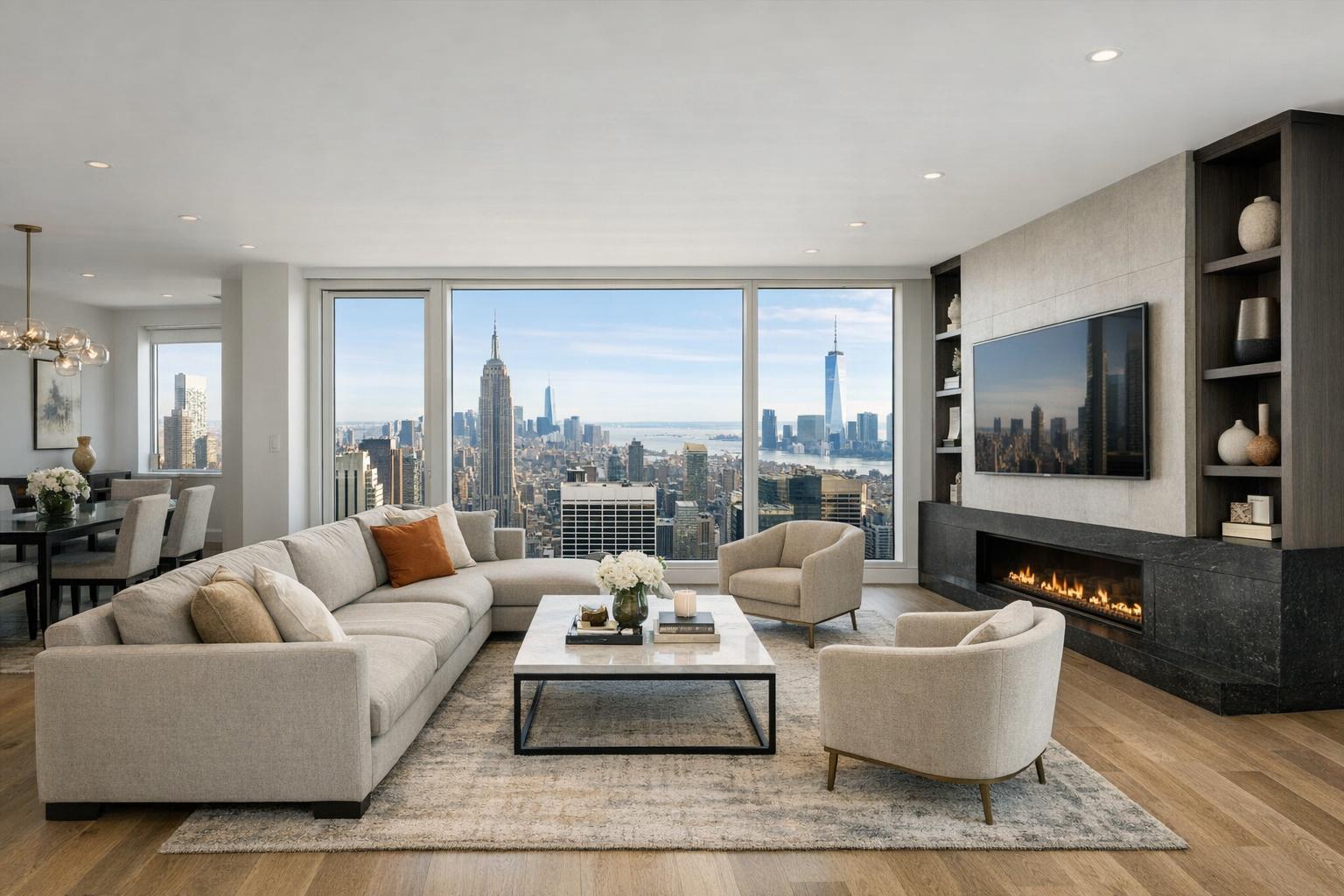
Lighting is key. Large windows can fill a living room with sunlight but also create challenges with bright exteriors and shadowy interiors. Professional photographers use HDR (High Dynamic Range) techniques to blend exposures so that rooms look spacious and inviting while staying true to the property’s real colors and textures. Straight verticals, natural colors, and clear window views help ensure photos are inviting but honest.
Exterior shots, too, matter. The best images might use the late afternoon glow to boost curb appeal or showcase landscaping and deck spaces that are easy to overlook.
Composing for Clarity and Connection
Each photograph should answer real questions buyers have: Can the dining area seat a crowd? Is there a space for working from home? Professional photographers mix wide shots for context with detail shots of unique features like fireplaces, appliances, or built-ins. Sequence matters, too—images should flow logically from outside in, guiding the viewer through main gathering spaces, bedrooms, baths, and outdoor areas.
Honest Representation Builds Trust
There’s a world of difference between strategic presentation and digital trickery. Photos should reflect the home as it is, providing buyers with a true sense of the layout before they visit. This builds confidence, avoids surprises, and leads to better matches between properties and potential buyers.
Adapting to North Jersey’s Unique Market
North Jersey’s real estate market is anything but one-size-fits-all. High-rise condos, suburban single-family homes, townhouses, multi-unit investments, and stately colonials each deserve their own approach. A north jersey real estate photographer adjusts coverage to fit:
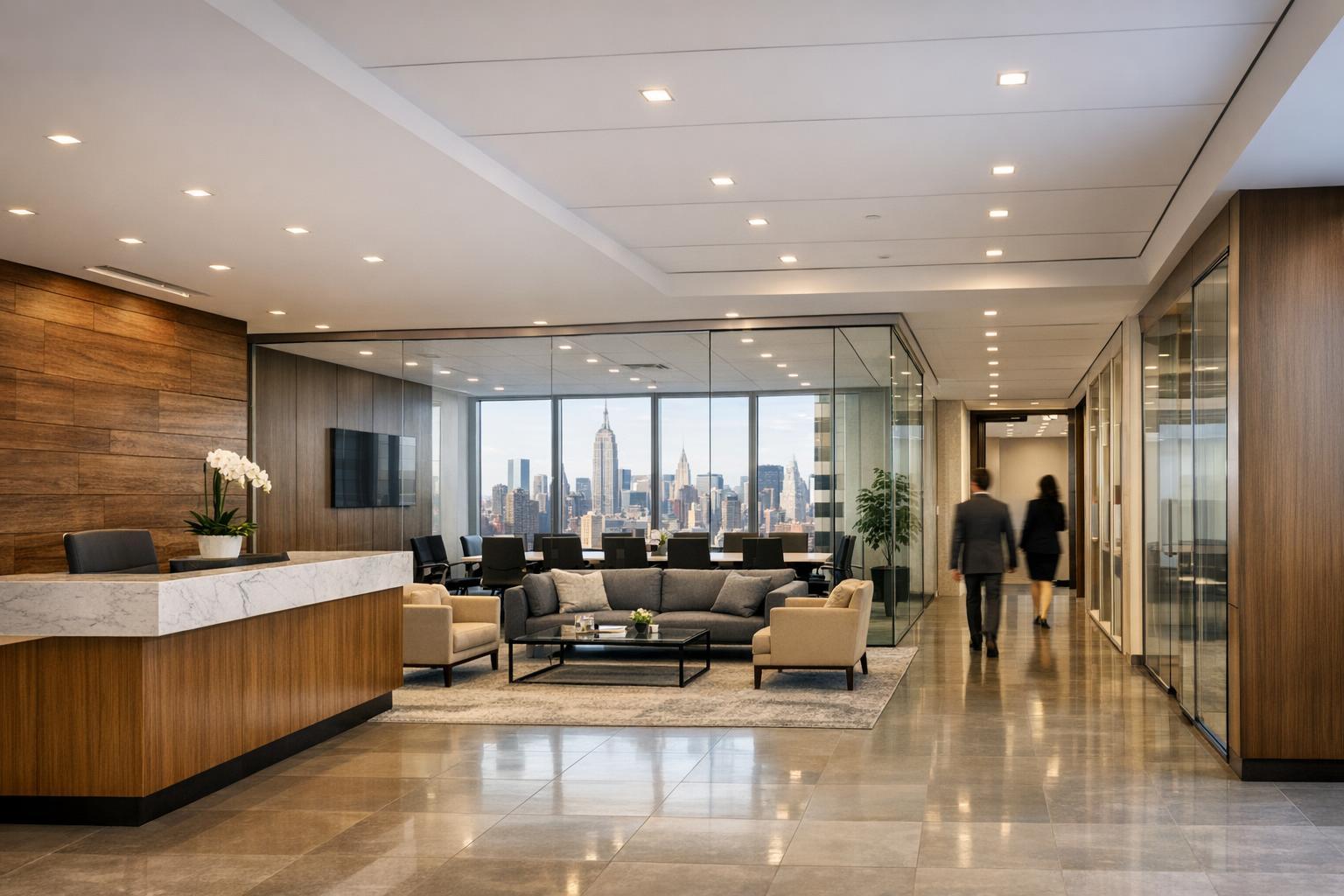
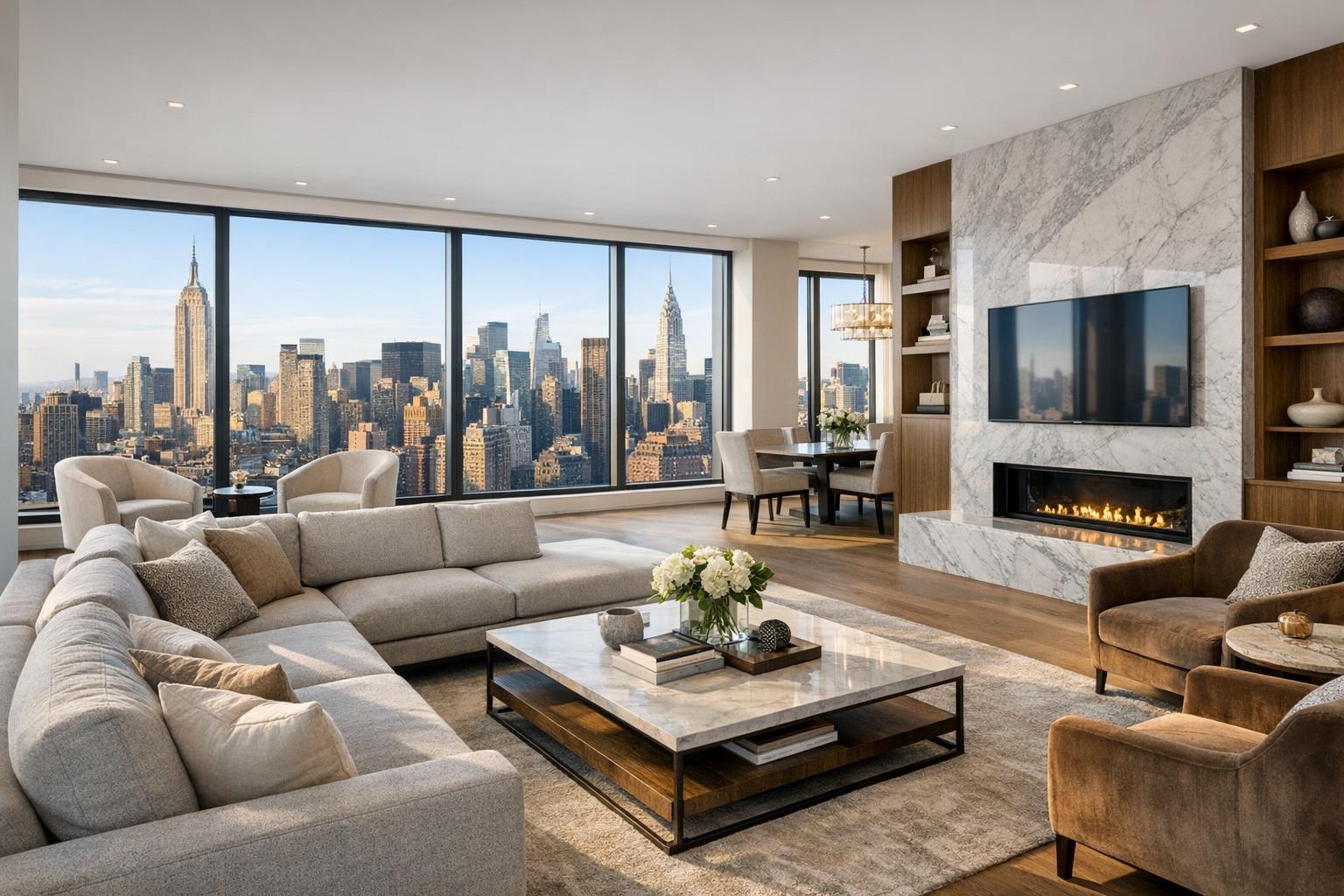
- Urban condos: Focus on views, daylight, smart layouts, and amenities
- Single-family homes: Highlight main gathering areas, yards, decks, and garages
- Townhomes: Clarify multi-level flow, stairways, and indoor-outdoor living
- Multi-family: Show the quality of each unit, common spaces, and curb appeal
- Empty properties: Emphasize room size and layout so buyers can imagine their own furnishings
Instead of overwhelming buyers with countless photos, an intentional, organized gallery lets each space shine without redundancy.
When Advanced Media Makes a Difference
While a strong collection of still images forms the backbone of any listing, supplemental media can help answer questions that photos alone sometimes can’t.
HDR for Bright, Balanced Images
HDR photography is invaluable for homes with both sun-drenched windows and deep shadows. It ensures viewers can appreciate a bright room and see interior details—especially important in listings meant to capture attention quickly.
Drone Imagery for Context and Scale
Aerial photography and video set the scene, especially for properties where land, views, or proximity to local amenities matter. Drone flights, however, depend on factors like airspace, weather, and pilot discretion. Not every property is suitable for drones, but when conditions allow, these images can be a major asset.
Virtual Tours for Remote Buyers
Interactive 3D tours help viewers explore at their own pace, moving room by room to understand layout and flow—crucial for distant buyers or listings with complex floor plans. For an example of immersive tour technology, platforms like Matterport are widely used by professionals.
Floor plans add yet another layer of context, showing room arrangement and supporting buyers as they consider logistics like furniture placement.
For more detailed preparation tips, you can read the RealtaSnap real estate photography prep guide.
How to Prep Your Property for a Successful Shoot
Great photography can only do so much if a home isn’t ready to be captured. Sellers and agents can get the best results by tackling visual distractions and maximizing each room’s strengths. Here’s what to focus on before the photographer arrives:
- Tidy high-impact rooms: entry, kitchen, living areas, primary bedroom, baths, and outdoors
- Hide cords, personal items, and excess clutter
- Minimize decor to a few thoughtfully placed pieces
- Remove paperwork, magnets, and reminders from the fridge
- Make beds neatly, straighten pillows
- Turn off screens
- Stow pet items and try to keep pets off site during the shoot
- Replace burnt-out light bulbs and declutter exterior entries
- Move vehicles blocking curb appeal
- Alert your photographer to recent upgrades or must-see features
Vacant homes also benefit from a quick run-through—clean floors, working lights, consistent window coverings, and removal of leftover construction materials or debris.
Virtual staging is an option to give empty rooms context, but it works only when spaces are vacant (or, at minimum, physically decluttered). Virtual furniture shouldn’t be layered onto images of already furnished or messy rooms; if necessary, professional clutter removal can be arranged as an add-on.
Choosing the Right Photographer in New Jersey
Not all real estate photographers are equal. When evaluating a provider, ask to see full galleries from real listings—not just a few hero shots. Look for consistency:
- Straight, natural-looking lines and balanced exposure
- Images that make the layout clear, not just interesting details
- Options for advanced media like drone, video, or immersive tours when needed
- Transparent booking and service information
- Clear guidance on what services can (and can’t) be delivered for your property type and location
- Reliable communication around scheduling and access
RealtaSnap serves properties throughout New Jersey, including North Jersey and suburban neighborhoods. Packages range from 10 to 50 photos, with prices starting at $149. The right selection should fit your property’s scale and unique story.
For scheduling details or to view available options, visit the RealtaSnap scheduling page.
A Better First Showing—Before Buyers Even Step Inside
Professional real estate photography doesn’t replace the basics—a well-prepped home, honest representation, and realistic pricing. What it does provide is a welcoming, organized stage for your listing, inviting buyers to picture themselves at home. This clarity benefits sellers, local agents, and buyers alike, making the whole process more efficient and enjoyable.
If you’re preparing a listing in New Jersey, starting with great photography can make a major difference. For more information, tips, or to book services, visit www.RealtaSnap.com.
FAQ
Question: How many photos should a standard NJ real estate listing include?
Answer: The right number depends on the home’s layout, size, and unique features. Smaller condos may need only focused galleries, while larger homes benefit from more coverage to show extra bedrooms, outdoor spaces, and special amenities. Prioritize images that tell the full story, not just every possible angle.
Question: Is drone photography available for all New Jersey properties?
Answer: No. Drone media is offered on a case-by-case basis due to requirements around FAA regulations, weather, airspace, property access, and pilot discretion. When possible, aerial images add valuable context for listings with land, views, or distinct architectural appeal.
Question: Can furnished rooms be virtually staged?
Answer: Virtual staging works best in rooms that are fully vacant or have been professionally decluttered. Digital furniture isn’t placed over existing items—if you need to virtually stage a space with some furniture still present, it’s best to remove those items first or arrange for professional clutter removal.