How Luxury Real Estate Photography Elevates NYC Listings for Top Dollar
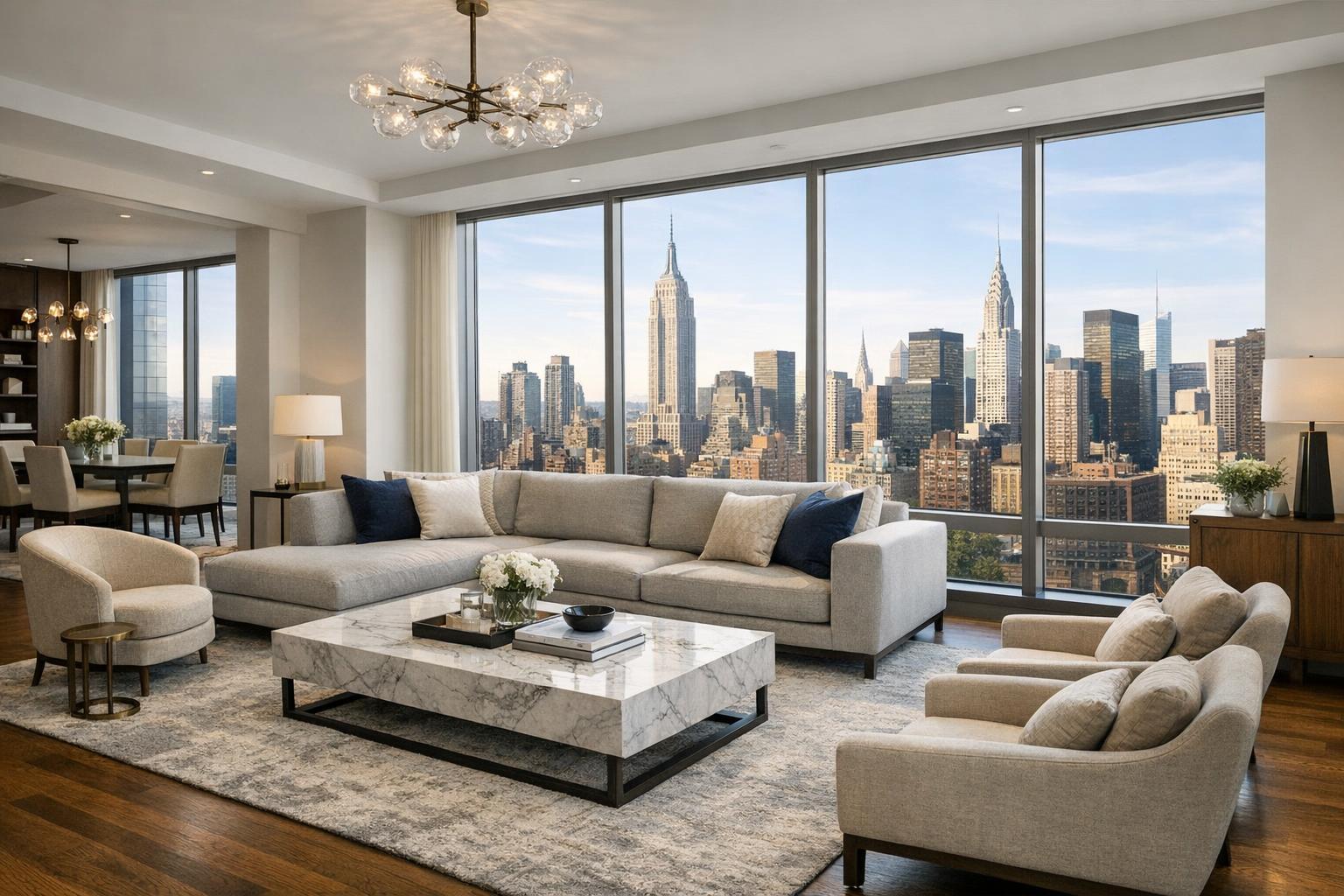
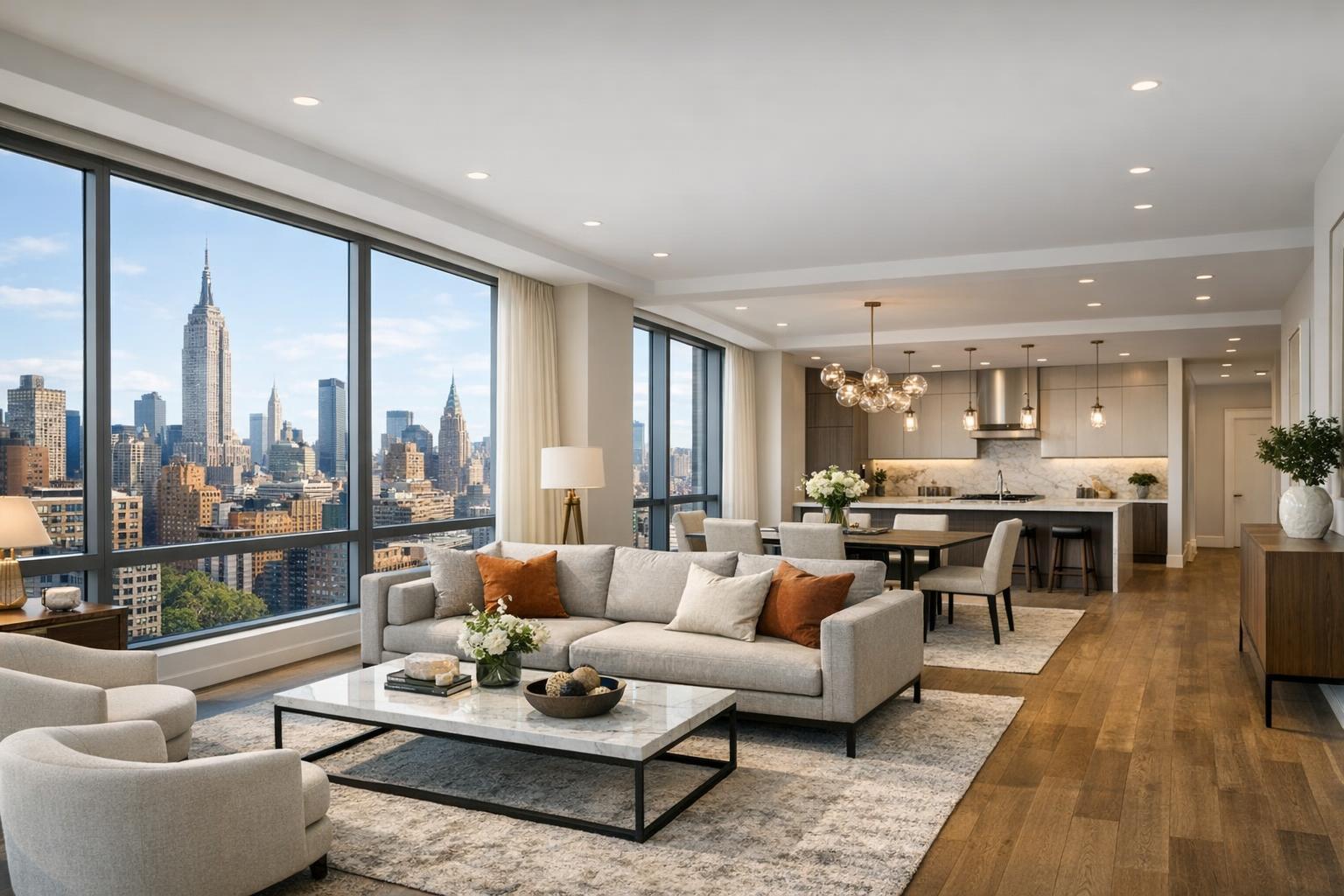
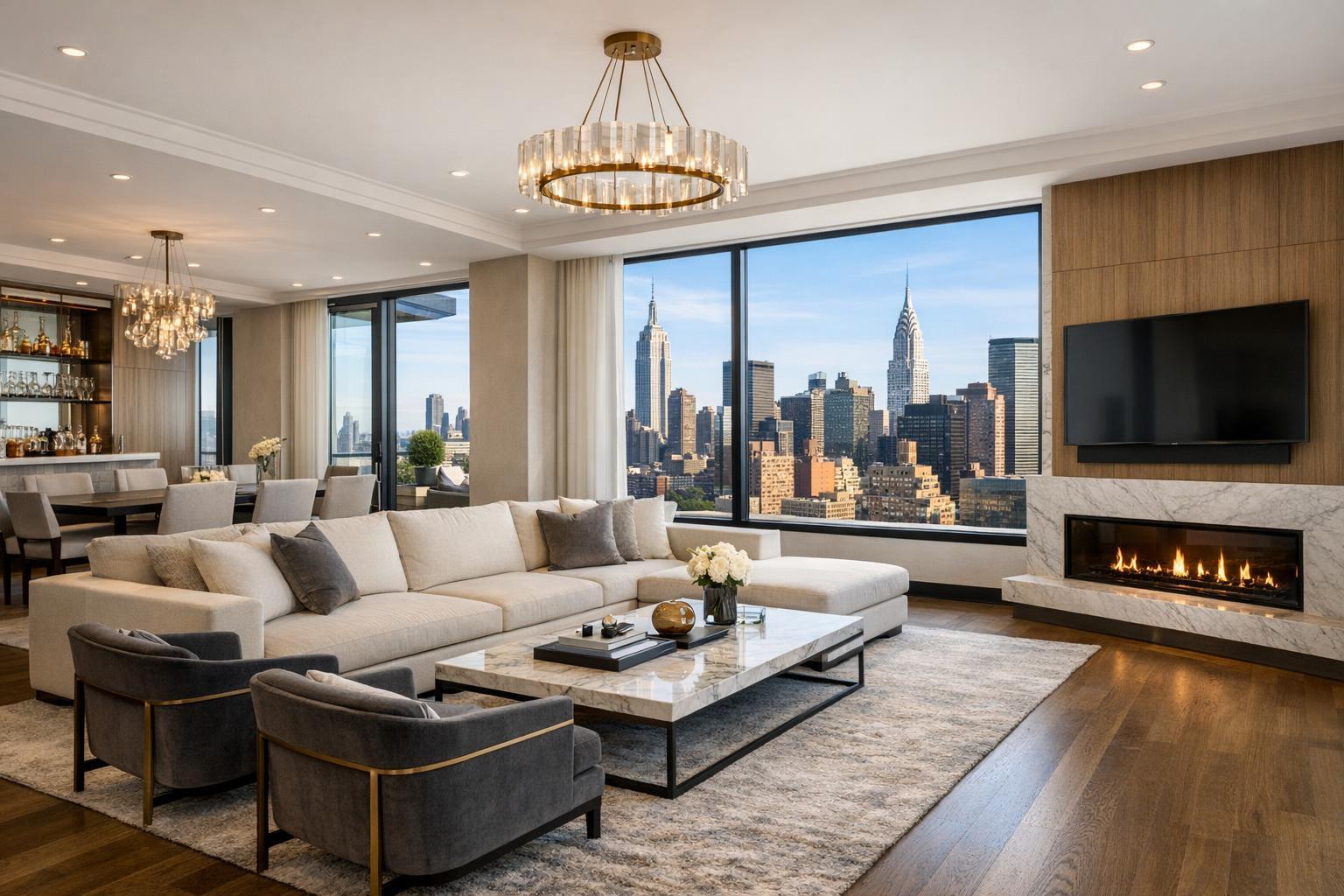
Luxury real estate photography captures a sophisticated living room featuring plush seating, a chic chandelier, a modern fireplace, and stunning views of a city skyline through expansive windows.

How Luxury Real Estate Photography Elevates NYC Listings for Top Dollar
Luxury real estate photography in New York City does more than simply showcase properties—it shapes first impressions, draws qualified buyers, and helps listings command optimal value in a competitive market. Every home has its unique story, and crisp, intentional visuals are often the first (and sometimes only) chance for buyers to experience a property before deciding to see it in person. In a city known for architectural diversity, dramatic skyline views, and high buyer expectations, the way a property is photographed can make all the difference.
Why Visual Presentation Matters More in NYC
Selling real estate in New York City means facing specific visual challenges. A Central Park–adjacent condo might offer stunning panoramas, yet have tight interior spaces that can easily feel cramped in photos. A Brooklyn brownstone might blend historic woodwork with modern upgrades, requiring images that balance detail with atmosphere. Artfully composed photography helps communicate not just square footage, but lifestyle: how daylight transforms a kitchen, the connection between living areas, or the invitation of a private terrace.
Anyone browsing listings will quickly notice that generic photos flatten homes into repetitive rooms, missing what makes them special. High-end property photography is different—it’s about crafting a visual sequence that highlights the property’s strongest points, from a chef’s kitchen to an original fireplace or city-facing balcony. These images give context and flow, making it easy for buyers to see and remember what’s truly distinctive.
Crafting Compelling Images: Before the Camera Clicks
Great real estate photography doesn’t start with the shutter. It begins with careful preparation. Even recently renovated homes can look cluttered if countertops are messy, furniture disrupts sightlines, or personal items crowd the frame.
Staging for Clarity and Impact
Staging doesn’t mean filling every room with designer furniture. Often, it’s about strategic editing and arrangement so that each area reads clearly and welcomes the viewer. For actively lived-in homes, some simple steps make a powerful difference:
- Remove everyday items from countertops and tables
- Put away personal photographs and distracting décor
- Straighten rugs, bedding, and drapes
- Ensure working lights and clean windows enhance natural light
- Open or position shades to allow even, appealing brightness
- Tidy up exterior spaces like balconies or patios
Vacant properties call for a different approach. While bare rooms might photograph beautifully if they feature striking architecture or amazing views, many buyers struggle to visualize scale or function in empty spaces. Virtual staging can help—but only works as intended when rooms are empty or have been properly decluttered according to best practices.
Navigating NYC’s Logistical Realities
Scheduling a shoot in the city isn’t as simple as just showing up. Agents and sellers need to coordinate building access, consider doorman schedules, elevators, and amenity access, and sometimes arrange around ongoing renovations or shared spaces. A well-prepared shoot agenda saves time and ensures every highlight—like a rooftop lounge or landscaped courtyard—gets its moment.
Budgeting enough time for the photographer to work also matters. Moving too quickly can mean missing out on magical daylight, special details, or creative compositions that might set the listing apart.
How Lighting and Composition Transform Spaces
Lighting is foundational in luxury real estate photography. New York homes can feature everything from glossy stone surfaces and dramatic floor-to-ceiling windows to original parquet, custom millwork, and shimmering skyline backdrops. Balancing natural illumination with interior fixtures produces an inviting, realistic atmosphere—and preserves the subtleties that make each material shine.
Examples From the Field
- A Manhattan penthouse: Needs technical care so both the room and skyline look vibrant and believable in a single frame.
- A brownstone’s parlor level: Benefits from a warm, layered approach that reveals architectural charm without erasing the sense of history.
- A minimalist condo: Calls for restraint so that pale walls feel cozy—not washed out—while still showcasing rich textures or design finishes.
- A loft with oversized windows: May be best served by expansive wide shots, paired with close-ups to celebrate custom fixtures or hand-finished woodwork.
Well-considered composition does more than flatter a room. It guides the viewer’s eyes, clarifies how spaces connect, and ensures each photo has purpose. Thoughtful listings use a mix of wide angles and detail shots, drawing attention to architectural lines, focal points like staircases or mantels, and the movement from public spaces to private retreats.
Editing for Authenticity (Not Illusion)
Once photos are captured, skilled editing ensures images are balanced, consistent, and free of distracting elements. For premium listings, this means correcting color and exposure, straightening architectural lines, and removing small visual disruptions—not altering floor plans, inventing upgrades, or misrepresenting reality. Buyers at the high end expect accuracy and integrity, and effective editing enhances a property’s strengths without crossing into digital fiction.
Edits may include:
- Exposure and color adjustments for even, true-to-life presentation
- Straightening and perspective corrections
- Minor object removal when requested and appropriate
- Virtual twilight for select exterior images
- Virtual staging only in eligible, empty rooms after required preparation
Editing should never suggest features or layouts that aren’t present in the actual home.
Two NYC Case Studies
Downtown Condo With Iconic Views
Picture a two-bedroom with wraparound windows, an open living area, and vistas across the city. The photography plan prioritizes the interplay between light and space, starting with the living room to capture the most flattering daylight. Rather than simply documenting each wall, images are crafted to showcase the open flow, upscale kitchen details, and the experiential quality of the views. A professionally prepared floor plan may help buyers understand the relationship between bedrooms, living areas, and closets.
Brooklyn Brownstone: Classic Meets Contemporary
Now, imagine a brownstone where classic woodwork, restored fireplaces, and tall windows meet a landscaped garden. Here, the story relies on a balance of sweeping room shots and focused images—highlighting character-rich touches like the staircase or bespoke cabinetry. Exterior shots (sometimes with drone support, pending feasibility) help ground the property in its setting. In dense NYC neighborhoods, aerial photography often depends on roof access, airspace regulations, weather, and the judgment of the pilot about what’s possible that day.
Supporting Media: Enhancing the Visual Story
While still photography is usually the foundation of a real estate listing, additional media options can further enrich the buyer’s view:
- Listing Videos move beyond static images, showing the flow from one room to another, how spaces interact, and bringing building amenities or neighborhood scenes to life. RealtaSnap’s property videos are always shot on-site, not stitched together from still images.
- Matterport 3D Tours allow remote buyers to immerse themselves, exploring room by room as if walking through in person. These tours require on-site scanning and provide a valuable layer of interactivity.
- Floor Plans clarify sometimes complex layouts, especially in homes with multi-levels or unique configurations. These, too, require physical on-site capture.
- Drone imagery can offer a striking top-down perspective or context for townhouses, condos, and properties with outdoor spaces, but is managed case by case based on airspace, safety, and local rules.
RealtaSnap provides these services with careful attention to what’s practical and honest for each individual listing.
Discover more about RealtaSnap’s real estate photography for NYC.
Getting Ready for a Luxury Photo Shoot
Collaboration improves results. Sellers and agents can help by:
- Double-checking building access and providing complete entry instructions
- Identifying priority rooms, features, and amenities
- Removing unnecessary items and visual clutter
- Turning on working lights and making sure bulbs are fresh
- Arranging window treatments, bedding, and towels in advance
- Coordinating so pets, residents, and service workers are out of primary photographing areas
Special requests—such as virtual twilight images, advanced clutter removal, or virtual staging—should be discussed when booking. All photography is conducted on-site to reflect the home as it actually exists.
For in-depth preparation details, check the RealtaSnap Photography Prep Guide.
Inspiring In-Person Visits
The purpose of best-in-class real estate photography is not to make every home look the same, but to bring out honest appeal—whether that’s the gracious curves of a prewar apartment, sleek lines in a modern condo, inviting outdoor flow in a townhouse, or the exhilaration of a skyline view. Through careful staging, lighting, composition, and honest editing, sellers can help buyers imagine themselves at home.
If you’re preparing a NYC property for market, explore ways to make your listing feel truly worth touring at www.RealtaSnap.com.
FAQ
Question: What separates luxury real estate photography from standard listing photos?
Answer: Luxury-focused photography emphasizes visual storytelling, accurate depiction of materials and finishes, and carefully balanced lighting. It’s about presenting the property's true character in a way that feels authentic and compelling, rather than just documenting each room.
Question: Is it really necessary to stage a property for photos in NYC?
Answer: Staging—whether by editing what’s already there or using virtual techniques for empty rooms—almost always improves clarity and appeal. A tidy, intentionally arranged space translates much better in photographs and helps buyers appreciate size, function, and layout.
Question: Can tours or floor plans be created from listing photos instead of on-site visits?
Answer: No. Interactive Matterport tours and accurate floor plans require in-person scanning. Photos alone don’t capture the data needed for these deliverables. All such media are created on site for precision and reliability.