How to Choose a Commercial Real Estate Photographer for Your Property
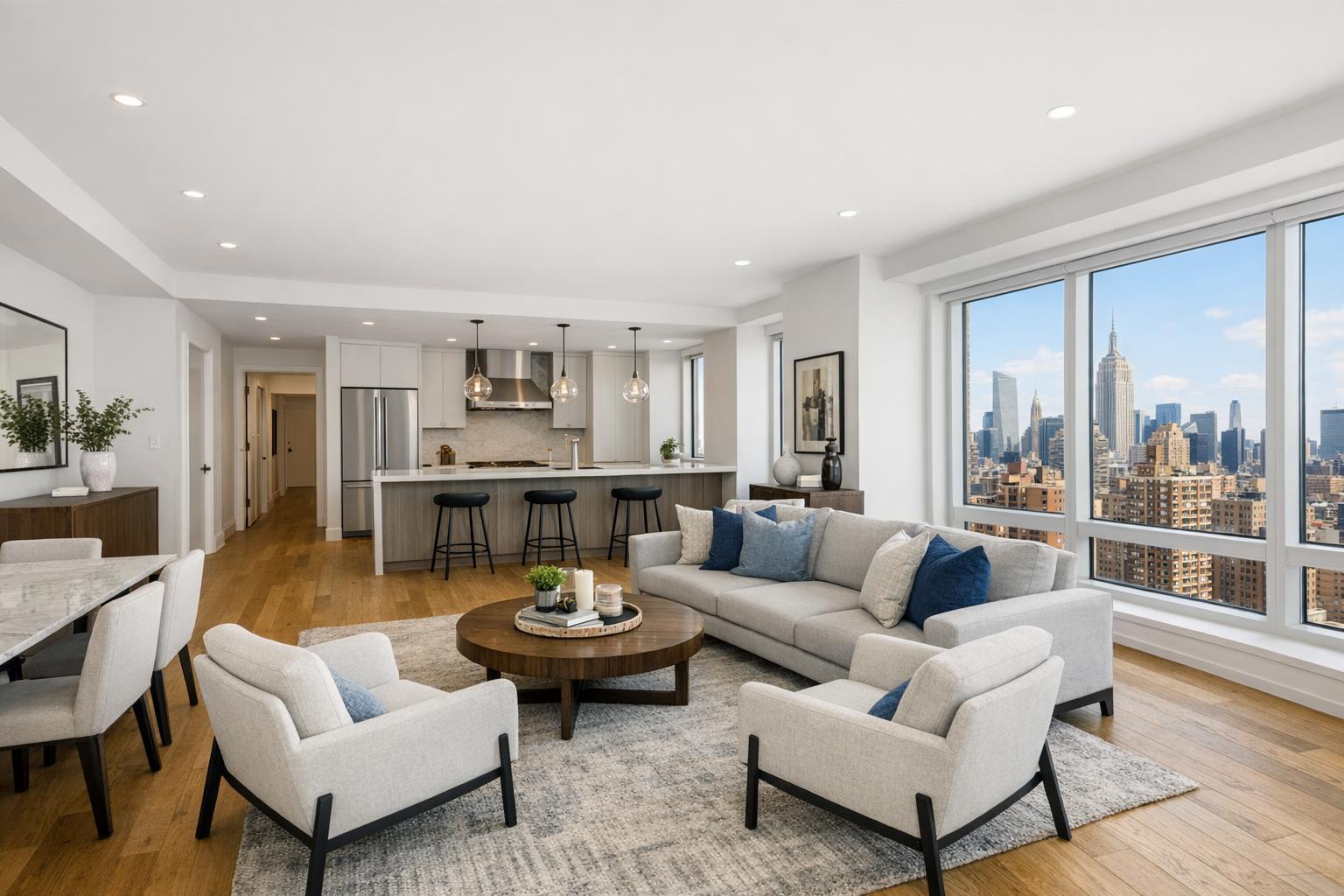
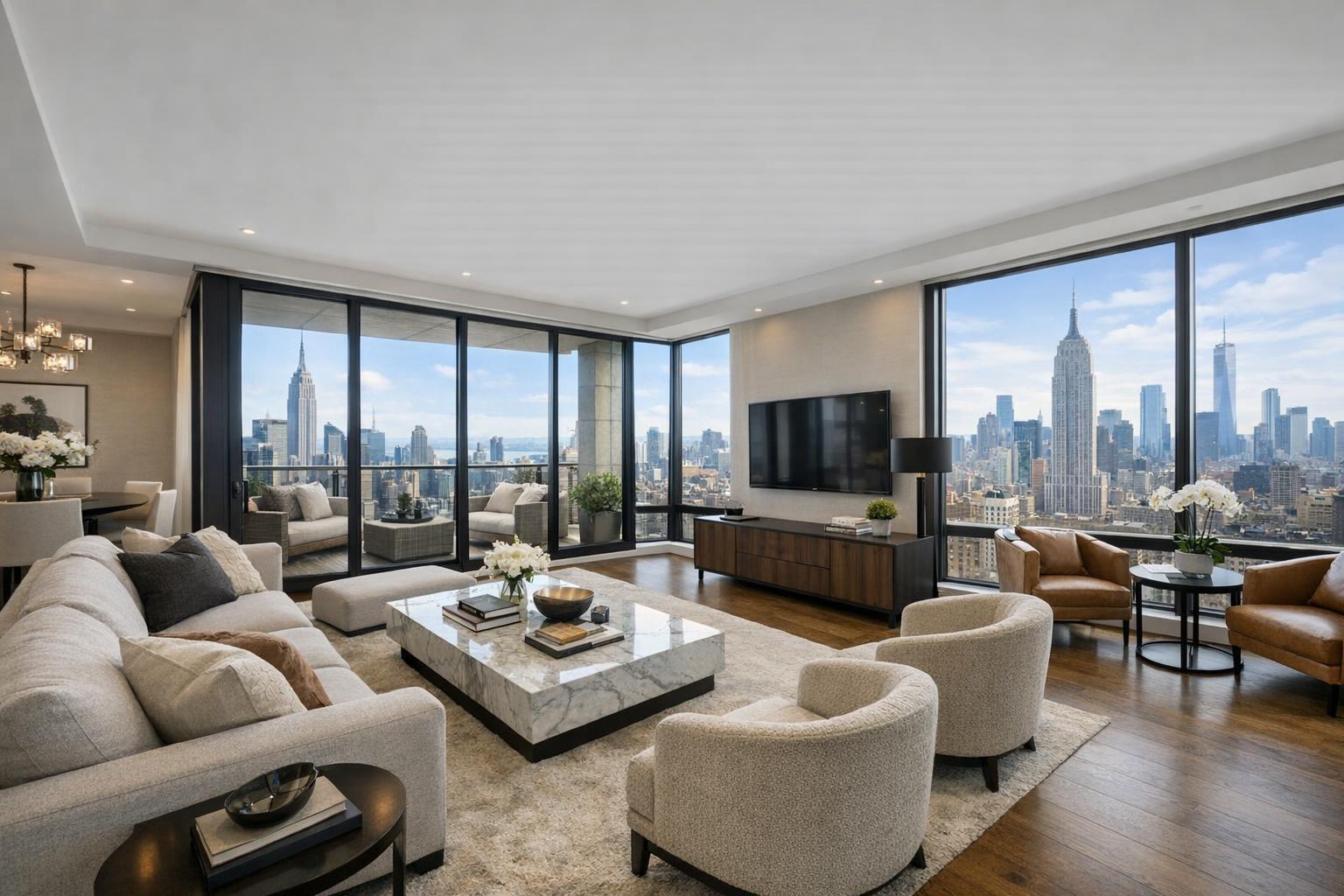
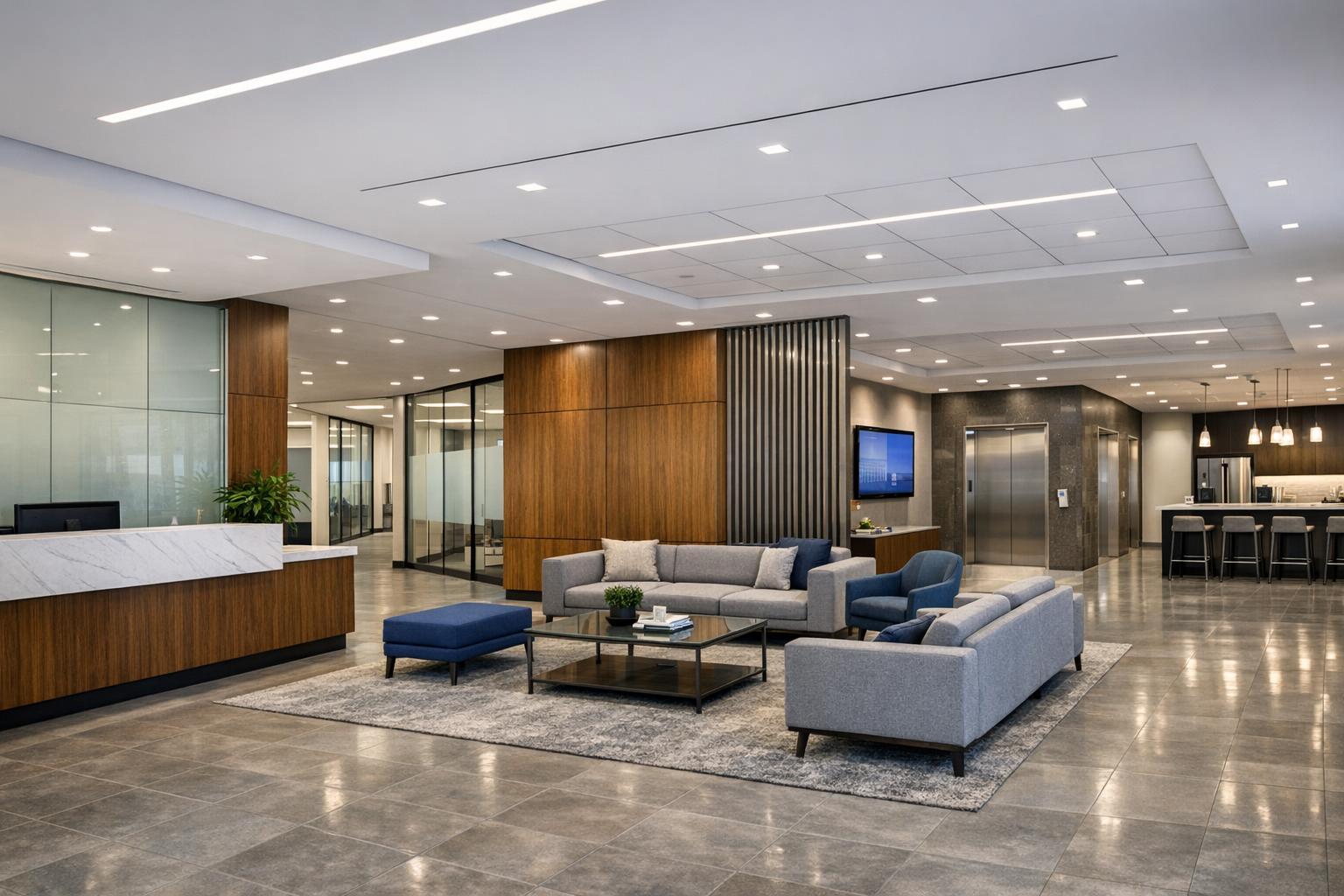
The commercial real estate photographer captures a modern office lobby with sleek furnishings, a reception desk, and contemporary lighting.
How to Choose a Commercial Real Estate Photographer for Your Property
A commercial real estate photographer can make a world of difference for brokers, owners, property managers, and developers aiming to market a property with clarity and professionalism. But finding the ideal photographer is far more involved than hiring someone with a nice camera. You’re looking for a specialist who understands what matters in spaces meant for work, commerce, or development—someone who can capture not just the beauty, but the utility and context of your property.
Why Commercial Property Photography Stands Apart
Commercial spaces are not homes, and the media used to show them shouldn’t be the same either. Prospective tenants, investors, and buyers aren’t simply looking for warmth or lifestyle—often, they want to evaluate ceiling height, suite layout, building amenities, access points, finishes, daylight, loading areas, and what the property feels like within its market.
A strong commercial photographer—or commercial architectural photographer—recognizes that their images serve both visual and practical needs. Photos must accurately show scale, layout, and how a building connects with its environment, letting viewers make informed decisions without any confusion or misleading visual tricks.
Making Your Selection: More Than a Portfolio
Prioritize Relevant Experience by Property Type
Don’t settle for a photographer with a beautiful but generic portfolio. Focus on finding examples relevant to your property type. Offices require clean composition, straight verticals, clarity of individual rooms, and an ability to handle both occupied and vacant spaces. Retail and restaurants benefit from images that showcase visibility, foot traffic flow, interior layout, and how the space presents to customers. Industrial and warehouse projects depend on an accurate sense of scale, loading access, ceiling heights, and the flow from exterior to interior. New development and multifamily assignments often need both finished unit shots and documentation of common areas or construction progress.
Request sample projects that closely resemble your assignment. Does the photographer consistently deliver accurate proportions, intentional framing, and well-controlled lighting—even in spaces with mixed daylight and artificial sources? Do they make practical features easily understandable for the viewer?
Look for Technical Accuracy, Not Just Beauty
Visual appeal matters, but it should never come at the expense of accuracy. Watch for:
- Straight vertical and horizontal lines (no leaning walls or skewed frames)
- Realistic room shapes—wide angles should clarify, not distort
- Well-managed light, especially at windows and in tricky mixed-light settings
- A consistent editing style across images
- Exterior context that helps situate the building, not just close-up shots
A great commercial property gallery is polished and believable, providing viewers a genuine sense of what it’s like on site.
Defining Your Scope—Before Getting Quotes
“Commercial photography” can range from a couple of lobby photos to a complete suite of interiors, exteriors, amenities, and aerials. Before reaching out to photographers, clarify a few details:
- Property address and category (office, retail, industrial, multifamily, development, etc.)
- Square footage and the number/types of spaces to cover
- Occupancy status (vacant, occupied, under construction)
- Required images (interior, exterior, amenities, neighborhood context)
- Must-capture features—such as signage, loading, rooftop, or views
- How the images will be used (marketing packages, digital campaigns, print, etc.)
- Timing: your desired shoot date and any hard deadlines
- Access or security requirements, escort needs, or building rules
- Whether you need just photography or additional media (floor plans, drone, video)
Be realistic about property size versus image count. A thoughtful brief will help make the project run smoother, prevent miscommunication, and ensure a fair quote.
Navigating Logistics and Scheduling
Commercial shoots often happen in busy, operational environments. Success depends on coordination with tenants, managers, or construction teams, whether for after-hours access, safety protocols, or just making sure the right spaces are available.
A few scheduling tips for commercial assignments:
- Morning shoots may avoid heavy lobby or street traffic
- Occupied spaces require coordination with meetings or staff
- Retail or restaurant shoots are best scheduled around off-peak hours
- Industrial locations may need extra time for safety checks or avoiding active loading zones
- Sunlight, parked vehicles, and nearby construction can all impact the exterior and aerial media
Clarify ahead of time who is providing access, which areas must be private, and what should be visible or off-limits. For sites across New York City and New Jersey, be ready to work with building security, check-in procedures, and sometimes limited elevator or equipment access.
Preparing the Property for a Smooth Shoot
Photography can’t fix everything, and the best images start with a well-prepared space. Walk through the property and handle visual distractions—clear out boxes, organize or conceal cables, clean windows, and remove personal items or sensitive screens.
- For offices: tidy desks, meeting rooms, and shared areas
- For retail: evaluate what adds to or clutters the visual story
- For industrial: designate any zones that should or shouldn't be photographed
If you’re considering marketing an empty suite, virtual staging is an option—but it works best when rooms are truly vacant or properly decluttered first.
Special Considerations for NYC and New Jersey Properties
Urban environments present unique challenges. In New York City, expect to deal with restricted space for equipment, busy sidewalks, construction, access delays, and logistical quirks around parking, daylight, and available sightlines. In New Jersey, larger sites, parking lots, industrial gates, and sprawling amenities introduce different concerns. Any aerial coverage (drone work) needs to be discussed in advance, as flights are always case by case—subject to airspace rules, weather, property access, and pilot discretion.
For more detail about aerial or special media coverage, visit RealtaSnap’s drone services overview.
Bundling Complementary Media—When It’s Useful
While photos are foundational, some properties benefit from floor plans (for clear spatial understanding), video (to capture entrance or circulation flow), or 3D virtual tours. Floor plans require on-site capture; existing PDFs serve as references only. Video should represent the real space, not hypothetical or heavily edited scenes.
Ask yourself whether your audience genuinely needs these formats, or if great photos will suffice.
Choosing a Photographer with a Transparent Process
Work with someone who makes every step simple. You should know:
- How to book (with RealtaSnap, clients book online, enter property details, select services, and schedule an appointment—no long back-and-forth required)
- Exactly what will be captured, and how to prepare
- When to expect final images and how they’ll be delivered
If your project is large or complex, share a focused brief with purpose, key spaces, and any unique requirements. This keeps everyone aligned and reduces surprises on shoot day.
Booking standard service with RealtaSnap is straightforward—learn more or get started at RealtaSnap’s online scheduler.
Making the Final Choice: Fit Over Flash
The right photographer isn’t just the person with the trendiest images. Look for clear communication, practical experience with your property type, and a sensible workflow for your assignment. Price is important, but the real value comes from images that help your audience make informed decisions quickly and confidently.
If you’re seeking a professional approach for office, retail, industrial, multifamily, or development photography in NYC or New Jersey, RealtaSnap’s centered workflow and personal support can make media delivery feel easy—and effective.
If you need honest, accurate property media—when your property, access, and preparation are ready—we’d love the opportunity to work with you.
FAQ
Question: What information does a commercial real estate photographer need before visiting a property?
Answer: Photographers benefit from knowing the property address, type, approximate size, access instructions, occupancy or security requirements, and any spaces that need special attention. Sharing a simple shot list can help ensure important features like loading areas, amenities, or particular views are captured.
Question: Can floor plans or 3D tours be created from existing architectural PDFs or plans?
Answer: For accurate marketing, floor plans and 3D tours require on-site capture of the current space—existing documents can serve as references but can’t replace actual walkthroughs. This ensures the deliverables are true to the property as it stands.
Question: How does drone photography for commercial properties work in NYC and New Jersey?
Answer: Drone coverage is subject to FAA regulations, airspace, weather, property access, and pilot discretion. In dense urban areas, roof access improves feasibility, but not every site is suitable for flight. All drone operations are evaluated individually and may require owner or management approval for access.