How to Choose Real Estate Photography in NYC for Your Next Listing
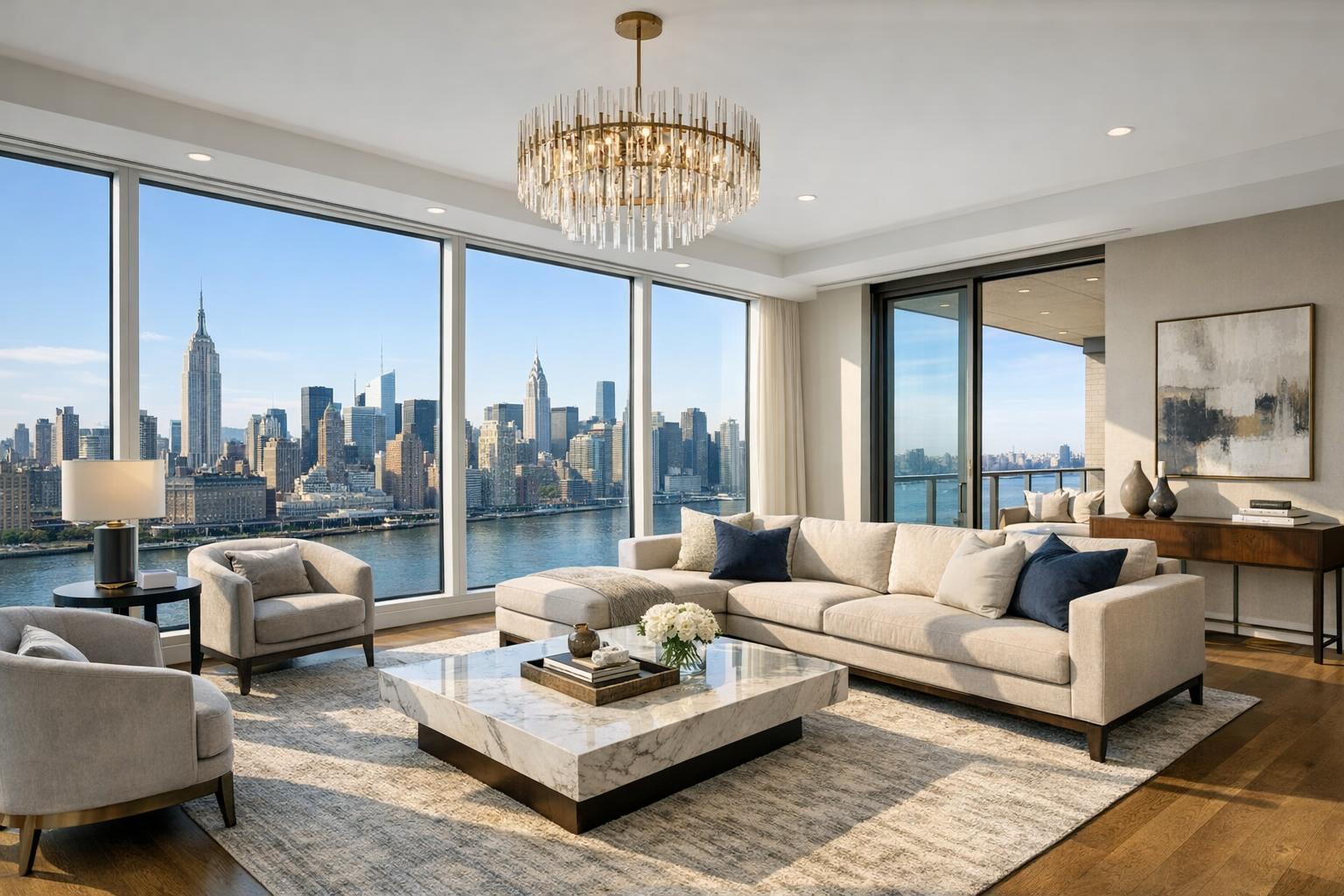
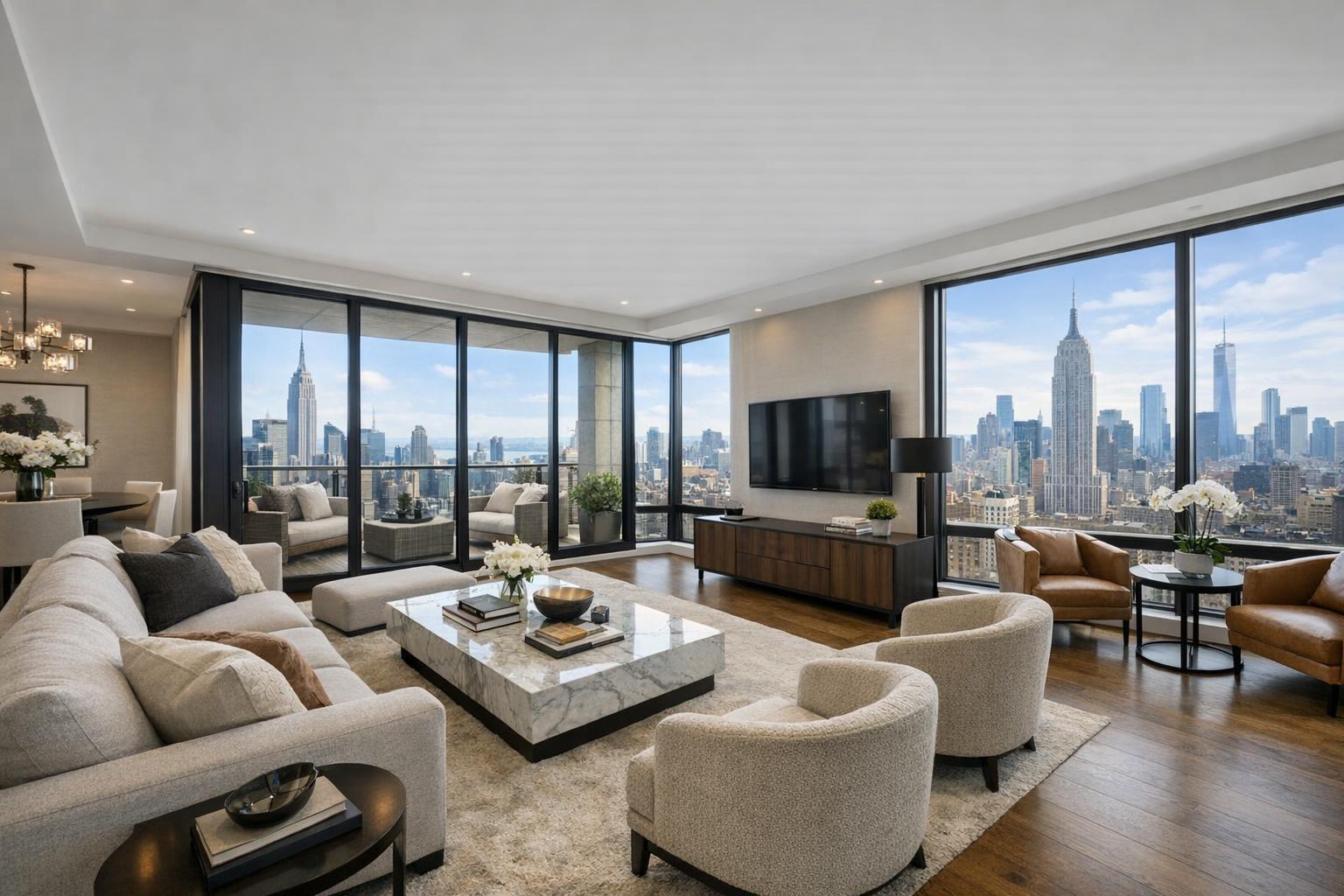
A luxurious NYC apartment showcases stunning real estate photography with panoramic views of the skyline, featuring elegant furniture and decor.

How to Choose Real Estate Photography in NYC for Your Next Listing
Choosing real estate photography in NYC isn’t just about hiring someone with a camera—it’s about finding a provider who can present your specific listing honestly and professionally. In a city with everything from compact Manhattan co-ops to sprawling homes on the outskirts, every property has a story, and the right visual approach makes it easy for buyers or renters to understand what’s unique about it. Here’s how agents, brokers, and property marketers can make a smart choice in professional property photography for New York City.
Think About the Property Before Booking
Every successful shoot starts by considering what matters most for the listing. Before you compare real estate photography services in NYC, take a few minutes to look at the property through a buyer’s eyes. What will help someone understand this space beyond just a floor plan or description?
- Are there features—like an architectural fireplace, a wall of windows, or a private terrace—that truly define the property?
- Are there layout details (for example, a connecting hallway or garden entry) that need to be clear in photos?
- Will the buyer need to see the view, the transition between rooms, or amenity spaces to appreciate the value?
Not every property benefits from the same approach. For one, you might want to emphasize a renovated kitchen and open-concept living; for another, the highlight could be original moldings, outdoor areas, or a particular skyline view.
A focused set of images that genuinely support your marketing strategy usually works better than simply adding more shots from different angles. Sometimes less is more—repeating similar angles or including every room, no matter how mundane, can dilute a listing’s appeal.
What Signals Quality in a Real Estate Photography Portfolio?
Evaluating sample work is one of the most telling ways to pick the right photographer for your listing. Try not to be swayed by a single dramatic exterior or heavily staged kitchen. Instead, look at whether the full set for a property feels consistent and helps you feel oriented.
The Basics: Exposure, Color, and Perspective
NYC properties can be tricky to shoot. Dramatic natural light, strong city views, and smaller interiors often appear together. Effective editing should keep window views visible without making rooms feel dim or artificially bright.
Pay attention to:
- Balanced lighting between interiors and windows
- True-to-life colors (not oversaturated or washed out)
- Perspective that keeps walls, cabinets, and doors looking straight (unless the property’s design says otherwise)
- Proportional spaces––wide-angle lenses are common, but should not stretch a room beyond reality
The best portfolios show a logical flow through the listing, helping viewers understand where they are. This means highlighting connections between spaces (like how a living room opens to a dining area) and avoiding images that feel disconnected.
Editing: Consistency, Not Illusion
Some retouching is part of professional property photography in New York City, but it should showcase reality. Beware of images where the sky is unnaturally blue, the grass glows, or interiors look starkly different from what you’d see at a showing. Consistent, tasteful editing helps listings look polished, but they should still feel real.
Matching Photographer to Property Type
Every NYC listing is different, and a good photographer adapts to the details:
- Manhattan apartments and co-ops: Tighter layouts and strong views call for strategic angles and mindful composition. It’s important to show how spaces connect without distorting the flow or making small areas falsely spacious.
- Brooklyn brownstones and townhomes: Multiple levels, original finishes, and outdoor space mean the set should have a sense of vertical movement and capture key transitions. Exterior areas deserve careful attention.
- Condos and new buildings: You may need to balance sleek interiors with lifestyle amenities—think roof decks, gyms, or communal lounges—but only include these if they’re available for photography and relevant.
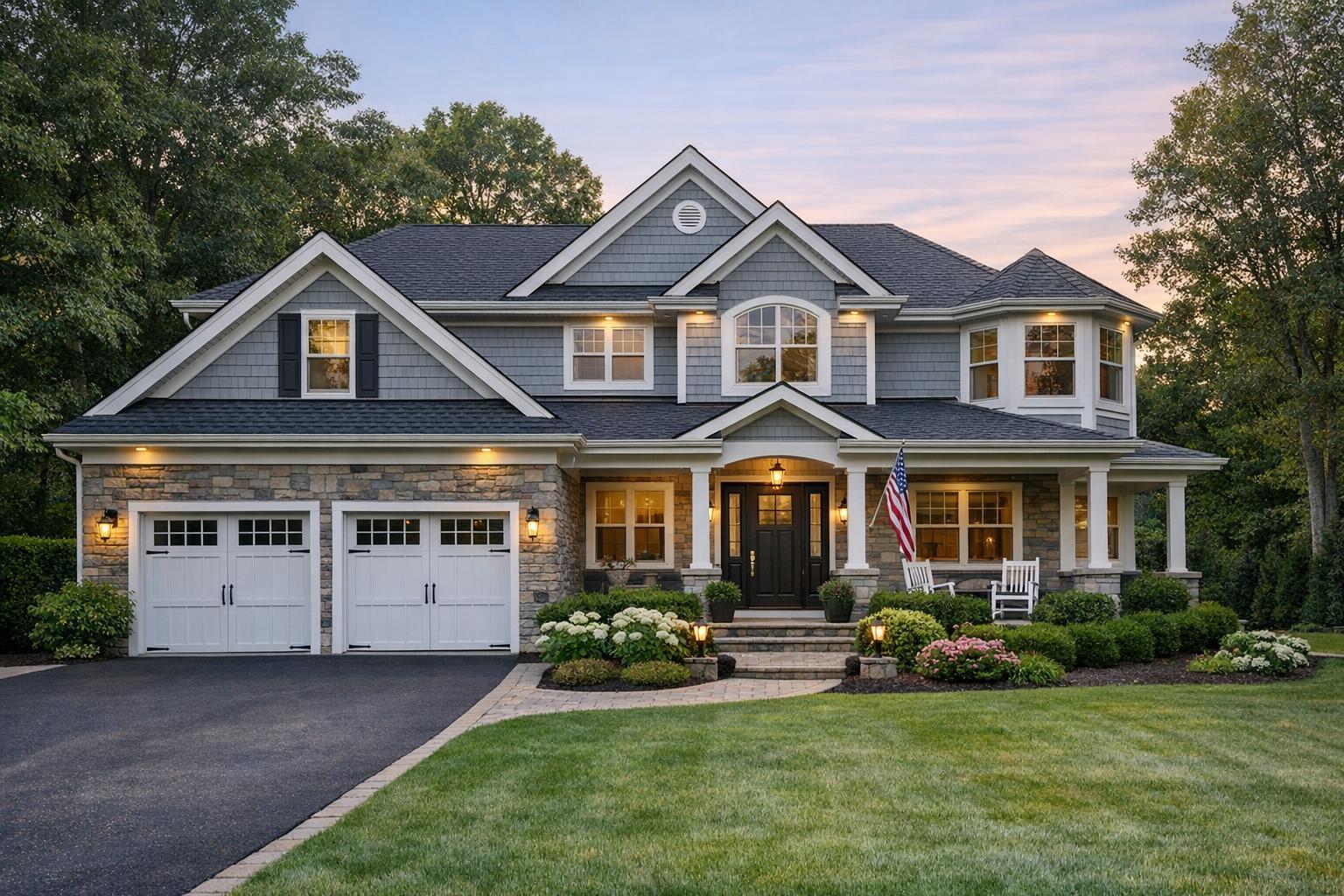
- Larger homes or unique properties: When yards, pools, or significant exterior space are part of the listing, a broader plan may be necessary. In some cases, aerial imagery can offer extra context, subject to airspace, access, and pilot safety.
Questions to Ask Before You Book
Clarifying logistics early saves everyone time (and headaches). Make sure you ask the provider:
- What’s included for your property type and square footage?
- How do they recommend preparing occupied vs. vacant spaces?
- How do they coordinate access in doorman or elevator buildings?
- What does the image delivery process look like? What file types/formats will you receive?
- Will you have the option to add floor plans, video, drone, or virtual staging if you decide later?
- How are specific requests (like building amenities) usually handled?
- What property prep is recommended or required before the shoot?
If your listing has quirks––for example, a layout with confusing flow, unique building access rules, pets, or key features that only photograph well at a certain time of day––share those details when you book.
Setting the Scene: Preparing the Property
No amount of expert photography can compensate for clutter or distractions. Make sure the space is tidy and inviting:
- Turn on all lights and swap out visible burnt bulbs
- Open blinds/curtains for natural light where practical
- Clear countertops and bathroom surfaces
- Straighten beds and pillows
- Remove personal items and sensitive documents
- Stash trash bins, laundry, remotes, and extra cords
- Put away pet items when possible
- Tidy any outdoor areas you want to feature, like terraces and walkways
- Double-check that amenities you want to include are accessible
The goal isn’t to erase all signs of life, but to make intentional choices that highlight each room’s strengths. For virtual staging, spaces work best when they’re clean and vacant.
When Optional Media Makes Sense
Beyond photos, some listings deserve extra clarity:
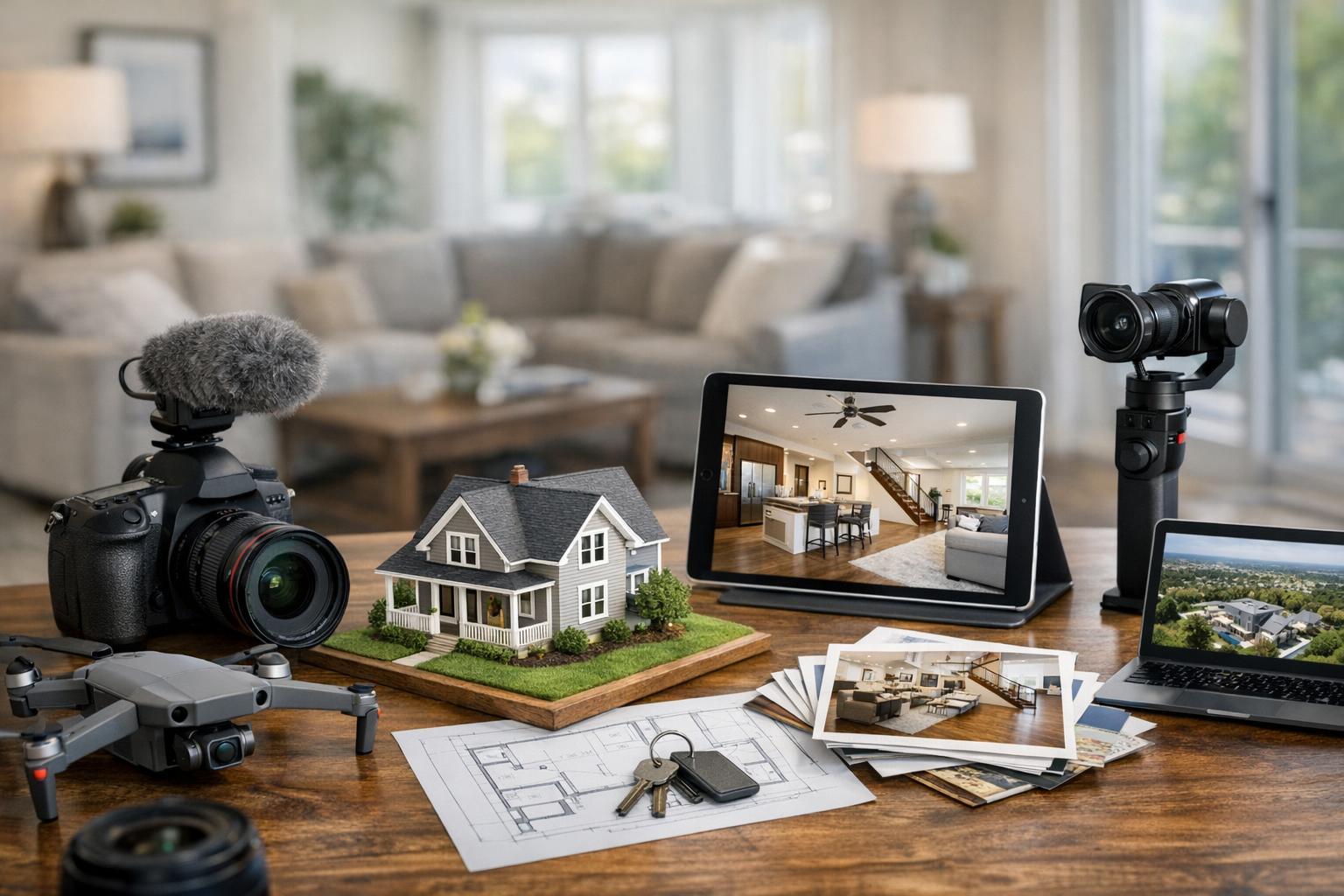
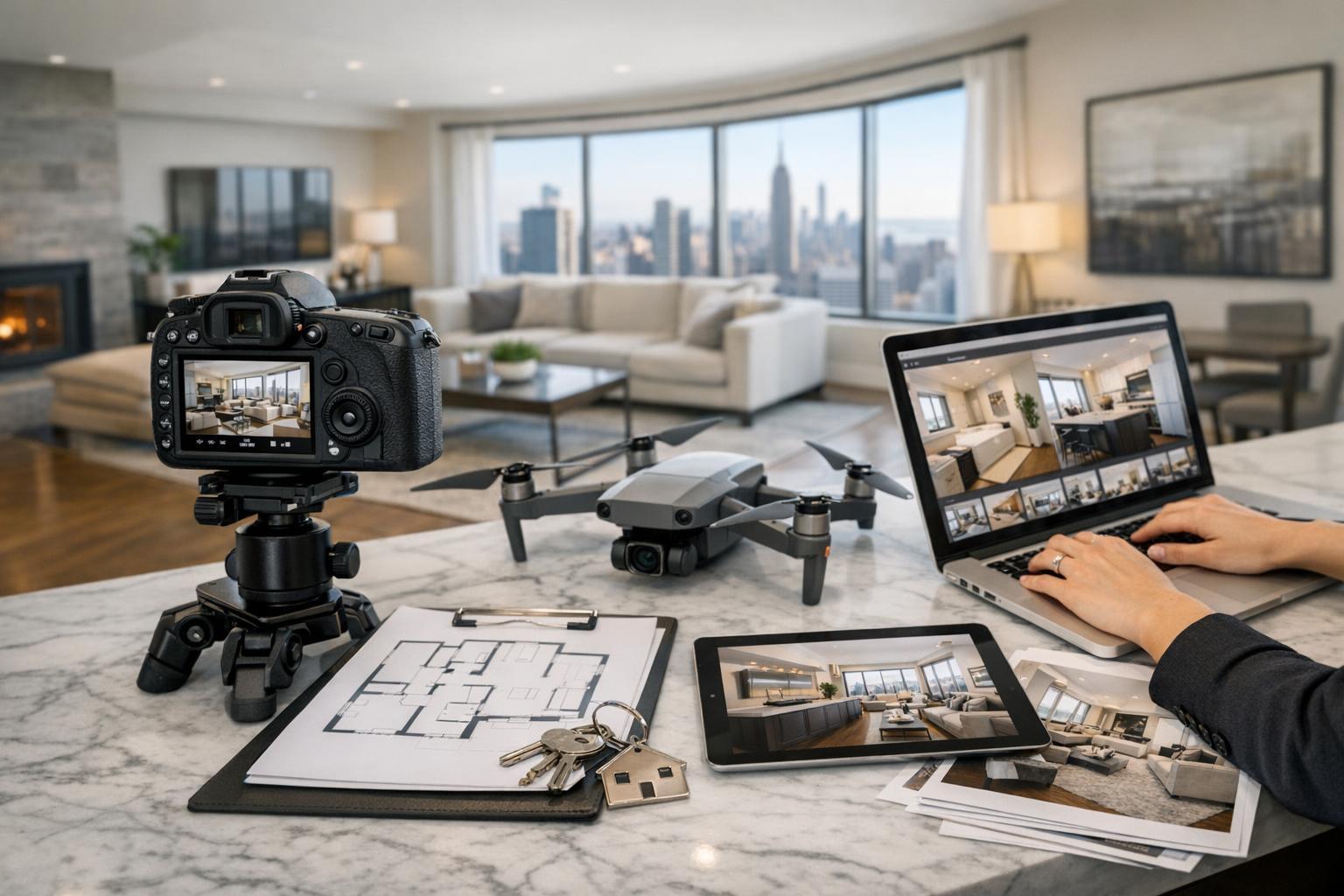
- Video: Can walk viewers through the flow, especially for multi-level spaces or units with a unique connection to outdoors. Listing videos from RealtaSnap are shot on site, not pieced together from stills.
- Floor plans: Help buyers understand room sizes and layout when photos alone aren’t enough––especially true for unusual or multi-level arrangements. These are created through on-site measurement.
- 3D tours: Allow remote viewers to “walk” through a property interactively. Like floor plans, they require an in-person visit.
- Virtual staging: Useful to help buyers picture empty spaces furnished, as long as the images stay realistic.
Don’t feel compelled to add every option; focus on what clarifies the listing for real buyers.
Why Work With a Local NYC-Focused Team
New York City listings often bring unique challenges: elevators, building staff, tight schedules, complex access, and ever-changing light. A NYC-based provider like RealtaSnap brings practical experience with these realities—offering photography and related media designed to help your listing stand out, with a straightforward process for agents and property marketers.
You can see current services, explore examples, and learn more about photography packages and add-ons for NYC listings at RealtaSnap: Real Estate Photography NYC.
If you’re ready to discuss an upcoming property or want helpful prep guides, tools, and logistical support, start here: RealtaSnap Home.
FAQ
Question: How many photos should my NYC listing include?
Answer: It depends on the property’s size, layout, and main features. A compact apartment is usually best served by a handful of thoughtfully chosen images. Larger homes or multi-level spaces may need broader coverage. The priority is clarity—show what matters, not every possible angle.
Question: Is virtual staging effective for empty apartments?
Answer: Virtual staging can definitely help buyers interpret a vacant space or see its potential layout. It works best with rooms that are truly empty and free of clutter, so the digital furniture looks realistic and appealing.
Question: Can you get a floor plan from photos or old blueprints?
Answer: No. To create an accurate floor plan, a provider needs to measure and document the property on site. Existing listing photos or outdated PDFs can’t capture changes or unique layouts, so on-site capture is required.
For more info, tips, or to book an NYC photoshoot that helps your listing tell its true story, visit www.RealtaSnap.com.