How to Choose a Real Estate Photographer in New Jersey
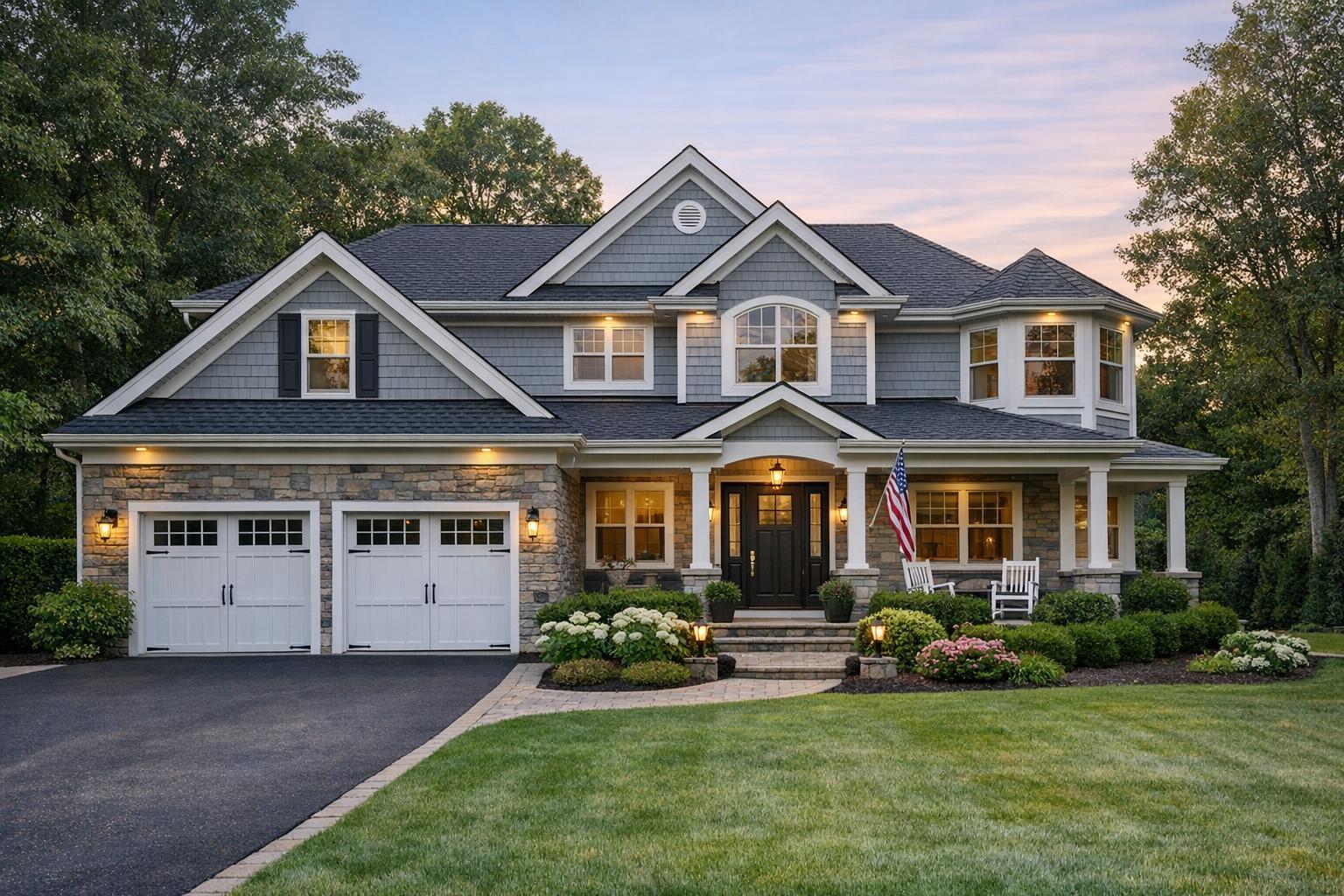
A beautifully landscaped suburban home with a stone facade and American flag on the porch is captured by a real estate photographer in NJ.

How to Choose a Real Estate Photographer in New Jersey
Finding the right real estate photographer in NJ is about more than browsing portfolios for the brightest living rooms or flashiest exteriors. Whether you’re an agent, broker, property owner, or landlord, what really counts is how reliably the photographer can capture your property—regardless of its quirks—and how seamlessly they communicate and deliver what you need. The New Jersey market features an incredible range of property types, so your photographer needs to adapt, not just impress.
Below, you’ll find a practical approach to hiring a property photographer in New Jersey, with tips for reviewing portfolios, gauging technical skill, matching the right specialist to the right listing, and understanding which add-ons actually move the needle.
Going Beyond the Portfolio
Most photographers showcase their greatest hits—one or two rooms that dazzle when viewed alone. The question you want answered is: “Can they produce consistently honest and appealing images for the entire listing?”
When you’re assessing candidates, ask to see complete sets from actual listings. You’ll get a much better sense for how they handle secondary bedrooms, bathrooms, small kitchens, or less-than-perfect spaces. Look for:
- Even exposure from room to room
- Consistent color and white balance
- Vertical and horizontal architectural lines that are straight, not skewed or bent
- Natural-looking image brightness, with visible views out of important windows
- Logical framing that shows full spaces, not just artful corners
- Editing that enhances but doesn’t distort reality
The best property galleries help viewers understand how a home is connected, where light falls, and what features set it apart.
Reading Composition, Space, and Perspective
Strong real estate photography isn’t just about pretty photos—it communicates layout, scale, and day-to-day functionality. For New Jersey’s compact city condos (think Hoboken or Jersey City), this may mean carefully-chosen angles to show how tight spaces connect. In sprawling North Jersey homes, it’s about capturing the flow from main living areas to bedrooms, lower levels, and backyards.
Photographers should:
- Choose vantage points that show how each room relates to the next
- Keep vertical lines straight and avoid excessive lens distortion
- Use wide angles with care—overshooting can make spaces look odd or misleading
For commercial spaces, competent composition might highlight circulation areas, storefront visibility, or ceiling heights. Regardless of property type, candid and accurately proportional images will win more trust than exaggerated, “too good to be true” shots.
Balancing Interior and Window Exposure
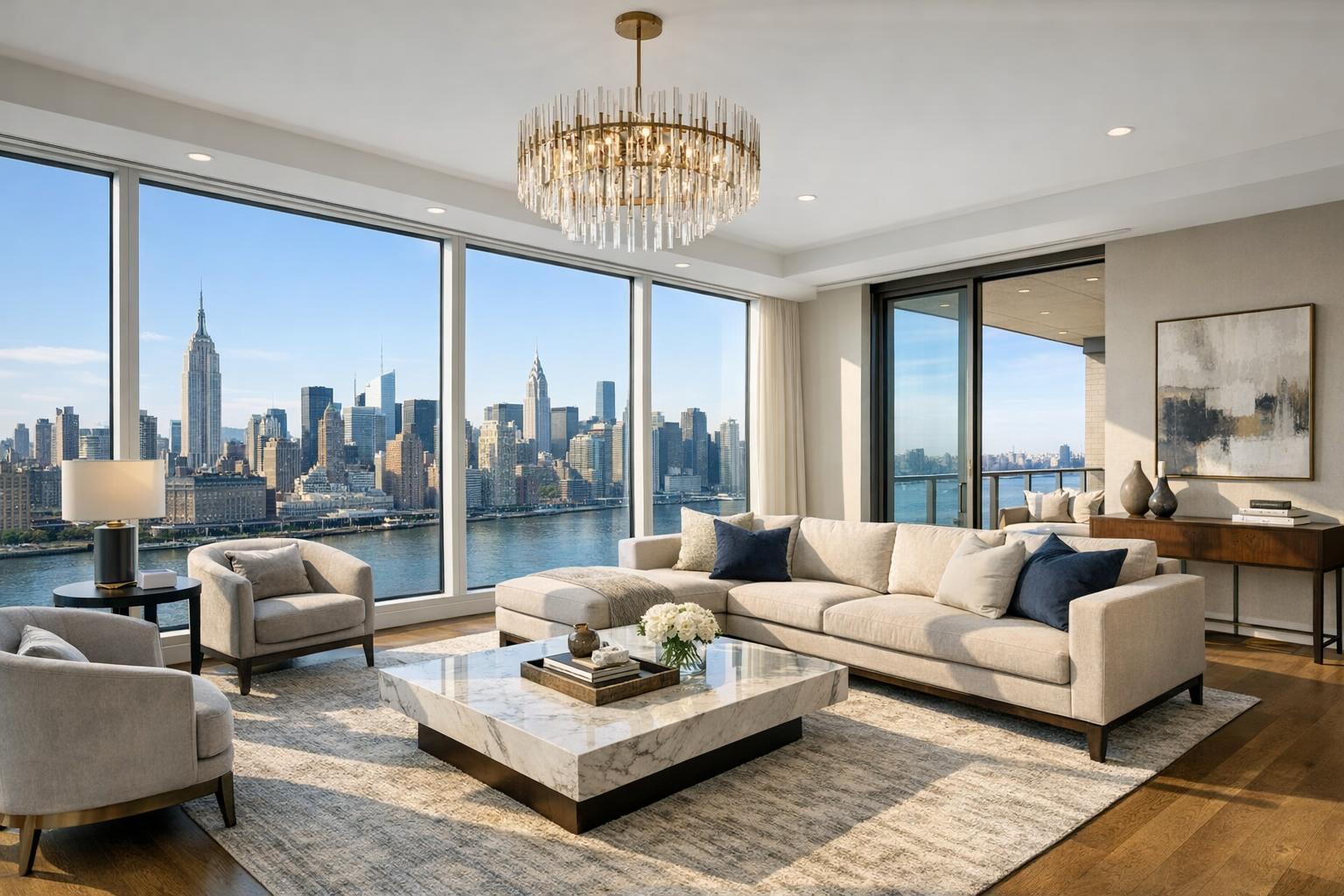
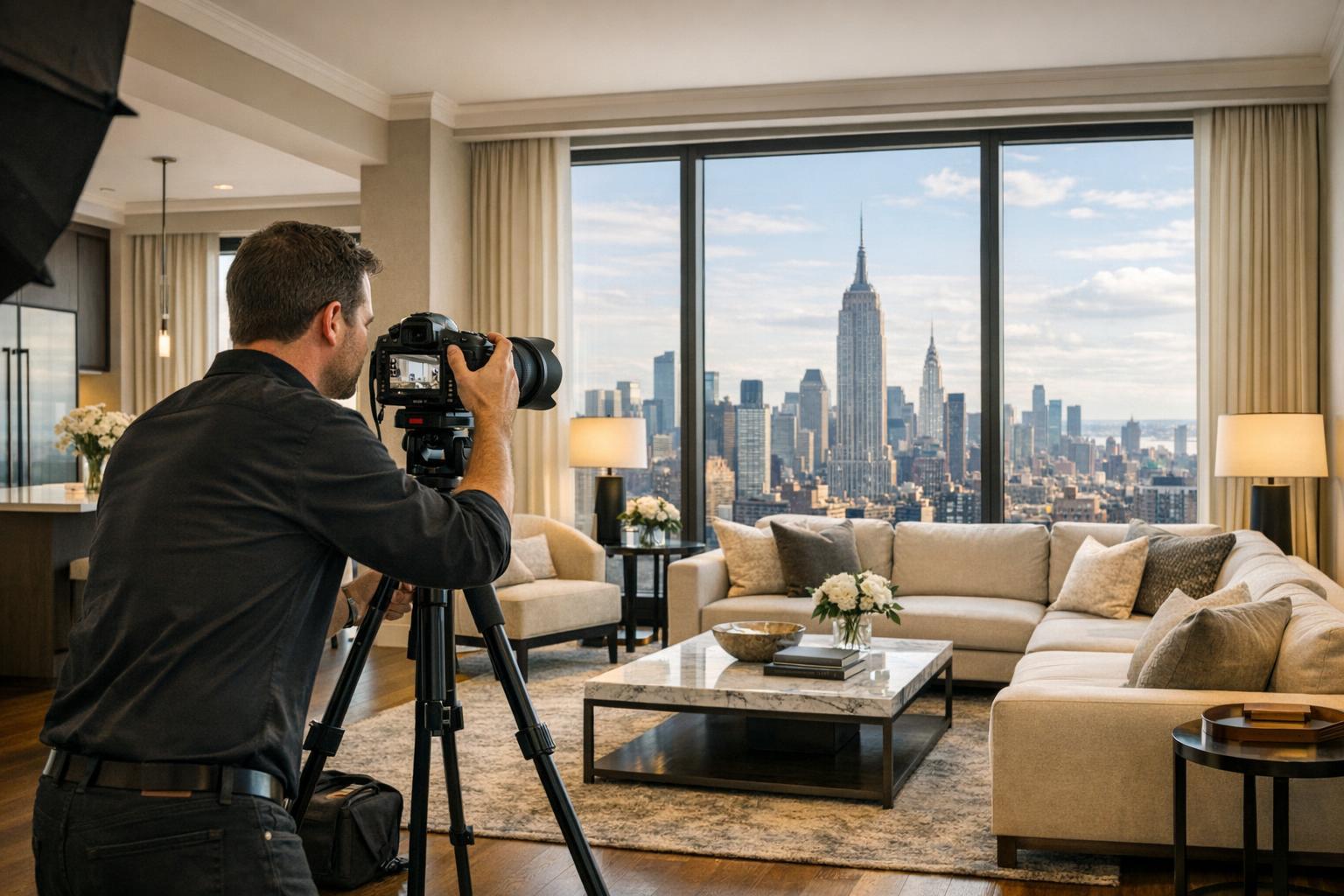
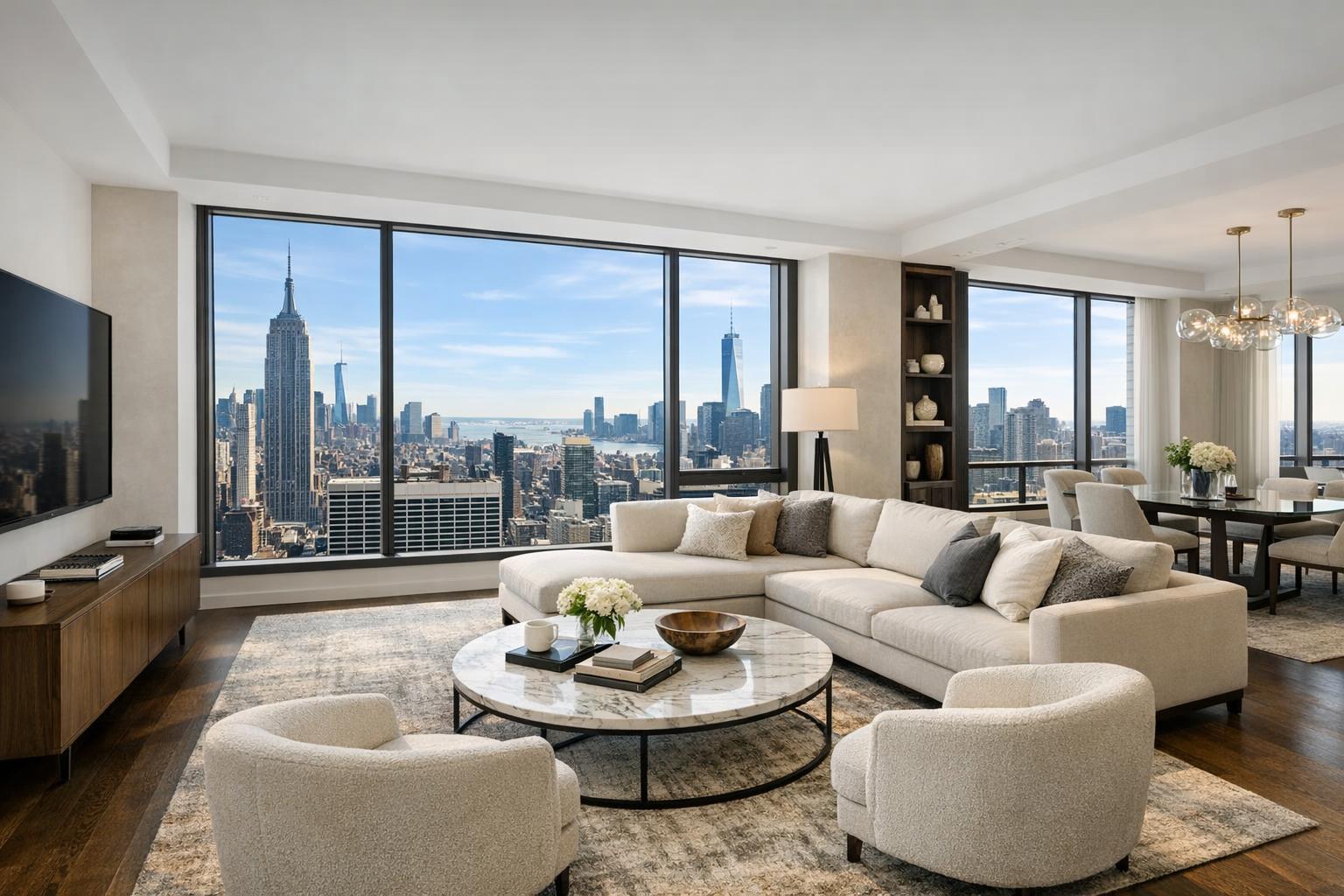
One telltale mark of an experienced photographer is how they handle bright windows. If outdoor views are completely blown out or rooms are far too dim just to show a skyline, the viewer won’t get a realistic sense of the space. While not every window needs a postcard view, where outside context is a selling point—Hudson River, city skyline, lush yard, or golf course—ask to see how the photographer balances interior and exterior exposures in challenging situations.
Editing Style Matters—But So Does Restraint
Image editing can shape the final “mood” of a property, but wild over-processing signals inexperience. There’s a difference between enhancement and misrepresentation. Red flags to watch for include:
- Skies that look surreal or cartoonish
- Window views so blue or saturated they resemble paintings
- Overly sharpened details or color casts that shift wall tones
- Lawns, cabinets, or wood floors turned neon by over-editing
- Rooms that appear unrealistically bright or “flat” due to lifted shadows
For New Jersey listings, where buyers and tenants shop fast, authenticity is a competitive advantage. A consistent, lightly polished edit creates photos that help people recognize the real property when they visit.
Check in with your photographer to clarify what retouching is included, what requests incur an additional fee, and how minor distractions (like a stray bin or temporary clutter) are handled—not digitally deleted unless specifically requested and approved.
Matching the Photographer to Your Listing
Not every property is alike, and neither is every real estate photographer. Ask about relevant experience with the property type you’re listing.
City Condos (Hoboken, Jersey City, and Urban NJ)
For small units in busy buildings, you need a photographer who can:
- Work in tight quarters and make clever use of angles
- Coordinate with doormen, elevators, or management for access
- Balance city views with interior lighting
- Efficiently capture amenities like gyms, rooftops, or lobbies
- Respect privacy and tenant schedules
Clear images of both the unit and building features help tell a complete story.
Larger North Jersey Homes
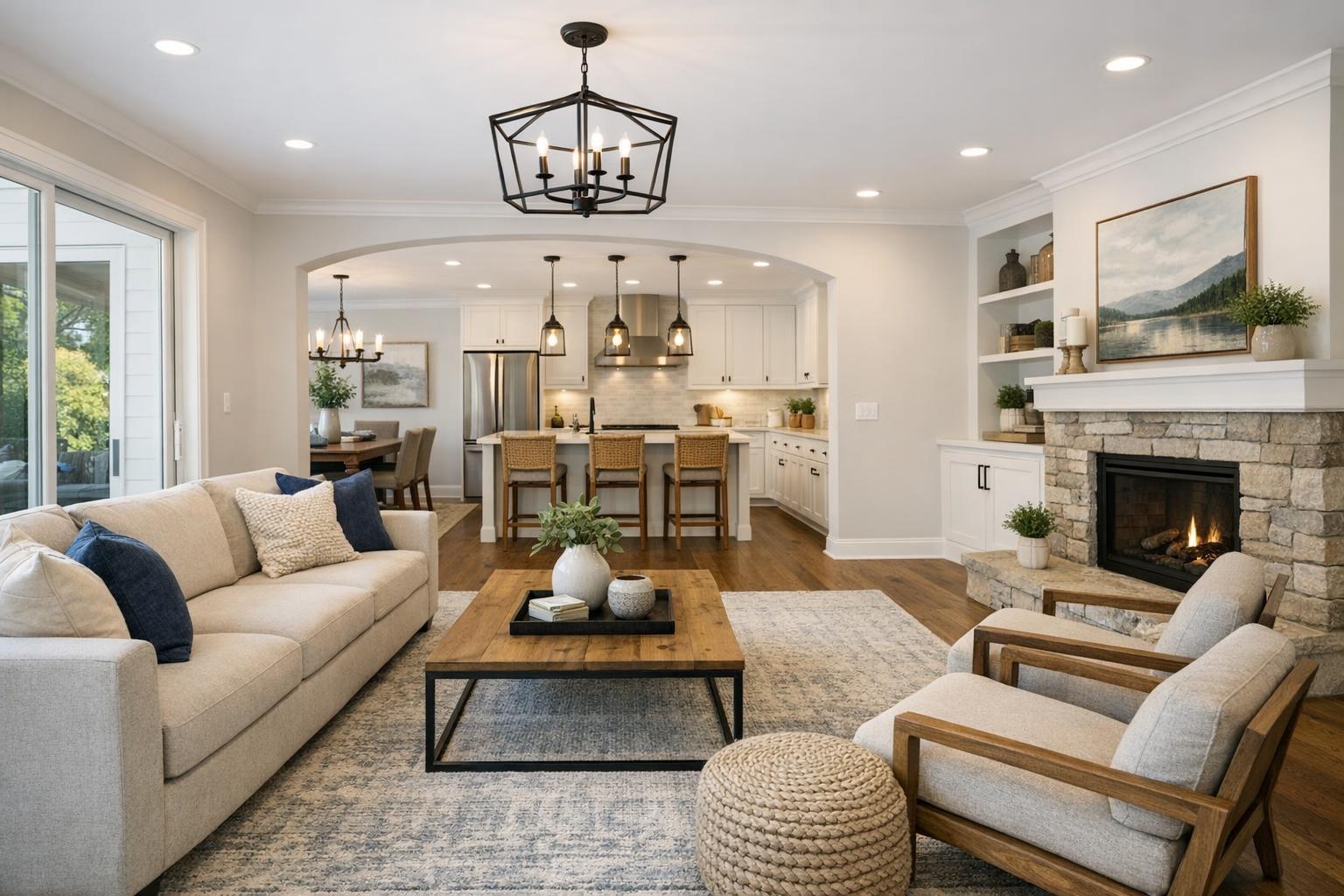
Spacious single-family homes need broader coverage and a logical flow. The photos should walk viewers through main entertaining areas, bedrooms, lower levels, and outdoor spaces. For sprawling or multi-level properties, a floor plan (created onsite, not from old plans) may be especially valuable to clarify layout and connection points.
Waterfront, Outdoor, and Unique Properties
Listings where setting is crucial—waterfronts, luxury lots, homes with pools or extensive landscaping—benefit from careful documentation of exterior features. In these situations, drone media may provide helpful context by showing property positioning, but its feasibility depends on airspace, regulations, safety, weather, and pilot discretion. A trustworthy provider will confirm details before promising any aerial shots, so manage expectations accordingly.
Commercial and Mixed-Use Spaces
Commercial properties emphasize different priorities: visibility, accessibility, open layouts, and site features like signage, parking, or loading. Make sure your photographer asks questions about the intended use for the images and requests any details that might affect coverage.
Communication and Scheduling: A Critical (but Overlooked) Service
Even flawless photos can’t compensate for poor communication or last-minute surprises. Before you finalize your choice:
- Ask how preparation, access, and scheduling are handled
- Clarify delivery timelines and how revision requests work
- Let your photographer know about any MLS deadlines, property launch dates, or specific constraints upfront
For occupied homes, basic prep like clearing counters and opening blinds makes a major difference. Pets, personal photos, and day-to-day clutter should be out of sight where possible to ensure the shoot goes smoothly.
Add-Ons: What’s Useful, What’s Optional
Photography is the building block of your listing, but certain property types or target audiences may benefit from additional services:
- Floor Plans: Ideal for multi-level houses, unusual layouts, or listings targeting buyers who care about space and flow. These must be captured onsite.
- Listing Video: Helps show movement and spatial connection. True listing videos are filmed during the shoot, not created from stills. Always preview real examples.
- 3D Virtual Tours: Useful for complex properties or attracting out-of-town buyers. Onsite capture required.
- Virtual Staging: Great for empty rooms that could use a sense of scale or imagination—but only if the space is vacant or professionally decluttered first.
- Aerial Photo/Video: Valuable when exterior context can’t be fully captured from the ground. Flight feasibility depends on location, airspace, weather, and necessary clearances.
Consider these enhancements based on the specific property and what potential buyers will actually need—not just because they sound trendy.
Smart Questions Before You Book
A brief, direct conversation can surface whether a provider is ready for your listing:
- Can you show me a full set from a property much like mine?
- How do you handle spaces with mixed lighting or bright window views?
- How many images do you suggest for this size/type of listing?
- What exactly should I have ready before the shoot?
- What is your usual turnaround for delivery?
- Can you capture floor plans, video, virtual tours, or aerials if needed?
- What information do you need about access, parking, or tenants?
- How are weather delays handled for any exterior shots?
- Which edits are standard, and which cost extra?
Coordinating Media for New Jersey Listings
If you’re hoping to bundle photo, video, floor plans, virtual tours, drone work, and virtual staging, RealtaSnap offers integrated real estate media for a streamlined experience. You can hand-pick the services that make sense for your property, book online at any time, and clarify expectations upfront. Compact condos might only need crisp photos and a floor plan, while waterfront listings could benefit from a full package, weather permitting.
To browse services or book a shoot, visit RealtaSnap’s real estate photography page for New Jersey.
The photographer you choose should make your property easy to understand, and your job easier, too. For your next listing, review full galleries, ask for clarity, and select media that suits the space—not just what’s trendy.
FAQ
Question: How early should I book a real estate photographer in New Jersey?
Answer: As soon as you know the property will be ready. This is especially important if you need building access, have tenants, or plan to capture exterior/drone images where weather matters. Share any critical listing or launch dates before booking to confirm feasibility.
Question: Does every listing need a floor plan with the photos?
Answer: Not always. Floor plans are most valuable for larger or multi-level homes, homes with unique or complex layouts, or listings where the layout genuinely helps buyers decide. For simple studios or one-bedroom condos, a floor plan might not be necessary.
Question: Can I use virtual staging for rooms with furniture still in them?
Answer: Virtual staging is designed for vacant or professionally decluttered spaces. If a room has furniture, it needs to be physically removed or have a clutter removal edit approved before staging, so the final images look clean and believable.
For a smoother listing experience, you can explore services and book directly at www.RealtaSnap.com.