How to Choose an Architectural Photographer in NYC for a Property Project
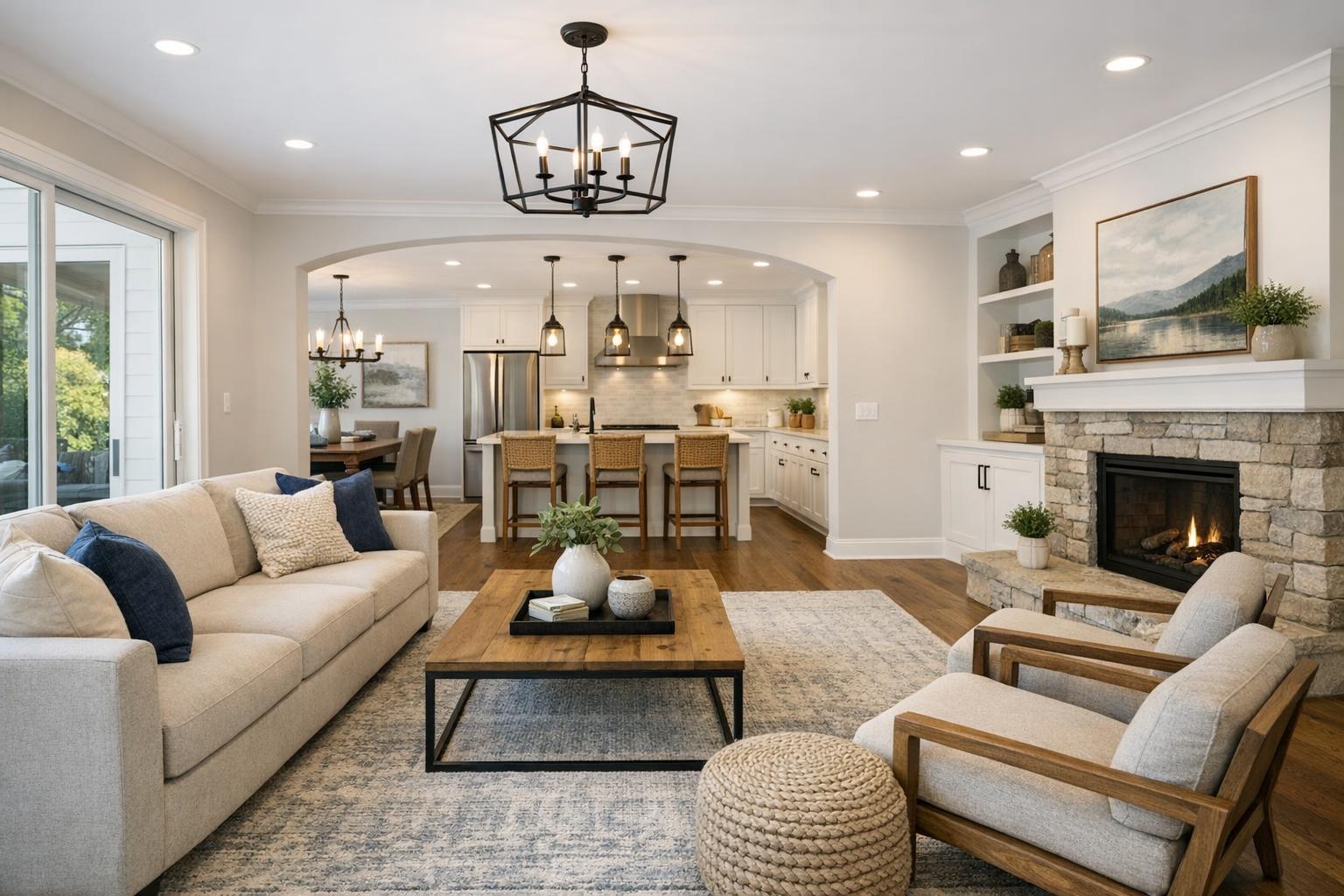
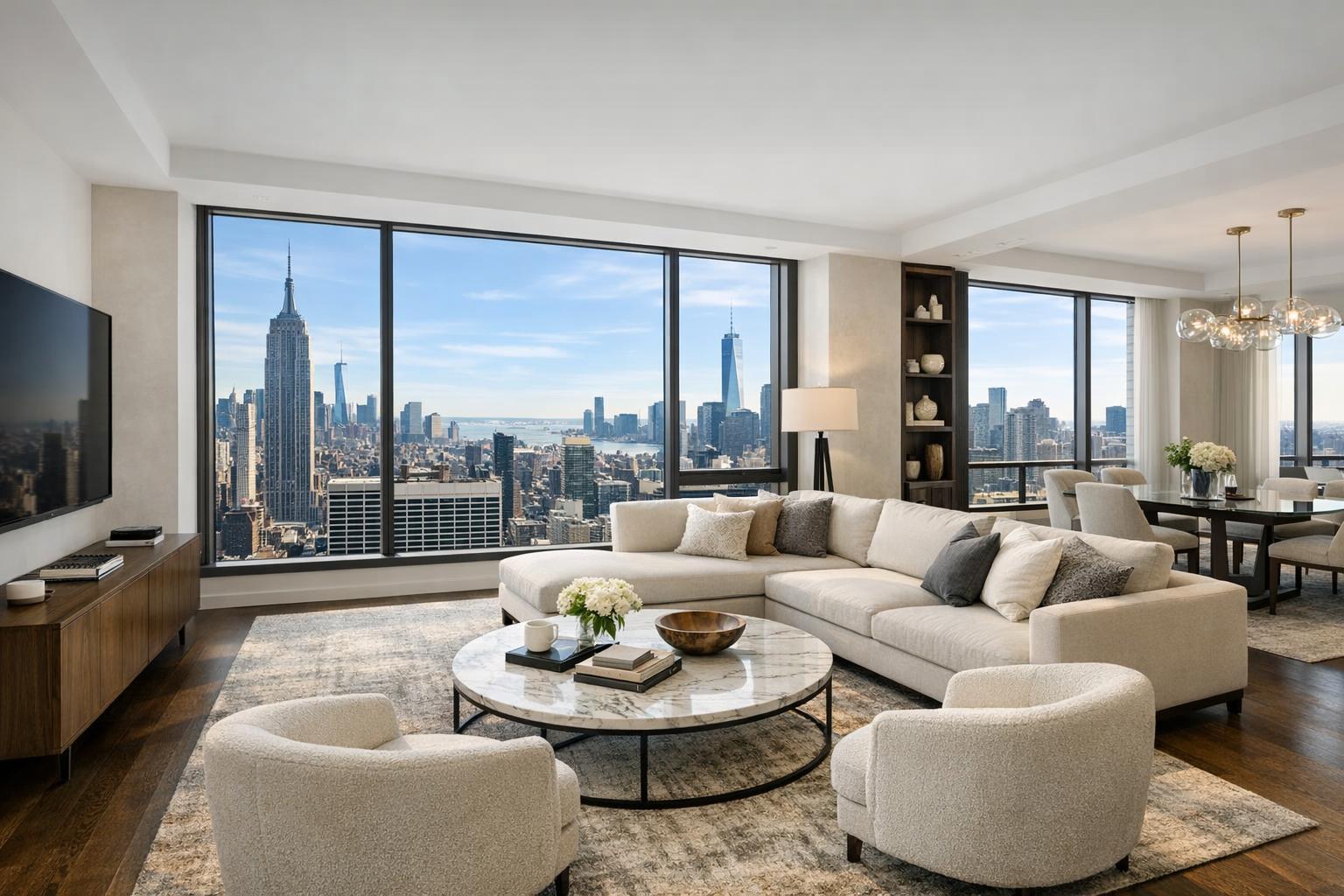
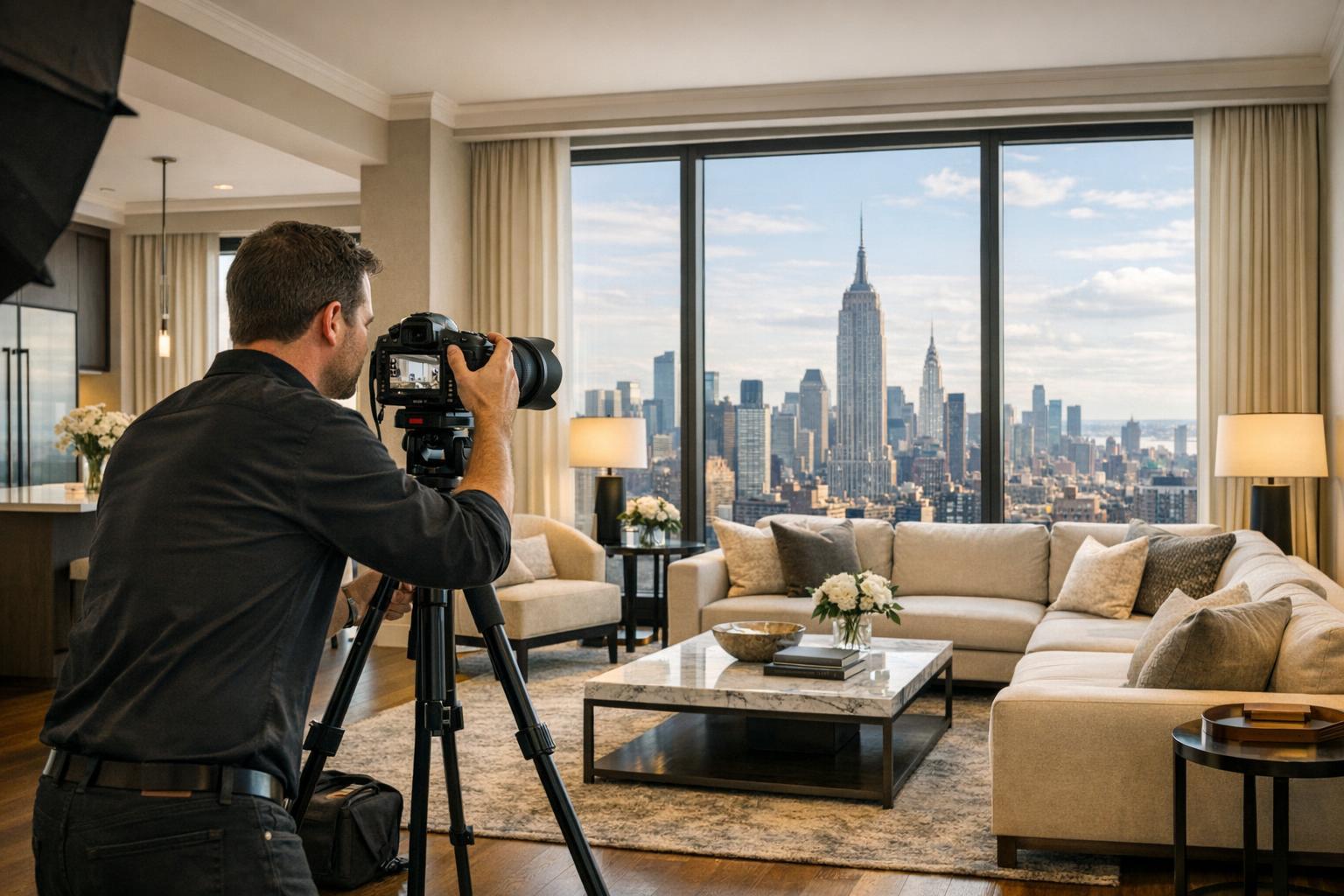
An architectural photographer in NYC captures a luxurious apartment interior with a stunning view of the city skyline through large windows.

How to Choose an Architectural Photographer in NYC for Your Property Project
Finding the right architectural photographer in NYC is more than a matter of scrolling through portfolios or comparing price lists. If you're a broker, developer, designer, or building manager evaluating options for residential listings, new developments, office spaces, or hospitality projects, you know the right images have to do more than look good—they need to tell the story of the space, underscore its qualities, and faithfully represent scale, flow, and material detail.
Getting that level of clarity and intention out of a New York property shoot isn't simple. From compact Manhattan apartments to sprawling Brooklyn brownstones to offices and retail spaces nestled among glass towers, each project presents unique visual obstacles and opportunities. Whether your goal is to launch a polished design portfolio or just make sure a listing stands out for the right reasons, here’s how to approach the decision.
More Than Real Estate Photos: Why Architectural Photography Matters
A routine listing shoot is usually about speed and wide coverage. The photographer runs through major rooms, takes a set number of exposures, and you get a set of visuals designed to fit a listing platform or MLS requirement. Architectural photography, on the other hand, slows things down and digs deeper.
What sets architectural photography apart?
- Precise composition: Straight lines, balanced proportions, and deliberate viewpoints that reveal how spaces connect.
- Attention to materials: Skillful lighting and exposure make textures—stone, wood, tile, glass—stand out without exaggerating.
- True-to-life color and contrast: The images should feel vivid but natural; an over-brightened, oversaturated room is as misleading as a dark, muddy shot.
- Window and daylight balance: Especially in NYC, where views are everywhere, a careful approach ensures the interior and exterior work in harmony.
- Flow and sequence: Instead of a random set of shots, images follow how someone would actually experience moving through the property.
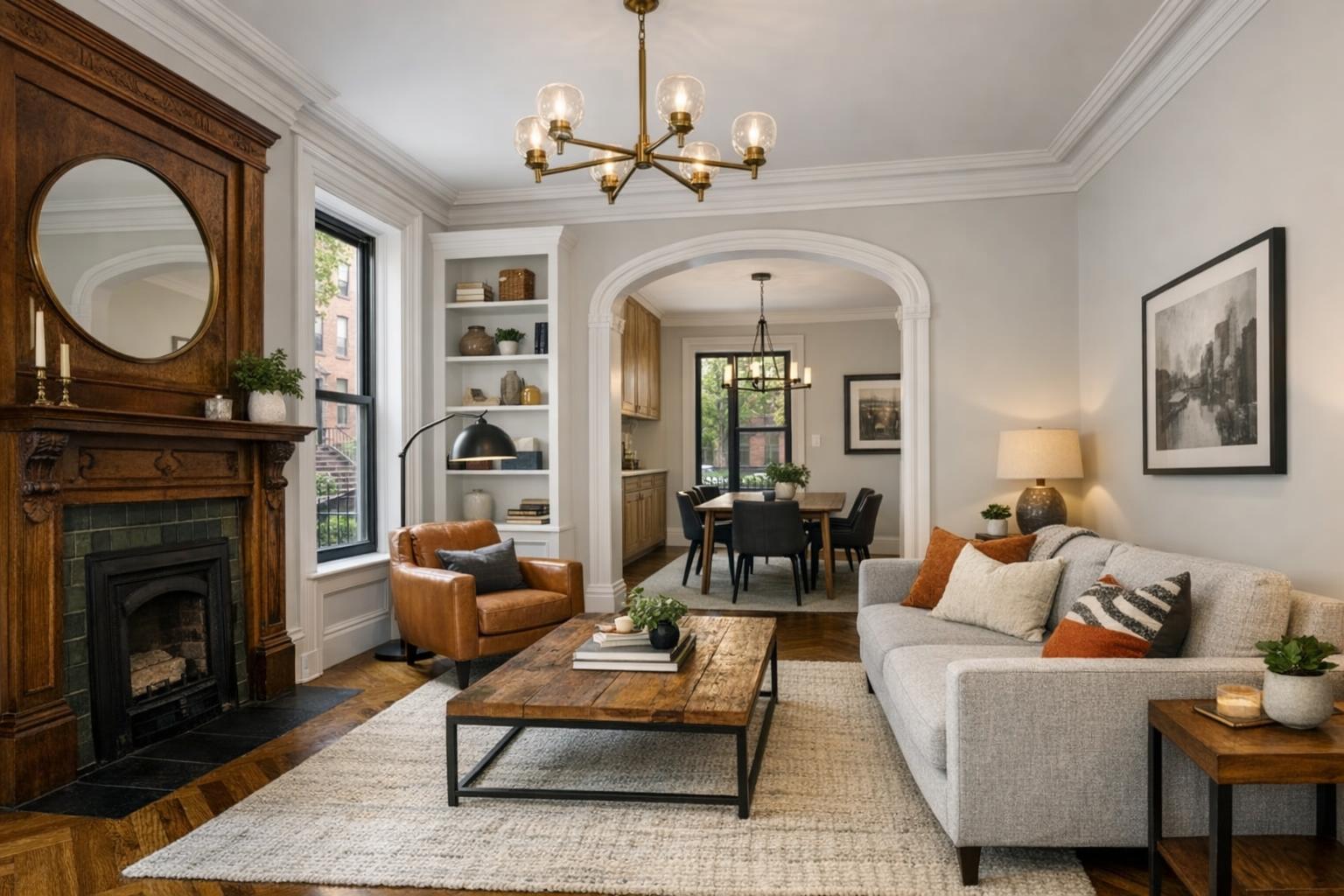
- Details matter: A custom staircase, a restored mantel, or a striking light fixture might deserve a highlight alongside wider contextual frames.
For high-end listings, design-forward properties, or projects that need to speak to architects and developers as much as buyers and renters, this more intentional approach creates value well beyond simple documentation.
Start with Your Needs: Matching Photography to Your Project
Before reaching out to NYC architectural photography services, clarify how you need the photos to work for you. Do you need a full set for a listing or a handful of eye-catching images for editorial, press, or marketing collateral? Are you building a visual archive for your firm's portfolio, or do you need to communicate the narrative of a design-build or renovation story?
Common use cases include:
- Residential listings and brokerage marketing
- New development launch websites
- Architecture and interior design portfolios
- Office, retail, and hospitality marketing
- Press kits and editorial features
- Social media and printed sales materials
The answer shapes everything—from the ideal number of images to whether you need vertical or horizontal formats, video, floor plans, or even a 3D tour.
How to Read a Photographer’s Portfolio in NYC
Browsing portfolios is a rite of passage, but what should you really be looking for in a field where dramatic photos abound? Instead of seeking just the flashiest images, assess whether the photographer delivers consistent quality across varied situations—residential, commercial, day, evening, tight spaces, and large ones.
Consider:
- Are vertical lines (door frames, corners) straight and undistorted?
- Do wide shots preserve believable proportions, or do rooms feel stretched?
- Is light—whether from windows, fixtures, or the cityscape—managed with care?
- Are colors true and natural, not artificially boosted or wildly inconsistent?
- Can the photographer handle reflective surfaces, mirrors, and mixed lighting?
- Is there a balance between sweeping, contextual views and tight, focused details?
Editing is critical, but good editing should polish natural images, not transform reality. Overly retouched or distorted photos erode trust and can even mislead potential clients.
NYC’s Unique Spaces: A Test of Practical Judgment
New York buildings rarely offer the luxury of huge spaces and perfect staging conditions. Instead, architectural photographers here are constantly tested: a narrow railroad apartment that needs to show depth and flow, a brownstone requiring careful composition from parlor to garden, or an office with multiple access points and brand elements that need to be visible without clutter.
Great NYC portfolios typically include projects that demonstrate:
- Control and clarity in small, awkward, or unusually shaped rooms
- Sensitivity to the city’s wide range of architectural details, from pre-war moldings to minimalist glass facades
- The ability to work around tight construction schedules, building rules, and shifting daylight
For commercial real estate photography in NYC, also look for images that explain circulation, entrances, customer-facing areas, and overall context.
Preparing for a Shoot: What Makes a Difference
No amount of post-processing can compensate for a space that isn’t ready for photographs. In New York especially, clutter, building restrictions, and access issues can eat up precious time. Advance preparation helps both you and the photographer create a strong final product.
Here’s a quick prep checklist:
- Clear countertops, desks, and vanities of small items
- Remove visible cords, pet beds, bins, and temporary storage
- Arrange beds and pillows neatly
- Clean mirrors, glass, and shiny surfaces
- Open curtains or blinds to let in natural light (when desirable)
- Replace any burned-out bulbs
- Ensure furniture is well placed, and walkways are open
- Remove personal photos if you want a neutral look
- Secure or relocate pets for the duration
For architectural shoots with a design emphasis, less is often more—accent items should support, not overwhelm, the architecture. If a space is completely empty, virtual staging is an option; just be aware it works best with truly vacant rooms and clean backgrounds.
Tip: If you’re interested in more detailed tips for preparing your property, RealtaSnap offers a prep guide for real estate photography.
Navigating NYC Logistics: Timing, Access, and Permits
Logistics in NYC often shape the shoot. Delays with elevators, construction noise, tight access windows, and unprepared rooms all shorten shooting time and limit the variety of images you can achieve. Coordinate with building management about visitor procedures, elevator reservations, and amenity access for areas like rooftops, lobbies, or outdoor terraces.
If you plan to capture exteriors, be mindful of city activity, vehicle congestion, construction scaffolds, shadows, and neighboring buildings. For aerial shots or drone work, keep in mind that flights depend on FAA rules, weather, building access, and pilot discretion—not every location is possible or appropriate.
Scoping the Assignment: Go Beyond Square Footage
A small apartment might deserve a detailed image sequence if layout and design are the main selling points. By the same token, a large but straightforward office may only need coverage of main areas, entry points, and a few hero images. Always consider the story you want the visuals to tell, not just the number of rooms.
Depending on the project, you may also want to include floor plans (which require an on-site measurement) or a 3D tour if interactive, remote exploration is important to your marketing goals.
Communication and Collaboration: What to Expect from a Professional Partner
What separates an average NYC architectural photographer from a true professional isn’t just their gear or their editing—it’s clear communication. Look for a partner who is willing to discuss:
- Recommended image types and counts for your objectives
- Prep and access needs before arrival
- Building rules and special logistics
- What can be handled on the shoot versus in post-production
- How to request extras like video, virtual staging, or specific orientations for web or print
When needed, providing a simple written brief with priorities, access info, and timing needs can make the process smoother.
RealtaSnap approaches every project with a commitment to clear representation and thoughtful workflow, supporting residential and commercial clients citywide. If you want to review sample work or need tailored service, you can find more about NYC real estate photography services here.
Bringing Your Property’s Character Into Focus
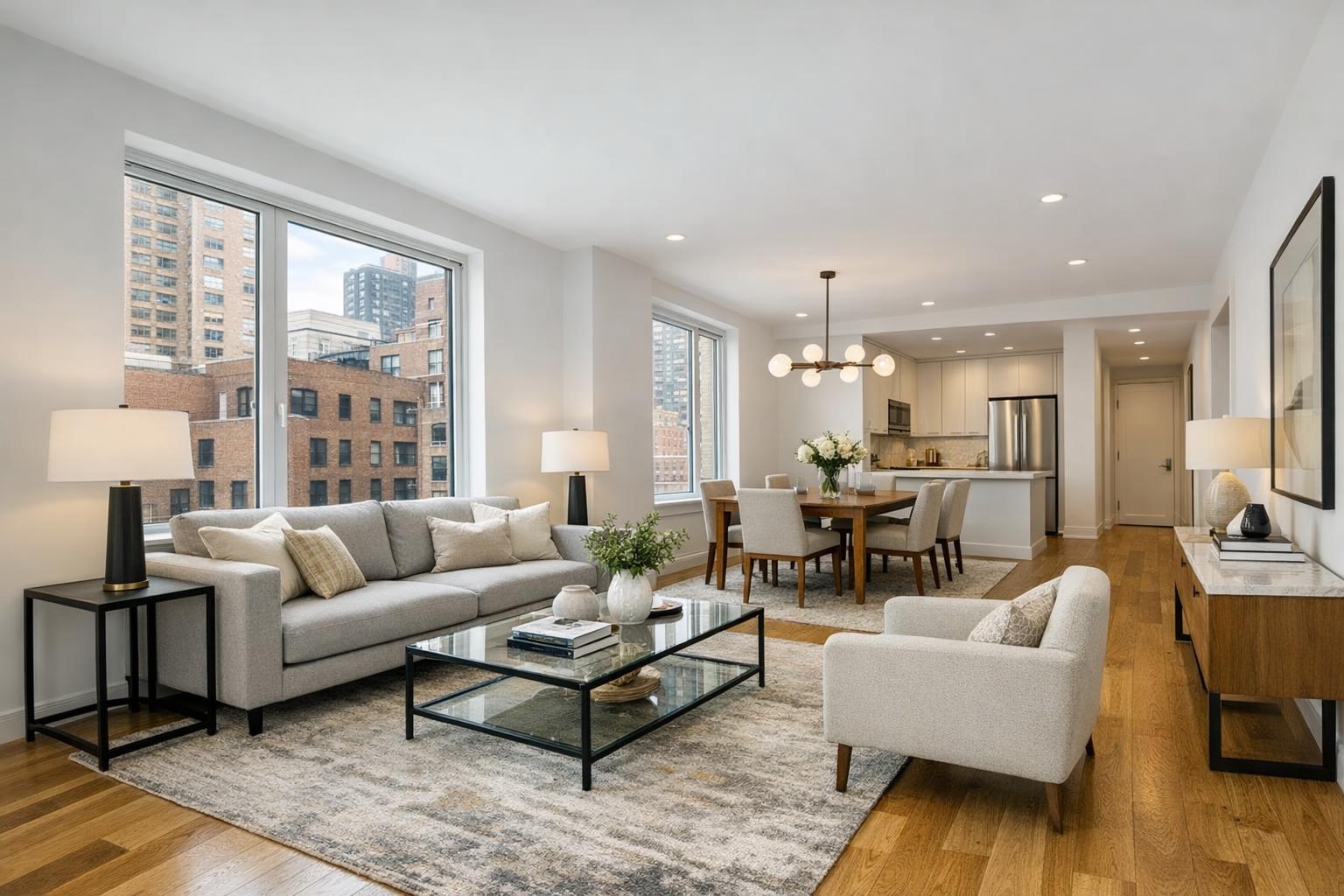
The right architectural photographer won’t just make your property look like every other NYC listing. Instead, they’ll help potential buyers, tenants, editors, and critics appreciate what’s truly unique—whether it’s pre-war detail, sweeping Manhattan views, an efficient open kitchen, a lush terrace, or a thoughtfully branded office.
If you begin with your real needs, choose a photographer with both technical and practical experience, prepare your space, and sort out logistics in advance, you’re well on your way to images that are both visually appealing and genuinely representative.
Interested in photography for your next NYC property project? Visit www.RealtaSnap.com.
FAQ
Question: What’s the main difference between architectural photography and standard real estate photos?
Answer: Architectural photography emphasizes composition, lighting, material detail, and how spaces connect, while routine real estate photography focuses on covering as many rooms as possible quickly for listing purposes. For properties with distinct design features or higher-end markets, architectural images help express substance, not just square footage.
Question: How should I get a NYC apartment ready for architectural photography?
Answer: Begin by removing personal items, visible cords, pet accessories, and countertop clutter. Make beds, clean reflective surfaces, and open window treatments if light and views are a strength. Simpler is often better; the less distraction in a smaller space, the clearer the layout looks in photos.
Question: Can RealtaSnap create a floor plan from listing photos or an old PDF?
Answer: No—an accurate floor plan requires on-site measurement and capture. Reference PDFs or old photos can help planning, but they can’t replace a current, dimensionally correct floor plan.
For help with your next property shoot, see more at www.RealtaSnap.com.