How to Choose a Brooklyn Real Estate Photographer for Your Listing
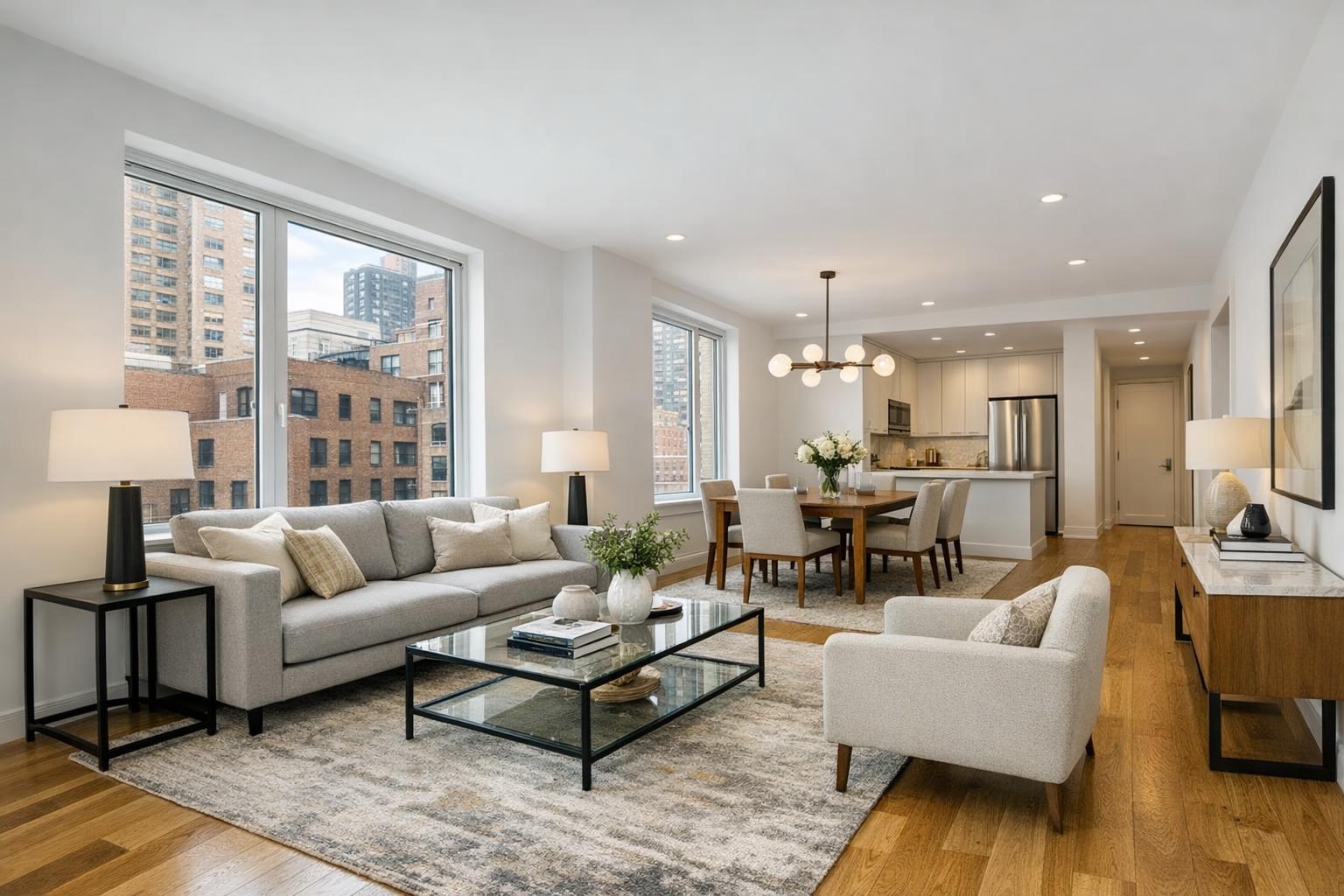
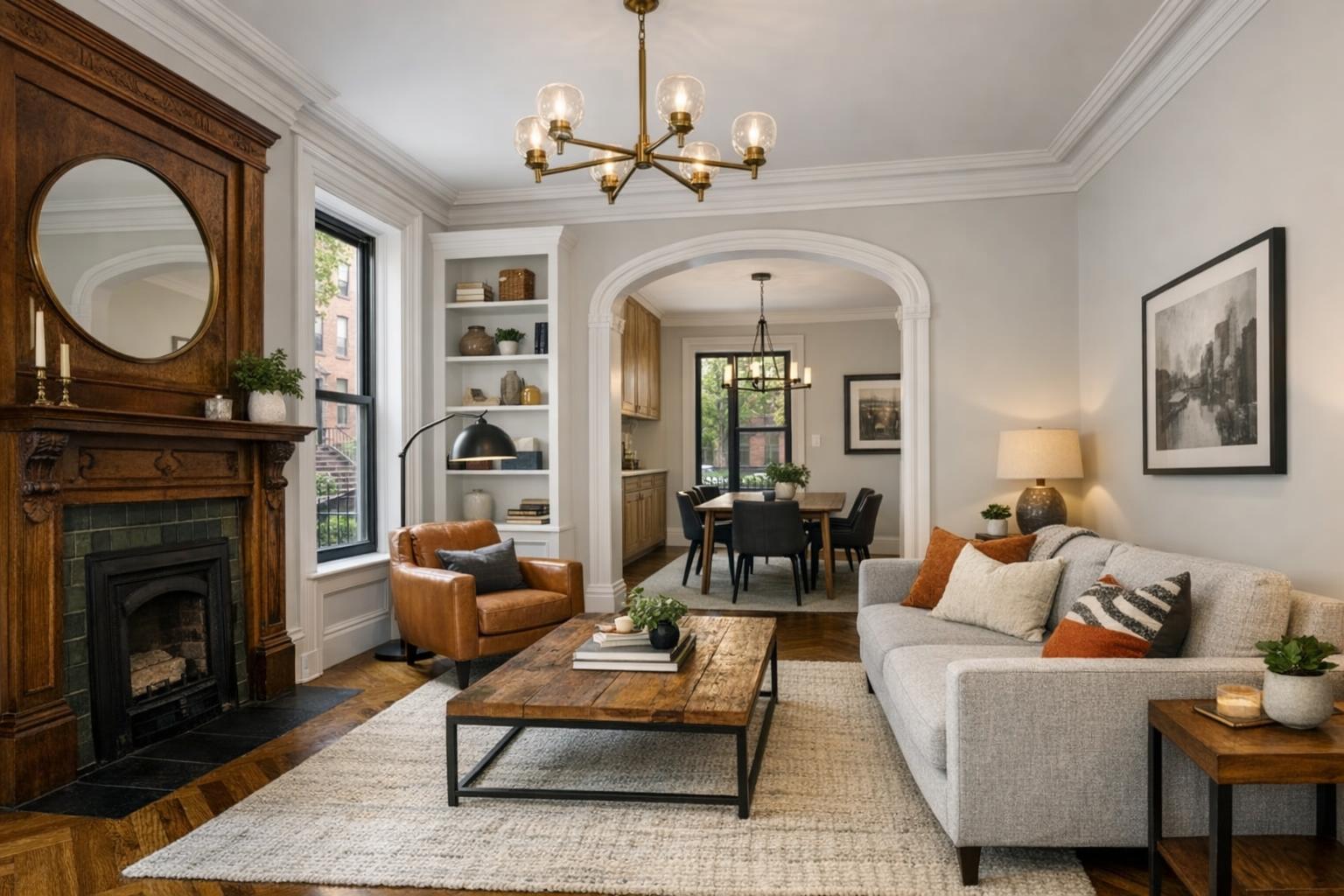
The Brooklyn real estate photographer captures a beautifully styled living and dining room, featuring a cozy seating area with a fireplace, elegant furniture, and tasteful decor.

How to Choose a Brooklyn Real Estate Photographer for Your Listing
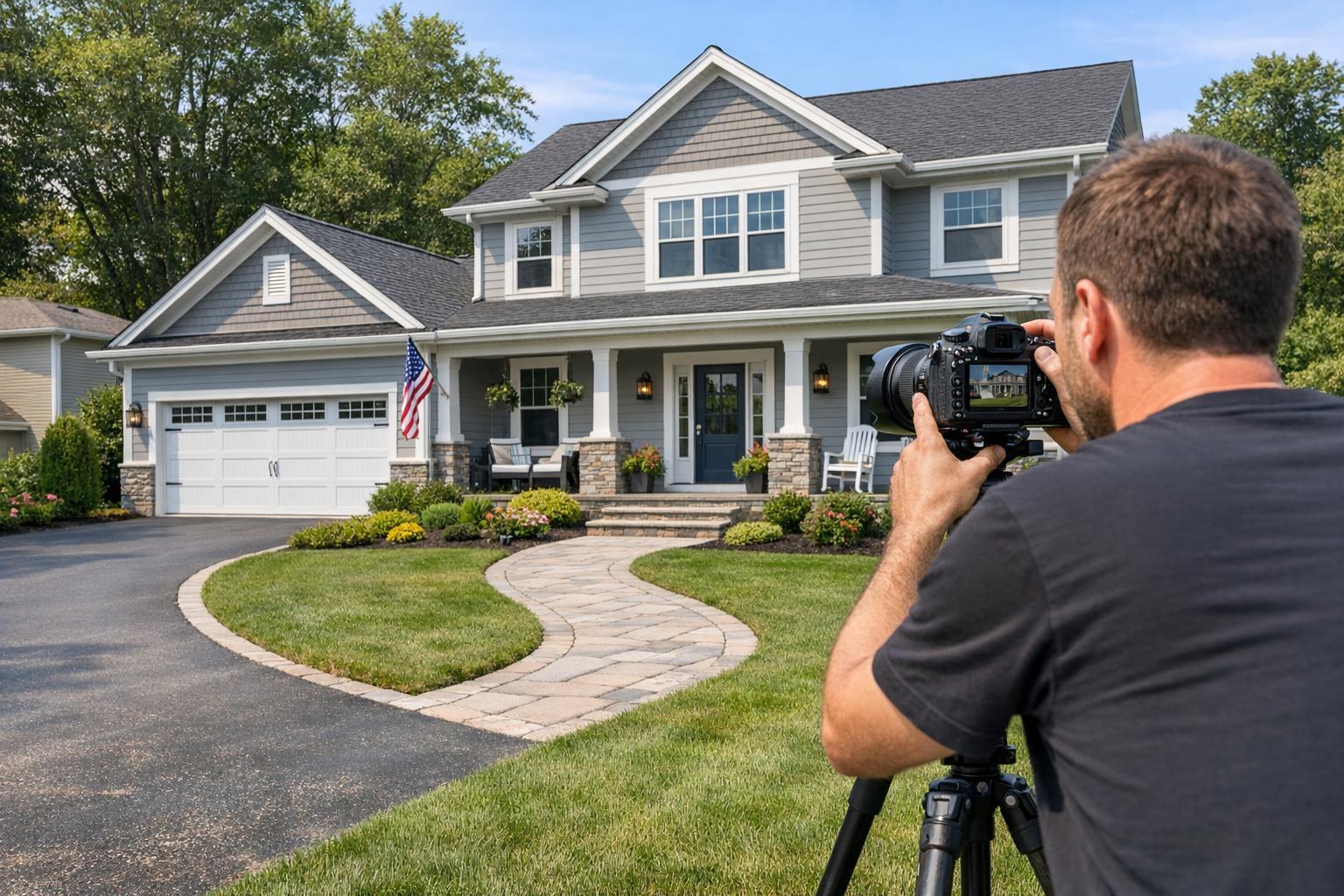
A Brooklyn real estate photographer can do more than give your property a polished look—they help buyers, renters, and tenants actually understand what makes a space unique. From navigating the quirks of classic brownstones to getting the lighting right in tight apartments, the right photographer brings clarity to your listing and supports a smoother selling or leasing process.
If you’re gearing up to list a property in Brooklyn, it’s smart to go deeper than a quick portfolio review. Brooklyn listings come with plenty of practical wrinkles: narrow layouts, pre-war charm, busy blocks, walk-up units, and buildings with their own access rules. Here’s how you can cut through the noise and confidently hire a real estate photographer who’s truly a good fit for your property and your needs.
Match Experience to the Property—Not Just the Portfolio
No two Brooklyn listings are quite alike. The best results come from hiring a professional property photographer in Brooklyn who already understands your type of space. It’s not just about having a sprawling portfolio, but about showing adaptability and specific skills for different property categories:
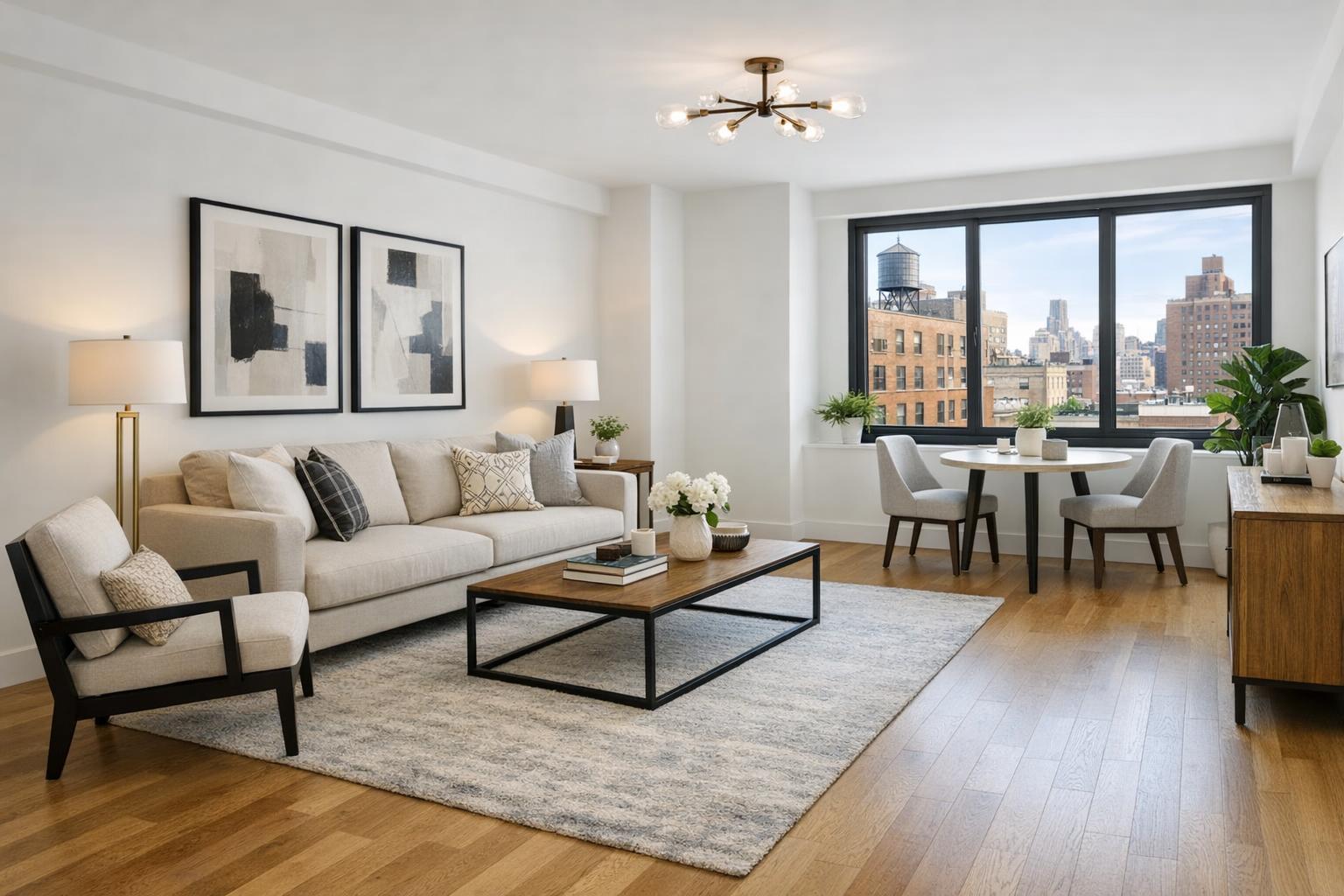
- Apartments and Condos: These often mean working around compact floor plans, close-up window views, and plenty of lived-in detail. A good real estate photographer knows how to capture rooms accurately, avoiding overdone wide-angle tricks that make spaces look unrealistic. For condos, building amenities and common areas sometimes matter just as much as the unit itself—ask if the photographer can also cover lobbies, rooftop decks, or fitness areas, and confirm any building policies around access and insurance.
- Brownstones and Townhomes: Brooklyn’s brownstones are packed with memorable details—fireplaces, stairways, original woodwork, high ceilings, or blendings of old and new. The right photographer balances feature shots (like a classic mantel) with the broader context so viewers get a genuine sense of each room and flow.
- Multifamily, Rental, and Development Properties: These often demand more planning, sometimes with shot lists covering multiple apartments, model units, exteriors, and communal spaces. What’s key is getting consistently high-quality images across the whole property, not just one dramatic hero shot.
Evaluate More Than Just the “Best” Pictures
A portfolio can impress you with beautifully staged living rooms and sun-drenched balconies, but what about the tougher shots? Spend a few minutes looking at how the photographer handles less glamorous situations:
- Color and Light: Interiors in Brooklyn can mix daylight, lamps, ceiling fixtures, and reflected color from the street. Editing should create a balanced, natural look, not leave walls oddly colored or spaces washed out with brightness.
- Architecture and Perspective: Vertical lines—windows, doors, cabinetry—should look straight, not tilted. Distorted shots can make even a stunning space feel off.
- Room Proportion: While wide lenses are useful, they shouldn’t mislead on the scale of a room. Enormous beds, stretched kitchens, or oddly huge living rooms can turn off buyers once they visit in person.
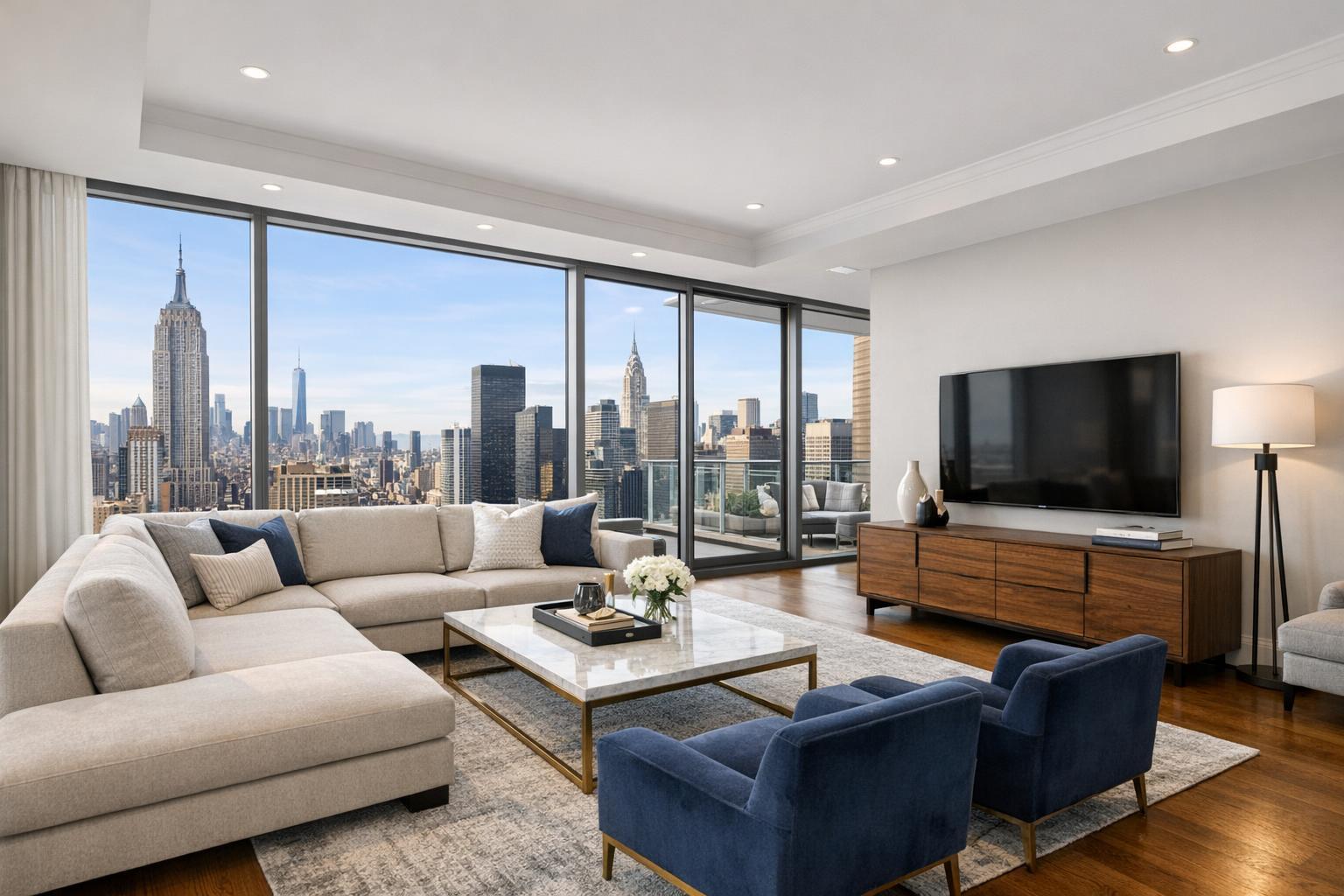
- Window Exposure: Getting both the interior and the exterior view right is tricky. Some homes will prioritize light-filled rooms; others (lofts with skyline views, or park-facing homes) need to preserve the outdoor scene. Agree on what matters most before the shoot.
Know the Logistics: Brooklyn Isn’t Always Simple
A smooth photoshoot often comes down to practical prep, especially in the city. Before booking, talk through the details—both to set expectations and prevent last-minute surprises:
- Is the space vacant, occupied, tenant-occupied, or under renovation?
- What about access: elevator, walk-up, street parking, loading zones?
- Does the building demand advance notice, insurance, or shared access windows?
- Are pets, kids, active residents, or crew on site?
- Any limits to roof, garden, terrace, or backyard access?
- When does the property get the best natural light?
- Will street activity, construction, or dense foot traffic complicate exterior photos?
The photographer doesn’t need to fix every onsite challenge, but strong communication ensures essentials (like cleared surfaces, raised blinds, or working lights) are handled in advance. Preparation especially matters for occupied spaces—photos can highlight, but not fully hide, clutter.
Editing Standards: Be Clear Before the Shoot
Every real estate photographer edits, but editing means different things to different providers. Clarify what’s included: consistent color and exposure, straight lines, minor cleanup. Ask about extra edits—like object removal, retouching, virtual twilight, or virtual staging—and know these are sometimes billed separately or may have limitations. Certain requests, like removing existing furniture for virtual staging, require prior organization or additional clutter-removal edits to look realistic.
Choose the Media Package That Actually Fits
Photos are the backbone for most Brooklyn real estate listings, and a set of professional images is often more than enough. But some properties have features that simply can’t be captured in photos alone.
- Floor Plans: If the layout is quirky, multi-level, or unusually shaped, a floor plan can help remote viewers get clarity fast. Just remember, accurate floor plans require on-site measurements—they’re not whipped up from old marketing docs.
- Video: Video gives life to properties with interesting flow or movement, like brownstones with stacked entertaining spaces or homes with standout outdoor areas. Real listing videos require on-site work and well-prepared spaces.
- 3D Virtual Tours: Great for buyers, renters, or investors who want to explore independently, virtual tours are made using specialized capture gear on site.
- Drone Media: Aerial shots can be fantastic for showcasing exteriors, yards, or neighborhood proximity to landmarks. In Brooklyn, however, drone work depends on FAA rules, weather, safety, and pilot discretion. Roof access helps, but it’s not a guarantee.
Communication, Scheduling, and Delivery: The Professional Difference
How a photographer communicates before the shoot often matters as much as their technical skills. Look for someone who’s responsive, clear about what’s included, and careful to ask about building rules, occupancy, special requests, and prep. Upfront conversations should establish:
- Delivery format and image sizing
- Turnaround expectations
- How revisions and extra editing are handled
For agents juggling multiple listings, reliability and direct answers can make a world of difference.
Smart Questions to Ask Before You Book
Sometimes, a five-minute call tells you everything you need to know. Consider these questions:
- Have you photographed properties like this before?
- How do you deal with small rooms and spaces with tenants?
- What does editing include by default? What’s considered extra?
- How do you manage views through windows or tricky lighting?
- What should I (or the seller, tenant, or building manager) do to prepare for the appointment?
- Are services like floor plans, video, drone, or virtual staging available if needed?
- What information do you need from me about building access or outdoor areas?
- How are finished images delivered, and how are edits or changes managed?
Clear, specific answers—not rehearsed sales talk—are a good sign you’re working with someone who cares about the practical outcome as much as the images themselves.
RealtaSnap: Streamlined Brooklyn Listing Media Solutions
If you’d like a Brooklyn-based service that handles both the photography and the practical logistics, RealtaSnap is a well-tested option for NYC listings. RealtaSnap’s media packages are built around professional photography, with additional choices for video, drone, floor plans, virtual tours, and staging when you need them. Having a single team manage the whole media process simplifies everything from scheduling to delivery, so visuals and messaging stay cohesive across your listing. See more about RealtaSnap’s process for real estate photography in NYC, or explore the full RealtaSnap website for details.
Ultimately, the right Brooklyn real estate photographer doesn’t just make your property look good—they make it easy for real people to understand and appreciate your listing. Review the work, clarify logistics, choose the media package that matches your property, and keep communication front and center.
FAQ
Question: How far in advance should I book a Brooklyn real estate photographer?
Answer: The earlier you book, the more time you’ll have to coordinate preparation, building access, tenant schedules, and extra services like video or floor plans. If you’re considering add-ons, mention them early so the photographer can plan the session and logistics accordingly.
Question: Is a floor plan always needed for a Brooklyn listing?
Answer: Not always. Floor plans are most useful for homes with complex layouts, multiple levels, or unusual shapes. Many straightforward apartments or resale properties do just fine with professional photography alone.
Question: Can virtual staging be done for a furnished or cluttered space?
Answer: Virtual staging works best in empty or properly decluttered rooms. If a unit is still furnished, furniture usually needs to be removed physically or by a specific clutter-removal edit before digital staging will look realistic.
To discuss the options for your Brooklyn property or to book directly, visit www.RealtaSnap.com.