How to Choose a Real Estate Photographer in NJ for Your Next Listing
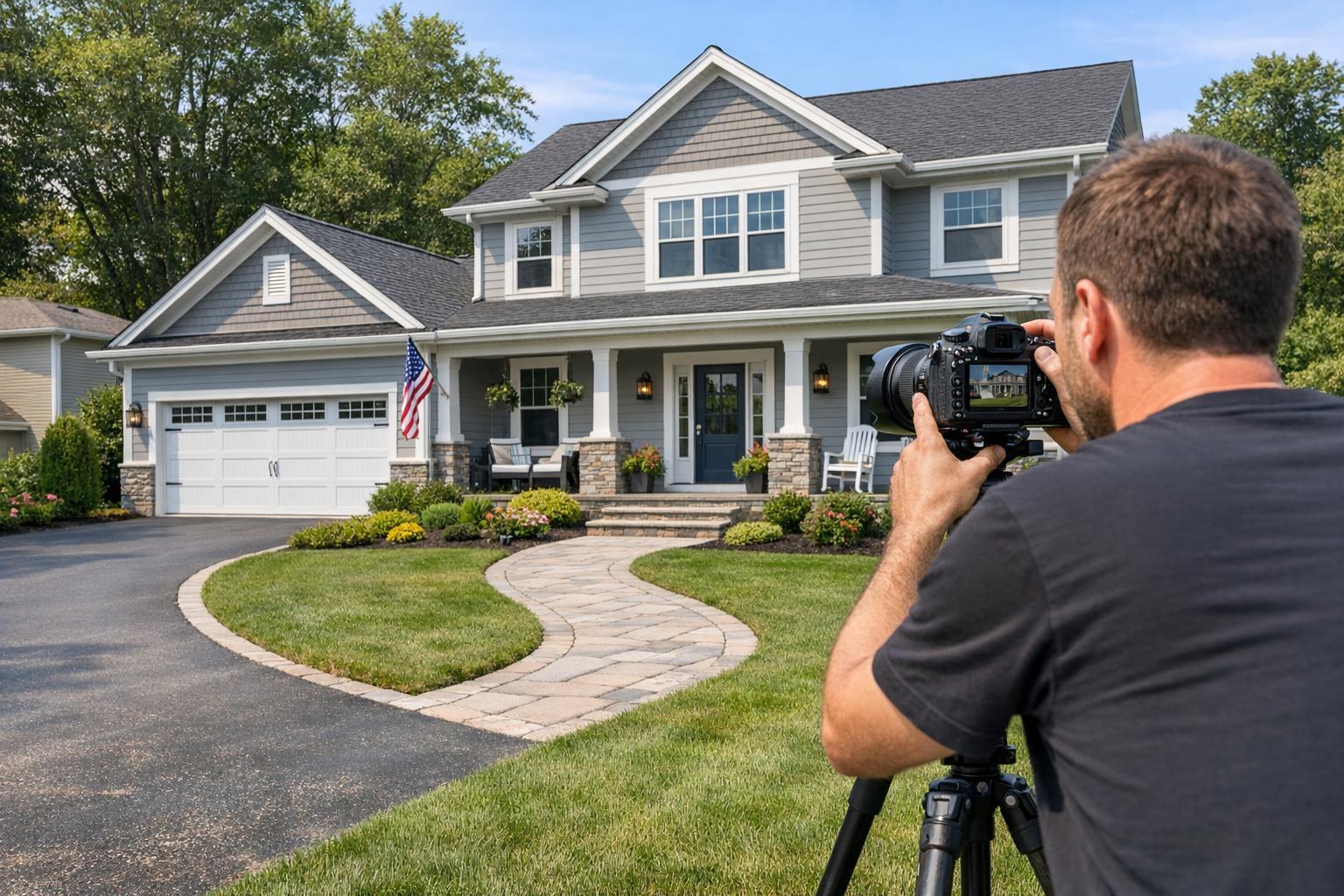
A real estate photographer in NJ captures a picturesque suburban home with a professional camera set on a tripod, highlighting the house's elegant exterior and well-maintained landscape.

How to Choose a Real Estate Photographer in NJ for Your Next Listing
Finding the right real estate photographer in NJ means more than simply hiring someone with a nice camera. Whether you’re an agent, property manager, or seller, your listing media needs to show potential buyers or tenants what it actually feels like to experience the space—giving them enough detail, context, and clarity to move comfortably toward an in-person showing.
From Jersey City condos to North Jersey homes, shore properties, and commercial spaces, New Jersey’s diverse real estate calls for a tailored approach to every shoot. If you want to choose a photographer who’ll deliver work that’s both professional and practical, it helps to ask the right questions upfront.
Start With the Property, Not the Photographer’s Package
Before you start comparing real estate photography services in NJ, it’s worth considering your specific listing. Condos in Hoboken and Jersey City generally need crisp interior shots to show off layout and city views, while suburban homes in Bergen, Morris, or Somerset might benefit from more exterior angles, images showing room flow, and shots that emphasize both yard and interior.
Waterfront or shore homes focus on exterior amenities, decks, and the connection between indoors and out—maybe even beach access or water views. For commercial spaces, entrances, ceiling height, parking, and storefront visibility can be make-or-break details.
Try to identify:
- The must-see visual selling points
- Features or rooms that don’t photograph easily
- Whether layout, condition, or location will make or break a sale
- How much outdoor context matters
- If the space is vacant, staged, under renovation, or lived-in (and what that means for prep)
- Any logistical needs: access codes, elevators, contractor schedules, or building rules
Ironing out what actually matters makes it easier to select the right coverage, from stills to floor plans, video, 3D tours, or drone. You’ll avoid overbuying unneeded add-ons—or under-ordering and missing key shots.
What to Look for in a Photographer’s Portfolio
A high-quality New Jersey listing photographer should be able to show consistent, clear work across a range of properties. Don’t just scan a few flashy kitchen photos; ask to see full sets for homes or spaces similar to your listing.
Consistent Composition, Clear Room Flow
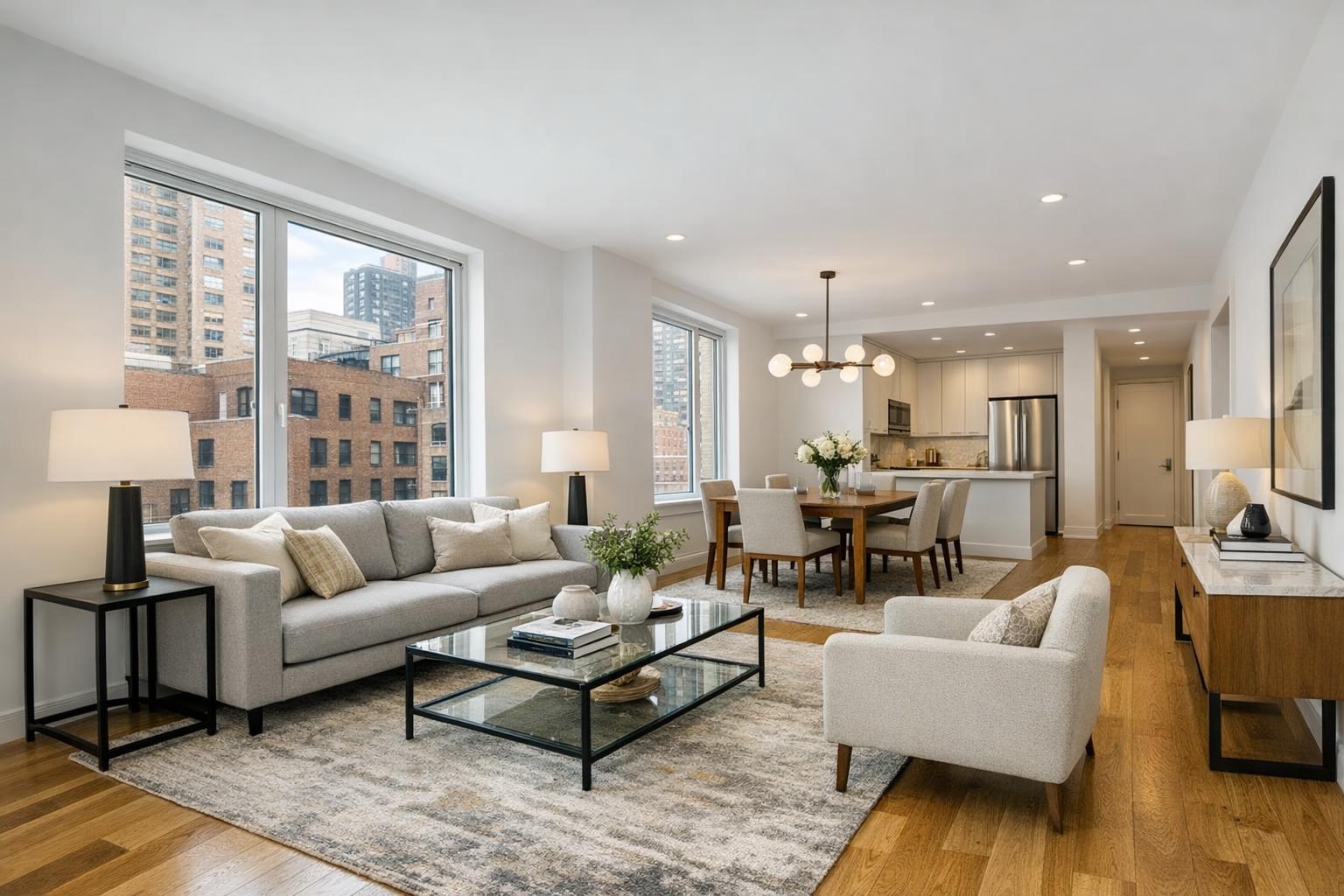
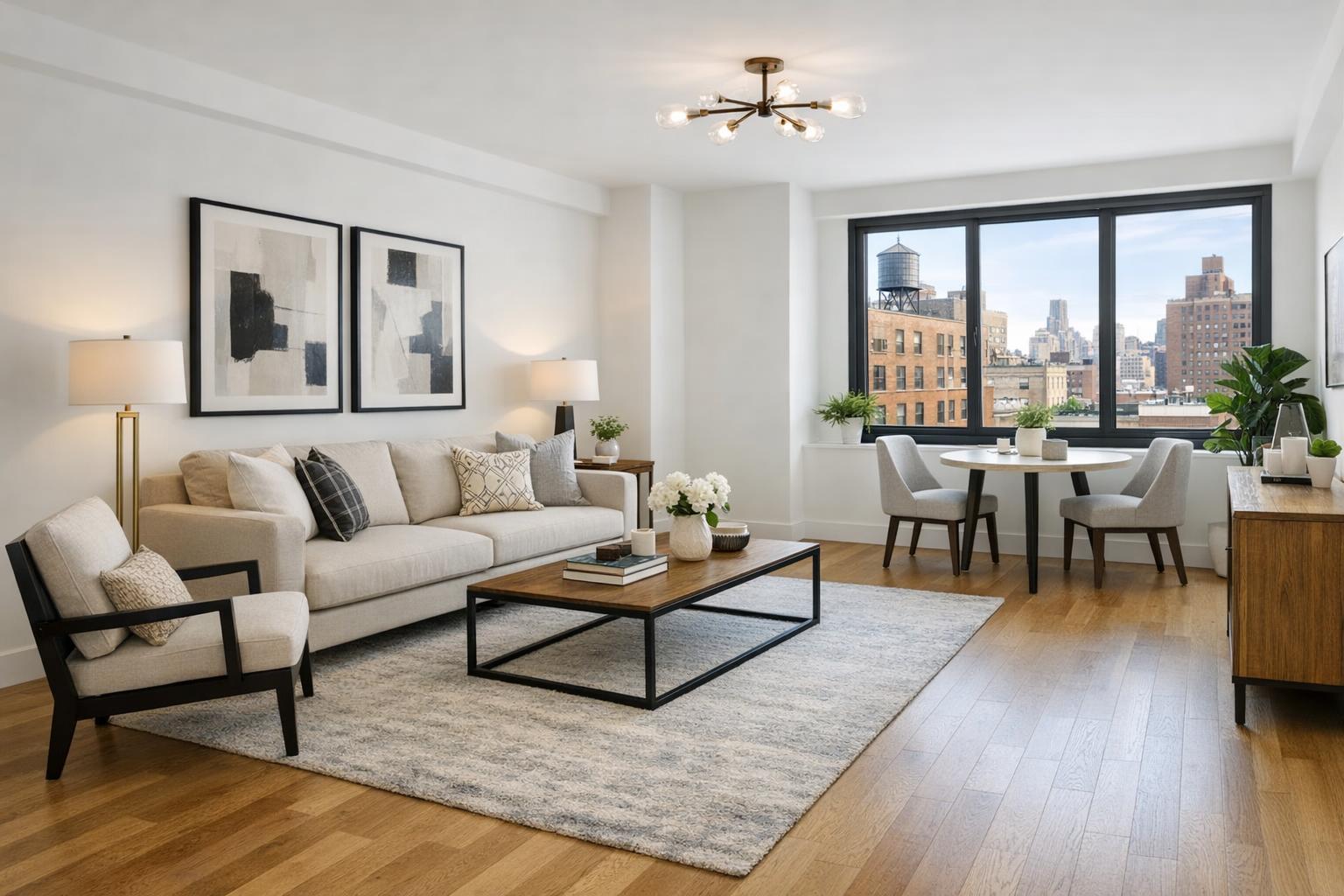
Good real estate images allow viewers to understand how the property unfolds. They avoid confusing camera angles or tight crops that leave too much up to the imagination.
Look for galleries where:
- Each room’s function is easy to identify
- Transitions between rooms, doors, and hallways are clearly shown
- Room size and layout make sense
- Composition isn’t cluttered or chaotic
- Key features are highlighted, but not every image is a detail shot
- The overall gallery isn’t repetitive
Your goal: after scrolling through the photos, could a buyer mentally map out the house? If not, the photos may be dramatic, but they’re not necessarily effective.
Balanced Window Exposure and Natural Light
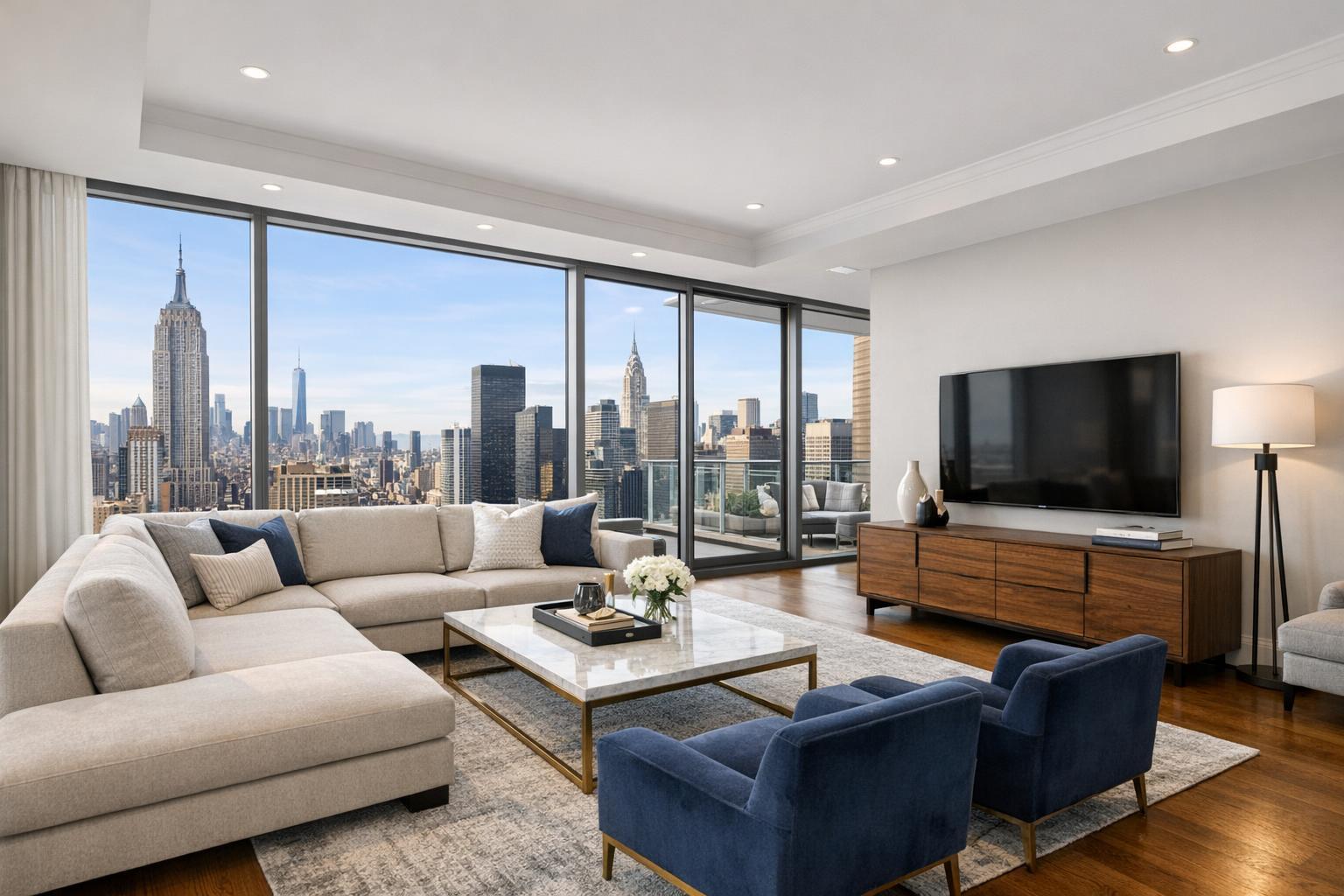
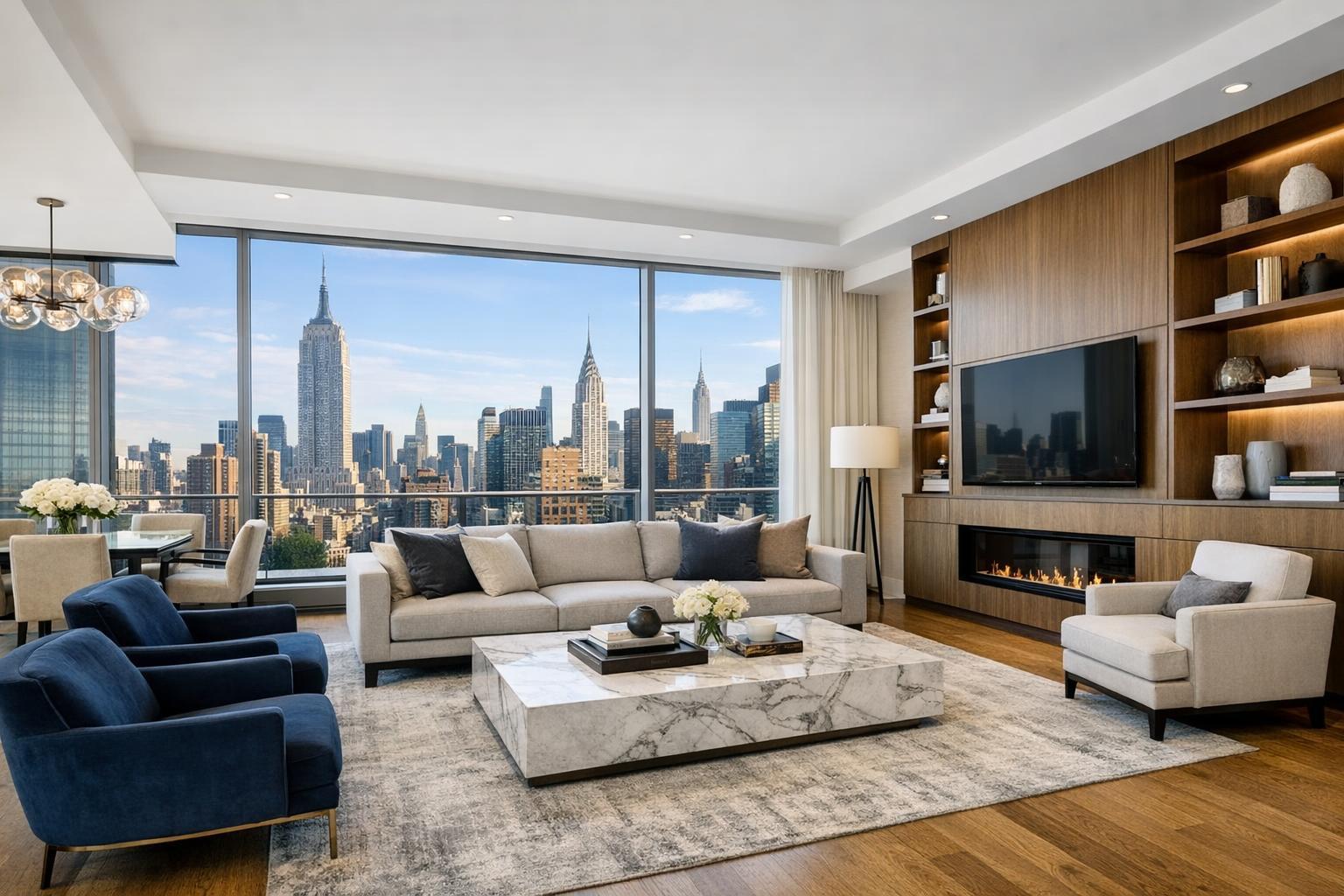
Nothing highlights technical skill faster than images containing windows. Ideally, rooms should feel bright and inviting, while any outdoor scenes visible through the glass stay reasonably visible—helping buyers get a sense of both indoor light and the appeal of the surroundings.
Red flags:
- Windows becoming pure white rectangles (overexposed)
- Interiors getting too dim for the sake of preserving the window view
- Hotspots from light fixtures or muddy shadows
Ask yourself: do the photos accurately represent how a room feels with real daylight?
Realistic Lines and Color
Wide lenses are necessary in real estate, but too much distortion makes spaces look unnatural or falsely enlarged. Check that verticals are straight, horizons are level, and walls don’t bow or lean. Color should look believable: white walls shouldn’t appear blue, yellow, or gray unless that’s the actual paint. Architectural lines and true proportions matter for credibility—buyers want to trust what they see.
Practical Accuracy and Editing
A professional real estate photographer should present the property at its best—without misleading buyers. It’s fair to ask about their editing process and exactly what can (and can't) be fixed in post-production. Most will handle basic tweaks and clutter removal, but permanent fixtures, layouts, or structural elements shouldn’t be artificially altered.
If you’re considering virtual staging, understand that it’s really for empty rooms. Existing furniture or clutter needs to be removed or addressed before staging for a realistic look.
Choosing the Right Mix of Media
Professional photography is the core of most NJ listings, but sometimes other services are the key to answering buyer questions or simplifying remote decisions.
- Floor plans are invaluable if the property layout is complicated, multi-level, or otherwise tough to grasp in photos. Make sure the plan is based on an on-site measurement, not recreated from old drawings or shaky sketches.
- Listing videos can bring a sense of flow and atmosphere, but only if they’re shot intentionally—walkthroughs based on actual movement, not slideshows stitched from stills.
- 3D tours let buyers or tenants virtually explore at their own pace. They’re most useful for listings with serious remote interest and require precise, on-site capture.
- Drone shoots are great for large lots, unique settings, or properties where aerial context matters (think shore homes, estates, or commercial buildings). Not every property allows for drone work—airspace, weather, and site conditions always apply.
Important New Jersey Logistics
Photography logistics in New Jersey aren’t always straightforward. Every building or neighborhood can bring its own quirks. In Jersey City, there may be elevator access to arrange or parking to secure. Suburban houses might need coordination with owners’ schedules and pets. Shore properties sometimes must be timed perfectly for light and access.
For smoother shoots, communicate clearly about:
- Access codes, lockboxes, building entry, and parking details
- Any required appointment scheduling for elevators or amenities
- Resident, tenant, or family needs (including pets)
- Areas requiring special timing or privacy
- Spaces that might be off-limits due to repairs or occupancy
- Outdoor features that depend on daylight or good weather
Giving this info upfront lets your photographer plan, avoid wasted time, and capture the right images efficiently.
Scheduling, Pricing, and Turnaround—What to Ask
Don’t just pick the cheapest quote. Make sure you know:
- What’s included for the price: number of photos, types of media, rough shot list
- Delivery timelines for photos and add-ons
- How travel, re-shoots, extra images, or schedule changes are handled
- When (and how) payment is required
- The process for ordering edits or special requests after the shoot
- What happens if weather affects exterior or drone shots
- Policies for cancellations or rescheduling
With RealtaSnap, for example, you can see available times and book appointments online—just enter your property address, select your services, and confirm the order. Schedule on the booking calendar here. The system requires at least 24 hours’ notice for standard bookings, and payment is handled at checkout.
Preparing the Property for Photography
Even the most talented real estate photographer can’t overcome cluttered counters, laundry piles, or closed blinds. You don’t need to hire a stager—just take time to clear distractions so the photos show off the actual space.
Preparation tips:
- Turn on all lights and replace burnt bulbs if possible
- Open any drapes or blinds that reveal appealing views or daylight
- Clear kitchen and bathroom surfaces
- Put away personal items, pet gear, laundry, and visible clutter
- Straighten beds, pillows, and remove unneeded furniture from tight spaces
- Hide cleaning supplies and trash
- Move cars from driveways if exterior shots are needed
- Neaten up outdoor areas if time allows
- Secure pets and communicate access details in advance
The goal isn’t perfection—it’s a visually organized space that lets viewers focus on the property, not its contents.
Working With a Listing-Focused NJ Photographer
Choosing a real estate photographer is about finding someone who understands both the media craft and the practical NJ context. Look for clear, consistent work, honest representation (not over-edited fantasy), responsive communication, and a genuine willingness to help you showcase the property rather than pad the bill with extras.
If you’re looking for a partner who takes the guesswork out of professional listing photos, RealtaSnap provides straightforward, listing-driven media services across New Jersey. You can explore available options, see real examples, and book your preferred coverage at www.RealtaSnap.com.
FAQ
Question: How far in advance should I book a real estate photographer in New Jersey?
Answer: It’s best to book as soon as you know your timeline—this gives you flexibility with scheduling, as well as time to prep or coordinate access. RealtaSnap requires a minimum of 24 hours’ notice for standard online appointments, and the booking calendar always reflects up-to-date availability.
Question: Do I need a floor plan or 3D tour for every listing, or only certain properties?
Answer: Not every property requires floor plans or 3D tours. These add-ons tend to be most helpful for complex homes, multi-level layouts, or listings expected to draw remote buyers or tenants. If photos alone don't answer common layout or flow questions, adding a floor plan or 3D tour is worth considering.
Question: Can I use virtual staging for rooms that already have furniture?
Answer: Virtual staging looks best in empty rooms. If a space has existing furniture or significant clutter, it needs to be removed or cleared (physically or via advanced editing) before staging. This ensures the final images look clean and believable.
Ready to present your next listing? Check out www.RealtaSnap.com for service options, examples, and easy online scheduling.