How to Choose a Manhattan Real Estate Photographer for Your Listing
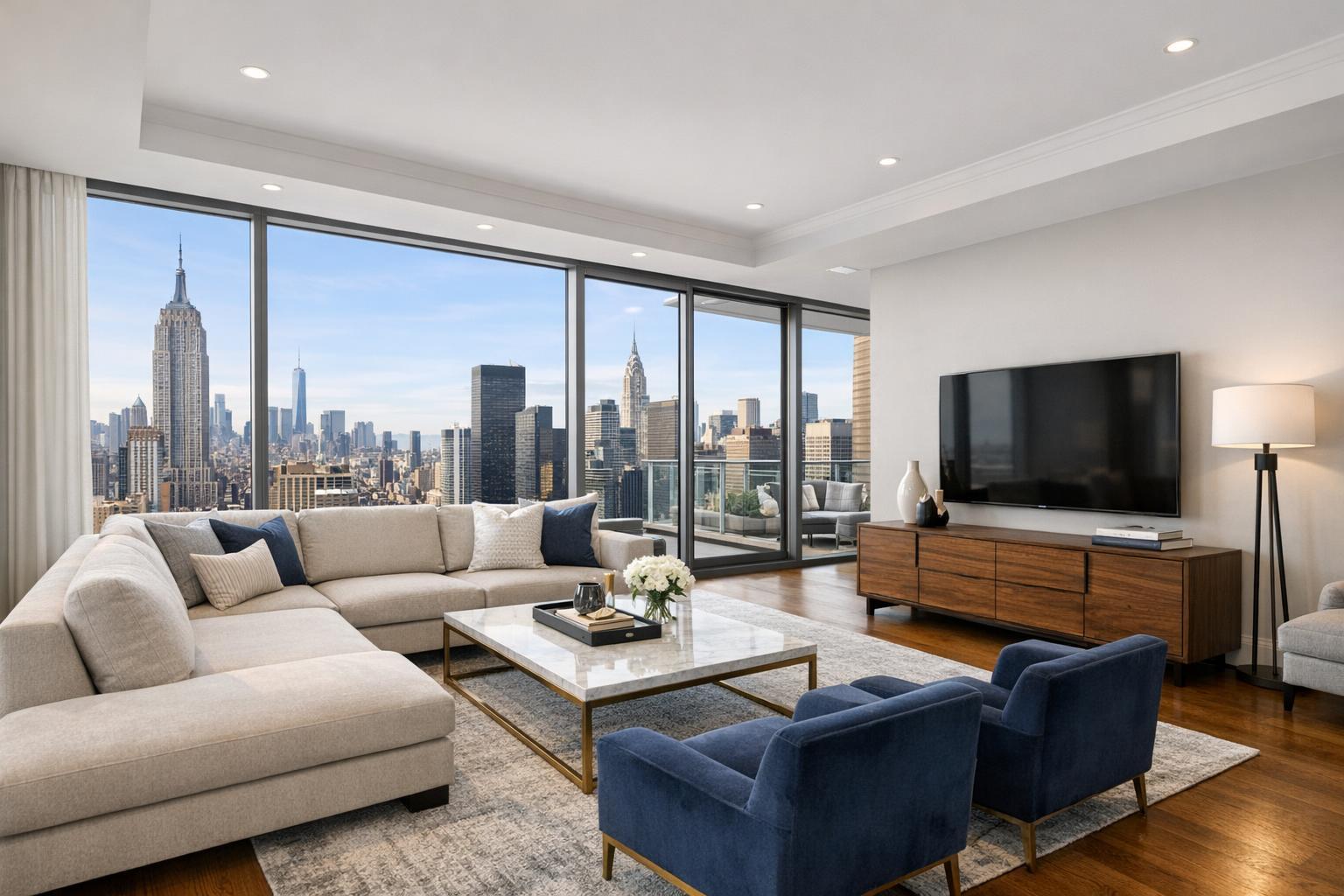
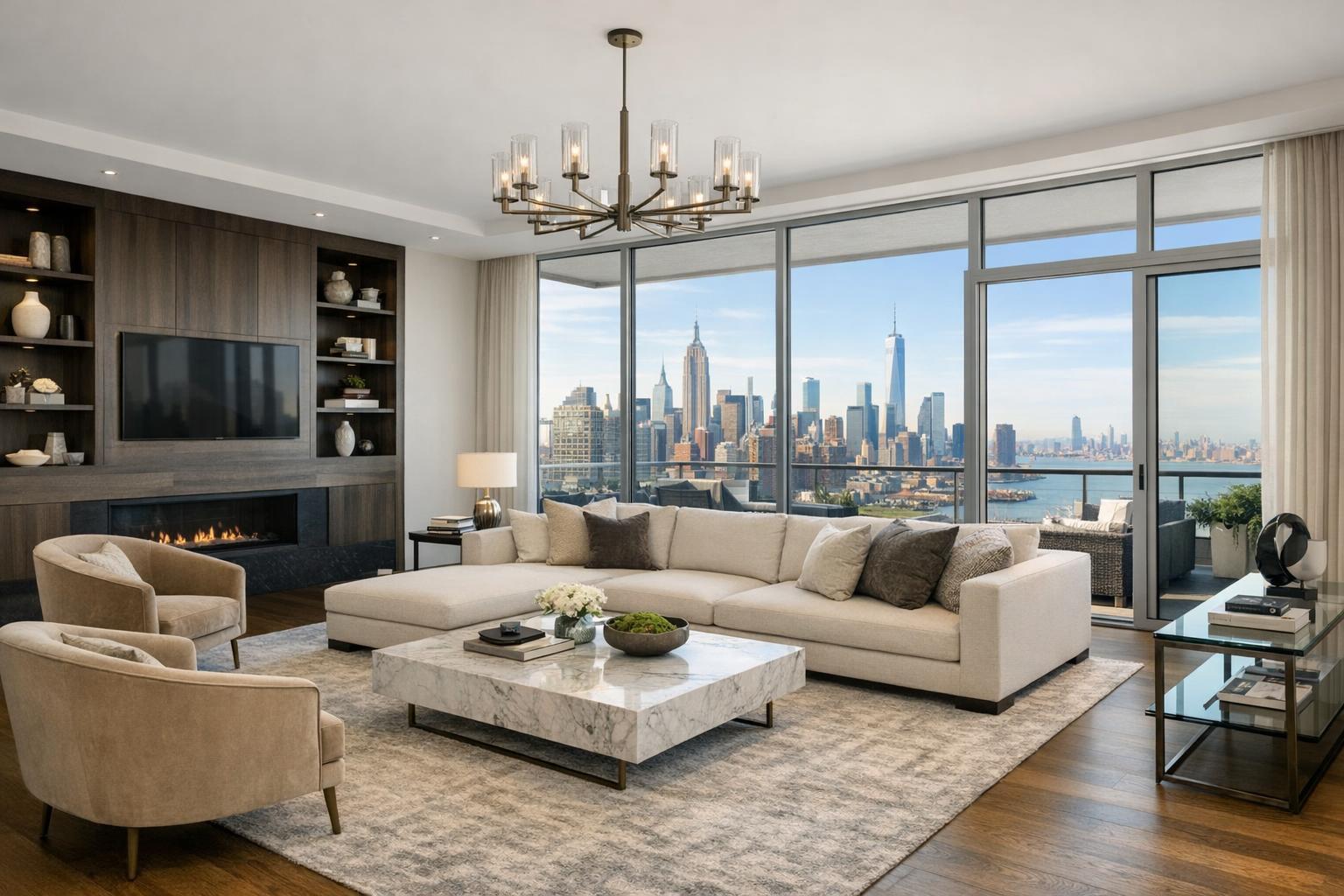
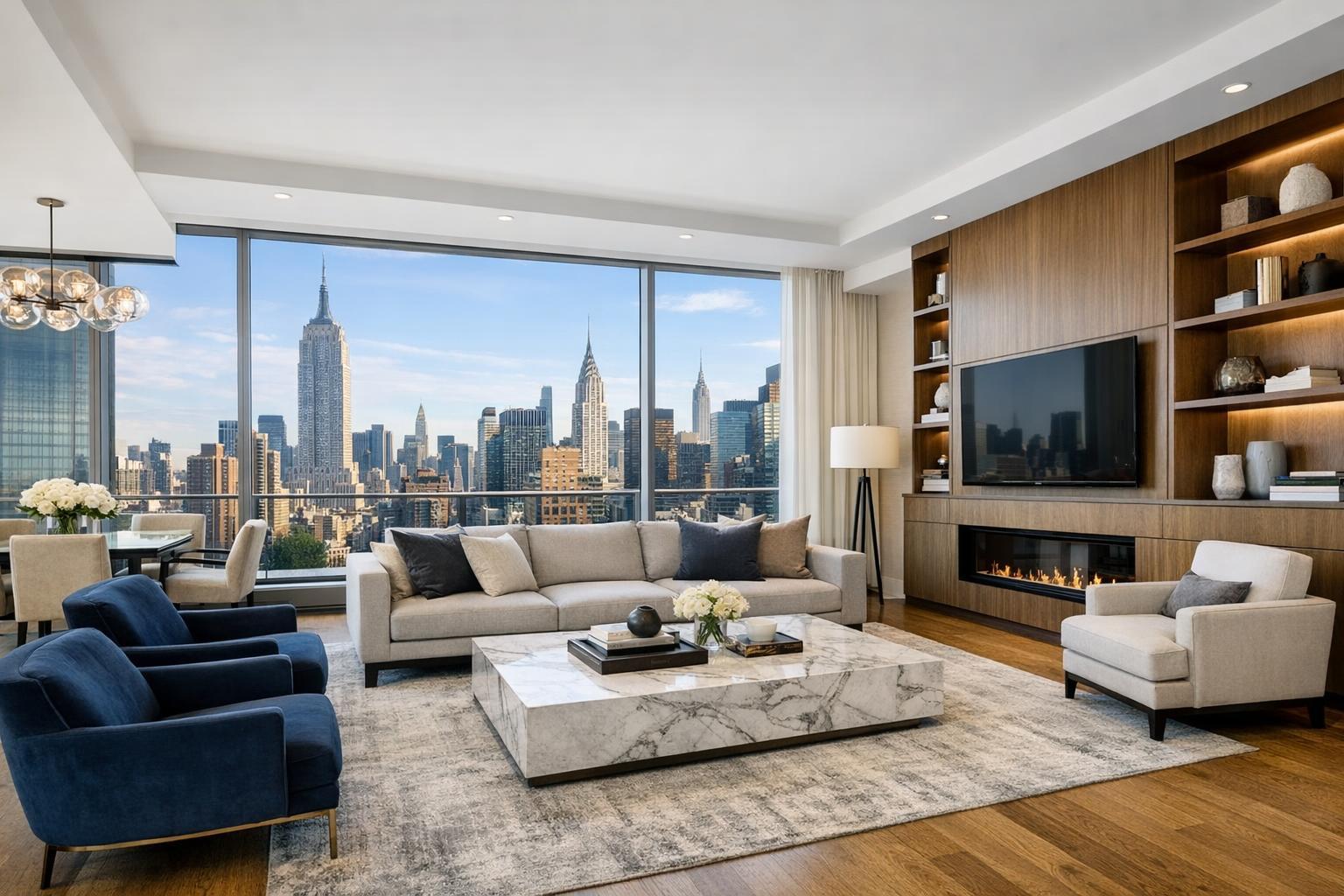
A Manhattan real estate photographer captures a luxurious living room with elegant decor and a stunning view of the New York City skyline, featuring the Empire State Building.

How to Choose a Manhattan Real Estate Photographer for Your Listing
Finding a Manhattan real estate photographer isn’t just about the best-looking images—it’s about finding a practical, experienced partner who understands the quirks of New York properties, the realities of building access, and the pace of the city’s real estate market. Whether you’re an agent, broker, property owner, or manager, lining up the right photographer is a key step in the listing process that can make your job much simpler.
Below, we’ll walk through the main factors to consider before booking, what sets market-ready media apart, and how to find a provider that fits your needs. If you’re prepping a studio, a classic co-op, a downtown loft, or a commercial space, here’s what you should be looking for.
Beyond the Portfolio: Matching Experience to Your Property Type
Checking out a photographer’s portfolio is important, but it doesn’t tell the full story. Manhattan’s property landscape is incredibly varied, from compact condos and pre-war co-ops to narrow townhomes and busy commercial suites. A photographer who’s at ease in a glassy new high-rise might take a different approach than one focused on old townhouses, garden-level apartments, or active workspaces.
What matters most is seeing examples that relate closely to your listing:
- Apartments, condos, and co-ops: Look for clear, believable room dimensions, good transitions between spaces, properly handled window exposures, and vertical lines that stay upright. It’s tempting to want photos that make small spaces seem larger, but it’s more useful (and ethical) when those images reflect true proportions and layout.
- Townhomes and larger homes: Ask about their process for capturing stairs, multi-level layouts, outdoor spaces, and signature details. Consistent lighting and logical flow are especially important in these types of properties.
- Commercial spaces: Every commercial listing tells a different story. A medical suite, retail storefront, or open-plan office all require different approaches. Make sure the provider asks about your priorities—frontage, amenities, flexible layout, or street presence.
Consistency Counts: Technical Quality Over One-Off “Hero” Shots
Any experienced photographer can capture a few dazzling images, but in real estate, consistency is what matters most. Are exposures balanced from sunrooms to back bedrooms? Are images bright, but not blown out?
Watch for:
- Vertical architectural lines that stay true.
- Proportionate, natural-looking rooms (no “hall of mirrors” tricks).
- Window views that don’t drown interiors or turn the cityscape to white.
- A uniform editing style, without dramatic color shifts or distracting effects.
Wide-angle lenses are an industry staple, especially for Manhattan’s tight rooms, but using them well means respecting the true feel of the space—without making furniture look stretched or spaces unrecognizable.
Editing: Support, Don’t Invent
Professional editing can dramatically polish listing photos—but it shouldn’t misrepresent the property. Editing should balance light, manage color, remove small distractions, and correct lines. Over-editing can frustrate buyers (and create liability), so it’s worth asking about:
- Included vs. extra-cost editing (like clutter removal or retouching).
- Anything you need to address before photos—cords, packaging, cluttered surfaces.
- Virtual staging policies. For AI staging, rooms should be empty or cleared; digital staging is not a cover-up for clutter or existing furniture.
Navigating Manhattan Logistics: It’s More Than a Photoshoot
Photographing a property in Manhattan goes beyond just showing up with a camera. Buildings may require elevator bookings, vendor insurance, certificates, or check-ins at the front desk. Residential listings might be occupied, and access to amenities can depend on building rules.
Before you book, clarify:
- Exact address, unit, and best entry point.
- Concierge or management requirements.
- Elevator or freight scheduling.
- Whether the property’s vacant or occupied—and who will be there.
- Parking, loading, or access restrictions.
- Building policies for amenities and common areas.
These details can make or break the flow of a shoot, especially in co-ops or doorman buildings where logistics are tightly controlled.
Occupied Listings: Preparation Makes the Difference
Occupied units demand a realistic plan. The goal isn’t to erase all signs of life—just to eliminate distractions. If the owners or tenants will be home, set expectations in advance and create a short prep checklist. Important tips include:
- Clear counters, bathroom surfaces, pet items, and paperwork.
- Tuck away cords, laundry, and large items that block movement.
- Open blinds or shades for light (while considering privacy).
- Replace burned-out bulbs and make sure each area to be photographed is accessible.
Communication, Scheduling, and Delivery: Ask Early, Not Later
Turnaround time can make or break a listing launch. When comparing real estate photography services in NYC, factor in:
- How much lead time is needed to book.
- What building info and special requests must be submitted.
- Rescheduling policies and flexibility in case plans shift.
- Expected timeline for photo delivery.
- How media files are sent, organized, and whether you can get alternate formats.
- If the provider can coordinate additional services during the same visit.
With RealtaSnap, you can book online for standard shoots. Enter the address, add notes about building access, choose your services, select from open appointment times, and checkout in one shot. For Manhattan, use the notes section for elevator bookings, instructions, and any unique building or occupant info. Want to schedule a shoot or review options? Visit RealtaSnap’s booking page.
Extra Media: Add Value Where It Fits
Photography is almost always the core of your listing’s media, but certain properties can benefit from add-ons:
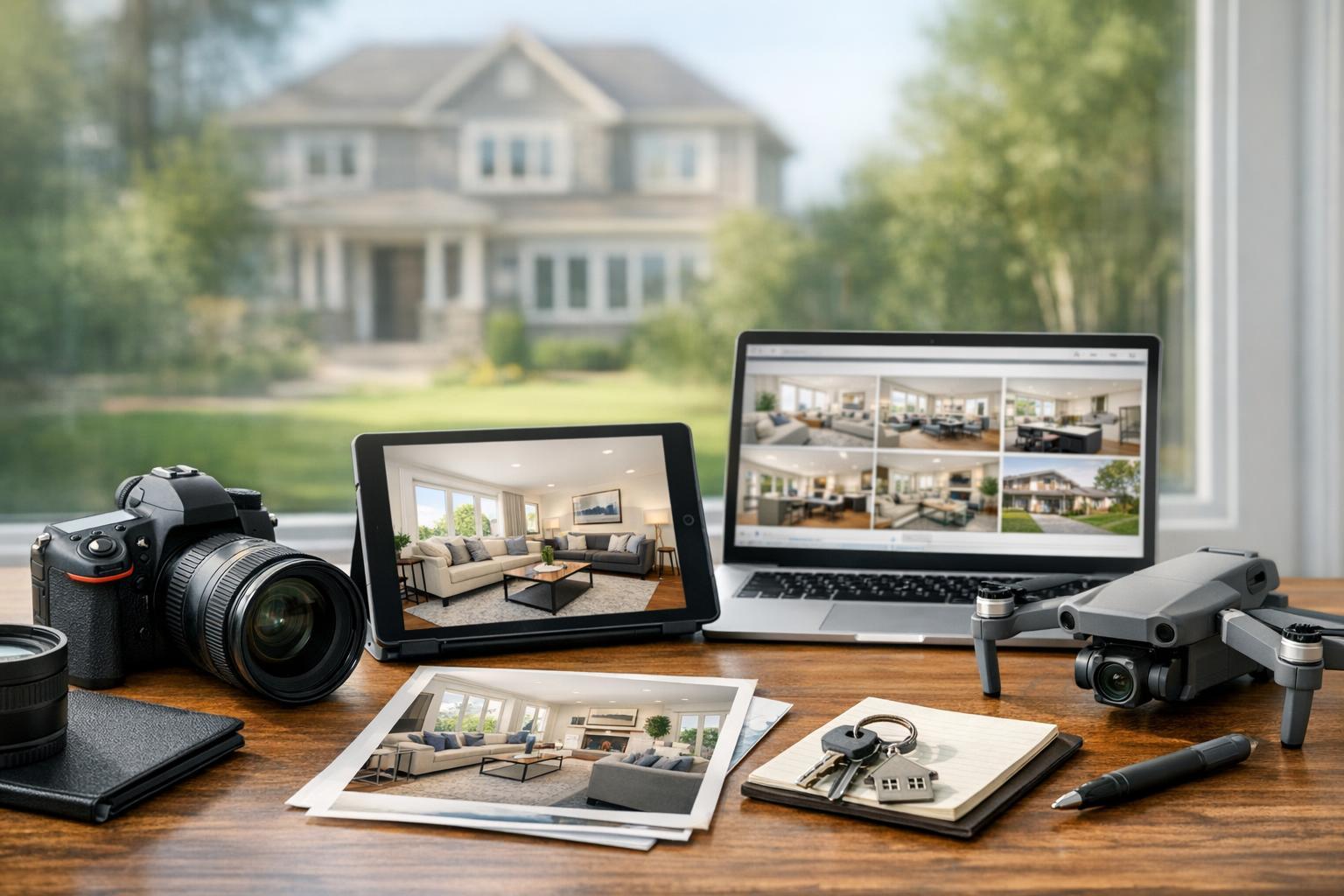
- Video tours: Show how rooms connect, highlight movement through the space, or spotlight features that aren’t captured in stills. Video is especially impactful for homes with a grand entrance, multi-level flow, or commercial amenities.
- Floor plans: Especially valuable for homes with non-standard layouts, larger listings, or commercial spaces. Floor plans require on-site capture to be accurate—sending over an old drawing or a collection of photos isn’t enough.
- Virtual tours (3D scans): These give remote viewers an interactive look at the property, which is great for out-of-town buyers or unique floor plans.
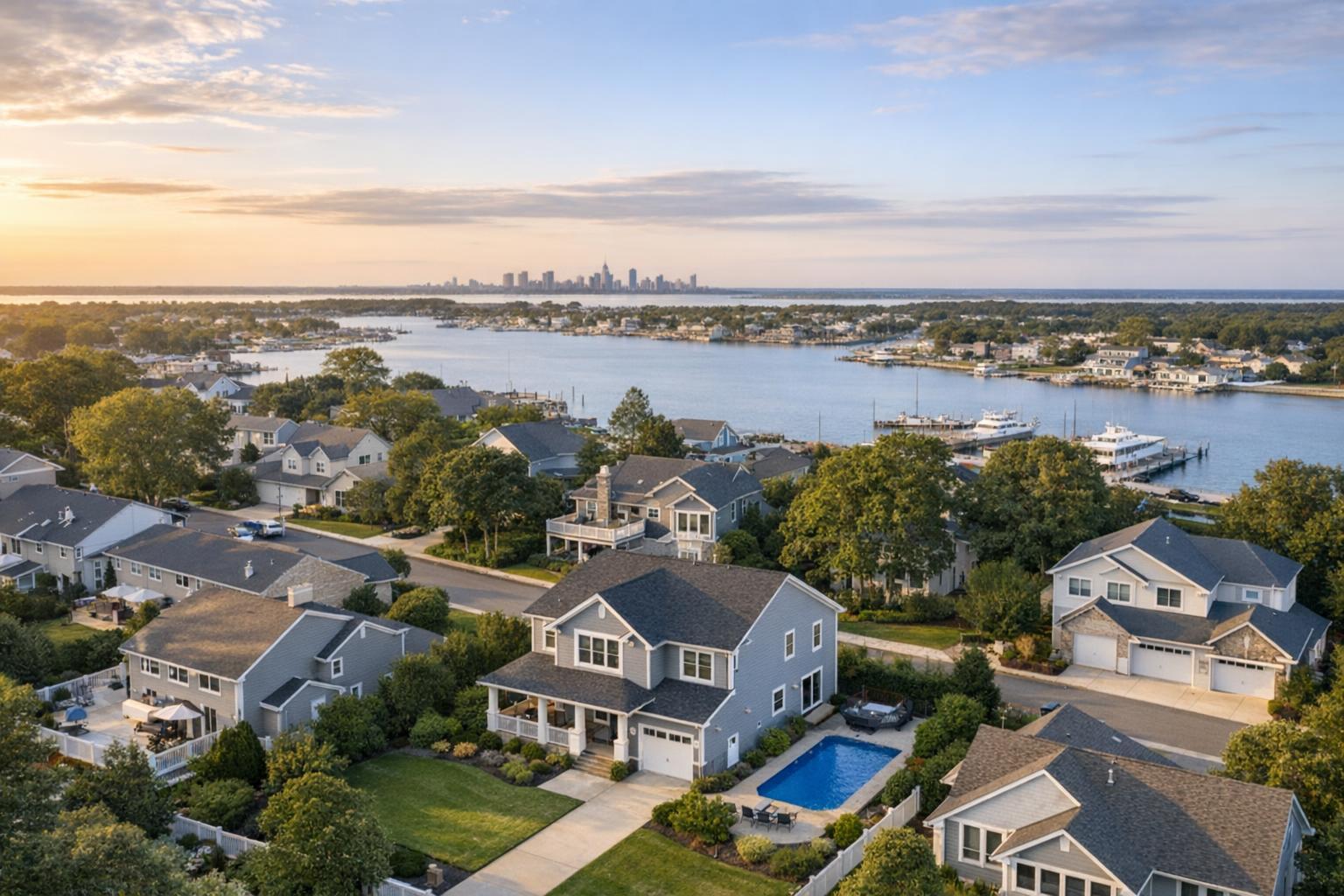
- Drone media: Drone photos or videos work best for listings with roof access, unique exteriors, outdoor spaces, or sweeping views. Manhattan’s drone rules depend on airspace, weather, property access, and pilot discretion, so ask early if aerial media is a priority.
Comparing Providers: Don’t Let Price Be the Only Decider
It’s tempting to go for the lowest quote, but actual value comes from the right mix of experience, reliable delivery, technical skill, and local knowledge. Ask yourself:
- Has this photographer worked with similar property types?
- Are their interiors (and window views) consistently well-handled?
- Do their editing and retouching policies make sense for your needs?
- Is their process for booking and sharing access instructions straightforward?
- How clear are their timelines?
- Do their services actually fit your listing—not just a generic checklist?
- Are they transparent about pricing and what’s included?
- Do they work well with occupied spaces and small rooms?
For Manhattan apartments, a 20-photo package may suffice for a studio or one-bedroom. Larger spaces or commercial listings usually need broader coverage.
Bringing It All Together
Your chosen Manhattan property photographer should make the process simpler, from booking and prep to the final images. When you find a provider who is comfortable working with city logistics, produces disciplined, consistent interiors, and communicates clearly, you’ll feel more confident going into your listing’s launch.
RealtaSnap specializes in photography and media for New York City listings—including video, floor plans, 3D tours, drone (where feasible), and virtual staging for spaces that qualify. For more details or to book your next shoot, head to www.RealtaSnap.com.
FAQ
Question: How many photos does a typical Manhattan apartment listing need?
Answer: The number depends on the unit’s size and highlights. A studio or one-bedroom is often well-covered with 10 to 20 photos showing the main living area, kitchen, bath, and view. Larger apartments or commercial spaces usually need more to show all rooms, layout changes, and features.
Question: Can I get a floor plan if I have an unusual layout or combined unit?
Answer: Yes, but the property must be accessible for on-site capture—floor plans can’t be generated from old drawings or listing photos. If the unit is a combination, both parts need to be available to capture the true layout.
Question: Can drone images be captured for any Midtown or downtown Manhattan listing?
Answer: Drone services are possible in some cases, but feasibility depends on airspace regulations, property access, weather, building approval, and the pilot’s assessment. Roof or terrace access can help, but each address must be reviewed to confirm what’s safe and permitted.
If you have more questions or want to schedule a shoot for your listing, RealtaSnap is happy to help. You can check out services or book online anytime at www.RealtaSnap.com.