How to Choose Real Estate Photography Near You for Your Next Listing
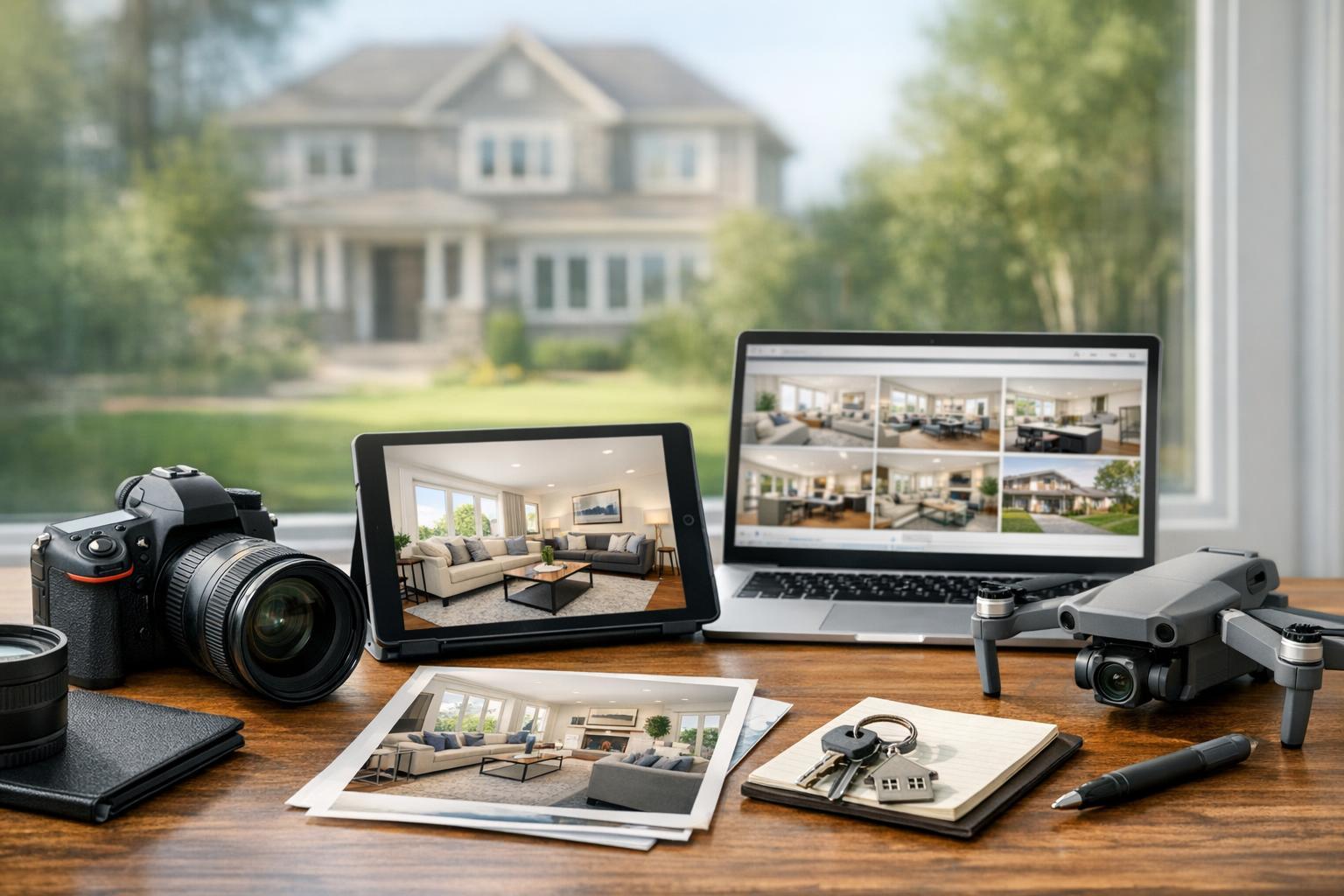
A workspace is set up for real estate photography near me, featuring a camera, printed property photos, a drone, and a laptop displaying home interiors.

How to Choose Real Estate Photography Near You for Your Next Listing
Searching for real estate photography near me is about more than finding someone close by. If you’re an agent, broker, property manager, or owner, you’ve got a lot riding on those first listing photos—they’re the visual handshake that sets the tone for showings and helps buyers or tenants make sense of the space before they even step inside. It’s essential to look beyond the map pin and focus on finding a local property photographer who understands your needs, the quirks of your market, and what actually works for listings like yours.
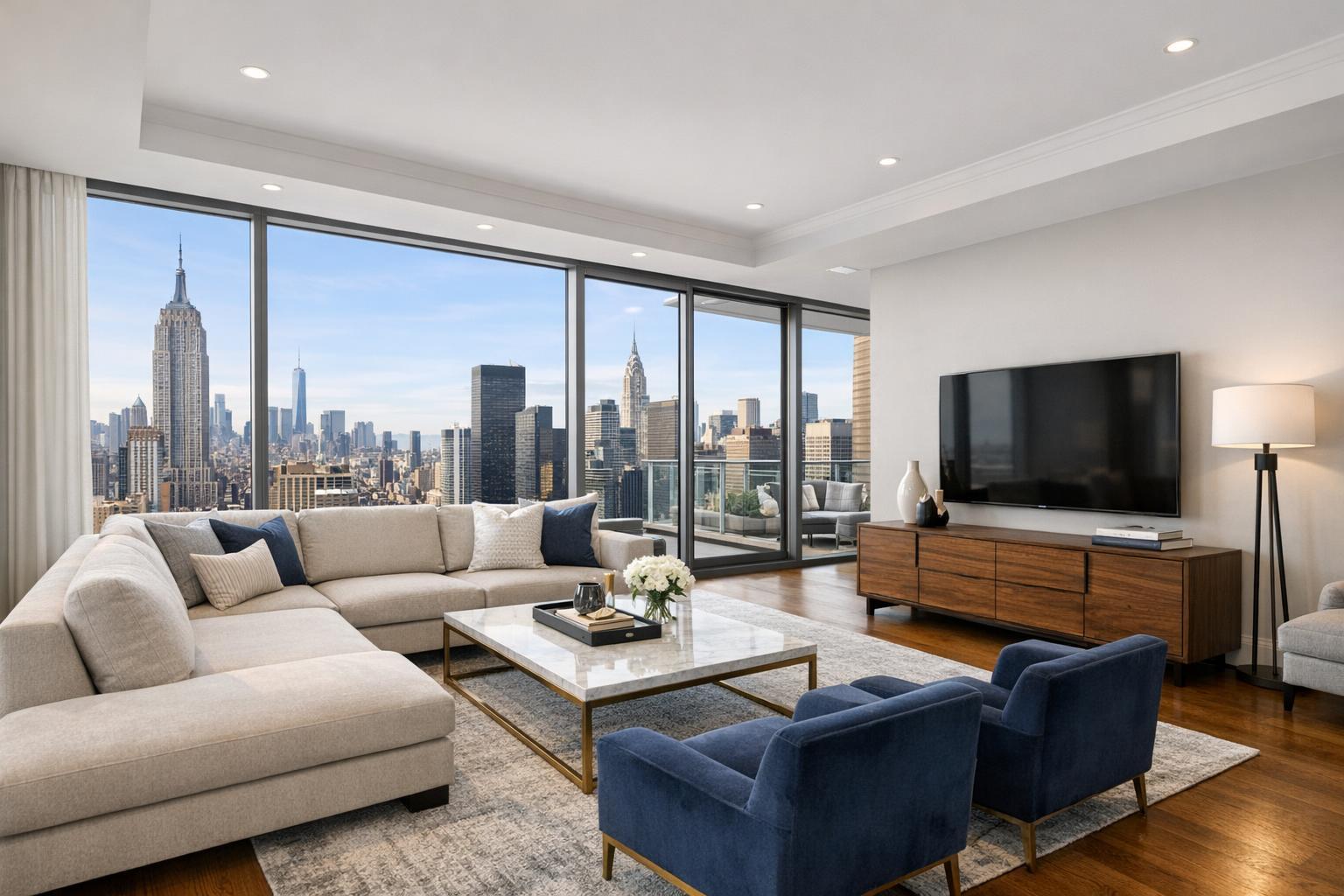
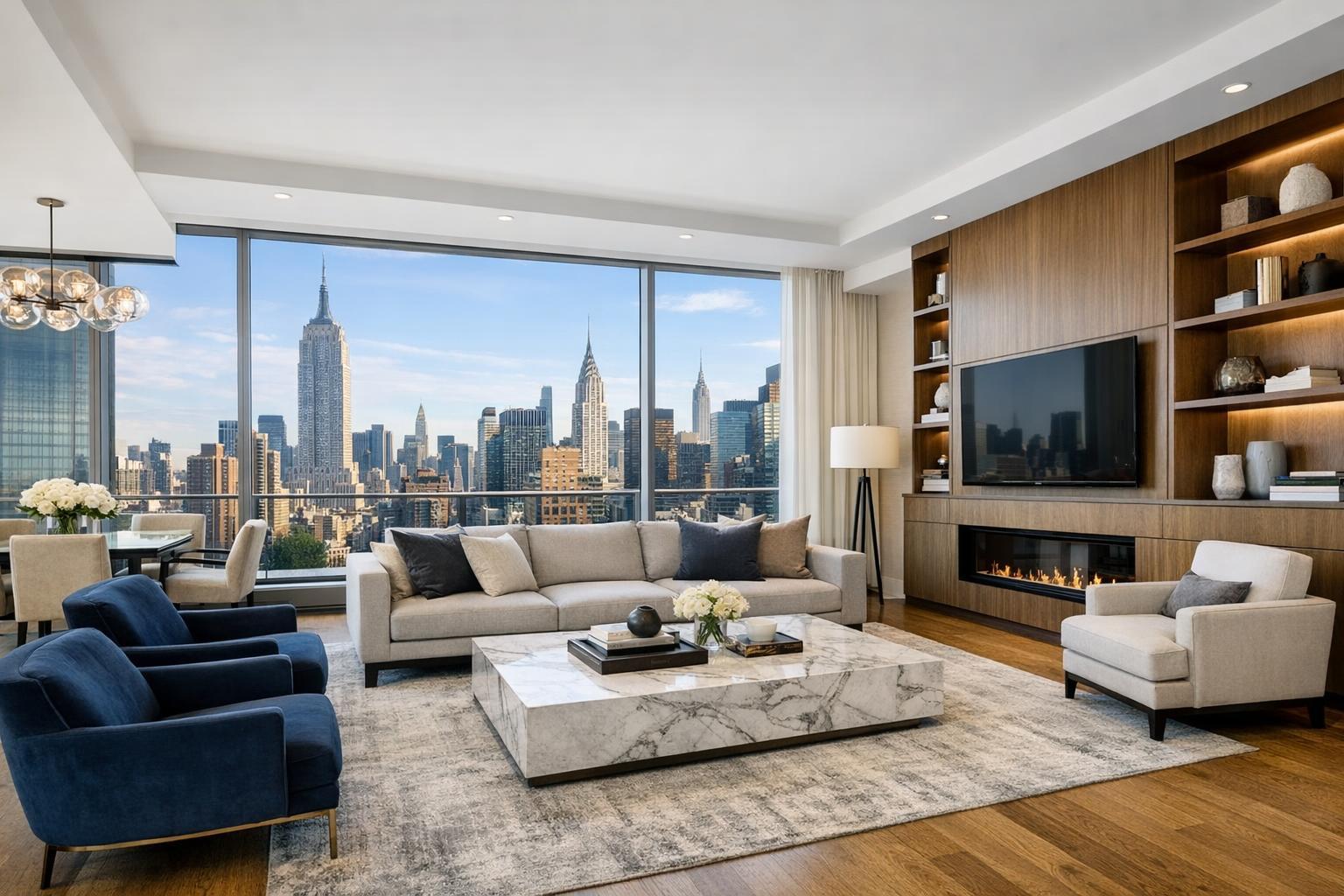
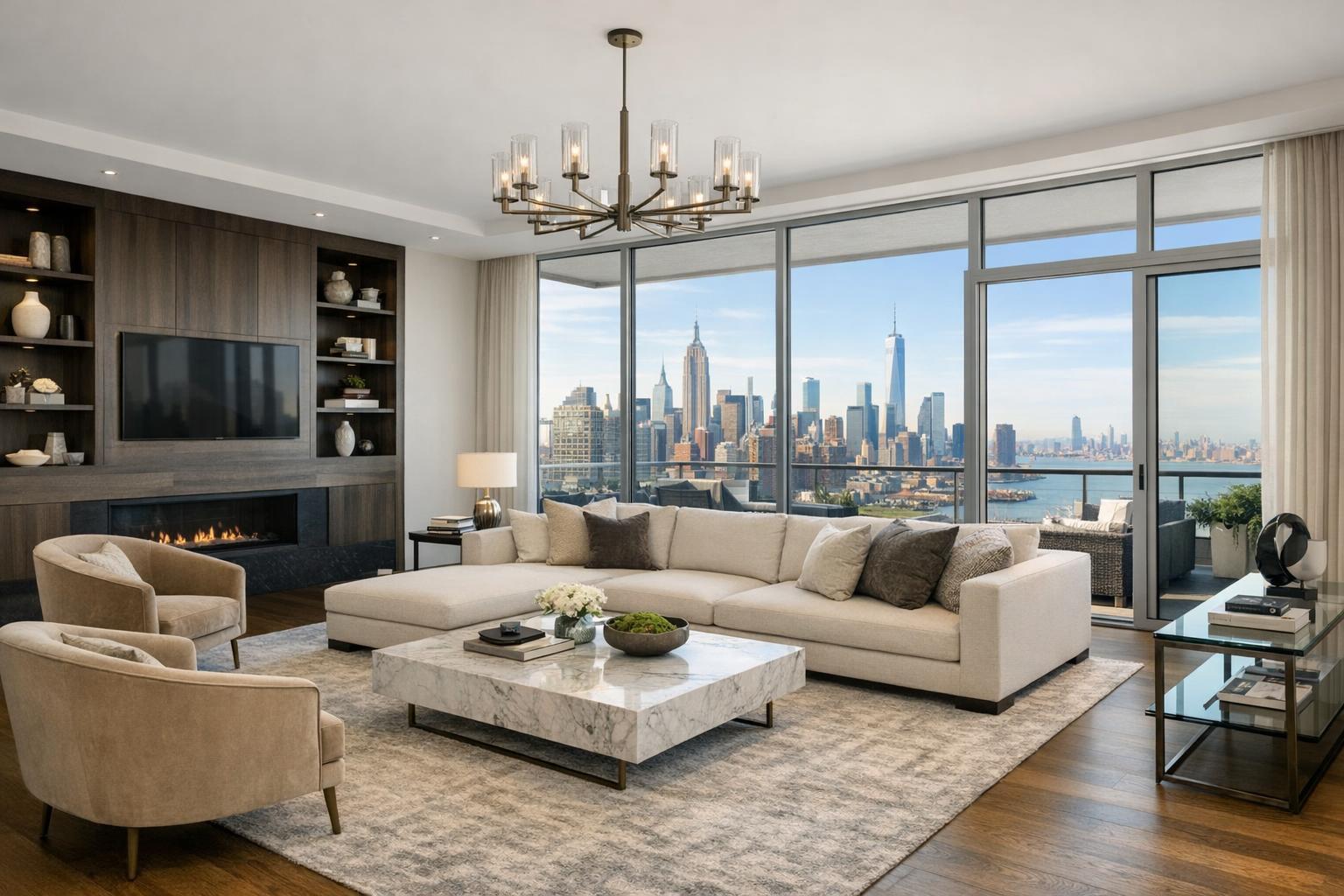
Let’s break down what matters, whether you’re marketing a cozy Manhattan apartment, a classic Brooklyn brownstone, or a spacious New Jersey home.
Start With the Listing—Not Just the Photographer’s Address
Yes, proximity can make logistics easier, especially in places like NYC, where building access, parking, and tight showing windows add extra complexity. But simply picking the closest real estate photographer won’t guarantee your listing is presented in its best light.
Begin by considering the property’s features and what you want the photos to highlight. For example:
- An occupied or furnished apartment might need clutter cleared and shades adjusted for the best light.
- Unique architectural details—like a brownstone’s original moldings or a giant bay window—deserve special attention.
- For suburban properties, features like big yards, patios, or detached garages might be the main selling points.
Before reaching out to any photographer, jot down what’s unique about your property, what needs to be explained visually, and any challenges (tight rooms, tricky access, changing light, etc.) that a photographer should plan for.
Portfolio Consistency Matters More Than Standout Shots
Great listing photographers can make just about any room look inviting, but the true test is consistency. When you review a portfolio, don’t stop at dramatic kitchens or skyline views—see how the photographer handles bedrooms, bathrooms, hallways, and even awkward spaces.
Look for these signs of reliability:
- Straight lines (verticals should look natural, not warped)
- Room-to-room flow without weird distortions
- Balanced lighting, especially where window views matter
- Accurate, realistic colors and clean editing
- A sense of how all parts of the home connect—from entry to private spaces to amenities
Editing is important, but it shouldn’t transform reality. The most effective photos are clean, bright, market-ready—and true to what buyers or renters will encounter at the showing.
Make Sure the Photographer Knows Your Property Type
Experience matters, especially in NYC and the surrounding area. A real estate photographer NYC is exposed to everything from tiny studios to townhomes and commercial lofts. Still, it’s smart to confirm your provider handles properties like yours regularly.
Apartment & Condo Listings
Smaller spaces call for careful angles and thoughtful planning. Good communication up front means you know what to move, tidy, or prep before the appointment, saving time and making every shot count.
Brownstones & Townhomes
Multi-story homes with architectural details need a photographer who can capture the flow from facade to parlor floor to backyard—while highlighting millwork, fireplaces, or period details in a way that makes sense to potential buyers.
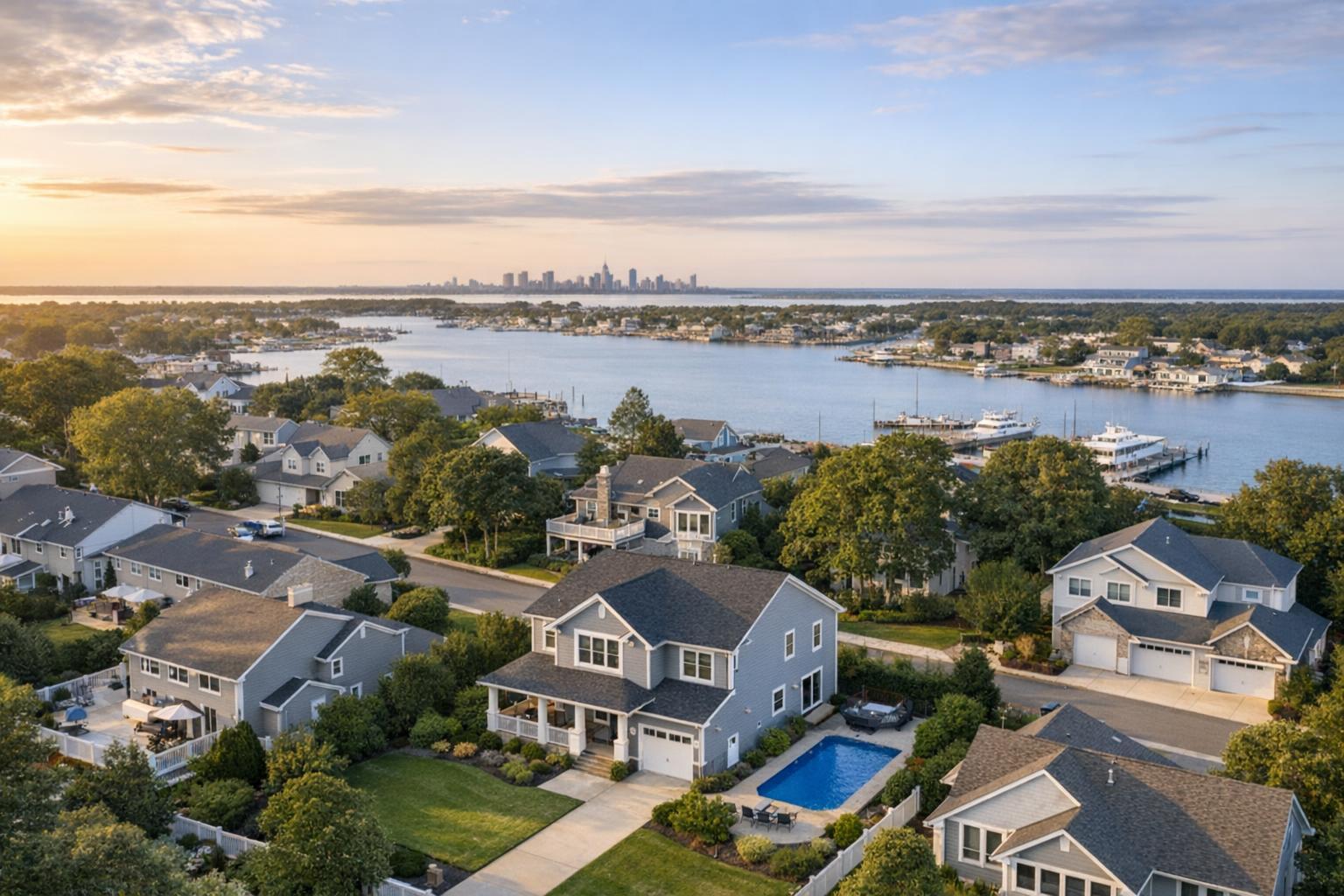
Suburban & New Jersey Homes
Here, outdoor features—from landscaping to patios or pools—might be as important as the interiors. Local experience helps with access, scheduling, and knowing when to prioritize sunsets, street views, or specific amenities.
Ask About Process: Preparation, Timing, and Turnaround
A good real estate photographer, whether in NYC or New Jersey, should make the process simple and transparent. Before you book, it’s fair to ask:
- What prep guidelines do you provide?
- How should tenants or owners get ready?
- Can I share specific notes, priorities, or access info?
- How much time should I block out for the appointment?
- What if the property isn’t ready when the photographer arrives?
- Are there added costs for special requests or edits?
- What’s the typical delivery timeframe?
Clarifying these details in advance reduces stress on shoot day and keeps your listing timeline on track.
If you’re working with RealtaSnap, standard shoots are booked through the online scheduling platform, which lets you enter property details, add notes, and pick available times. Payment is handled upfront at checkout, and shoots typically require at least 24 hours’ notice.
Know What Professional Editing Covers (and What It Doesn’t)
Editing can enhance good photos, but there’s still no substitute for smart preparation. Most editing handles things like correcting color and exposure, balancing window light, and making sure everything looks consistent from room to room.
Don’t expect a digital makeover—if there’s clutter, odd furniture, or a crowded countertop, it helps to address these things in person before the shoot. For vacant rooms, AI virtual staging can be a great tool, but it’s meant for empty spaces; furnished or cluttered rooms will need decluttering or paid clutter removal before virtual staging is applied, to keep everything realistic and coherent.
When to Consider Add-Ons: Floor Plans, Video, and Drone Media
Listing photography usually does the heavy lifting, but sometimes supporting media brings crucial context:
- Floor plans help unravel complicated layouts or multi-level homes and must be captured on site—old PDFs or photos aren’t accurate sources.
- Video walkthroughs can give buyers a sense of how spaces connect, especially for larger or more complex homes. RealtaSnap captures actual video on site; photo slideshows aren’t used.
- 3D tours (like Matterport) can help remote buyers or renters explore the space themselves, but still require physical capture appointments.
- Drone work gives a fresh view of lot size, rooflines, or neighborhood setting for homes where outdoor context is important. Every drone assignment in NYC or NJ is subject to weather, airspace, safety, access, and pilot discretion. Not every listing will be “flyable,” so always check feasibility ahead of time.
Select these services when they solve a specific problem—don’t just add them because they’re available.
Evaluate the Full Client Experience
When comparing providers, look past the price tag. A reliable local property photographer will:
- Show portfolio consistency across property types and lighting conditions
- Set clear, realistic expectations about scheduling and deliverables
- Offer prep guidance for various property scenarios
- Stick with a clean, honest approach to editing
- Communicate quickly and adapt to occasional building quirks or scheduling changes
- Offer appropriate add-ons for listings that benefit from more than just photos
RealtaSnap specializes in NYC and New Jersey listings, making it easy for you to schedule and customize your shoot. You can check out complete booking details or visit the main site for more info.
Finding a Real Partner for Your Next Listing
Choosing real estate photography isn’t just about who’s closest—it’s about who helps your listing make sense to the people seeing it online. When your photographer understands your property type, offers a clear and simple process, and delivers bright, natural listing photos that actually help people picture themselves in the home, it’s a better experience for everyone.
For agents juggling apartments on the Upper West Side, brownstones in Brooklyn, or homes across New Jersey’s many neighborhoods, working with a thoughtful, market-savvy photographer means less friction and better results.
To see how RealtaSnap supports your next NYC or New Jersey listing, visit www.RealtaSnap.com.
FAQ
Question: How far ahead should I schedule real estate photography?
Answer: Booking early gives you the flexibility to prep the property and coordinate with tenants or sellers. With RealtaSnap, you can book online with at least 24 hours' notice whenever a time is open on the schedule.
Question: Should I look for a photographer who specializes in apartments, houses, or both?
Answer: Experience with your property type helps. Apartment shoots often call for careful composition and building access knowledge, while larger homes may demand more exterior coverage and attention to features like yards or patios. Review portfolios for examples that match your listing's style.
Question: Are floor plans or 3D tours mandatory for every listing?
Answer: Not every property needs these extras. Floor plans bring value when layout is central to understanding the space, and 3D tours are great for remote showings. Both require on-site capture, so it’s wise to plan them up front rather than after photos are delivered.