How to Choose a Real Estate Photography Company in NYC
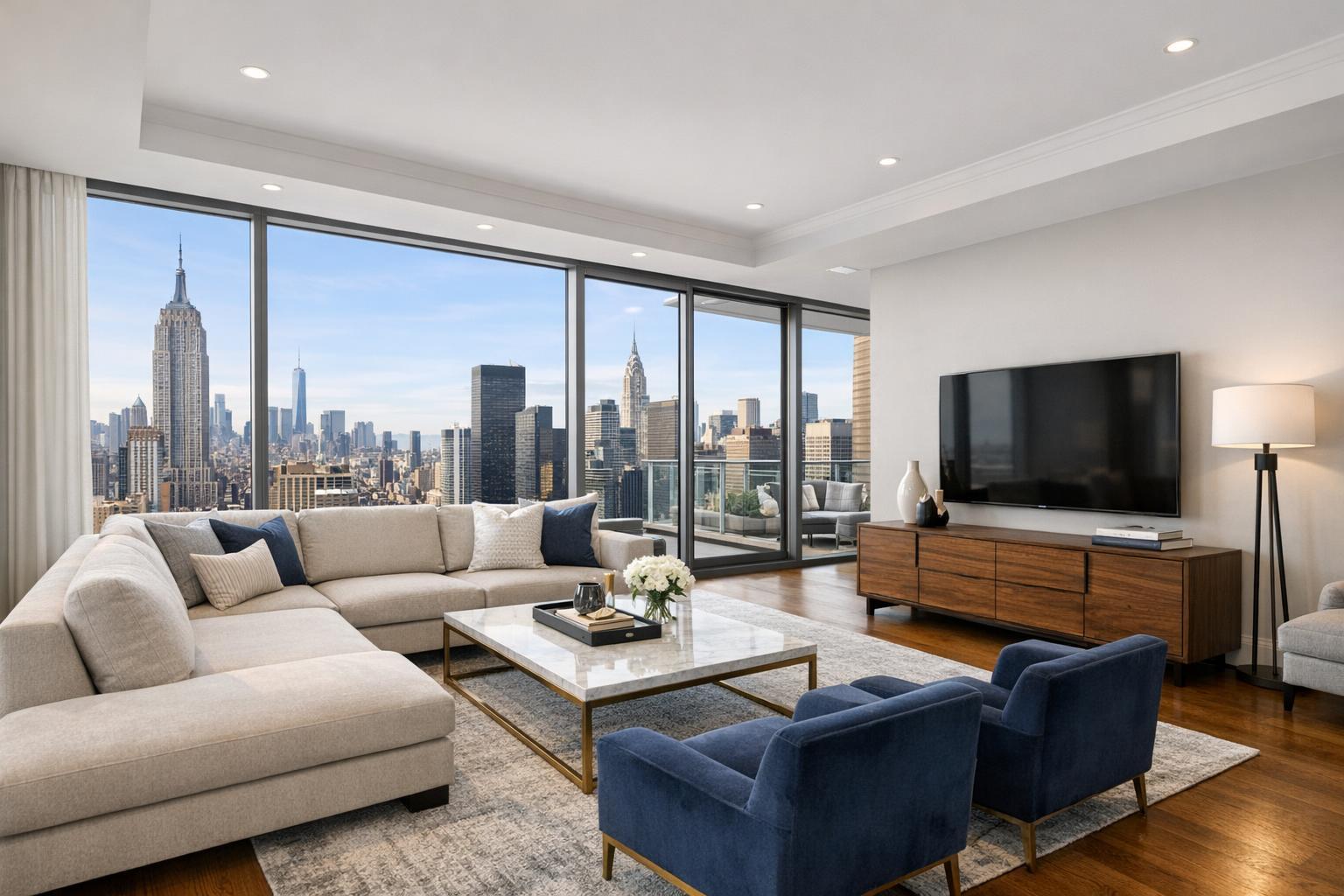
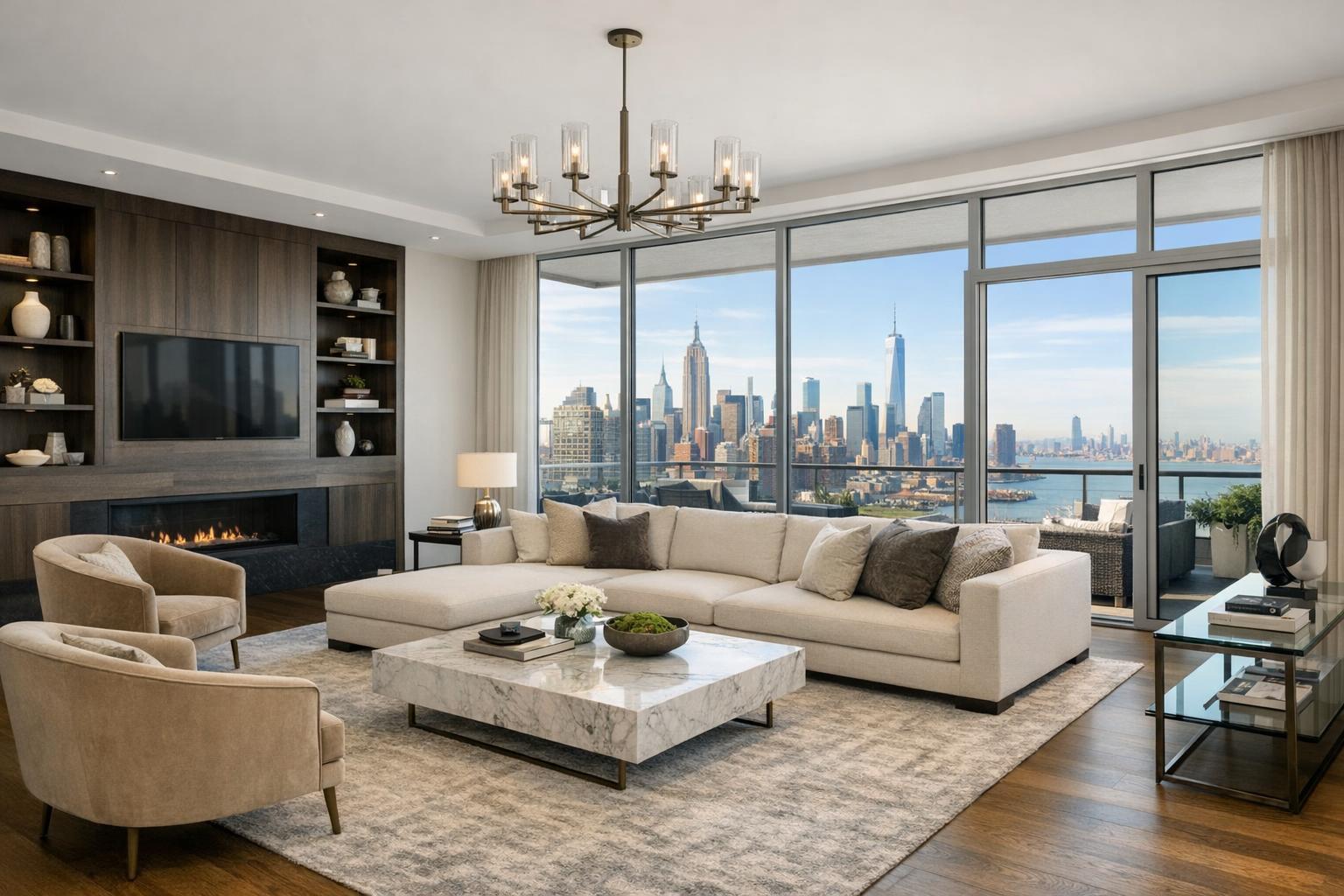
Showcasing a luxurious living room with stunning views of the New York City skyline, this image captures a high-end real estate listing by a photography company in NYC.

How to Choose a Real Estate Photography Company in NYC
Selecting a real estate photography company in NYC is about much more than browsing impressive galleries. Agents, brokers, property managers, and owners usually need practical expertise, local experience, and a process that makes listing preparation easier—not just pretty pictures. With New York properties ranging from compact Manhattan apartments to airy Brooklyn brownstones and everything in between, the right provider should be able to handle the realities of this market with accuracy and professionalism.
This guide covers what to look for when hiring a real estate photography company in NYC, why details like building access and room size matter, and how to make sure your photography partner helps you show every listing at its best.
Move Past the Portfolio Highlights
A beautiful website gallery is just a starting point. When you review a company’s work, look for consistency beyond just their most spacious or renovated projects. The true test? How they handle a variety of properties—especially smaller, occupied, or older spaces typical in NYC.
What to look for:
- Straight lines on walls, windows, and doorframes
- Natural proportions without extreme wide-angle distortion
- Even lighting between rooms and windows
- Clean, thoughtful compositions
- Photos that help viewers understand how spaces connect—not just a set of disconnected pretty shots
A reliable NYC real estate media provider will have experience making compact, lived-in rooms look inviting and understandable, instead of artificially spacious or polished. It’s a sign that they can adapt their approach to fit classic pre-war buildings, new developments, and everything in between.
NYC Realities: Why Experience Matters
NYC properties are unique and the city’s quirks don’t always make a photographer’s job easier. There’s often a big difference between photographing a sunny staged loft and capturing a three-bedroom apartment where people still live. The right company has learned to work efficiently around everything from walk-ups and elevator reservations to high-traffic listings and strict building policies.
Key considerations:
- Tiny bedrooms and galley kitchens should still be photographed in a way that makes them clear and appealing
- Lighting and access vary dramatically; professional photographers know how to adapt on the fly
- Preparation guidance should be realistic and respect that these are often lived-in homes
For occupied listings, preparation is often half the battle. Effective companies offer clear, practical prep tips—like decluttering surfaces, turning on lights, and sharing detailed access instructions up front. This helps everyone (agents, tenants, buyers, and photographers) avoid last-minute complications or missed shots.
Understanding What’s Included—And What’s Not
Not every provider defines “real estate photography” the same way. Before you compare quotes or book your shoot, check:
- How many images come standard?
- Are these images edited and delivered ready for direct listing uploads?
- What is the typical turnaround time?
- Are additional add-ons like video, floor plans, or virtual staging available during booking?
- How is property access coordinated?
- What if the photographer needs more time on site than anticipated?
Having a clear sense of what’s included can help you avoid frustration later, especially since you may need to coordinate with property management, tenants, stagers, or cleaners. Providers like RealtaSnap let you select packages ranging from 10 to 50 photos, with options for extra services during booking. You can see what each option entails right at the time of scheduling.
Matching Media to the Property
Excellent photos form the foundation of any listing, but not every home requires every available add-on. Think through what’s truly helpful for your particular property:
- Floor plans can help clarify layouts, especially in brownstones, duplexes, or combination units. Remember, an on-site visit is required for a floor plan—these aren’t just generated from old PDFs.
- Listing video can showcase flow and movement, beneficial for larger or uniquely laid-out spaces. Be sure video is shot on site—not simply animated stills.
- Matterport or 3D tours help remote clients explore at their own pace, especially if they need to evaluate multi-level spaces or complex layouts.
- Drone photography is perfect for properties where aerial context matters—like homes with roof decks or proximity to parks. In NYC, a drone shoot depends on airspace, weather, building access, and pilot discretion.
- Virtual staging is best used in empty rooms; if furniture is present, a clutter-removal edit should come first for realistic results.
It’s tempting to check every box, but for many apartments or small spaces, clean photography and a logical sequence of images deliver the information buyers or renters need.
What Good Communication Looks Like
Before the appointment, clear communication is a sign of an organized real estate photography company. You should be able to submit the exact address, access instructions, prep notes, special requests, and book your preferred timeslot—ideally with minimal back-and-forth.
A dependable process usually means:
- You know what to do before the photographer arrives
- Access details can be shared easily on the booking platform
- You can confirm your selected services and add-ons in advance
- Delivery method and timing are clear up front
- If something changes (access, timing, a last-minute request), you know exactly who to contact
This kind of clarity is especially valuable if you’re juggling multiple listings, managing property access with several parties, or aiming for a specific launch date. RealtaSnap’s booking flow, for example, lets you view available slots on a real-time calendar, add detailed instructions, and select services with at least 24 hours’ notice—all online.
Price Versus Value
It’s easy to gravitate toward the least expensive option. But in the NYC market, the difference between a low-cost shoot and a provider who understands the complexities of city properties often shows up in your photos, your workflow, and your time. Consider:
- Does the portfolio show a range of property types, with consistent quality?
- Are small or cluttered spaces handled thoughtfully?
- Is it easy to book, select services, and share access instructions?
- Are additional media options presented clearly for when they make sense?
- Are boundaries around what requires on-site access and what can be accomplished remotely well explained?
Ultimately, the best value comes from a company that communicates clearly and delivers media that helps the property stand out to the right buyers or tenants, without confusion or last-minute surprises.
Making the Most of Your Appointment: NYC Prep Tips
Occupied homes are incredibly common in the city. Here are a few practical steps for a smoother shoot:
- Turn on all interior lights (replace burnt-out bulbs if possible)
- Clear visible clutter, small appliances, and trash from kitchens and bathrooms
- Tidy up bedding and linens
- Open blinds or curtains if privacy allows and there’s a nice view
- Share any special building instructions (elevator reservations, concierge contact, door codes)
- For exteriors, move cars from driveways or in front of the property whenever possible
The goal isn’t to strip the home of personality—it’s to highlight the property’s best features and minimize distractions.
A Practical, Professional Partner
In busy real estate markets like NYC and New Jersey, the smoothest listings are often the result of collaboration, not just great images. Look for a partner who will help you through building requirements, offer flexible service packages, and treat your listing with care and accuracy.
RealtaSnap specializes in listing-focused HDR photography, floor plans, video, Matterport tours, virtual staging, and drone media for properties across all five New York City boroughs and throughout New Jersey. If you’re looking for a straightforward, professional experience from start to finish, you can view service options and book your next shoot online at the RealtaSnap website.
FAQ
Question: How far in advance should I schedule a shoot in NYC?
Answer: Booking early gives you more flexibility, especially if you’re coordinating with multiple parties. RealtaSnap standard sessions can be scheduled online with at least 24 hours’ notice, with live calendar availability shown during booking.
Question: When does it make sense to add a floor plan?
Answer: Floor plans are especially helpful for listings where the layout is complex or unusual—like brownstones, larger apartments, or multi-unit combinations. For simple studios or smaller spaces, well-sequenced photos may be all you need.
Question: Can I use virtual staging for rooms that aren’t empty?
Answer: Virtual staging typically requires an empty room. If there’s furniture or clutter present, RealtaSnap offers clutter-removal edits, which should be completed before applying virtual furniture to ensure a realistic result.
If you want an efficient workflow and professional listing photos for your next NYC or New Jersey property, RealtaSnap would be happy to help. You can book online anytime at www.RealtaSnap.com.