How to Choose a Real Estate Photographer in New Jersey for Your Listing
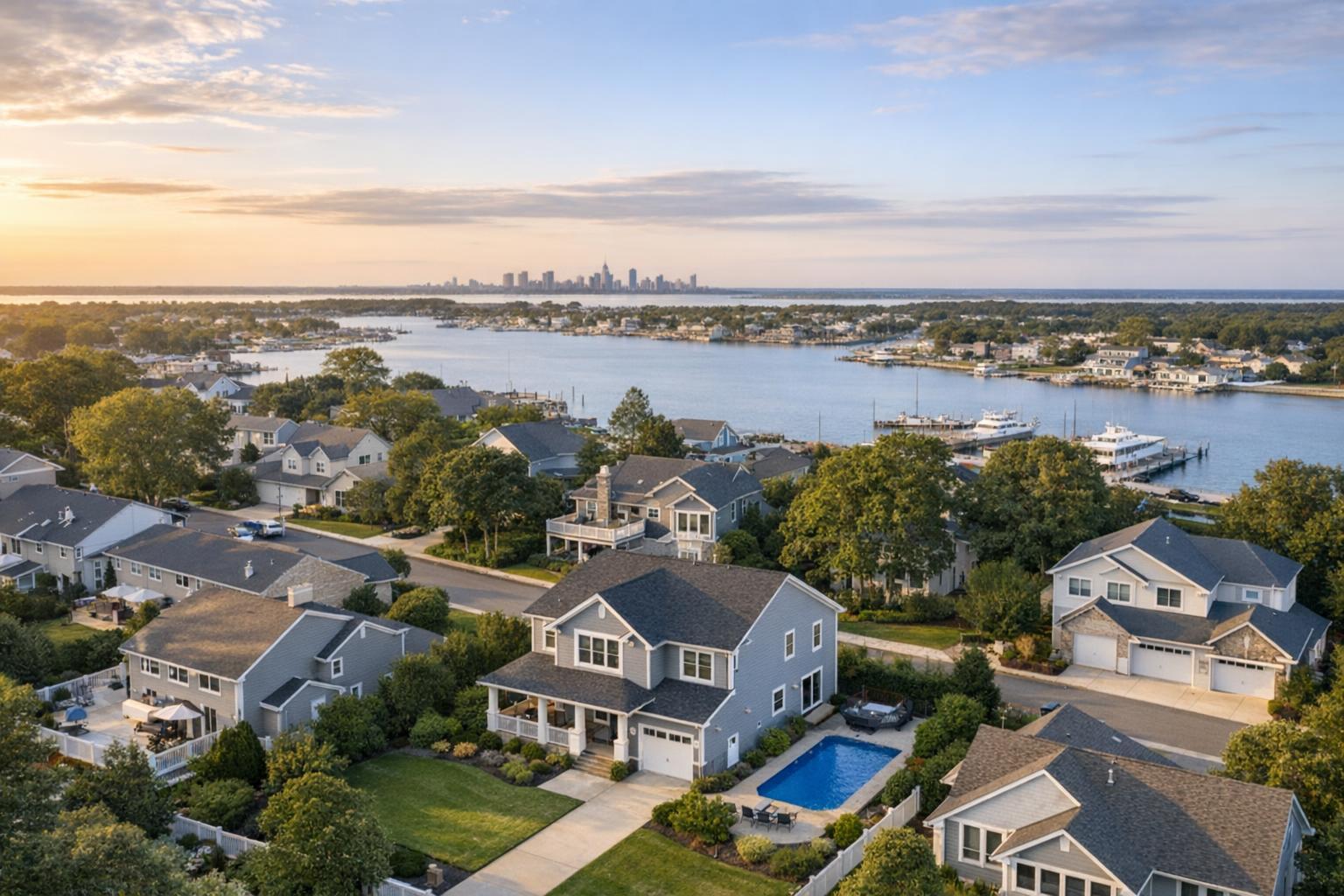
Captured by a real estate photographer in NJ, this image showcases a picturesque residential neighborhood with a river view and city skyline in the distance.

How to Choose a Real Estate Photographer in New Jersey for Your Listing
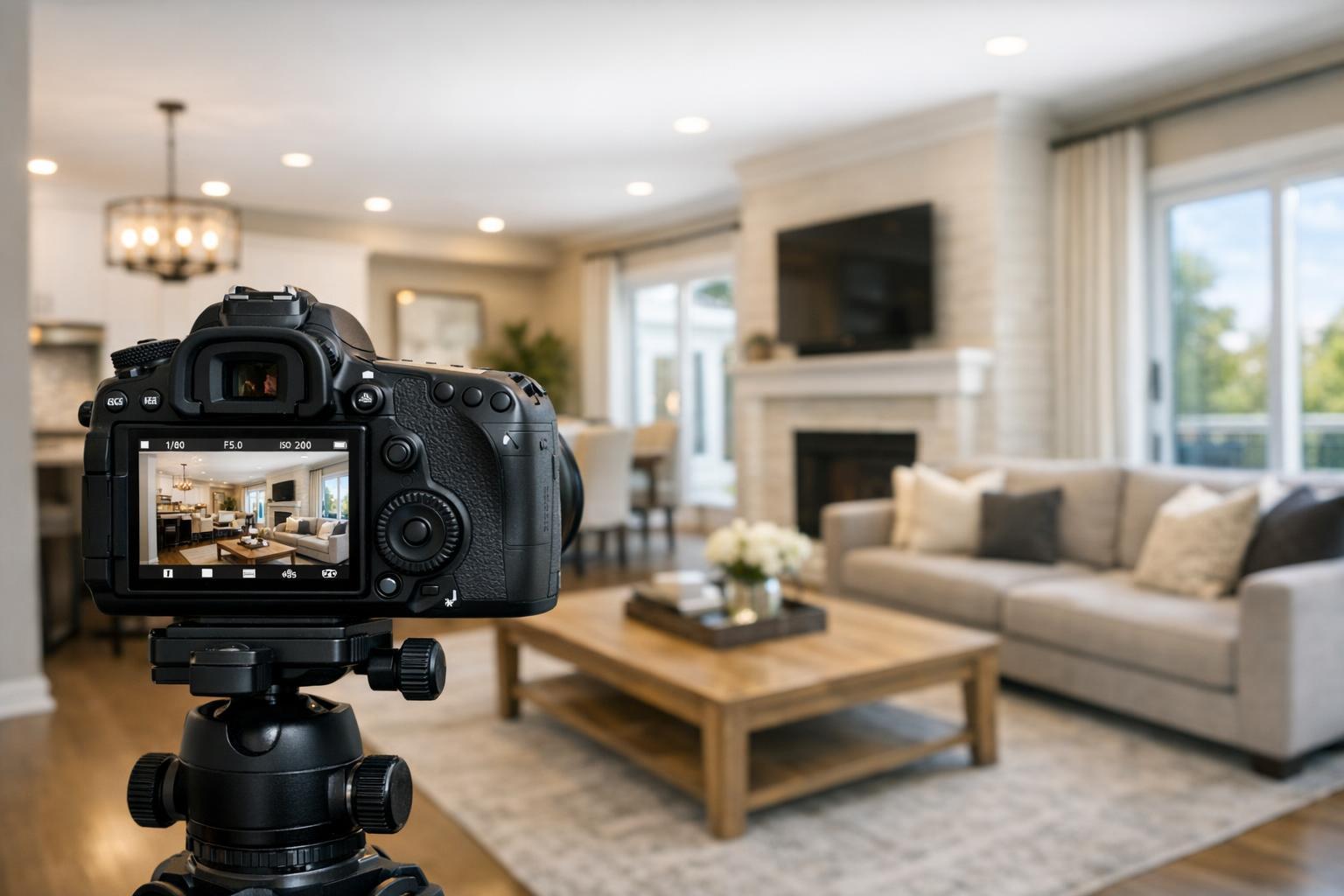
Finding a real estate photographer NJ professionals can trust is more involved than browsing portfolios for the flashiest shot. For agents, brokers, property managers, or sellers preparing to market a property, hiring the right visual partner impacts not just the look—but the clarity and effectiveness—of your listing.
Let’s break down what truly matters when selecting a photographer for a New Jersey property, and how you can make sure the process feels straightforward, productive, and tailored to your needs.
What Makes a Real Estate Photographer the Right Fit?
The needs of a condo in Hoboken, a large suburban home near Princeton, and a retail storefront in Jersey City aren’t interchangeable. Each type of space demands its own approach. Beyond an eye-catching hero shot, the photographer should capture:
- A clear sense of the home’s flow, scale, and layout
- Accurate, inviting colors across different types of lighting
- Straight architectural lines and honest room proportions
- Composed images that highlight what truly makes the property worth a closer look
Review complete galleries, not just a handful of highlights. Is this photographer’s work consistent across property types? Do their images make even smaller spaces feel organized and understandable? That’s essential, especially in compact apartments, where every angle matters.
Understanding New Jersey’s Diversity: Tailoring Your Shoot
New Jersey’s real estate landscape is as varied as its neighborhoods. Thoughtful real estate photography services in NJ take these differences into account.
Condos and Urban Apartments
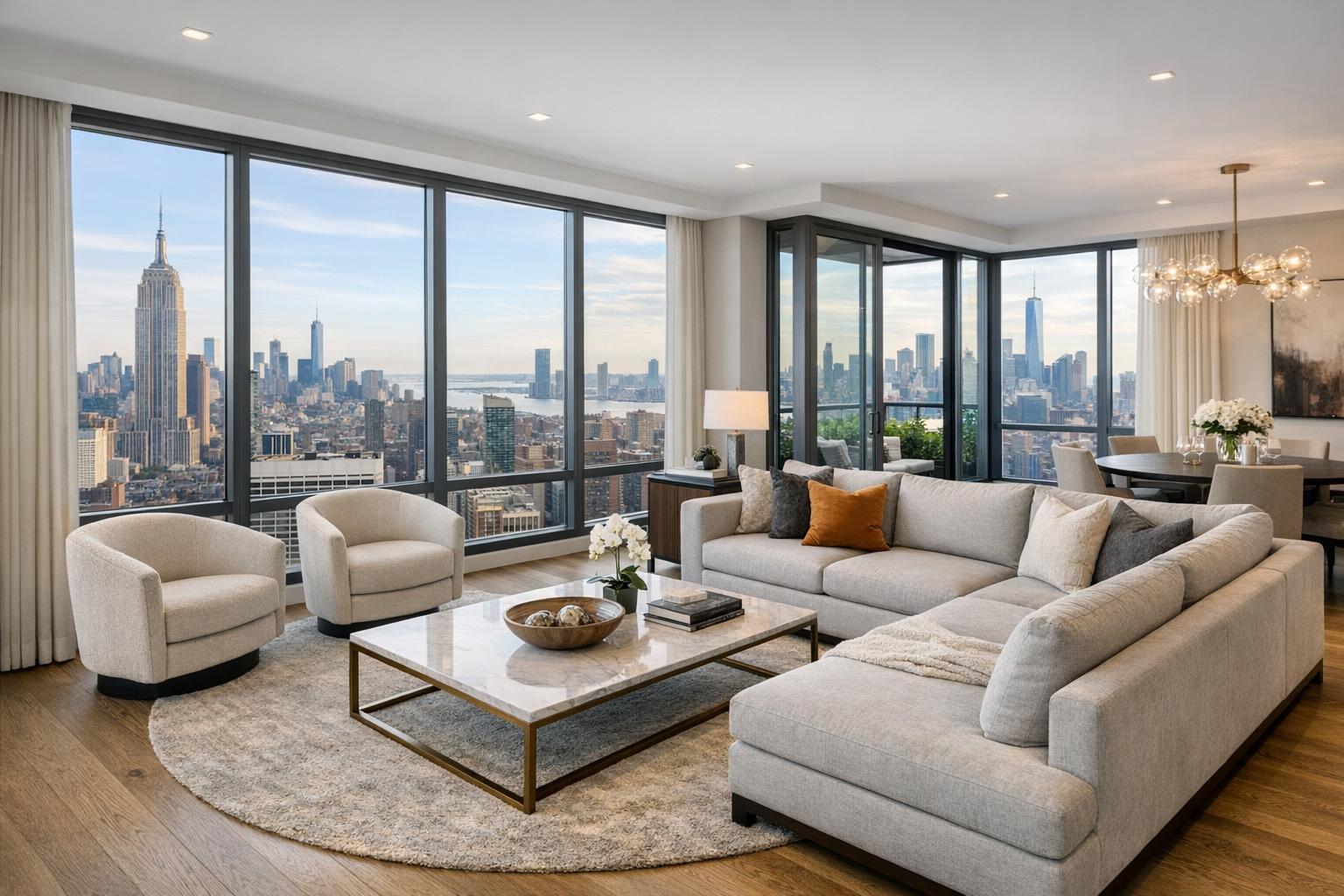
High-rise condos or apartments in areas like Jersey City or Hoboken present unique logistical and visual challenges. Quality photographers plan ahead for:
- Capturing city views, balconies, and terraces
- Showing logical flow in smaller, multi-use spaces
- Photographing shared amenities (when accessible)
- Navigating building protocols, elevator use, visitor procedures, and time constraints
A rushed shoot in a city unit can lead to missing important shots. Good preparation—by both agent and photographer—ensures the essentials won’t be left out.
Larger Suburban Homes
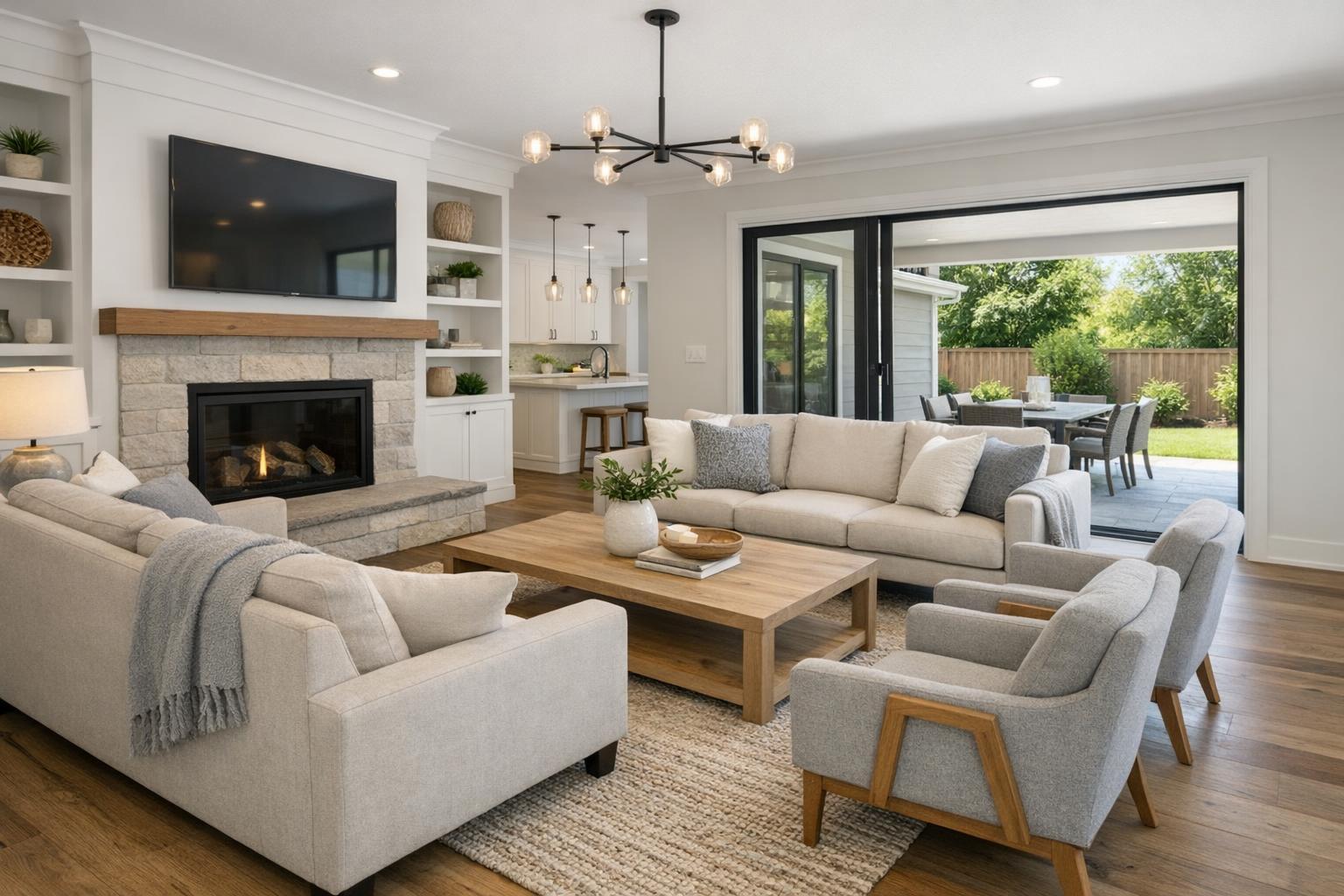
For single-family homes in the suburbs or outlying towns, buyers expect a sense of spaciousness and a full visual “walkthrough” of the property. The right photographer covers:
- Main rooms plus finished basements, garages, decks, and outdoor spaces
- How rooms connect (not just isolated vignettes)
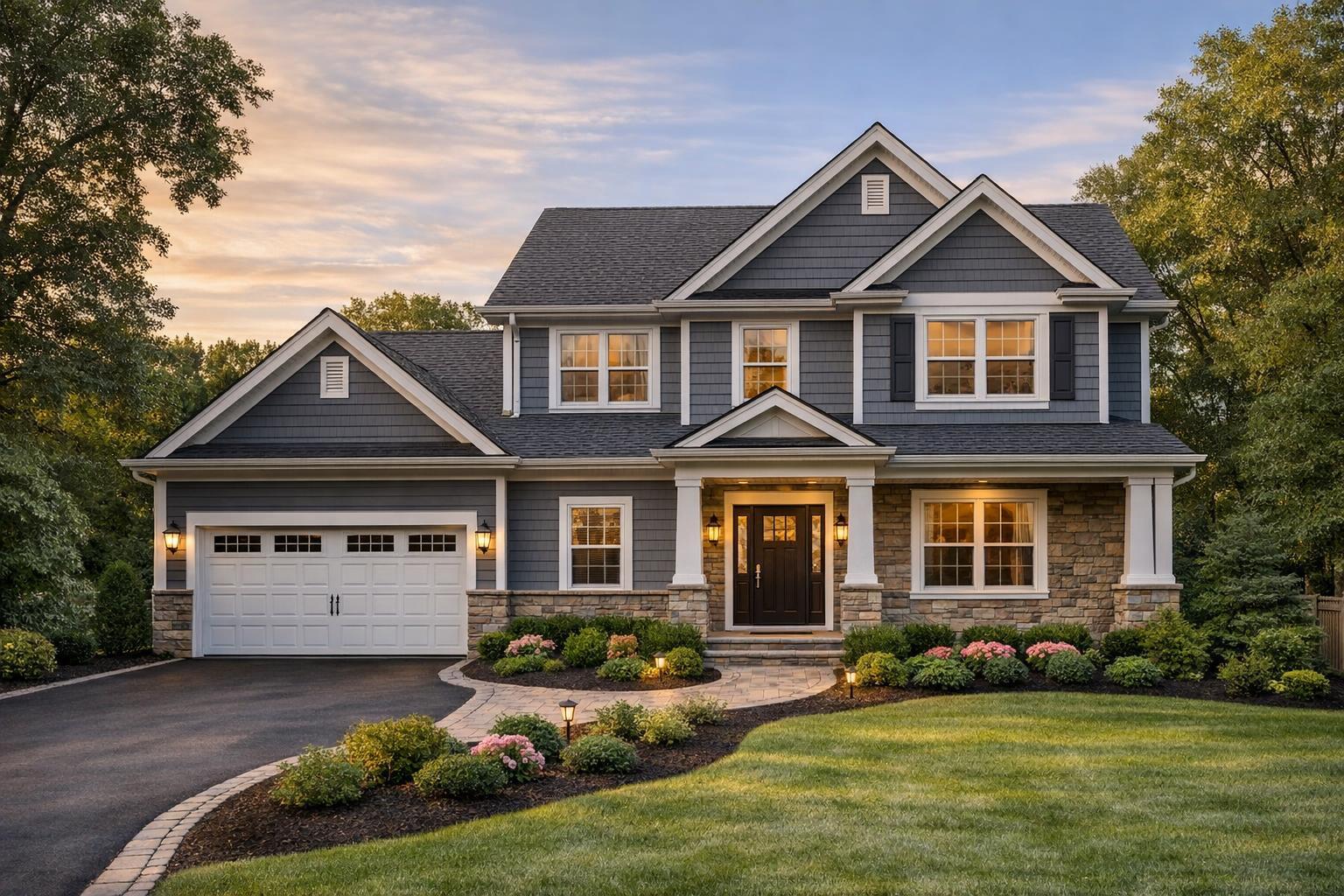
- Exterior images that reflect landscape, curb appeal, and seasonal context
If a gallery leaves you guessing where the kitchen sits in relation to the dining area, it’s incomplete.
Waterfront and View Properties
Homes with river, lake, or ocean views rely as much on setting as on interiors. Here, the plan should discuss:
- Highlighting window and exterior views that make the property stand out
- Complementing key images with drone photography or video (weather, airspace, and regulations permitting)
- Evaluating which vantage points really showcase the property’s unique features
Not every site will allow for aerial imagery, so drone coverage should always be confirmed in advance.
Rentals & Property Management Listings
Landlords and property managers benefit from honest, up-to-date visuals, especially for recurring rental turnovers. Photography should efficiently document:
- Each unit type and major amenities
- Common spaces, parking, laundry, and building features
- A clutter-free environment (coordinate with tenants or cleaning crews ahead of time)
Photos show the unit as it is on shoot day—preparation can’t be overstated.
Commercial Spaces
Retail, offices, or mixed-use sites in NJ require a different lens. The focus may include:
- Documenting entryways, circulation, ceiling height, and buildout potential
- Showcasing signage, frontage, or location within a commercial district
- Clarifying whether the photography is for leasing, sales decks, or marketing collateral
A knowledgeable photographer will ask about the space’s intended use and tailor the shoot accordingly.
More Than Photography: When to Add Floor Plans, Video, or Virtual Tours
While still photography stays at the heart of most listings, some properties benefit from additional media that clarifies layout, sequence, or viewer experience.
- Floor plans: Especially valuable for unique layouts, townhouses, or homes with multiple levels. These must be captured on-site by the provider.
- Video: Great for showing room-to-room transitions and the lived-in feel of a space. Proper listing videos are filmed on location, not made from still images.
- 3D virtual tours: Ideal when out-of-town buyers or renters want to explore remotely. Solutions like Matterport require a full scan during a site visit.
- Virtual staging: Can make empty rooms easier to picture furnished, but furniture must be removed or digitally cleared first. Staging isn’t applied over existing clutter.
Not every listing needs every add-on. The right mix will depend on what photos alone leave unclear to buyers or renters.
Smoothing the Process: Communication and Preparation
Even the best real estate photographer can’t save an appointment derailed by miscommunication or lack of access. Confirm these details before the shoot:
- Address, building access, and visitor rules
- Occupancy status and any preparations needed (cleaning, decluttering, open blinds, etc.)
- Which features, amenities, or specific rooms require coverage
- Whether the agent or owner will be present
- Delivery expectations for photos and any additional media
If you need custom edits or have unusual requests—like removing a permanent feature from images—it’s wise to clarify up front what’s possible and if additional fees apply.
Evaluating Quality: Portfolio vs. Process
Portfolios offer a snapshot of style, but the workflow reveals how well a photographer can support your routine. For busy agents juggling showings, negotiations, and new listings, a reliable process is as important as artistic eye.
- Are photos edited and delivered consistently?
- Is coverage tailored to the specifics of the property?
- Does booking and scheduling fit your listing timeline?
A smooth experience not only leads to better images, but also saves agents headaches down the road.
RealtaSnap: A Local Partner for New Jersey Listings
RealtaSnap offers professional photography and on-site media services for all types of New Jersey properties. Agents, brokers, and landlords can choose from a full menu: HDR photos, floor plans, video, aerial drone media (when feasible), 3D virtual tours, and virtual staging.
You can see available services and book online by entering the property address, selecting the options you need, and choosing a time from the current calendar.
If you’re facing a tight listing deadline, check availability in advance and allow some buffer for the seller to tidy up or complete final preparations. Even the most technically skilled photographer can’t retouch away boxes in the hallway or unmade beds.
Take the Guesswork Out of Booking
Choosing a real estate photographer shouldn’t feel like a gamble. Look for proven experience with your property type, a focus on clarity and consistency, and honest communication about what’s possible. Support your shoot with floor plans, video, or 3D tours only when they’ll solve a specific need for your listing.
Ready to make your next listing shine? Explore New Jersey real estate media options and book your package at www.RealtaSnap.com.
FAQ
Question: How many photos does my NJ listing really need?
Answer: The ideal number of images depends on the size and features of your property. A smaller condo might need fewer photos than a large home with unique amenities. Focus on having enough images to clearly present the key rooms, exterior, and selling points, without filling the gallery with near-duplicates.
Question: Is it better to attend the photo shoot yourself?
Answer: It can be helpful if you need to provide access or point out specific features. That said, as long as your photographer has clear instructions and reliable entry, being there in person isn't always required for a smooth shoot.
Question: Can you add virtual staging to an already furnished room?
Answer: Virtual staging is meant for empty or fully decluttered spaces. For best results, existing furniture should be removed before capture. If clutter is present, approved digital removal may be an option, but it needs to be discussed in advance with your media provider.