How to Choose Real Estate Photography Services for Your Next Listing
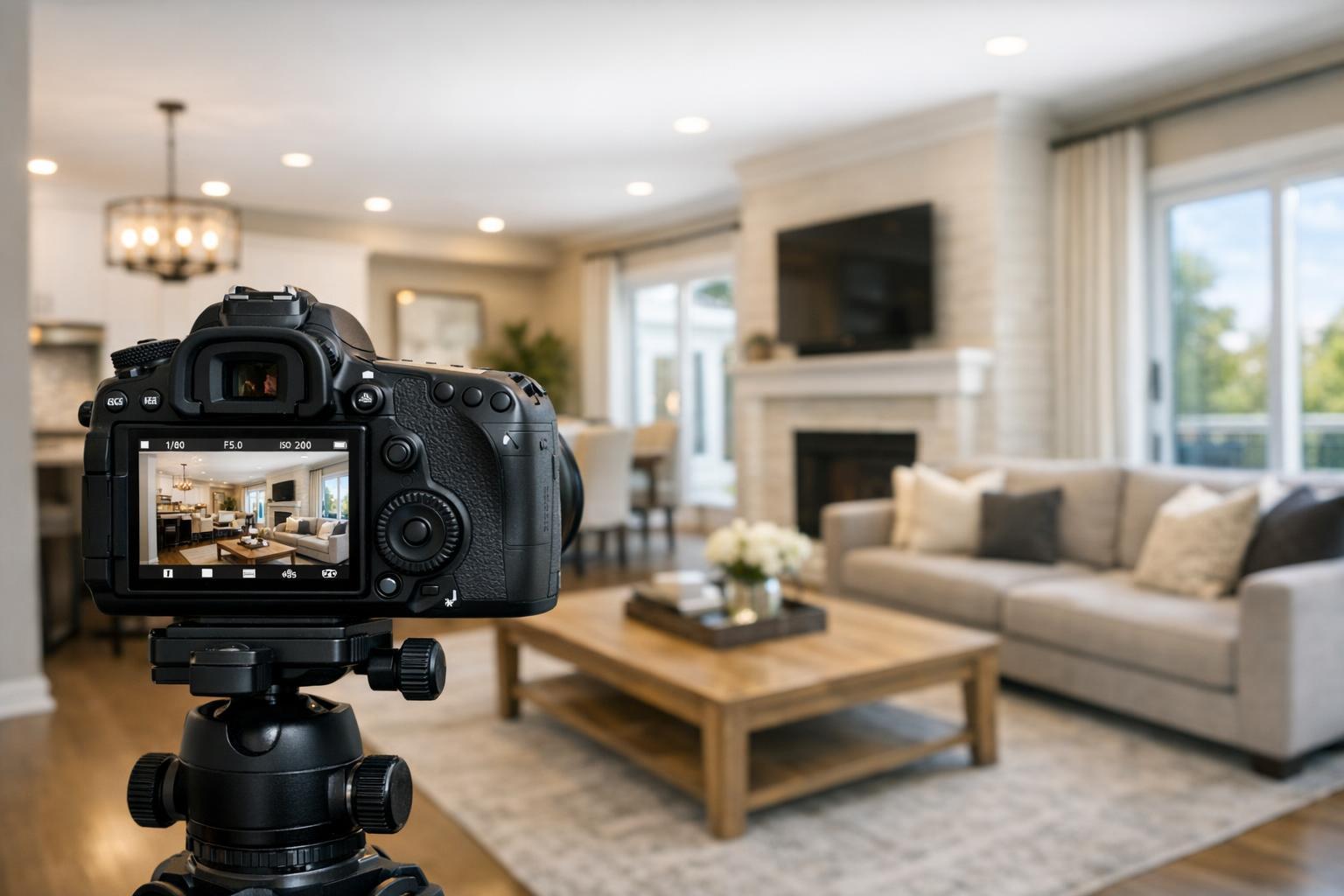
A high-quality camera is set up on a tripod to capture professional real estate photographs of a well-lit and elegantly furnished living room.

How to Choose Real Estate Photography Services for Your Next Listing
Finding the right real estate photography services can make all the difference in how a property is received—especially in a fast-paced, visually-driven market like New York City or New Jersey. Whether you’re an agent, broker, property manager, or owner, the decision isn’t just about who snaps the photos. It’s about partnering with a professional who communicates well, understands the local real estate landscape, and delivers visuals that genuinely help buyers or renters make sense of a home before they ever set foot inside.
So how do you sort through your options and find a real estate photographer who actually fits the needs of your next listing? Here’s what to consider for a smoother, more effective experience.
Focus on the Essentials: What Core Photography Should Deliver
Before you compare pricing or browse portfolios, start by thinking about the story your listing needs to tell. The goal of professional property photography isn’t just to brighten rooms or make them feel larger. It’s to answer practical questions:
- What does each space actually look like?
- How do rooms connect and flow into each other?
- What features are truly unique or important?
- How does the property fit into its broader context—city, street, or neighborhood?
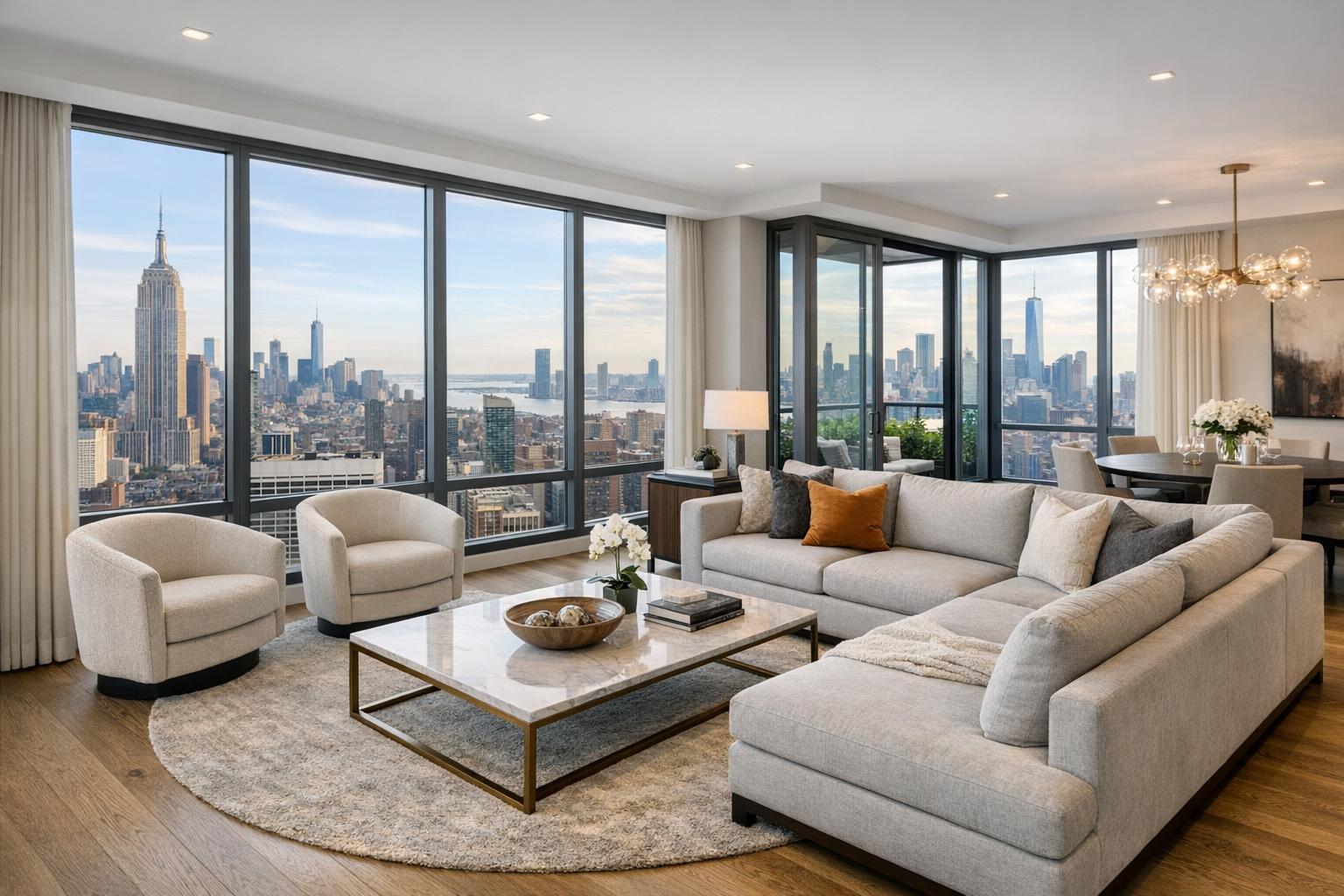
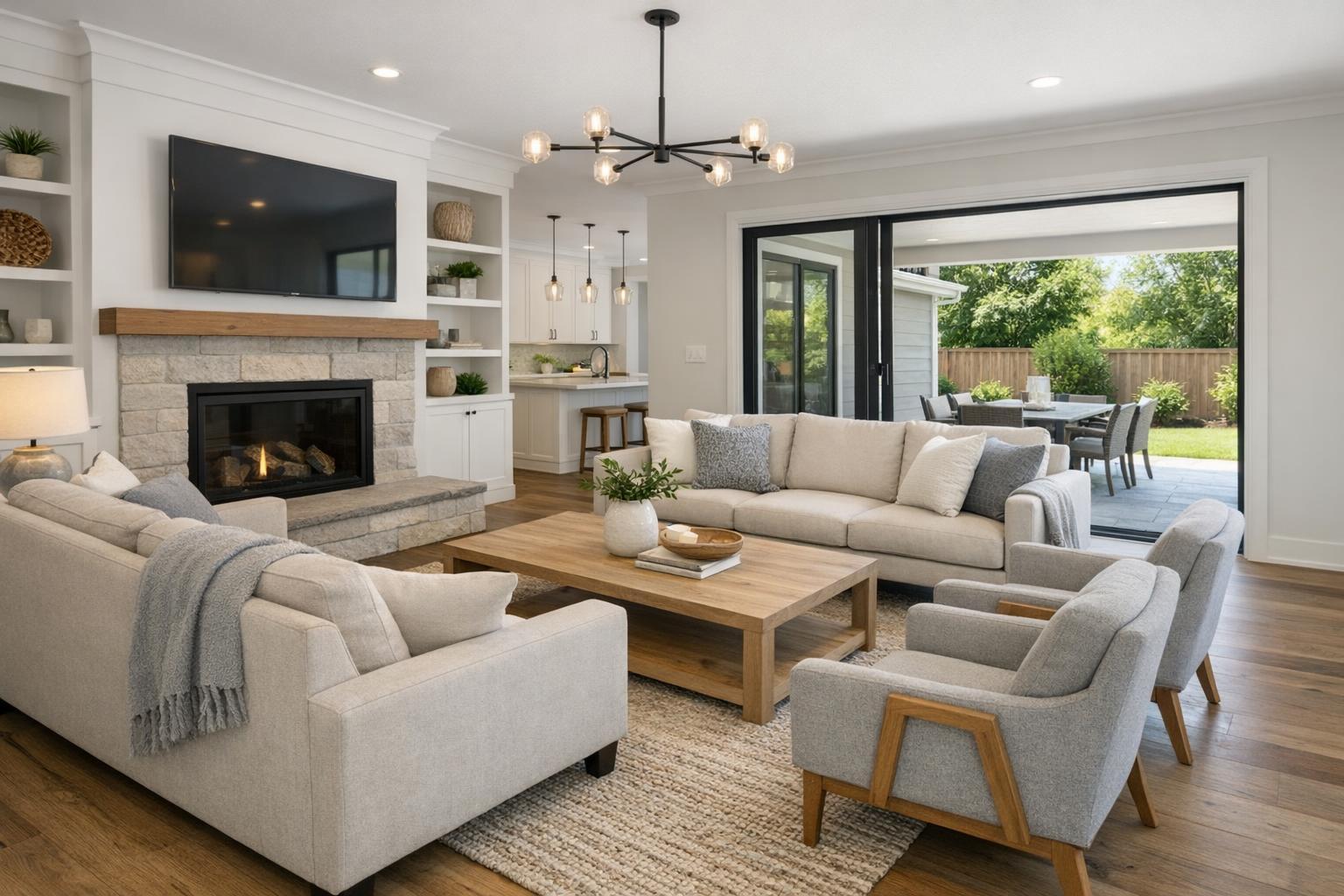
For most listings, a carefully chosen set of interior and exterior images does the heavy lifting. For a Manhattan condo, this might mean capturing skyline views, modern finishes, and amenities. For a Brooklyn brownstone, the emphasis could be on architectural details, garden levels, and how multiple floors link together. A larger home in New Jersey might need images that showcase outdoor entertaining areas, basements, and the property’s overall scale.
More images don’t always mean better results. Repetition can leave a listing feeling confusing or overwhelming. The best photo sets give every image a specific job, guiding a viewer’s understanding clearly from one space to the next.
Evaluating Photographers: Beyond the Pretty Picture
Looking at a portfolio is just the beginning. To really gauge a real estate photographer’s quality, pay attention to three core aspects: composition, lighting, and editing.
Composition: Making Spaces Logical
Strong real estate photography is about helping viewers understand size, flow, and spatial relationships. Images should feel level and thoughtful—no wild wide angles that make a room look misleadingly vast, and no close-ups that leave you guessing how the pieces fit together.
When skimming a photographer’s work, ask yourself:
- Can I place myself in the home from these shots?
- Do the images clarify, or do they exaggerate?
- Is there a sense of logical movement and progression?
Lighting: Keeping It Real
Great lighting makes a space look appealing but believable. Rooms should feel vibrant without erasing the natural character or blowing out window views. Especially in NYC apartments with dramatic city vistas, balancing indoor and outdoor light is everything—nobody wants to show up to a listing and realize those “views” were the work of heavy editing.
Editing: Refining Without Faking
Editing should polish, not misrepresent. Look for portfolios where colors remain consistent, verticals don’t bend, and the brightness feels natural from room to room. Skip photographers who crank up saturation, paste in unrealistic skies, or manipulate images so far that in-person showings feel like a letdown.
If you need special edits like virtual twilight or clutter removal, bring this up early—these requests often impact both cost and planning.
Choosing Someone Who Understands Your Property Type
Experience with similar properties matters almost as much as creative style. The challenges of a narrow Brooklyn brownstone, a sunlit Manhattan condo, or an expansive home in North Jersey are wildly different.
Look for evidence that the provider is comfortable with:
- Tight city spaces, elevator logistics, and building access (NYC)
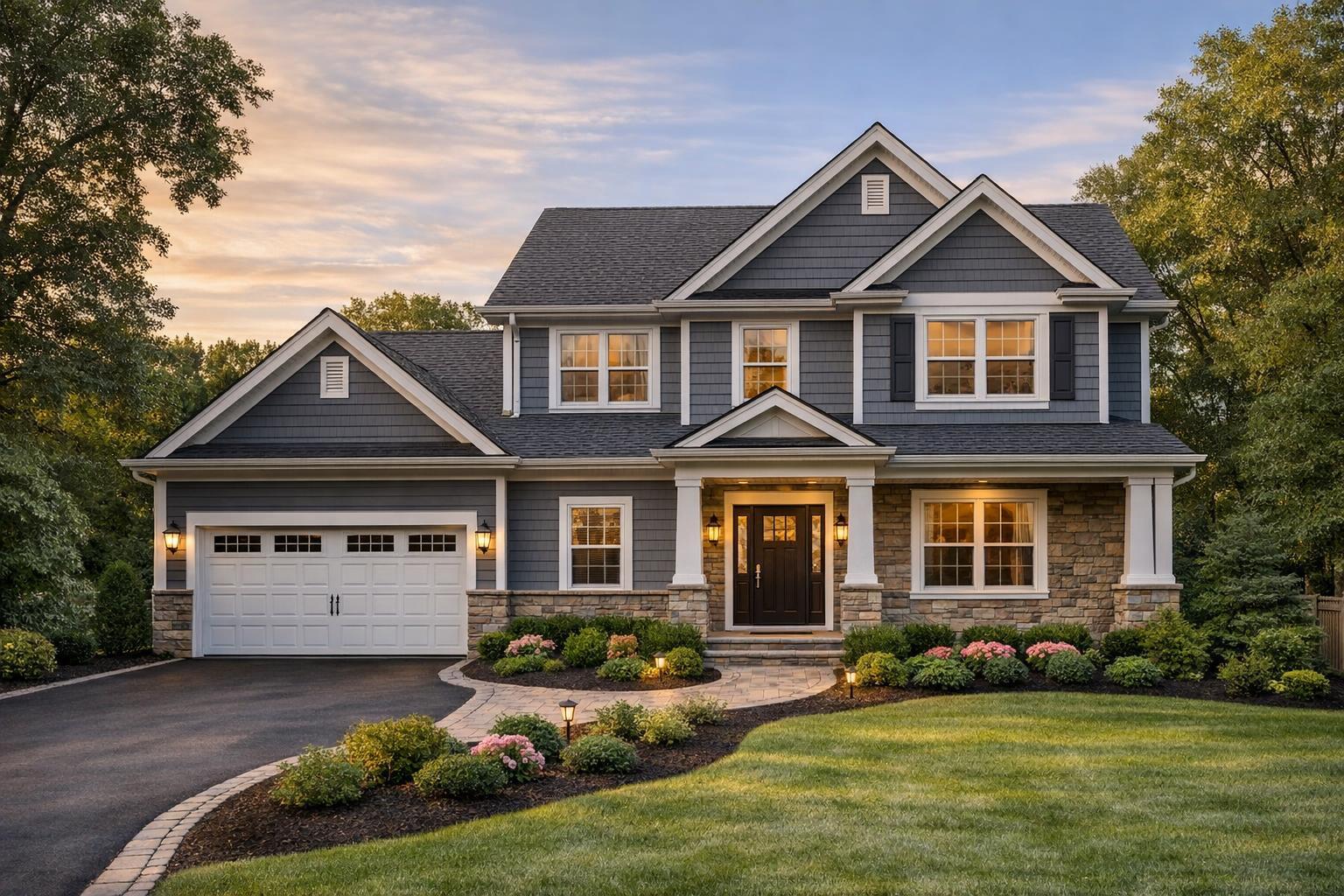
- Multiple exterior shots, lawns, and garages (NJ suburbs)
- Apartments with historic details or unusual layouts
- Rental units where clarity and consistency help tenants make decisions
You don’t need a perfect match, but you do want to see that the photographer adapts composition and workflow to different types of homes.
Process, Communication, and Scheduling: The Working Details
A beautiful portfolio is great. But smooth scheduling and clear communication often determine whether your listing process is pain-free or stressful.
Clarify these questions:
- How simple is it to schedule a shoot?
- How much notice is needed?
- What’s the process for sharing building instructions, access codes, or parking info?
- Are you able to provide listing notes—like areas needing special care or pets on site?
- What happens if the property isn’t quite ready?
- How are add-on services, like floor plans or virtual tours, selected and priced?
- What are the details for payment and confirmation?
For New York City properties, specifics like elevator reservations, building insurance, or tight access windows matter. In New Jersey, factors might include gates, driveways, and scheduling around outdoor light for sprawling yards.
Prepping the Property: Set Yourself Up for Success
Most issues can be avoided by spending a little time prepping before the photographer arrives. Professional photos pick up every detail—good and bad.
Consider these tips for a successful shoot:
- Clear counters, shelves, and bathroom vanities
- Remove personal photos, pet supplies, and visible cords
- Turn on all working lights and replace burned-out bulbs
- Open shades or blinds on days when the view or natural light is an asset
- Straighten furniture and declutter large items as much as possible
- Clean reflective surfaces like mirrors, glass doors, and appliances
- Hide trash bins, cleaning supplies, and laundry
- Touch up patios, terraces, and outdoor entryways if needed
If certain items can’t be removed, note whether you want the photographer to edit them out—or if a virtual staging service should be used for empty rooms.
When to Consider Add-Ons
Core real estate photography is the foundation, but add-ons like floor plans, video, virtual tours, or drone images can help listings in specific ways—when chosen purposefully.
- Video: Listing videos are great for homes where movement or flow is a major selling point. Think multi-level brownstones or NJ homes that merge indoor and outdoor living. These are always shot on location, not as slideshows from photos.
- Floor Plans: Floor plans provide spatial clarity, especially for homes with unusual layouts or multiple levels. With RealtaSnap, plans are always captured on site—never cobbled together from old blueprints or photos.
- 3D Virtual Tours: Matterport and similar scans allow remote buyers, investors, or relocating renters to “walk through” a space on their own time. Like floor plans, these require a physical scan during the appointment.
- Drone Media: Aerial photos or videos help listings highlight property scale, dramatic settings, or waterfront locations. Drone work depends on airspace regulations, weather, safety, and access, so feasibility is case by case.
- Virtual Staging: For vacant or partially furnished spaces, AI virtual staging helps buyers see the potential. The best results come when rooms are truly empty or clutter is professionally edited out in advance.
Comparing Packages and Pricing
Not all real estate photography packages are built the same. When comparing providers, always check what’s included, how many photos will be delivered, and whether edits or extra coverage cost more.
At RealtaSnap, packages start at $149 for 10 photos and go up to $299 for 50 images, offering flexibility for everything from studio apartments to large, multi-level homes. Add-ons like floor plans, video, 3D tours, drone content, and virtual staging can be added at checkout if they make sense for your listing—not because they come bundled in a bloated package.
For a quick sense of available services and transparent pricing, you can browse and book directly through the RealtaSnap online scheduling page.
Making Your Final Choice
Once you’ve narrowed down your options, look for a provider who demonstrates reliability in addition to image quality. That means:
- A diverse, clear portfolio with a style that fits your property
- Level-headed editing, not gimmicks
- Familiarity with the region and property types you represent
- Transparent communication and straightforward scheduling
- Accurate service descriptions and pricing
- Practical experience with both city and suburban logistics
- A menu of services that’s flexible, not pushy
RealtaSnap provides on-site photography and related real estate media for listings across NYC and New Jersey. You can find details about packages, walk through booking, and see service examples at their main website.
The right real estate photography service doesn’t just polish your listing—it actively helps buyers or renters understand the space, making your job as a marketing professional or seller much easier.
FAQ
Question: How many listing photos should I order for my property?
Answer: Choose the number of images based on the spaces and features you want to highlight, not just square footage. A small apartment might only need 10 to 20 targeted images, while a home with multiple floors, yards, and amenities could use 40 or 50. Avoid adding repetitive shots just to boost the photo count.
Question: Are floor plans and virtual tours necessary for every listing?
Answer: Not always. Floor plans are especially useful for properties where layout or flow is a selling point—think large homes, unique apartments, or listings with many levels. 3D tours can help remote viewers. Straightforward properties are often well served by strong photography alone.
Question: When should I schedule professional real estate photography?
Answer: Book the session once cleaning, staging, and access details are lined up. For RealtaSnap, available times are shown in real time on their online calendar, and you’ll need to book at least 24 hours in advance.
Ready to book or want to see service options? Visit www.RealtaSnap.com for details, availability, and online scheduling.