How to Choose Real Estate Photography in NYC for Your Next Listing
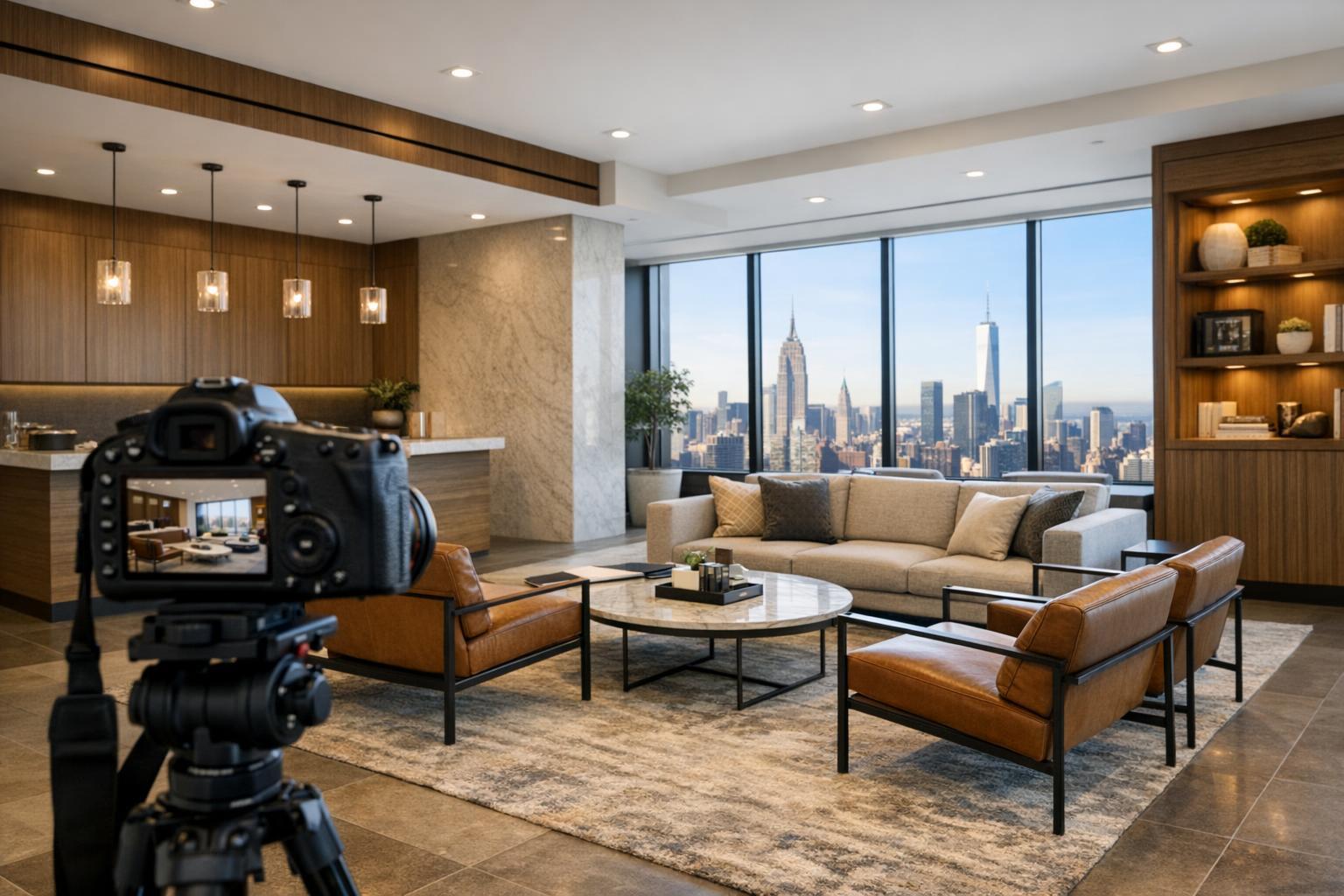
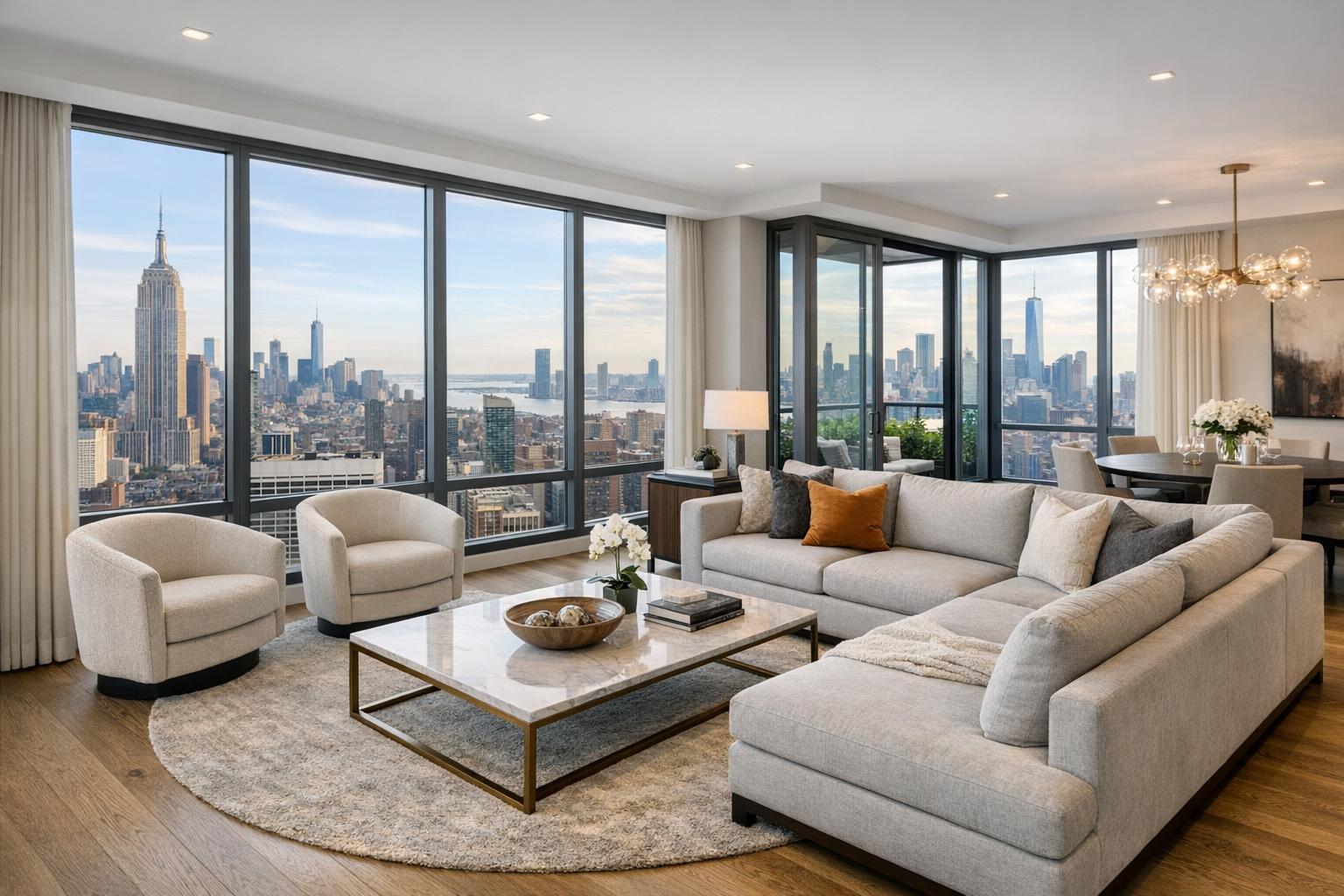
The real estate photography in NYC captures a luxurious, modern living space with panoramic city views from large windows.

How to Choose Real Estate Photography in NYC for Your Next Listing
Real estate photography in NYC is more than just bright images and wide angles. If you’re preparing to market a New York City property, the media you choose should help buyers visualize a listing’s flow, space, and special features—before anyone steps through the door. With so many property types and marketing options in the city, choosing the right real estate photography services requires attention to much more than price.
Let’s dig into how NYC real estate agents and brokers can effectively compare photographers, understand the real value of professional photography, and decide when to supplement standard shoots with floor plans, video, or 3D tours.
Why Consistency Matters More Than Any Single “Hero” Shot
Everyone loves a dramatic living room photo, but a great listing gallery is about the sum of its parts. When reviewing real estate photography portfolios, look for consistency in color, brightness, and editing style throughout the entire home—not just the most photogenic spaces. A cohesive gallery helps buyers mentally “walk” from one room to another and build a clear picture of the home.
Here’s what to look for as you compare portfolios:
- Are images of compact bedrooms, hallways, or galley kitchens just as polished as larger rooms?
- Do bathrooms feel natural, even with mirrors, glass, and tricky lighting?
- Can you see both the interior and a believable sense of what’s outside the windows?
- Is there equal attention given to pre-war details, built-ins, fireplaces, or exposed brick?
- Are exterior shots thoughtfully framed, despite urban challenges like parked cars or tight sidewalks?
- Is the editing style consistent (color, exposure, sky replacement, window handling) across the gallery?
If possible, ask to see a complete listing rather than just a highlight reel. Consistency and transparency are especially important for NYC listings, where the reality of space and light is often central to buyers’ decisions.
Don’t Be Fooled by Gimmicks—Look for Honest Composition
Good real estate photography in NYC should make a property’s layout and proportions easy to grasp, not just make rooms look larger. Wide-angle lenses can distort small spaces, creating false impressions. The best NYC real estate photographers know how to choose angles that feel accurate and welcoming, rather than overly dramatic.
Evaluate galleries for:
- Straight, true-to-life walls, door frames, and windows
- Thoughtful framing and clear focal points in each room
- Enough of the space included to make sense of the layout, without visual clutter
- Clean visual transitions between connected spaces
- Shots that feel purposeful, not repetitive
- Natural-looking proportions and perspective
Ultimately, honest composition engenders trust with buyers and saves you time explaining why a room feels different in person.
Color, Light, and Window Management Can Make or Break Your Listing
The editing process is essential for NYC real estate photography. Harsh exterior light, a mix of daylight and warm lamps, reflective surfaces, and outdoor views all appear together in many city apartments. Edits should enhance clarity and highlight the actual feel of the property—not create an unrealistic impression.
As you evaluate providers:
- Check that white walls aren’t tinted blue or yellow (unless that’s how they truly appear)
- Wood details should remain warm and natural
- Daylit rooms shouldn’t appear artificially brightened or washed out
- Window exposures should balance indoor light with a readable (not blown out) view outside, especially if the view is a selling point
Heavy-handed editing, like fake-looking skies or unnatural saturation, should be a red flag. The goal is to help buyers feel at home—not misled.
Matching the Media to the Property
Some listings are ready to go with just quality photos. But city properties often benefit from more complete digital storytelling.
Floor Plans
A floor plan is invaluable for multi-level homes, quirky co-op layouts, combination units, and properties where flow matters (think: split bedrooms, home offices, or townhouses). Buyers want to understand circulation and room relationships, so an accurate, on-site floor plan is a smart addition when layout is a selling feature.
Video Walkthroughs
Professionally shot listing videos create context you can’t get from stills. For multi-story homes, brownstones, or apartments with unusual transitions or standout features, video helps buyers see how spaces connect and how light moves through the property. Listing videos should always be recorded on-site—not just slideshows of existing images.
3D/Virtual Tours
Matterport and other 3D virtual tours allow buyers, especially long-distance or relocating clients, to explore the property interactively. This can be especially useful with complex or spacious homes. Accurate virtual tours require onsite capture—these can’t be made by repurposing existing photography.
Drone Media
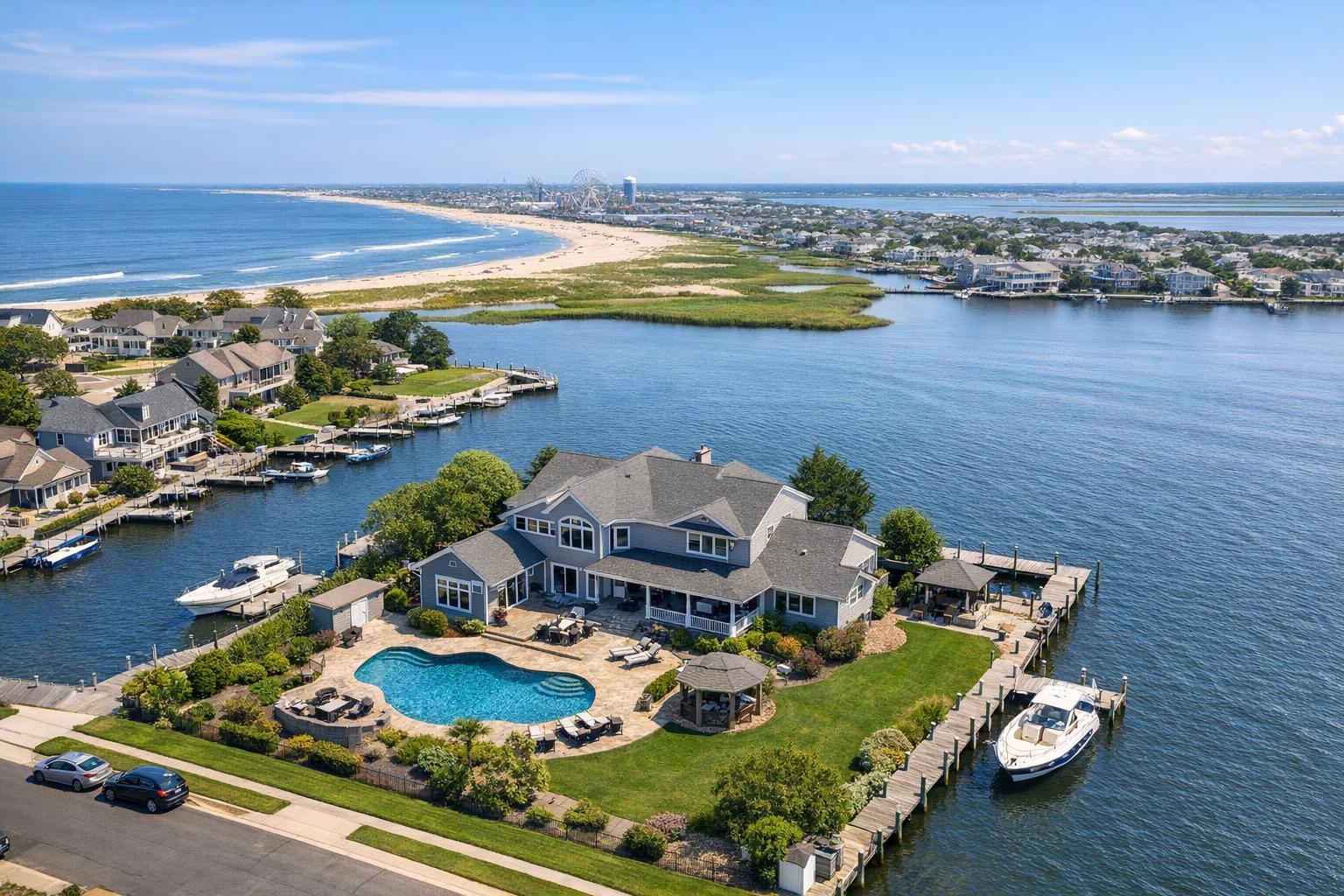
Aerial photography and video can be impactful for listings with roof decks, outdoor amenities, large lots, or unique building settings. In NYC, drone work is subject to airspace, weather, access, and all applicable regulations—safe and legal operation always comes first and a flight must be confirmed in advance.
Virtual Staging
For vacant apartments or homes, virtual staging helps buyers imagine how empty rooms might be used. The space should be cleared of existing furniture and clutter before digital staging, and edits should look believable—not like computer renderings.
Navigating NYC-Specific Logistics
City properties bring their own quirks for every real estate photographer. Before scheduling a shoot, communicate any unique access or building requirements:
- Doorman, staff, or management check-in procedures
- COI (Certificate of Insurance) if needed by the building
- Elevator reservations, move-in/out activity
- Lockbox or key pickup instructions
- Coordinating with tenants/occupants and respecting their schedules
- Children, pets, contractors, or ongoing renovations
- Amenity, rooftop, terrace, or backyard access rules
- Restrictions on photos in public/common areas
Smooth communication up front avoids delays and awkward moments on photo day.
Preparing the Home: A Little Effort Goes a Long Way
Well-prepped apartments photograph better and reduce editing headaches. Encourage sellers or tenants to declutter surfaces (counters, nightstands, desks), hide laundry and cleaning items, tuck away loose cords and electronics, and remove excess or mismatched furniture. Open curtains where appropriate and replace any burned-out bulbs.
If a room has a specific function (nursery, guest room, home office), set it up clearly—this helps both the photographer and the listing’s online gallery tell a simple story.
Vetting and Booking a Photography Provider
As you evaluate real estate photography services in NYC, consider these practical questions to find the right fit:
- Have they photographed properties similar to yours (compact co-ops, brownstones, luxury condos, etc.)?
- How many photos do they recommend, and is there flexibility in gallery size?
- What is the typical delivery timeline, and how are files provided?
- Is editing included—and if so, what level of editing is standard?
- How do they handle tricky access, occupied properties, or specific building instructions?
- Do they offer professional floor plans, video, drone, or staging add-ons?
- What’s their policy if weather impacts outdoor or drone shots?
- Can you relay special notes or requests before the appointment?
At RealtaSnap, you can review services and book directly through the online scheduling page, selecting the exact options and appointment time you need. For larger, more complex listings, you can build a media plan that fits your property without being locked into a rigid “one size fits all” package.
Fitting Real Estate Photography to Your NYC Workflow
Choosing the right NYC real estate photographer is about partnership, not just cost. Look for a team whose work is steady, whose process fits your way of doing business, and who understands the realities of photographing occupied homes, diverse property types, and the ever-changing logistics of New York City.
For straightforward listings, professional photos alone may suffice. If the property’s story is told through more than just images, consider adding floor plans, video, 3D tours, aerial media, or virtual staging to suit the home and your marketing goals.
If you’re ready to book a shoot or want to discuss options for an upcoming listing, you can find more information and start scheduling at www.RealtaSnap.com.
FAQ
Question: How many photos should I order for a typical NYC apartment?
Answer: The right number depends on the apartment’s size, layout, and unique features. Less is often more—a compact space could need just 12–20 well-selected images, while a larger or more complex layout may benefit from additional coverage. Focus on showing each relevant room and view without filling the gallery with nearly identical shots.
Question: Can professional photography make my small NYC apartment look bigger?
Answer: Professional composition and honest editing can make a small apartment feel bright, tidy, and even spacious—but should never cross into misrepresentation. It’s about helping buyers understand the space, not making it appear drastically different than reality.
Question: Do I need a floor plan or 3D tour for every listing?
Answer: Not always. For a simple, traditional layout, high-quality photos are often enough. But if the home has multiple levels, an unusual footprint, or features that are hard to capture in stills (like complex circulation or a mix of bedrooms and offices), adding a floor plan or virtual tour makes it much easier for buyers to visualize.
For NYC agents and brokers, thoughtful real estate photography is the foundation—but the right media plan goes a long way toward making your next listing stand out for all the right reasons. Visit www.RealtaSnap.com to explore services or book your next shoot.