How to Choose Real Estate Photography for Your Next Listing
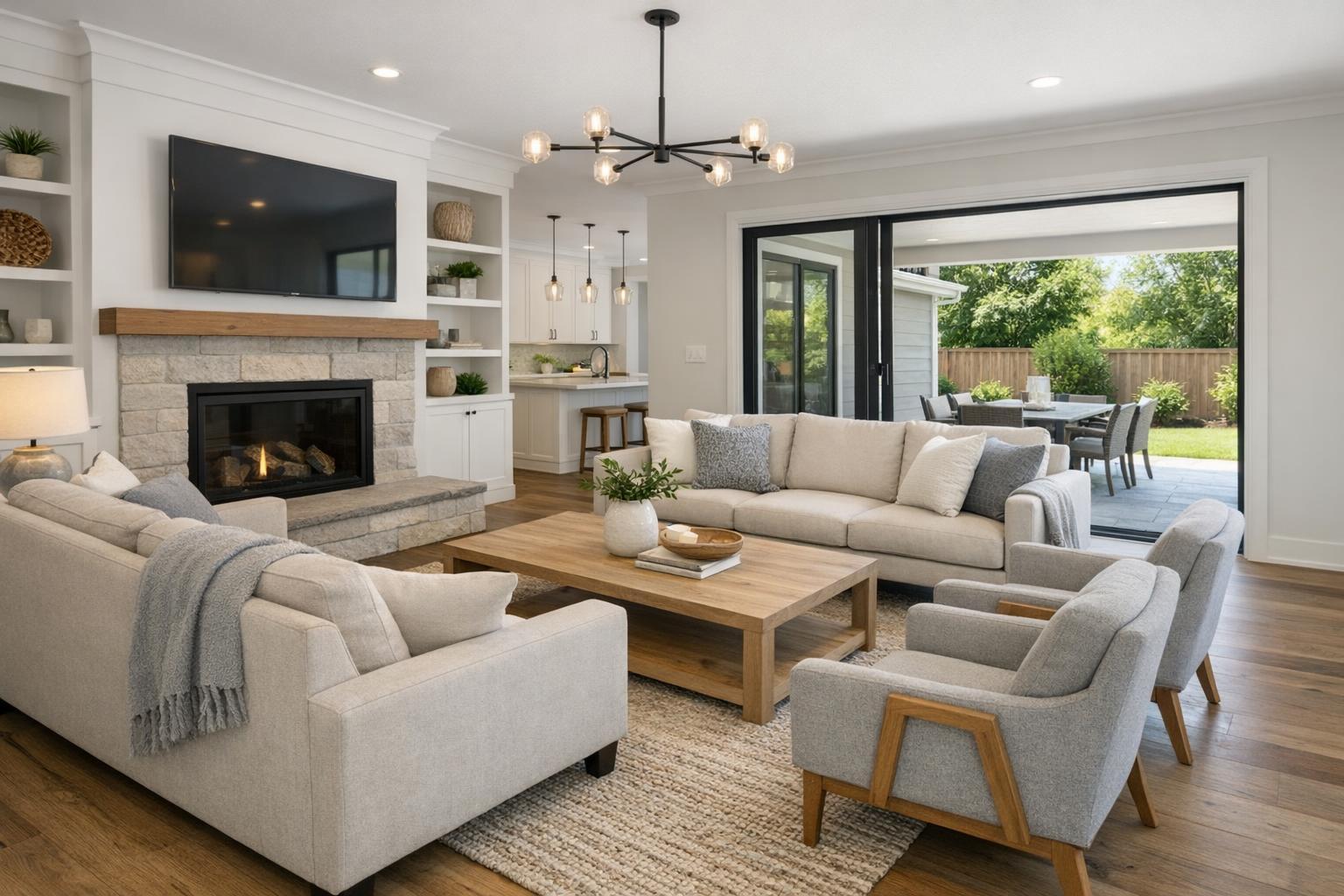
A beautifully staged living room features a cozy sofa arrangement, a stone fireplace with a TV above, modern lighting, and a view into a bright backyard and open kitchen area.

How to Choose Real Estate Photography for Your Next Listing
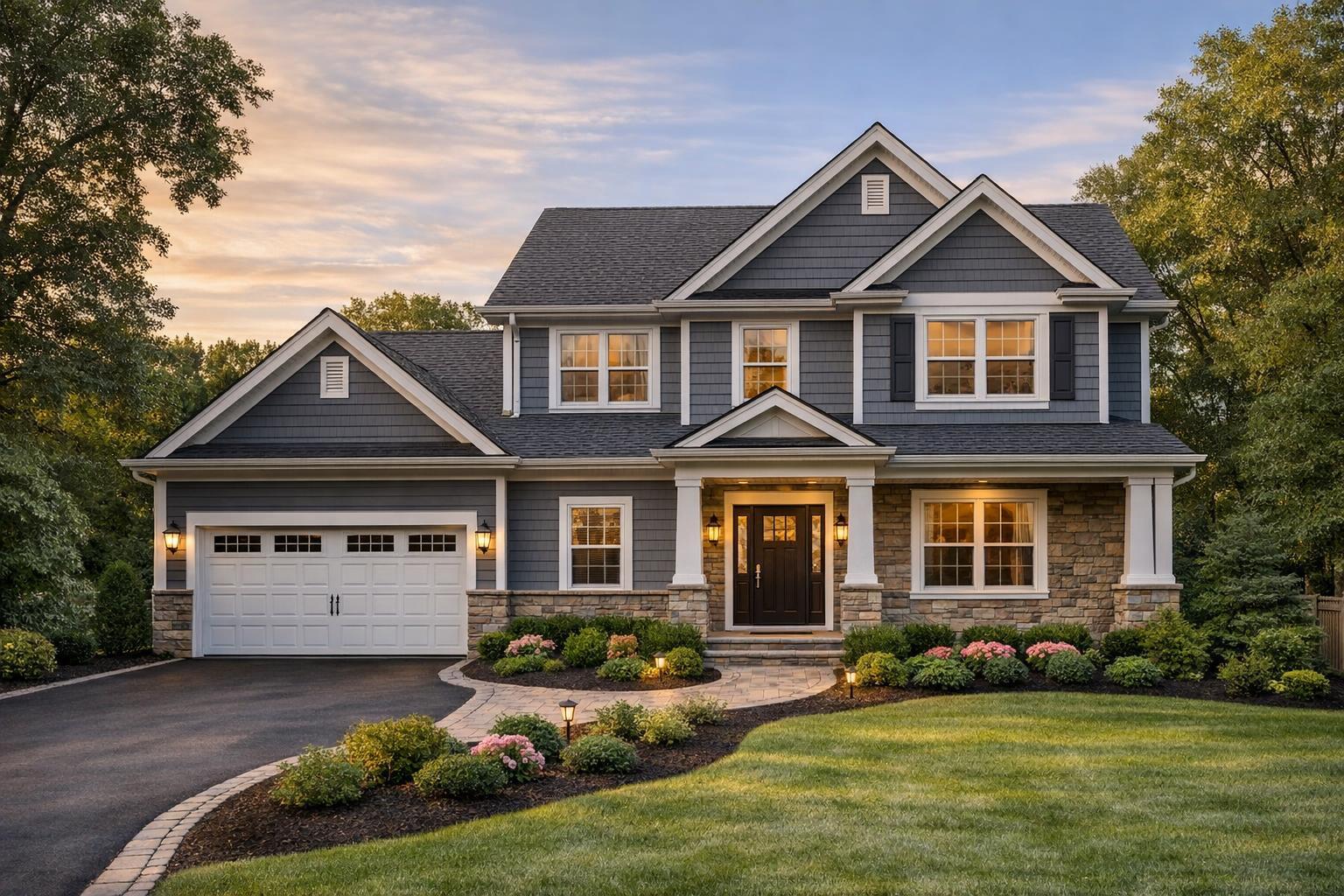
Choosing real estate photography for a new listing in NYC or New Jersey is a decision that goes far beyond matching an available calendar slot with any photographer who can show you a pretty picture or two. Listing photos are often the first impression potential buyers or renters have—whether they're scrolling through platforms, opening an email campaign, or pausing on a social post. The right images provide more than documentation; they set the tone, showcase the property’s character, and help buyers visualize themselves in the space.
In this guide, we’ll break down what smart agents, brokers, and property managers need to consider before hiring a real estate photographer. From reviewing portfolios to prepping a property and understanding when it’s time to invest in additional media, you’ll find practical advice tailored to local listing realities.
What Makes Real Estate Photography Effective?
At its best, professional property photography does a lot of heavy lifting for a listing—often before anyone even steps inside. Quality images don’t just check off the “see every room” box; they help a viewer make sense of layout, light, finishes, and how the home feels from one space to the next.
Effective listing photos require thoughtful choices on-site:
- Selecting angles that show the functional flow and proportions
- Positioning the camera for balanced composition
- Keeping architectural lines straight for a true sense of scale
- Managing lighting—capturing both window views and cozy corners
- Knowing when to highlight details versus when to keep it simple
A polished edit can brighten and clarify, balancing bright windows with indoor lighting, without pushing colors or gloss beyond what’s real. The point isn’t to make the home look unrecognizable; it’s to represent it honestly and engagingly, so expectations align when the door opens for a showing.
Looking Past Portfolio Highlights
Scanning a photographer’s top five images might feel reassuring, but it’s not enough. Consistency is what matters for your listing. Dive into full galleries or entire listings from their past work. Note whether their approach holds up across various property types and tricky rooms, not just sun-drenched living areas. Here’s what to look for:
- Intentional Composition: Rooms should be easy to read, with clean lines and clear context—no tilted horizons or awkward crops.
- Natural Color and Exposure: Overly processed images can turn buyers off. Watch for consistency in color across a gallery; nothing should feel too saturated or washed out.
- Coverage of “Tough” Spaces: A real mark of skill is how well smaller bathrooms, narrow halls, low-light entryways, and tight kitchens are captured. You want clarity, not distortion, even in challenging rooms.
- Relevant Experience: A photographer used to Manhattan apartments will know how to work efficiently in compact co-ops. Someone who regularly shoots larger New Jersey homes should be adept at capturing outdoor space, multiple levels, or broader settings. They don’t need to have shot your exact listing style before, but their work should show judgment with similar local property types.
Customizing Photography to the Listing
There’s no one-size-fits-all count for listing photos. Instead, let the property itself guide the amount and type of coverage:
- A Manhattan studio or one-bedroom might need just enough images to communicate the main living space, entry, kitchen or kitchenette, bathroom, and notable building amenities.
- A Brooklyn brownstone, with original staircase, fireplaces, or garden access, calls for a broader set—capturing both the special features and the movement between levels.
- For a Jersey City condo, the most valuable shots could include amenity spaces, skyline views, and exteriors.
- Larger New Jersey homes likely need more: extra bedrooms, lower levels, outdoor living, garages, or pools.
Before you book, make a quick list of what makes your property stand out. Important features often include:
- Natural light or interesting views
- Updated kitchens or bathrooms
- Original woodwork or fireplace details
- Outdoor areas or decks
- Unique office, den, or rec spaces
- Community amenities
- Setting (waterfront, garden, city block)
- Multi-level or unusual layouts
Not every feature deserves a photo, but this exercise helps you avoid over-ordering or missing key selling points.
Key Questions for Photography Providers
Solid real estate photography services offer more than nice images—they make the entire process easier. Clear up expectations upfront by asking practical questions:
- Can you show me complete listings similar to this property?
- How many images are included? What if I need extras?
- How should the property be prepped prior to the shoot?
- How much time is typically scheduled on-site?
- When will finished images be delivered?
- Do you accommodate specific editing requests?
- What’s your policy for building access, restrictions, or weather delays?
- Can I add a floor plan, video, or virtual tour now or later?
- Is pricing clear and itemized before I book?
Knowing exactly what’s included prevents surprises on delivery. For example, with RealtaSnap, photography packages range from 10 images for $149 (ideal for tight apartments) to 50 images for $299 (suitable for houses or large condos). More comprehensive shoots take extra time and often require additional prep—but the transparent structure means you know exactly what you’re getting and can scale up coverage as needed.
Preparing the Property: Simple Steps, Real Results
Even the most skilled photographer can’t make clutter or distractions disappear. Some basic preparation makes a measurable difference:
- Switch on all lights and replace burnt-out bulbs
- Open blinds or curtains to maximize natural light
- Clear kitchen counters and hide small appliances or personal items
- Remove magnets and loose notes from refrigerators
- Store away toiletries, hampers, and stray bath mats
- Tidy up bedding and closet clutter
- Hide pet supplies when possible
- Untangle cords and stow remotes or mail
- Move vehicles outside the camera’s view if exteriors will be shot
- Arrange outdoor furniture, and remove bins or hoses
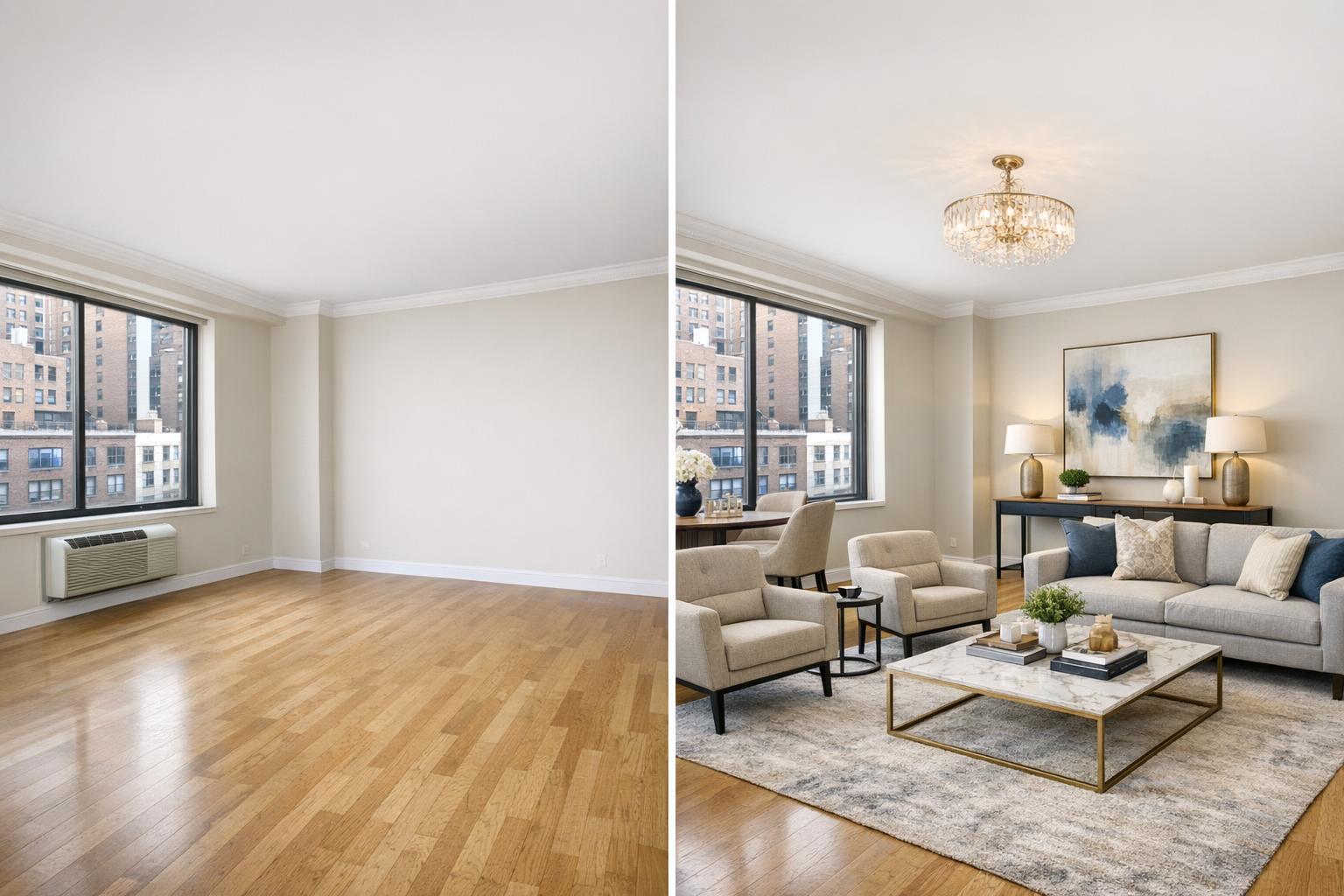
A fully prepped home keeps the photo shoot focused on composition, not tidying. For vacant properties, virtual staging is best reserved for empty, clutter-free rooms. If there’s still furniture or stored items present, order appropriate declutter edits or remove physically before requesting virtual staging.
For detailed guidance, take a look at the prep guide for listing photography.
Do You Need More Than Just Photos?
For many listings, good photography is more than enough. But extras can help potential buyers or renters understand complex layouts or unique spaces.
When Floor Plans Make Sense
A floor plan clarifies how the spaces fit together—helpful for homes with unusual configurations, multiple levels, or flexible layouts. Remember, accurate floor plans require on-site measurement and cannot be drawn from old PDFs or existing marketing materials.
The Case for Video
Video can be a strong addition for large homes, properties with indoor-outdoor flow, or amenity-driven buildings. It helps a viewer imagine moving from space to space, which photos alone can’t accomplish. For streamlined or straightforward properties, a focused gallery is usually plenty.
3D Virtual Tours and Aerial Content
A 3D virtual tour lets viewers explore at their own pace—especially useful for buyers who can’t visit in person or who want to dig into details remotely. These tours need on-site scanning and can’t be created from just photographs or plans.
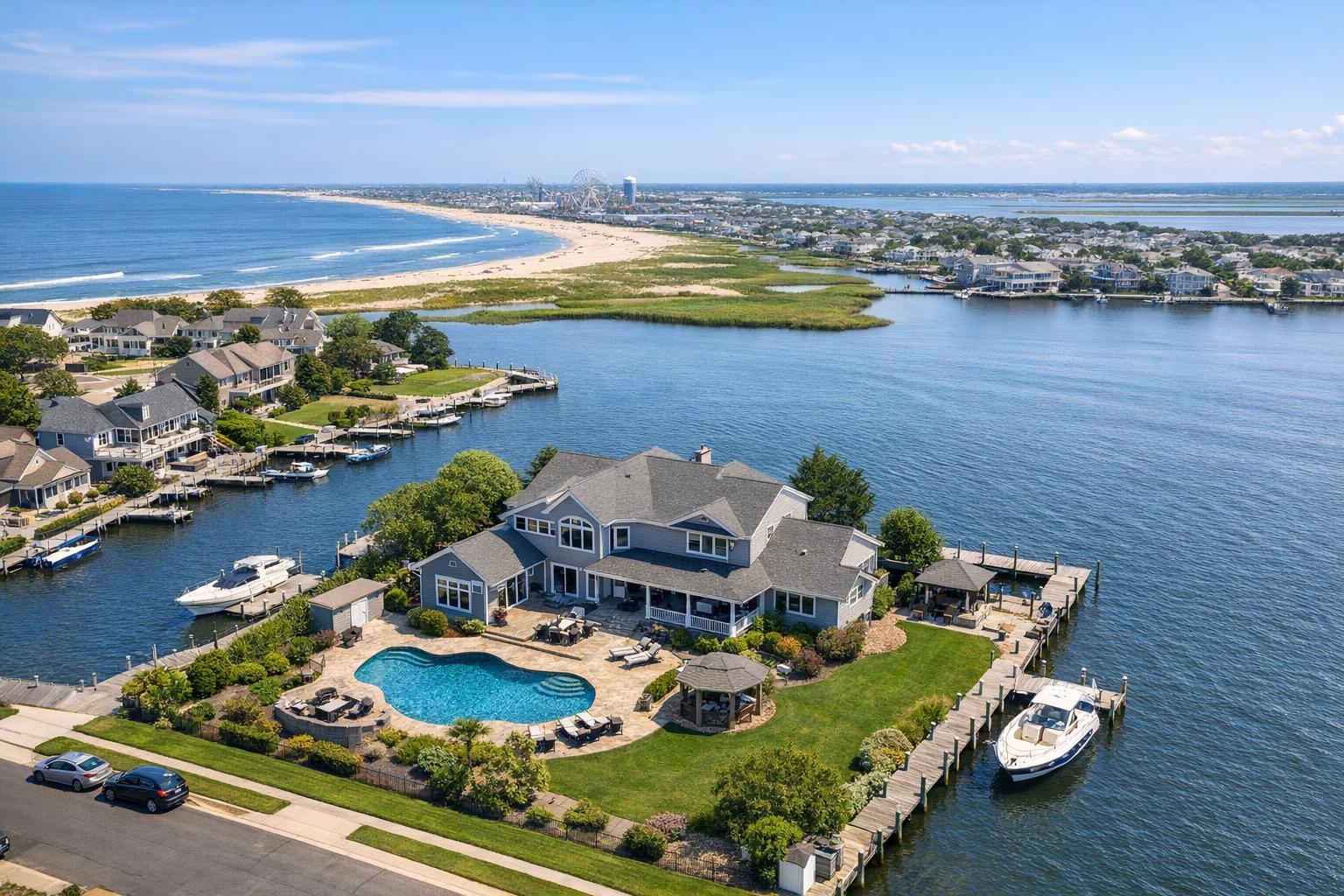
Aerial photography or drone video brings value when a property’s exterior, setting, or land is a selling point. In dense urban areas like Manhattan or Jersey City, drone work may be less feasible and isn’t always necessary. Drone services with RealtaSnap are always subject to airspace restrictions, weather, local ordinances, and pilot discretion.
For full service descriptions and available add-ons, see RealtaSnap’s photography packages.
Consider Process, Not Just End Results
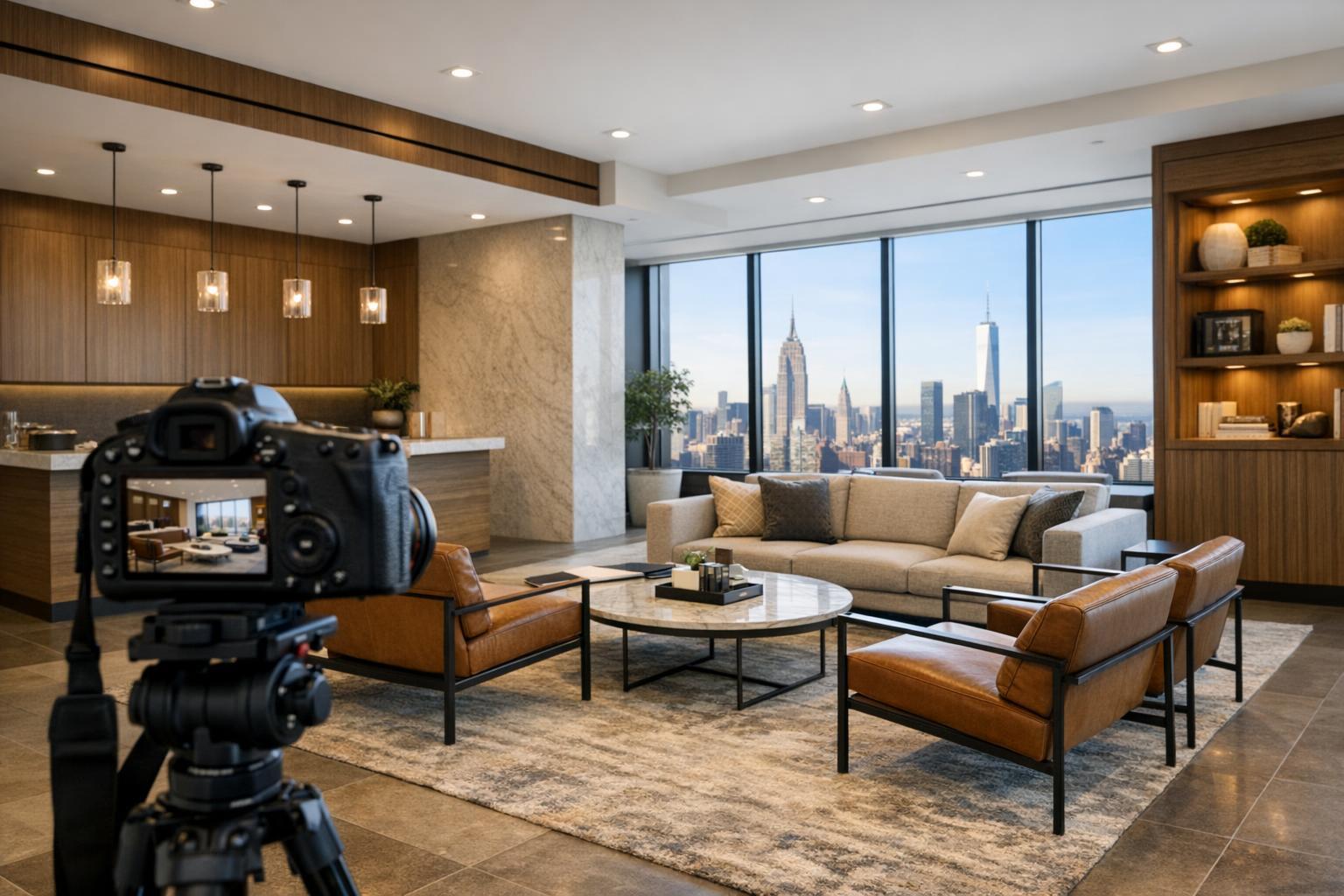
A smooth and professional shoot depends on reliable logistics and communication. Before the appointment, confirm building access instructions, lockbox or key procedures, and any special areas that should or should not be photographed. If the listing is still being prepared, make arrival expectations and time constraints clear.
Many providers, including RealtaSnap, allow online booking where you can specify the property address, access notes, service selections, and appointment timing—all from your phone or computer.
Choose Media That Works for Your Listing
The goal isn’t to make every home look identical—it’s to provide the best, most honest representation to the people who matter. Start by reviewing complete portfolios, ask clear questions about what’s included, and prep your listing thoughtfully so the images can truly shine. Add floor plans, video, or virtual tours only where they will help buyers understand and appreciate the property.
If you want clean, professional real estate photography or need a broader suite of listing media in New York City or New Jersey, you can explore your options and schedule directly at www.RealtaSnap.com.
FAQ
Question: How many listing photos do I actually need?
Answer: It depends on the property’s size and features. Small apartments can often be conveyed with 10 to 15 images if they’re thoughtfully chosen. Larger homes, or those with more amenities, may need 30 or 40 images to cover all important aspects. The key is to show what matters, not to inflate the count with repetitive angles.
Question: Should I order floor plans or virtual tours with my photos?
Answer: Floor plans are especially helpful for multi-level homes, flexible layouts, or properties where the flow isn’t intuitive from photos alone. 3D virtual tours are ideal for detailed listings or when reaching out-of-town buyers. Both require on-site capture, so arrange these services with your photography when you need them.
Question: Can virtual staging be added to rooms that aren’t empty?
Answer: Virtual staging works best for vacant, clean rooms. If there’s existing furniture or visible clutter, those items should be removed physically or addressed with a clutter-removal edit before adding virtual furnishings. This keeps the staged result realistic and attractive.
Looking for straightforward real estate photography, helpful prep advice, and customizable options for your next NYC or New Jersey listing? Visit www.RealtaSnap.com for details, availability, and booking.