How to Choose an Architectural Photographer in NYC for Property Marketing
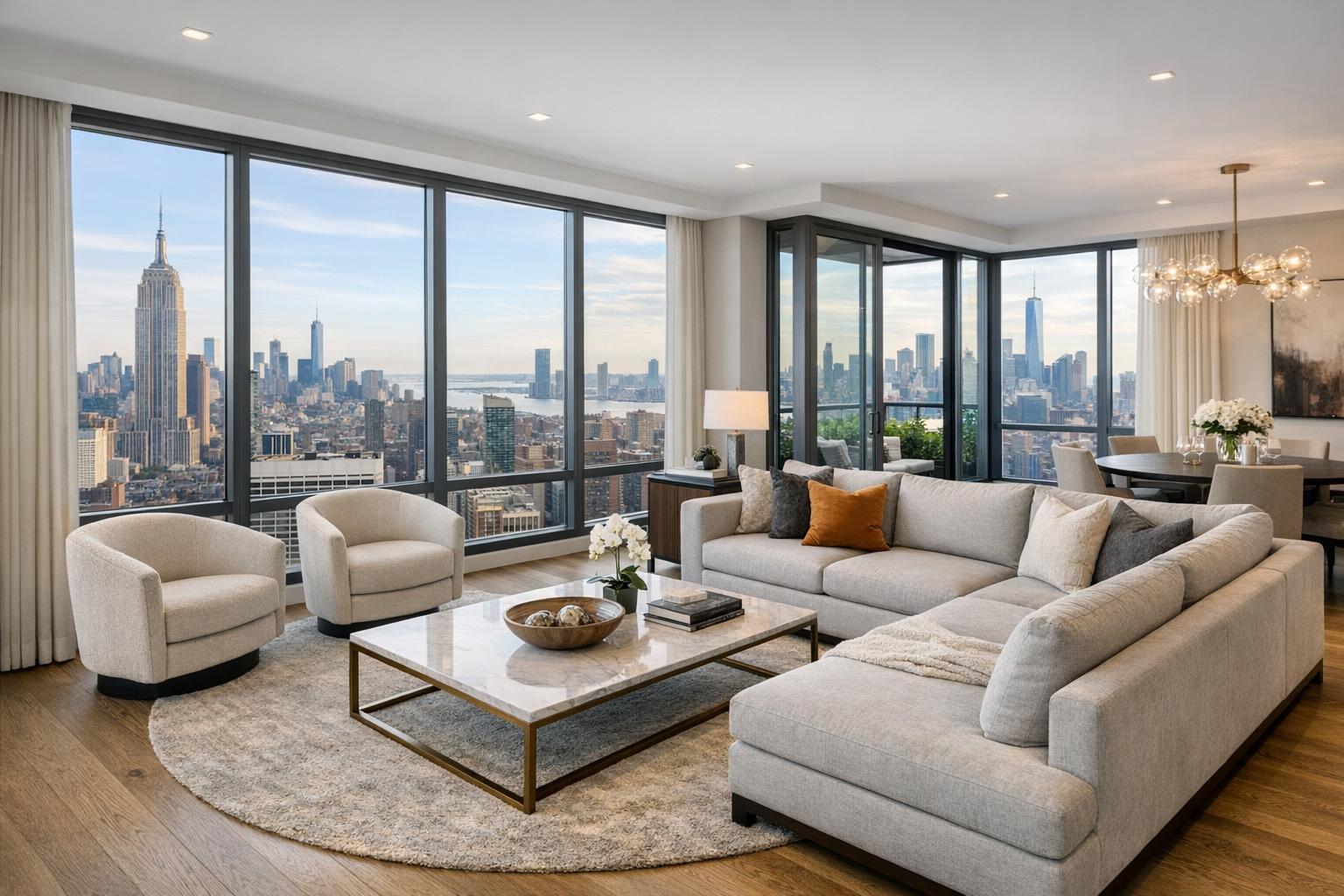
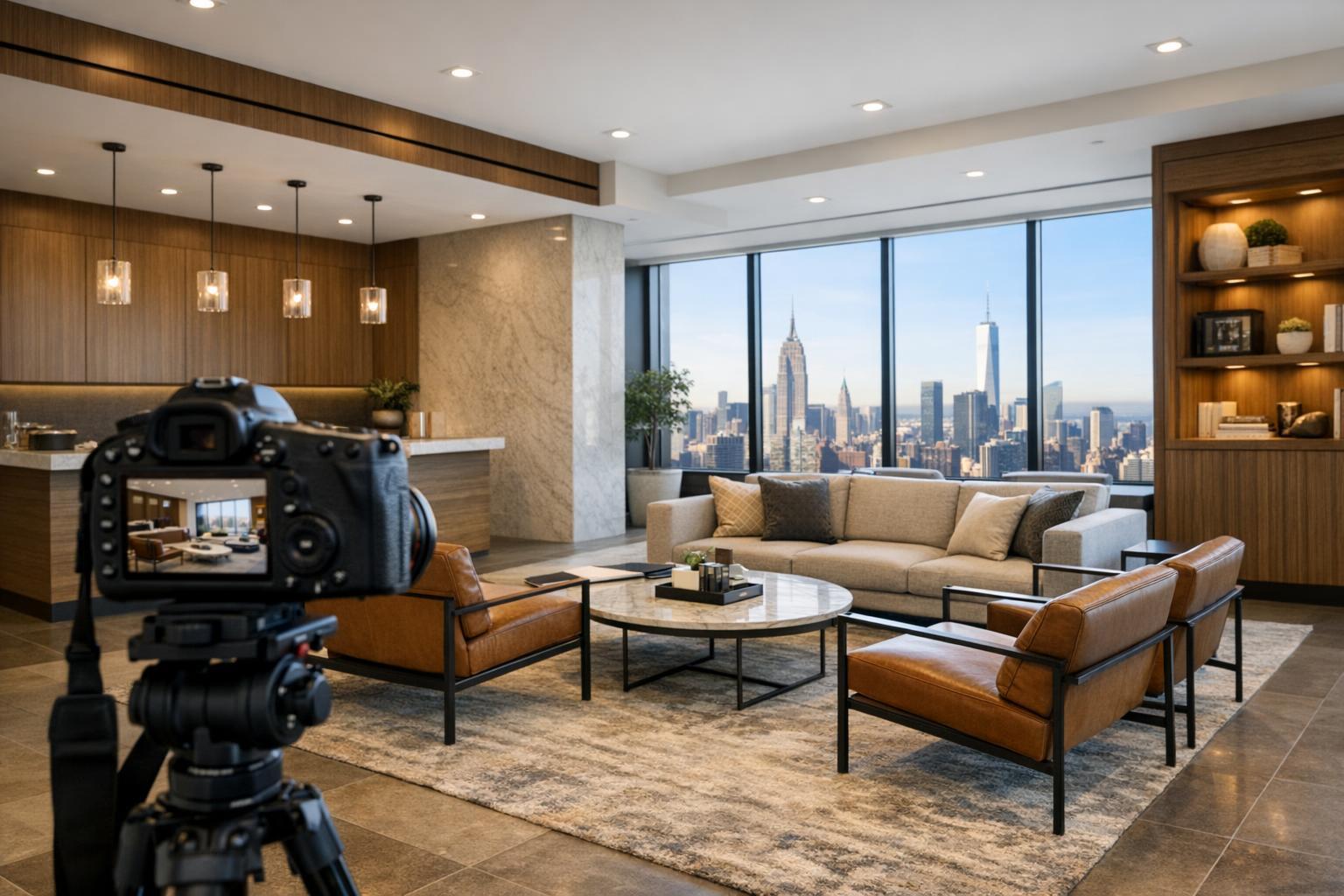
A luxurious NYC living room overlooking the skyline is set up for a photoshoot by an architectural photographer.
How to Choose an Architectural Photographer in NYC for Effective Property Marketing
An architectural photographer in NYC is more than just a person with a camera. If you’re a broker, developer, architect, or property manager, your decision around who photographs your property actively shapes your image in the market—sometimes quite literally. Great photos can clarify design, highlight key features, and capture the reality of a space, which is especially important in a city like New York where each apartment, brownstone, or commercial building has its own story.
Finding the right NYC property photographer starts with understanding your project’s actual needs, as well as how architectural photography is different from traditional listing photography. Let’s break down what really counts in the selection process, what to look for in a portfolio, how to prepare your property, and how to make sure your images deliver maximum value.
Architectural Photography vs. Listing Photography: What’s the Difference?
While listing photography is crafted for speed and clarity—showing the main spaces in a way that’s practical for MLS, email blasts, and property websites—architectural photography digs deeper. It reveals design intention, careful composition, and the subtle ways a building interacts with its surroundings.
Here are some signs you’re looking at true architectural photos:
- Clean, straight verticals (think calm walls and door frames, not leaning towers)
- Realistic room scale, rather than exaggerated spaces
- Compositional choices that help viewers understand how rooms connect
- Detail in both windows and shadows
- Clear attention to materials, lighting design, and unique details
- Exterior shots that explain the building’s context, not just its façade
There’s plenty of overlap between the two styles, but architectural photography places a heavier emphasis on design, feeling, and context. If your project deserves more than the basics—say, a distinctive brownstone, an expertly renovated lobby, or a unique office—the added layer of care shows up in the final images.
Begin with the End Use: What Are the Photos For?
Before you compare NYC photographers, get specific about where the photos will show up and what they need to communicate. Defining the end use—whether it’s leasing, sales, design documentation, or broader brand marketing—helps your photographer make smart decisions and your images punch above their weight.
Common use cases:
- For listings or leasing: Prioritize clear images that help viewers understand space and flow quickly. In a Manhattan apartment, you’ll want good coverage of the main rooms and honest portrayals that don’t mislead about size. For brownstones, the progression from parlor to garden matters as much as the details.
- For design portfolios or documentation: Highlight the craftsmanship, custom features, and visual story of a completed project. Architects and designers often need dedicated shots of staircases, built-ins, room transitions, and exterior details.
- For marketing collateral and brand assets: Think flexibility—a property website or print brochure benefits from both sweeping wide shots and curated vignettes. This is especially true for commercial real estate, retail spaces, and hospitality, where entry experience, amenities, and location are part of the selling proposition.
What to Look for in a NYC Architectural Photographer’s Portfolio
Not all pretty portfolios are equal. When you’re evaluating photographers, look for complete projects that are similar to yours (in scope, style, and complexity), not just the single best shot from each job.
Key Quality Markers
- Technical discipline: Vertical lines should be vertical, and proportions should feel grounded in reality. Overly wide lenses can create drama, but unrealistic room sizes can be more harmful than helpful.
- Balanced lighting: Good editing doesn’t mean unrealistic brightness. Instead, natural-looking light that maintains real views from windows and keeps interior materials true to life is crucial.
- Composition and clarity: You want images where the eye flows naturally and the story of the space unfolds intentionally—not a jumble of distracting objects or forgotten corners.
- Exterior and context: The best architectural photographers go beyond snapping the front of the building. They show the property’s relationship to the street, terrace, garden, or skyline.
Review portfolios with these factors in mind, and ask to see full sets from similar properties to yours—like a new development with lots of glass, or a prewar co-op where ceilings and light change room by room.
Smart Questions to Ask Before Booking
When discussing your project with a photographer, go beyond “What’s your rate?” and “When are you available?” Useful questions include:
- Have you photographed properties like this before? Can I see those projects?
- How do you handle challenging lighting, reflective surfaces, or tight rooms?
- What’s included in your standard editing, and what’s considered extra?
- How do you recommend preparing the space?
- What image count or shot list do you recommend?
- How do you handle licensing, usage rights, and credit requirements?
- Can you coordinate with building management if needed?
Clear, confident answers will tell you a lot about a photographer’s process and whether their approach aligns with your needs.
Prepping Your Property for the Best Results
Even the most talented photographer can only capture what’s truly present on shoot day. Preparation is the difference between just-okay photos and images that really deliver.
Preparation steps for residential and commercial spaces:
- Declutter visible areas—clear countertops, tidy up beds, remove odds and ends
- Clean glass, mirrors, and key finishes
- Open curtains if privacy allows
- Replace burnt bulbs and match color temperatures as much as possible
- Make sure all rooms (and key amenities) are accessible
- Hide moving boxes, maintenance tools, and temporary signs
- Identify anything that should not be moved or photographed
- Confirm building access, elevator use, and any special check-in rules
- For commercial shoots, coordinate with occupants or staff as needed
For a more detailed prep checklist, check out RealtaSnap’s real estate photography preparation guide.
Matching the Scope to the Property—Not a Rigid Shot List
Every property is different, and so is every shoot. While listing agents may start with a standard coverage checklist, higher-end or architectural projects benefit from tailored coverage that fits the unique features and layout.
For example, a simple condo might need just the main rooms and amenities, but a brownstone or commercial space could require strategic coverage of multiple floors, original details, amenities, and views. Sharing your key priorities with the photographer before the appointment ensures no critical area gets overlooked.
Discussing Image Usage and Licensing
Image usage sometimes gets skipped in early conversations, but it can cause confusion later if not addressed. Decide up front:
- Who will get the final photos?
- Where and how will the images be used (website, social, print, etc.)?
- Will multiple parties need usage rights (developer, broker, architect)?
- Does the shoot cover just this campaign, or is it for broader/long-term brand use?
- Is a photo credit needed or any publication embargo in place?
- Can the photographer display the images in their own portfolio?
Clarity here lets everyone plan for success—especially when photos are used in editorial submissions or future campaigns.
When to Add Floor Plans, Video, 3D Tours, or Drone Media
Still images remain the core of property marketing, but additional formats are sometimes worth considering:
- Floor plans help make sense of unique layouts or multi-level spaces.
- 3D virtual tours are great for remote showings, especially for international buyers or complex spaces.
- Video can capture movement and the feeling of arriving in a space.
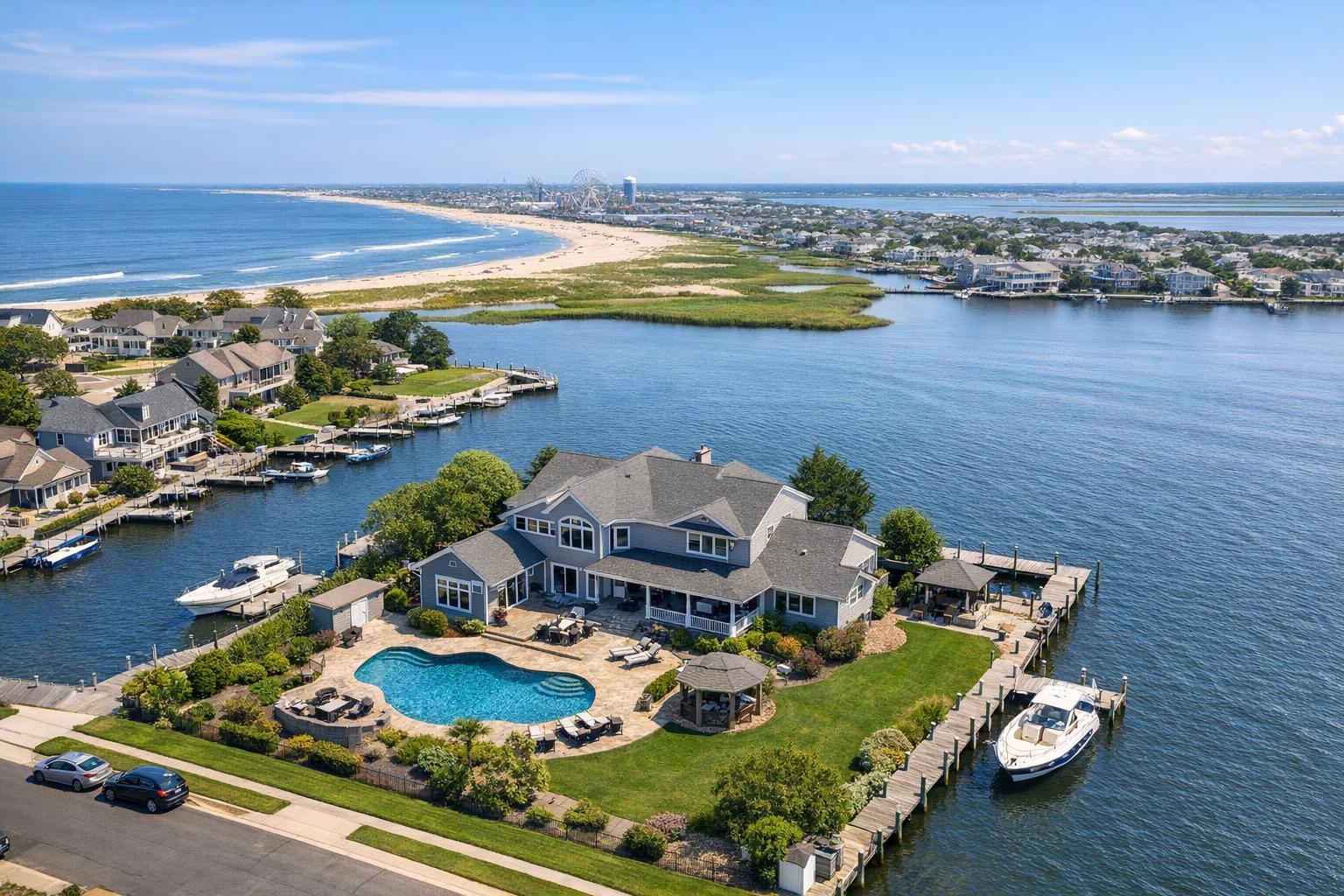
- Drone photography adds value for aerial context or when showcasing rooftops, gardens, or waterfront properties, as long as airspace and site conditions permit.
These services should solve a communication problem—not just serve as add-ons. RealtaSnap can discuss which property media options make sense for your project, and any drone work is subject to rules around airspace, safety, and site feasibility.
To explore package options for NYC photography, visit RealtaSnap’s real estate photography page.
Choosing Clarity and Authenticity Over Gimmicks
Gimmicky editing or dramatic wide-angle shots might get quick attention, but experienced real estate professionals know buyers and tenants value realism and accuracy above all. Compelling photography should feel inviting, but still tell the truth about light, space, and material quality.
Ultimately, your best results come from hiring a photographer who understands your property’s architecture—and your marketing goals. NYC’s built environment is diverse. What works for a Midtown office may not suit a Williamsburg brownstone. Look for a flexible professional who brings genuine control, rather than forcing every project into the same style.
If you’re searching for clean, thoughtful property photography in New York City, RealtaSnap would be happy to help you clarify your needs, plan your coverage, and create images that support your goals. Learn more or book your next project at www.RealtaSnap.com.
FAQ
Question: How is architectural photography different from regular real estate photography?
Answer: While both capture properties for marketing, architectural photography focuses deeply on design, composition, and material details, often highlighting architectural intent rather than just providing a comprehensive visual checklist.
Question: Do I really need to prepare my property before the photographer arrives?
Answer: Yes. Clean, uncluttered spaces with working lights and tidy surfaces consistently produce the best results. Small preparation steps can make a dramatic difference in the final images.
Question: Can I add floor plans, video, or drone shots to my NYC property shoot?
Answer: Absolutely, if those formats solve a real marketing need. RealtaSnap offers these services, with drone and 3D work subject to access and local regulations. Feel free to request advice on whether these options will help represent your specific property.
Ready to get started? Explore options at www.RealtaSnap.com.