Virtual Staging NYC: When It Makes Sense for an Empty Listing
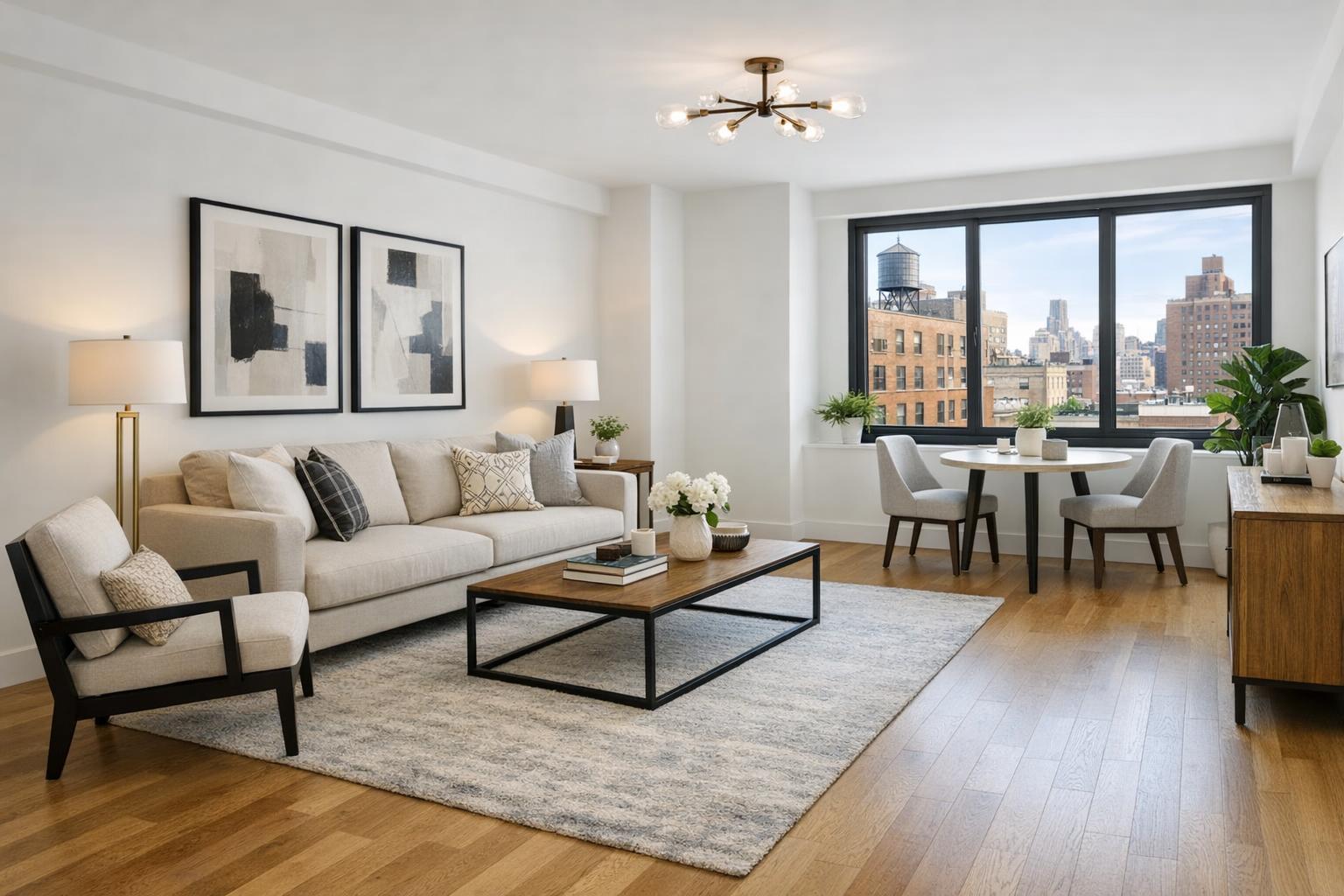
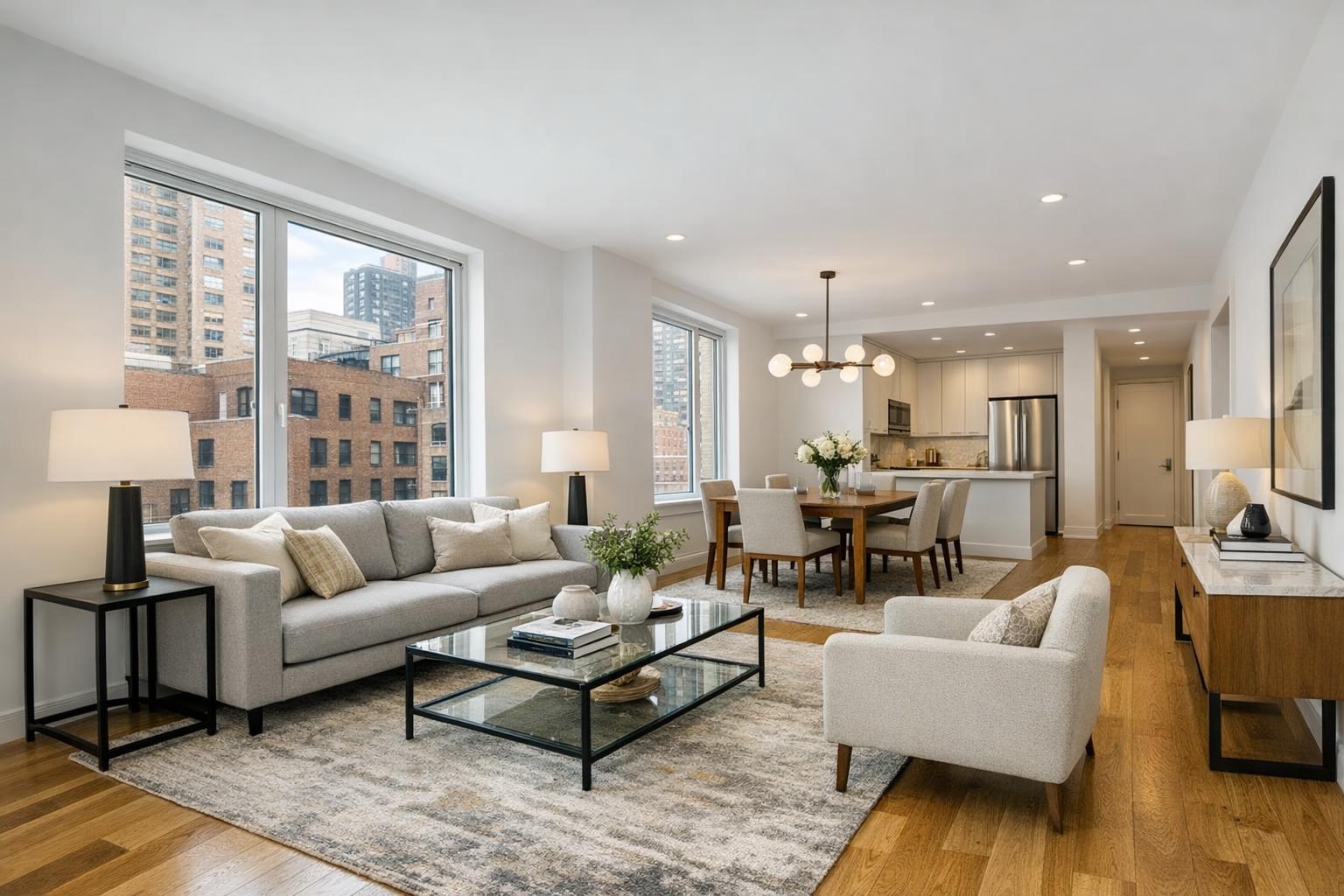
The beautifully furnished open-plan living room and dining area, showcasing Virtual Staging NYC, features modern furniture, large windows with city views, and elegant decor.

Virtual Staging NYC: When to Stage an Empty Listing
Virtual staging in NYC offers agents, property managers, and landlords a fitting solution when marketing an empty home—especially in a city where vacant apartments, condos, and brownstones are so frequently listed between tenants or before a sale. The challenge is not just filling a room, but helping prospective renters or buyers imagine themselves living there. An empty space can confuse viewers, make rooms appear smaller, and obscure the full potential that a smart arrangement of furniture might unlock.
What Does Virtual Staging Really Do?
Virtual staging uses digital furniture and decor to furnish a photo of a real, unoccupied room. The floor, walls, windows, and all of the physical elements remain true to the property—only the furnishings are digitally added. This is not interior design for fantasy’s sake. Done well, virtual staging clarifies an empty room’s size, layout, and possible uses. For example, a digital sofa and coffee table can define the main living area; a simple dining set can transform a puzzling alcove into something purposeful.
Virtual staging doesn’t hide significant features or change architectural reality. The radiators, doors, and built-ins still frame the space. That keeps the presentation grounded, even as it invites the viewer to imagine their own version of home.
Why Vacant Listings in NYC Need Extra Care
New York’s housing stock is uniquely diverse, making vacant rooms especially tricky to market. Think of a pre-war apartment with elaborate moldings, a brownstone with multiple parlors, or a condo with open-concept spaces. A photograph of an empty room isn’t always enough:
- Pre-war layouts: Intricate details are tempting, but scale is hard to judge without context.
- Flex spaces and alcoves: Without someone showing the way, the viewer may wonder how—or even if—a space can be used.
- Studios and small bedrooms: Vacant, they often look tighter than they actually feel once furnished.
- New developments and freshly vacated rentals: Listings are often photographed before anyone moves in, leaving would-be renters or buyers guessing.
Furniture—digital or real—acts as a trusty measuring stick. A staged bed or dining table cues the viewer to room dimensions and how life might unfold in the space.
Which Empty Listings Benefit Most from Virtual Staging?
Not every listing calls for digital furniture. Some rooms are naturally self-explanatory. But there are common scenarios where virtual staging can bring clarity:
- Just-vacated sales: Sellers may move out ahead of photography, leaving photos with no scale references. Virtually staging key rooms—like the living room and principal bedroom—can ground a buyer’s imagination.
- Rentals between tenants: Staged images can make an empty rental feel more inviting (and functional) in the listing without hauling in real furniture for a brief marketing window.
- Rooms with multiple possible uses: That extra room could be an office, guest space, or den. A staged image can showcase a sensible arrangement, and if flexibility is key, sometimes a second version can help.
- Small or unusually shaped spaces: Here, cautious staging helps buyers and tenants see what fits, but restraint is needed—oversized or excessive furniture can make a room look unrealistic.
Practical Guidelines for Virtual Staging
Keep the Room’s Character Intact
Strong virtual staging begins with an accurate photo. Digital furniture should not cover up important details:
- Windows and natural light sources
- Doorways, radiators, and built-ins
- Fireplaces and crown molding
- The real boundaries of the room
Editing should never change the essential layout or conceal any major issues. Wide, well-lit photography makes both the room and the digital decor look credible.
Choose a Style That Fits
Effective virtual staging supports the room’s identity. For a Brooklyn brownstone, muted colors and classic pieces can let the architecture shine. A modern Midtown condo might call for sleek, contemporary lines. Rental apartments are best staged with simple, space-conscious furniture that illustrates how to live comfortably in a smaller footprint.
Consistency across staged rooms matters, too. A cohesive style helps buyers or renters stay focused on the property, not the staging choices.
Use a Mix of Staged and Unstaged Photos
You don’t need to stage every image. In fact, the clearest gallery often blends staged and original photos:
- Lead with a staged hero shot, then include an empty version later.
- Only stage areas where room size or function could be misunderstood.
- Kitchens and bathrooms usually communicate well unstaged.
- Use image captions to clearly disclose which photos are “virtually staged.”
Buyers and tenants appreciate transparency. Virtual staging makes rooms easier to understand but should never imply that furnishings are part of the deal—or misrepresent the property’s true condition.
Virtual Staging Works Best with Empty Rooms
AI-based virtual staging is meant for spaces that are empty or fully decluttered. When there’s still furniture present, it’s best to clear it out before photography or to order a professional “clutter removal” edit first. Staging atop existing beds or sofas risks awkward overlaps, shadows, and visual confusion.
Personal items, moving boxes, or visual clutter should be removed as much as possible before the shoot. The cleaner the base photo, the more natural the final result.
Planning Virtual Staging for a New Listing
Before ordering digital staging, consider:
- Which empty rooms might baffle a viewer?
- Which spaces make the biggest impression?
- Where could furniture establish scale or suggest a possible function?
- Will a mix of staged and unstaged images help tell the property’s story?
- Is the room ready, or does it need decluttering first?
A studio or one-bedroom might only need the living space and main bedroom staged. A larger brownstone might call for a few targeted rooms. With rentals, a single staged hero shot can often do the trick.
How to Choose a Virtual Staging Company in NYC
If you’re searching for a virtual staging company in NYC, it pays to look beyond basic editing promises. The best providers will:
- Work from professional photos of the real, unfurnished room
- Preserve the actual architecture in the staged image
- Use furniture that feels authentic (size, scale, and style-wise)
- Prioritize clean, vacant rooms (not overlay on top of existing furnishings)
- Offer transparent pricing and a straightforward ordering process
RealtaSnap supports NYC and New Jersey real estate professionals with on-site photography and AI virtual staging for truly vacant rooms. Pricing is set at $10 per photo, making it easy to select just the images that need staging. For cases where some clutter remains, basic and advanced removal edits are available before virtual staging.
To learn more or to see actual staging examples, visit the RealtaSnap homepage.
Let the Room Tell Its Story
Virtual staging is a tool for explanation, not deception. When used thoughtfully, it helps an empty NYC listing feel more relatable by showing a realistic arrangement and scale. It’s most powerful when it respects the property’s real boundaries, finishes, and features.
If you have an empty listing on the horizon and want help planning photo and staging selections, RealtaSnap can help keep the process smooth and focused. To view current services or book a session, go to www.RealtaSnap.com.
FAQ
Question: How many rooms should be virtually staged in an empty listing?
Answer: It’s smart to start with the spaces that need the most explanation—typically the living room, main bedroom, or any area where the function is unclear. Most listings don’t require every photo to be staged; a few targeted images usually provide enough context.
Question: Can virtual staging be applied to rooms that are not completely empty?
Answer: Digital staging is meant for vacant or cleared-out rooms. If there’s still furniture or clutter, those items should be physically removed or handled through a clutter-removal edit before the room is staged. This produces the most realistic results.
Question: Does virtual staging mean furniture will be included when the buyer or tenant moves in?
Answer: No. Virtual staging only offers a visual idea of how a space might be furnished. The listing should disclose when images are digitally staged, and the property will be delivered empty unless specified otherwise.