How to Choose Real Estate Photography for Your Next Listing
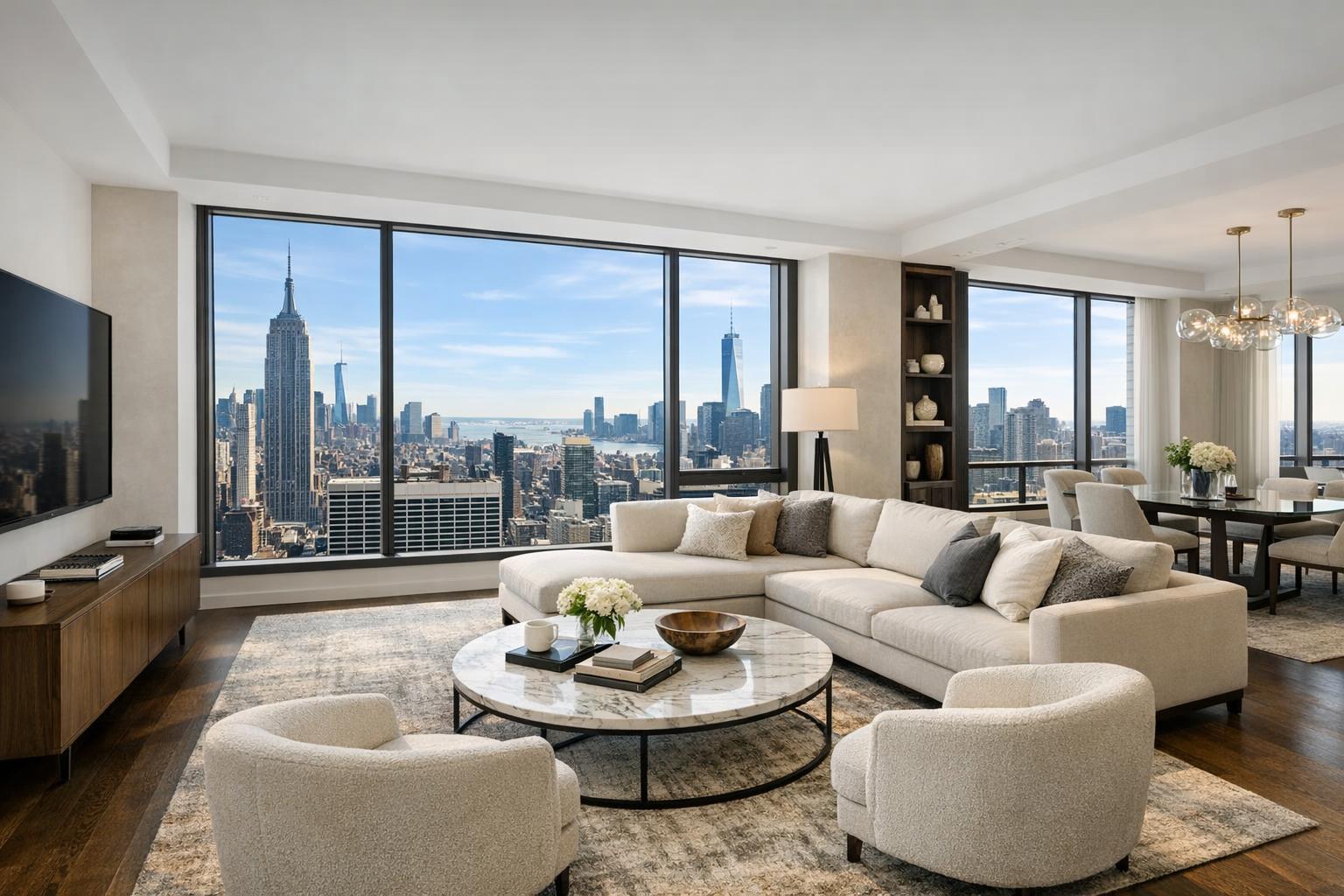
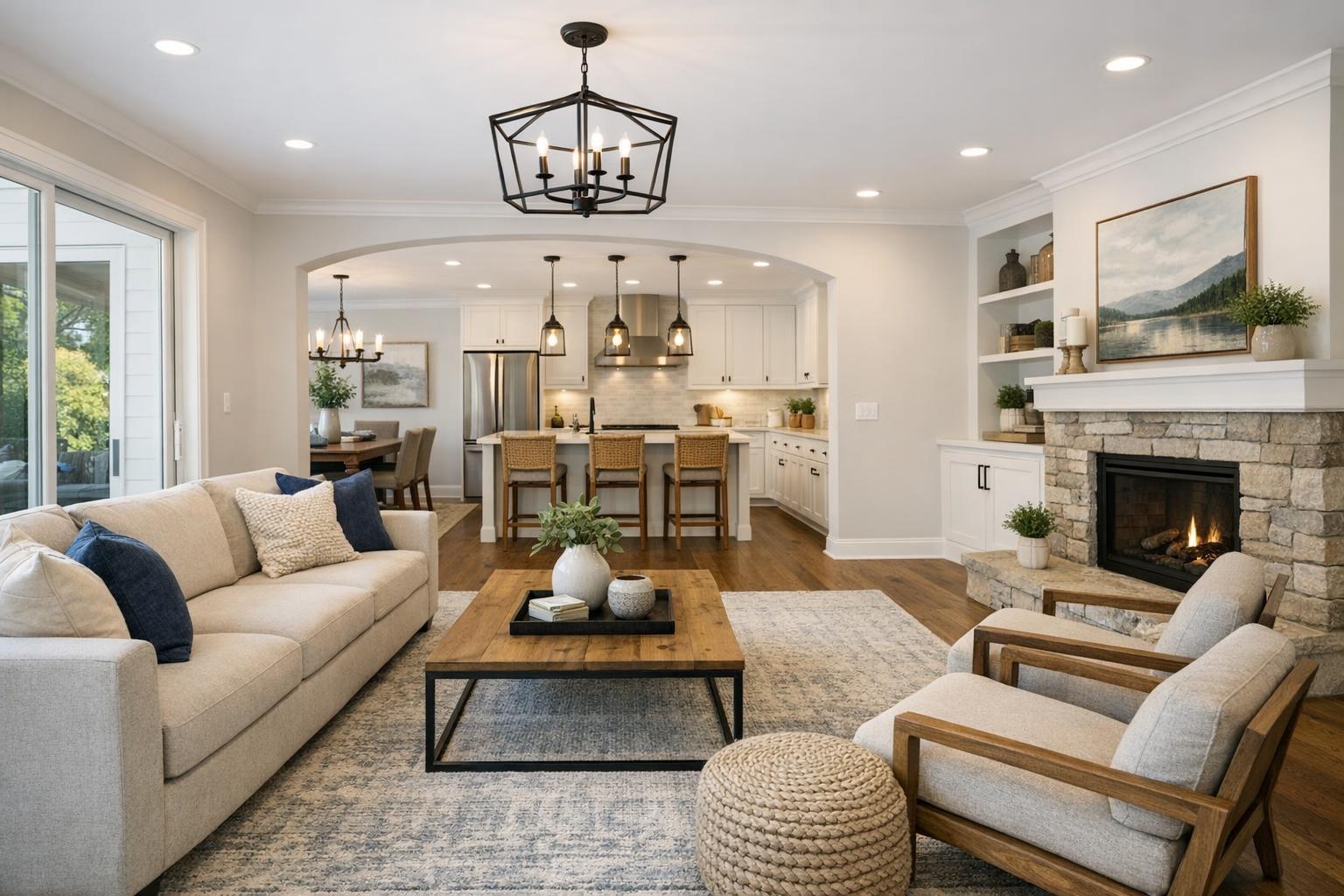
A beautifully designed open-concept living area features a cozy stone fireplace, modern kitchen with pendant lighting, and a comfortable seating arrangement, all highlighted by natural light from large windows.

How to Choose Real Estate Photography for Your Next Listing
Real estate photography is the first touchpoint most buyers or renters have with a property. The right images do more than look pretty—they help people understand the home’s layout, details, light, and flow before they ever set foot inside. In a competitive market like New York City or New Jersey, thoughtful, professional property photography isn’t a luxury—it's a must-have.
Here’s what agents, brokers, and property owners should actually consider when selecting real estate photography services for a new listing.
More Than a Snapshot: What Listing Photos Should Do
A strong portfolio shot might catch the eye, but great listing photography guides viewers through the home. Before booking, think about what your ideal photos need to show:
- How rooms connect and flow together
- The type and quality of natural light
- Kitchen, bathroom, bedroom, and storage details
- Special architectural elements or outdoor highlights
- What the exterior, street, and views add to the story
For smaller NYC apartments, clear imagery that makes the most of the available space—without distortion—is essential. In larger homes, coverage should be broad enough to explain the layout, but avoid repeating similar views. Photos should feel like a walkthrough, not a jumble of random corners.
Honesty and Clarity First: Avoiding the Common Pitfalls
Listing images should look crisp and attractive, but accuracy matters just as much. If a potential buyer walks into a space and wonders if they’re in the right place, the photos have failed. Here are key things to expect from truly professional real estate photography:
- Balanced Interiors and Windows: Window shots are tricky in apartments and brownstones—especially with NYC’s constantly changing light. Great photographers balance light so interiors and viewlines both look natural, instead of sacrificing one for the other.
- Straight Architectural Lines: No one wants to see a listing where the walls and cabinets lean at odd angles. Care with camera placement and perspective makes a room feel ordered and authentic. Wide angles help smaller spaces, but exaggeration can mislead buyers.
- Editing That Respects Reality: Editing should be used to clean up images, not turn a listing into a digital fantasy. Floor textures, finishes, and colors should look realistic. Providers should be clear about what edits—like retouching or clutter removal—are possible and when additional fees apply. AI virtual staging is an option for empty rooms that need context, but not a fix for cluttered, furnished spaces.
Portfolio Review: What to Look For
It’s easy to be dazzled by a dramatic “hero” shot—usually the best-lit, most photogenic room. The real value of a photographer’s work comes through in these scenarios:
- Full coverage of all major areas: living, bedroom, kitchen, bathroom
- Challenging or compact spaces shown without distortion
- Handling of bright windows and dark finishes
- Consistency across different listing types—from furnished co-ops to new developments to single-family homes
- Judicious selection of rooms and angles, not just volume
Ask yourself: Would this gallery help someone truly understand the property? Does the editing style fit your brand and market, or does it feel heavy-handed?
Occupied Homes: Preparing for the Shoot
Prepping a lived-in home is often the difference between average and standout photos. While every space doesn’t have to look staged, minimizing distractions goes a long way. Encourage sellers or tenants to:
- Clear countertops and surfaces
- Remove personal and pet items where feasible
- Make beds, straighten pillows, and turn off TVs/fans
- Tidy the main living areas, kitchen, and any room likely to appear online
For spaces that need a little extra help (for example, a room that’s empty or in transition), AI virtual staging from RealtaSnap is available for unfurnished rooms. For occupied rooms, clutter should be removed beforehand, or a clutter-removal add-on must be selected if digital clearing is desired.
Consider Building Logistics in NYC and Beyond
Properties in New York City—and many parts of New Jersey—come with quirks that can make photo day a bit more challenging. Think tight walk-ups, doorman schedules, co-ops with rules, multi-level brownstones, or single-family homes with sprawling exteriors.
Plan ahead by sharing with your photographer:
- Building and entry instructions, elevator or walk-up details
- Photography restrictions in common areas
- Occupancy status at the time of the shoot
- Features or improvements that deserve special focus
- Any time-sensitive access to terraces, roof decks, amenities, or exteriors
The more details you provide, the smoother the session will go.
Service and Communication: Practical Questions to Ask
A beautiful set of portfolio images means little if the actual experience is stressful. Since listings often run on tight timelines and require coordination with multiple parties, clarity at every step helps avoid hiccups.
When comparing providers, find out:
- How many images are included for the price
- What preparation is recommended
- How to handle special access needs
- How add-ons (floor plans, drone, etc.) are ordered and confirmed
- Turnaround times and weather policies for exteriors
- If booking, options, and availability are visible online
RealtaSnap, for example, lets you select from 10, 20, 30, 40, or 50 professional images per shoot. Standard photo sessions can be reserved in just a few clicks at the RealtaSnap online booking page, which shows real-time availability and lets agents handle payment at checkout. Turnaround and special requests are always discussed before an appointment is confirmed.
When Does Supporting Media Make Sense?
Photography is the foundation of most listings, but in some cases, additional media is warranted:
- Floor Plans: If the listing’s layout is complex, like a duplex, townhome, or unique conversion, a floor plan adds essential clarity. RealtaSnap’s floor plans are captured on site—they can’t be made from PDFs or past plans.
- Video: Video can smoothly demonstrate flow, scale, and atmosphere. It’s especially useful for multi-level properties, open layouts, or when exterior context matters. RealtaSnap only produces listing videos from on-site shoots, not slideshows stitched from photos.
- 3D Tours: For listings that attract out-of-town buyers, investors, or relocation clients, a virtual walk-through makes remote viewing much easier. Physical access is required to produce 3D tours.
- Drone: Drone imagery is ideal for homes where exterior features—water, land, rooflines, or neighborhood views—are a draw. In urban settings, airspace, weather, and access play a role, and every drone shoot is evaluated case by case.
Comparing Providers: What Really Matters
If you’re shopping on price alone, you might find yourself faced with surprises later. A lower quote may skip over important details—like how many photos are included, how edits are handled, or whether the experience will be smooth under pressure.
The best choice goes beyond a simple checklist:
- Does the provider understand your listing type, market, and unique needs?
- Can they handle floor plans, video, or drone as part of one visit if needed?
- Are expectations around editing, booking, and timelines straightforward?
RealtaSnap specializes in listing-focused real estate photography and related media for NYC, New Jersey, and select Westchester listings. Their approach is clean, honest, and designed for agents who value both clarity and a consistent service experience. Explore more about RealtaSnap’s real estate photography services.
Making Photos a Core Part of Your Listing Strategy
Property photos are the first thing most buyers see, and clear visual storytelling helps set listings apart—no tricks, just professionalism. When you choose a provider, focus on those who are invested in clarity, honest presentation, strong portfolio work, and a seamless process.
For NYC and New Jersey listings especially, take the time to share your priorities and context. Then, choose coverage that elevates the listing without overselling. To book a session or learn more, visit www.RealtaSnap.com.
FAQ
Question: How should I decide the number of professional photos to order for a listing?
Answer: It depends on the property’s size, layout, and features. Smaller apartments may need just enough images to clearly show layout, while larger or more complex homes might benefit from more coverage. Avoid overloading the gallery with similar shots—aim for clarity over quantity.
Question: When do floor plans or 3D tours make sense for a listing?
Answer: Floor plans are especially valuable when the property’s layout is a key selling point or challenging to communicate with photos alone. A 3D tour is helpful for listings likely to attract remote buyers or renters who want a virtual walk-through before visiting. Both services require physical, on-site capture.
Question: What’s the best way to prepare a lived-in home for professional photography?
Answer: Make the home as easy to photograph as possible. Clear visible clutter, put away personal and pet items, tidy surfaces and beds, and let your photographer know if there are special details—like unique moldings or recent upgrades—to highlight. For AI virtual staging, rooms must be empty or clutter-free; otherwise, request a clutter removal add-on.
For professional property photography and related listing media in NYC or New Jersey, RealtaSnap makes the process simple—from online booking to finished images. See available services or schedule your next shoot at www.RealtaSnap.com.