How to Choose a North Jersey Real Estate Photographer for Your Next Listing
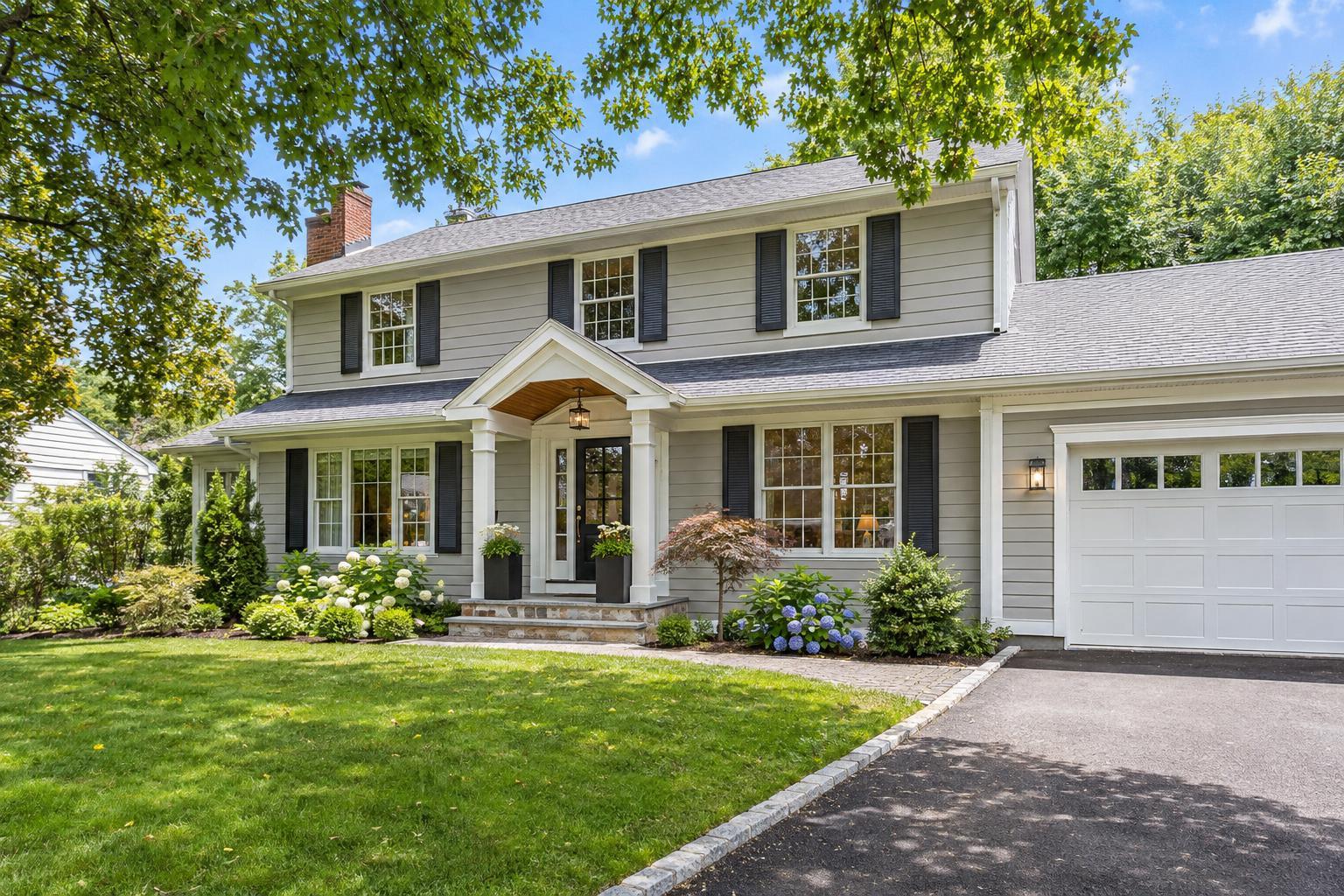
A North Jersey real estate photographer captures a charming two-story house featuring gray siding, black shutters, and a well-maintained front garden under a sunny sky.

How to Choose a North Jersey Real Estate Photographer for Your Next Listing
A north jersey real estate photographer plays a bigger role than simply snapping a few wide-angle shots of every room. The right pro makes sure your listings are represented accurately and attractively, giving potential buyers, tenants, or commercial clients a better sense of the property before they ever schedule a visit.
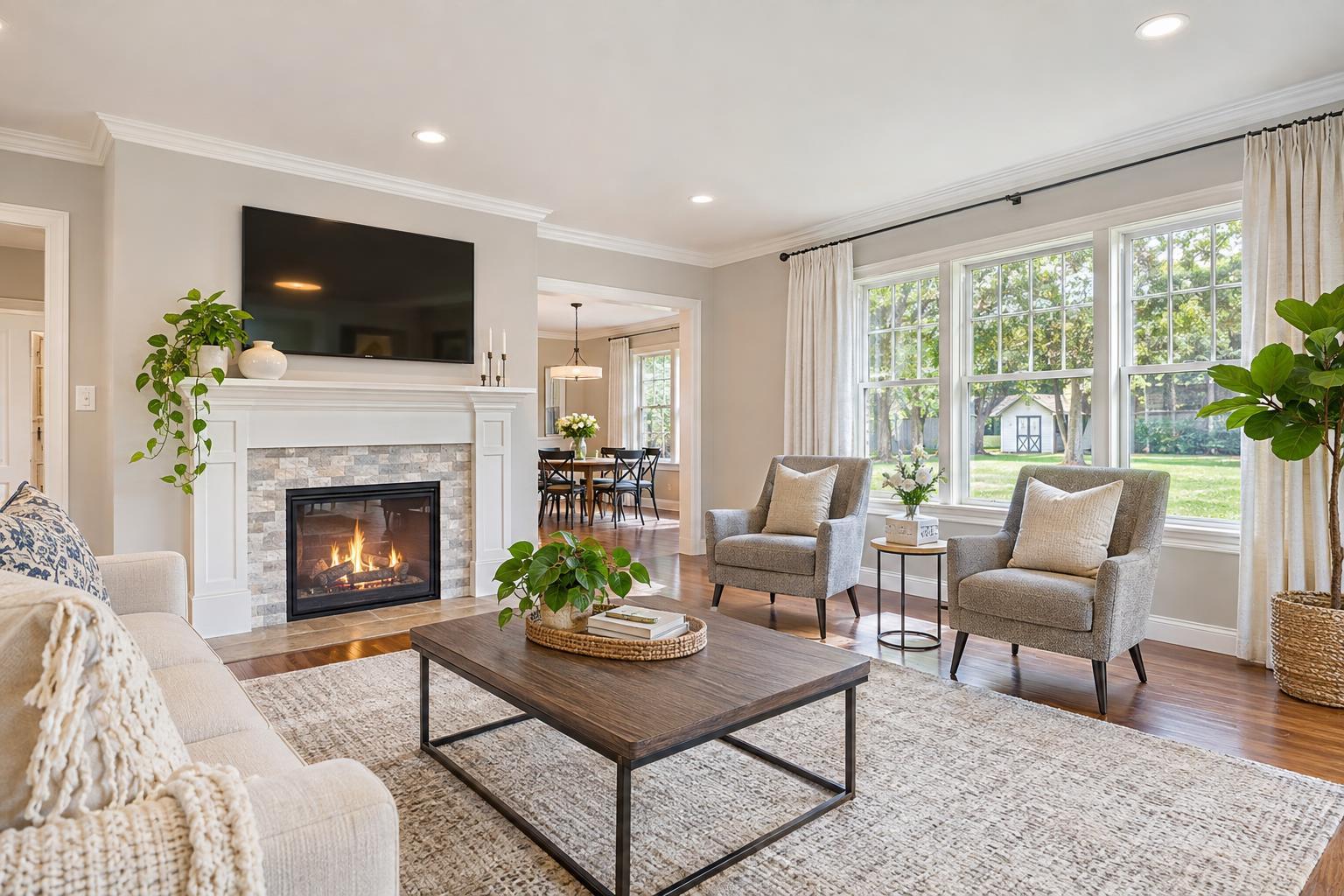
If you regularly work with listings in North Jersey—whether you’re an agent, broker, property manager, or owner—there’s a good chance you’ve noticed how one-size-fits-all photography simply doesn’t do the region’s inventory justice. Condos in Hudson County? They often need thoughtful coverage that manages both compact layouts and striking skyline views. Suburban homes, meanwhile, usually call for photography that highlights natural light and the relationship between indoor and outdoor spaces. Townhomes and commercial properties each bring their own set of visual priorities.
A sharp-looking portfolio is only the start. Below are the key things to consider when comparing real estate photographers in New Jersey, with advice grounded in the reality of the North Jersey market.
Go Beyond the Portfolio: Look for Consistency
Most photographers can curate a few gorgeous shots for their website. What really matters is how they capture a full listing from start to finish. When reviewing a possible partner:
- Always ask for complete galleries of properties similar to yours.
- Look for even exposure—as you click from room to room, the lighting and color balance shouldn’t jump around.
- Check whether windows show the real exterior view, instead of blinding white rectangles.
- See if verticals (walls, door frames, cabinets) stay straight, not leaning or distorted.
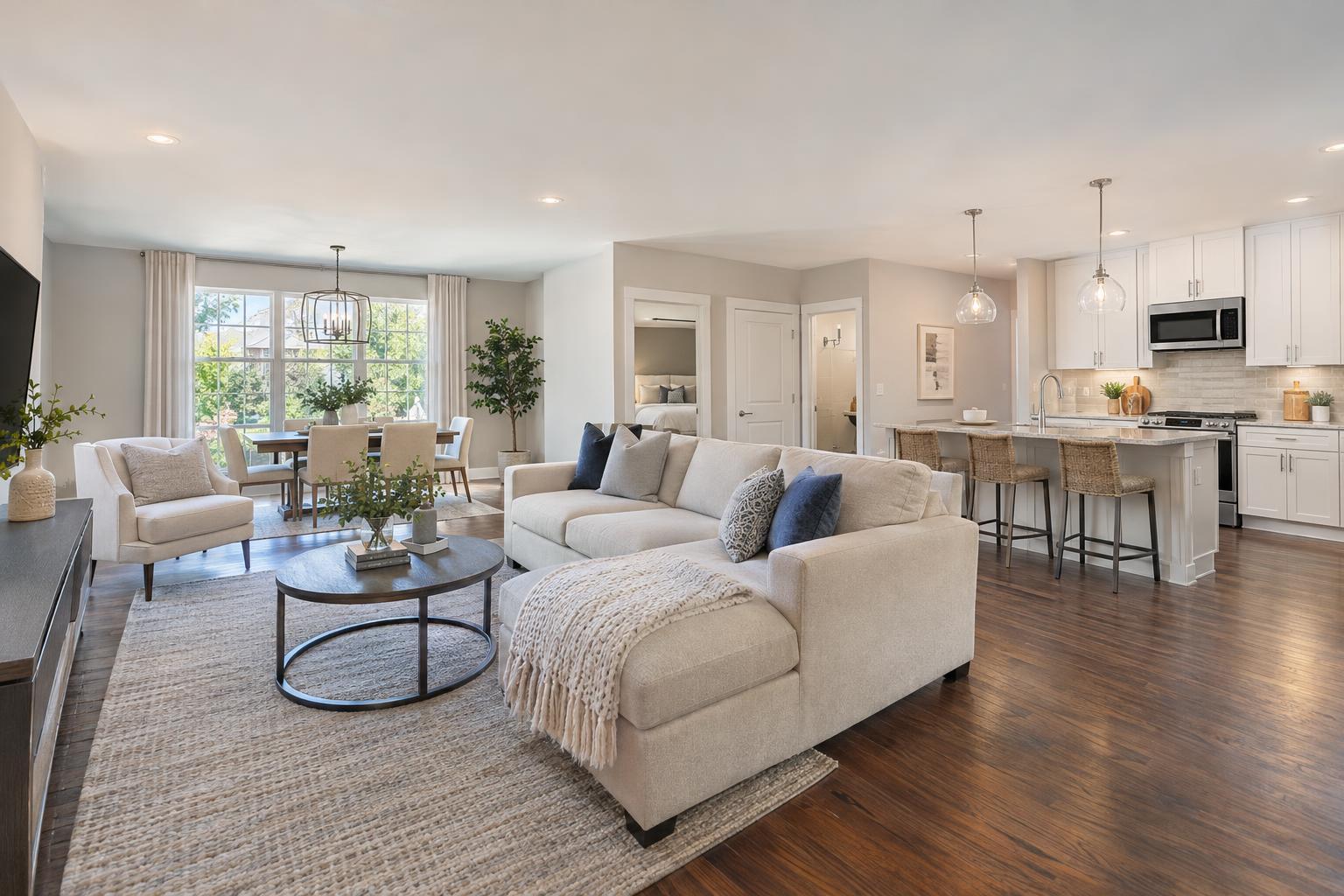
- Check how the photographer shows room size and layout. Do the images make sense of the way spaces connect?
- Pay attention to exterior photos—do they match the quality and tone of the interior work?
- Watch for overly cluttered shots or awkward crops.
Some of the easiest places to spot problems are bright rooms with big windows and compact spaces that could easily look cramped or, just as bad, stretched beyond recognition. Well-done professional HDR techniques can help balance sunlight and interior lighting, but editing needs to be thoughtful—images should look bright and inviting, not artificial or heavily saturated.
How Photographers Handle Space and Perspective
Good real estate photography is just as much about conveying space as it is about capturing light. North Jersey properties run the full spectrum, from historic brownstones to glassy new-builds, and they need a careful eye for how rooms “read” on screen.
Wide-angle lenses help, particularly in condos and apartments, but if used carelessly, they can bend walls, stretch furniture, and mislead about room size. The best local photographers use these tools with restraint, correcting verticals in editing so the final set feels believable and comfortable.
Why Straight Lines and Room Proportions Matter
Few details give away slapdash photography faster than crooked lines or unbelievable proportions. This gets especially crucial for:
- Condos with prominent window lines
- Multi-level townhomes and staircases
- Kitchens with strong cabinetry or tiling patterns
- Commercial interiors with glass or custom millwork
- Homes with vaulted ceilings or strong architectural details
For buyers and renters, photos should answer simple but critical questions: Can I fit a dining table here? Is the primary bedroom separated from the living area? Does the outdoor space feel private? For smaller condos, clever camera angles can show flow without exaggeration. In larger homes, it’s about making sense of how living, storage, and gathering spaces interconnect.
Editing Style Should Match Both Property and Brand
Editing is where a shoot turns into a ready-to-market gallery. Some photographers prefer a high-impact, stylized look, but that’s not always the right fit. Skies, grass, countertops, and lighting should look polished but not so retouched that the space no longer resembles reality.
A solid editing approach will:
- Keep colors true to paint, flooring, and finishes
- Maintain consistent brightness across images
- Ensure windows, mirrors, and glossy surfaces are clean but real
- Keep lines straight yet natural, not robotic
- Provide an inviting look, not a surreal one
It’s smart to ask providers about what’s included in “standard” editing, and which retouch requests may involve a fee—especially for lived-in properties where personal items or small clutter might remain.
Match Photographer Strengths to Your Property Type
Photography coverage should fit the property, not start from a checklist. Here’s how North Jersey’s big four property types usually break down:
Condos and Co-ops (Think Hudson County, Hoboken, Jersey City)
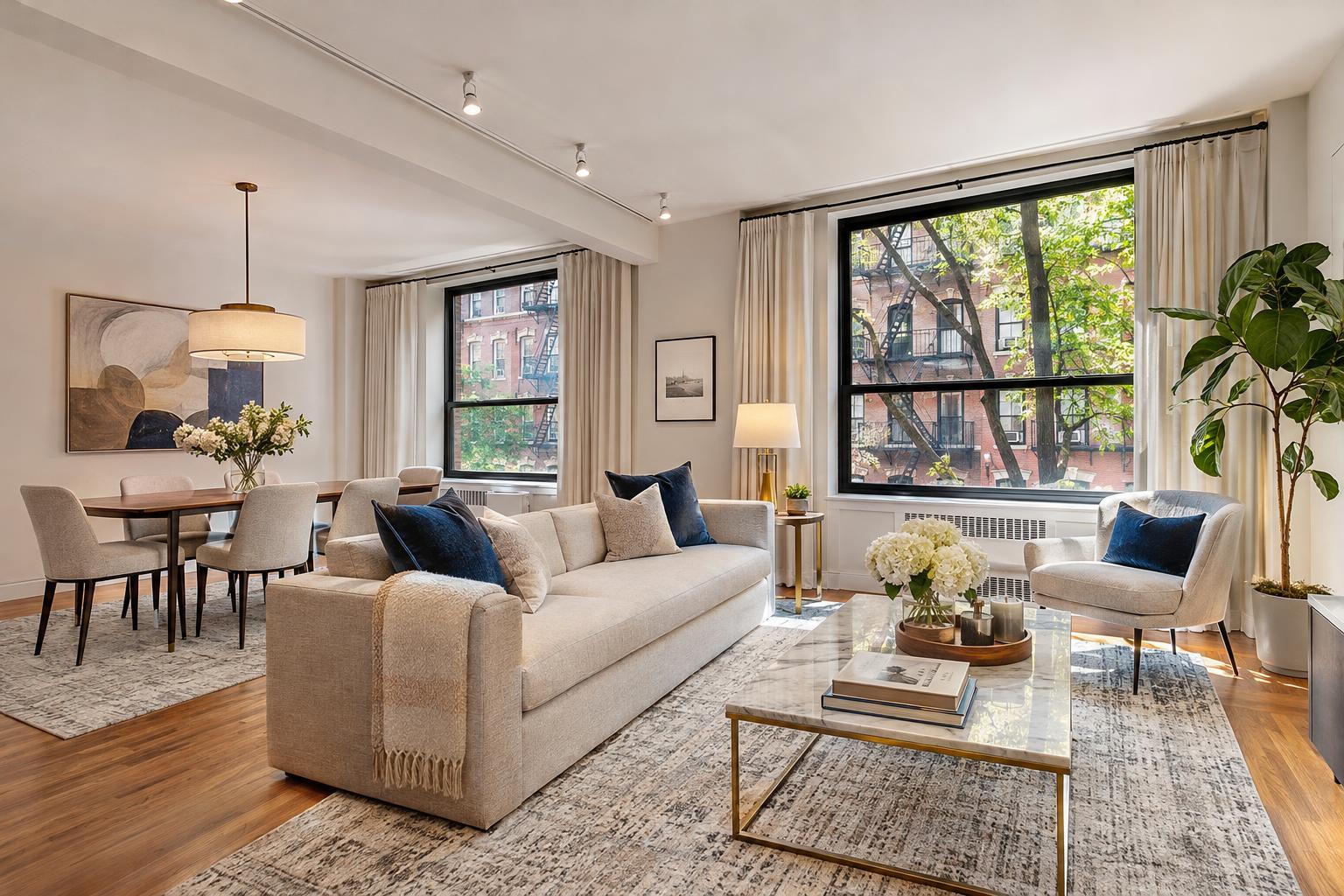
Interior features do most of the talking. Pay attention to natural light, kitchen details, views, closet/storage, and common amenities. Don’t forget to ask about building regulations, elevator times, concierge requirements, and rules around shooting in shared spaces.
Suburban Single-Family Homes
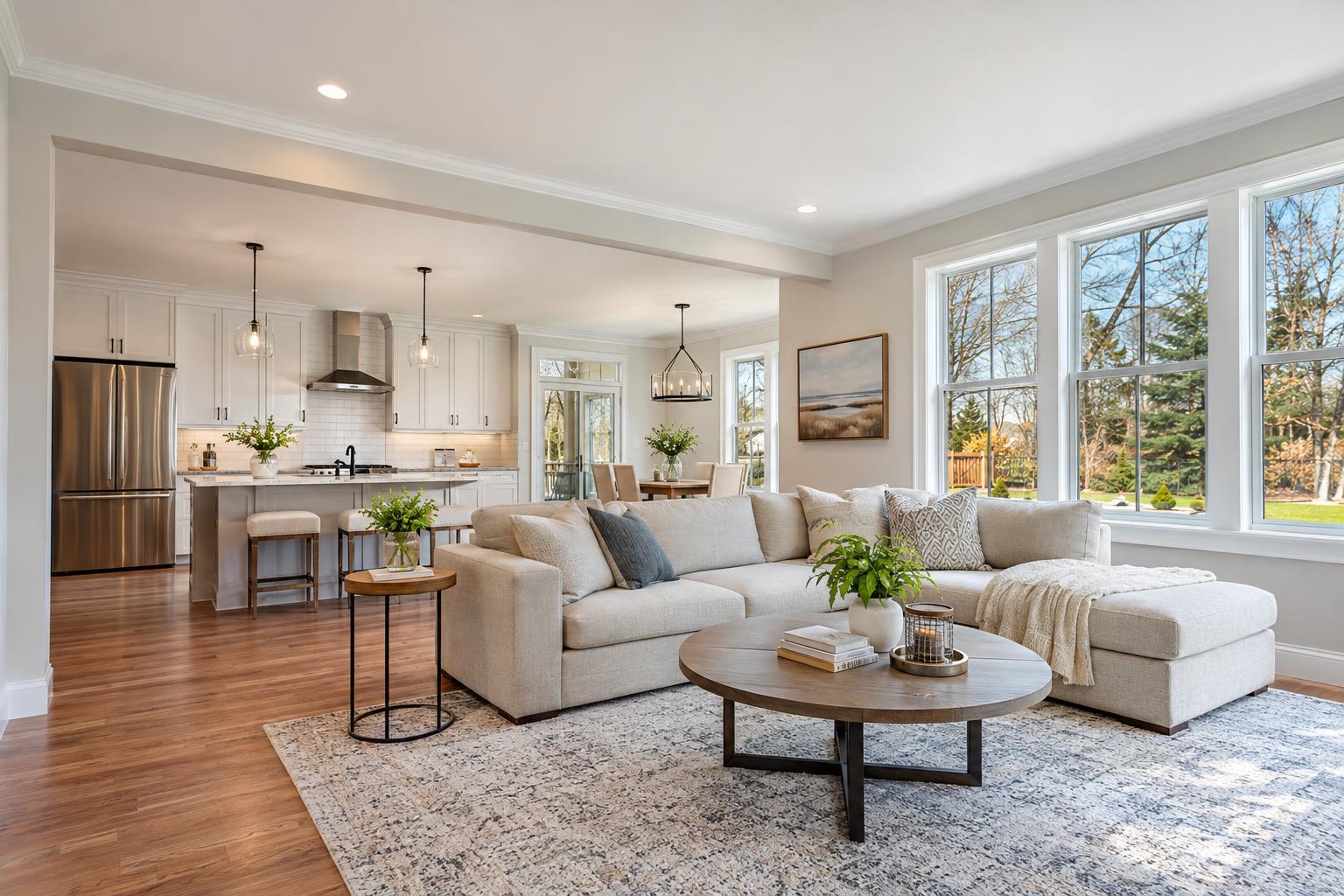
Here it’s about telling the home’s real story—outside and in. Curb appeal, entry, family spaces, main bedrooms, basements, decks, and yards may all be relevant. Don’t try to photograph every single corner; prioritize images that help buyers genuinely understand the home and layout.
Townhomes and Multi-Level Properties
Photos should guide viewers up and down, floor by floor—helping make sense of staircases, landings, patios, and garages. Each image should belong to a logical sequence, not feel like a disconnected page in a flipbook.
Commercial Spaces
Retail, offices, medical suites, restaurants, and mixed-use properties all bring unique needs. Key priorities: show access, layout, finishes, and potential fit for new tenants. Commercial photography isn’t just residential with less furniture—it’s about communicating scale, access points, and layout options.
Communication: The Hidden Key to a Smooth Shoot
An impressive gallery won’t matter much if logistics fall apart on shoot day. Before booking, clarify with your photographer:
- How scheduling is handled (and how far in advance you’ll need to book)
- Who will grant property access (agent, owner, building staff, etc.)
- Special instructions for parking, gates, or elevator access
- How preparation advice is given (tips matter more for occupied homes)
- How to request must-have shots or key areas
- Expected timing for photo delivery and file types
- What happens if you need a revision or extra service
Good communication up front saves everyone time and keeps shoot day stress to a minimum. It helps to have one main point of contact who can make quick prep decisions and coordinate any last-minute details.
For occupied homes, do as much prep as possible ahead of time: clear surfaces, check lighting, manage window treatments, and remove personal items so the session can run smoothly.
For additional preparation tips, RealtaSnap offers a photography prep guide.
Don’t Automatically Add Every Media Option—Choose What’s Useful
While pro photography is the foundation for most listings, there are times when extra media will really boost the presentation:
- Floor plans: Especially helpful for townhomes, large homes, split-level layouts, or commercial units where flow isn’t obvious. Note: A floor plan requires in-person capture, not just an existing PDF or photos.
- Video: Best used when a property’s movement or ambiance sets it apart—think dramatic entries, seamless indoor-outdoor spaces, or amenity-rich buildings. RealtaSnap captures true video on site, rather than stitching together still photos into a slideshow.
- 3D virtual tours: Choose this for large homes, unique layouts, or listings where remote buyers need to study every angle, including unconventional spaces. Again, these must be captured on-site.
- Drone imaging: Great for listings with land, water views, roof terraces, or locations where aerial context is helpful. Drone sessions are case-by-case and depend on airspace, safety, and weather.
- Virtual staging: Best for empty spaces. For occupied homes, existing furniture needs removal, or digital clutter removal should be included before staging is applied.
Consider which, if any, of these assets will genuinely help prospective clients understand the property—not everything needs the full menu.
Compare Deliverables, Not Just Price
Shopping by price alone rarely works. Pay attention to what’s included for each quote:
- Number of final edited images
- Coverage matched to the size and unique features of your property
- Included editing and any retouch options
- Ability to prioritize specific areas or shots
- Consistency in turnaround and file delivery
- Transparent fees for access issues or delays
Clear answers are always better than vague assurances. A photographer who can walk you through their process and explain what’s best for your listing will usually be a safer bet than the one who just promises beautiful pictures.
RealtaSnap: A Local Media Partner for North Jersey Listings
RealtaSnap specializes in market-ready photography and on-site media for North Jersey and the greater New Jersey area. For most listings, booking is simple—just visit www.RealtaSnap.com, enter your address, choose your service options, and select an appointment. Services like floor plans, video, virtual tours, drone, and virtual staging can be added if they suit your listing.
What sets RealtaSnap apart is a practical approach to matching services to the distinct needs of North Jersey listings—capturing the space as it exists, presenting it clearly, and helping clients build a media plan tailored to each property.
FAQ
Question: How many photos do I need for my North Jersey real estate listing?
Answer: It depends on the property’s size and features. A smaller condo or apartment may only need around 20–25 images, while larger homes with multiple levels, outdoor spaces, or specialty rooms could need 30 or more. The goal isn’t to photograph every single corner, but to help prospective clients or buyers understand the property’s flow and highlights.
Question: If my property still has furniture, can I order virtual staging?
Answer: Virtual staging services work best for empty rooms. If there’s furniture in place, you’ll want to either remove it for photos or add digital clutter removal to your order. This helps the virtual staging look clean and realistic, rather than piling digital renderings on top of existing items.
Question: Can I book drone photography for any North Jersey property?
Answer: Drone sessions are subject to airspace, weather, safety, and property access. Once you submit the address, the photographer will confirm whether drone capture is feasible for your listing. Sometimes local restrictions or safety factors will limit this option.
If you want practical, honest advice on professional real estate photography—or you’re ready to book your next listing—head to www.RealtaSnap.com.