How to Choose a Real Estate Photographer in New Jersey
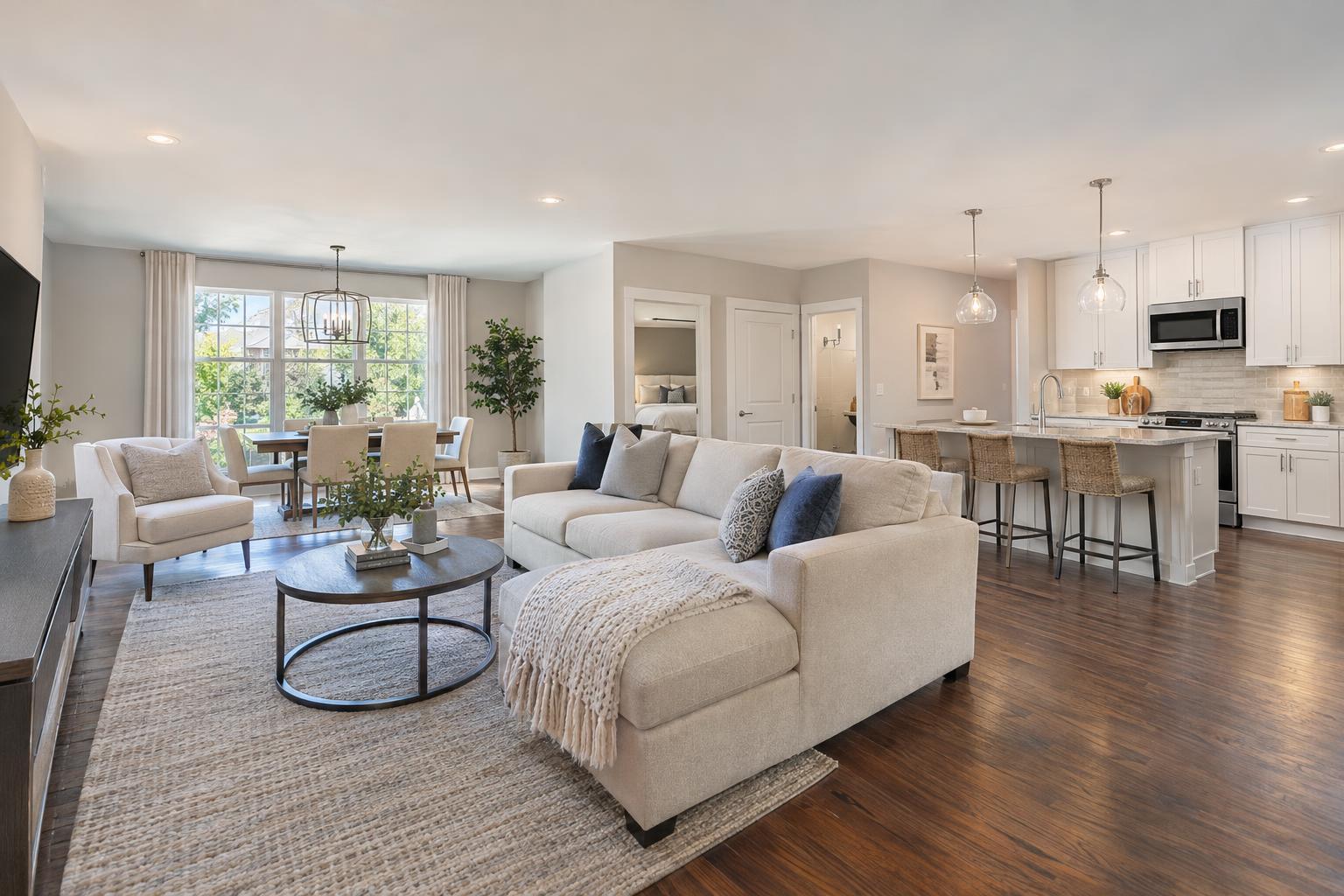
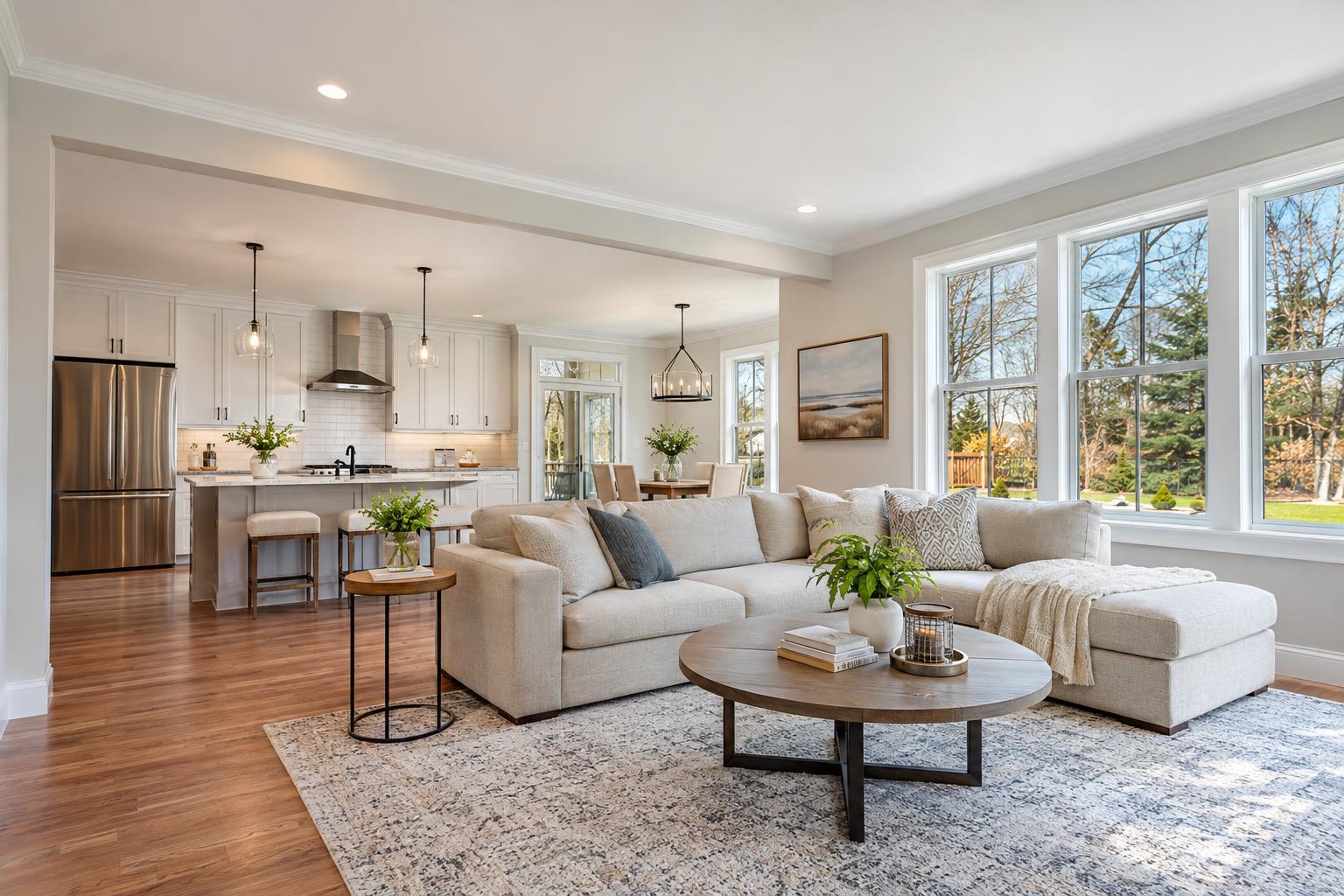
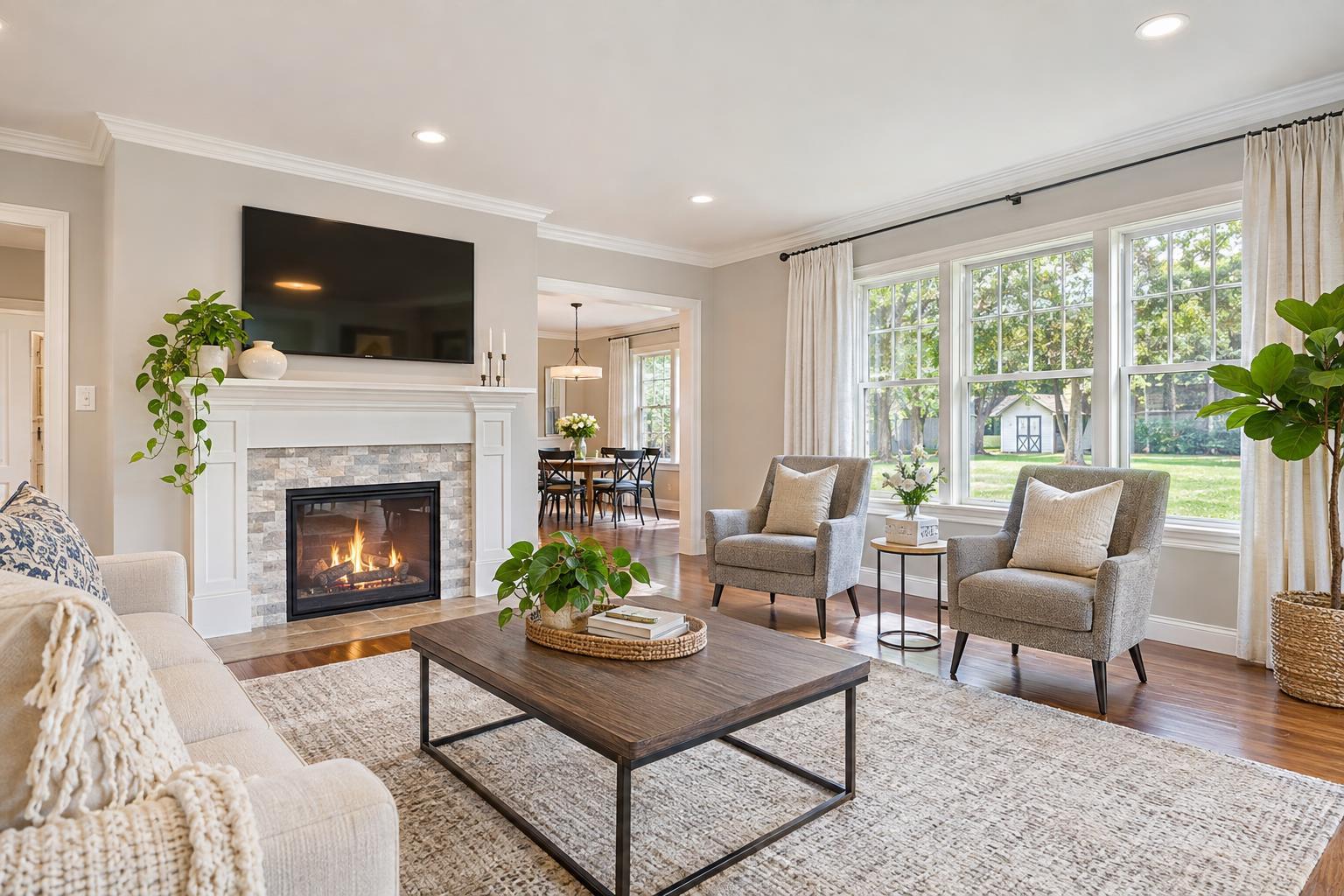
Captured by a real estate photographer in NJ, the inviting living room features a cozy fireplace, elegant decor, and large windows with a view of the backyard.

How to Choose a Real Estate Photographer in New Jersey
Finding a real estate photographer NJ agents, brokers, or sellers can trust is rarely just about the first eye-catching photo you see in a portfolio. If you’re preparing a new listing in New Jersey, the right photographer should not only deliver great images but also help you present the home or property in a way that feels accurate and welcoming—while making the process as straightforward as possible.
From Hoboken studios to suburban homes, and from commercial rentals to sprawling shore properties, knowing what to look for in a New Jersey property photographer can help your listing stand out for the right reasons. Here’s how to approach the decision, what separates a good experience from a mediocre one, and some tips on preparing both yourself and the space before shoot day.
Dig Deeper Than the Portfolio Highlights
It’s easy to be impressed by dramatic exteriors or perfectly staged kitchens, but the real test is consistency. Are the photos well-balanced from room to room? Are lines straight, proportions believable, and editing choices cohesive across the gallery? A true professional provides media that feels trustworthy and helps buyers or tenants understand what they’ll actually experience on site.
As you evaluate photographers, look for these details:
- Balanced exposure, including rooms with bright windows and shadowed corners
- Straight verticals and undistorted frames—walls and cabinets should not lean or bow
- True-to-life color and consistency, especially in multi-room sets
- Credible room sizes (not overly stretched to appear grander than reality)
- A mix showing diverse property types and conditions, not just “best in show” highlights
Don’t be shy about asking to see full galleries or complete listings. Good photographers are proud of their work—not just the headline images.
Composition and Technical Skill: Details That Build Trust
Real estate photography is about more than beautiful interiors. A clean, thoughtfully composed photo helps potential buyers mentally “walk” the space before they step foot inside. For agents or managers, the aim is to show viewers where the room starts, how it connects, and what stands out in the layout.
Why Straight Lines and Proportions Matter
Subtle technical choices make a big difference. Crooked wall lines or funky perspectives can make even the nicest space look distracting or unreliable. Look for images where verticals are truly vertical, as this suggests careful attention both on-site and during editing. This is especially key in properties with tall ceilings, modern cabinetry, or commercial layouts where true scale can impact a purchasing or leasing decision.
Keeping It Believable with Wide Angles
Wide-angle lenses are standard in real estate photography, but when overused or used poorly, they can stretch the truth. The best photographers use them to show more of the space while remaining honest about the property’s actual feel and size. You want viewers pleasantly surprised—not confused or disappointed—when they visit in person.
The Role of Editing: Clean, Consistent, and Subtle
Editing should enhance, not overhaul, what’s already there. Look for photographers whose edited sets appear clean and welcoming yet genuine—without being excessively saturated, sharpened, or manipulated. Ask potential photographers how they handle:
- Exposure blending and window views
- Perspective corrections
- Color and light balance across a series
- Special requests such as object removal or virtual staging
Every listing deserves polish, but the photos should represent the home or space as it actually exists.
Tailoring Your Media to Your Unique Listing
Not all listings call for the same approach. New Jersey offers a wide range of property styles and marketing goals—your photographer should be comfortable adapting their workflow accordingly.
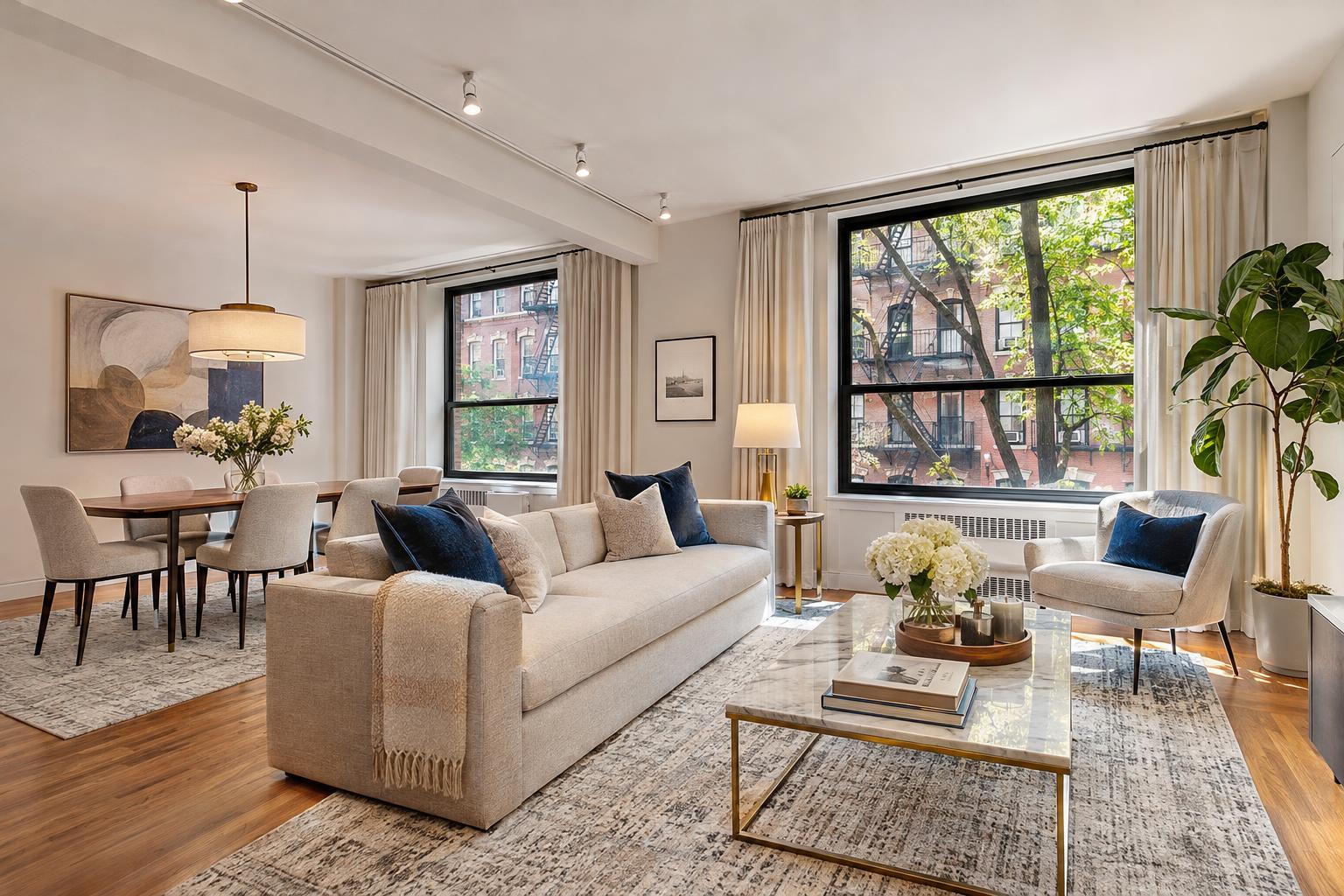
Condos and Apartments (Hoboken, Jersey City, etc.)
Smaller spaces mean careful camera work is crucial. Good photographers focus on maximizing available light, highlighting storage and amenities, and creating a sense of logical flow. Details like building access, elevators, or unique amenity spaces are often just as important to capture as the living areas themselves.
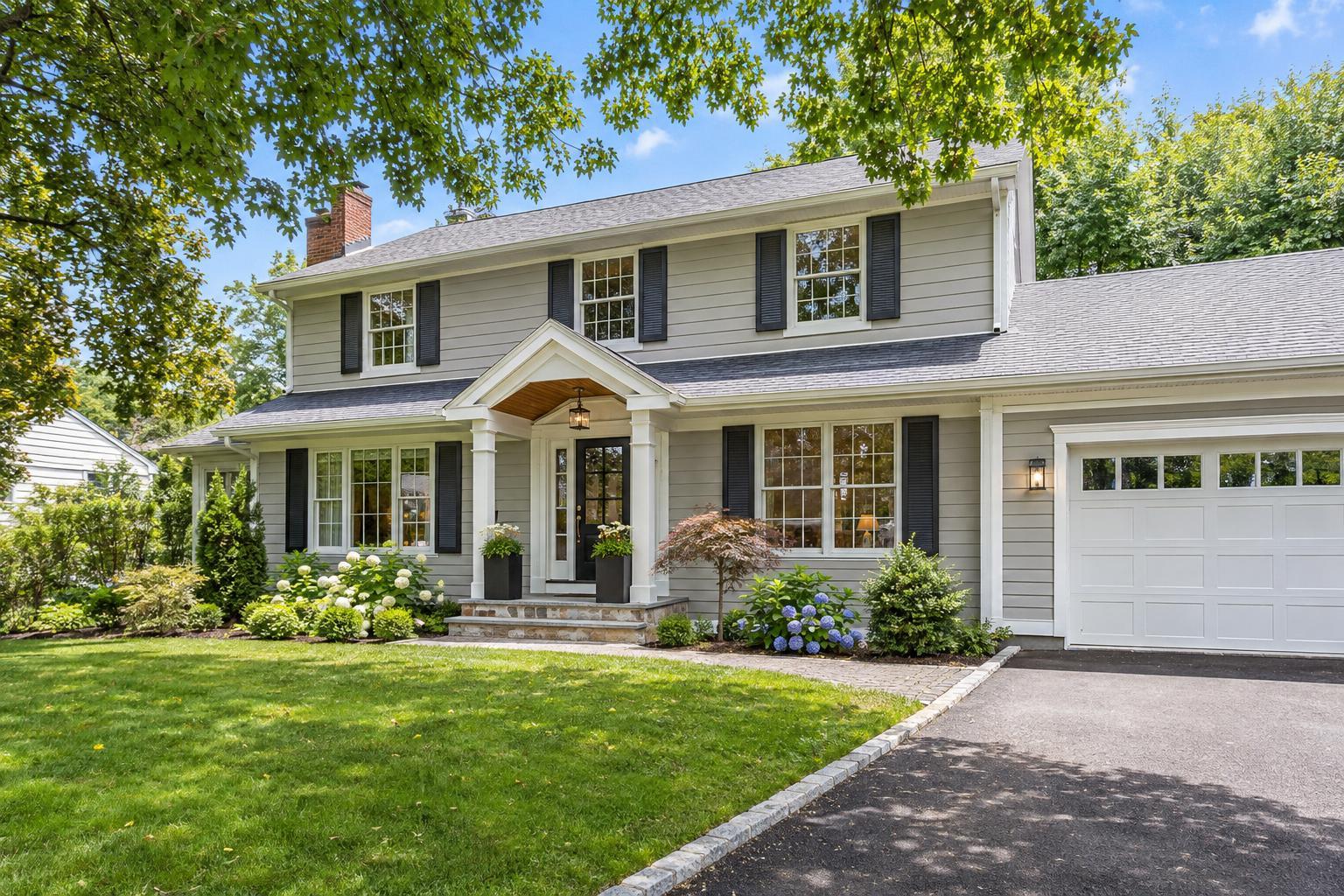
Suburban Homes and Larger Residences
More rooms and outdoor space require thoughtful coverage. It’s rarely enough to take a succession of random “pretty shots”—the flow should tell a story from kitchen to basement, entry to backyard. For larger or multi-level homes, floor plans help viewers make sense of more complex layouts.
Shore, Waterfront, and Outdoor-Focused Properties
For properties at the Jersey Shore or with significant land, the surroundings matter just as much as the interior. Here, timing is often everything, whether you want golden-hour deck shots, coastal sunsets, or drone views (weather and local rules permitting). If aerials are helpful, remember that feasibility depends on airspace and safety.
Commercial or Mixed-Use Spaces
Capturing offices, retail units, or warehouses requires a slightly different approach. Prospective tenants or buyers often care about things like ceiling height, entry points, common areas, and traffic flow. For these listings, discuss with your photographer which features are most important to your target audience.
Beyond Photos: Deciding When to Add More
Photos are the expectation for nearly every listing, but sometimes extra tools help tell the property’s full story. Consider whether the following could clarify things for buyers or tenants:
- Floor plans: Useful for complex, multi-level, or unusual layouts. Site access is required for capture.
- On-site video: Provides a sense of movement and flow (captured live, not as a photo slideshow).
- 3D virtual tours: Offer remote room-by-room navigation (requires on-site scanning).
- Drone imagery: Great for unique settings but subject to FAA rules, weather, and pilot discretion.
- Virtual staging: Works best in empty or fully decluttered spaces. If the room is furnished, items must be removed or professionally edited out first.
For many listings, photography alone will suffice. If buyers are likely to wonder about layout or if out-of-town viewers are a big audience, it might be worth adding a floor plan or 3D tour.
Planning, Scheduling, and Communication
A smooth process matters just as much as image quality. Before you commit to a photographer, clarify:
- How to book and what the expected lead time is
- What info you’ll need to provide (including parking, building instructions, or amenity access)
- Property prep needs (such as decluttering, light bulb replacements, or moving vehicles)
- How and when edited media will be delivered
- Who to contact if you have scheduling or order questions
Good communication before the shoot leaves fewer surprises and helps the photographer focus on the features that matter most.
For those working with RealtaSnap, you can select your services and add any special instructions directly during the online booking process.
Making the Property Shoot-Ready
Photography reflects the physical state of the space. A prepped listing almost always translates to better images. Before your appointment:
- Clear countertops, vanities, and tabletops
- Put away personal items, pet accessories, visible cords, and cleaning gear
- Replace burnt-out bulbs and check that all lights work
- Open curtains or blinds when possible
- Move cars from driveways
- Tidy up yards, patios, and entrances
For occupied spaces, walk through with an eye for small details—those often make the difference between “good enough” and “great.”
Choosing Your Photographer: Beyond the Price
It’s tempting to shop for the lowest price or the biggest gallery, but for most listings, reliability, expertise, and local familiarity win out. The photographer you choose should be able to explain their process, adapt to different space types, and work with your timeline—not leave you with surprises right before hitting “publish.”
If you’re preparing a listing in New Jersey, RealtaSnap delivers listing-focused property media across the state. Explore service details, see examples and packages, and book online.
If you have a property coming up, we’d be happy to help get your listing market-ready. Visit www.RealtaSnap.com to get started.
FAQ
Question: How many listing photos should I book for a typical New Jersey home?
Answer: The ideal number depends on the size and features of the property. Small condos or studios may only need a focused selection, while homes with multiple floors or outdoor areas usually require more images to show the full story. It’s best to cover each important room and feature without unnecessary repeats.
Question: Should I add a floor plan to my order?
Answer: Floor plans are especially useful for properties where layout is a priority: multi-level homes, larger condos, townhouses, commercial spaces, or homes with unusual configurations. Remember, floor plans require physical access—they can’t be made from previous plans or remote information.
Question: Can I use virtual staging if the room is already furnished?
Answer: Virtual staging is designed for empty or fully decluttered spaces. If there is existing furniture, it needs to be removed first (or professionally edited out) to ensure realistic results. This keeps the image looking authentic and avoids awkward overlaps between real and virtual items.