How to Choose a Real Estate Photographer for Your Next Listing
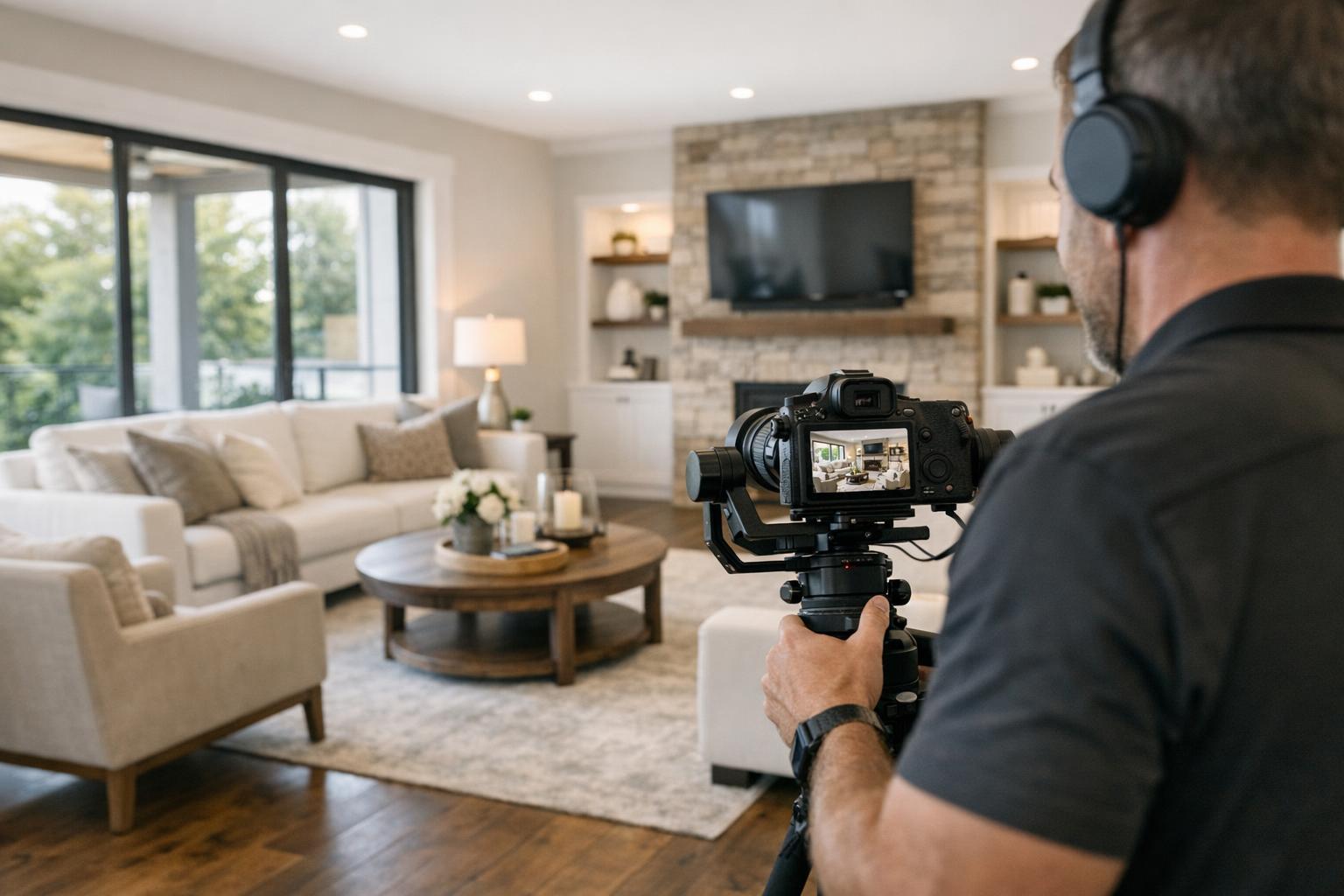
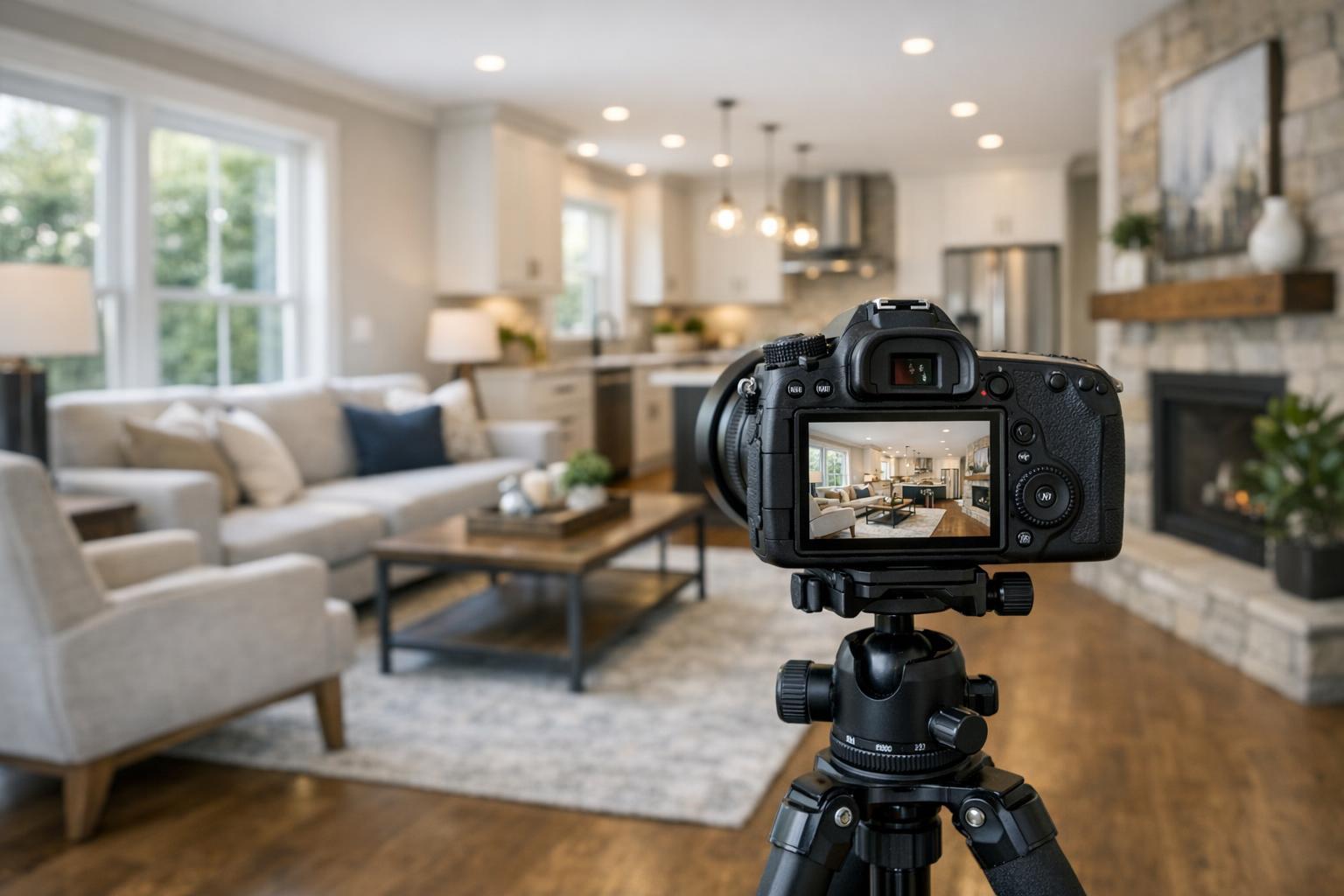
A DSLR camera set up on a tripod captures a beautifully staged living room, showcasing the real estate photographer's focus on interior design and ambiance.

How to Choose a Real Estate Photographer for Your Next Listing
Selecting a real estate photographer in NYC or New Jersey isn’t just about finding someone who can deliver a few eye-catching images. The best property photographers act as real partners, helping agents, brokers, and marketers present every listing both accurately and attractively, with images that genuinely serve the property and your business workflow.
Whether you’re working with a compact Manhattan studio, a stately Brooklyn brownstone, or a sprawling New Jersey home, the details you consider when booking photography can make a huge difference in how buyers or renters perceive your listing before stepping through the door.
Find a Photographer Who Fits the Property
Not every listing benefits from the same style or approach. A multi-family in Jersey City won’t need the same visual coverage as a walkup in the Lower East Side. Before you even start comparing portfolios, jot down the unique features and possible challenges of your upcoming listing—think irregular room shapes, dark interiors, city views, or outdoor amenities like roof decks and pools. Here are some common scenarios:
- Small or oddly shaped rooms need thoughtful angles, not just wide shots.
- Bright windows and strong daylight call for careful exposure to avoid losing detail.
- Multi-level homes and open layouts benefit from images that clarify how spaces flow.
- Outdoor spaces should feel integrated, rather than tacked on as afterthoughts.
- Occupied properties may need extra prep to avoid distractions in the photos.
A real estate photographer who takes the time to understand these nuances will produce a photo set that feels organized and complete instead of just a collection of attractive rooms.
Looking Past the Portfolio’s “Best Of” Images
Many photographers display their most dramatic images in their online galleries, but a single gorgeous kitchen shot isn’t enough. When reviewing a photographer’s work, look for:
- Consistent exposure and natural color: Window detail should be preserved where needed, and the walls should look white—not blue, yellow, or green. Wood, tile, and stone should present true to life.
- Straight architectural lines: Leaning walls or tilted doorframes are distracting, especially in newer condos or character-filled old homes.
- Logical room-to-room progression: The listing should feel like a visual walkthrough, starting with big-picture curb appeal or living spaces and moving through kitchens, bedrooms, and bathrooms.
If possible, request a full gallery from an actual delivered listing, ideally from a property similar to yours. It’s the easiest way to judge consistency and follow how the photographer tells the story of a space.
Experience With Local Property Types
Manhattan apartments, Brooklyn townhouses, and large New Jersey homes each come with their own photographic challenges. Ask potential photographers how they approach listings similar to yours:
- Have they shot comparable property types?
- How do they handle small spaces or challenging natural light?
- Can you preview a full gallery of a similar home?
- How do they decide which rooms and angles matter most?
- What preparation should be done before the shoot?
Expect specific, property-aware answers—not just generic promises. An experienced property photographer in New York or New Jersey will value clear communication about the address, layout, building access, and your goals for the listing.
Communication and Scheduling: The Unseen Essentials
Smooth communication impacts your ability to launch a listing on time. A reliable photographer will clarify scheduling, building access, and turnaround in advance. Especially in NYC, where elevators, concierges, and strict windows for building access are common, clear details are essential.
Simple but important questions to ask:
- How far in advance should you book?
- What building access or parking information is needed?
- What if a room is still occupied or not ready?
- How will photos be delivered, and can you request changes?
- What’s the file delivery process and organization?
With RealtaSnap, standard shoots can be booked online with at least 24 hours’ notice. Just enter your address and any entry details, select needed services or add-ons, pick a time from the live calendar, add notes, and pay at checkout. If a timeslot appears, it’s available. Payment happens upfront, and the process is straightforward for both new and returning clients. Learn more about how it works on the RealtaSnap website.
Editing: What’s Standard and What’s Not
Editing is standard in professional real estate photography, but the scope matters. Basic editing should improve image clarity, color, and exposure without misrepresenting the property. Confirm what’s included in the editing process. Removing trash cans or small objects might be standard; digitally changing floors, paint colors, or building features typically isn’t.
If you’re considering virtual staging, keep in mind that it works best in completely empty rooms. Placing virtual furniture over existing pieces usually doesn’t look convincing, and properties with clutter or personal items might need decluttering service before staging.
Similarly, floor plans must be created from on-site capture, not from old PDFs or speculative layouts. Drone work, when needed for exteriors or property context, must comply with FAA rules, building management, weather, safety, and pilot discretion. Not every property is eligible for aerial media.
Choosing Complementary Media Thoughtfully
Photos are the foundation, but sometimes other assets help show a property at its best.
- Floor plans: Especially helpful for multi-level, unusual, or open layouts.
- Video tours: Highlight movement through the space and the flow between indoor/outdoor areas. RealtaSnap captures all listing videos on-site—no slideshows from still images.
- 3D virtual tours: For remote buyers or unique layouts, an interactive Matterport or similar 3D tour lets viewers explore at their own pace. On-site capture is required.
- Drone photos or video: Ideal for large lots, waterfronts, or properties where the setting matters at scale. In dense neighborhoods or buildings with rooftop rules, feasibility varies, so always check first.
Don’t feel pressure to add every bell and whistle. The extras should serve the listing’s needs, not a one-size-fits-all checklist.
Considering Value, Not Just Price
It’s tempting to compare options based solely on cost, but a low upfront price can become costly if essential images are missed, turnaround lags, or communication is spotty. What really makes a service valuable is transparency about what’s included, how coverage is customized to your property, and whether the ordering, scheduling, and delivery process fits your workflow.
With RealtaSnap, you’ll find clear explanations for each package, with optional add-ons shown before you pay. Pricing is designed to be fair and reflective of professional standards in the NYC and New Jersey markets.
Making the Booking Decision
When you’re ready to move forward, send a clear, concise brief: include the property address, any quirks about building access, rooms to prioritize, known challenges, and desired services (such as floor plans or drone). Details like “needs exterior day and twilight shots,” “emphasize garden access,” or “finish basement and pool are must-haves” let the photographer plan coverage that is right for your property.
If you’re looking for experienced real estate photography services in New York City or New Jersey, you can check available times, select your coverage, and schedule seamlessly at www.RealtaSnap.com.
FAQ
Question: How many images should I order for a property?
Answer: That depends on the size and layout of the listing. Smaller apartments often need concise, carefully chosen sets, while larger homes might benefit from more images to show every floor, entry, outdoor area, and special feature. Aim for enough coverage to make the space understandable but avoid repetitive angles.
Question: What should I do to get my property ready before the shoot?
Answer: Have the space as close to “listing ready” as possible. Turn on the lights, clear away personal items and clutter, open blinds to highlight daylight, and make sure each room you want photographed is accessible. If the home is occupied, a quick walkthrough before the photographer arrives helps spot anything distracting.
Question: Are drone photos available at any address?
Answer: Not always. In NYC and some New Jersey neighborhoods, drone service depends on airspace rules, weather, safety, building policies, and pilot discretion. If you want drone coverage, discuss your property’s address in advance so the provider can confirm feasibility.
If you have an upcoming listing in NYC or New Jersey and want clear, practical media support, we’d be happy to help. Visit www.RealtaSnap.com to review your options and book your next shoot.