How to Choose Real Estate Media Services for Your Next Listing
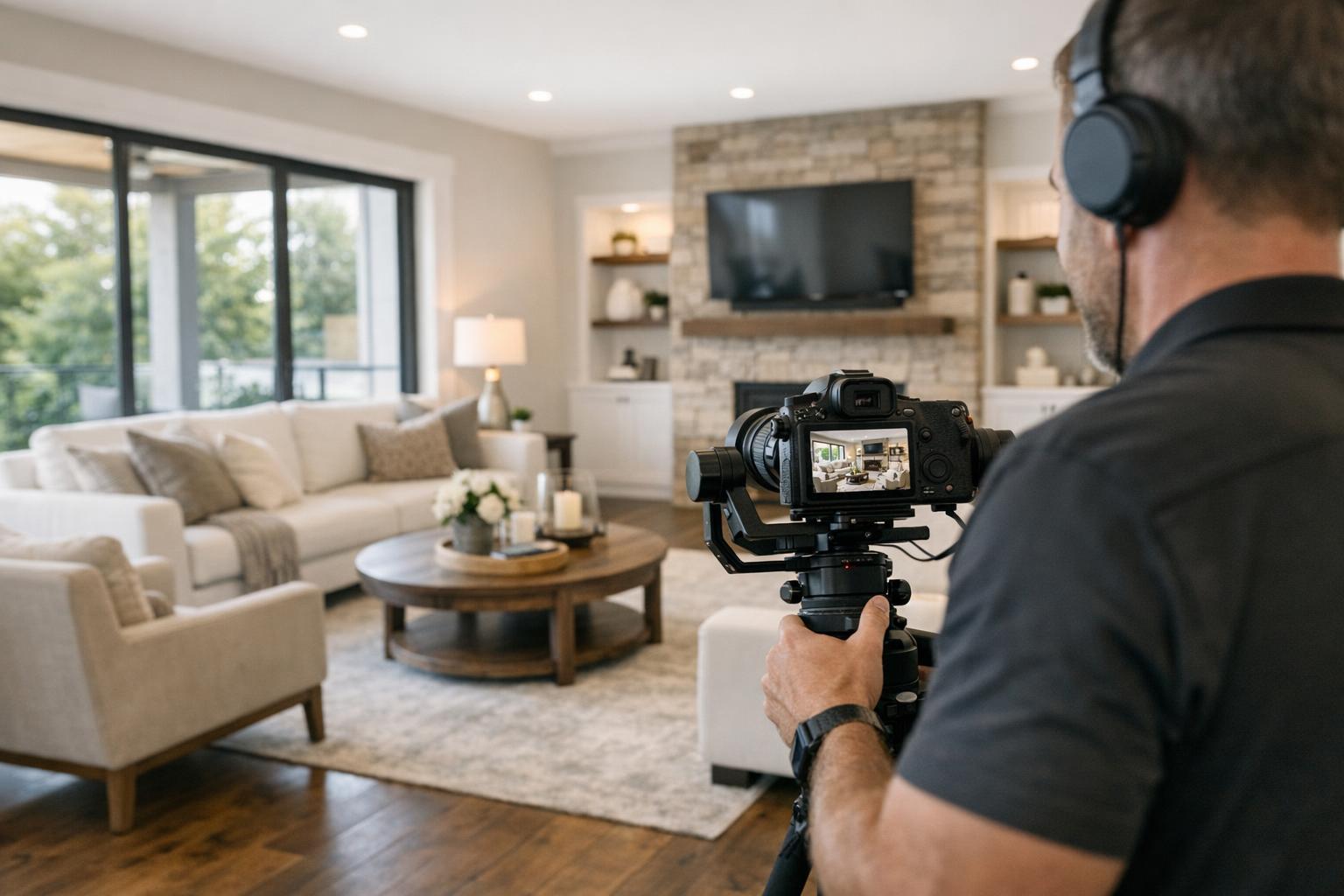
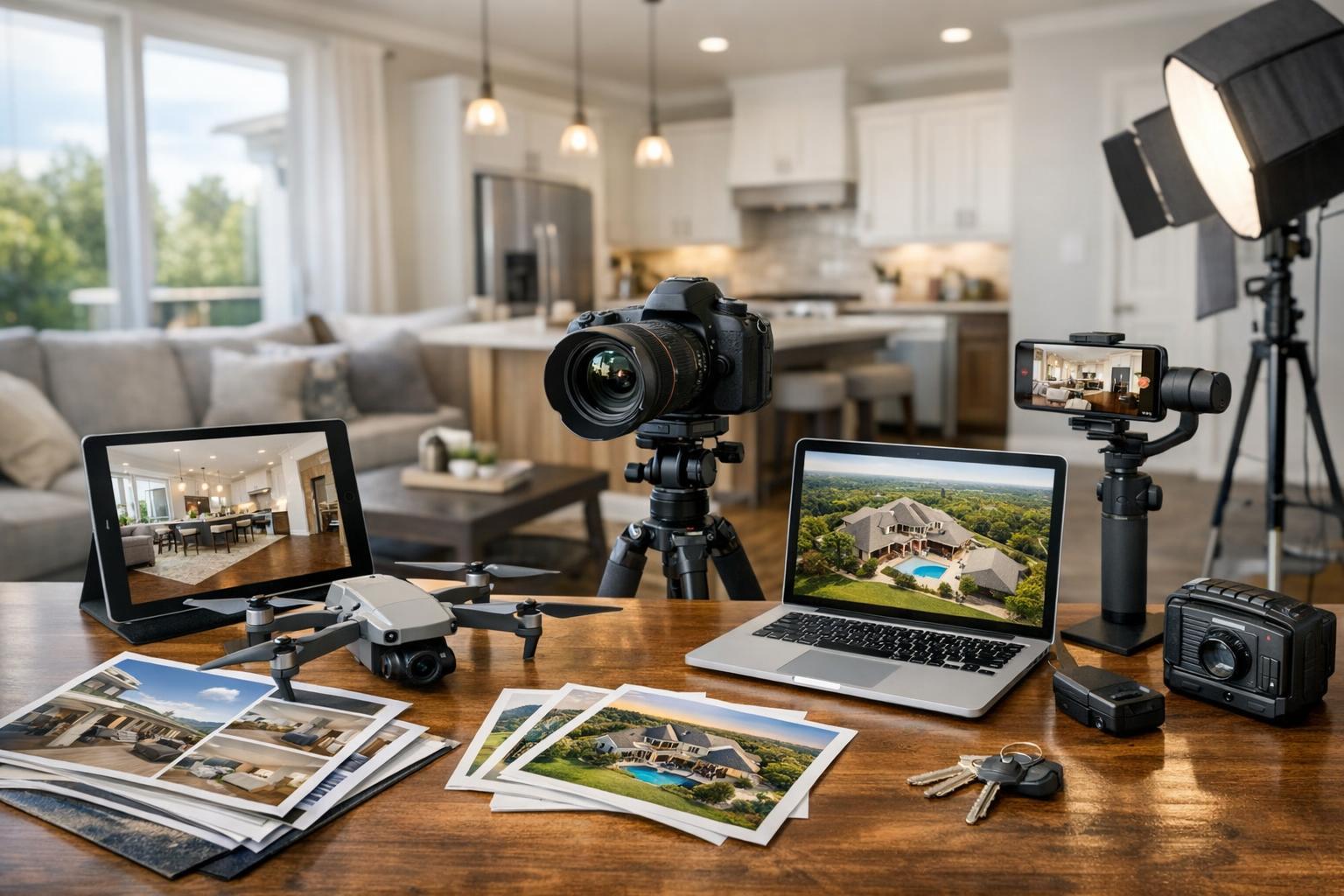
A perfect showcase of real estate media tools, including cameras, a drone, and a laptop displaying property photos, is arranged on a table in a modern living room setting.

How to Choose Real Estate Media Services for Your Next Listing
Real estate media shapes how people experience a property before they ever step inside. Choosing the right blend of media for a listing isn’t about picking every available service—it’s about focusing on what actually makes the property clear and appealing online. For agents, brokers, developers, or property managers in NYC and New Jersey, the best results come from tailoring your media choices to the unique features, layout, location, and target audience of each property.
Whether you’re listing a compact apartment in Manhattan, a classic Brooklyn brownstone, or a spacious New Jersey home, your approach should be as thoughtful as the property itself. Here’s a practical guide to making strategic decisions when selecting real estate media services.
Pinpoint What Makes Your Property Interesting—or Hard to Understand
Every property has stories to tell, and every listing has questions to answer. Consider what might be confusing for viewers online—or, just as important, which features deserve to be highlighted. A clear plan from the start can keep you from overspending on unnecessary assets or missing out on visual storytelling opportunities.
Useful things to clarify before booking:
- How many rooms, floors, or distinct spaces are there?
- Are there details like high ceilings, renovations, original woodwork, or big windows?
- What’s outside—rooftops, balconies, landscaped yards, or special views?
- Is the space empty, furnished, or in transition?
- Are there building access rules, reserved elevators, or special scheduling needs?
- Who is your audience: local buyers, renters, remote investors, or commercial tenants?
- Will media be used only for listing sites, or also for social, email, or print marketing?
This thought process helps you match your media investment to the property’s needs, avoiding unnecessary coverage while ensuring key questions are answered.
Photography: The Core Asset for Most Listings
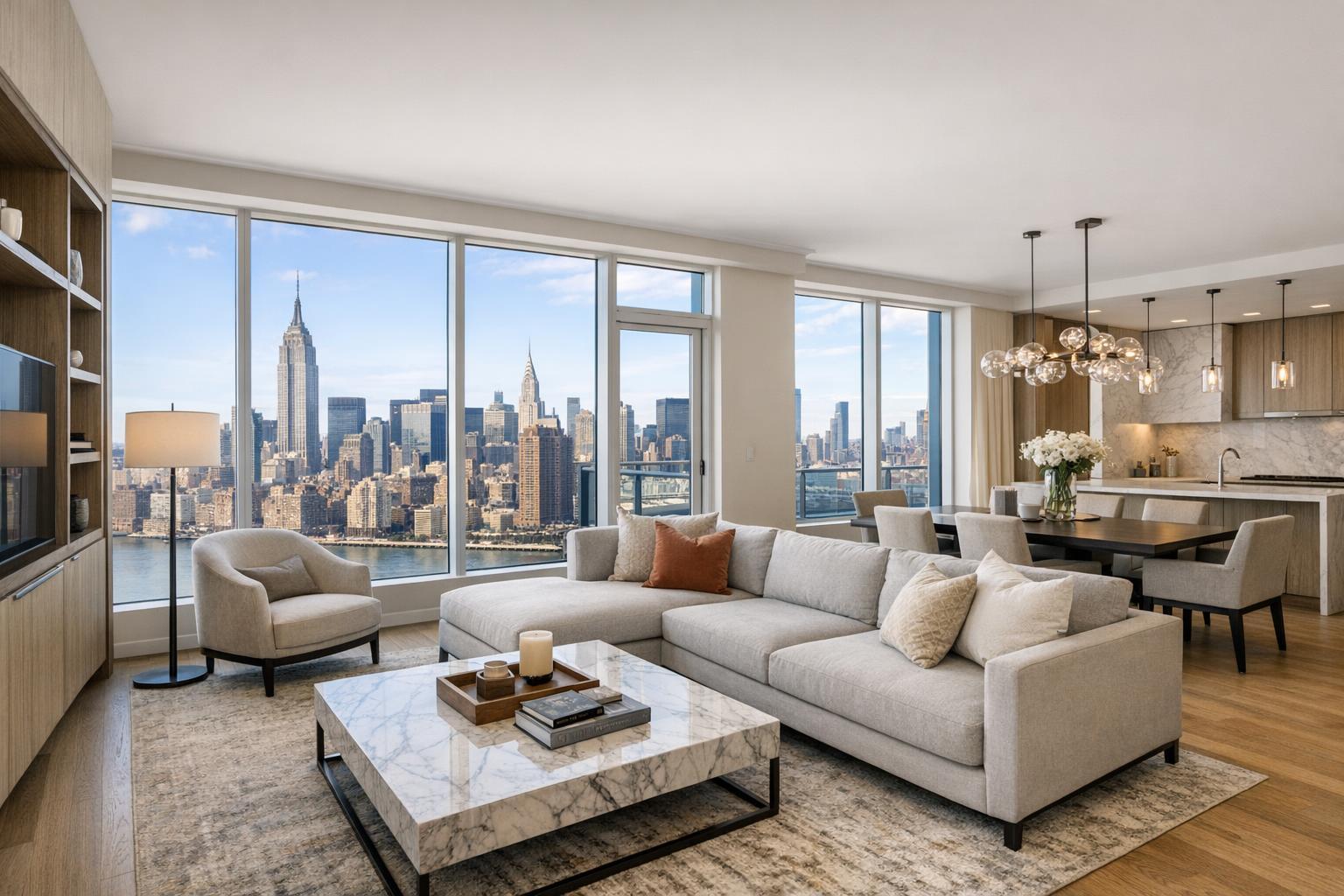
Professional photography is the backbone of almost every property marketing plan. Well-composed images set expectations for layout, light, finishes, and how the home lives. For city apartments, the right shots make smaller spaces look inviting and well-organized without exaggerating scale. In larger homes, photography can introduce everything from grand living areas and finished basements to lush backyards and pool decks.
Not every room deserves the same attention. Focus on:
- The main entry, exterior, and facade
- Living spaces, kitchens, and primary bedrooms
- Notable secondary rooms or flexible spaces
- Outdoor terraces, balconies, or gardens
- Unique selling points like skyline views or building amenities
Local context matters: A renovated pre-war apartment might call for closeups of original details, while a large New Jersey property likely needs wide shots capturing both indoor and outdoor living. With RealtaSnap, you can select exactly the coverage that fits each property, rather than defaulting to a one-size-fits-all approach.
When to Add Video: Showing Flow, Movement, and Atmosphere
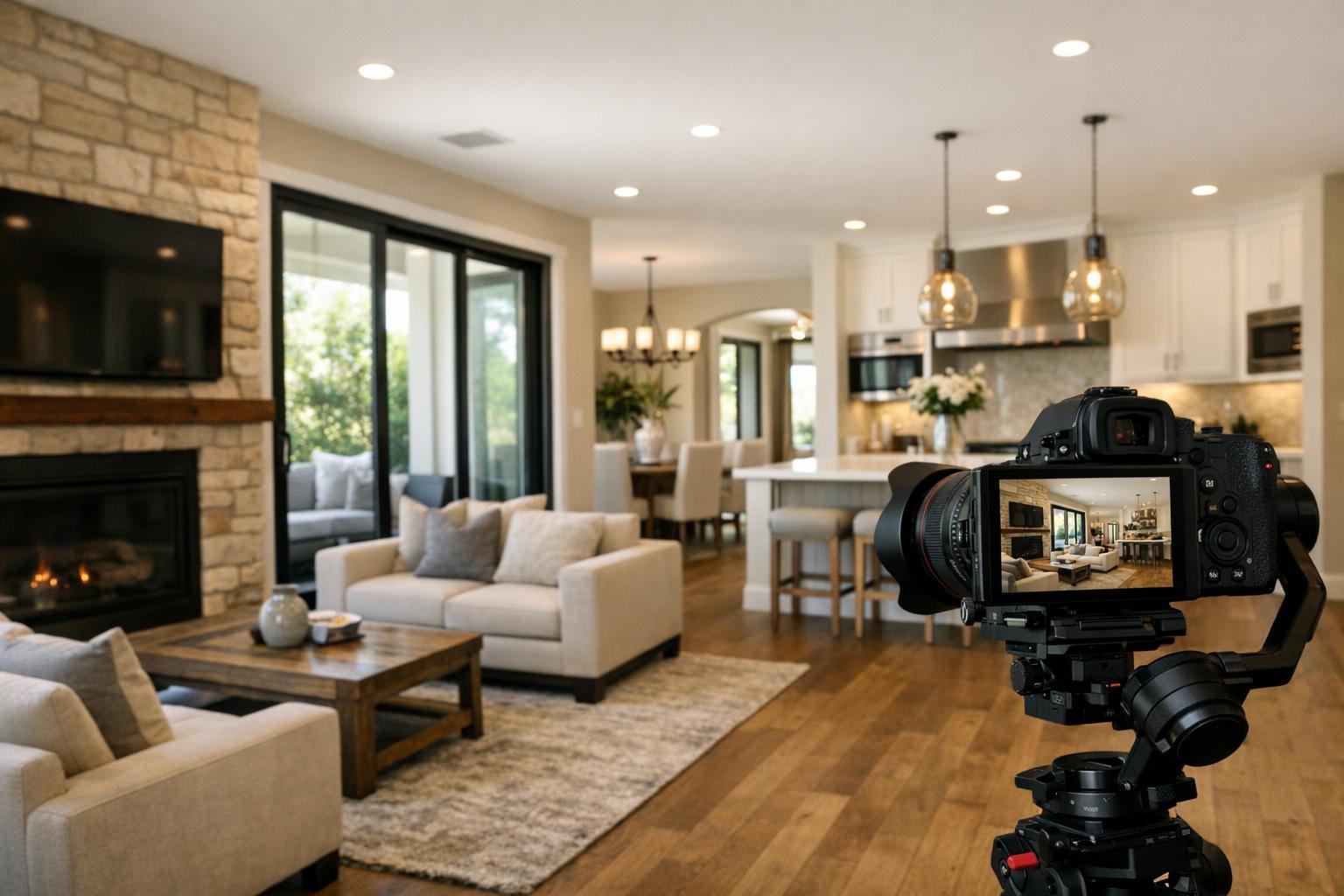
Video goes beyond what static photos provide—it’s ideal for properties where the viewer benefits from seeing how spaces connect, the feel of moving from one room to the next, or the atmosphere that photos can’t quite convey.
Consider video for:
- Homes with multi-level layouts or open interiors
- Properties with dramatic sightlines, staircases, or long views
- Listings where room-to-room progression shapes the experience
- Outdoor living spaces and strong indoor-outdoor connections
- Features best appreciated “in motion,” such as unique architecture or natural light transitions
A Brooklyn brownstone is a classic use case. Photographs capture the beauty of each room, but video provides a sense of the flow—how you move from the front door through living spaces and out to the garden.
It’s worth noting: Not every listing needs video. For a straightforward rental or a simple, compact condo, focused photography, a floor plan, or a virtual tour may answer the most urgent questions. Video is most valuable when it expands the story.
RealtaSnap creates listing videos onsite—never as slideshows of still photos—which means the property should be staged at the same level as for a photo shoot. This helps keep your messaging consistent and professional.
Floor Plans: Making Layout and Scale Obvious
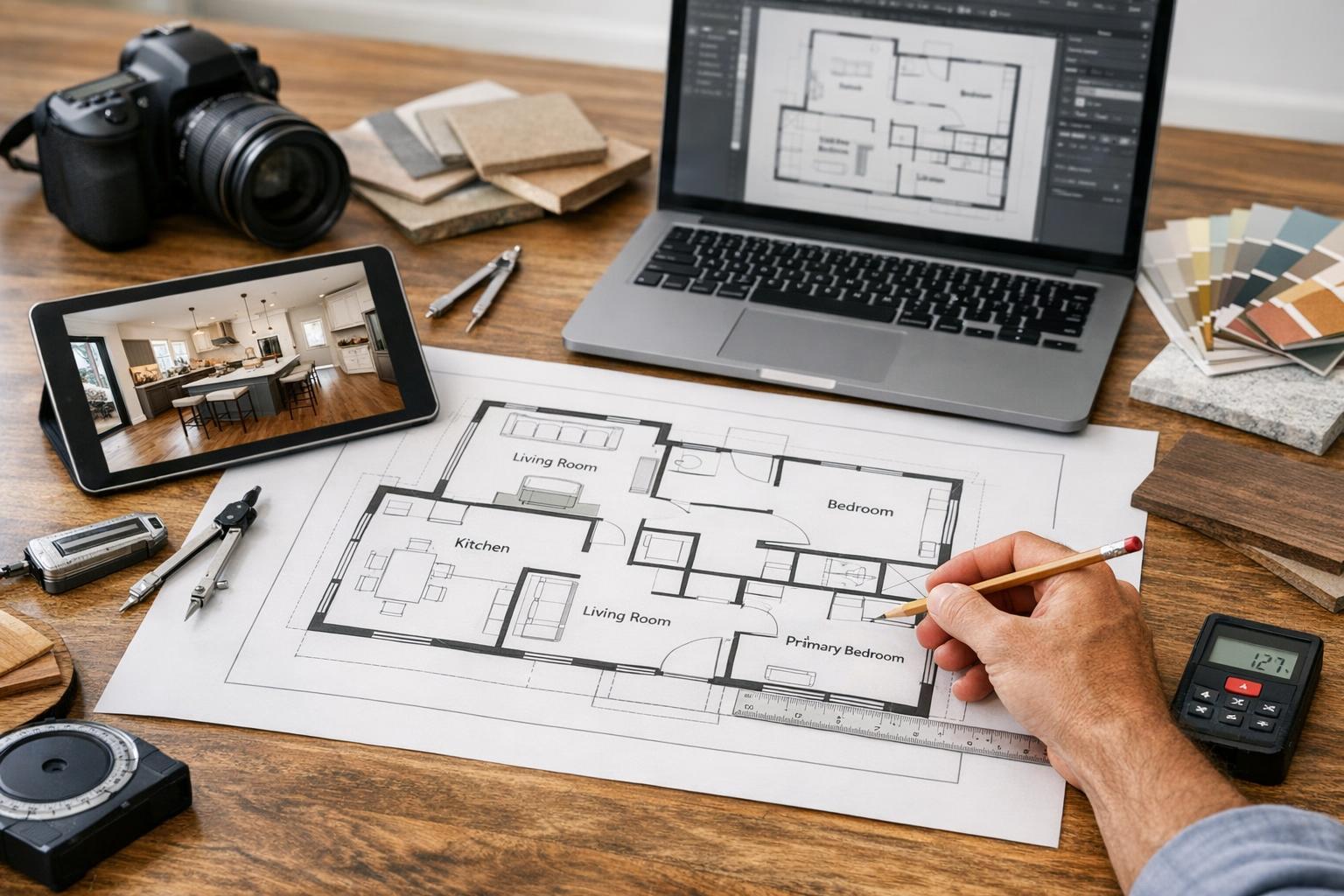
Floor plans are practical tools for listings where room locations, flow, or square footage matter. They answer common questions like “Where is the second bedroom?” or “Could a home office fit in that spot?” and are especially helpful for:
- Multi-level homes, brownstones, and duplexes
- Long or unusual apartment layouts
- Properties with additions or bonus spaces
- Listings where buyers might compare several similar units
Imagine a Jersey City condo with a sunny living room, an eat-in kitchen, and two bedrooms. A floor plan shows how everything connects—the relationship between the entry, terrace, bedrooms, and main living area. It’s especially appreciated by remote buyers and by agents fielding questions about room arrangements.
Floor plans from RealtaSnap are always produced from an onsite capture. They aren’t made from PDFs or old blueprints, which helps keep everything accurate for your viewers.
Virtual Tours: Let Remote Viewers Explore on Their Own Terms
A 3D virtual tour creates an interactive, self-guided walk-through. Unlike a video, there’s no fixed route or pace—the viewer can pause, spin around, and move from room to room as they wish.
This is invaluable when:
- Properties are likely to attract out-of-town buyers or tenants
- A layout is layered, complex, or sprawling
- Model units or new developments need to be differentiated
- Commercial or large residential spaces have unique circulation or room relationships
Matterport tours, for example, let buyers “walk” a property virtually before deciding to schedule a visit. This can lead to more qualified showings—and fewer in-person requests from people who realize, after exploring online, that the space isn’t quite right for them.
As with floor plans, these tours require a physical scan. They can’t be created from photos or virtual plans.
Drone Photos and Aerial Video: Only When the View Adds Real Value
Aerial media isn’t necessary for every listing, but it can make a difference when the surroundings are a core part of the property’s appeal. Drone shots are ideal for:
- Waterfront homes or properties with substantial land
- Showcasing large yards, pools, landscaped gardens, or unique outdoor spaces
- Communicating proximity to parks, marinas, or skyline features
- Highlighting lot position (such as corner lots or significant setbacks)
In New Jersey, drone media can highlight the full scope of a backyard or demonstrate how a property relates to the landscape. For New York City listings, drone feasibility depends on airspace, safety, local regulations, and even roof access. All flights are reviewed and scheduled case by case based on these factors.
Remember: Some listings, like a penthouse with a dramatic terrace view, may be better served by ground-based photography or video rather than forced drone shots just for the sake of variety.
Virtual Staging: Adding Clarity and Possibility to Empty Rooms
Vacant spaces sometimes leave buyers guessing about scale or potential. Virtual staging provides a visual suggestion by adding digital furnishings to empty, decluttered rooms. It’s especially effective for:
- Unfurnished condos, co-ops, or single-family homes
- New construction or recently renovated listings
- Flexible spaces or bonus rooms with unclear purposes
A classic use case is showing how a small bedroom in a Hoboken condo could double as a comfortable home office, or how an empty Brooklyn living area might look when furnished for entertaining.
Important: AI staging is designed for clean, empty rooms. Existing furniture or noticeable clutter should be physically removed—or scheduled as part of a declutter edit—before virtual staging is applied. This helps keep the results realistic and avoids confusion about room size or features.
Matching Media Services to the Property
Every property deserves its own marketing strategy. Here are some local examples:
For a compact Manhattan apartment:
- Professional photography always
- Floor plan if layout is hard to interpret
- 3D tour for remote buyers or renters
- Virtual staging if vacant
For a Brooklyn brownstone or townhome:
- Photo coverage for every unique detail
- Video to show transitions and room flow
- Floor plan for clarity
- Optional 3D tour for deeper engagement
- Drone only if the exterior or surroundings warrant it
For a Jersey City condo:
- Interior and view photography
- Floor plan for context
- Video or 3D tour depending on marketing goals
- Staging for empty spaces
For a larger New Jersey home:
- Comprehensive photos (interior and exterior)
- Video walkthrough of key areas
- Floor plan to show organization and flow
- 3D virtual tour for thorough online exploration
- Aerial media to establish lot, landscaping, or water access
- Staging for vacant rooms
The best results come from answering the viewer’s questions online, not overwhelming the listing with every available format. Think about what would help your intended audience get a real sense of the property—and let that guide your booking.
Booking and Logistics: Make it Simple
Building or community rules can affect scheduling and the types of media that are feasible. In the city, you might need to coordinate with doormen, reserve elevators, or plan for access to shared amenities. In the suburbs, it’s more about weather, landscaping, and driveway lengths.
Collaborate with your media provider early so there’s time to plan and avoid conflicts. At RealtaSnap, you can book and customize your shoot online for maximum flexibility. Just enter the property address, pick your services, leave notes, and select a time slot.
The right property marketing assets aren’t necessarily the most. They’re the ones that tell the story clearly, honestly, and in a way the intended audience can appreciate.
For guidance specific to your next New York City or New Jersey property, visit RealtaSnap’s website to plan a media approach that fits.
FAQ
Question: Does every property need photography, video, floor plans, virtual tours, and drone media?
Answer: Not at all. Photography is a smart starting point for almost every listing, but extras should be chosen based on what makes the property unique, and how buyers or renters will search. Sometimes, photos and a floor plan are enough; other times, a mix of video, 3D, drone, or staging adds value.
Question: What’s the difference between a listing video and a 3D virtual tour?
Answer: A listing video is a curated walkthrough of the property—helpful for showing how rooms connect and sharing the feeling of the space. A 3D virtual tour is interactive, letting viewers explore at their own pace and revisit rooms as they wish. Some listings benefit from both, while others need only one or the other.
Question: Can you virtually stage a room with furniture still in it?
Answer: AI virtual staging is designed for empty or properly decluttered rooms. If a space has existing furniture or substantial clutter, it needs to be cleared out—or you’ll need to add a clutter removal edit—before virtual staging can be applied.
Ready to match the right real estate media services to your next listing? Get started at www.RealtaSnap.com.