How to Choose the Right Real Estate Video Tour for Your Listing
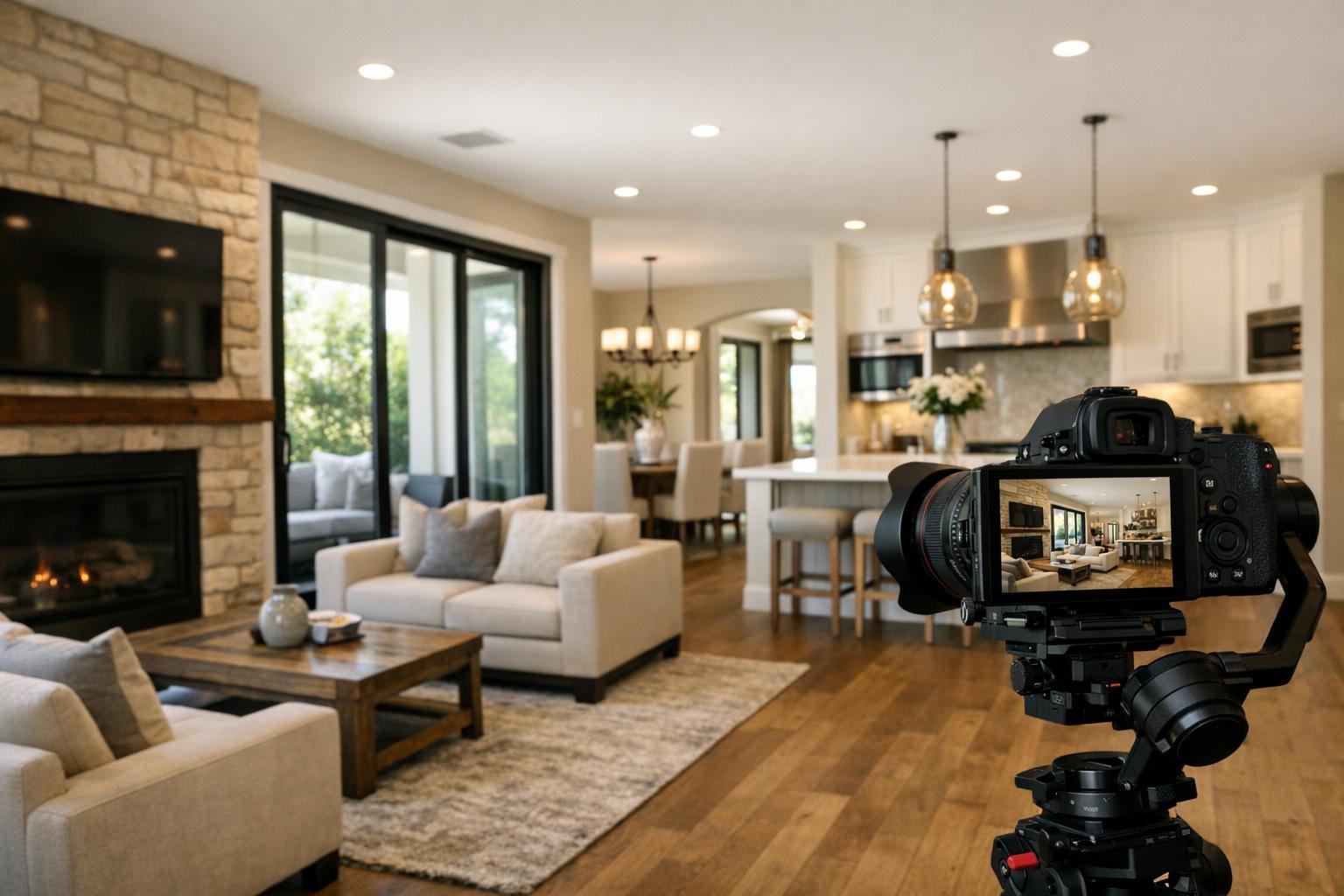
A camera on a tripod records a real estate video tour of a modern living room with a stone fireplace, plush sofas, and an open kitchen with pendant lighting.

How to Choose the Right Real Estate Video Tour for Your Listing
A real estate video tour can transform the way buyers and renters experience a property, offering a sense of motion and space that photos alone can’t always deliver. But video isn’t always the best fit for every listing or the main tool you should rely on. The right approach depends on your property's unique layout, features, and the story you want to tell—as well as how the video works in harmony with photography, floor plans, or 3D tours.
Let’s explore what goes into making a strong decision about real estate videography, how to weigh the choices for your listing, and how to get the most from any video you produce.
Capture the Essence: When Video Tells the Property’s Story
Video shines brightest when there’s a journey through the space worth seeing. A well-made property walkthrough video draws attention to the way rooms connect, how light moves throughout a space, or the progression from entryway to that striking living area or outdoor retreat.
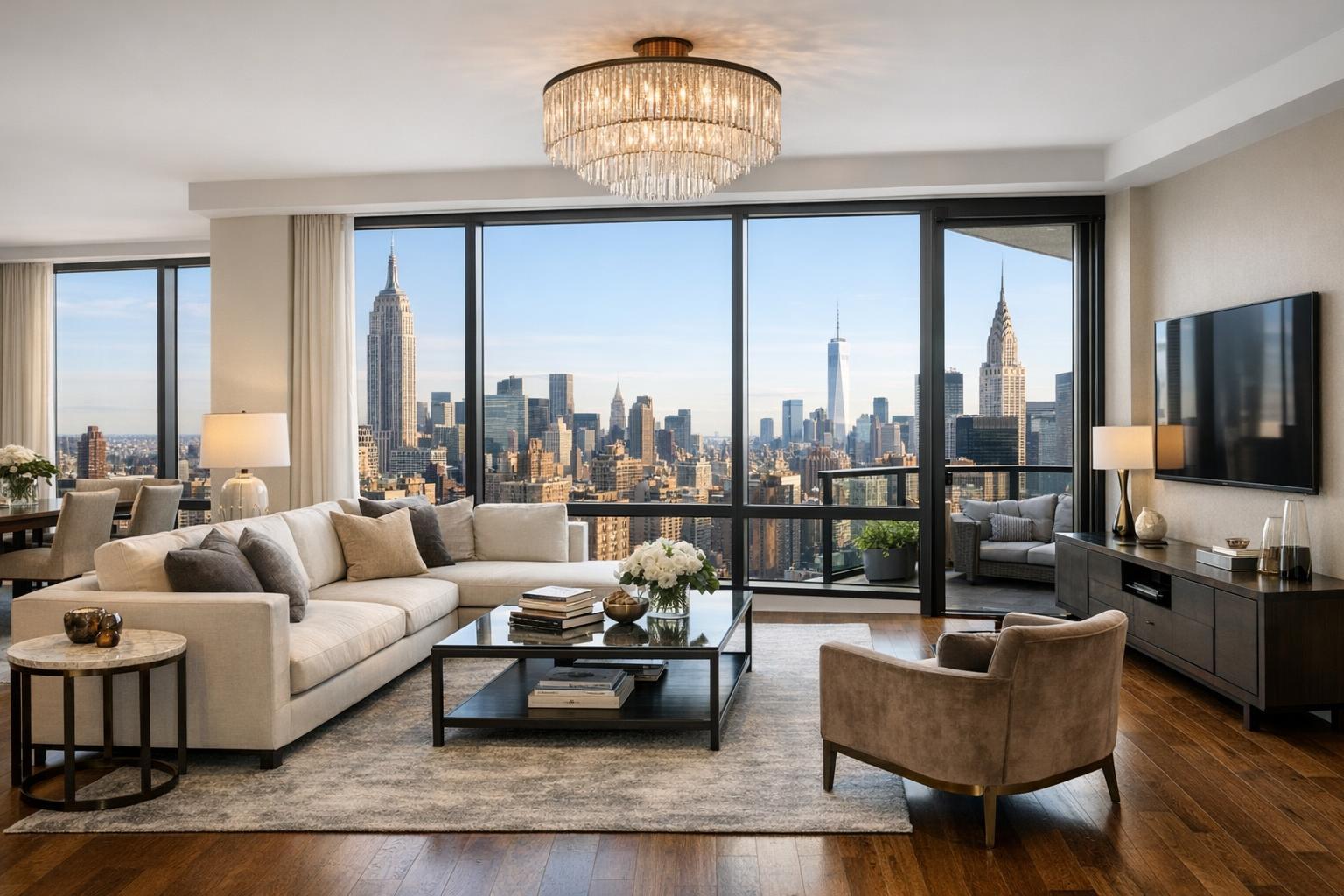
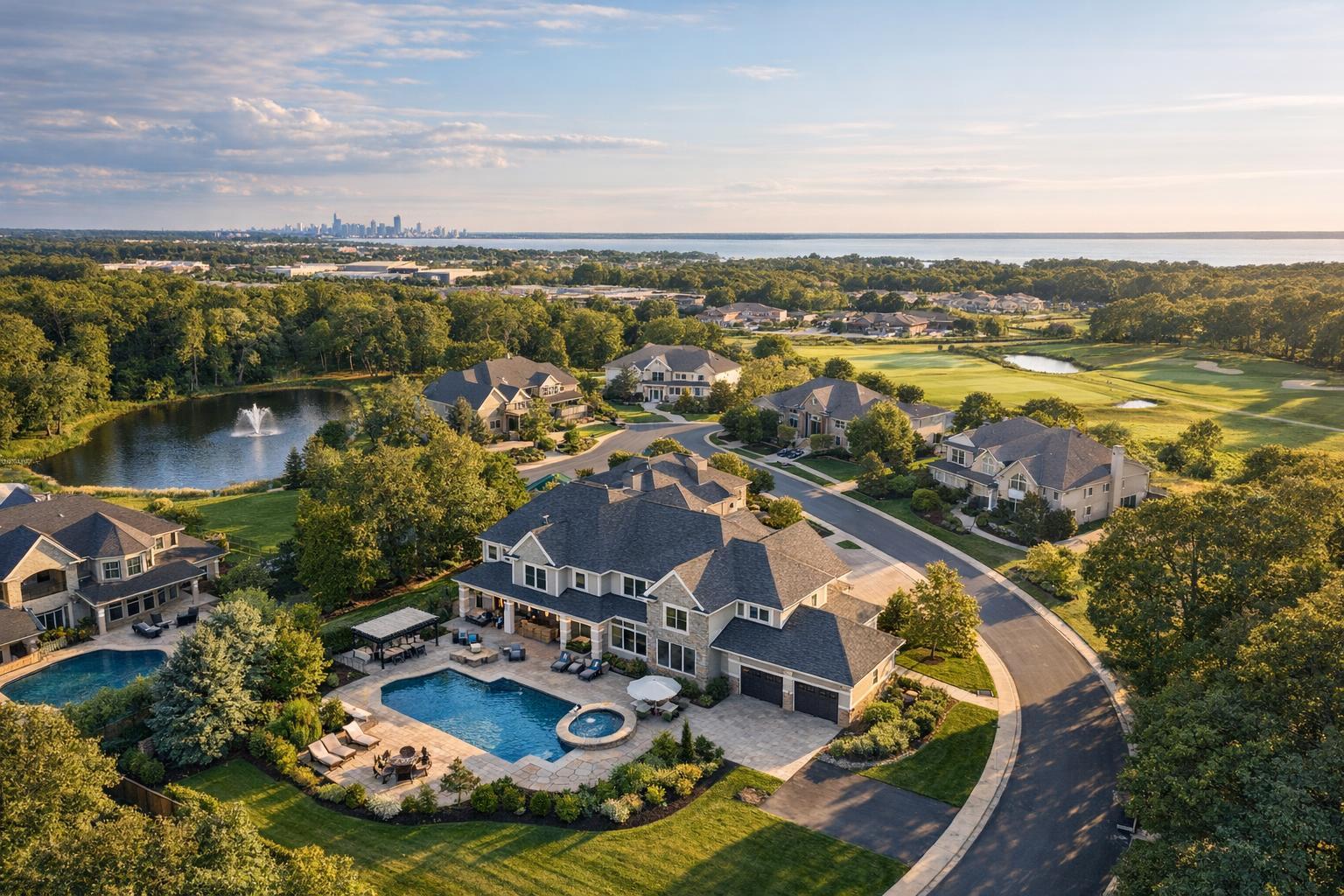
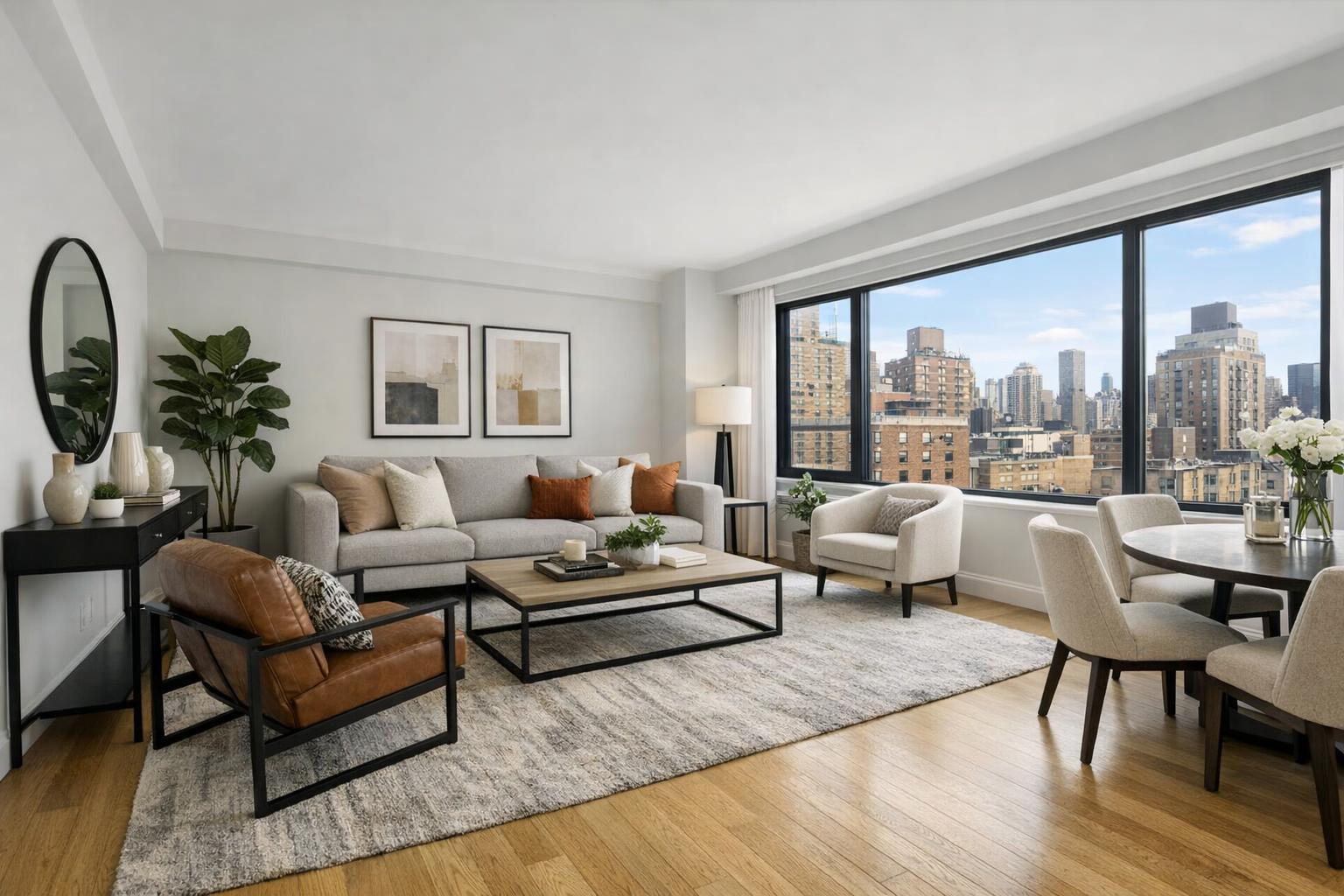
Ask yourself: What is difficult to understand from photographs alone? For example, a one-bedroom in Manhattan might feel more spacious in video thanks to a logical, efficient floor plan and clear flow from entry to living space, kitchen, and bedroom. In contrast, a larger New Jersey property may offer sweeping movement from curbside arrival through open-plan interiors to a deck, pool, or extensive backyard—details that video can illustrate more naturally than stills.
Consider video for listings that feature:
- Distinct or complex layouts
- Architectural highlights, like open staircases or double-height ceilings
- Notable connections between inside and outside spaces
- Unique building amenities or neighborhood context
- An agent or owner with valuable insights about the home
A rich video doesn’t attempt to capture every inch of a property. Instead, it puts the spotlight on what makes a listing special, meaningful, or hard to describe in static photos.
Understanding the Roles: Photos, Floor Plans, Video, and 3D Tours
Each major type of real estate media brings something different to the table. Choosing well (and avoiding unnecessary overlap) lets you invest wisely and build a stronger visual narrative.
The Value of a Professional Video Walkthrough
With on-site real estate videography, the camera follows a planned path to create a natural sense of movement—from arrival through living spaces and on to key outdoor areas. Through pacing, music, and careful edits, a property walkthrough video provides viewers with:
- The arrival and entry experience
- Room-to-room transitions
- The flow between interiors and exteriors
- A sense of natural light, view, and spatial depth
- A concise overview that’s easy to share
It’s important to know: Real video tours are filmed live at the property. Unlike slideshow-style videos where photos fade in and out, true walkthroughs respond dynamically to the space as it actually exists.
Why Photography Still Matters
Professional listing photos remain the foundation of most real estate marketing. They allow viewers to linger over detail—finishes, fixtures, room proportions—at their own pace. Photography is essential for nearly all listings, and is especially effective in units with a straightforward layout, such as compact studios or simple one-bedrooms. In cases where the story isn’t about complex flow or dramatic features, well-done photos might do the heavy lifting.
3D Virtual Tours and Floor Plans: For Deeper Exploration
A 3D or Matterport tour lets buyers navigate a property interactively. This format gives users the chance to choose where to look and how long to spend in each room, making it a useful complement to video for buyers wanting a self-directed experience.
Floor plans, on the other hand, answer the big spatial questions at a glance—like how bedrooms relate to common areas, or whether there’s a practical spot for a home office. Both 3D tours and floor plans are based on real on-site scanning, not pieced together after the fact.
Decide if Video Adds Unique Value
Before you commit to videography for a listing, ask: What will motion reveal that static images can’t? When video uncovers something new—such as a dramatic entry sequence, a logical progression from the kitchen to a terrace, or the full sweep of main living spaces—it’s worth including.
On the flip side, if a property is small or visually simple, or not yet photo-ready, you might find that a talented photographer can tell the story more clearly and efficiently. The best video doesn’t just add length—it adds perspective and character.
Planning Makes All the Difference
Great video tours don’t just happen—they’re mapped out. A good plan clarifies the starting point, the must-see spaces, the pacing, and what deserves the grand finale.
For a Manhattan apartment, the plan might highlight:
- That crucial first entry reveal
- Open living-dining connections
- Kitchen layouts and finishes
- Natural light and window views
- How bedrooms and closets fit into the bigger picture
- Key building amenities
For a New Jersey home, you might focus more on:
- Curb appeal and outside approach
- Flow from foyer to living areas
- The heart-of-the-home relationship between kitchen and family spaces
- Transitions to decks, patios, or yards
- Aerial shots (if possible) that show scale or setting
Not every corner needs to be featured. Think about which spaces move the story along and which can be handled in a few quick cuts.
Preparing for a Video Shoot: Movement, Not Just Moments
Video isn’t as forgiving as photography. As the camera glides through, hidden clutter comes into view—so a space that looks fine in photos might need extra tidying for film.
Here are a few practical prep tips:
- Clear counters, table surfaces, and window ledges
- Put away baskets, bins, cords, and pet gear
- Make beds and arrange pillows with intention
- Ensure burned-out lightbulbs are replaced and lighting is consistent
- Open blinds or curtains to reveal great daylight or views
- Close doors to off-limit spaces
- Set up access to amenities or outdoor features scheduled for filming
Occupied homes can work for video too—they just need a bit more coordination. The goal isn’t perfection but minimizing distractions so viewers focus on the property itself.
Timing and Lighting for the Best Results
The right light can enhance the atmosphere of your video, while poor timing may leave spaces looking either dim or washed out. Let your videographer know if your property gets the best light in the early morning or late afternoon, or if there are certain times when views are strongest. In NYC, even building logistics like elevator or amenity access are worth confirming upfront to keep the process smooth.
Choosing the Right Video Package—and the Option for Agent Interviews
The length and style of video should match your listing’s complexity and the narrative you want to create. RealtaSnap provides a range of options, starting with a one-minute standard property walkthrough and moving up to premium formats that add custom branding, amenity footage, or agent/owner interviews.
An agent-led segment can be powerful when it offers insights the visuals don’t fully capture: a quick note on renovations, a unique view, or a neighborhood highlight. Interviews should be brief and to the point, never just a repetition of what’s on screen.
If you’re planning broader marketing, social media video formats are available too—horizontal for websites, vertical or square for Instagram or Facebook. These can be trimmed, recut, or even customized from the same video shoot.
Want to explore which format fits your listing and strategy? Learn more about our videography services here.
Special Considerations for Outdoor and Aerial Footage
Exterior or drone video is especially valuable for larger properties, unique settings, or homes with hard-to-describe outdoor features. However, these additions depend on airspace, weather, safety, and sometimes building or pilot approval. If aerial or outdoor context is central to your listing, share those needs at the start—so feasibility can be checked during planning.
Build Your Media Plan Around Your Listing
There’s no one-size-fits-all solution. The right media mix reflects your property’s strengths and your marketing goals.
For a compact Manhattan residence, a short, efficient video tour may highlight flow and finishes. A sprawling New Jersey home might warrant a more cinematic journey through both interior and exterior spaces. And if you’re listing something exceptional, consider supplementing the visuals with a personal perspective from the agent or owner.
RealtaSnap provides on-site real estate videography and media services throughout NYC and New Jersey, always tailored to the real property—not just a template. You can book online anytime at www.RealtaSnap.com.
FAQ
Question: Is a real estate video tour just a slideshow of listing photos?
Answer: Not at all. A professional video walkthrough is filmed on-site, capturing actual movement through the property, unlike a photo slideshow which can’t show the same flow or transitions.
Question: Does every listing need photos, video, a 3D tour, and a floor plan?
Answer: No. Each format serves a different purpose. Video captures movement and story; 3D tours support interactive exploration; floor plans clarify layout. The right combination depends on your property and audience.
Question: Can an agent be featured in the video?
Answer: Yes, RealtaSnap offers a premium interview add-on where agents or owners can introduce the property or share insights—especially effective for listings with special stories to tell.
If you're ready to discuss media for your next listing, visit www.RealtaSnap.com.