How to Choose Real Estate Photography for a New York City Listing
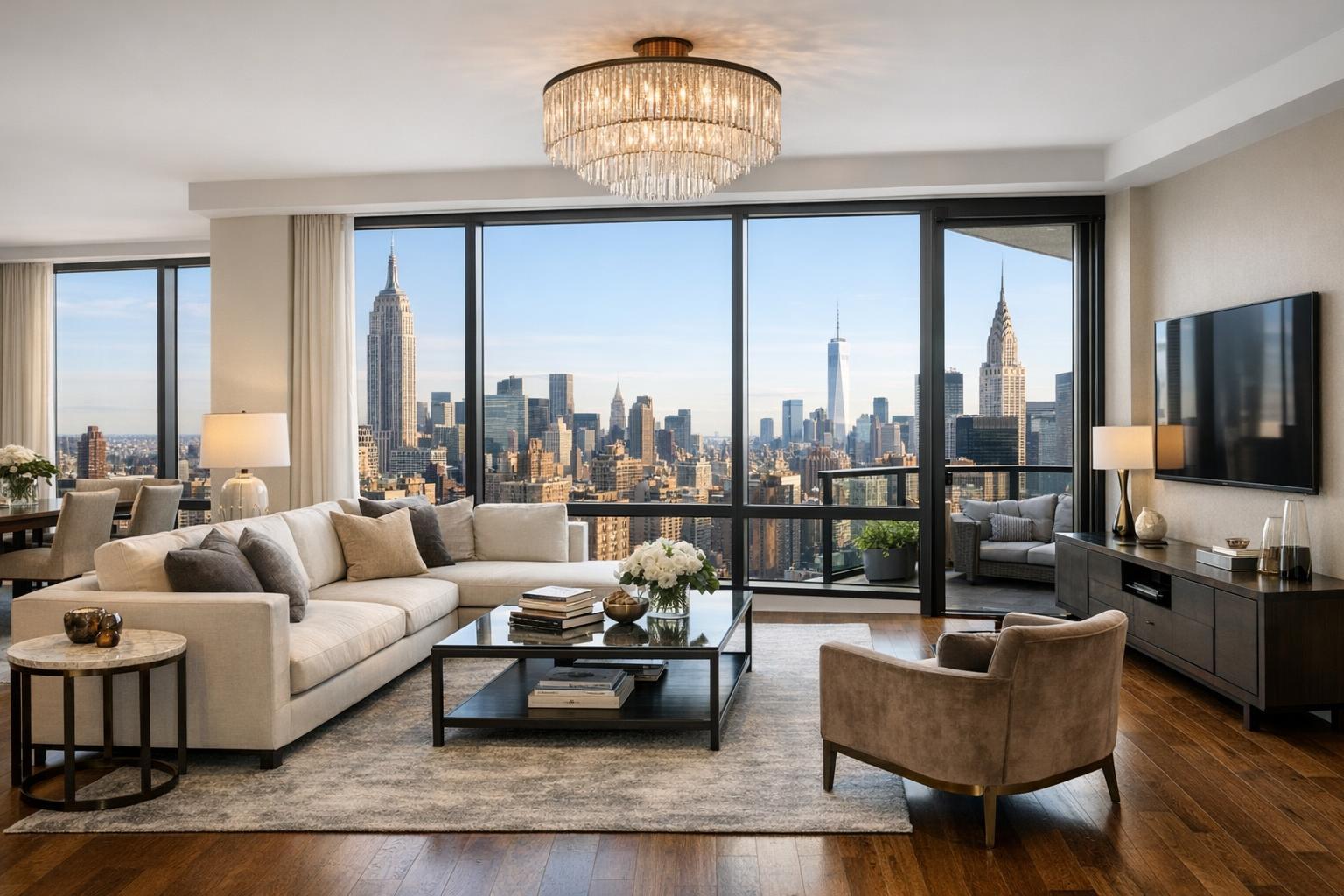
A luxurious living room with elegant furnishings overlooks a stunning city skyline through large floor-to-ceiling windows.

How to Choose Real Estate Photography for a New York City Listing
Real estate photography in New York City is more than just snapping a few wide shots—it’s often the first impression buyers, renters, and agents get of a property. In a city where space is at a premium and every listing has unique quirks, photos do a lot of heavy lifting. They need to showcase a home’s layout, natural light, finishes, and atmosphere—all while setting accurate expectations.
If you’re listing a compact Manhattan studio, a sun-filled Brooklyn condo, or a historic brownstone, odds are you’ve wondered exactly what makes for effective real estate photography. Here’s what to consider when choosing a provider and preparing a space, with an eye toward getting polished, honest results that make your listing stand out—without misrepresenting it.
What Makes Real Estate Photography Work
Successful property photos aren’t just attractive—they’re practical. Effective listing photography quickly communicates the most important features of a space and gives viewers enough context to imagine themselves living there.
A typical photo set should help prospective buyers or renters understand:
- The main living areas and their proportions
- How the kitchen is laid out, with emphasis on counter space and finishes
- Where bedrooms are located and how much natural light they receive
- The general condition of bathrooms and any noteworthy details
- Smart storage, built-ins, or unique features like outdoor terraces
- How adjacent rooms connect, if it clarifies the flow of the space
- Key building or neighborhood highlights if they add to the property’s appeal
Not every wall or decorative item needs to be pictured. Each photo should have a clear purpose, whether that’s establishing how open the living space feels or highlighting a newly renovated kitchen. In smaller apartments, selectivity is even more critical—too many repetitive angles can overwhelm viewers, while too few leave too many unanswered questions.
The Difference Between Professional Photography and Quick Snaps
Any camera can take a picture. What sets professional real estate photography services apart is the thoughtful approach to composition, light, and editing—well before and after the shutter clicks.
Composition: Telling the Right Story
Real composition involves more than standing in the corner with a wide lens. A skilled photographer evaluates where they shoot from, keeps vertical lines straight for a natural look, and intentionally chooses what to crop out. For a narrow galley kitchen, for example, a measured perspective will show function and cabinetry without making the space feel oddly stretched.
Qualities of good composition include:
- Clear depth from foreground to background
- Obvious paths through the space
- Images that don’t distort square footage
- Attention to architectural details—original millwork, windows, or fireplaces
- Minimizing distractions at the frame’s edge
- Consistency from shot to shot for a smooth browsing experience
Excessively wide lenses might make rooms look bigger, but they can also warp furniture and doorways. Sometimes, a tighter shot gives a more honest sense of the room.
Lighting: Balanced and Believable
No two New York apartments have the same light. One room might face bright southern sun, while an interior bath gets no daylight at all. Professional listing photography balances available natural light with additional lighting and smart exposure so both interiors and windows are visible—without the room looking like a cave or the window showing nothing but white.
Strong photography retains a natural look. Extremely bright or blue-tinted windows and harsh flashes can feel artificial. It’s all about making the room look clean and inviting, not otherworldly.
Straight Lines and Perspective
One of the subtlest giveaways of amateur shots is leaning walls or warped cabinets. Especially in pre-war or historic homes, architectural lines matter. Skilled photographers maintain perspective in both the shoot and the editing room so that end galleries feel welcoming and true to the property.
Honest Editing: Polished but Accurate
Editing is where solid captures turn into a cohesive gallery. Adjustments like exposure, color, and perspective correction are expected—outcomes that misrepresent the home are not. Retouching shouldn’t imply renovations that never happened or remove permanent features (unless clearly disclosed and approved). For furnished apartments, any AI or virtual staging will require a physically decluttered room to produce clean, convincing results.
Consistency in editing style also matters. Vibrant, color-accurate photos that feel like they belong together help buyers move from one image to the next without confusion.
Prepping the Space for Best Results
Preparation might be the last thing on your mind, but it’s the secret sauce to a better shoot—especially with New York’s tight living quarters.
Tips for putting your best foot forward:
- Clear countertops, table surfaces, and bathroom ledges
- Remove magnets, notes, and clutter from fridges
- Put personal items, pet supplies, shoes, and laundry out of sight
- Hide loose cords, chargers, and remotes
- Make beds neatly and fluff pillows
- Straighten rugs and throws
Your apartment doesn’t need to look sterile—just focused. Small, intentional details (like a set table or fresh flowers) can add warmth, as long as they don’t clutter the frame.
Lighting Prep
Open curtains and shades if the view adds value, and be sure windows are clean if they’ll be in the shot. Replace burnt-out bulbs and match bulb color temperatures if possible—a mix of cool and warm lighting can look strange in photos.
Logistics: Entry and Access
NYC listings often come with hurdles like elevator scheduling, building rules, or limited parking. Confirm access and any building requirements in advance. For tenant-occupied units, transparency about timing and areas to be photographed keeps everyone comfortable.
Evaluating a Real Estate Photography Provider
With your property prepped and priorities set, selecting the right service makes all the difference. Take a look at portfolios for:
- Consistent quality between large and small spaces
- Attention to properties similar to yours (pre-war apartments, new condos, brownstones, etc.)
- Demonstrated ability to handle challenging lighting or tight layouts
- Strong progression between rooms—especially in multi-level homes or units with outdoor spaces
It’s less about finding an exact match and more about confirming that the photographer knows how to solve for different room types and layouts.
When talking to a prospective photographer, you might ask:
- How many images they recommend for your property
- What steps you should take in preparing an occupied home
- How they handle windows and interior lighting challenges
- If they have examples from similar listings
- What to expect in terms of editing and image delivery
- Whether they provide extras like floor plans, video, or virtual tours for listings that could benefit
Also notice whether the photographer asks good questions about access, building rules, and any unique highlights at your property—collaboration here usually leads to stronger results.
Complementary Media: When It’s Worth Considering
For some New York listings, photos are just the start. Video tours can help communicate the movement and feeling of a home with more flow between rooms. Floor plans add context for unusual layouts and help buyers understand dimensions. Interactive 3D tours like Matterport give remote viewers a chance to “walk” the property themselves.
Not every listing needs every service, but considering your target audience and the property’s standout features can help you choose the best mix. (Floor plans and 3D tours always require on-site capture. Drone work depends on FAA rules, airspace, and building or roof access, and is assessed on a case-by-case basis.)
A Straightforward Option for NYC Listing Photos
If you’re preparing a listing in NYC, RealtaSnap offers professional on-site real estate photography with flexible coverage options to fit everything from small studios to large brownstones. All galleries are edited for clarity and consistency, so the result is polished, yet accurate. You can read more about RealtaSnap’s NYC real estate photography process or visit the main site for additional information and booking.
Getting the right images is only part of the strategy—a well-prepared space and a collaborative approach mean your listing goes live with clean, confident presentation. If you have an upcoming NYC property, we’d love the opportunity to earn your business.
FAQ
Question: How many photos should be included in a New York City listing gallery?
Answer: The right number depends on the property. Most studios need fewer images, while spacious brownstones may require more. Aim to represent each important area—living space, kitchen, bedrooms, baths, and any unique features—without repeating similar angles.
Question: Should I leave the lights on or off for real estate photography?
Answer: It depends on the room, available daylight, and the type of fixtures. Matching bulb colors and using light selectively helps maintain a natural look. Photographers often adjust lights on site to balance the atmosphere and avoid distracting color casts.
Question: Can virtual staging be used if the apartment is already furnished?
Answer: Virtual staging works best in completely vacant or decluttered spaces. For furnished rooms, physical removal or a clutter-removal edit is needed before digital furniture can be added. This ensures the staged results look realistic and true to the underlying space.