What to Look for in Real Estate Photography for NYC and New Jersey Listings
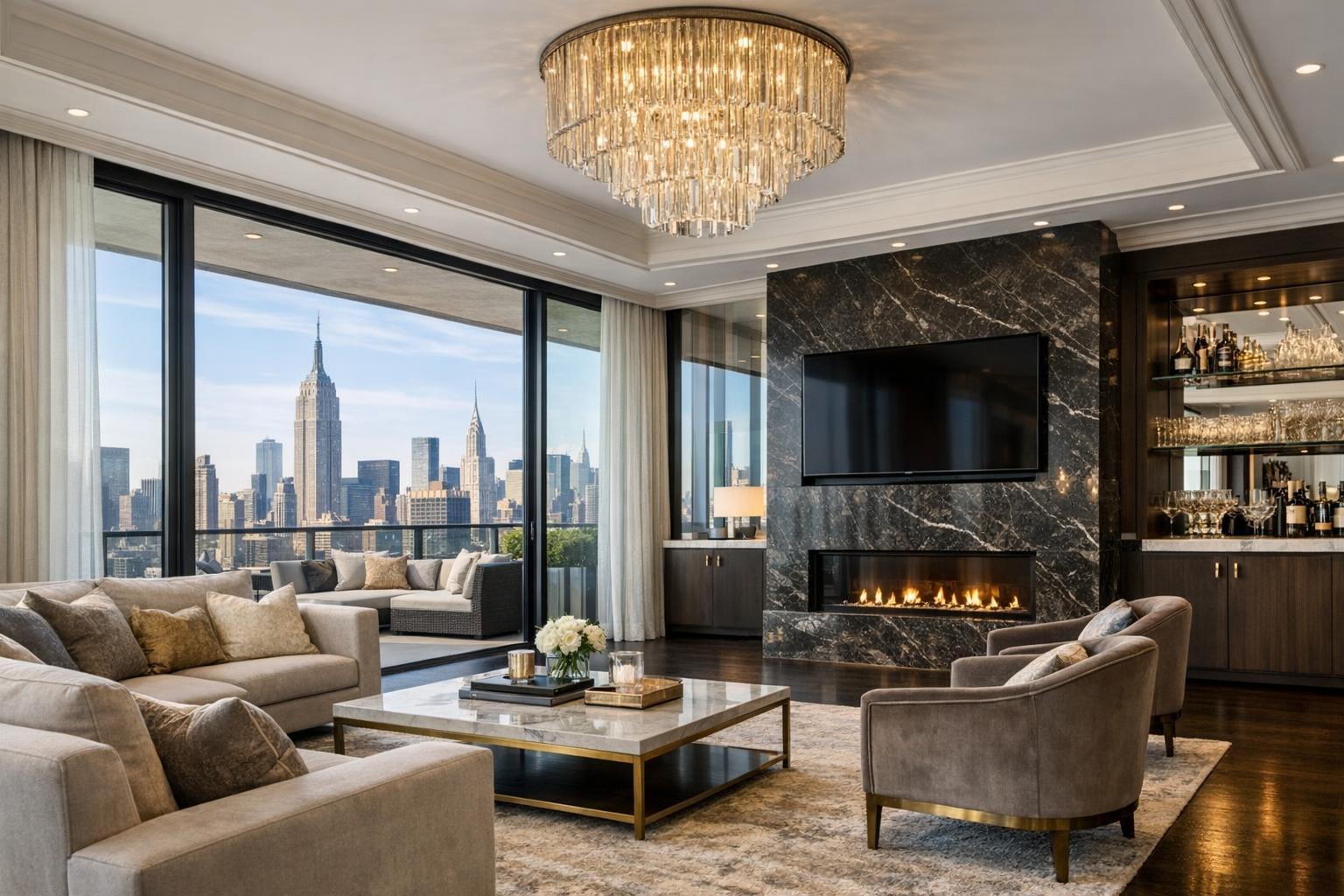
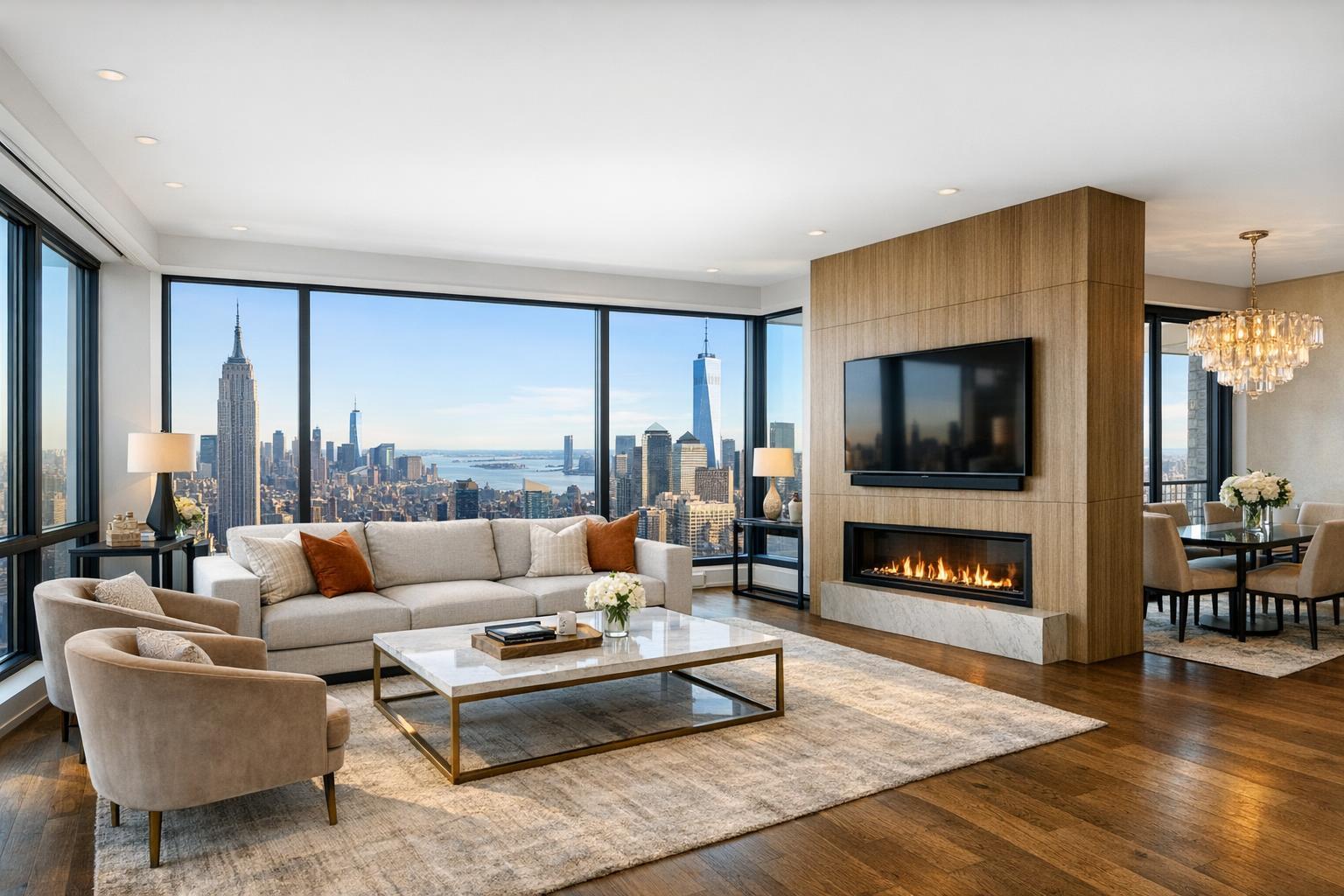
A luxurious apartment living room features large windows with stunning city views, a cozy fireplace, elegant furnishings, and modern real estate photography capturing the bright, spacious interior.

What to Look for in Real Estate Photography for NYC and New Jersey Listings
Real estate photography is often the buyer’s or renter’s very first experience with a property. Before setting foot in the space or picking up the phone, most people scan through photos online to see if a home or building looks clear, appealing, and worth their time. For agents, brokers, and property pros in NYC and New Jersey, hiring the right photographer isn’t just about checking a box. It’s about choosing a partner who will represent the property’s strengths with accuracy and style—without misleading or over-polishing.
Whether you’re marketing a compact Manhattan apartment, a Brooklyn brownstone, or a sprawling New Jersey home, professional property photography should do more than fill a quota of images. It should quickly and clearly communicate what makes the listing special, from the way light fills the space to how rooms connect and flow. Here’s how to think about the decision, what to expect from photographers at the top of their game, and practical ways to prepare for your next shoot.
Clarity Over Drama: What Listing Images Should Really Do
The most effective listing photos let buyers and renters imagine themselves in the space while providing a reliable sense of layout, light, and proportion. Before looking for “wow” moments, focus first on clarity and trustworthiness in the images.
That means a complete gallery should help viewers:
- Understand the property’s overall condition and style
- See how rooms connect and flow from one space to another
- Grasp the actual scale of important areas, like living rooms or bedrooms
- Notice features such as windows, outdoor access, built-ins, ceiling height, or unique finishes
- Observe how daylight and interior lights affect different rooms
A wide photo of a living room is only helpful if it also hints at where the kitchen, hallway, or outdoor access sits in relation to that space. The best real estate photographers build thoughtful photo sequences—not just a collection of snapshots—guiding the viewer logically through the property.
The Power of Composition: Explaining Space Through Images
Professional real estate photography stands out in how it uses composition. True skill isn’t about making every room look massive. Instead, it’s about accurate scale and purposeful framing.
When reviewing a photographer’s portfolio, look for:
- Straight vertical and horizontal lines: Walls, doors, and cabinets should look upright, not skewed or slanted.
- Smart camera positioning: The angle should highlight useful room features and minimize awkward foreground distractions.
- Intentional framing: Key architectural details should fit naturally in the photo.
- Comprehensive, not repetitive, coverage: There shouldn’t be three angles of the same spot while ignoring important features elsewhere.
- Careful use of wide-angle: Wide lenses should enhance, not distort. Hallways shouldn’t look like tunnels, and small bedrooms shouldn’t become unrecognizable.
This level of attention really shows in local architecture. In Manhattan, buyers expect to see clear differentiation between living areas, kitchens, and bedrooms—without distortion. Brooklyn brownstone listings should illustrate stair details, millwork, and the vertical flow across multiple levels. For New Jersey homes, the challenge often revolves around balancing main gathering spaces, bedrooms, basements, and outdoor features.
Managing Natural and Interior Light: Keeping Images Believable
Capturing interiors in NYC and New Jersey often means working with mixed light sources—sun streaming through windows, warm accent lamps, and built-in ceiling lights. Without consistent exposure and natural edits, raw photos can end up with harsh glare, odd color casts, or dark, flat corners.
Many professionals use HDR (high dynamic range) techniques to balance window highlights and interior shadows. The trick is restraint: the goal is always a bright, polished look that’s still believable. Overprocessed HDR can look gray, unnatural, or strangely saturated.
As you compare portfolios, ask yourself:
- Do images look bright, yet natural?
- Can you clearly see window views when they matter?
- Do white walls look true to life, not odd shades of blue or yellow?
- Are room colors, wood tones, and finishes represented honestly?
- Is the lighting approach consistent across the gallery?
Every listing is different. A Jersey City penthouse with city views will need a different exposure approach than a classic townhouse with only one window per room. The photographer’s job is to fuse all these factors into a cohesive, inviting set of images.
Honest Editing: Striking the Line Between Polish and Accuracy
High-quality editing is essential in real estate photography, but transparency matters. Edits should enhance clarity and presentation—think straightening lines, fixing minor color issues, and removing distracting cords or bins—but never misrepresent what’s there.
Expect:
- Color correction and exposure tweaks that maintain a natural look
- Clean, realistic walls and cabinetry (never plastic or flat)
- Removal of small, non-permanent distractions only when requested
- Preservation of textures, architectural details, and finishes
- Consistency in editing style across all images
What you see on camera is what will show up in the listing. Permanent features, fixed furniture, and visible clutter all end up in the final gallery unless removed before the shoot. Virtual staging is best reserved for empty or properly decluttered spaces—if a room is full of furniture but needs a clean look, physical prep or paid digital clutter removal is required first.
What to Expect Region by Region
Needs differ depending on your property type and location:
Manhattan Apartments and Condos
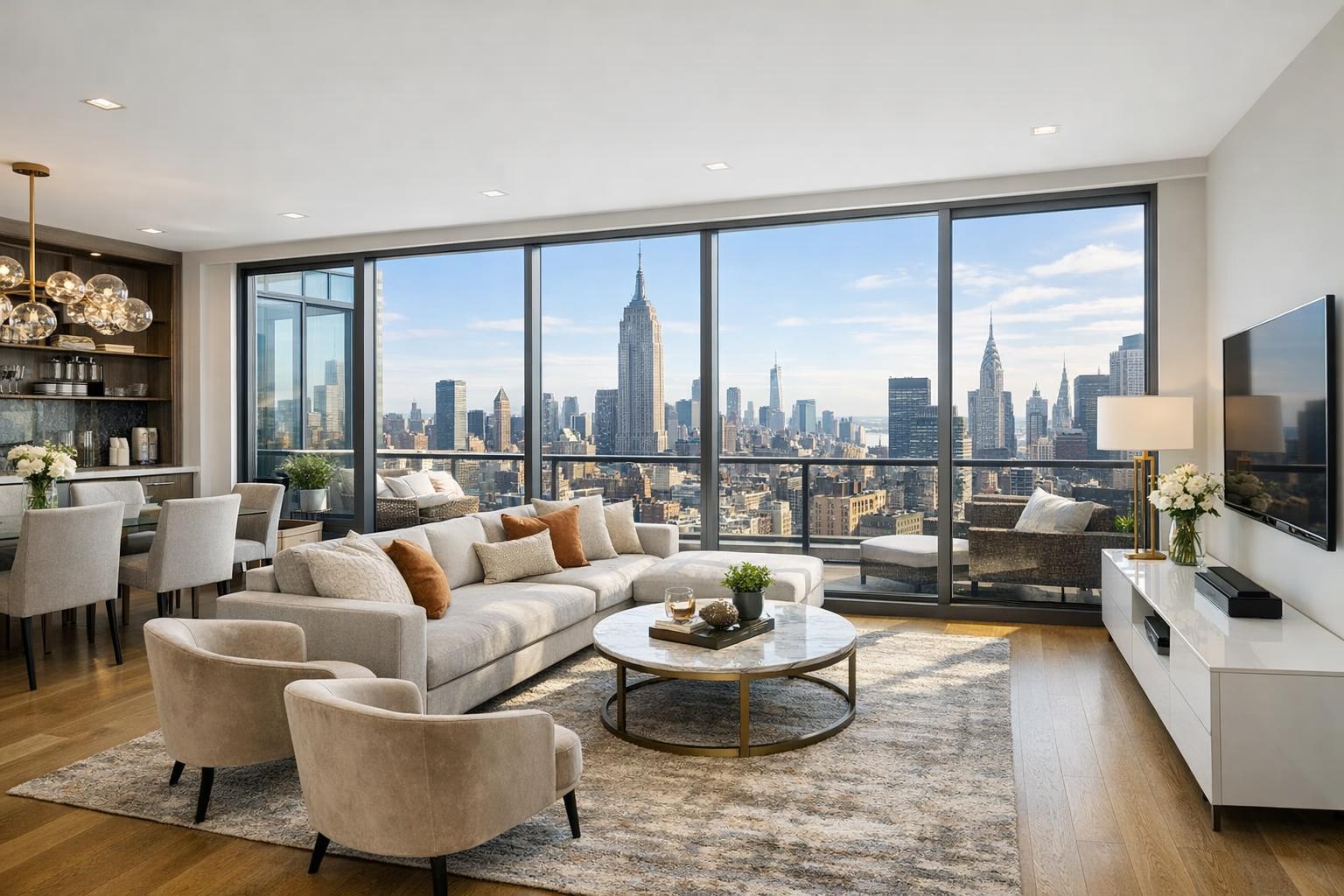
Photographers need to highlight usability, not just square footage. Manhattan shoots can be shaped by building access rules, elevators, doormen, and tight shooting windows. The goal: show living/dining zones, kitchens, bedrooms, any balcony or terrace, and (if included) building amenities or distinctive architectural features. A concise gallery focused on true flow is much more valuable than extra filler.
Brooklyn Brownstones and Townhomes
Brownstones have unique details—original staircases, fireplaces, woodwork, and parlor floors—that can’t be captured in a single shot. Look for media that shows both the signature features and how the home flows vertically or between garden, main, and upper levels.
New Jersey Homes
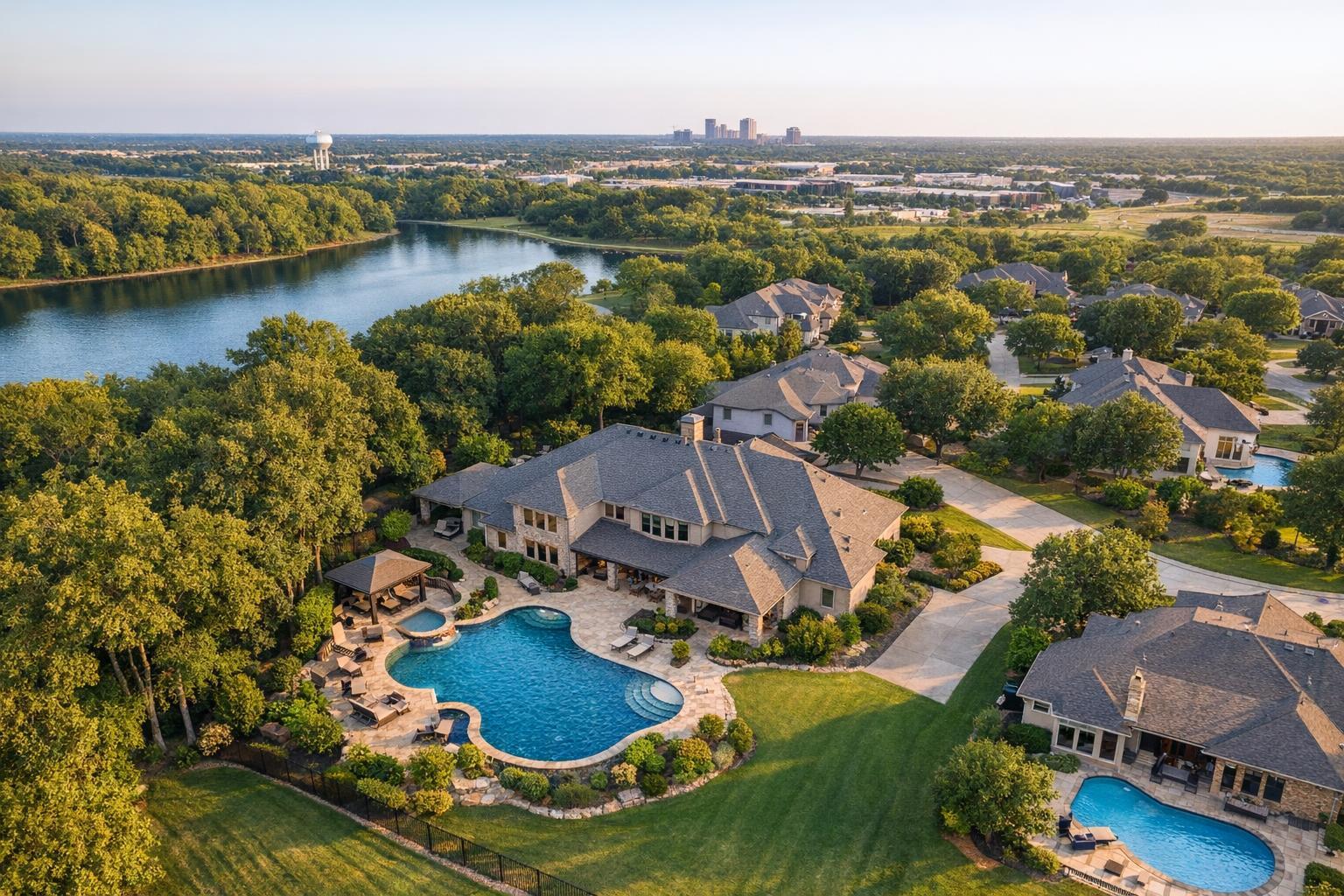
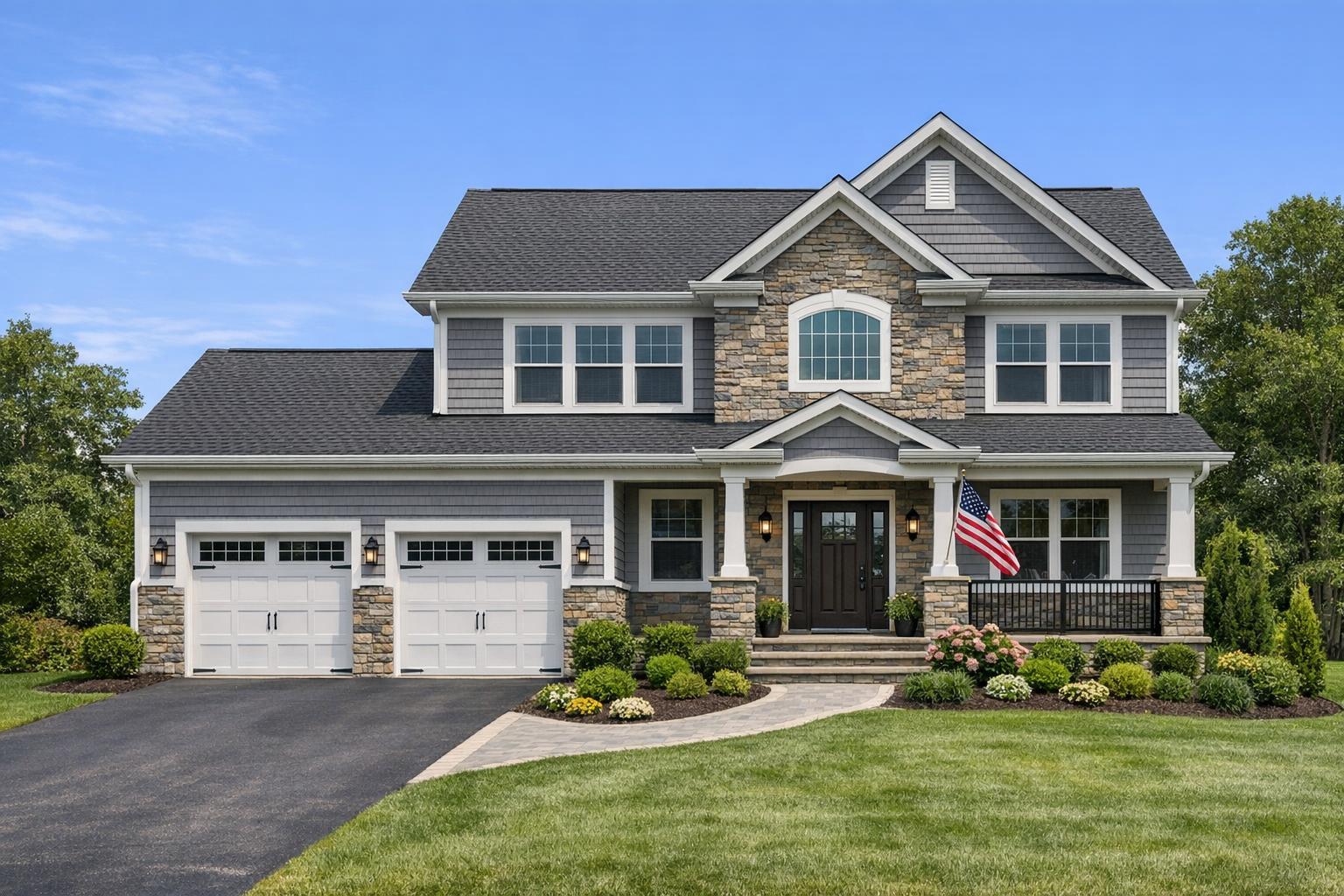
Many New Jersey properties offer more space, larger lots, and expanded amenities. A thoughtful photographer knows how to showcase renovated kitchens, luxury suites, or landscaped yards without over-documenting every minor area. For exterior shots, timing and weather can greatly affect how features like facades or patios appear.
Evaluating Photographer Portfolios: Consistency Is Key
Anyone can highlight their best shots on Instagram or a website. The real test is whether the photographer maintains strong quality and coverage across many listings and property types. When you evaluate portfolios, look for:
- Steady image quality from property to property
- Good composition even when rooms aren’t fully staged
- Accurate representation of various listing styles—from compact condos to larger homes
- Care with bright windows, glossy surfaces, and mixed lighting
- An understanding of what real estate agents need from listing photos
Whenever possible, ask to view a complete gallery from a similar property, not just social media highlights. This gives you a more honest picture of how a photographer documents flow, handles less exciting rooms, and applies their editing approach.
Setting Up for Success: Smart Preparation
No matter how skillful your photographer, emptying clutter and making the space camera-ready still have the biggest impact on your final images. To get the most out of your real estate photography session:
- Clear kitchen and bathroom countertops
- Hide visible cords, pet items, trash cans, and cleaning tools
- Turn on all lights and replace burnt-out bulbs
- Open window shades if privacy or views allow
- Make beds and tidy up loose bedding or pillows
- Straighten dining chairs, rugs, and window treatments
- Clear cars from the driveway for exterior shots
- Store personal photos or eclectic decor for a more neutral look
- Let your photographer know about any hidden features, like roof access or specialty lighting
The idea isn’t to strip the property of character, but instead to minimize distractions so buyers focus on the home itself.
Communication and the Booking Process
Great photography services start with clear communication. Before photographers arrive, confirm all property details, building access instructions, desired shot lists, image targets, and whether the property will be occupied or vacant. Quick turnaround is helpful, but clarity and consistency are even more important than speed.
RealtaSnap provides HDR photography designed for NYC and New Jersey listings, with packages ranging from 10 to 50 photos and clear add-on options where needed. You can select the right level of coverage depending on your listing and manage everything from booking to delivery at RealtaSnap’s official site. See real estate photography package options for more details.
FAQ
Question: How many real estate photos should I order for a listing?
Answer: The best number depends on the size and complexity of the property. For small city apartments, a focused set may do the job. Larger homes with more unique spaces, outdoor features, or multiple levels usually benefit from a broader selection. Focus on images that actually help people understand the space rather than simply maximizing quantity.
Question: Should I be present during the photography shoot?
Answer: You or a trusted representative should be there if building access or special features need to be pointed out. Otherwise, once you clarify priorities, giving the photographer room to work is often most efficient. Communicate any “must-have” shots in advance.
Question: Can professional photography make an occupied property look staged?
Answer: While good photography can certainly improve presentation with angles, lighting, and editing, it still reflects the property as it exists during the shoot. Tidying up and removing clutter before the session has the biggest impact. Virtual staging is available for vacant or adequately decluttered rooms if a furnished look is needed.
Interested in booking? Learn more at www.RealtaSnap.com.