How to Choose a Real Estate Photographer in NYC for Your Next Listing
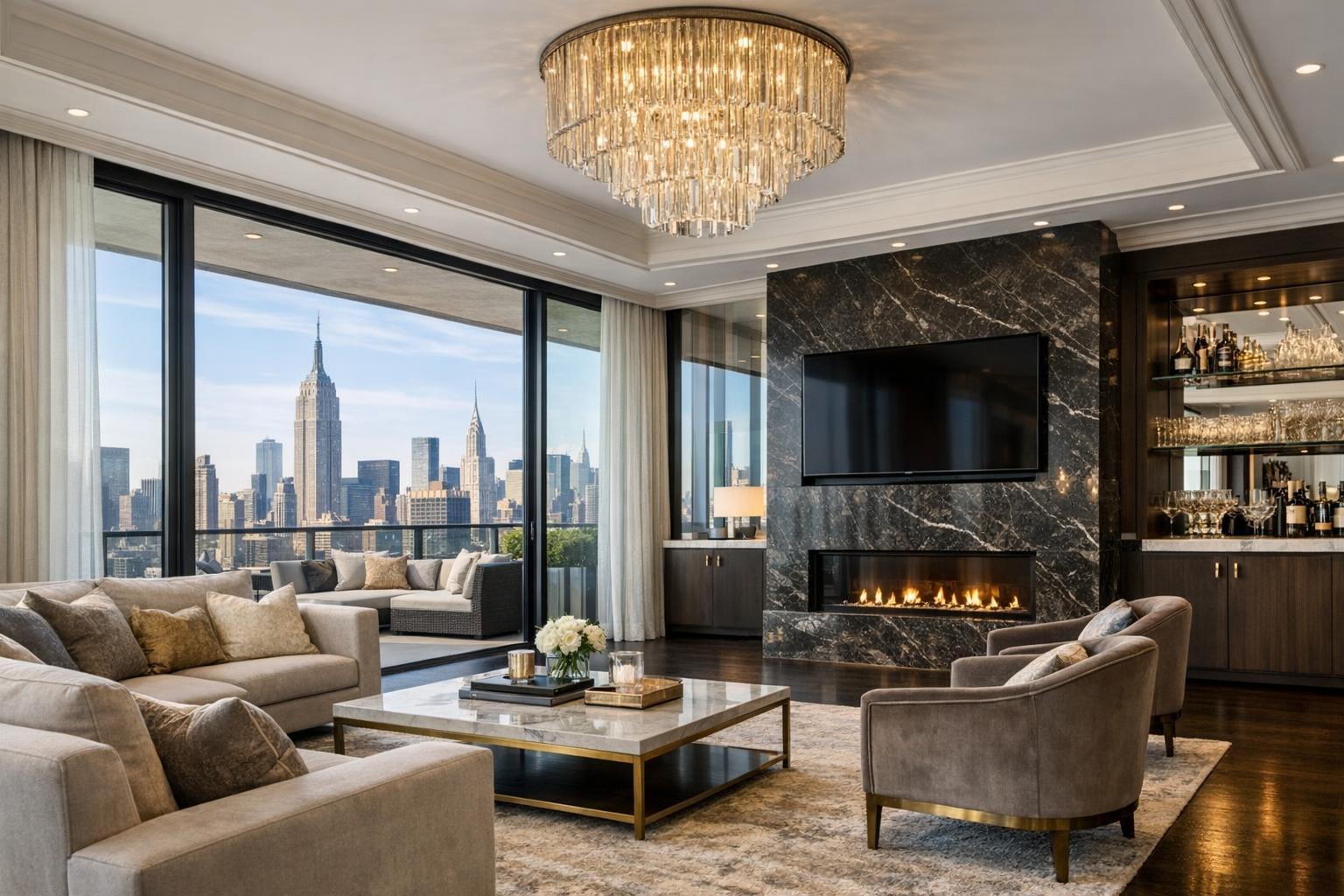
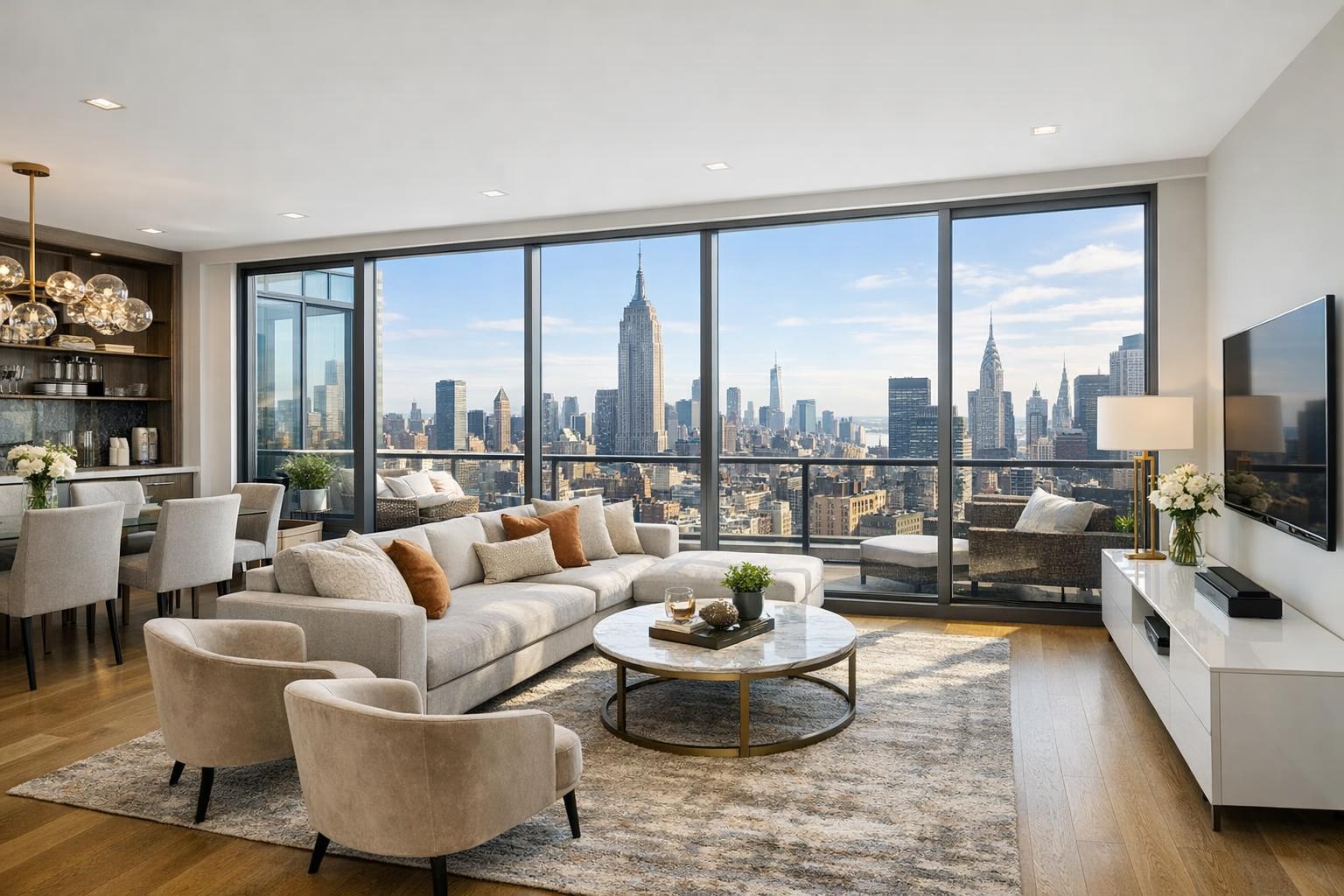
Skillfully captured by a real estate photographer in NYC, the luxurious apartment living room offers stunning panoramic views of the city's iconic skyline.

How to Choose a Real Estate Photographer in NYC for Your Next Listing
Selecting a real estate photographer in NYC is rarely as simple as picking the portfolio with the flashiest images. For agents, property owners, and managers, it’s about finding a professional who understands the quirks of New York City spaces and delivers consistent, honest media that aligns with your marketing goals.
From compact Manhattan apartments to historic Brooklyn brownstones and spacious detached homes, every property type has its own challenges. The right NYC property photographer will know how to adjust their approach, adapt to tight schedules and building rules, and provide imagery that tells the property’s real story.
Let’s break down what matters most when hiring a real estate photographer in NYC—beyond the basics of camera gear and sample galleries.
What to Look for Beyond the Portfolio
A photographer’s portfolio is a great introduction, but it’s only the beginning. Most shooters will showcase their best photos—often from the most photogenic spaces. What really counts is whether their results are consistent across varied properties and lighting conditions.
Consider these practical criteria:
- Natural Light and Window Balance
NYC apartments often have uneven daylight and tricky exposures. Rooms can range from sun-flooded to cave-like, sometimes within the same listing. Look for images that show bright yet believable interiors, where window views aren’t blown out or unnaturally muted. The best real estate photography gently balances natural and artificial light so rooms feel inviting but still real. - Straight Lines, Honest Proportions
Vertical elements—think door frames, shelves, cabinets—should be rendered upright. If you notice leaning walls or stretched corners, it’s a red flag. Wide angle lenses are helpful for showing entire rooms but shouldn’t create distorted or misleading perspectives. Good editing ensures spaces feel open but honest, especially in NYC’s famously compact layouts. - A Logical Visual Flow
Great listing media lets viewers understand how spaces connect. You want a sequence that reveals what it feels like to actually walk through the property. Are there shots showing room relationships—like how a kitchen flows into a living area, or whether bedrooms feel private from entertaining spaces? The chosen images should help anyone mentally “tour” the home, not just admire isolated snapshots.
Matching Photographer Expertise to Property Type
NYC homes are far from one-size-fits-all. Consider the unique demands of your listing:
- Manhattan Apartments and Condos
Photographers tackling high-rise apartments must juggle compact layouts, strict building protocols, and often narrow shoot windows. For condos with modern finishes, the story might center on light, views, and amenities. Older co-ops, meanwhile, might demand extra attention to architectural details or pre-war charm. - Brooklyn Brownstones and Townhomes
Multi-level, historic homes offer opportunities—and logistical puzzles. A skilled photographer will highlight stairways, garden access, and architectural details, while maintaining a sense of continuity between floors. Check their portfolio for similar properties, ensuring their approach brings out each home’s unique character without losing the thread between spaces. - Larger Homes and Standalone Properties
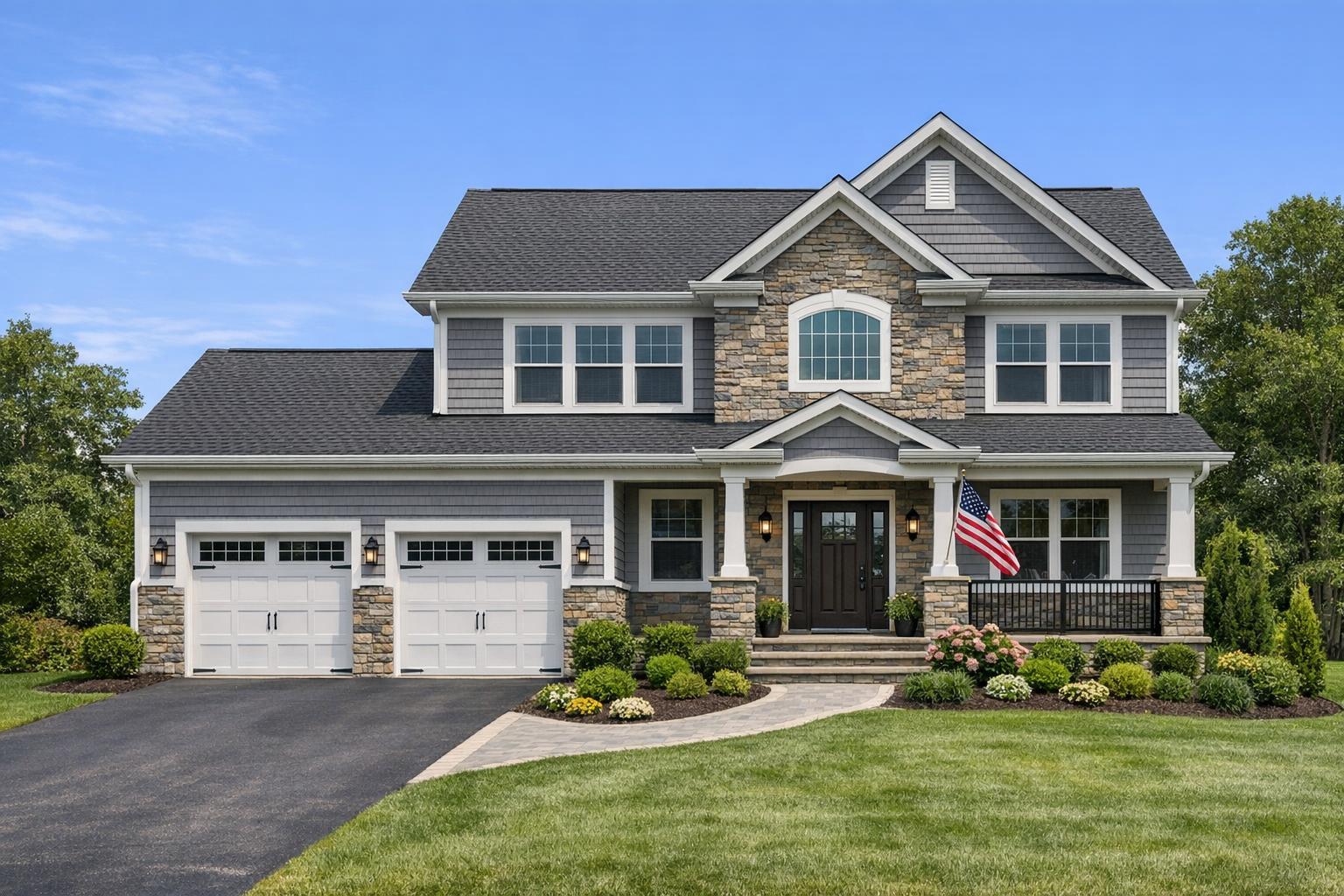
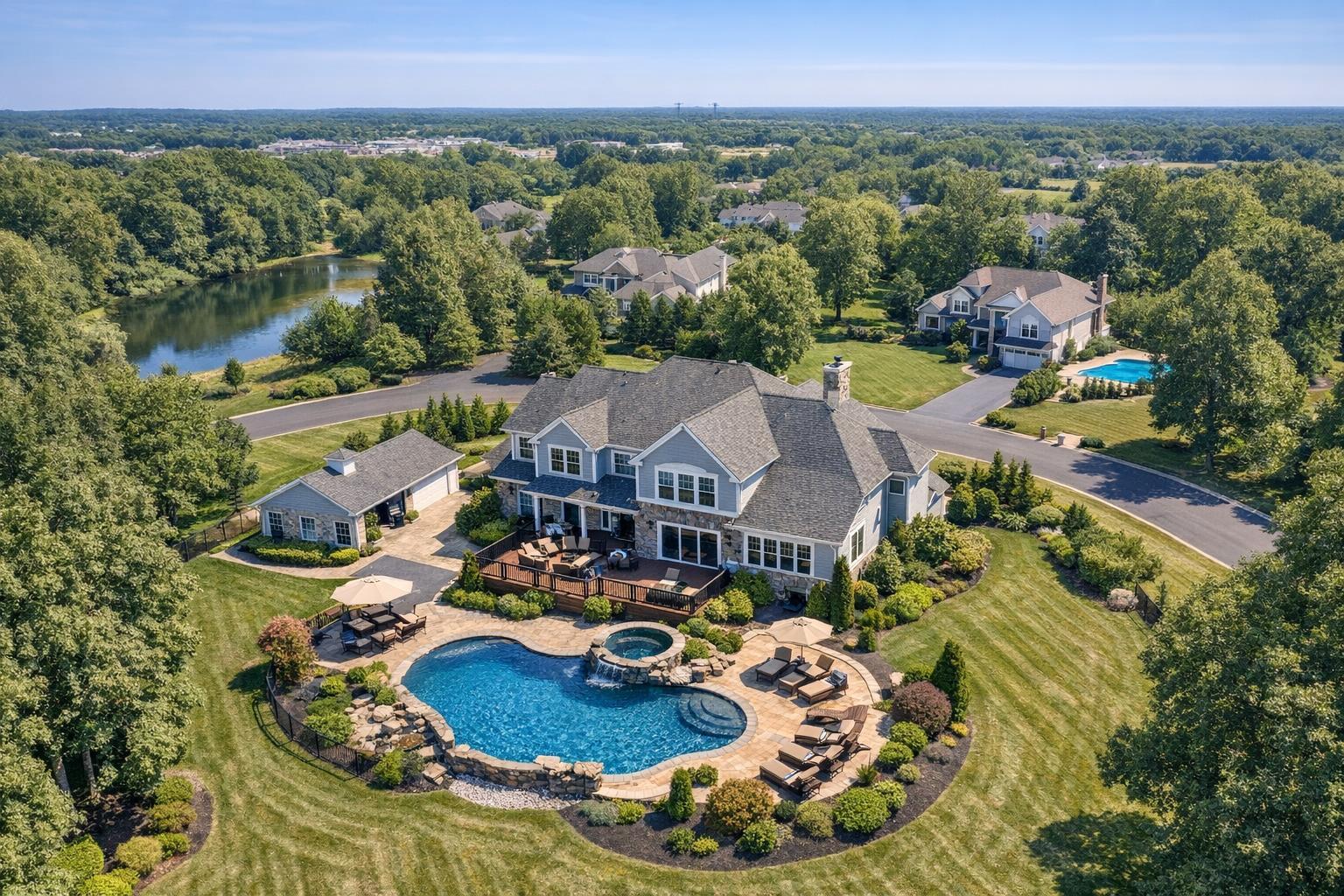
When exteriors, landscaping, and outbuildings matter, comprehensive (but not overwhelming) coverage is critical. A quality photographer will prioritize impactful shots that establish scale and lifestyle without producing a never-ending image gallery.
Handling Occupied and Lived-In Spaces
Occupied listings are standard in NYC, and preparation directly influences results. A real estate photographer can’t digitally erase every stray item or sign of everyday life. Instead, clarity around prep responsibilities makes a difference. Before the shoot, decide who—seller, tenant, agent, or property manager—will stage the space. Typical steps include:
- Clearing clutter from counters and prominent surfaces
- Removing bins, pet gear, laundry, and loose cables
- Making beds and opening window coverings for light
- Turning off TVs and ceiling fans
- Temporarily storing personal photos, valuables, and medication
- Ensuring smooth access to terraces, amenity spaces, or storage areas that should be photographed
In smaller apartments, even a few overlooked items can distract from the room. At the same time, stripping everything out can make a place feel clinical. The aim is a tidy, welcoming look that still feels like someone could live there. Some photographers, including RealtaSnap, offer retouching and digital object removal for an additional fee, but fundamental room prep is essential for best results.
NYC-Specific Logistics: Scheduling and Building Access
Reliability matters just as much as technical skill. Even the best photographer can’t work without building access, elevator reservations, or advance notice for doormen. When interviewing potential NYC real estate photographers, ask directly about their process for:
- Coordinating with building management, doormen, or concierges
- Reserving freight or passenger elevators when needed
- Arranging key pick-ups, lockbox access, or handling access codes
- Navigating limited shoot hours or equipment restrictions
- Confirming access to communal or outdoor areas
- Addressing special parking or loading concerns in busy areas
Clear communication—and an organized booking process—can help ensure everything goes smoothly, minimizing delays and headaches.
With RealtaSnap, you can select your package, add property access notes, and choose your appointment time online. Available slots are visible in real time, and standard shoots require at least 24 hours’ lead time. Payment is handled at checkout, making the scheduling process straightforward for busy agents and owners. You can book directly at www.RealtaSnap.com/schedule.
Defining Expectations and Deliverables
Not all “professional listing photography” means the same thing, so clarify what’s included before you book:
- How many edited images will you receive?
- Are files sized for MLS, websites, and social media?
- What is the standard turnaround time?
- Can you request a reshoot or additional images if something is missed?
- Is retouching included, and what types of edits are considered extra?
- Are property websites, branded/unbranded galleries, or marketing materials available?
- How are weather delays for exterior shots handled?
- What are the policies on revisions or paid edits?
Direct answers to these questions help set expectations—and are more useful than simply comparing package prices.
When Additional Media Makes Sense
For many NYC apartments and smaller properties, strong photography is enough. But some listings benefit from more:
- Video:
Video can bring movement, flow, and atmosphere to life—crucial for properties where layout or transitions matter, like lofts or brownstones. Listing videos are always shot on site, never cobbled together from still frames. If short social media reels or trailers suit your marketing, ask about these as add-ons. - Floor Plans:
Photos show beauty; floor plans show how spaces truly fit together. This is especially useful for unusually shaped apartments, multi-level homes, or when a layout isn’t obvious from images alone. Floor plans are always based on on-site capture, not generated from PDFs or architectural plans. - Matterport or 3D Tours:
These interactive experiences let remote viewers virtually “walk through” the property. They’re helpful for complex layouts or for listings likely to draw interest from out-of-town buyers. As with floor plans, 3D tours require an in-person scan of the property as it is—existing photos alone aren’t enough. - Drone Imagery:
Aerial photos or videos can highlight exterior features, roof decks, or surrounding amenities, but not every NYC listing will be a candidate. Drone work depends on airspace, location-specific rules, weather, site safety, and pilot approval. Feasibility varies; roof access can help but doesn’t guarantee a flight. - Virtual Staging:
For vacant homes or empty rooms, virtual staging can help buyers visualize possibilities. This works best in clean, decluttered spaces—if furniture is present, it must be physically removed or handled through a paid clutter-removal edit before digital staging is applied.
Creating Your Photographer Shortlist
As you compare prospective photographers (and services like RealtaSnap), focus on points that speak directly to your needs:
- Do their images accurately represent space, scale, and proportions?
- Is their lighting and editing style consistent across listings?
- Have they shot the property type you’re listing?
- Are they familiar with NYC building logistics and scheduling needs?
- Can they clearly explain what’s included, plus any available add-ons?
- Do they offer video, floor plans, Matterport, or drone imagery if needed?
- Are equipment access or editing limitations outlined up front?
- Is their booking and delivery process transparent?
A Smarter, Simpler Path to Listing Media
The right NYC real estate photographer knows when a listing calls for extra production and when clean, honest photography will carry the day. Sometimes that means adding a floor plan, short video, or virtual staging. Other times, it means keeping it simple and direct—for a fast rental or a classic apartment with great light.
If you’re looking for consistent, listing-focused photography or related real estate media in NYC and New Jersey, you can review options and book easily with RealtaSnap. Find more information and sample work at www.RealtaSnap.com.
FAQ
Question: How soon should I schedule a real estate photographer in NYC?
Answer: It’s best to book at least 24 hours in advance to coordinate with building access, seller prep, and scheduling. RealtaSnap’s online calendar lets you see available times and secure your slot.
Question: Can I use virtual staging in a furnished apartment?
Answer: Virtual staging is designed for empty or properly decluttered rooms. If there’s furniture present, it should be removed ahead of time or addressed through a paid clutter-removal edit before digital staging can be applied.
Question: What if I need floor plans or a 3D tour for my listing?
Answer: Both options require on-site capture—RealtaSnap cannot create floor plans or virtual tours remotely from photos or pre-existing plans. Schedule these services as part of your booking if the property’s layout is a key selling point.