How to Choose a Luxury Real Estate Photographer for High-End Listings
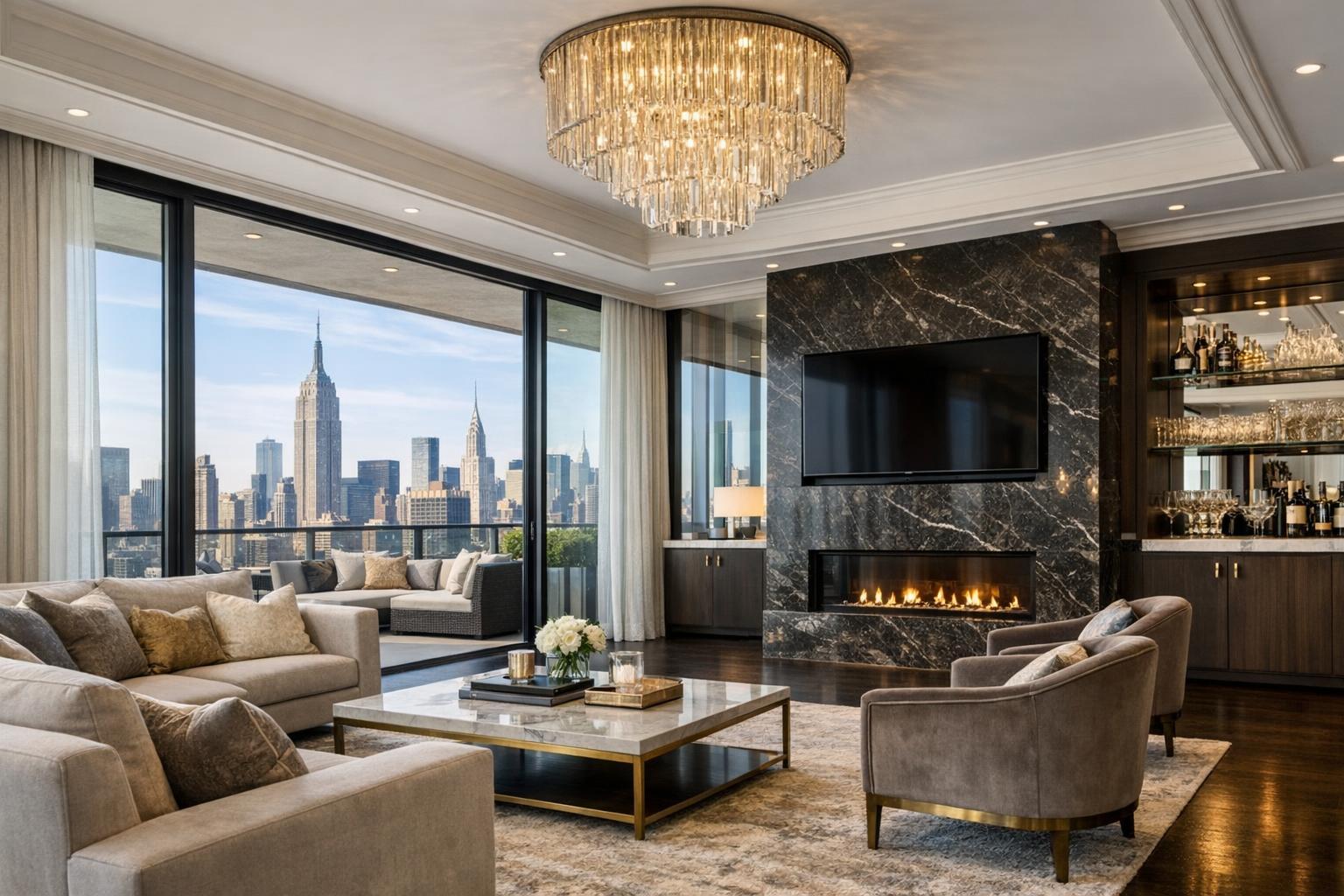
A luxurious living room with elegant furnishings, a grand chandelier, and floor-to-ceiling windows offering a stunning view of a city skyline.

How to Choose a Luxury Real Estate Photographer for High-End Listings
Luxury real estate photography in New York City and New Jersey is about much more than beautiful pictures. For agents, brokers, and property representatives, choosing a photographer for a high-end listing means finding someone who can clearly communicate the feel, architecture, and design of a space—without distorting reality or resorting to visual trickery. With so much riding on first impressions, especially on platforms where buyers may never set foot in the property before making major decisions, the quality of your images can directly influence how your listing stands out.
Why Listing Photography Needs More Than Just Good Looks
While many talented photographers capture gorgeous interiors, real estate listing photography—especially at the luxury level—has its own demands. It isn’t about making every scene look “Instagram-perfect,” but about helping buyers understand the flow, proportions, finishes, and ambiance of each room.
An editorial image that focuses tightly on an artful staircase or a dramatic piece of furniture may be beautiful. But if you’re an agent marketing a spacious Manhattan apartment, a historic Brooklyn brownstone, or a unique New Jersey estate, your buyers need to see how rooms connect, how natural light moves through the space, and what sets this property apart.
When reviewing photographers:
- Ask to see full property galleries, not just highlight reels.
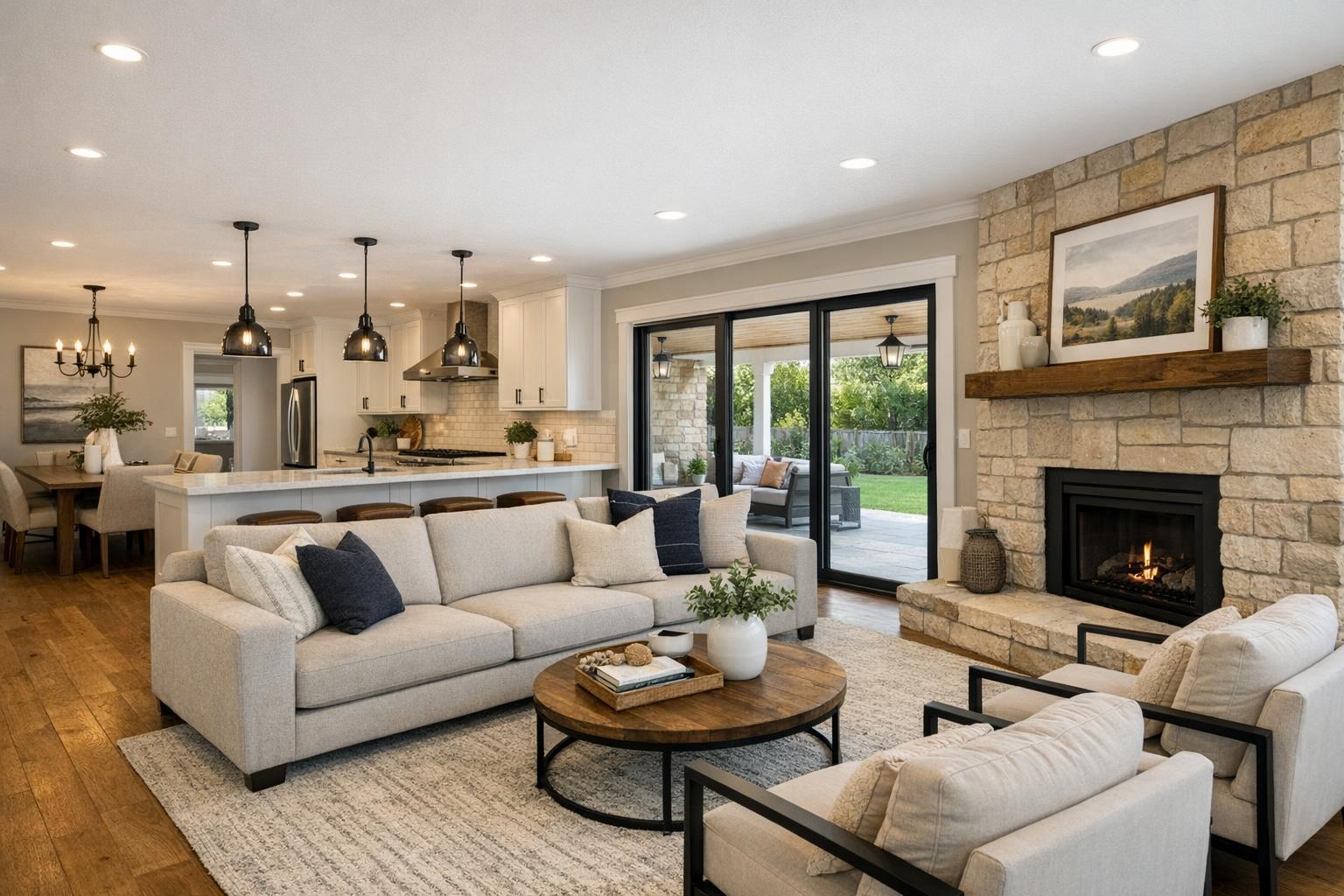
- Note whether images show the relationship between living, dining, and outdoor spaces.
- Look for consistent quality even in rooms that present challenges, such as small bathrooms or low-light bedrooms.
Consistency across the gallery matters. The images should feel unified, even when the home moves from sleek modern kitchens to wood-paneled libraries or vast suburban great rooms.
The Role of Thoughtful Composition
Editing can clean up a photo, but it can’t fix weak composition. The best architectural photographers in NYC and beyond know how to frame spaces so viewers instinctively understand how rooms relate and how a property would feel in person.
- Accurate sense of space: A wide lens is helpful, especially in compact city apartments, but overuse can make spaces look unnaturally stretched. Examine if the photos present believable room proportions rather than visual tricks.
- Controlled lines: Door frames, cabinetry, and windows should appear straight—not leaning or distorted. Mastery over camera placement and perspective correction makes imagery not only more attractive but more trustworthy.
- Each photo needs a purpose: Don’t be swayed by galleries packed with repetitive images. Strong listing galleries balance wide shots with useful secondary views and details—showing, for instance, both the grandeur of a double-height living room and the elegance of custom millwork or brass fixtures.
Balancing Light, Views, and Color
Capturing both soaring interiors and dramatic window views without losing detail is a technical challenge, especially with luxury properties boasting spectacular settings. Professional HDR techniques allow photographers to combine multiple exposures, ensuring neither bright windows turn into featureless glare nor interiors become lost in shadow.
Look for images where:
- Window views enhance, not overpower, the room.
- Interiors are evenly lit and natural, with colors true to the actual space.
- Finishes like white oak, marble, or matte plaster look as they do in person.
Artificial lighting can help bring a basement or a dimly lit dining room to life, but the best photographers deploy it carefully. Overly dramatic edits, heavy-handed saturation, or harsh shadows can distract rather than draw buyers in.
Preparation: The Unsung Hero of Great Real Estate Photography
Even the most skilled photographer can only capture what’s present at the time of the shoot. How a property is prepared—whether through decluttering, cleaning, or light staging—has a huge impact on the final result.
Here are some proven pre-shoot steps:
- Remove personal items, visible cords, countertop appliances, and stray paperwork.
- Clear bathroom counters and put away cleaning products.
- Open shades where you want to show off a view.
- Replace burnt-out bulbs and make sure all fixtures are working.
- Make beds, straighten pillows and rugs, and tidy up dining settings.
- Remove pet gear and bins from main rooms.
- Clean windows, mirrors, and other reflective surfaces.
- Confirm building access for amenities, outdoor spaces, or roof decks scheduled for capture.
Occupied homes (like a Brooklyn brownstone in use) may require careful planning so personal belongings don’t simply shift room to room. Brand-new or vacant units may need extra attention to detail, cleaning, and lighting.
Styling, when used, should highlight what’s special—such as making an oversized living room feel welcoming or clarifying how an open kitchen relates to dining spaces—without cluttering the composition.
Building a Custom Shot Plan
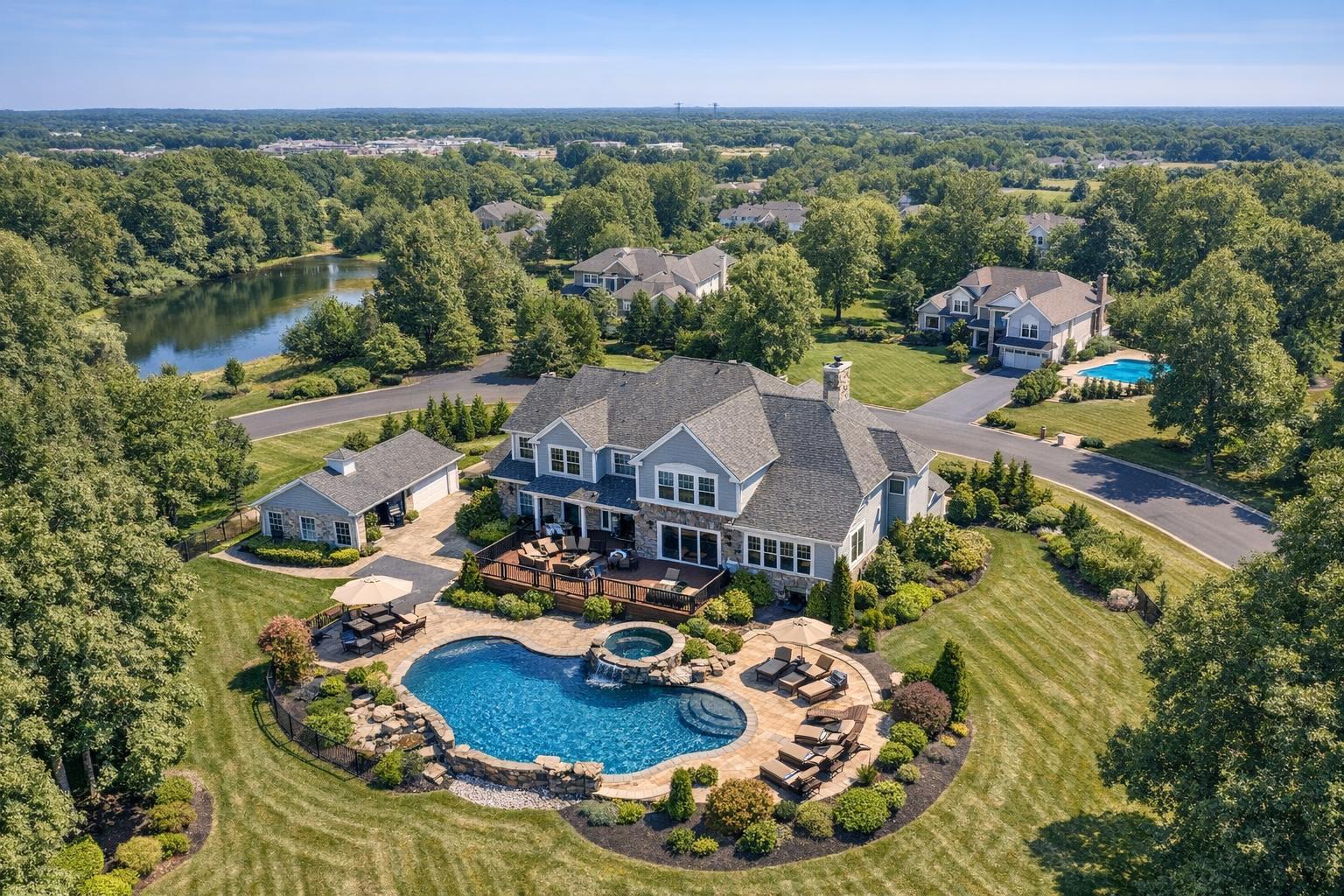
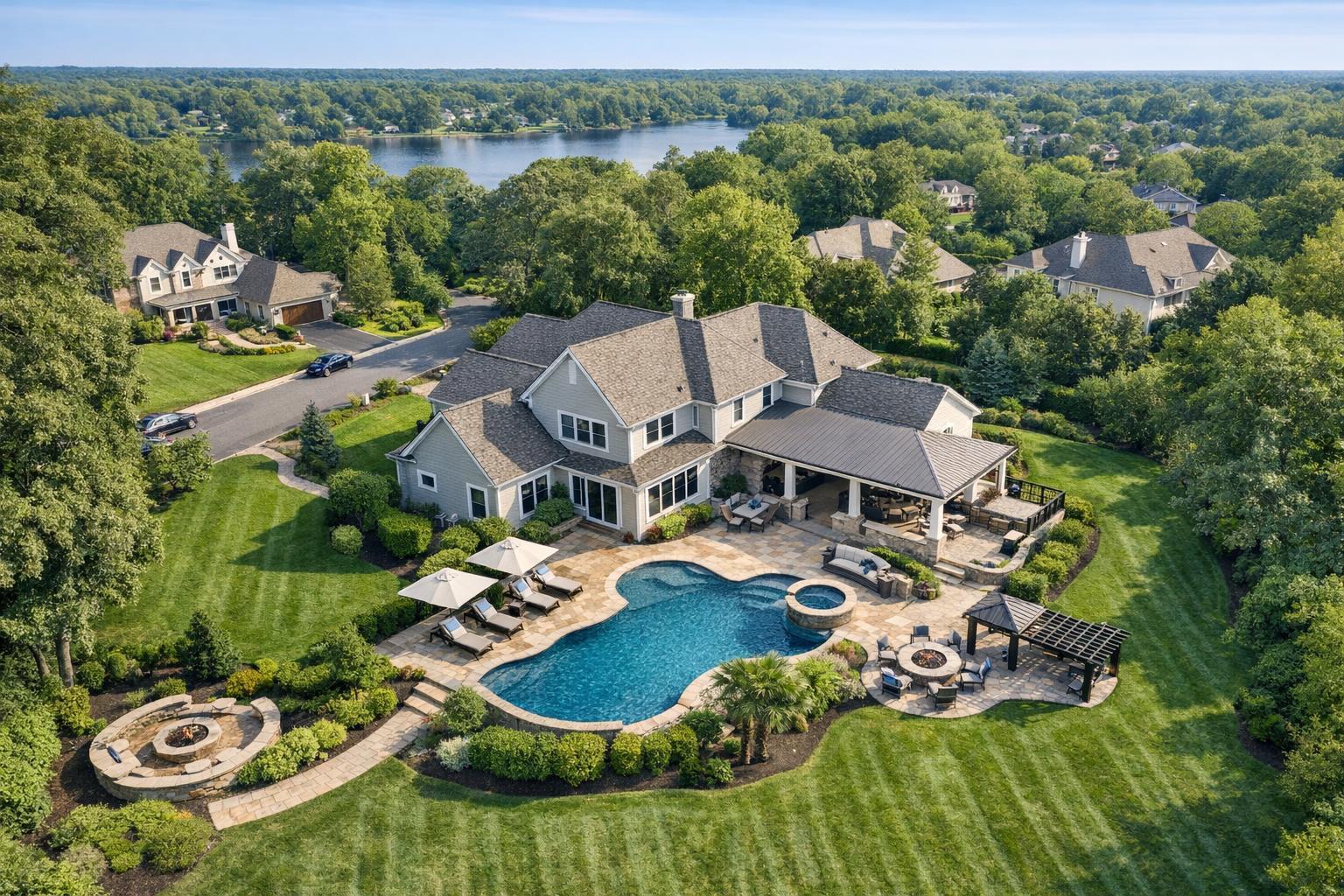
A rigid checklist isn’t the goal, but a thoughtful shot list is essential to making sure nothing meaningful is missed. Plan ahead for any features that make the property special—think a penthouse terrace, a brownstone’s garden entry, or a New Jersey home’s pool and guesthouse.
Discuss with your photographer:
- Which rooms and features are essential.
- The best time of day for exterior views or sunlight patterns.
- Which spaces may have limited access (doormen, tenant schedules, weather).
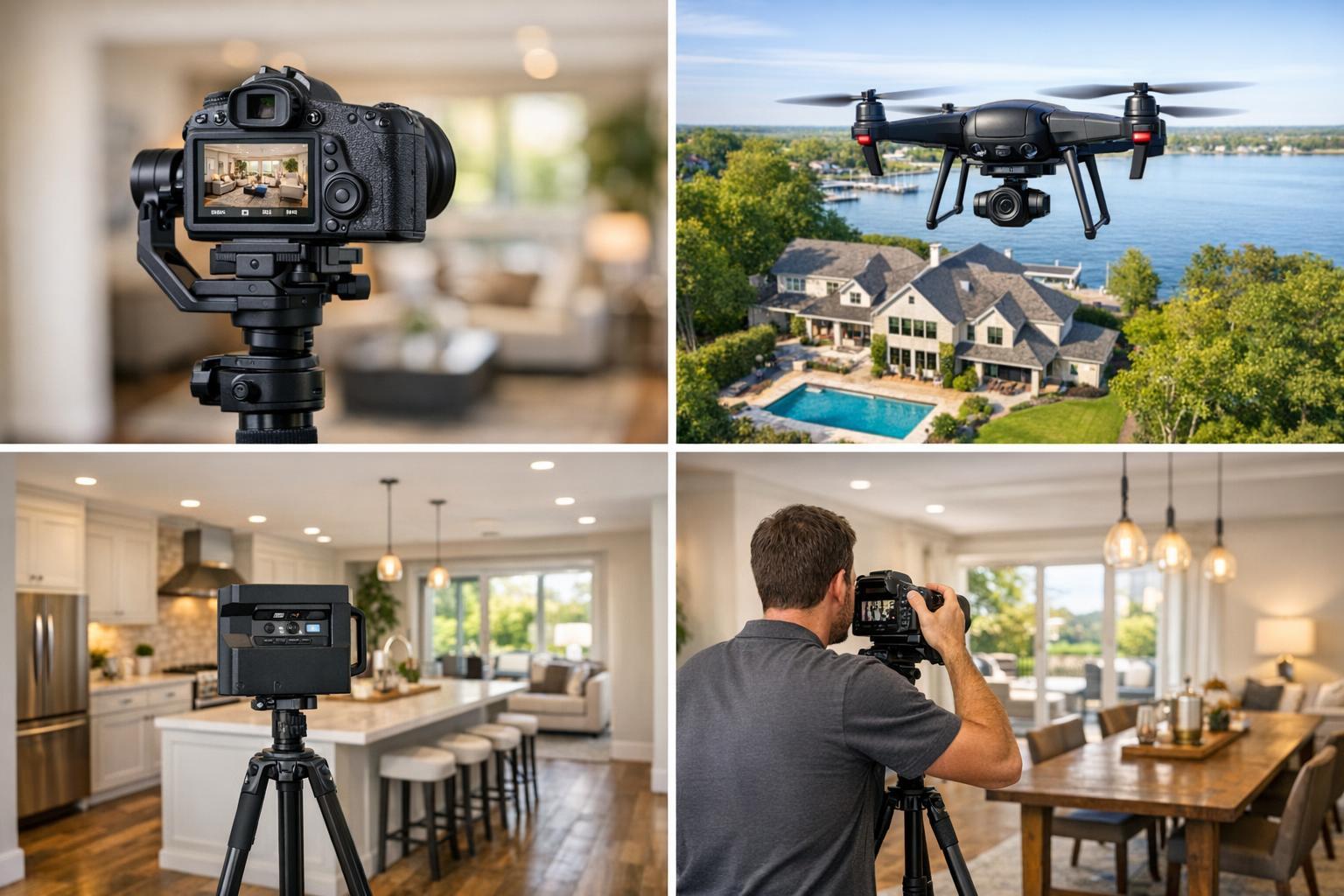
- Whether additional services like drone, video, floor plans, or 3D tours will genuinely add value.
The shot plan should create direction but leave room for the photographer’s experienced eye to make decisions in the moment.
Complementary Media—Only Where It Helps
Photos are the backbone of your listing, but some properties benefit from professional video, floor plans, 3D virtual tours, or drone aerials.
- Videos can show flow, capture the movement from room to room, or spotlight dramatic entryways.
- Floor plans help buyers visualize how bedrooms branch off a hallway or how a kitchen anchors an open-plan home.
- 3D tours offer remote buyers a way to explore at their own pace.
- Drone media can be invaluable for homes with unique setting, large grounds, or key exterior amenities; but it is subject to airspace, safety, weather, and pilot discretion on a case-by-case basis.
Virtual staging can turn an empty room into an inviting space, but for furnished rooms, pre-shoot decluttering or authorized clutter removal is required before digital furniture can be added.
Ask yourself: Will any of these help buyers better understand your high-end listing? If not, keep the focus on polished, accurate stills.
Interviewing and Selecting a Photographer
Choosing the right luxury real estate photographer is about process and communication, not just style. Before you hire, here are smart questions to ask:
- Can you share full galleries from similar properties—not just your favorite photos?
- How do you capture both bright interiors and exterior window views?
- What’s your approach to keeping architectural lines clean and straight?
- What preparation do you recommend for the shoot?
- How do you handle occupied rooms or limited-access amenities?
- Are advanced editing, clutter removal, or virtual staging options available?
- What’s your approach to editing, and how are additional retouches handled?
Look for clear, specific answers. The best fit will describe a process that feels organized and intentional—not just broad assurances or sales pitches.
Working with RealtaSnap in NYC and New Jersey
RealtaSnap provides professional HDR listing photography throughout New York City (all boroughs) and New Jersey. They work with agents and property representatives to create clean, accurate, and listing-focused imagery that shows each property as it exists. The process always starts with understanding a property’s unique layout, access considerations, and what matters most to the listing.
To book RealtaSnap, simply visit www.RealtaSnap.com/schedule. You can enter details, select services, and choose an available time—making the process simple and straightforward. Pricing for photo packages starts at $149 for 10 images, with flexible options for expanded coverage, add-ons like virtual staging, and other media as appropriate for the property.
For more information, examples, and to see if advanced media could help tell your property’s story, visit RealtaSnap real estate photography.
A thoughtfully composed, accurately edited photo set is the foundation of any successful luxury property listing. Choosing a listing-focused photographer over a generic interior specialist gives your property the polished, honest presentation that high-end buyers—and their agents—notice.
If you’re preparing a listing in NYC or New Jersey and want to discuss your needs, start at www.RealtaSnap.com.
FAQ
Question: How is luxury real estate photography different from standard shots?
Answer: For high-end listings, photography needs to highlight architecture, layout, finishes, window views, and scale in a way that still feels believable. It’s more curated and intentional, focusing on the unique strengths of each property while maintaining accuracy from image to image.
Question: Does every premium listing need video, drone, or 3D tours?
Answer: Not always. While these add-ons can be valuable for certain homes—such as those with dramatic settings, unique layouts, or remote buyers—they should be used only when they genuinely clarify or enhance the property’s presentation.
Question: What’s the best way to get a high-end property ready for professional photos?
Answer: Start early. Declutter, deep clean, check lighting, and make sure all priority spaces and features are accessible. Both occupied and vacant properties benefit from planning and a walkthrough ahead of time, so your photographer captures the home at its best.