How to Choose Real Estate Photography Near Me for Your Next Listing
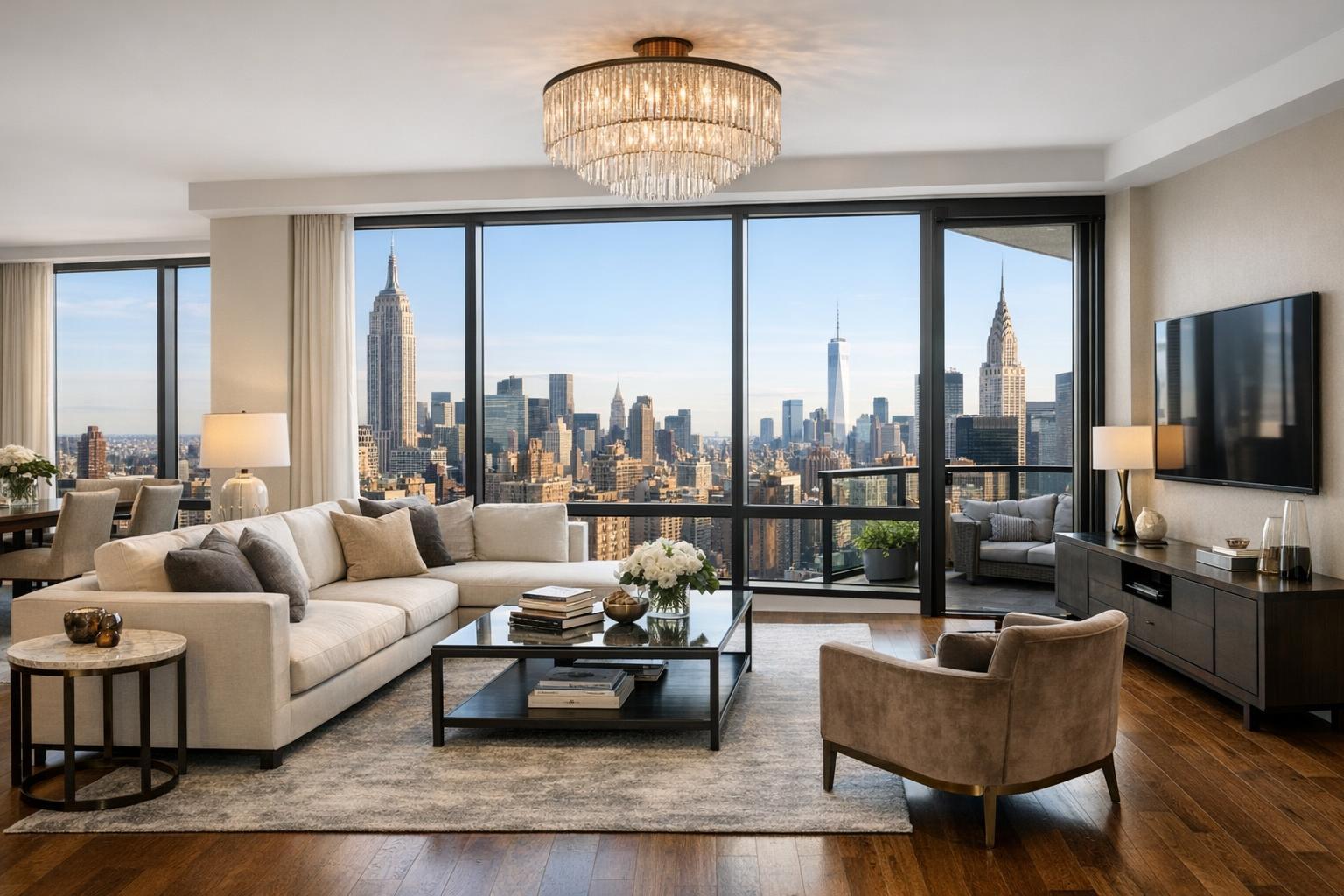
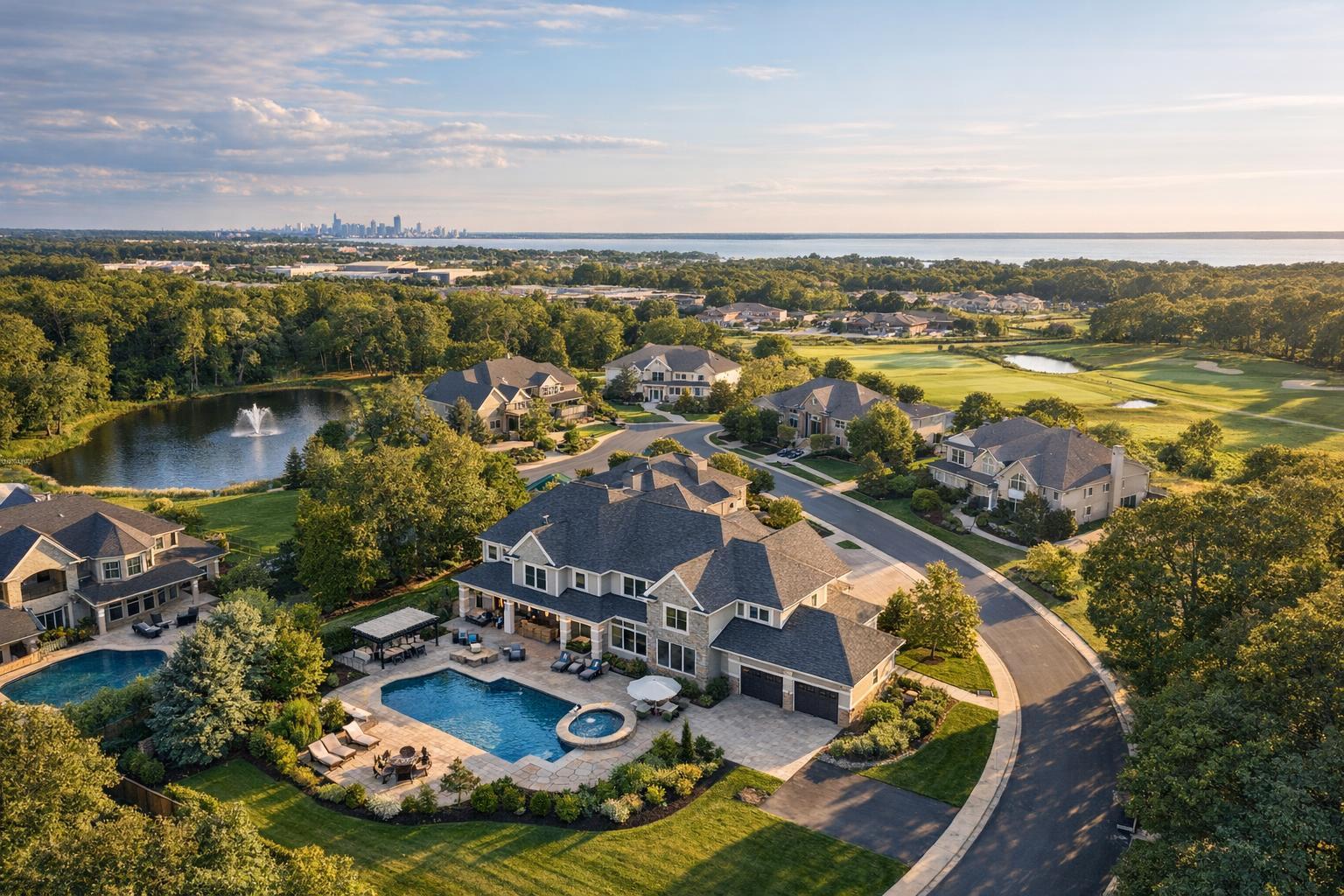
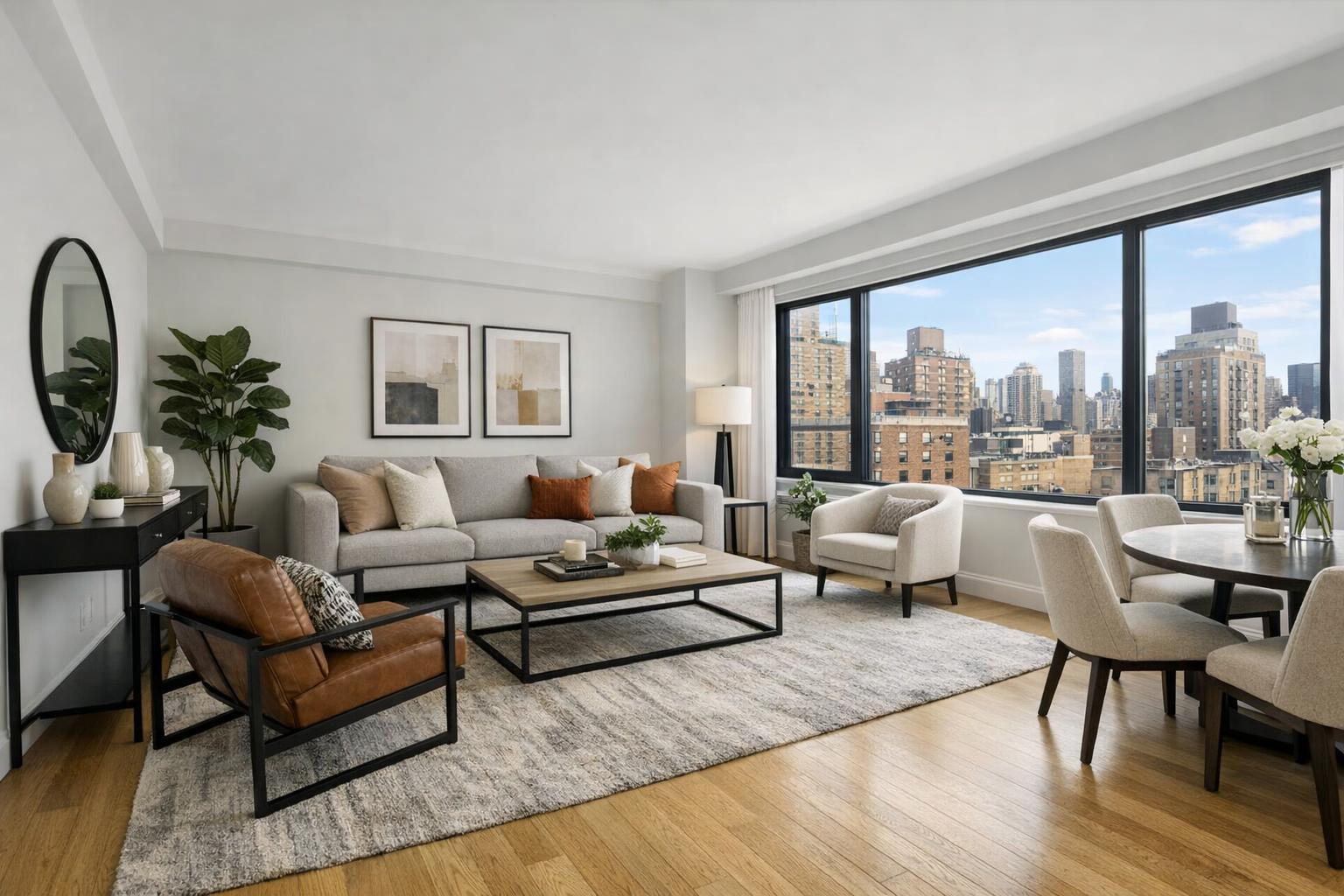
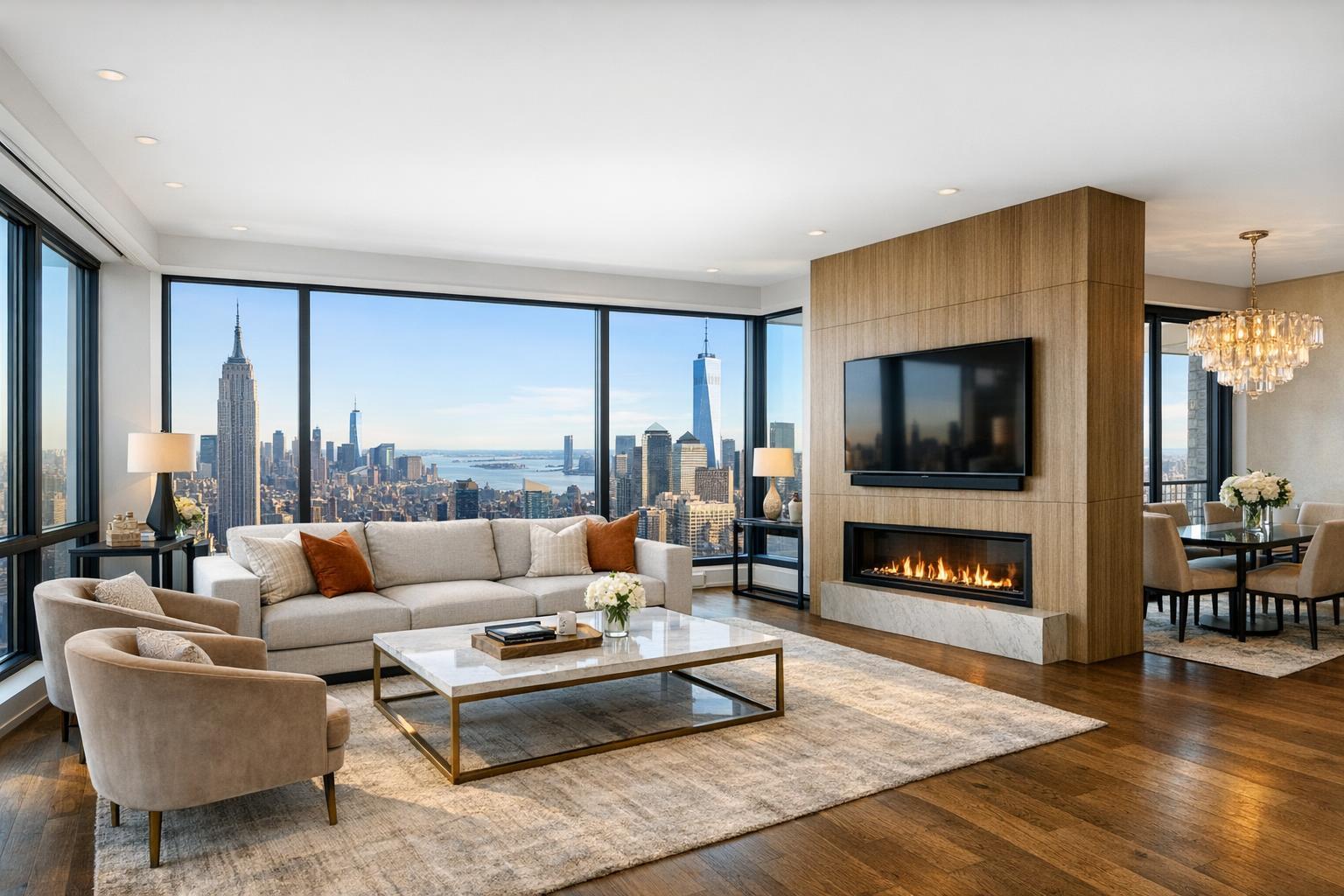
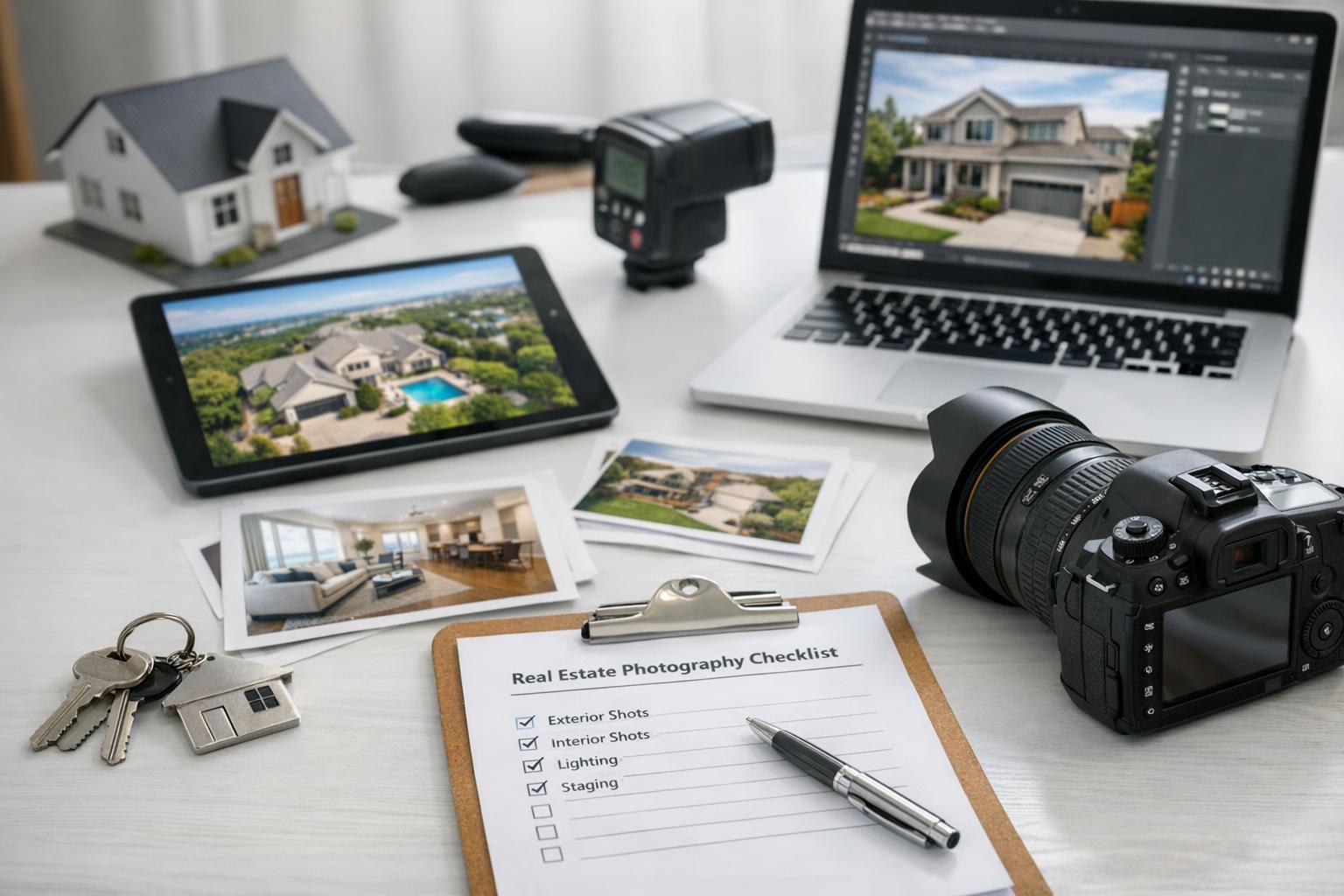
A workspace dedicated to real estate photography near me features a camera, laptop, and checklist, with various property images displayed.

How to Choose Real Estate Photography Near Me for Your Next Listing
Finding real estate photography near me is usually a sign that your listing is moving fast, and you want a local photographer who can deliver quality images on your timeline. But just picking the person who’s closest isn’t enough. Whether you’re in Manhattan with narrow windows for access, prepping a Brooklyn brownstone with original details, listing a Hoboken condo with skyline views, or managing a larger New Jersey home, the right photographer needs to understand the property—and how to help you tell its story.
Let’s look at what actually matters when choosing a local listing photographer in NYC or New Jersey, and how you can set yourself (and your property) up for success.
Think About the Property Before the Photographer
It’s easy to jump straight into Google and start comparing portfolios, but before you do, pause to figure out what your listing actually needs. A modern studio in Midtown, a staged brownstone, a waterfront home, or a multi-family building all have different priorities when it comes to photography and marketing assets.
At a minimum, consider:
- What kind of property is it, and about how big?
- How many rooms, levels, or specific spaces need coverage?
- Are there unique features to showcase—views, gardens, amenities, new renovations?
- Is it occupied, vacant, staged, or a work-in-progress?
- Are there building or HOA requirements for insurance or scheduling?
- When does the listing go live and how much prep time do you have?
- Do you need photos only, or also video, floor plans, or a 3D tour?
Clear answers here help you choose the right photographer. They also make the shoot smoother and the images more useful.
Portfolio Consistency Matters More Than Proximity
A sharp website header or a handful of “best” images doesn’t tell you how a photographer works in real-world conditions. For property professionals, what counts is consistency: Can this real estate photographer NYC (or New Jersey) deliver clean, accurate photos for challenging interiors, odd layouts, and different lighting situations?
When comparing galleries, don’t just scan for pretty rooms. Look for:
- Straight lines in doors, walls, and windows (no odd angles or distortions)
- Balanced exposure—sunlit rooms and shadowy corners should both be visible
- Compositions that reveal how the space is organized, not just its décor
- Colors that look true to life and stay consistent across shots
- A sense of room-to-room flow that helps viewers understand the layout
- Editing that keeps things natural, avoiding over-bright skies or surreal colors
This is especially important in cities like New York and neighborhoods across North Jersey, where every listing presents a new set of challenges.
Ask the Photographer How They’d Approach Your Listing
A seasoned local listing photographer should have a sense of what works for different property types. Don’t be shy about asking how they would handle your specific situation. Here’s what to listen for:
Compact City Apartments and Condos
In Manhattan, Hoboken, Jersey City, or parts of Brooklyn, maximizing natural space without exaggerating it is central. Good photographers will discuss realistic wide shots, and getting building features (lobby, rooftop, amenities) if they’re important to your marketing plan.
Brownstones, Townhomes, and Multi-Level Properties
Older or multi-story homes—think Brooklyn brownstones or West Side townhouses—deserve photos that balance historical detail with the flow between levels and outdoor spaces. Ask if your photographer plans to capture feature spaces like parlors, renovated kitchens, or terraces.
Larger Homes and Suburb Properties
Homes with sprawling floor plans, finished basements, and lots of exterior features need a deliberate plan. Make sure your photographer is comfortable mapping out priority areas and timing the shoot for both interior and outdoor spaces, especially if the property features strong light at certain times of day.
Communication and Process: The True Test of Professionalism
A streamlined process is at the heart of effective real estate photography. Before you lock in a booking, clarify how the provider handles:
- Scheduling and appointment windows
- Access (lockboxes, contacts, building policies)
- Special requests or “must-have” shots
- Rules for shooting occupied spaces, pets, or sensitive areas
- What happens if weather, access, or schedules change
- How many photos you’ll receive, their delivery timeline, and how editing requests are managed
Especially in New York City, building access can mean working with superintendents, concierges, or navigating tight timeframes. In New Jersey, it may mean managing large lots, multiple buildings, or exterior gates.
Clear, straightforward notes about the most important shots (and any areas to avoid) will make everyone’s life easier.
Get the Property Ready—It Makes All the Difference
No amount of editing can fix a cluttered room or poor lighting. Even lived-in homes can look polished if you prep beforehand:
- Turn on all the lights and replace burnt-out bulbs
- Open shades or blinds for natural light and clean the windows
- Clear off counters, tables, and visible surfaces
- Remove magnets, mail, and clutter from refrigerators
- Make beds and tidy up nightstands and dressers
- Hide pet supplies, toys, and food bowls
- Tuck away charging cords, bins, and cleaning supplies
- Move cars if outside shots are planned
- Sweep patios, balconies, and arrange outdoor furniture
Vacant homes should be decluttered too. If empty rooms feel a little stark, talk to your photographer about floor plans, virtual staging, or even a quick video to communicate context.
For a complete prep checklist, you can visit RealtaSnap’s property preparation guide.
Timing and Light: Don’t Leave It to Chance
Natural light changes everything. Discuss with your photographer when the property will look its best. If you’ve got wide west-facing windows, an afternoon shoot may bring out the best in the room. City-facing condos or homes with dramatic landscape views might need scheduling to avoid harsh midday sun or deep shadows.
Share details about:
- Which rooms get the best light
- Any skylights, unusual windows, or obstructions
- Dark lower levels, warm-toned bulbs, or tricky fixtures
- Rules for access to common areas or exteriors
The more the photographer knows, the better they can plan the order and pace of the shoot.
When To Add Floor Plans, Video, 3D Tours, or Drone
Most residential listings are well-served by a focused set of still photos. But some properties benefit from going further:
- Floor plans help when layouts are unconventional, or photos might not communicate the full story. Floor plans require physical on-site capture, not just a rough sketch or PDF.
- Video is useful for properties where flow, movement, or outdoor features are big selling points. RealtaSnap’s listing videos are always captured on-site for a smoother, more natural result.
- 3D virtual tours (like Matterport) let remote viewers explore room to room at their own pace—a real plus for multi-level, commercial, or out-of-town interest. These require on-site capture.
- Drone photos or video can reveal lot lines, roof condition, or nearby amenities, when airspace, weather, and access allow. Drone flights are always subject to FAA rules and pilot discretion.
- Virtual staging can help clean, vacant rooms look more welcoming. For accurate results, the room should be empty or properly decluttered before the shoot.
Not every property needs all these extras, but knowing what’s possible—and what’s practical—can help you make better marketing decisions.
What Really Sets a Quality Experience Apart
Service cost is always a factor, but the smoothness of the process, gallery delivery, and editing clarity make a bigger impact in the long run. A reputable local listing photographer should be transparent about:
- Exactly what’s included in their package
- How and when you’ll receive your files or gallery
- Their editing approach and policies for custom requests
- Availability for add-ons like video, drone, 3D tours, and floor plans
- Proven experience with properties like yours
For real estate professionals in the NYC and New Jersey areas, RealtaSnap offers straightforward online booking, access details, add-on services, and clear communication at every step.
FAQ
Question: How far ahead should I book real estate photography?
Answer: Booking early gives you more options for prep, coordination, and weather-sensitive outdoor shots. With RealtaSnap, you can check real-time calendar availability and reserve on short notice, but a little lead time always helps.
Question: Do I need to be onsite for the photo shoot?
Answer: It’s helpful if an agent, manager, or contact can be available—especially if there’s a need to access amenities or locked spaces. If you can’t attend, leave clear entry instructions and a list of key features you want covered.
Question: Can the photographer digitally remove clutter or alter the space?
Answer: Photos capture the space as it exists. Small clutter removal or retouching may be available for approved requests, but major layout changes or full digital makeovers aren’t offered. Virtual staging works best with empty, decluttered rooms.
If you’re planning a listing anywhere in New York City or New Jersey, check out RealtaSnap’s portfolio, booking, and service details at www.RealtaSnap.com. The right images can make your property stand out before anyone walks through the door.