What to Look for in a Real Estate Video Tour for an NYC or New Jersey Listing
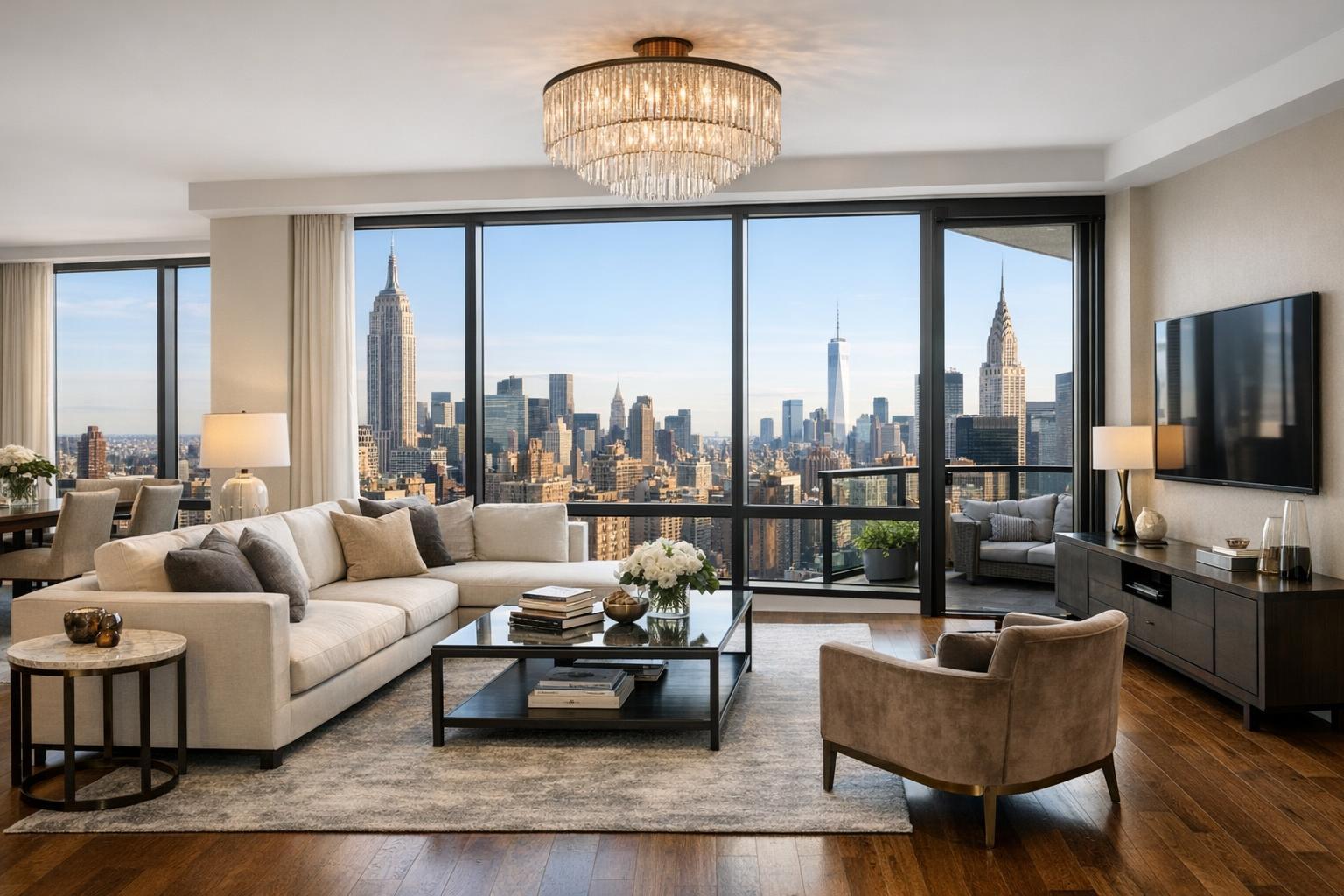
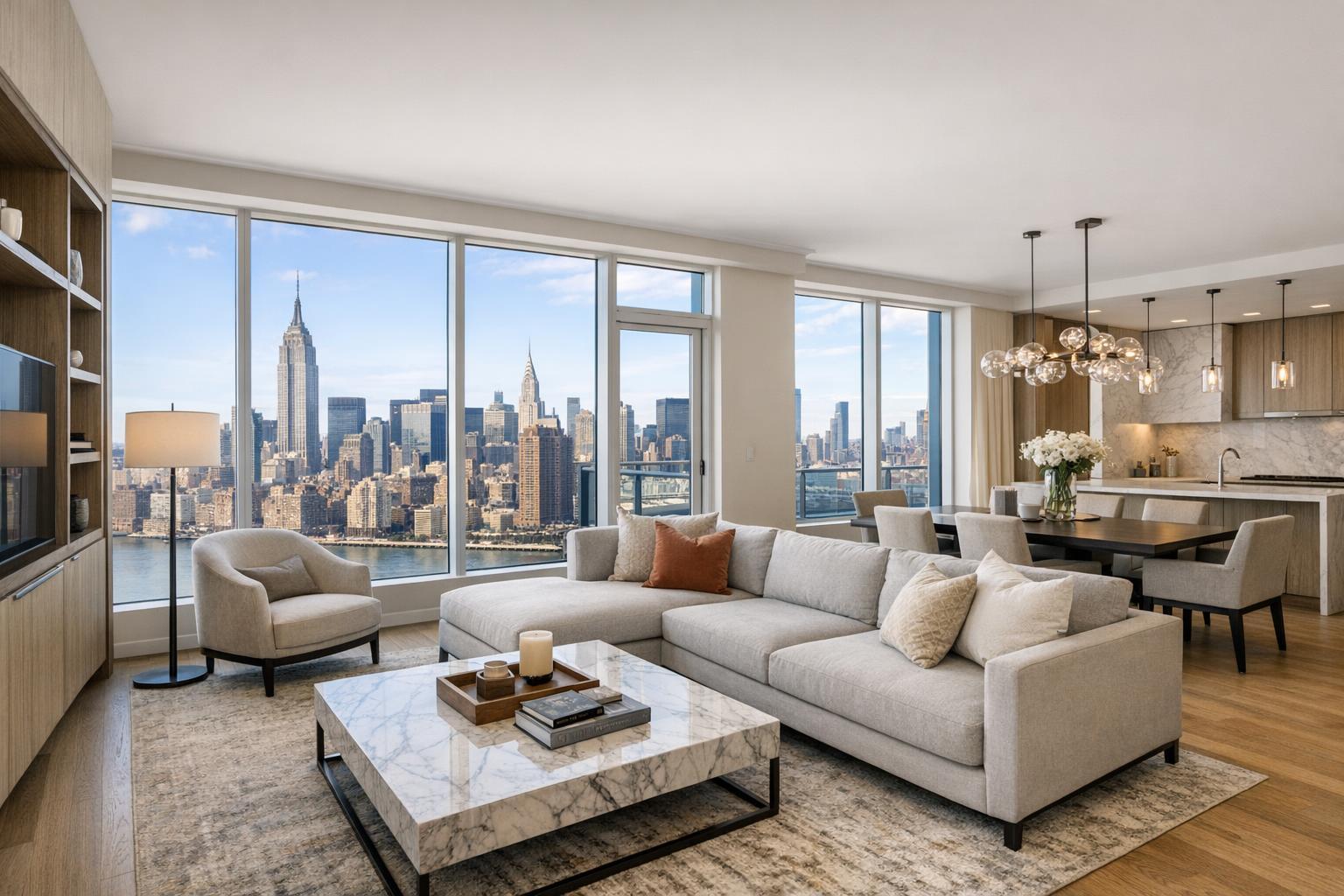
A luxurious open-concept living and dining area offers stunning skyline views through floor-to-ceiling windows, as showcased in the real estate video tour.

What to Look for in a Real Estate Video Tour for an NYC or New Jersey Listing
A real estate video tour is one of the most powerful tools available to agents and property marketers in New York City and New Jersey. A well-made video tour goes beyond repeating still images to offer viewers a real sense of how a property is experienced in person. For anyone considering whether to invest in a video tour for their next listing, knowing what separates a genuinely useful walkthrough from a lightweight photo reel can make all the difference.
More Than Just a Slideshow: What Sets a Walkthrough Video Apart
There’s a big difference between a video that’s built from still photos and one that actually walks viewers through the property. Photo slideshows—animated collections of listing photos set to music—are quick to produce and might be fine for a basic marketing recap. But if your goal is to help buyers, renters, or investors feel how a space is lived in, slideshows fall short.
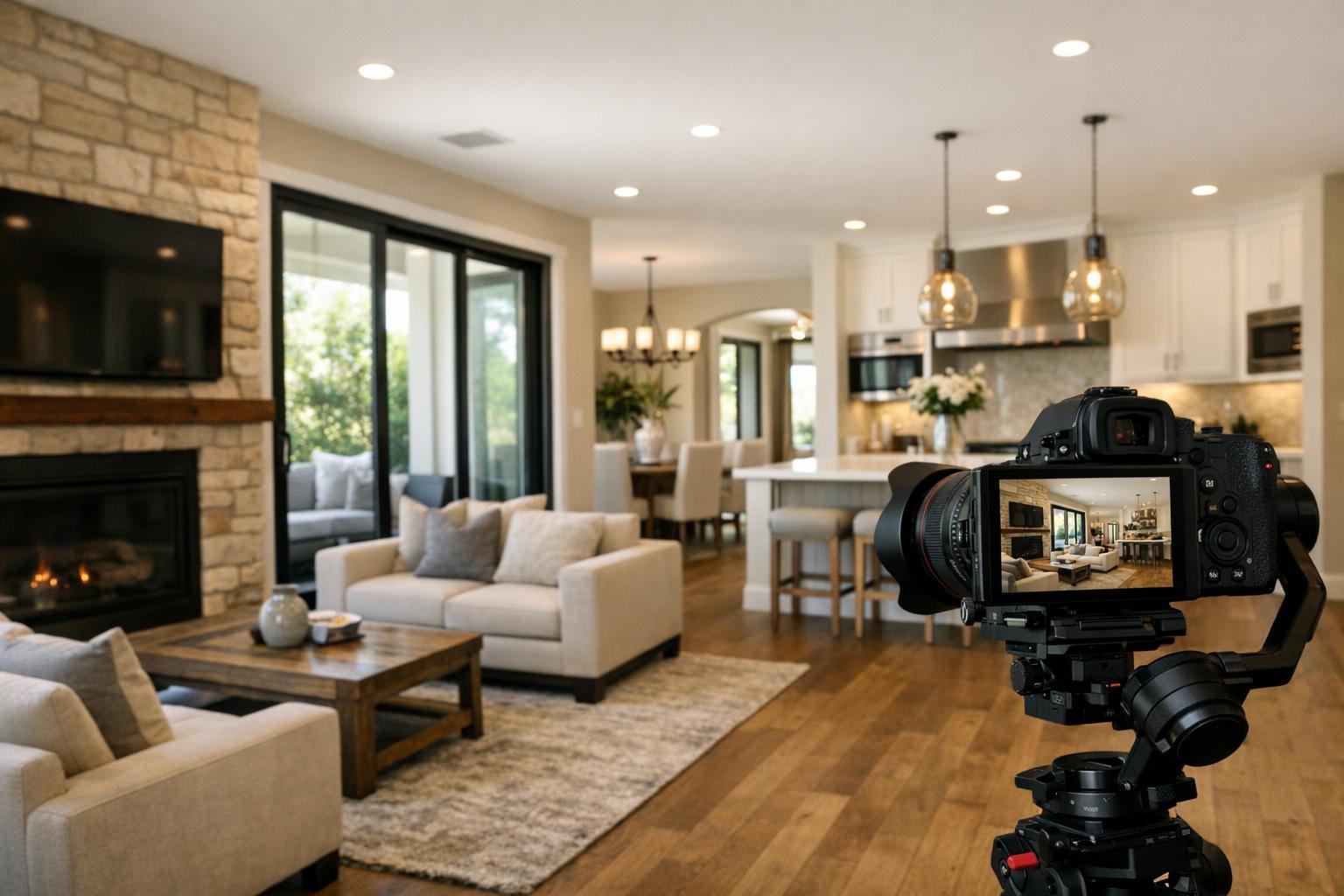
A true real estate video tour takes viewers room to room, showing real movement and spatial flow. You see how you’d step through the foyer, enter the kitchen, move to the living area, or open sliding doors to the outside. The camera explores the home much like a visitor would, giving a concrete sense of the property’s layout and atmosphere. It’s this movement—and the careful choices behind it—that create a much more immersive, useful experience.
Pacing and Movement Reveal How a Space Works
The strongest video tours feel intentional, not rushed or showy. Fast pans and flashy transitions may look dynamic, but if movement isn’t deliberate, viewers end up disoriented and less informed. The ideal walkthrough gives each shot a purpose. For example, a slow pan into a living room might highlight the relationship between seating, windows, and a balcony. In the kitchen, lateral motion can reveal the length of the counters or the layout around an island. Moving upstairs shows the connection between different floors, helping viewers grasp the home’s structure.
The amount of time spent in each area should reflect what’s important. A powder room might just need a quick look, while a dramatic living room or garden should get more attention. The best tours feel like being guided through the property by someone who understands what matters most about it.
Capturing Light and Visibility
Light changes everything, especially in diverse environments like Manhattan, Brooklyn, and New Jersey. One of the most overlooked aspects of real estate videography is how it handles light—from bright exposures that show off sweeping windows, to the careful balance needed when interiors are shadowed or feature deep colors. The goal: show rooms as they really are, preserving outside views where possible, avoiding glare, and making sure lighting looks natural across every space.
Good preparation sets the stage; open blinds where it helps, turn on functional lights, replace any burned-out bulbs, and make sure windows are clear. This lets the video tour reveal a welcoming, accurate atmosphere—without over-promising on features like cityscape views that aren’t truly present.
Not a Replacement for 3D Tours—But Often the Best First Step
While both video tours and interactive 3D tours can help people explore remotely, they serve different goals. A property video is a carefully edited story, selecting the order, features, and highlights that matter most. A 3D tour lets viewers take control, wandering at their own pace, pausing at details that interest them.
Video walkthroughs are ideal for quickly introducing a listing and setting the mood, especially in fast-paced NYC and NJ markets. They offer agents a ready-to-share asset for MLS, social media, or direct emails. For complex layouts—like brownstones, townhomes, or sprawling single-family homes—a 3D tour can be the perfect complement, giving buyers more time to understand every angle. But an effective video tour nearly always starts the conversation.
Letting the Property Lead the Way
Cookie-cutter tours can miss what’s truly unique about a property. The approach should always change based on the space and the story it tells.
- Compact Manhattan apartments: Videos here should clarify how people move between living, dining, and sleeping zones—especially when square footage is tight. Storage, built-ins, and amenity spaces might be focal points.
- Brooklyn brownstones and townhomes: These are defined by their character. Consider capturing every level, from stoop to garden, highlighting details like moldings, fireplaces, and staircases that anchor each floor.
- New Jersey single-family homes: The indoor-outdoor connection matters. Show how patios, yards, and garages connect to kitchens, living areas, and bedrooms. Drone shots can be useful for lots with more land or meaningful views, when airspace and weather allow.
- New developments: Consistency is key. Distinguish between model units, common building amenities, and areas exclusive to the residence. Make it clear what’s included for each potential buyer or renter.
- Commercial spaces: Practicality drives these videos. For offices or retail, focus on entries, public zones, back-of-house, and flexibility. Show light, infrastructure, and how customers would experience each zone.
Practical Steps Before Filming
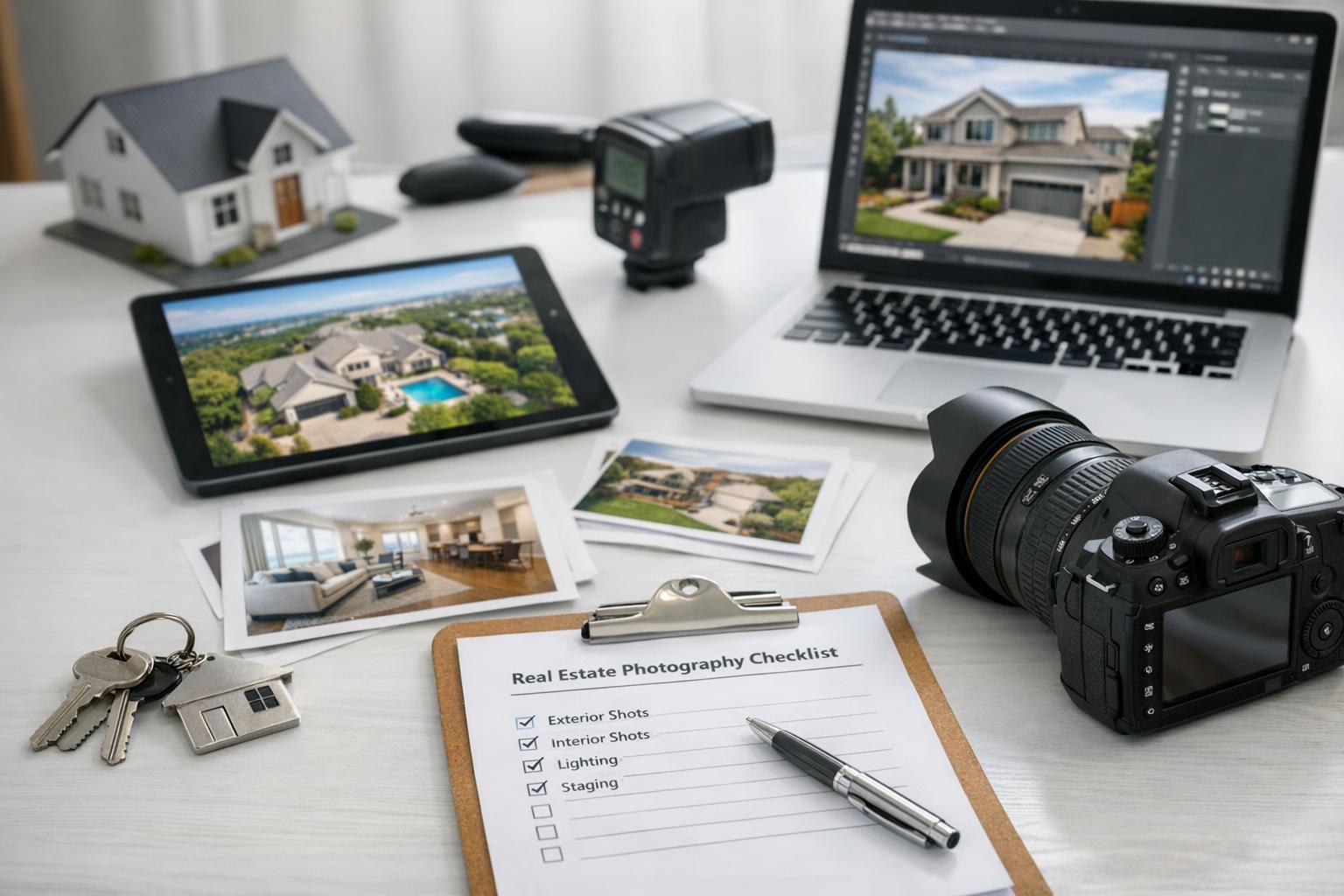
An impressive property can only shine on video if it’s thoughtfully prepared before filming. Distractions—clutter, extra cords, countertop appliances, pet gear—should be removed so the space feels organized and spacious. Surfaces and windows should be cleaned, beds made, and anything that blocks important features tucked out of sight.
Other quick checks:
- Make all needed areas accessible (keys, elevator reservations, parking instructions, etc.)
- Turn on all lights and replace broken bulbs
- Decide in advance which rooms or features should be filmed (and which shouldn’t)
- Alert the videographer to “hidden” highlights like premium appliances, smart controls, or storage solutions
If you’re planning to use virtual staging for vacant listings, remember: furniture should be removed before shooting, or appropriate clutter-removal edits arranged in advance. Staging photos work best with clean, empty spaces.
Details That Count—Without Losing the Big Picture
Well-made tours balance the big statement spaces with detail shots of what sets the property apart—restored fireplaces, statement lights, hand-crafted cabinetry, or outdoor features. But linger too long on close-ups and you risk confusing viewers about layout. A thoughtful walkthrough starts with orientation (where am I?), demonstrates flow (how do these rooms connect?), then uses brief detail shots to capture character.
Format and Length: Quality Over Quantity
Longer video doesn’t always mean a better impression. A quick, polished tour may serve a compact city apartment, while a larger home or development could justify something more extensive. Alternate cuts—like vertical or square versions—can be created for platforms like Instagram or TikTok. RealtaSnap, for example, offers standard, premium, and agent-interview video formats, with add-on social media edits so you can target each viewing audience effectively. The best results come from matching the style and story to the individual property, not forcing every listing into the same template.
Choosing a Provider
Not every real estate media company delivers the same product. Some simply stitch photos into a slideshow. Others, like RealtaSnap, capture video footage on location to ensure the tour feels natural and tied to the actual space. Verified on-site capture, careful pacing, and local expertise in the NYC and New Jersey markets make a difference—especially when buyers are basing big decisions on what they see online first.
For more information about RealtaSnap’s on-location real estate video services, take a look at the official videography page or browse the main RealtaSnap site.
FAQ
Question: How does a real estate video tour differ from listing photos?
Answer: Listing photos showcase spaces in individual images, while a video walkthrough demonstrates how areas connect and how a person would actually navigate the property. Videos add pacing and transitions, helping viewers understand both the layout and the atmosphere.
Question: Do I need both a video tour and an interactive 3D tour for my listing?
Answer: It depends on your property and your audience. Video tours work especially well for clear, direct storytelling and easy social sharing. 3D tours give buyers more freedom to explore on their own, which is helpful for complex or high-value listings. Many agents use both, depending on the scope of the property.
Question: What preparation steps should I take before filming a property video?
Answer: Clean and declutter all rooms, make sure every area to be filmed is accessible, turn on all lights, and inform the videographer about any standout features or changes. If you’re planning on virtual staging, clear out existing furniture or arrange for clutter removal beforehand so the enhancements look natural.
If you’re ready to show your NYC or New Jersey property in its best light, or want expert advice on production options, visit www.RealtaSnap.com for details, inspiration, and scheduling.