How to Choose a Real Estate Photographer in NJ for Your Next Listing
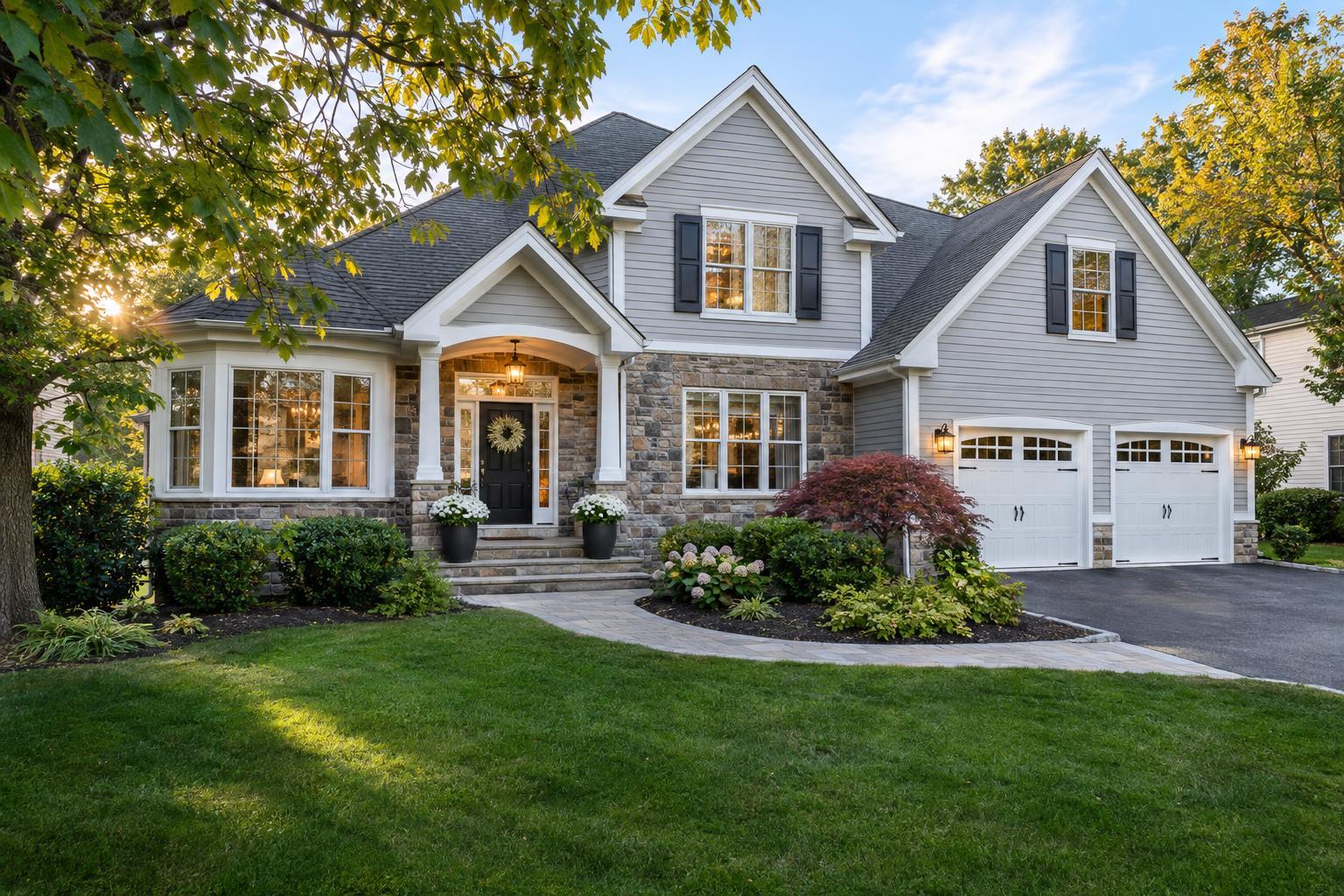
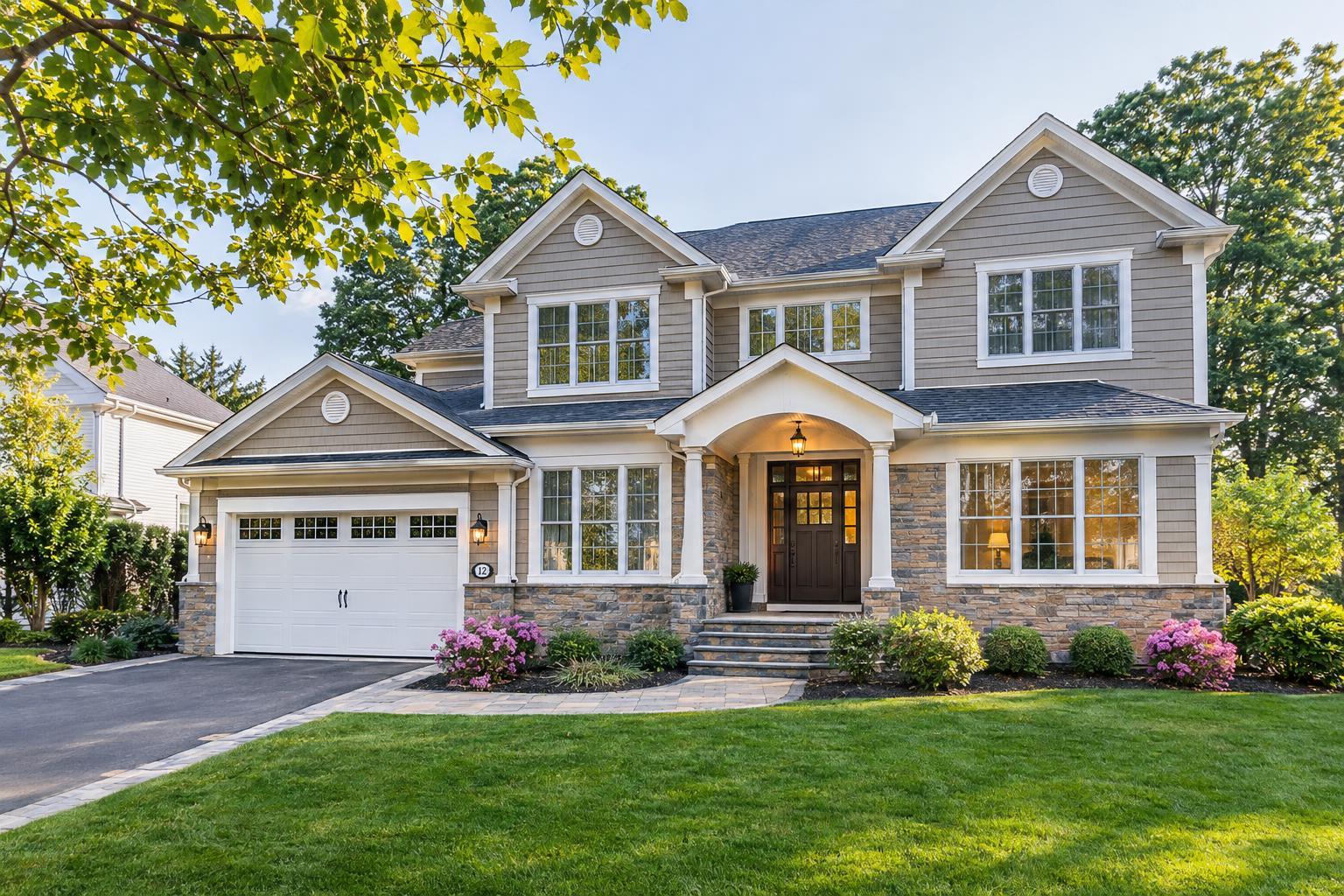
Captured by a real estate photographer in NJ, the image showcases a beautifully designed suburban home with a well-maintained lawn and inviting entrance.

How to Choose a Real Estate Photographer in NJ for Your Next Listing
Finding the right real estate photographer in NJ can make the difference between a listing that’s scrolled past and one that draws a second look. But if you’re a real estate agent, broker, property manager, or owner, choosing a photographer is about much more than picking the gallery with the shiniest photos. To get coverage that truly helps your property stand out, it helps to know what separates a capable pro from someone who just knows their way around a wide-angle lens.
Why Great Listing Media Matters
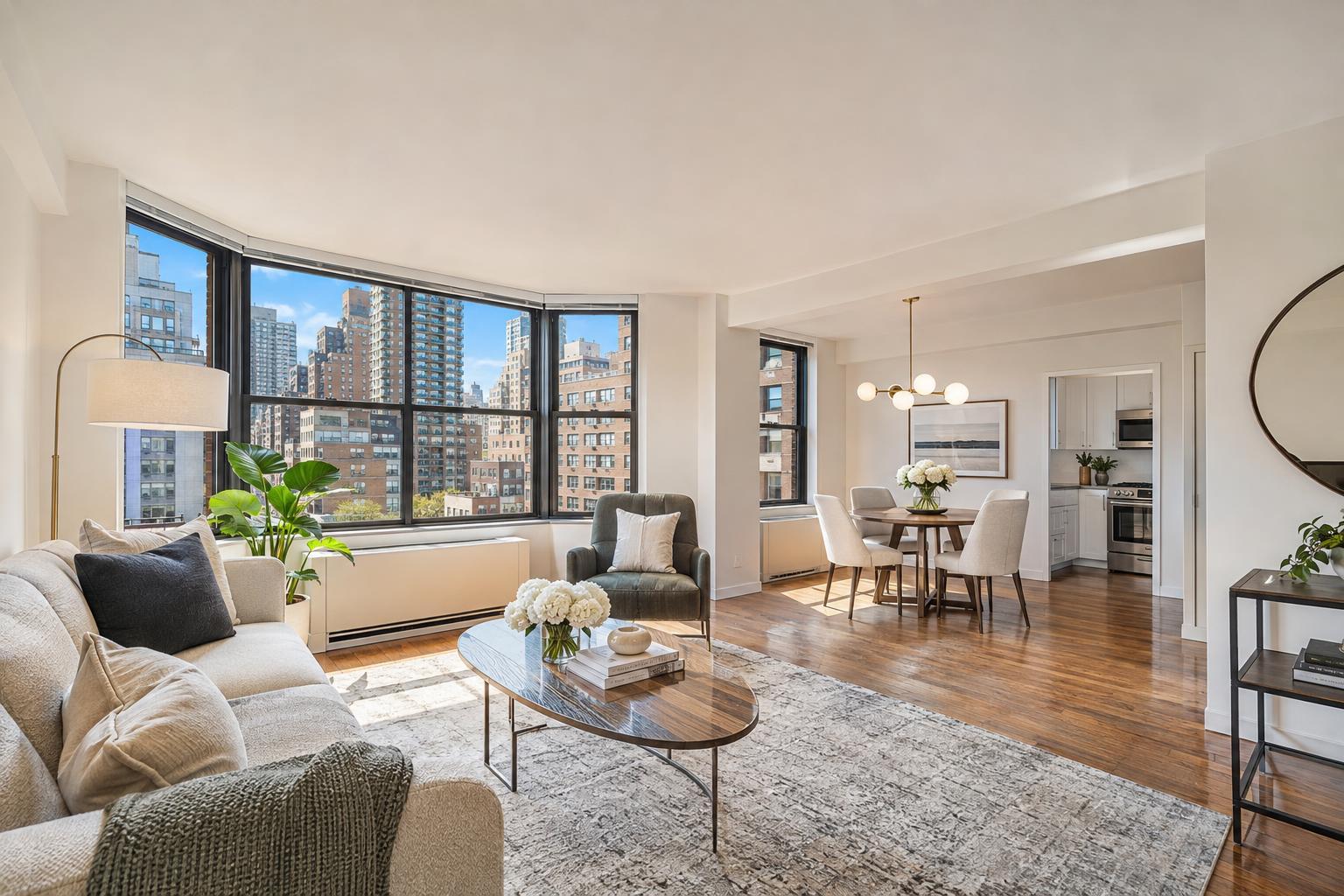
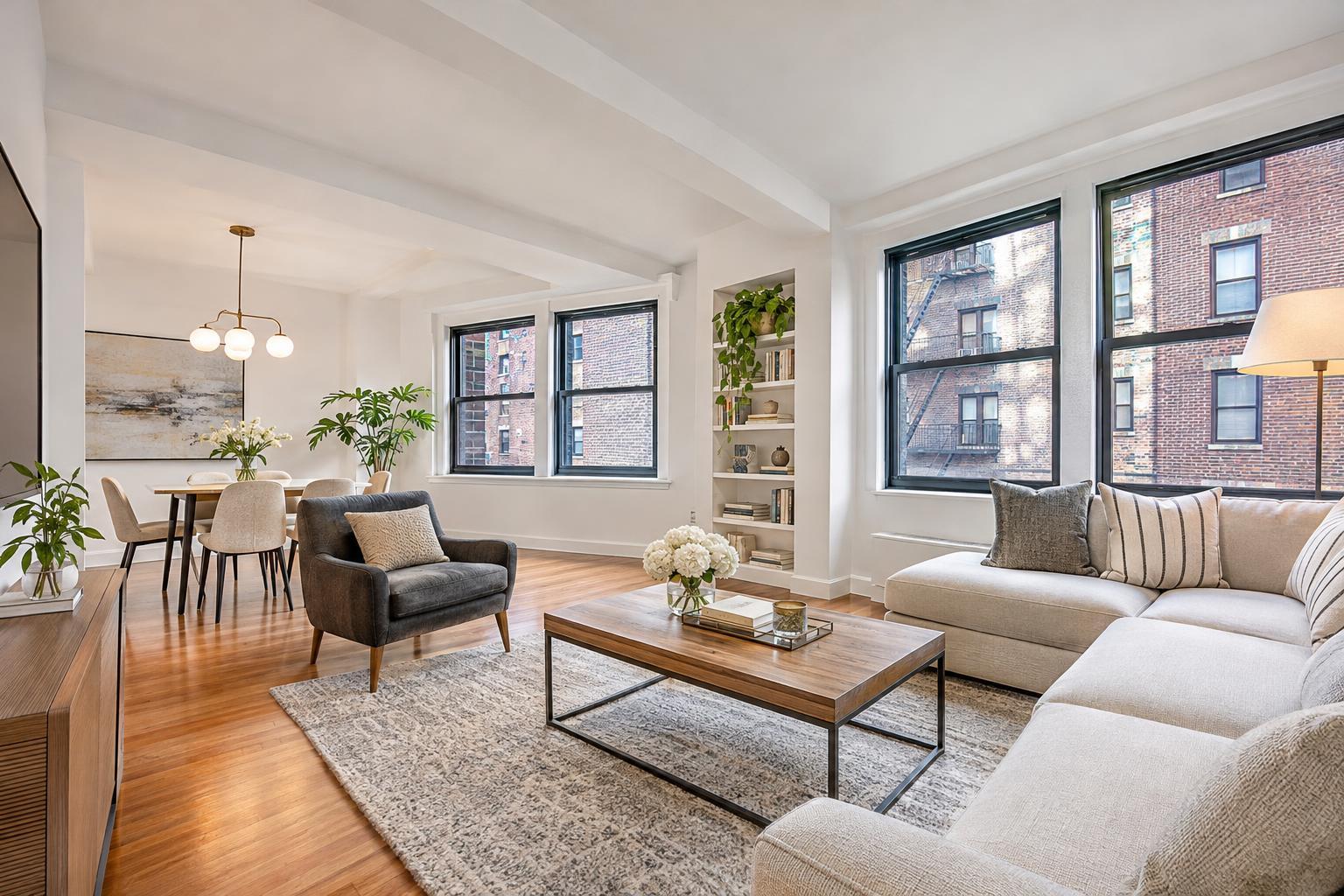
For most buyers or renters, photography is their first real look inside a property. Clear, consistent images do more than showcase features—they help viewers picture how a space connects, catch the light, and give each room purpose. In a place like New Jersey, where property types stretch from tight Hoboken condos to sprawling suburban homes to shorefront hideaways, a professional property photographer needs to adapt to each assignment instead of working from a generic checklist.
Go Deeper Than Portfolio Highlights
A standout portfolio is a great sign, but don’t stop there. Most photographers will lead with their best images. To get a truer sense of reliability, ask to see full galleries from entire listings, not just social media snippets. What you’re looking for is consistency:
- Are interiors bright but not overexposed?
- Can you see outside through windows while still understanding the room?
- Are walls and vertical lines straight, not oddly curved?
- Do colors look true to the property, including landscaping?
- Is there as much care with smaller rooms and bathrooms as with the main living areas?
- Do exterior shots show curb appeal without ignoring secondary features like backyards or balconies?
Skillful photographers use a mix of natural and supplemental light, correct perspective issues, and avoid stretching rooms so that proportions stay honest. Wide angles can make spaces feel open but should not mislead. If you’re not sure, ask to review a gallery for a property similar to yours.
What Comprehensive Coverage Looks Like
Effective real estate photography should let a viewer understand how they’d move through the space. For interiors, that means more than just firing off one shot in each room—think intentional angles that show the relationship between spaces. Open layouts deserve photos that show flow rather than just chopped-up parts. Smaller condos may need a focus on clarity and readability, while bigger homes should help viewers distinguish major spaces and features.
Don’t overlook the exterior. A single shot of the front often isn’t enough. Depending on your property, useful outdoor photos may include:
- The approach or entry
- Rear patios, decks, or balconies
- Pool, yard, or gardens
- Rooftop areas or views
- Driveway, parking, or garages
- Shared amenities (especially for condos or rentals, if accessible)
The aim isn’t quantity for its own sake but giving viewers the right context to understand the layout.
Natural Editing Builds Buyer Trust
Editing is standard, but should always support realism. When listing media is over-processed—think neon grass, unnaturally blue skies, or fuzzy, textureless walls—it feels off when someone visits in person. Look for editing that keeps colors true, maintains texture, and respects straight lines. If in doubt, ask how image editing is handled and whether the visual style is consistent from listing to listing.
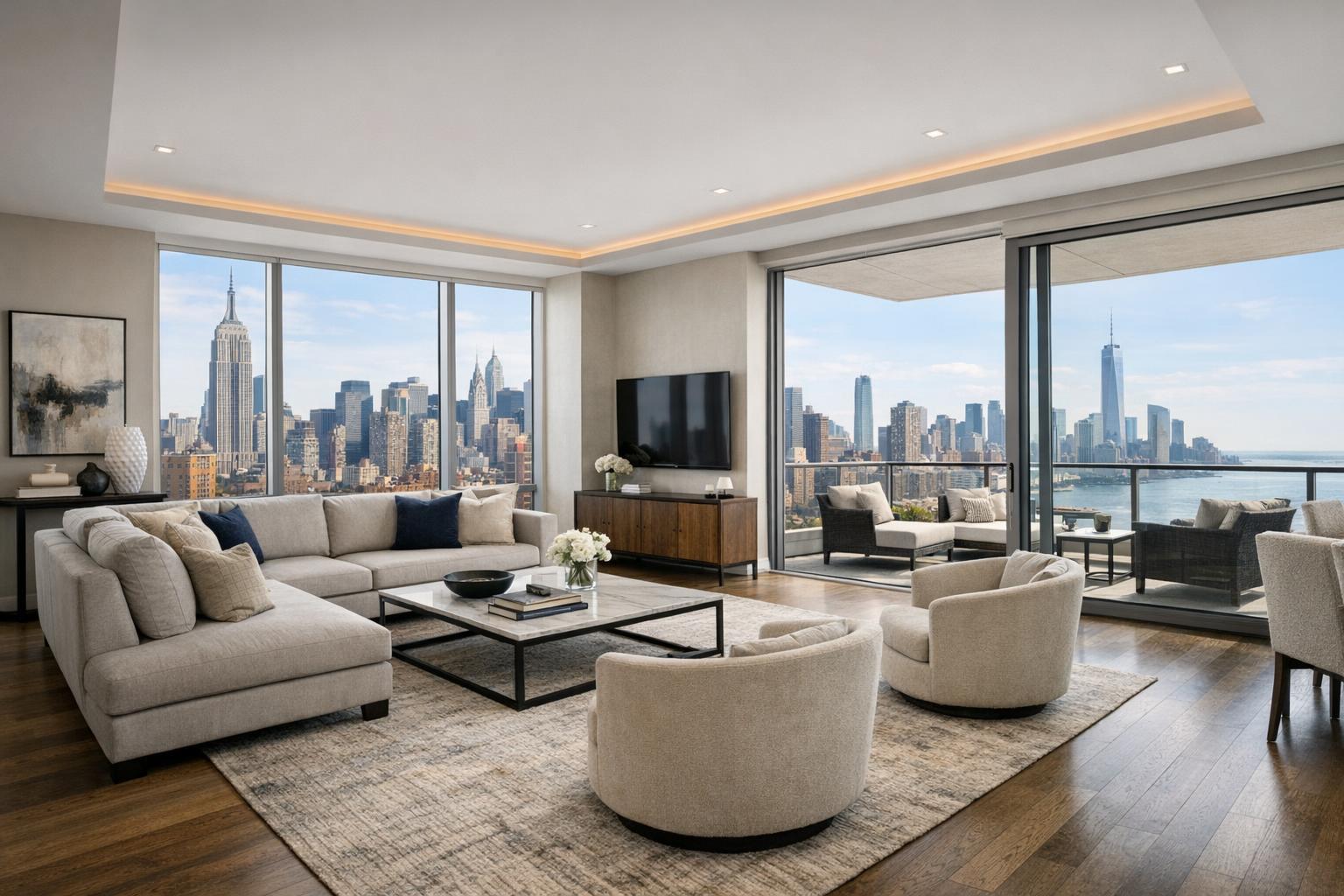
Every space presents its quirks—strong sunlight, dark paneling, or a killer view out a window. Experienced pros can balance tough exposures and edit thoughtfully without pretending a feature exists when it doesn’t.
Matching Photographer Skill to Property Type
New Jersey has a bit of everything: packed North Jersey condos, classic suburban homes, waterfront and shore escapes, commercial spaces, and a healthy rental market. The same photographer might handle all of them—but the approach should adapt each time.
Condos and Apartments in North Jersey
Urban buildings bring challenges like restricted access, elevator schedules, tight rooms, and the importance of good window views. Your photographer should have a plan for making the most of short appointment windows and maximizing the space without distorting it.
Suburban Single-Family Homes
Detached homes with several floors, finished basements, or flexible living spaces need more than a quick walk-through. The photographer should identify highlights—a renovated kitchen, a spacious primary suite, a landscaped backyard—and present them in a logical sequence, so the listing makes sense as a whole.
Waterfront and Shore Properties
Properties near the water often shine brightest through well-captured outdoor features: decks, docks, pools, the natural setting, and the flow between indoor and outdoor spaces. Sometimes, aerial media gives a perspective that ground photography can’t. Just know that drone use isn’t always automatic—it depends on flight feasibility, airspace, weather, and access.
Rental and Managed Properties
Efficiency is key for repeatable rental listing photography. Photos should be clear and to the point, helping prospective tenants quickly understand layout and features. For larger or more unusual floor plans, a virtual tour or floor plan can be a real asset. If a unit is occupied, make sure tenants know the schedule and that the space is prepared beforehand.
Commercial Spaces
Retail, office, restaurant, and warehouse listings have their own priorities: showing frontage, workspace, ceiling height, loading access, and sometimes neighborhood context. Choose someone who understands these unique commercial needs and can discuss what matters most for your listing.
Communication, Scheduling, and Delivery: What to Expect
Choosing a professional property photographer is about more than images—it’s also about service. Before you book, get answers to these:
- What details are needed before the appointment?
- How do you provide entry or building instructions?
- How much notice do they need?
- What if the property isn’t ready when they arrive?
- When and how are finished files delivered?
- Can you request add-ons or edits, and how does that work?
Smooth scheduling matters—especially if you’re juggling sellers, access, or stager and cleaning appointments. At RealtaSnap, you can book online directly at www.RealtaSnap.com/schedule. Once you enter your address, you’ll get guided through your service selections, scheduling, and payment. All standard bookings need at least 24 hours’ notice, and available slots show in real time.
When Do You Need More Than Just Photos?
Photos are foundational for any listing, but sometimes you need more context or a different experience.
Floor Plans for Layout Clarity
A floor plan can help a buyer or renter understand relationships between rooms, especially in larger or multi-level homes, condos with unusual layouts, or properties where flow and square footage matter. Floor plans require on-site capture—there’s no way to get an accurate plan from just photos or PDFs.
Video for Movement and Atmosphere
Listing video adds a dynamic element, showing how a person would move from entry to main living spaces and special features. Great for dramatic homes, strong indoor-outdoor connections, or simply sharing the feel of the home. Video is captured on-site and tailored to the property’s best angles.
3D Tours for Remote Viewers
If you’re expecting out-of-town or relocating prospects, or simply want to offer a self-guided open house any time, 3D tours (such as Matterport) let viewers explore at their own pace. Like floor plans, 3D tours require detailed on-site scans.
Aerial and Drone Media for True Context
Aerial photos and videos can highlight settings—waterfront, acreage, unique rooflines, or proximity to open space. The decision to fly always factors in FAA requirements, airspace, weather, property access, and pilot judgment.
Virtual Staging for Vacant Spaces
Virtual staging is best for clean, empty rooms. If furniture or clutter is present, it needs to be removed or an approved clutter-removal edit ordered before staging. The goal is to help viewers imagine possibilities without obscuring the property’s real dimensions or features.
Practical Tips for Your Real Estate Photographer Search
Before you commit to a photographer for your next New Jersey listing, consider asking:
- Can I see a full listing gallery, not just highlights?
- How do you handle rooms with tricky light or window exposures?
- What’s your process for keeping lines and proportions true?
- How should I or my clients prepare the property beforehand?
- What’s included, and what’s the expected turnaround?
- Can you add floor plans, video, virtual tours, drone media, or virtual staging if I decide it’s needed later?
- Are there any unique access or weather considerations for my property?
Clear, practical answers mean you’re working with a true media partner—not just someone who shows up with a camera.
Considering Professional Photography for Your NJ Listing?
A good real estate photographer is more than a supplier—they’re an extension of your team, focused on making the listing process easier and the result more professional. Take a little extra time to dig into coverage consistency, communication style, turnaround expectations, and their ability to adapt to your property type. The best fit is someone who recommends the right mix of coverage for your specific needs, not just what’s standard.
If you’re looking for clean, reliable listing media in New Jersey—from photography to video, floor plans, 3D tours, drone, or thoughtful virtual staging—you can explore options and book your appointment with RealtaSnap at www.RealtaSnap.com. We’re happy to help you get the right coverage for your next listing.
FAQ
Question: How soon should I schedule my real estate photography shoot in New Jersey?
Answer: It’s best to book after the property is cleaned and ready. RealtaSnap asks for at least 24 hours’ notice for online bookings, and you can pick your slot directly from the live calendar.
Question: If my listing is furnished, can you still do virtual staging?
Answer: Virtual staging works best with empty rooms. If there’s furniture in a space, it either needs to be removed first or you’ll need to order clutter-removal editing before virtual staging can be applied.
Question: Do you offer listing videos made from still photos?
Answer: RealtaSnap creates dedicated, on-site listing videos that capture movement and atmosphere. We don’t assemble slideshow-style videos from still photographs, so every video is intentional and tailored to the space.