How to Choose Real Estate Photography in NYC for Your Next Listing
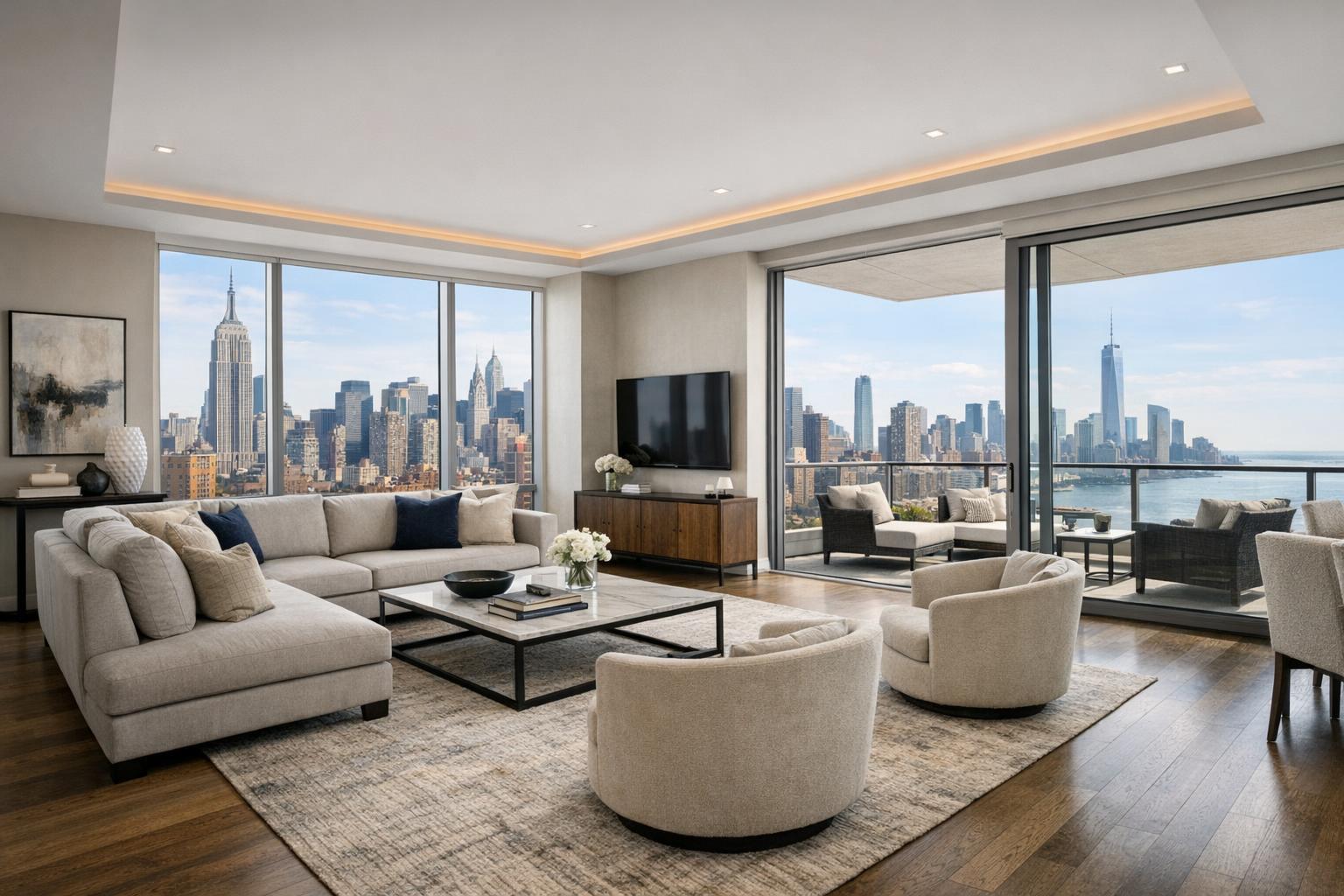
A stunningly modern living room with elegant furnishings and expansive windows offers sweeping views of the New York City skyline, exemplifying high-end real estate photography in NYC.

How to Choose Real Estate Photography in NYC for Your Next Listing
Real estate photography in NYC is more than just snapping attractive photos — it’s about helping buyers, renters, and clients understand a listing before they ever set foot in the property. In a city where properties range from pre-war apartments and brownstones to gleaming new developments, imagery needs to do more than dazzle. It should accurately reflect layout, light, and the character of each space, all while working within the city’s unique confines and quirks.
Let’s break down what really matters when you’re bringing a professional property photographer into your NYC listing, and how to make sure your photos do the heavy lifting.
What Sets Great Real Estate Photography Apart
A strong-looking portfolio is a start, but the best real estate photography services in NYC go several steps further. When evaluating potential photographers, consider these touchpoints:
- Consistency: Do their images look equally polished and credible across different property types and wild variations in New York light?
- Technical Skill: Straight architectural lines (no leaning walls or wobbly shelves), exposure that feels true to life, and honest representations of scale.
- Dependability: Do they communicate clearly, work with your timeline, and understand building access rules?
Moving Beyond “Wow” Shots
Gorgeous photos of kitchens and skyline views are common. But you’ll want to ask for complete galleries, not just hand-picked highlights. Look for a sense of narrative: the photos should give viewers a logical walk-through from entry to bedrooms to outdoor spaces. Reliable NYC photographers showcase both strengths and quirks honestly.
Getting Exposure and Proportions Right
Lighting in New York City apartments is notoriously tricky. Windows can flood a corner while leaving nearby walls in deep shadow; ornate millwork can disappear in a poor edit. A well-balanced photo preserves details and depth, keeps white walls from turning strange colors, and makes the most of natural and artificial light. Wide-angle lenses are helpful, to a point — but extreme distortion that makes a one-bedroom appear palatial does a disservice to everyone. True-to-life proportions help buyers or renters trust what they’re seeing.
Handling Window Views with Care
A city or park view can be a major selling point in NYC. The ideal image respects these details, letting a meaningful outlook shine but not overdramatizing an ordinary one. It’s about clarity and realism, not selling a fantasy.
Match the Scope to the Listing — Not Just a Checklist
No two NYC properties are the same, and the right approach for a cozy co-op isn’t the same as for a multi-story townhouse.
- Manhattan Apartments: Unique moldings, ceiling height, storage, and building-specific views often need spotlighting. If the layout is unconventional, a well-captured floor plan can save questions down the line.
- Brooklyn and Harlem Brownstones: These listings often benefit from a sense of flow between levels — entry, parlor, backyard, and all the details in between matter. Timing is crucial when photographing outdoor areas, as lighting and privacy come into play.
- Condos and New Developments: Balance unit photography with amenity spaces if allowed. Details like finishes, large windows, and shared features shape the narrative.
- Larger and Multi-Unit Properties: These often require a mix of wide space shots, close-ups of special features, and exterior context.
The right photographer doesn’t just crank through a standard shot list. They adapt their approach so that each listing tells its own story.
NYC Logistics: The Unsung Challenge
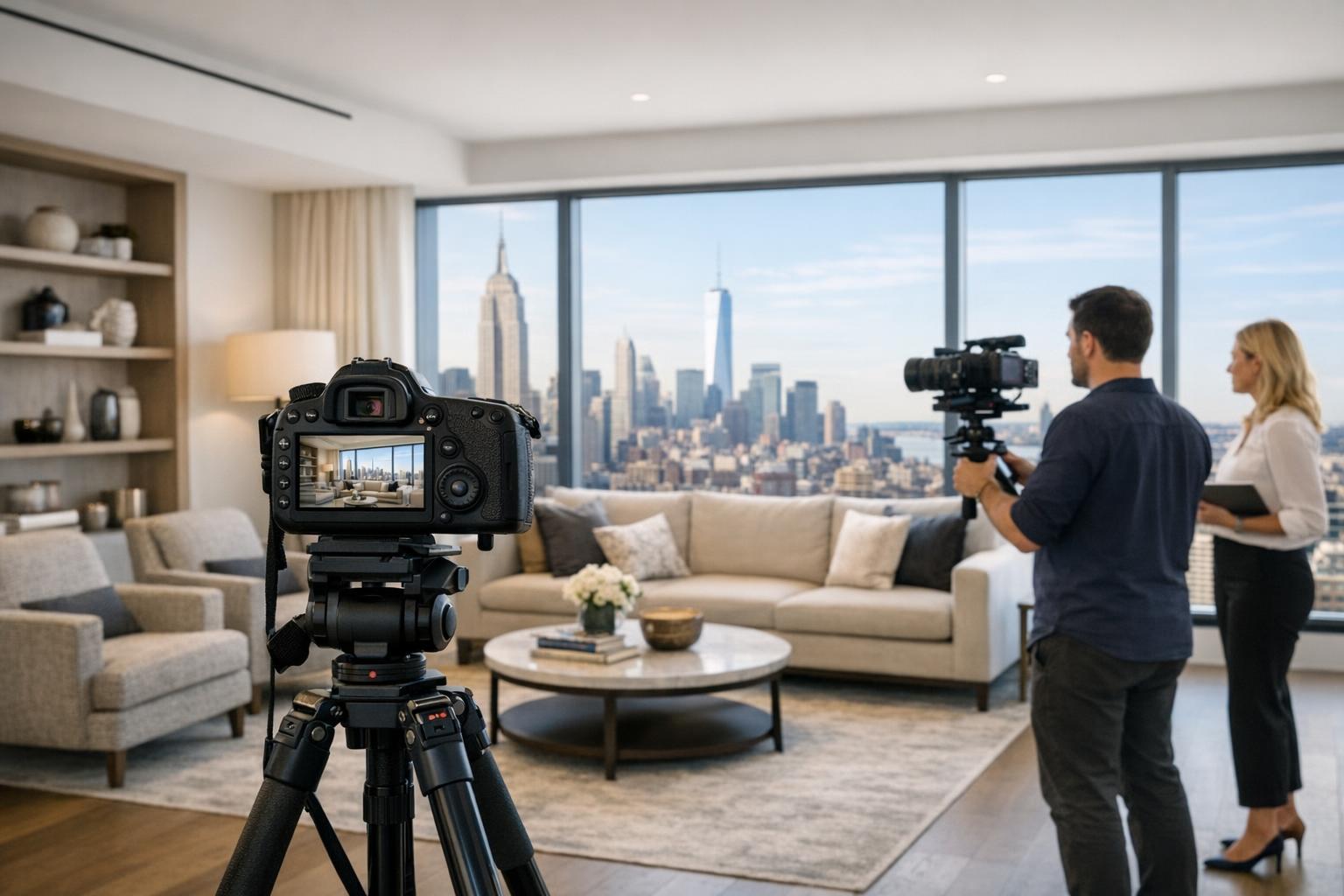
Smooth New York shoots are built on coordination, not luck. Photographers need to be briefed upfront about building protocols: service entrances and elevators, guest registration, what parts of the property are off-limits, and whether the space is vacant or occupied. Sharing this info before the shoot avoids last-minute problems and wasted time. It’s also wise to clarify asset delivery timelines as listing launches in NYC can be time-sensitive.
Getting the Space Ready
Photography can only do so much if a property isn’t ready. For occupied homes, encourage sellers or tenants to:
- Clear counters and surfaces of everyday clutter
- Remove personal photos and excess decor
- Make beds with simple, neat bedding
- Put away bathroom products and wastebaskets
- Open blinds or curtains for natural light (when privacy allows)
- Turn on all working lights before the photographer arrives
- Clean up outdoor spaces and secure pets
The cleaner and simpler the space, the more choices the photographer has for strong, distraction-free compositions. If a space is vacant and feeling sparse, virtual staging can be a great tool — but it works best when there’s nothing else in the room.
When to Go Beyond Photography
While quality photos will do the heavy lifting for most NYC properties, some homes benefit from supplemental media:
- Floor Plans: Essential for units with odd layouts, multiple levels, or combination apartments. These aren’t created from old PDFs; they’re measured and drawn on-site.
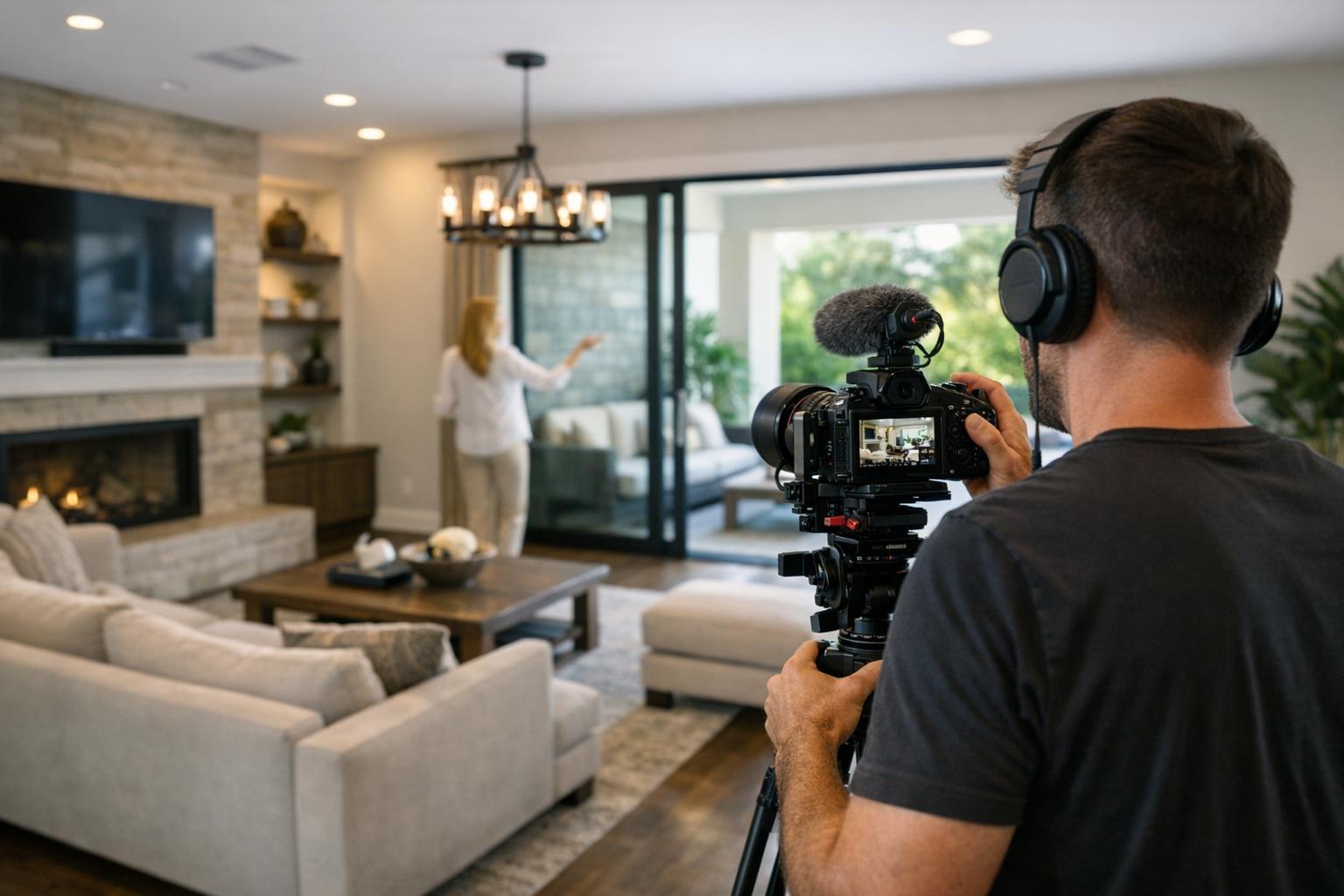
- Video: Brings a sense of movement — transitions, flow between rooms, or that walk through a garden-level duplex. In-person video capture (not just photo slideshows) provides a truer sense of space.
- 3D Tours: Interactive tools like Matterport or Zillow 3D let viewers explore at their own pace, which can be a big help for listings where spatial relationships are complicated. All 3D tours require a specialist to scan the property on-site.
- Aerials/Drone Media: A bird’s-eye view gives valuable context for homes with notable roof decks, gardens, or unique settings. Drone feasibility in NYC depends on FAA rules, weather, roof access, safety, and the pilot’s assessment.
Always choose media based on what’s truly helpful for understanding the specific property.
Booking and Process: Keeping it Simple
Scheduling a photo shoot with RealtaSnap is handled entirely online, making the process straightforward whether you’re listing a studio or a brownstone. You enter the address, pick your services, and see available times — no need for phone tag or tedious back-and-forth. Asset delivery, policies, and add-ons are all clearly laid out during booking.
You can view examples of recent work or get started at www.RealtaSnap.com.
Why RealtaSnap?
If you’re in NYC or New Jersey, RealtaSnap is set up for the unpredictable realities of this market. The photographers work within building rules, provide clear communication on timing, and make it easy for agents to know what to expect before, during, and after the shoot. Services include professional photography, video, accurate on-site floor plans, 3D tours, drone media (where feasible), and virtual staging for clean, empty spaces. You only book what you need — coverage is tailored to each property.
Learn more at RealtaSnap real estate photography for NYC listings.
FAQ
Question: How many listing photos should I order for a typical NYC apartment?
Answer: It depends on the apartment’s size and layout. Smaller units often need only focused coverage, but a multi-room or multi-level property may require extra images to properly showcase key details and relationships between spaces. Prioritize the shots that help viewers understand the full story of the home.
Question: Is a floor plan always necessary?
Answer: Not for every listing, but they’re valuable for spaces with unusual layouts, combinations, or multiple levels. RealtaSnap captures all floor plans on-site to ensure accuracy — they don’t use third-party PDFs or remote sketches.
Question: How should I prepare my property before the photographer arrives?
Answer: Tidy up surfaces, remove personal and pet items, make beds, open blinds for natural light, and ensure all lights work. For virtual staging, make sure rooms are fully vacant or properly decluttered.
Ready to make your next NYC listing easier for buyers or renters to navigate from the very first image? Start your booking online at www.RealtaSnap.com.