How to Choose a Real Estate Videographer for Your Listing
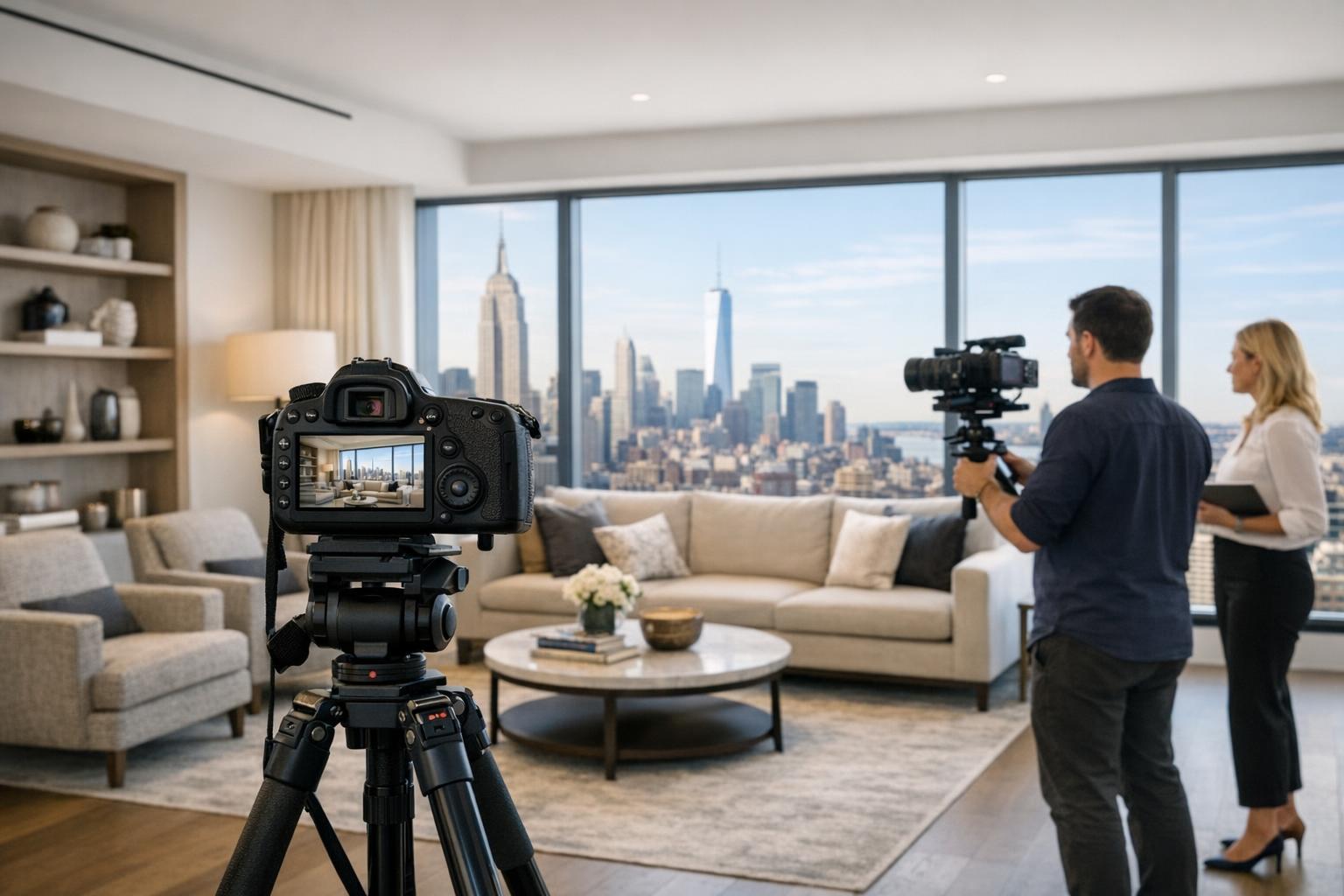
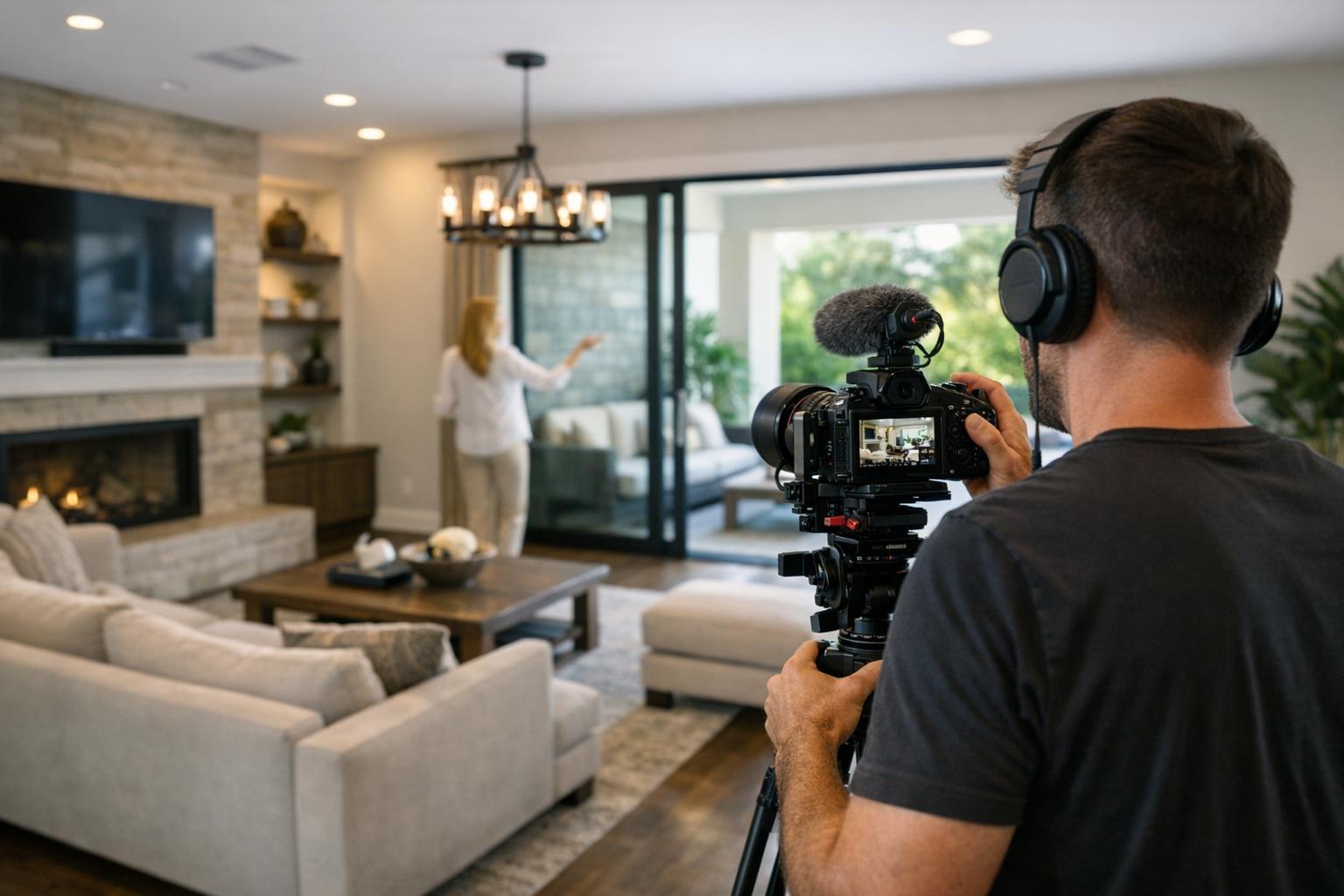
A real estate videographer with headphones films a woman pointing out features in a modern, well-lit living room.

How to Choose a Real Estate Videographer for Your Listing
A real estate videographer can do much more than simply record four walls and a hallway. For agents and property marketers in New York City and New Jersey, the right video professional helps turn a space into a smooth, engaging visual experience. When done intentionally, video allows viewers to connect the layout, appreciate the light, and understand how the living areas flow together—qualities that basic slideshows or phone videos can’t capture.
If you’re comparing property videographers for your next listing, it pays to look for more than just “nice shots.” Here’s how to approach the search, what to ask, and how real estate video tours actually add clarity to your marketing.
Starting With the Why: The Role of Video in Your Listing
Before you scroll through videography portfolios or request quotes, think about how you plan to use the final video. Will it live exclusively on the main listing page, or should it also be ready for Instagram Reels, a broker’s e-blast, or a full-fledged property campaign? Your answers shape what you'll need from your real estate video tour.
Ask yourself:
- Should viewers understand how rooms connect and flow?
- Are you highlighting a newly renovated kitchen or custom features?
- Does your property’s outdoor space, view, or building amenities deserve attention?
- Would a guided, agent-led tour add personality or credibility?
- Will you need different video versions for web and social?
For example, a video for a compact Manhattan apartment may focus on the essential rooms and a standout view, while a suburban New Jersey listing might call for a longer sequence showing entrances, entertaining spaces, and outdoor highlights.
A strong property videographer will help you identify the must-see aspects of your listing, establish the right format for your audience, and plan a shoot that feels true to the space.
What Sets a True Listing Video Apart From a Slideshow
There’s a big difference between a carefully crafted real estate video tour and a simple reel of still images set to music. While slideshows can work for limited scenarios, true listing video is about guiding a potential buyer or renter through the property, making the transitions and spatial flow crystal clear.
A thoughtful property video, especially those produced on-site, lets viewers experience:
- The order and logic of moving from entry to living room to kitchen
- How features reveal themselves, rather than being “announced” all at once
- Closely framed details that matter—without losing the sense of the space around them
- The change in light and atmosphere as you progress through the home
In contrast, a basic phone video might rush through key areas, appear shaky, or shrink rooms with awkward camera angles. At RealtaSnap, all videos are captured on-site, following the true circulation and sightlines of the property. This keeps each video specific to its listing, rather than falling into the trap of “one size fits all.”
Evaluating Visual Flow: What Makes a Video Feel Right
When you review a videographer’s sample work, don’t just focus on pretty shots—watch how the video moves and develops. The sequence of rooms matters. An effective real estate videographer plans the route so it feels natural for each property type:
- New York brownstones may start outside, climb the stoop, and move through parlor floors, kitchens, and garden spaces.
- Open-plan condos might highlight the transition from living room to kitchen, then move to bedrooms or terraces.
- Larger homes might need an establishing shot of the exterior or driveway before heading inside.
Ask any videographer you’re considering how they approach the flow. They should have a clear process for choosing shot order and know which spaces deserve a longer look.
Smooth Movement and Natural Transitions
Steady, purposeful camera work is essential. A good property video allows viewers to settle into a room and take in important details, without dizzying spins or distracting shakes. Watch for:
- Controlled pacing and even movement
- Vertical lines that look true to life (not stretched or skewed)
- Doorways and halls used for clean, logical transitions
- Wide shots balanced with well-chosen close-ups
The best real estate video tour helps buyers picture themselves moving through a property, rather than making the video style itself the main attraction.
Light, Accuracy, and How Video Reflects Reality
Lighting can change dramatically in a Manhattan loft versus a basement den or a Jersey City condo. A skilled real estate videographer knows how to handle these transitions. Look for videos where:
- Window views aren’t completely washed out
- Rooms look consistent, without strange color casts
- Dim spaces remain understandable, not artificially bright
- The property’s proportions and finishes come through honestly
You want the video to show your listing at its best, but it should never misrepresent what’s actually there. As you review portfolios, check for work where each room feels part of a coherent whole, not a patchwork of oddly lit scenes.
Preparing for a Video Shoot: More Than a Quick Tidy
Prepping a home for video is different than prepping for photos. Because the camera passes through rooms and around corners, anything in the “nearby” area or just outside the normal photo frame can end up in the shot.
Before your scheduled video shoot:
- Remove clutter, bins, cords, and personal items from visible and “nearly visible” spots
- Straighten furniture, fluff pillows, and open blinds or shades where it adds to the space
- Turn on all working light fixtures and check for burned out bulbs
- Close closet doors, arrange chairs, and consider how reflections might reveal hidden clutter
In NYC, logistics matter—arrange access with building staff, elevators, and any necessary certificates before the shoot. In the suburbs, confirm access to outdoor spaces, arrange for lights on walkways, and point out any features like side entrances, basement rec rooms, or smart home tech you’d like captured.
For more on prepping before a shoot, check out the RealtaSnap Prep Guide.
Deciding on an Agent Introduction
Should you appear on camera in your listing video? Agent introductions feel personal and can add valuable context when there are features that need an explanation—think renovations, unique architecture, or selling points that might not be obvious visually.
But not every listing needs this. For many homes, a clean, agent-free walkthrough tells the story best. If you want to be featured on camera, communicate with your videographer early and plan your talking points to keep things concise and specific.
RealtaSnap offers options for standard video, enhanced video with scene variety, and premium formats that include agent or owner interviews. For high-end listings or properties with a story to tell, these formats can be a great fit.
Setting Expectations: What’s Included in Your Video Package?
“Video” means different things depending on the service provider. Before you commit, ask:
- What’s the intended length of the finished video?
- Is everything captured on-site, or are some clips pulled from existing images?
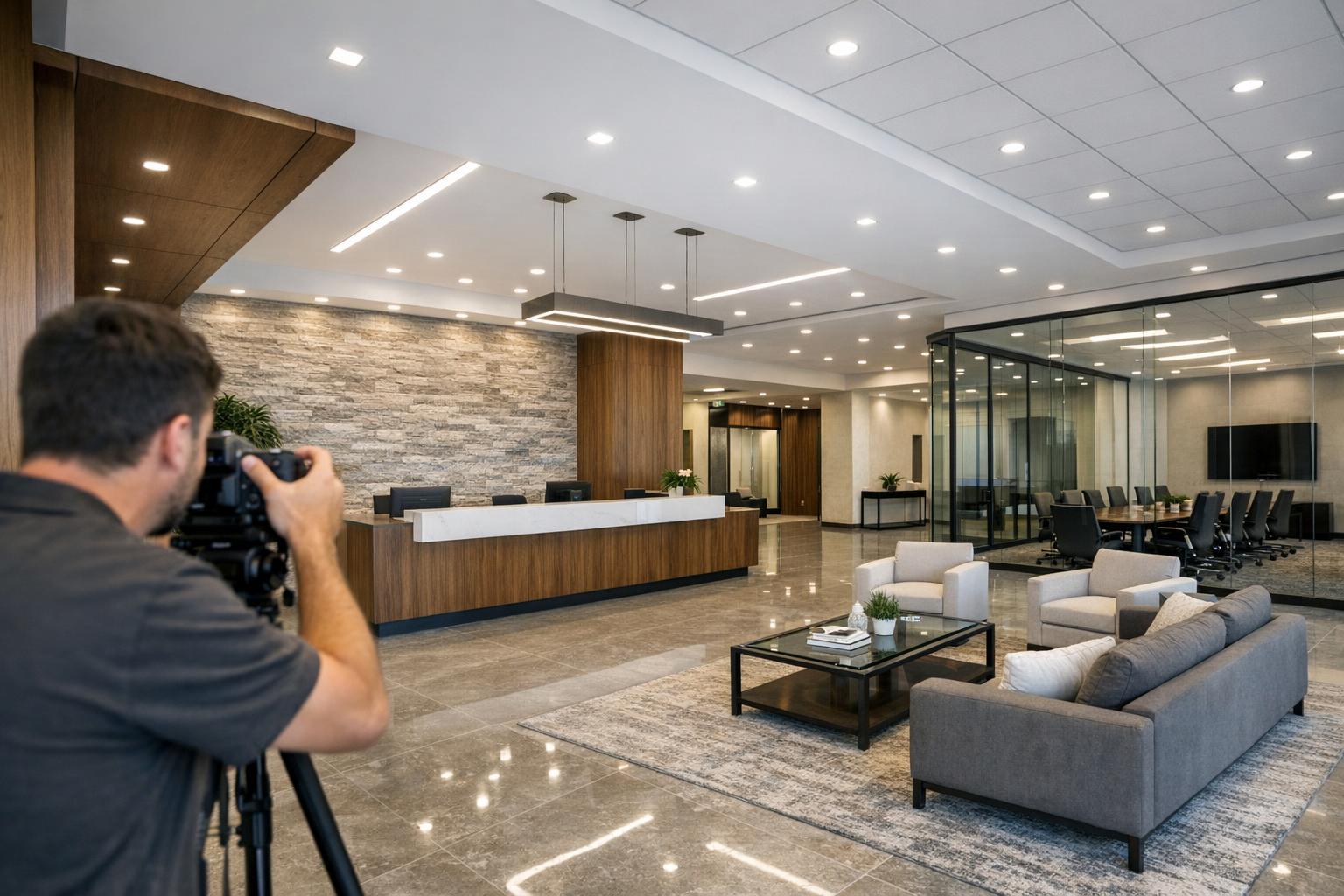
- Are amenity shots, neighborhood scenes, or lobby footage included?
- Can you get versions formatted for YouTube, TikTok, or Instagram?
- Will you be able to review a draft and request basic adjustments?
- Is raw footage available if needed?
At RealtaSnap, standard real estate video is typically about one minute, including property branding and basic contact graphics. The premium package is longer and can include added coverage of amenities and neighborhood areas, as well as custom branding and animation. If you need something more tailored or want a guided video with an agent, those options are available too. Social media versions (vertical or square) can be added as needed—just ask in advance so framing and pacing are optimized for each format.
For specifics, here’s a direct look at RealtaSnap’s real estate videography options.
Matching Portfolios to Your Property Type
A real estate videographer’s best work isn’t always a penthouse with sunset views—look for videos that echo the size, style, and lighting of your own listing. Ask for samples featuring:
- City apartments where natural light is limited
- Brownstones with separate levels and original details
- Large homes with outdoor areas or multi-zone layouts
- Occupied spaces that still look roomy and “listing ready”
- Urban condos with shared amenities
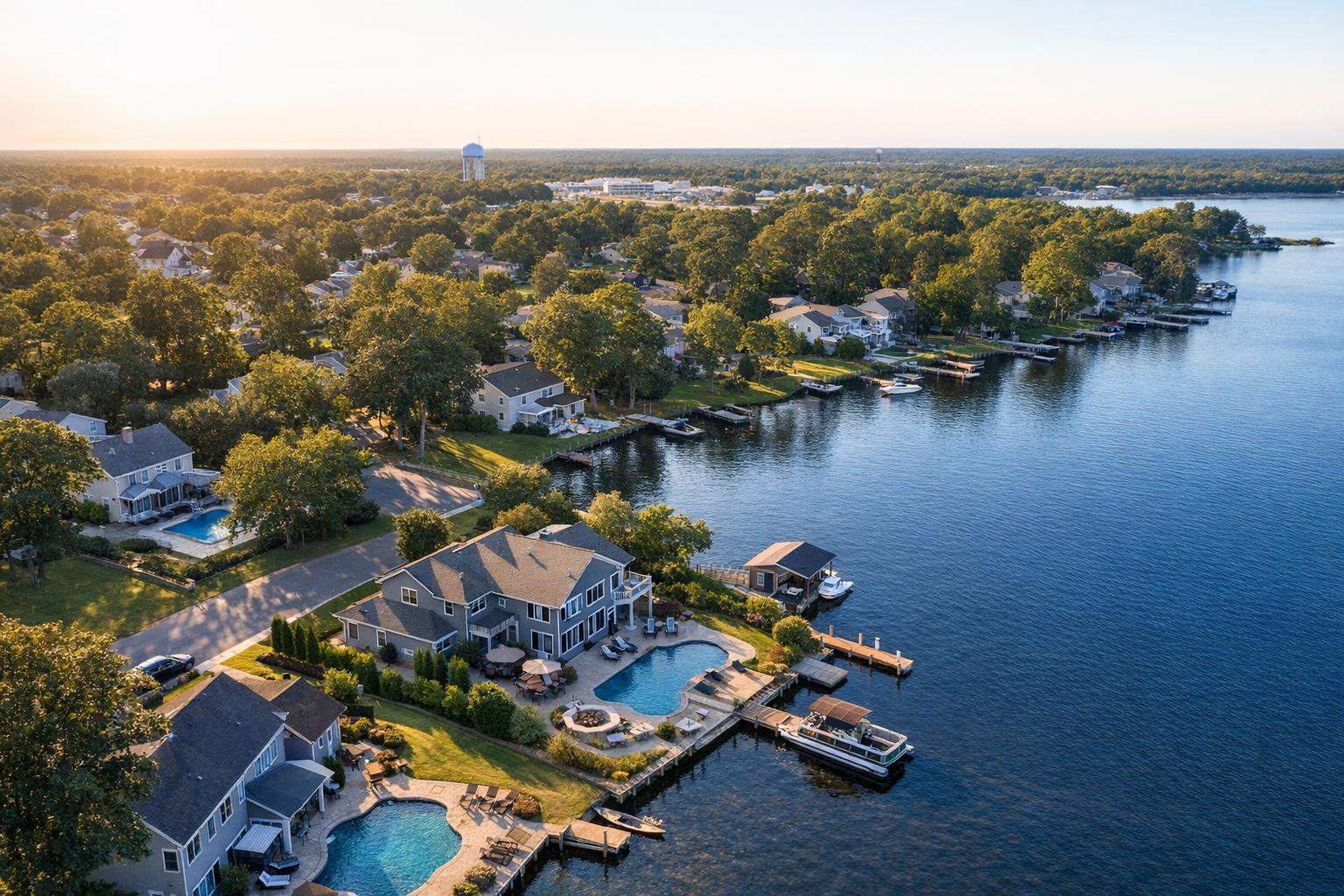
If you’re considering drone footage, mention it early. Drone projects always depend on local airspace, weather, and safety, especially in densely built-up New York or when roof access is limited. Drone feasibility is determined case by case and may require additional arrangements.
Booking Smoothly: Clear Information for a Smooth Shoot
Once you’ve selected your provider, make booking straightforward by providing:
- The full property address and access instructions
- A note with any special features to include
- Your preferred video type and any relevant add-ons
- Info about staging, logistics, or quirks that might affect timing
With RealtaSnap, you can book your project directly online. Enter your listing details, select your services, add notes, and pick from available times—payment is handled up front to keep things simple.
A professional listing video starts with a real understanding of the property—and a videographer who turns that understanding into a clear, well-paced viewing experience. Whether your listing is a downtown condo or a classic brownstone, find a professional who treats video as a guided walk-through, not just a collection of pretty clips.
For a closer look, check out www.RealtaSnap.com.
FAQ
Question: What’s the biggest difference between a listing video and a phone walkthrough?
Answer: A real estate video tour is planned to highlight flow, key features, and transitions—it uses deliberate camera work and editing to create an inviting, easy-to-follow story. A phone walkthrough is quick and informal, but often lacks steadiness, pacing, and detail, making it less effective as a lasting listing asset.
Question: Do I need to be on camera in my listing video?
Answer: Not at all. Agent introductions can be helpful when you have extra context to share, but many properties are better served by a clean, visual walk-through. Consider your goals and what adds true value for buyers before deciding.
Question: Can I get social media versions of my listing video?
Answer: Yes. Alternate cuts for Instagram, TikTok, and other social platforms are available—just let your videographer know ahead of time so the footage can be framed for those formats. RealtaSnap offers vertical and square versions as add-ons.
Ready to book or want to see more? Visit www.RealtaSnap.com.