How to Choose a Commercial Real Estate Photographer for Your Property
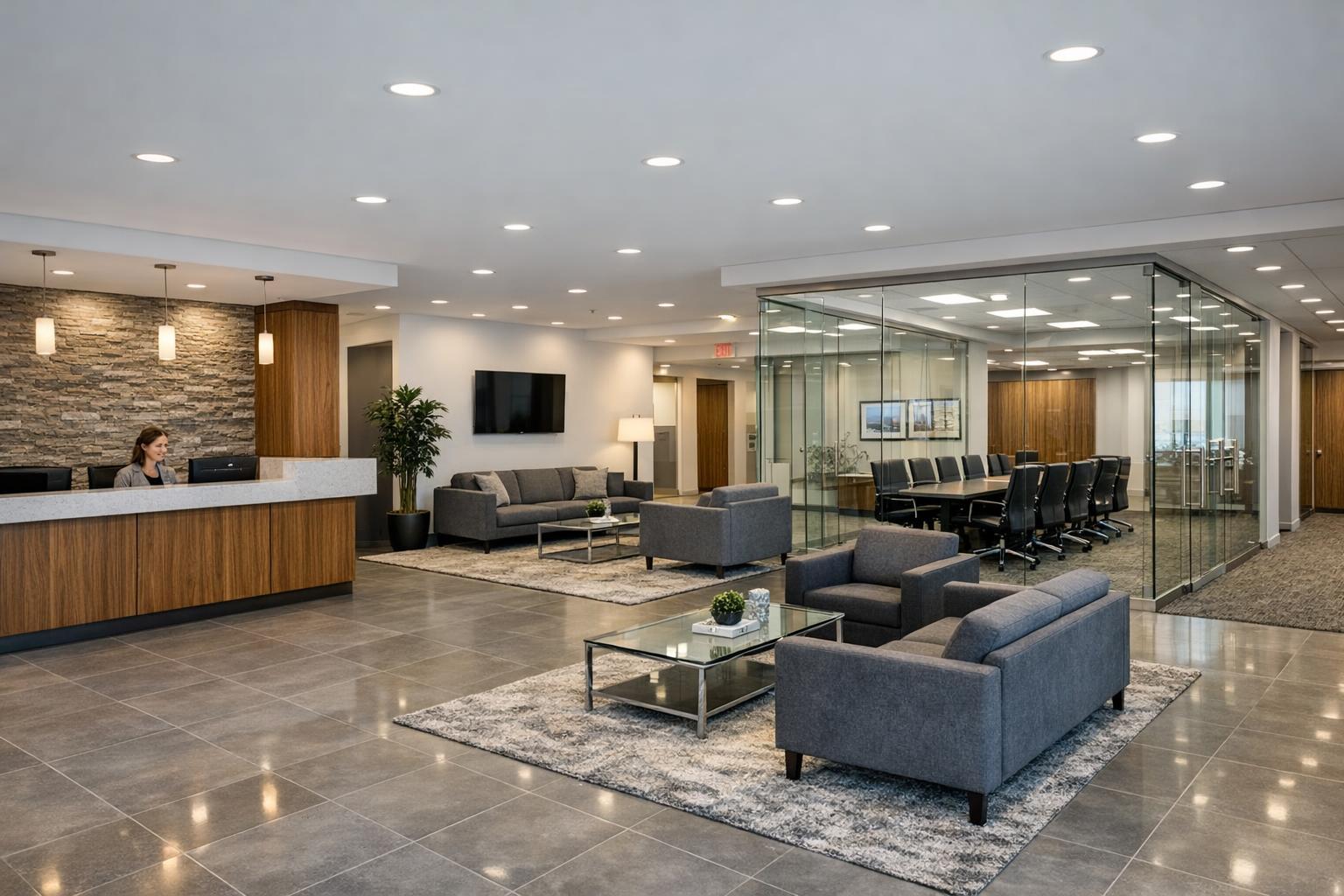
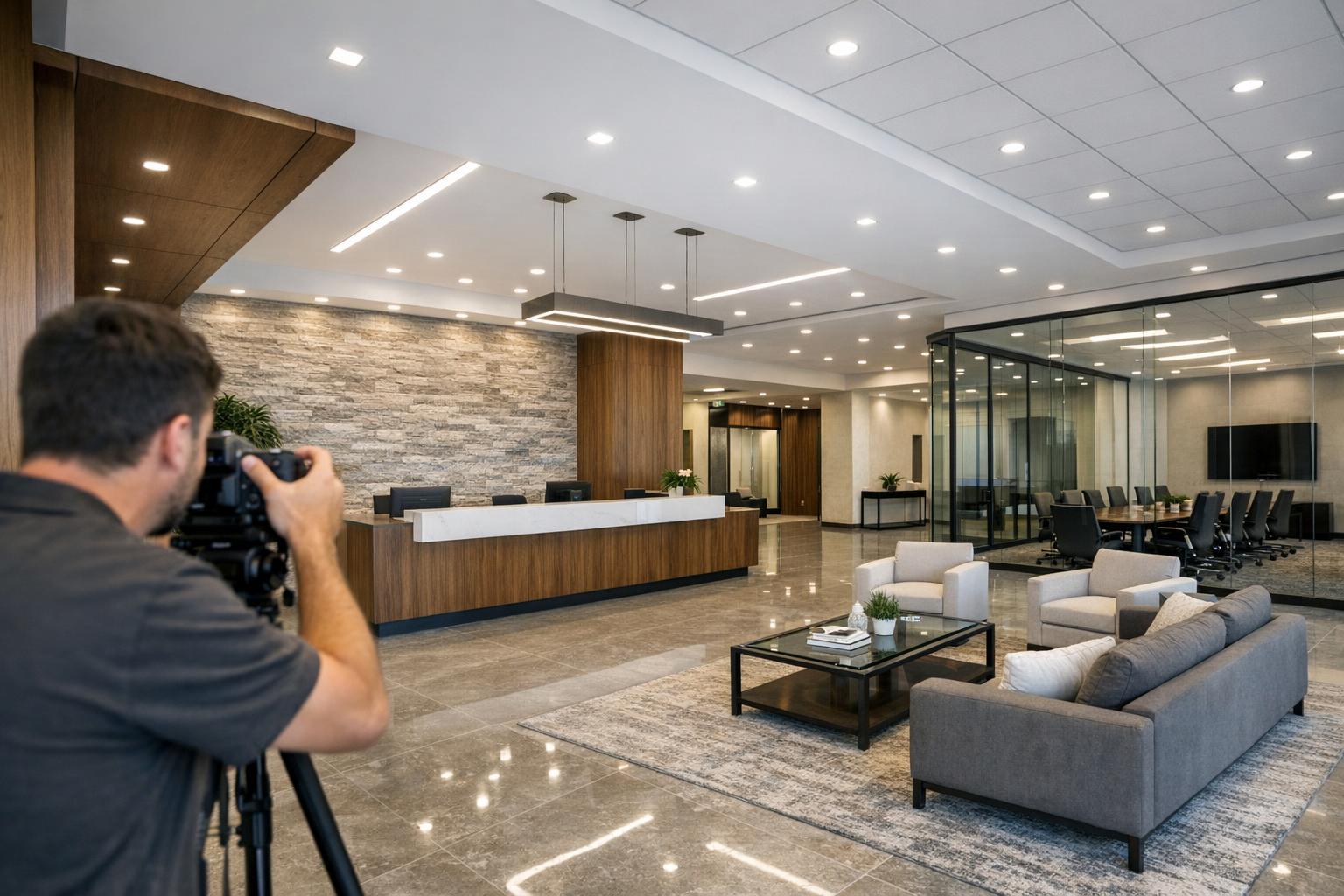
A commercial real estate photographer captures a modern and spacious office lobby with a reception area and a glass-walled conference room.

How to Choose a Commercial Real Estate Photographer for Your Property
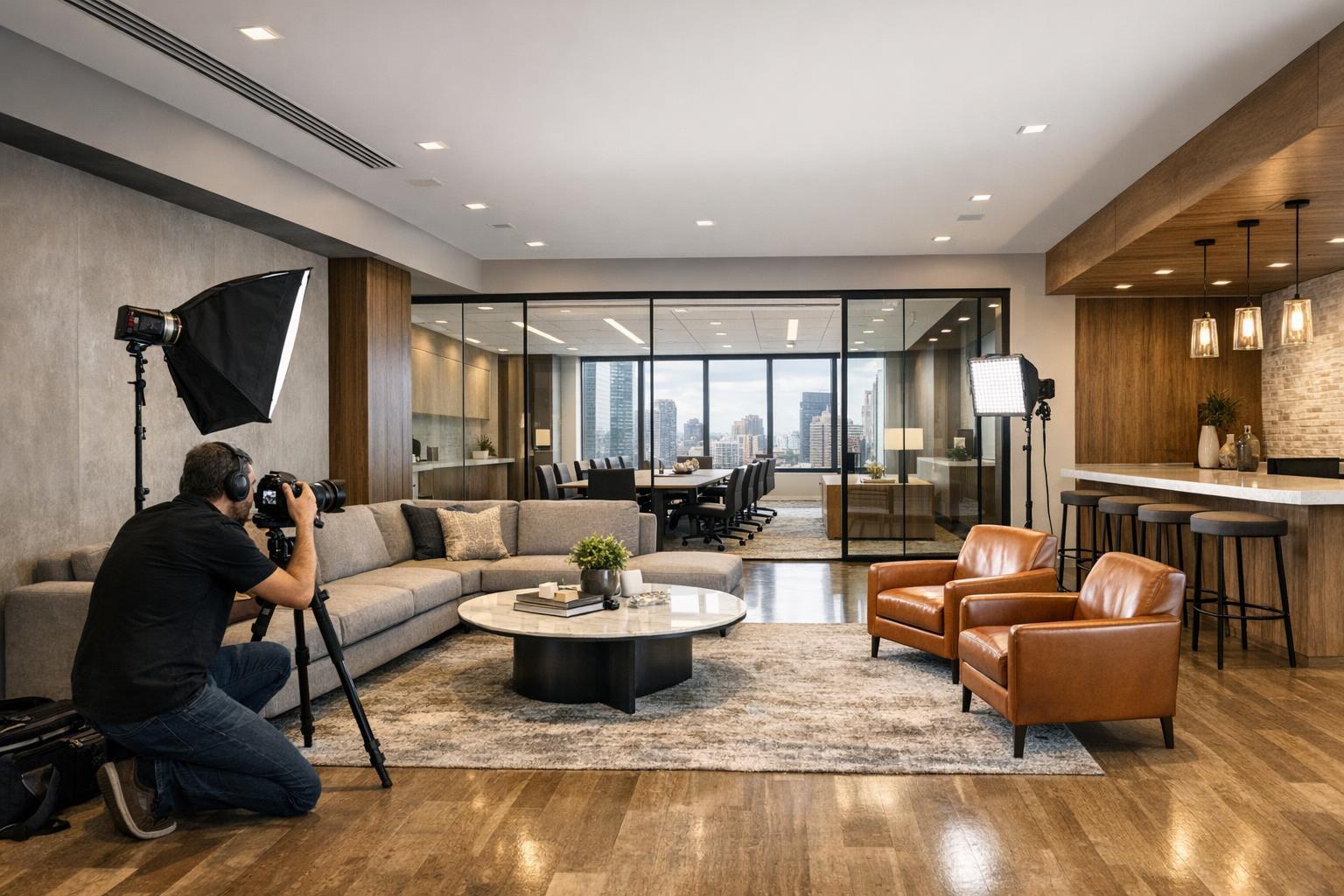
A commercial real estate photographer plays a critical role in connecting your property with prospective tenants, investors, or buyers—often before a tour is ever scheduled. Capturing a property for business, retail, or industrial use is a world apart from a typical residential real estate shoot. The expectations go beyond making rooms look pretty. What matters is honest, useful coverage of scale, layout, condition, architectural style, natural light, and those business features that actually shape a leasing or investment decision.
Whether you’re preparing to market an office suite, a high-visibility retail storefront, a sprawling warehouse, or a development site, the process of hiring the right photographer requires clarity and careful evaluation. Here’s what to consider in selecting a professional for your commercial listing in NYC, North Jersey, or anywhere in between.
Start by Identifying the Core Marketing Objective
Before you reach out to any commercial property photographer, step back and clarify your key outcome. The same property may be photographed very differently depending on whether it’s being pitched for lease versus a sale, a new investment opportunity, or as part of an ongoing development project.
Be prepared to share:
- The property type and its intended commercial use
- Key decision-makers (tenants, investors, owners, customers)
- Priority features (lobby, window line, loading area, signage, etc.)
- Whether the space is vacant, occupied, furnished, or under renovation
- Marketing channels where images will appear (listings, brochures, investor decks, web, social, or print)
A clear brief helps your photographer anticipate the questions your audience will have and plan visuals to answer them directly.
How Commercial Photography Differs from the Residential Approach
Commercial real estate photography is about both style and substance. The visuals should look polished, but also provide an honest sense of the property—warts and all if that’s what it takes to communicate real potential.
Some essentials to look for in strong commercial coverage:
- Exterior architecture and façade visibility
- Lobby, corridors, elevators, and amenities
- Scale of key rooms or open plan spaces
- Accurate representation of windows, light, and views
- Layout-defining details (columns, mezzanines, built-ins)
- Distinct architectural or material finishes
- Business-ready features (IT, restrooms, kitchen, signage)
- Parking, access, and any relevant site context
The most effective photographers know when to create a grand, wide visual that explains scale, and when a tighter composition or architectural detail can answer specific questions. For example, a photo that captures a warehouse’s open floor plate and ceiling clearance conveys value immediately, while a polished lobby shot might be the star for a Class A office building.
Reviewing Portfolios: Look for More Than Just Beauty
A great-looking set of images won’t cut it if it doesn’t explain the property. As you browse portfolios, prioritize photographers who’ve captured spaces similar to yours—office suites, retail corridors, industrial zones, or development sites.
For office suites: Do the photos illustrate how rooms connect? Is the arrangement of private offices, open areas, conference rooms, and window exposure easy to follow?
For retail spaces: Are the images capturing storefront visibility, internal circulation, sightlines, ceiling clearance, and the relationship to surrounding foot traffic or streetscape?
For warehouses or industrial buildings: Do the images help a decision-maker grasp the true volume, clear height, loading access, and potential racking or storage opportunities?
For development sites: Are progress photos, amenities, common spaces, and site connections documented? If the project is still underway, do photos tell the story of what’s there and what’s to come?
Don’t be swayed by dramatic lighting or magazine-style touches alone. The best portfolios answer the core business questions a buyer, tenant, or investor might ask.
Working Around Active Business Spaces
Commercial properties are often busy places. Whether you’re shooting an occupied office, open retail shop, medical suite, or active warehouse, working around people, schedules, and business realities is part of the job.
Before booking, ask photographers about their workflow for:
- Coordinating access to different areas
- Scheduling around business hours or quiet periods
- Handling situations where employees or customers may appear in images
- Strategies for removing personal items, signage, or temporary clutter
- Adjusting to lighting that mixes natural daylight and artificial sources
Shooting early in the day, after closing hours, or in shifts are all common solutions. Preparation here isn’t about creating “fake” or empty-looking spaces—it’s making sure nothing distracts from what matters about the property.
Navigating NYC and New Jersey Logistics
Urban and suburban environments bring their own challenges. In New York City, particularly Manhattan and Brooklyn, access windows can be tight, elevators might require advance booking, and street access for exteriors is often complicated by local activity and limited frontage.
Dense neighborhoods also mean less natural light or crowded sidewalks. The best time for a clean street view may be early morning, and some facades may only be shootable at certain hours.
Across the Hudson, North Jersey offers larger sites—think business parks, flex facilities, or stand-alone retail. Here, drone photography might be useful for showing property in context with access roads, parking, and the broader neighborhood. That said, drone flights always depend on current airspace rules, safety, weather, and property access, so feasibility must be checked in advance.
If you’re unsure about what’s possible, a good photographer should be direct and transparent about local challenges and logistics.
Matching Deliverables to the Decision-Making Process
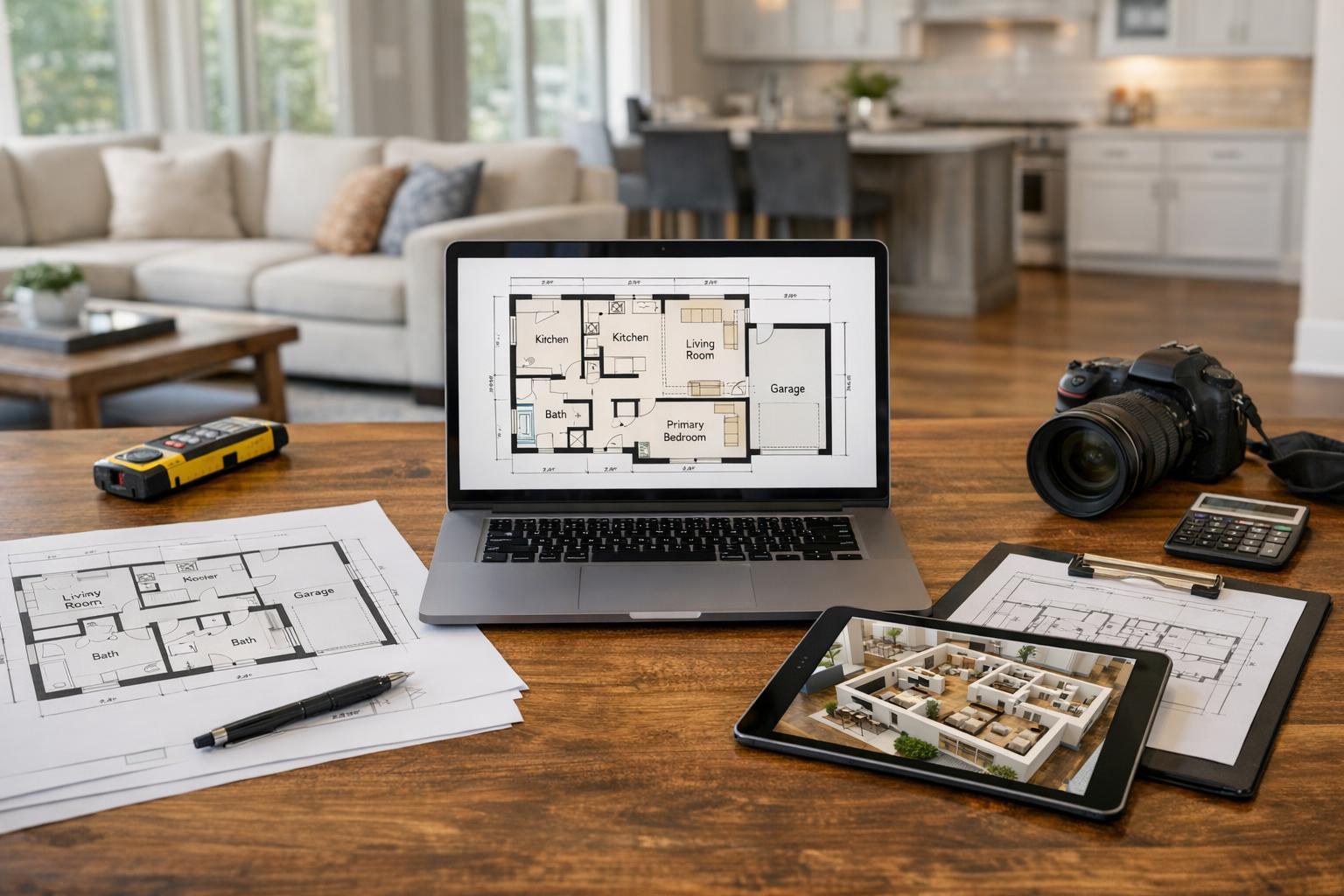
The right media assets can mean different things for different campaigns. While high-quality photos are almost always the backbone, sometimes adding video, floor plans, 3D virtual tours, or aerial shots makes sense.
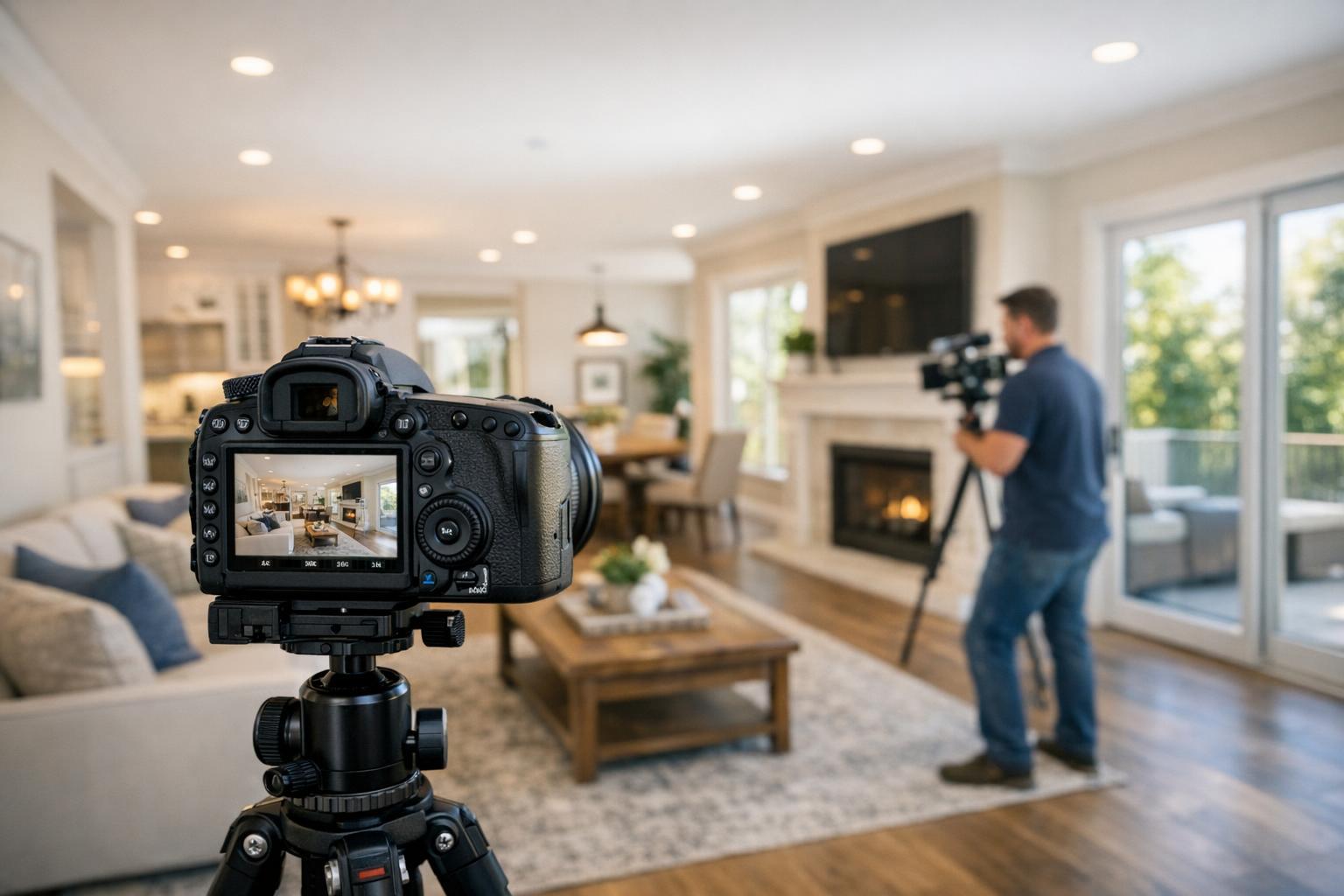
Video: A short, well-built property video helps viewers understand movement and flow—from the entrance, through key spaces, to patios or back-of-house. These are especially helpful for office, hospitality, or retail spaces. RealtaSnap captures listing videos on-site—not as slideshows from stills.
Floor Plans: When layout or room relationships are critical for tenants or buyers, a measured floor plan clarifies circulation and usable space. At RealtaSnap, plans are drawn from an on-site scan, not made from old PDFs or renders.
3D Tours: Virtual tours are increasingly popular when decision-makers can’t visit in person. As with floor plans, these tours require a site visit for a physical scan.
Drone/Aerial: When a wide perspective matters—such as industrial sites, large office campuses, or retail with major traffic visibility—aerial media provides the context no ground shot can. But flights are always subject to rules, safety, and access restrictions.
Ask what’s essential for your audience. Media for media’s sake can be overkill; what matters is clear, useful coverage that answers the questions your audience will ask.
What to Ask Before Hiring
A quick call or email exchange can separate experienced commercial real estate photographers from generalists. Useful things to cover:
- Do you have experience with properties like this? Can I see samples?
- What scenes or features would you focus on for this property type?
- How do you handle difficult lighting, large spaces, or active business environments?
- What's the typical prep you recommend before a shoot?
- Can sessions be split or staged if access is limited?
- How do you build deliverables beyond standard photography (video, floor plan, drone, 3D)?
- What specifically is included in your service, and what counts as an optional extra?
- What’s the best way to communicate building access, guidelines, or priorities before arrival?
Clear answers (and a collaborative attitude) go much further than any laundry list of technical gear.
Preparing Your Property for a Photographic Advantage
A few smart steps make a world of difference:
- Share building access notes, contact info, and any special instructions when booking
- Tidy up common areas, remove personal or branded items as needed
- Consider early or late-hour access if you need business to continue uninterrupted
- Decide what (if any) branding, signage, or people should appear in final images
This shared preparation between property manager, broker, and photographer prevents surprises and keeps the shoot on track.
RealtaSnap: A Resource for NYC and NJ Commercial Listings
When you need a commercial property photographer who understands the unique demands of the NYC and North Jersey markets, RealtaSnap offers professional real estate media tailored for your local needs. The process is straightforward: clear communication, practical scheduling, and honest, market-focused deliverables that help your audience make informed decisions.
To learn more about our real estate media services, visit the RealtaSnap homepage.
A thoughtful booking note—like building entry details, business hours, or feature wish lists—helps ensure your next shoot goes smoothly. If you’re planning commercial real estate photography in New York City or New Jersey, RealtaSnap is happy to help.
Visit www.RealtaSnap.com to book or discuss your next project.
FAQ
Question: How is commercial real estate photography different from residential photography?
Answer: Commercial photography is driven by practical business needs—documenting layout, architecture, and features relevant to leasing, sales, or investment—while residential photography usually aims to evoke a lifestyle or tell a story for buyers. The approach, deliverables, and what gets prioritized on-site can be very different.
Question: What’s the best time to photograph an occupied commercial property?
Answer: Timing depends on the type of business and level of activity. Early morning, before opening, or after hours are popular for offices and retail. Discussing schedules with both your photographer and staff can help keep business running smoothly and minimize disruptions during the shoot.
Question: When should I add video, floor plans, or a virtual tour to a commercial photo session?
Answer: Floor plans are most useful when space layout or room relationships matter to potential tenants or buyers. 3D tours or video work best when your audience includes decision-makers who can’t tour in person or need to see movement through the space. Each of these add-ons requires a site visit, so let your photographer know in advance if you’d like them included.