How to Choose an Architectural Photographer in NYC for a Property Project
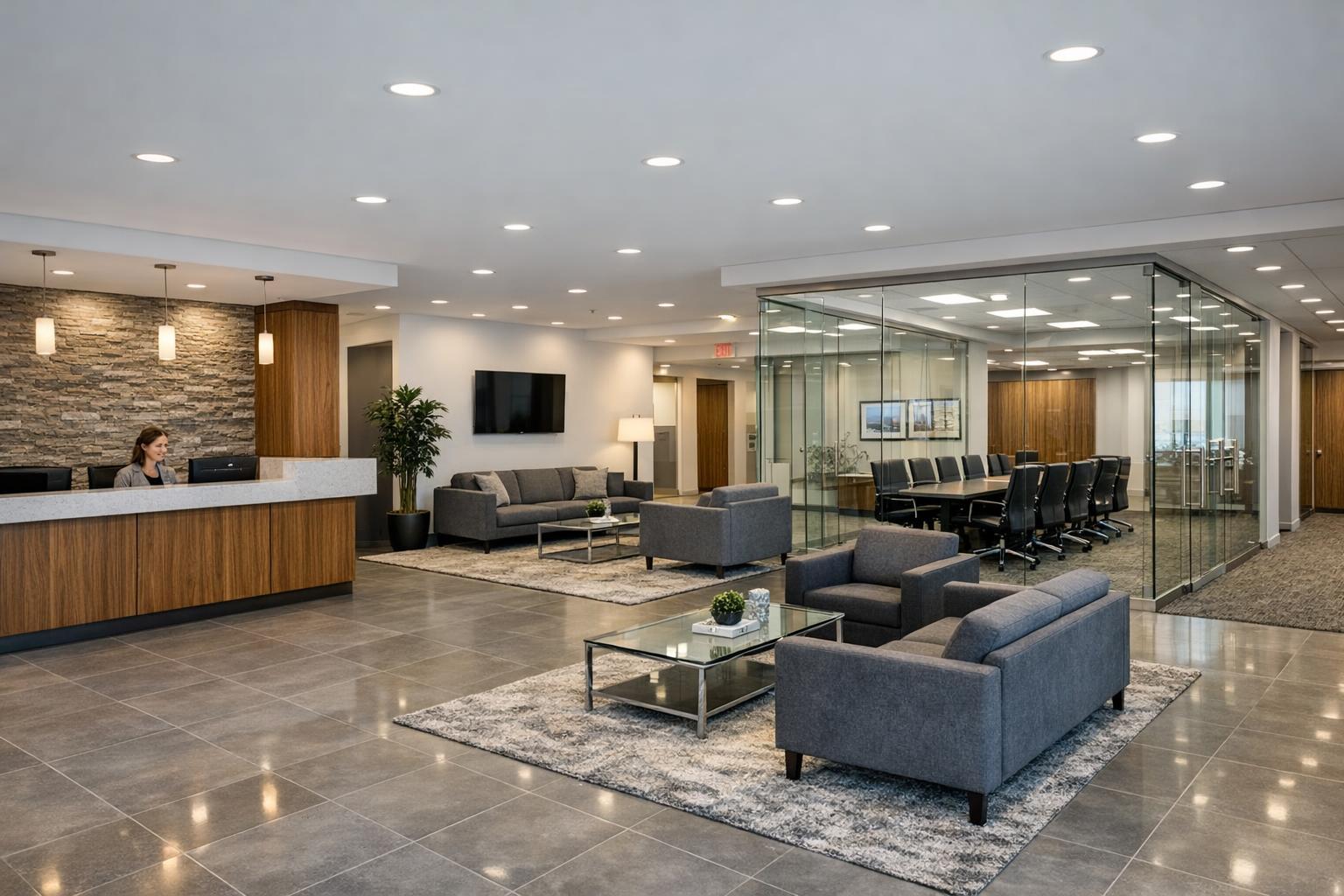
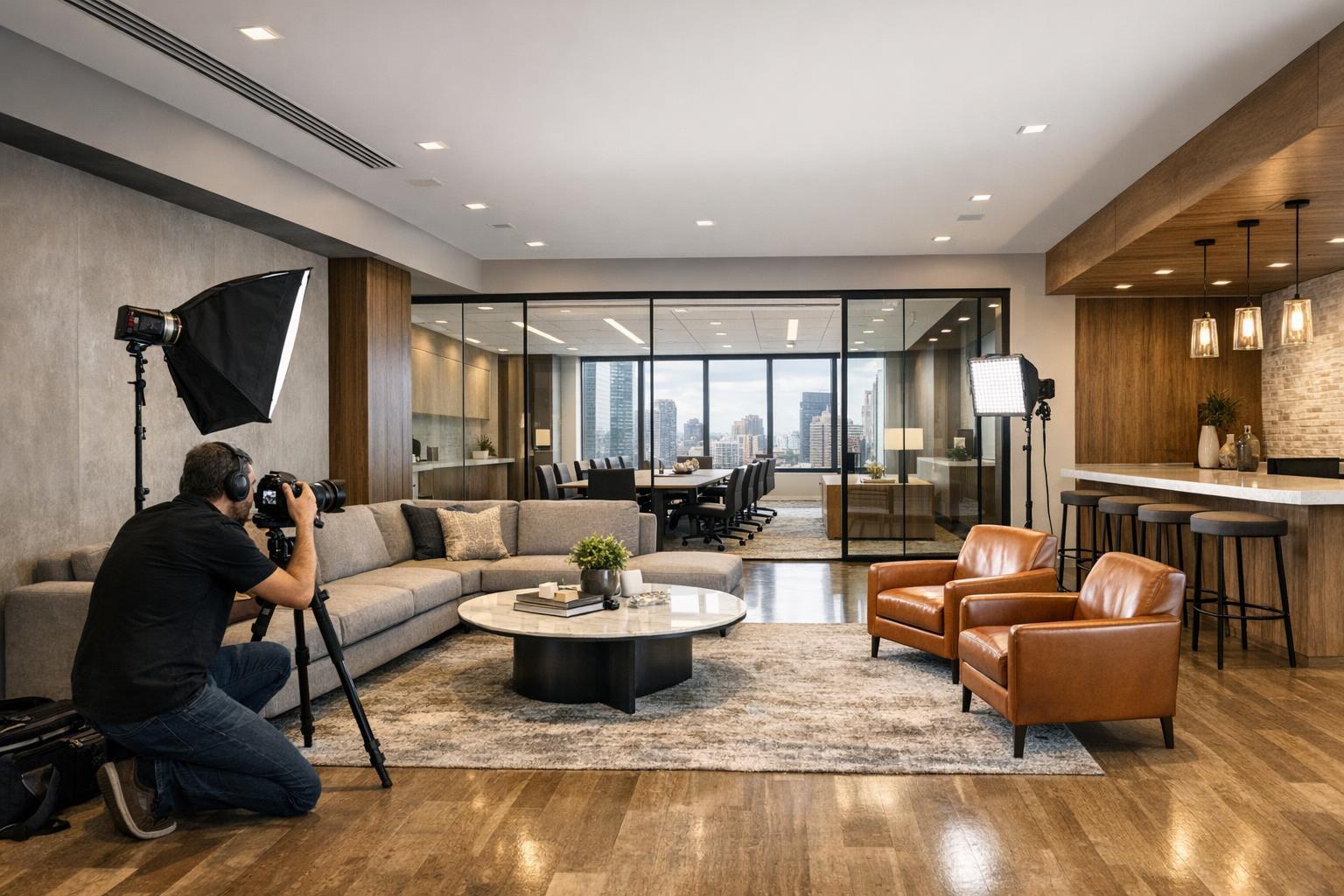
An architectural photographer in NYC captures the interior of a modern office space with sophisticated furniture and a city view.

How to Choose an Architectural Photographer in NYC for Your Next Property Project
Finding the right architectural photographer in NYC comes down to more than just glossy images of sunlit rooms. Whether you’re a broker listing a unique apartment, a developer launching a new building, an interior designer creating a press kit, or a commercial team marketing office space, the photographer you hire should create images that do more than look good—they should tell the story of the property.
This guide breaks down practical strategies for hiring a true NYC property photographer who understands how to capture the spirit, flow, and tangible qualities of your space, and offers a look at how to prepare, what questions to ask, and how to get images that align with your goals.
Why Architectural Photography Demands More
Architectural photography is an intentional craft. It leans into design, composition, and the feeling created by light, material, and space. Routine listing photography often emphasizes coverage and quick turnaround, but an architectural approach digs deeper. It’s not just about proving a room exists—it’s about conveying how that room fits into the larger whole, the craftsmanship behind it, and the way people will experience it.
What Sets Architectural Images Apart?
- Deliberate Composition: The strongest architectural photos are composed to make sense of a space. That means thinking about lines, proportions, sightlines, and the way design features relate to each other in a single frame.
- True-to-Life Perspective: Leaning walls or stretched rooms from wide lenses can make even the best spaces look fake. Good photographers take care to keep architectural lines straight and proportions natural.
- Balanced Use of Light: NYC properties run the gamut from grand windows framing sky to brownstones dappled with shifting daylight. Window exposures should reveal both interior features and exterior context without losing either in glare or shadow.
- Narrative Flow: Instead of delivering a random sequence of images, architectural specialists create a visual journey, guiding viewers from signature spaces to everyday rooms to fine details.
Clarify the “Why” Before Hiring
Before you reach out to prospective photographers, define what the images will accomplish. Are you listing a Manhattan loft where the kitchen sells the space? Is your focus on documenting intricate prewar details? Or do you need broad coverage for leasing a new office suite downtown? Knowing the purpose will drive every decision about angles, timing, and the final image set.
Common photo uses include:
- Residential and commercial listings for MLS or online platforms
- Marketing materials for developers and leasing teams
- Portfolios for architects and designers
- Brokerage or investment presentations
- Social media and company websites
- Press submissions and industry case studies
The intended use should shape the depth of coverage. A basic listing might require straightforward shots of key rooms and amenities, while project documentation for designers or commercial projects often requires more nuanced images—details, layered lighting, and photos that connect one space to another.
Evaluating a Photographer’s Portfolio
When comparing NYC property photographers, focus not only on technical skill, but also on whether their portfolios match your kind of project. Look for:
Manhattan Condos and Apartments
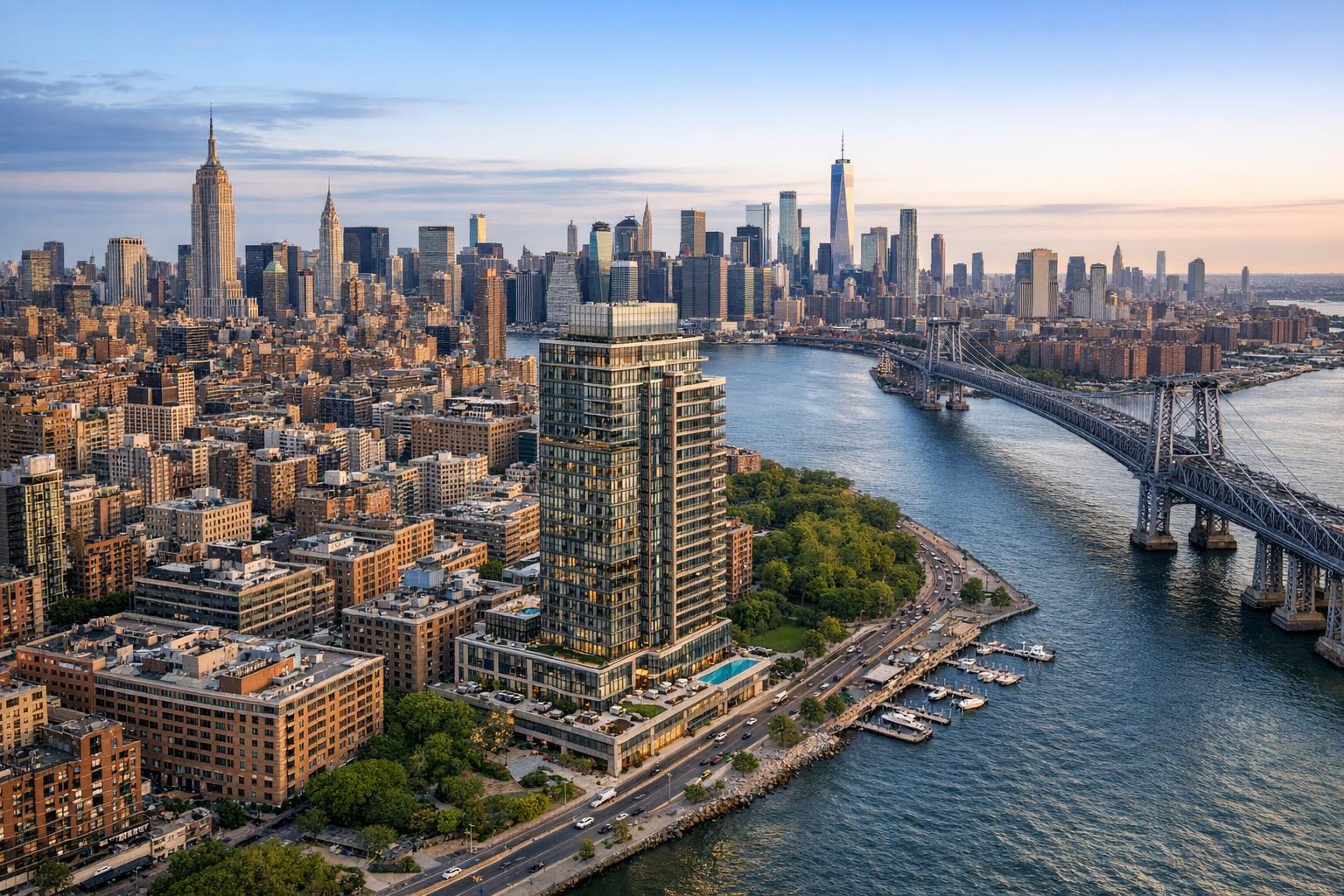
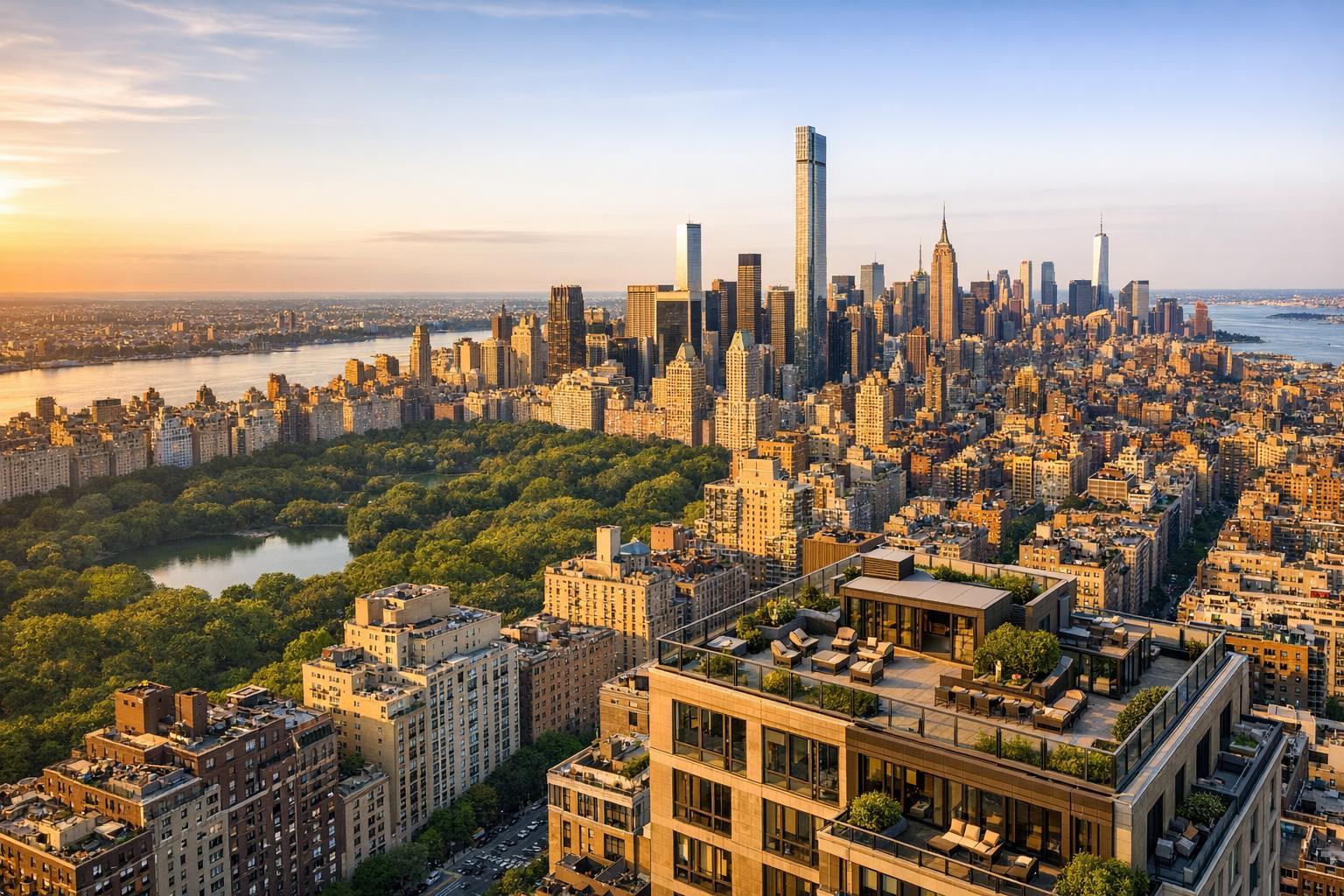
Photographing city apartments means working in tight spaces, navigating elevator schedules, and managing window light that can jump from glaring to subtle from room to room. Experienced photographers know how to bring clarity to small spaces and capture both historic details in prewar homes and the clean lines of new developments.
Brooklyn Brownstones and Townhomes
Brownstones often have a vertical logic—parlors leading to stair halls, garden-level spaces, and detail-rich transitions. Watch for portfolios that respect the scale and unique sequence of rooms, and that show a clear understanding of variable natural light in long, narrow homes.
Commercial and Mixed-Use Properties
Marketing for offices and retail spaces puts a spotlight on ceiling heights, lighting, flow, storefront design, and how the location relates to its surroundings. If you’re leasing or selling commercial property, ask for examples of similar projects. There’s a world of difference between marketing creative workspaces, polished retail storefronts, or more utilitarian office suites.
New Developments
Larger projects often require photographing model homes, amenity spaces, lobbies, exteriors, and even nearby points of interest. Consistency becomes crucial when images will be distributed in digital campaigns, brochures, and project websites.
Essential Questions for Your Photographer
A productive conversation with your photographer can reveal how they approach projects and whether they’re prepared to handle the realities of shooting in New York.
Consider asking:
- Can you share examples of similar property types or styles you’ve photographed?
- How do you structure coverage for this kind of project?
- What’s included in your base package, and what are add-ons?
- How do you manage mixed lighting, window exposures, and correcting for building lines?
- Will you provide both wide shots and select details?
- What is your process for property access—do you need super or management approval, proof of insurance, or special scheduling?
- What kind of preparation helps get the best images?
- What file types and delivery options are provided?
- Do you offer complementary services, like video, 3D tours, or virtual staging if they’re relevant?
A knowledgeable photographer should be able to address these directly, and also flag potential access or preparation issues well ahead of shoot day.
Getting the Space Camera-Ready
No photographer—no matter how experienced—can fully overcome poor preparation. For residential properties, declutter, clear counters, hide personal items, put away charging cords, and make sure beds and linens look sharp. Replace any burnt-out bulbs and open up window treatments for a fresh, bright feel. Vacant rooms should be fully cleared if you plan to use virtual staging.
For commercial shoots, coordinate access to all booked spaces, amenities, rooftops, and exteriors. Let staff or tenants know the schedule to limit disruptions and ensure all areas are ready for photographs. Proper preparation translates directly to cleaner, more professional results.
If you’re considering AI virtual staging, remember that empty rooms work best. Any furniture or clutter will need to be addressed before staging can happen cleanly.
Choosing the Right Image Mix
While still photography is the backbone of most property marketing campaigns, some projects call for more. Videos can showcase the way people move through a space, explain arrival or amenity flow, or document larger environments for remote viewing. Interactive 3D tours like Matterport scans are invaluable for open houses, corporate relocations, or buyers at a distance—these always require on-site scanning. Floor plans bring architectural clarity, helping viewers understand layout and room relationships.
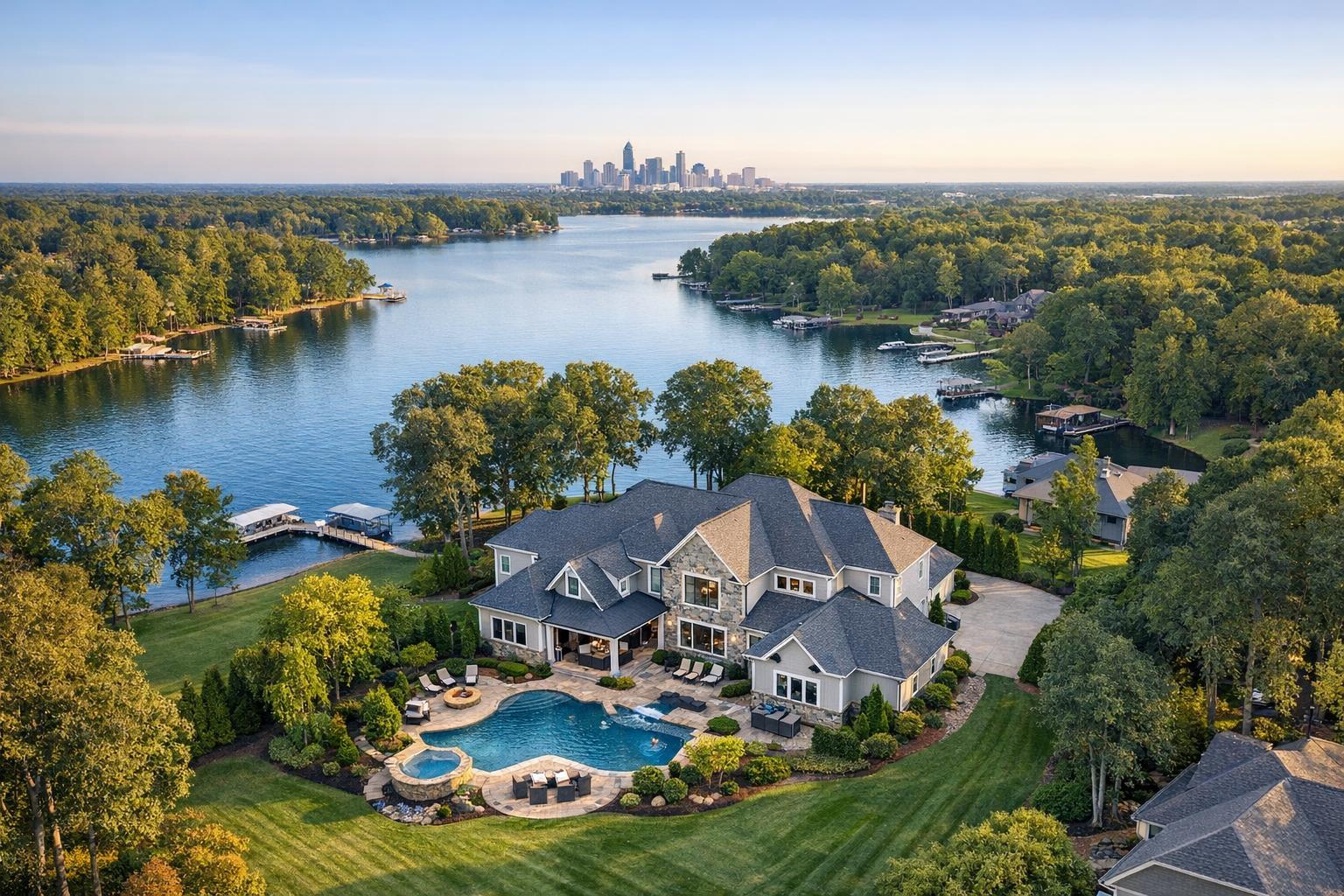
Aerial imagery may add useful context for exteriors, but in NYC, drone flights are approved case by case depending on airspace, weather, and property access.
Working with RealtaSnap for NYC Property Photography
If you’re looking for a professional NYC property photographer, RealtaSnap offers architectural photography, commercial real estate imagery, video production, 3D tours, virtual staging, and more for projects in New York City and New Jersey. Standard real estate shoots can be reserved directly through the online scheduling platform, where you can choose your property address, select services, include access details, and pick a time that fits your needs.
For more tailored architectural assignments, provide information about design priorities, site access, any special requirements, and how you plan to use the images. RealtaSnap’s process is designed to keep things clear, comfortable, and straightforward for clients at every step.
To see examples of their work, visit the RealtaSnap homepage.
Make Your Images Work for You
Don’t settle for quick snapshots when polished media can highlight the value of your property. The right NYC architectural photographer considers the details, the story, and the intended use—resulting in images with real impact.
Starting with a clear plan, preparing thoroughly, and choosing a photographer who understands New York’s unique spaces are the foundations for supporting your marketing objectives with compelling, professional visuals.
Ready to upgrade your property’s presentation? Visit www.RealtaSnap.com to learn more, explore services, and schedule your next shoot.
FAQ
Question: What makes architectural photography different from basic listing photography?
Answer: Architectural photography places more emphasis on the design, materials, proportions, and overall experience of a space. While listing photography covers the basics quickly, architectural work is more deliberate—it’s about telling the property’s story and highlighting what makes it unique.
Question: How should I prepare a property for an architectural photo shoot?
Answer: Start by decluttering, removing personal items, and making sure every space is neat and camera-ready. For commercial spaces, coordinate access to all the necessary rooms and amenities. If you want virtual staging, make sure the targeted rooms are empty.
Question: Does RealtaSnap offer additional services like video or 3D tours?
Answer: Yes, RealtaSnap offers a range of property media services, including on-site video capture, interactive 3D tours with Matterport (always requiring on-site scanning), AI virtual staging for empty rooms, as well as traditional and aerial photography. Options and availability are listed on their website.