How to Choose a Commercial Real Estate Photographer for Your Property
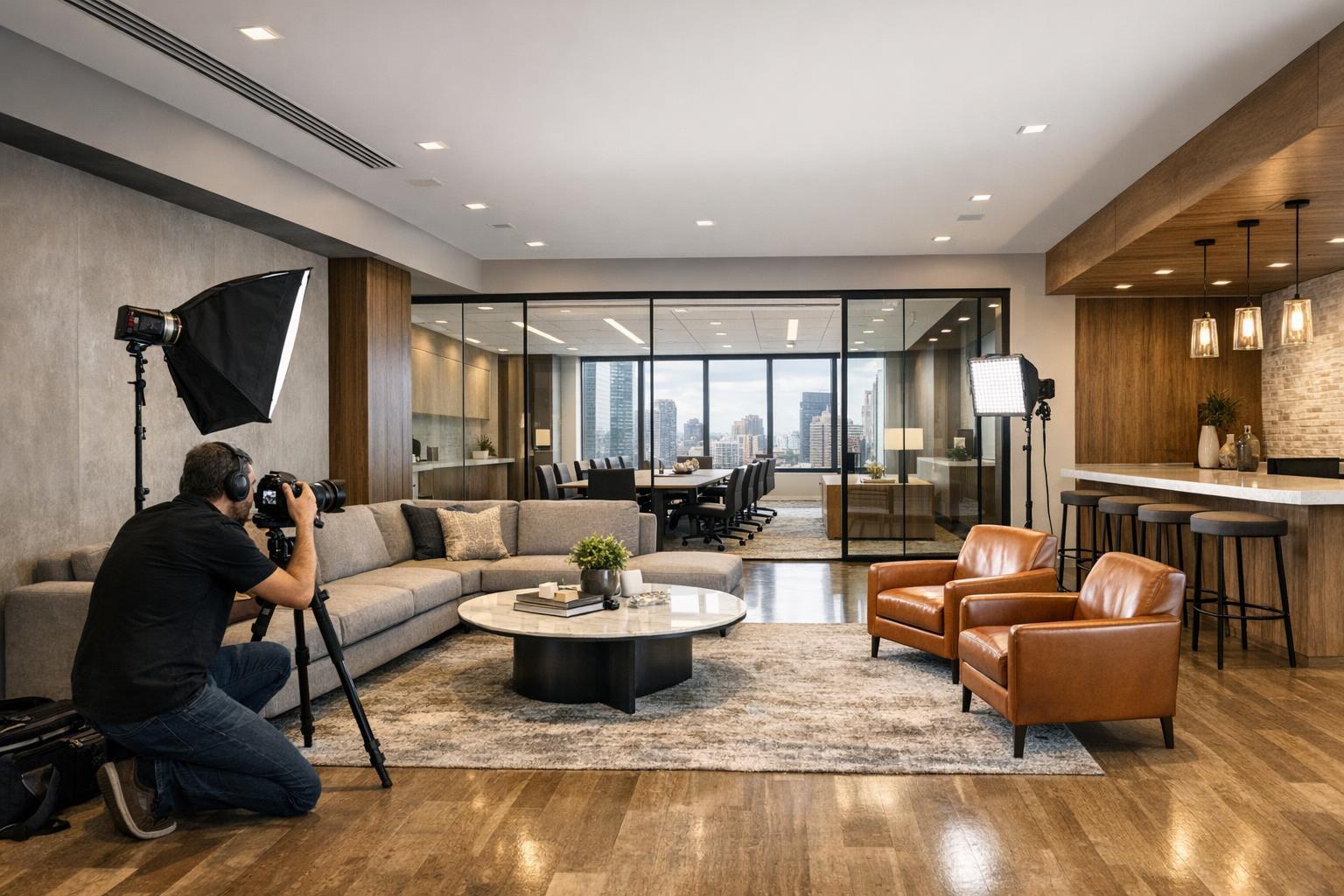
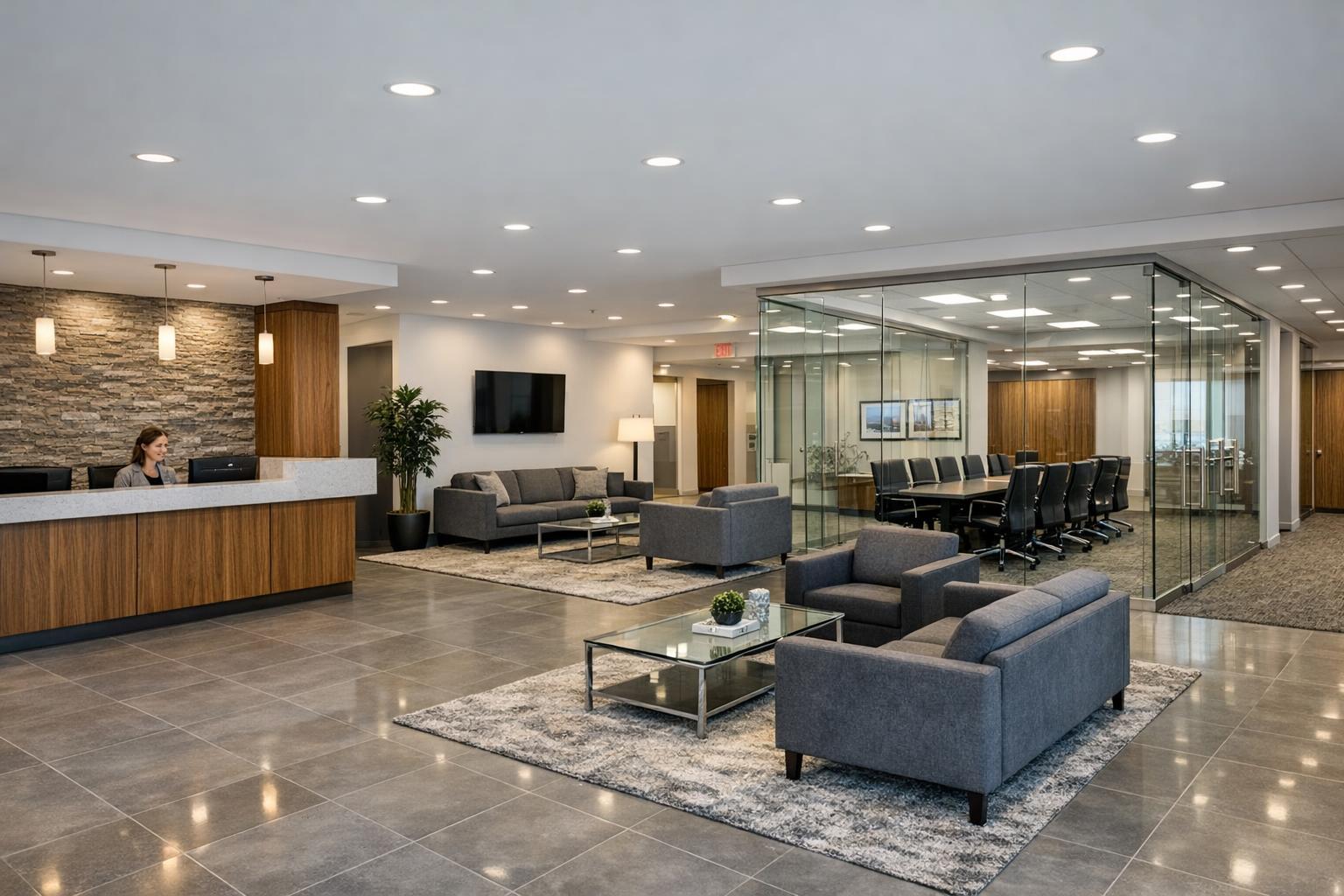
A modern office lobby featuring commercial real estate photography showcases a sleek reception area, contemporary seating, and a glass-walled conference room.

How to Choose a Commercial Real Estate Photographer for Your Property
Commercial real estate photography in New York City and New Jersey serves a unique role: it’s not just about making a property look attractive, but about showing how spaces work for businesses, investors, and tenants before they ever set foot inside. The right commercial property visuals communicate much more than square footage—they offer insight into layout, features, light, circulation, and how a building fits into its urban or suburban context.
Whether you’re a broker, property manager, developer, or owner, picking a commercial property photographer is a practical decision that can impact everything from your listing’s performance to the quality of your marketing assets. Here’s a practical guide to navigating that process, with a focus on the distinct challenges and opportunities in NYC and New Jersey.
What Makes Commercial Real Estate Photography Different?
Residential shoots usually lean heavily on lifestyle: they’re about the story of living in a space. Commercial property photography, though, is all business. The images have to clarify how a property functions—layout, ceiling heights, lighting conditions, visibility, street access, and architectural details all play a critical role. A strong photo set should be both appealing and accurate, avoiding the trap of making spaces appear misleadingly large or sterile.
The priorities for commercial spaces can vary:
- Office suites: Frontage, lobby, workspace organization, private offices, amenity areas, and building access routes are likely important.
- Retail storefronts: Street visibility, signage, entry, and foot traffic context matter just as much as the selling areas inside.
- Warehouses and industrial: Bay doors, truck loading, storage, racking, and clear heights become the main focus.
- Hospitality or mixed-use spaces: Photos should illustrate public areas, guest rooms, dining, amenities, and circulation as part of a coherent experience.
- New developments: The current state—not future plans—should be faithfully documented, even if finishes or landscaping aren’t yet complete.
In dense metro areas, details such as which floor a space occupies, the view from key windows, and proximity to transit can make or break a deal. The best commercial property photography reveals those features with clarity.
Clarify the Marketing Objective Before You Hire
Not every listing needs the same kind of media. Before reaching out to photographers, take a moment to define what the images (and any supporting video or 3D tours) need to accomplish. Are you marketing a long-term lease, selling the building, debuting a renovation, or launching a new retail concept?
A little preparation goes a long way. Good briefs typically address:
- The intended audience: tenants, buyers, investors, or customers
- The property’s key selling points
- Must-photograph areas and features
- Any rooms, operations, or details that should remain private
- Whether the space will be occupied during shooting
- Special access requirements (rooftop, parking, mechanical spaces)
- Where and when the content will be used
Starting with a concrete marketing goal makes it easier to find a photographer who understands both the property and its business purpose. It also helps prevent the frustrating problem of beautifully shot galleries that accidentally skip over critical features.
Evaluating a Photographer’s Portfolio and Experience
When reviewing a commercial real estate photographer, don’t just look for beautiful images—look for relevant ones. The photographer’s portfolio should show an understanding of your asset type and its particular marketing needs.
- Office and medical: Look for shots that explain layouts, highlight reception and conference areas, and show how light moves through spaces. In Manhattan or Brooklyn, where office space is often tight and complex, clarity about dimensions and relationships between rooms is especially valuable.
- Retail and restaurant: Strong portfolios include exterior shots at useful street angles, interior images that capture main sales or dining areas, and evidence of thoughtful timing if the space is typically busy.
- Industrial and warehouse: Expect to see large interiors handled without distortion, visible bay and truck access, and photos where mixed lighting does not wash out or darken important details.
- Hospitality and mixed-use: Experience-driven spaces require imagery that explains how guests or staff experience the space—both the wow moments and the subtle transitions.
- New developments: Recent shoots should reflect the real, present condition of the property, not hypothetical future improvements.
Ask for examples that are as close as possible to your property’s size, use, and location.
Photographer Planning Process: What to Look For
Professional commercial shoots benefit from solid planning and clear communication. Good photographers ask about details like:
- Building hours, check-in, and elevator/freight scheduling
- Approval processes for security or management
- Prime times for exterior shots and street activity
- Whether the space will be active or empty during the shoot
- Preparation and adjustments needed before the photographer arrives
- Any must-capture amenities, access points, or restricted areas
For occupied properties, a little strategy is helpful: shoot common spaces before business hours, coordinate with staff for minimal disruption, and plan around high-traffic times. In retail, industrial, or hospitality settings, the plan may need to work around customers, deliveries, or ongoing operations.
Light, Perspective, and Editing Standards
Commercial properties challenge photographers with reflective glass, mixed lighting, and complicated layouts. When you’re examining a photographer’s work, look for:
- Straight, natural verticals—unwarped facades and interiors
- Natural-looking light—windows should show the real view, not blow out to pure white
- Consistent, realistic color across different parts of the property
- Minimal reflections, glare, or muddiness in glass and glossy surfaces
- Interiors that look welcoming but not oversaturated or overprocessed
Editing should never cross into creating fiction. While small distractions can be retouched, permanent features and key details should not be altered to misrepresent the space.
Virtual staging can be a great asset for empty commercial suites, but it works best in unfurnished, uncluttered rooms.
Beyond Still Photography: Supplementary Media
While still images are almost always the foundation for property marketing, some listings benefit from extras. Consider the property’s details, not just a bundled package.
- Video: Actual video (not a slideshow of photos) can help prospects understand movement—from lobby arrival to workspace flow to exterior access.
- Floor Plans: Great for helping buyers or tenants grasp spatial relationships at a glance. RealtaSnap creates floor plans from on-site capture; remote plans from PDFs aren’t offered as a substitute.
- 3D Virtual Tours: Useful for large, intricate, or multi-room spaces, especially when out-of-town stakeholders want a self-guided experience. These tours require an on-site scan.
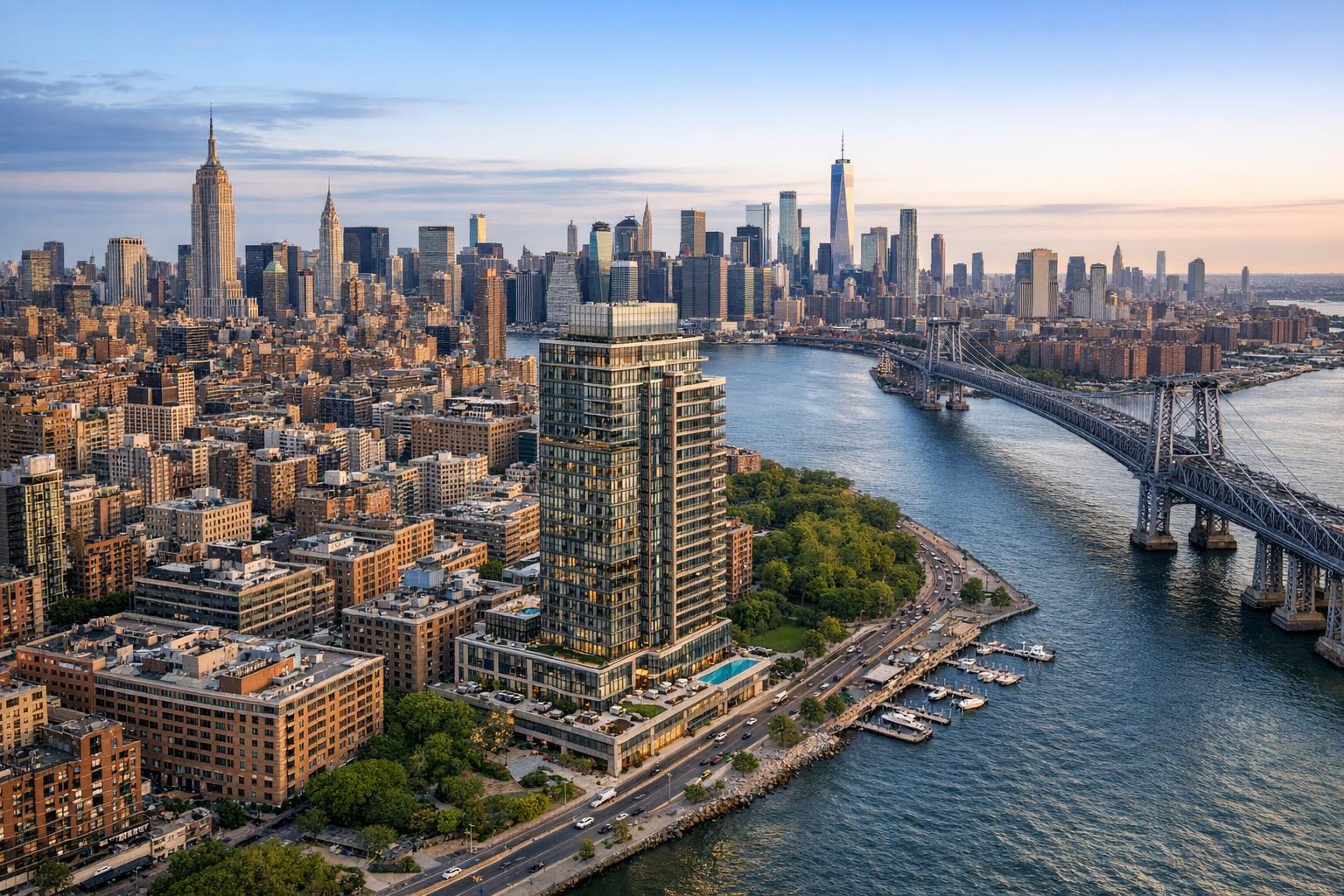
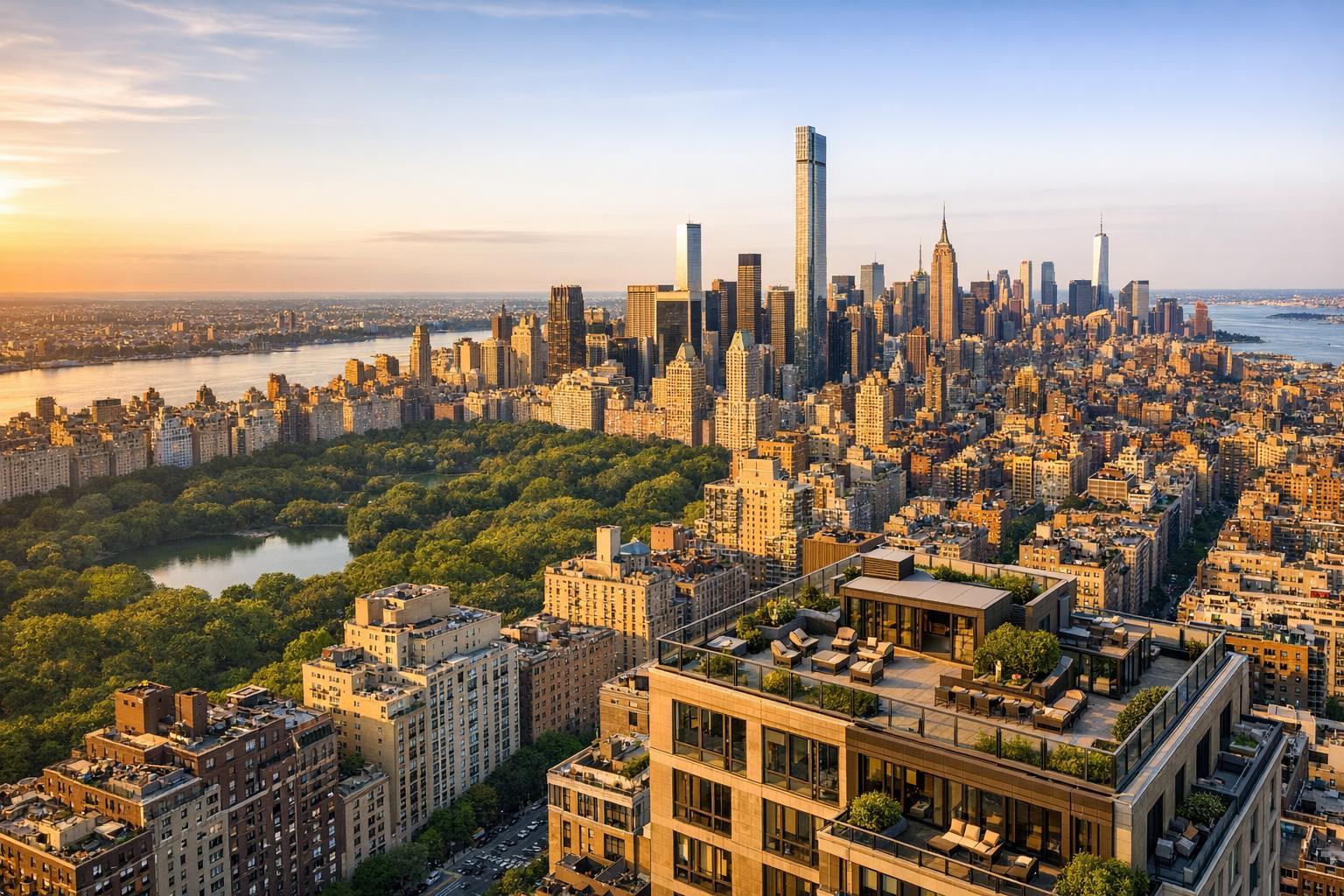
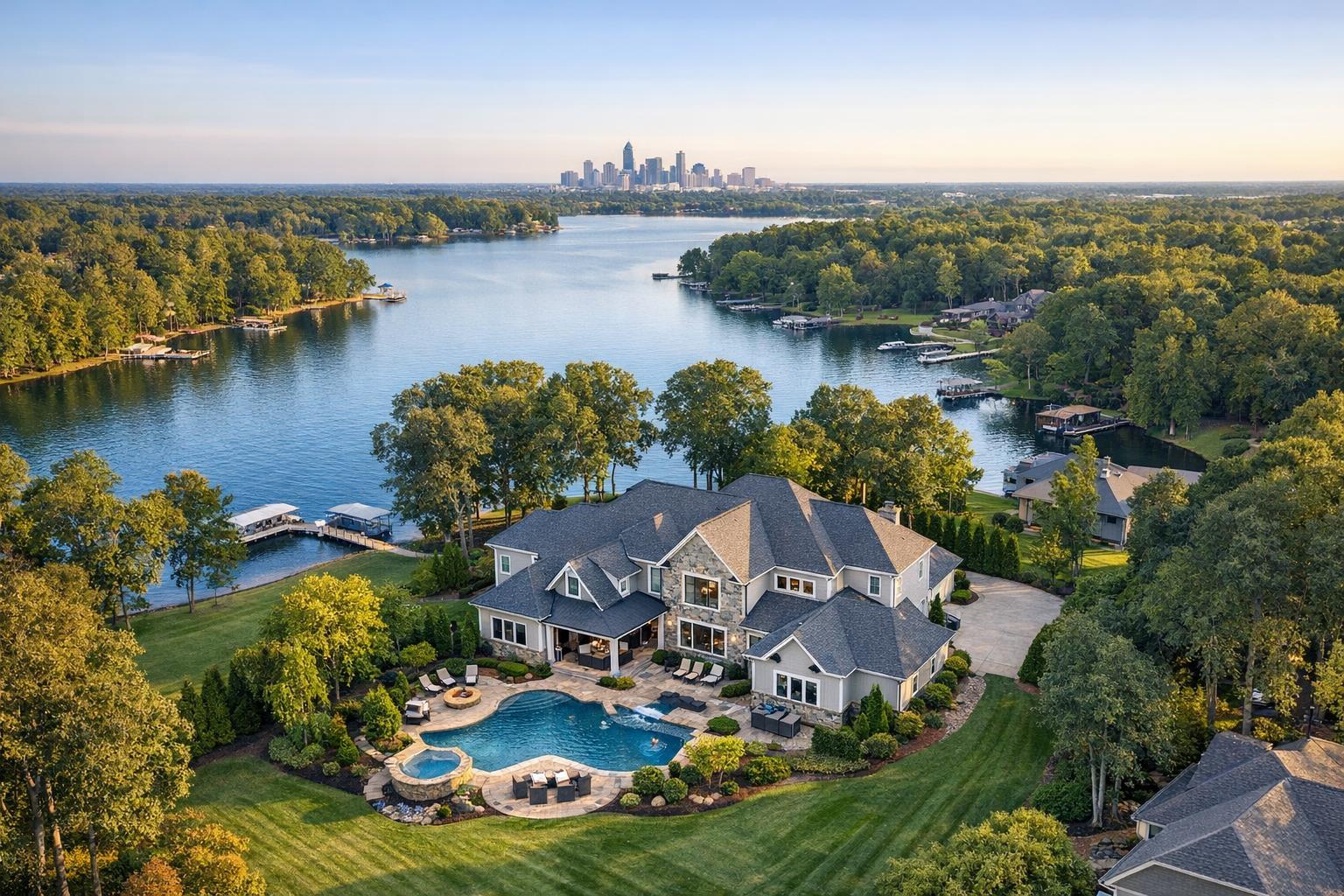
- Aerial Imagery: Particularly helpful for showing site context, building scale, or proximity to features like transit and waterfronts. Drone work is handled case by case, considering airspace, weather, access, and safety.
Asking the Right Questions
Portfolio quality is only part of the story. How a commercial property photographer works with people, plans shoots, and handles real-world challenges often matters just as much. Consider asking:
- Have you photographed similar commercial properties in NYC or New Jersey?
- What information do you need beforehand?
- How do you approach occupied spaces with active operations?
- Can you help us prioritize a shot list?
- How do you handle tricky lighting or large windows?
- What media options do you recommend for our marketing goals?
- What should we do to prepare the space?
- How do you manage access or building restrictions?
Look for clear, direct answers. The best fit will be someone who can adapt their process to your property’s quirks, not just run through a preset checklist.
Fit Matters: A Local Commercial Property Media Partner
No two listings are alike, especially in the high-variation markets of NYC and New Jersey. A retail shop on a busy Hoboken corner, a multi-story office in midtown Manhattan, and an industrial warehouse in Jersey City each deserve a tailored approach. Media assets should be selected by what is relevant and useful.
RealtaSnap specializes in commercial real estate media that’s property-specific, serving all five NYC boroughs and New Jersey statewide. Depending on your needs, photography can be paired with services such as video, floor plans, Matterport 3D tours, virtual staging for blank suites, or on-site drone imagery where feasible.
For straightforward booking and more information about commercial packages, you can learn about RealtaSnap’s real estate photography services in NJ or start at RealtaSnap.com.
If you’d like a fast, clear start, just be ready to share your property address, the specific features to highlight, and any access details up front. This helps ensure your commercial property receives marketing assets that are both professional and faithful to its real-world advantages.
FAQ
Question: How many photos should I expect for a commercial property shoot?
Answer: The number depends on the property’s size and complexity. Small office or retail suites might only need a limited set, while larger multi-floor buildings or industrial sites often require broader coverage to show key features inside and out.
Question: What’s the best time to photograph an occupied commercial space?
Answer: It varies—some businesses want to show spaces in operation, while others prefer clean shots taken before opening, after hours, or during scheduled windows. Discuss schedules and privacy requirements ahead of time to avoid disruption and missed opportunities.
Question: Can I get drone photos for properties in NYC or New Jersey?
Answer: Possibly, but each address needs to be reviewed—factors like airspace, weather, building access, safety, and local rules all matter. Drone flights are only offered when they’re safe and allowed for your specific building.
If you have an upcoming commercial listing or want to discuss your project, RealtaSnap is happy to help. Visit www.RealtaSnap.com to get started.