How to Choose Real Estate Photography Services for Your Next Listing
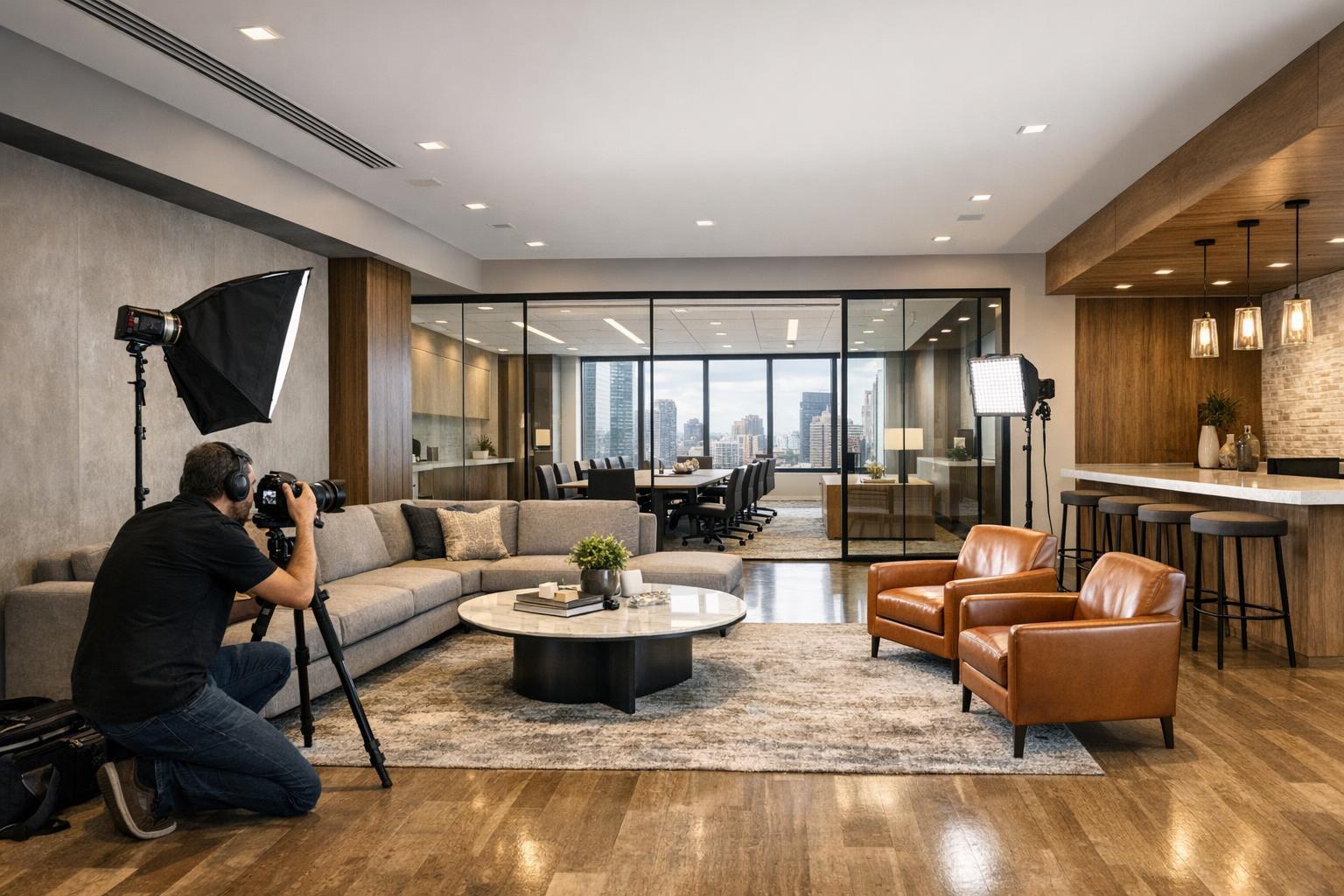
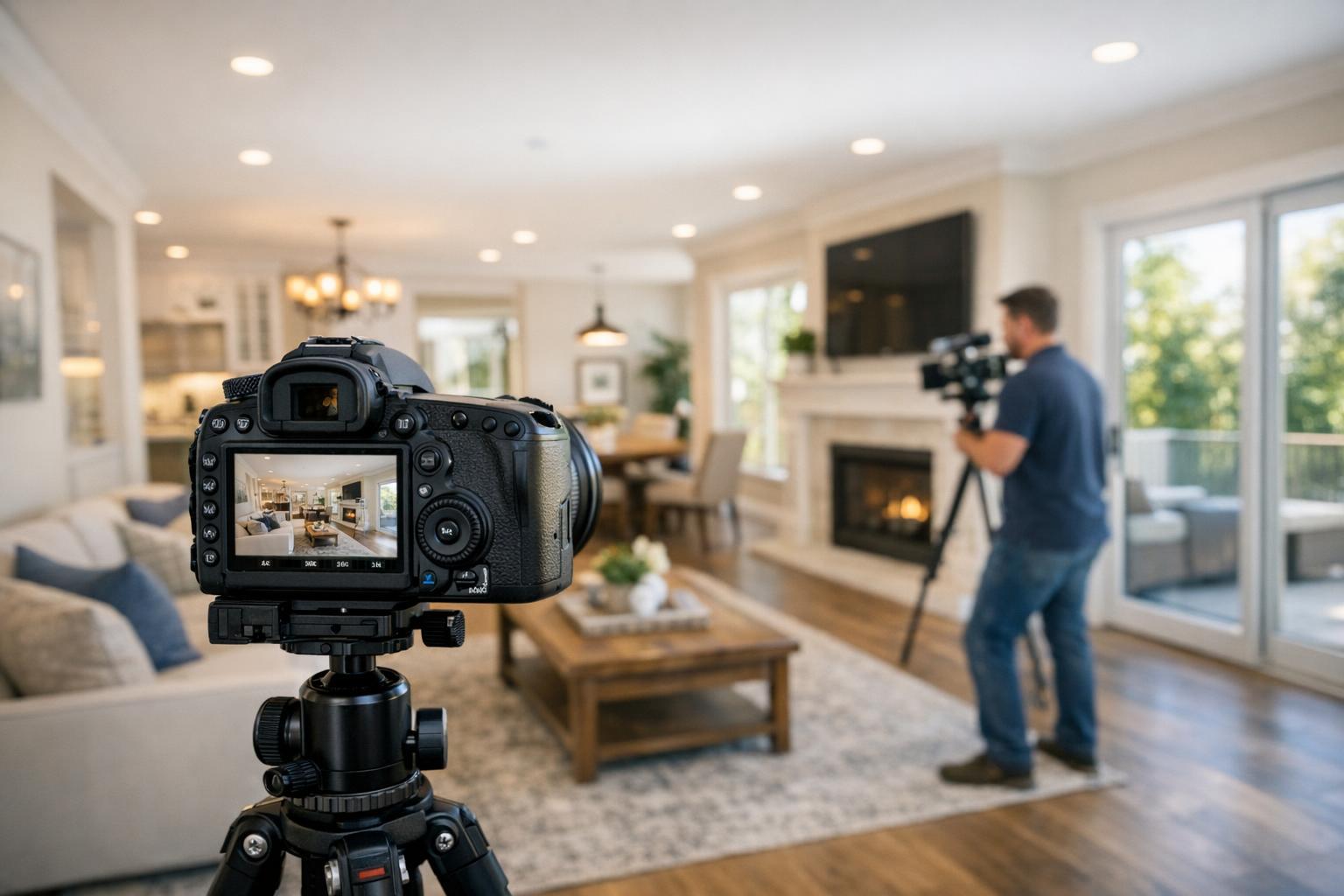
A professional setup captures high-quality real estate photography in a stylish living room, highlighting interior design details with precision.

How to Choose Real Estate Photography Services for Your Next Listing
Real estate photography services can make all the difference when it comes to how buyers and tenants perceive a property online. A clear, well-lit photo set can help someone understand a space long before they visit, but knowing how to pick the right photographer takes more than a quick price check or counting how many photos come in the package.
If you’re a broker, agent, or owner preparing to list in NYC or New Jersey, the choice is practical: you want media that’s accurate, professional, and tailored to the needs of the specific property. One size never fits all—what works for a Manhattan studio won’t suit a New Jersey home with a big backyard. Here’s how to approach the decision thoughtfully, avoid common mistakes, and match the coverage to your listing.
Start with the Space, Not the Package
Before comparing photo packages, step back and look at the listing itself.
Think about:
- How many rooms and unique areas really need to be shown?
- Are there features (a terrace, fireplace, finished basement, city view) that deserve special attention?
- Does the floor plan have quirks, angles, or connections that are tough to see in basic photos?
- Is the property staged, occupied, or empty? Will it be clean and ready on shoot day?
In a small apartment, you might only need a sharp set of images that covers the essentials. In a multi-level home or a classic Brooklyn brownstone, coverage should be broader. The goal is balance: don’t end up with too few images to truly represent the space, but also skip buying extra angles and add-ons that won’t clarify the listing for viewers.
What Good Real Estate Photography Looks Like
Not all professional property photography companies hold the same standards. In a competitive market like NYC, it’s worth looking for photographers who focus on these fundamentals:
- Balanced Lighting: Interiors should look bright and open without hiding detail in either sunlit windows or shadowy corners. Over-editing can make spaces feel unreal, so steer clear of overly dramatic or flat images.
- Straight Lines and Realistic Proportions: Pay attention to verticals—door frames, windows, cabinet edges. They should look natural, not stretched or bowed. A wide lens should provide context, not make a modest bedroom look double-sized.
- Thoughtful Composition: The most useful photos highlight function and features. That might mean framing a kitchen to show how it connects to the dining area, or capturing a parlor so you see both its layout and what’s beyond. Avoid images cluttered by open closets, awkward reflections, or distracting objects.
- Consistent Editing: A full gallery should look cohesive from start to finish. If one room is icy blue and another is oversaturated or gloomy, it interrupts the story of the home and makes the listing feel inconsistent.
When narrowing your search, don’t just judge by the photographer’s best portfolio shots. Look at full listing galleries to see whether they maintain quality across every type of space, not just the sunniest or most dramatic rooms.
Dig Into the Details: Workflow and Prep
A smooth photography experience is about more than pretty pictures. Make sure you know how the process works before, during, and after the shoot.
Prep Matters
Even the best photographer can’t fix a cluttered countertop or unmade bed. Before the shoot, ask if your photographer provides basic prep guidance—many offer a checklist. Usual best practices:
- Clear kitchen and bathroom surfaces
- Remove pet items and toys
- Tidy up cords and close closet doors
- Make beds and smooth linens
- Remove personal photos and valuables
If you’re handling a smaller NYC apartment, removing even a few items can make the room easier to shoot and more appealing online.
Provide Access Details Early
NYC listings sometimes come with building rules, elevator bookings, or limited access windows, while New Jersey properties may have driveway gates or detached outbuildings. Give your photography team all relevant access info ahead of time. If there’s a rooftop, amenities space, or unique feature to include, flag it at booking.
With RealtaSnap, for example, you’ll enter the address, add special instructions, select services, and book online. The platform handles payment when you check out, and most bookings need at least 24 hours of advance notice.
Clear on Delivery and Editing
Ask how and when you’ll get your images, and confirm where you can use them—on the MLS, print materials, website, or social media. Know what’s included in basic editing (exposure, color, perspective) and what isn’t. Professional editing should clean up the image, not reconstruct the property or add items that aren’t there. RealtaSnap’s approach is to keep edits grounded in what’s physically present at the property.
Do You Need Add-Ons? Decide by What the Listing Lacks
Strong real estate photography is the foundation for most listings, but in some cases, extra media provides real value. Here’s a snapshot of when each might make sense:
- Video: Useful if movement through the space or outdoor access is important—think a brownstone with several floors or a home with a wraparound yard. Good listing video is captured onsite, not just a slideshow of stills.
- Floor Plans: Great for explaining an unusual layout or multiple levels. Plans should always be made from an onsite visit, not remade from PDFs or old drawings.
- 3D Tours: If buyers are likely to view remotely, a 3D walkthrough (like Matterport) can help them explore at their own pace. Scanning the home directly is required—these aren’t stitched together from photos.
- Drone Photos or Video: Works best when an aerial overview tells the story (large properties, water views, parks). In NYC, drone feasibility depends on FAA regulations, airspace, weather, and practical safety. Never assume a flight is possible until you’ve checked with the provider.
- Virtual Staging: Most useful for clean, empty rooms. Existing furniture must be physically removed or an approved clutter-removal edit ordered first. Virtual staging isn’t a fit for swapping furniture in a furnished room.
The key is not to collect media for the sake of it but to ask, “What will actually help buyers understand this property better?”
Value, Pricing, and Making the Best Choice
Cost is part of any listing decision, but it pays to take a broader look at value.
A lower-priced, small image package may save a few dollars but can limit how well you present a larger or feature-rich property. Conversely, buying the biggest package may be overkill for a simple studio. RealtaSnap’s photo packages, for example, range from 10 to 50 images, with a 20-photo package at $189 and a 30-photo package at $209—so it’s worth considering whether a small upgrade serves the listing’s true needs.
When talking to providers, don’t simply say, “What’s your price for X package?” Instead, describe the property and ask how they would approach it. What do they recommend based on the layout, size, and standout features?
Check Before You Book: A Quick List
Use this checklist to assess whether a real estate photography company in NYC or New Jersey is the best fit:
- Review full property galleries, not just the portfolio highlights
- Look for straight verticals, real room proportions, and balanced lighting
- Make sure all photos are captured onsite
- Ask for prep guidance and access expectations
- Consider whether the suggested number of images truly covers the property
- Think carefully before adding video, floor plans, 3D tours, drone, or staging—do they communicate something photos don’t?
- Confirm how images will be delivered and used
- Understand policy for paid edits or revisions
- Read up on service rules or limitations, especially for drones, virtual staging, or floor plans
For more tips and a look at RealtaSnap’s NYC and NJ real estate photography services, you can check out their photography page or start booking directly at www.RealtaSnap.com.
Bringing It All Together
Choosing the right real estate photography service isn’t about buying the longest list of features. It’s about accurate, clear, listing-focused coverage that fits the unique needs of your property. Start with strong, honest photography. Invest the time to prep the space. Add extras like video or 3D tours where they genuinely make a difference. For streamlined booking, transparent pricing, and experienced on-site capture across NYC and New Jersey, RealtaSnap is a solid option.
FAQ
Question: How many photos should I order for a property listing?
Answer: It depends on the size and complexity of the property. A studio may need just a focused set, while a house with multiple bedrooms or outdoor areas often benefits from extra coverage to make sure all important spaces and features are included.
Question: When is it worth adding a floor plan or 3D tour?
Answer: Floor plans are a great choice for listings where layout clarity matters or rooms aren’t easily understood from photos alone. 3D tours are especially helpful for remote buyers or more complex homes, but both require in-person capture.
Question: Can I get virtual staging done if the room is furnished?
Answer: Virtual staging works best in empty rooms. If there’s furniture, it needs to be physically removed before shooting or addressed through a clutter-removal service before staging can be added. This way, the final image looks realistic and clean.
For more on professional photography and ready-to-use media for your next NYC or New Jersey listing, visit www.RealtaSnap.com.