How to Choose Commercial Real Estate Photography for Your Property Type
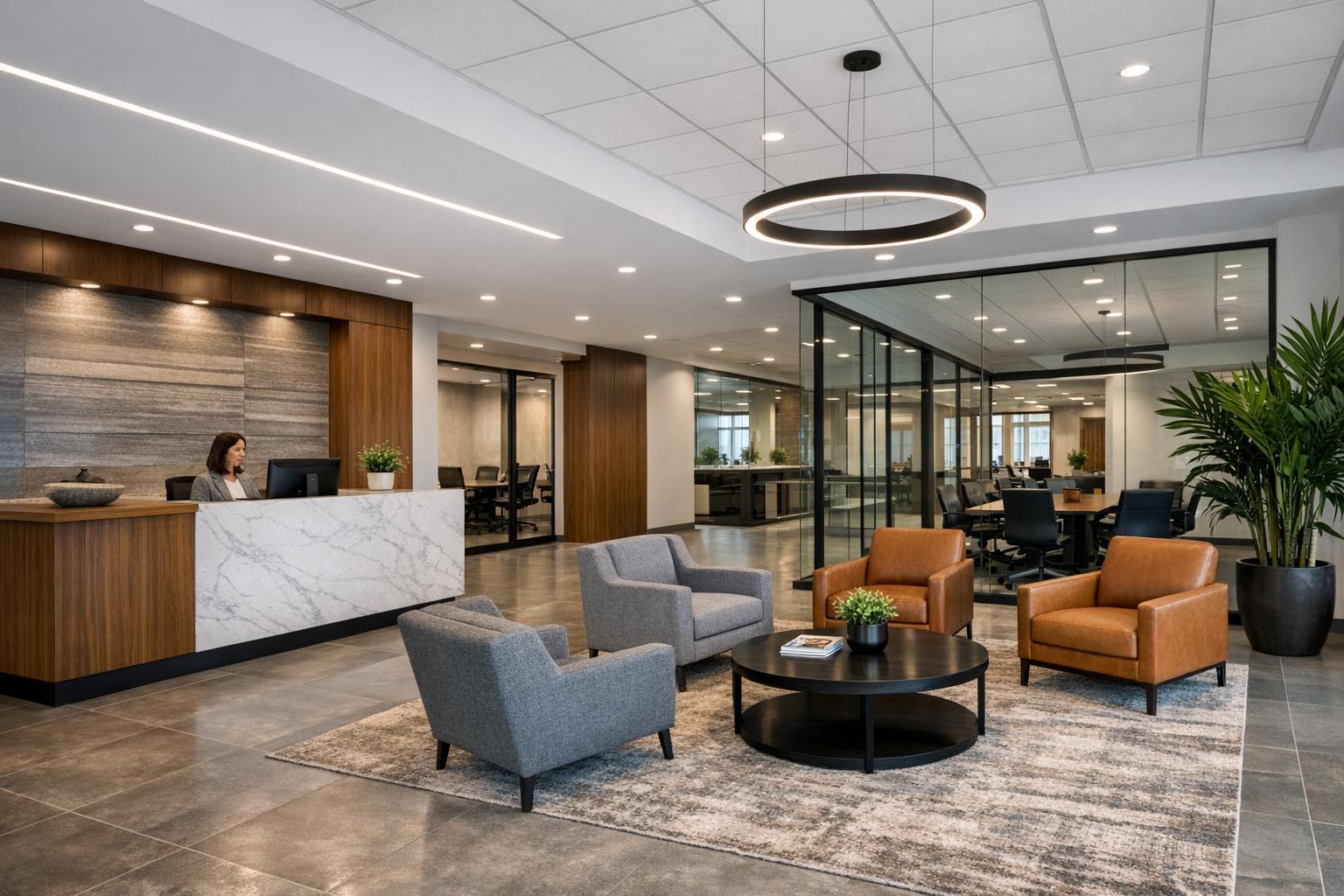
A modern office lobby showcases commercial real estate photography with stylish furnishings, a reception desk, and a meeting room visible through glass walls.

How to Choose Commercial Real Estate Photography for Your Property Type
Commercial real estate photography in NYC and New Jersey can do much more than document a space—it shapes how brokers, property managers, developers, and business owners present an asset’s highest and best use. Whether you’re leasing an office suite, unveiling a new retail location, or marketing a large development, the right photography plan frames your property in terms that matter to decision-makers.
Let’s walk through how to align your visual strategy with the property type and audience—even in the city’s most challenging locations—and what to consider when hiring a commercial real estate photographer.
Align Photography With Your Marketing Objective
Every commercial property is marketed for a different purpose. Are you aiming to fill a vacant office floor, showcase a retail storefront, attract investors to a warehouse, or preview a mixed-use development? Start by clarifying what you want a prospect to decide after viewing your listing.
A well-constructed photography package isn’t just a gallery of rooms. It’s a tool for answering questions like:
- What’s the scale and layout of the space?
- How much daylight, ceiling height, or view does it offer?
- Where are the entrances, loading areas, elevators, and signage opportunities?
- How does the property relate to the surrounding block, neighborhood, or transit?
Instead of a generic checklist of photos, the selection and order should mirror the way your audience would experience and evaluate the property.
Tailor Your Approach to Each Property Type
Offices: Show Flow and Finish
In office listings, prospects need to picture both aesthetics and how a team might use the space. For a furnished suite, include entry, reception, open work areas, conference rooms, private offices, and shared amenities. With vacant offices, make window lines, daylight, ceiling heights, and the overall footprint front and center.
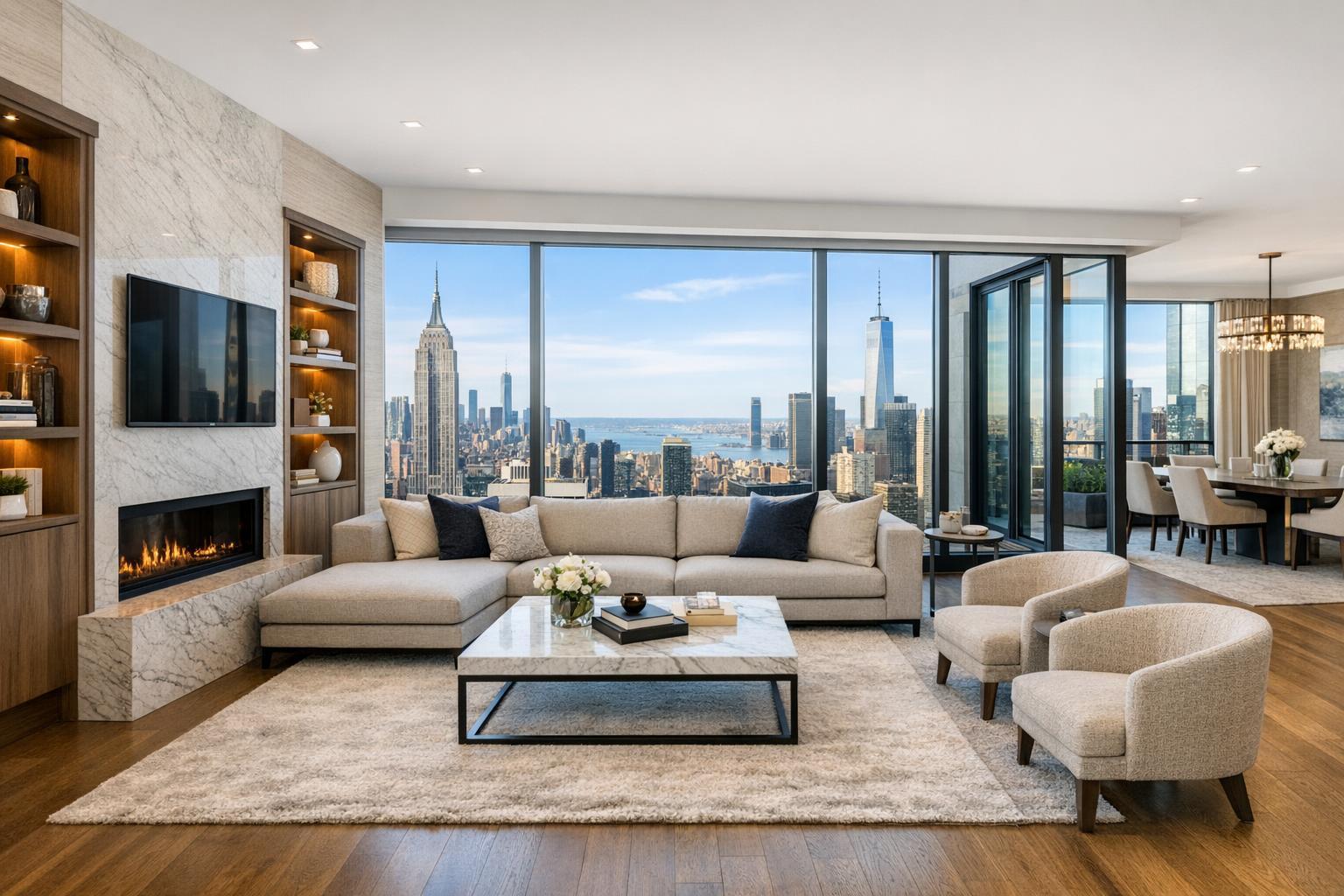
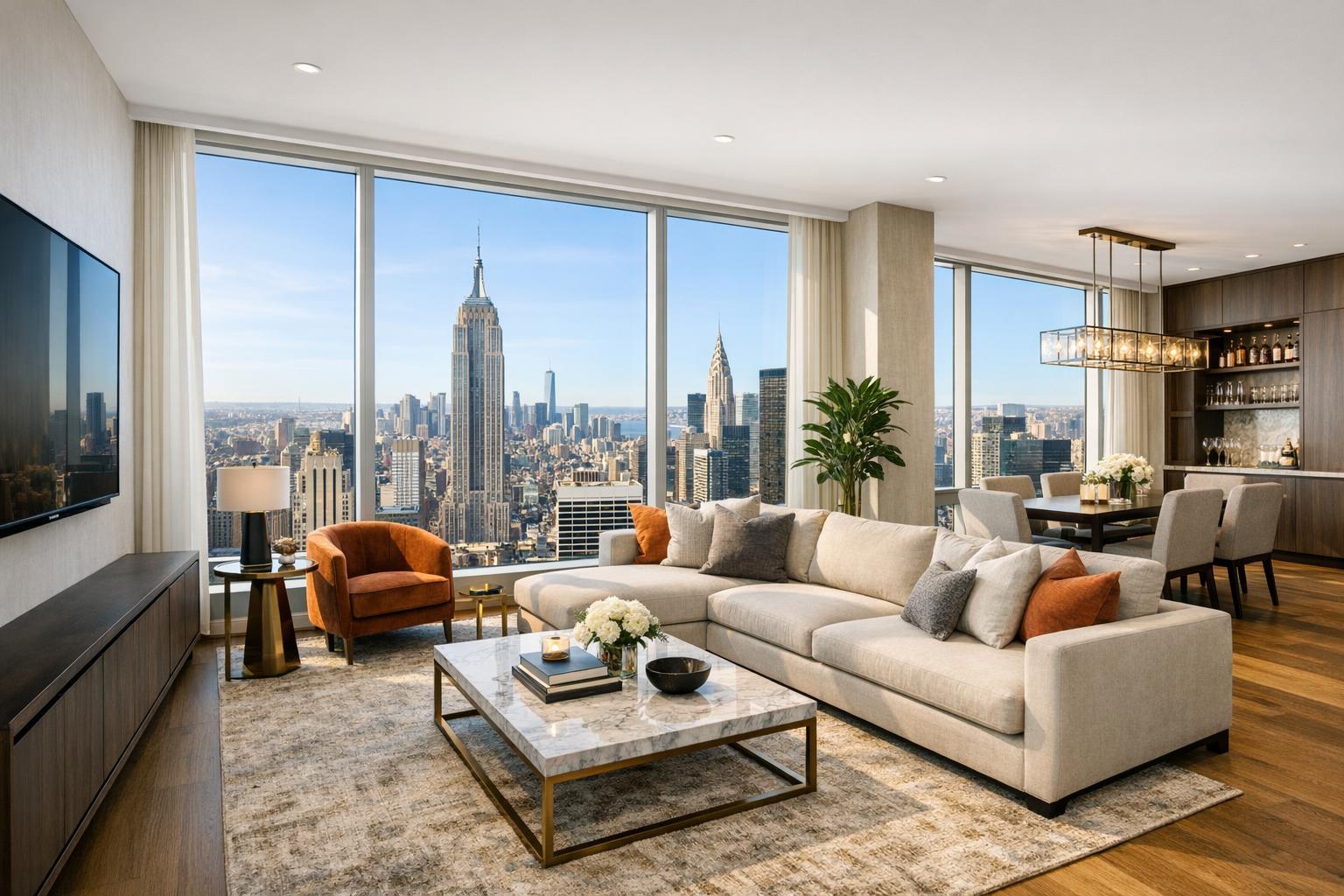
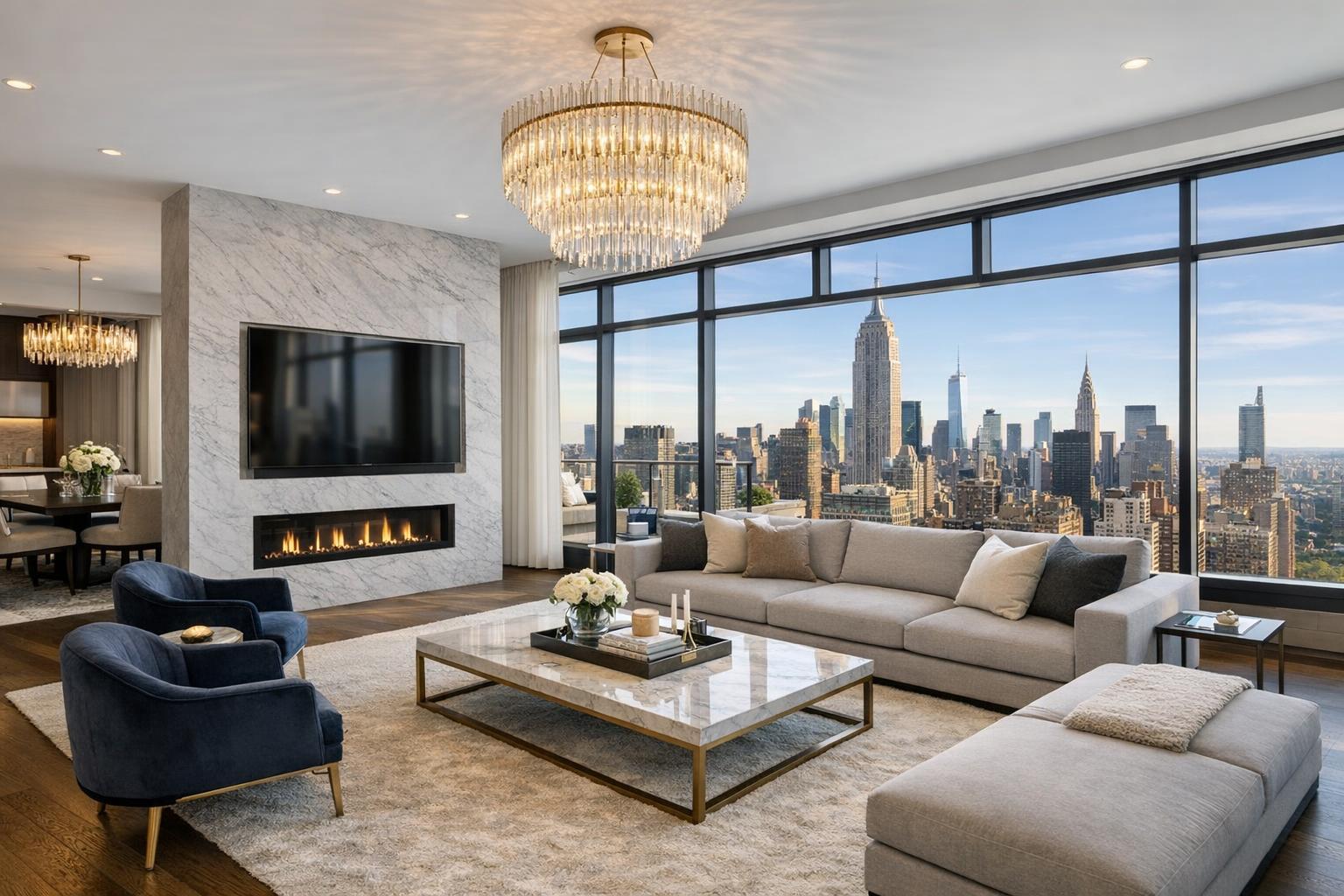
Ask your commercial photographer to pay special attention to sightlines, starting from the exterior and common areas and moving naturally through the main spaces. Crisp, controlled exposures are especially important if your listing features panoramic city views or substantial glazing—details outside the windows should remain visible.
Retail and Restaurant: Visibility Sells
Retail and restaurant photography should be planned around presence and experience. Exterior images should cover the facade, signage, sidewalk position, and street context. Internally, walk viewers through the customer journey: from entry to sales floor, bar, kitchen, restrooms, and out to any rear access or storage.
Wide, coherent shots help viewers assess the layout and flow, while a well-planned sequence builds a natural sense of movement through the space. For restaurants, make sure the atmosphere reads clearly and all operational zones are represented—after confirming the property is ready and accessible for a photo appointment.
Industrial, Warehouse, and Flex: Document the Specs
With warehouses and flex properties, the images must answer practical questions about functionality. Key priorities usually include:
- Building exterior and main approach
- Docks, drive-in doors, and truck access
- Warehouse and production areas
- Ceiling heights and visible infrastructure
- Relationship between office and industrial spaces
- Parking and yard, if present
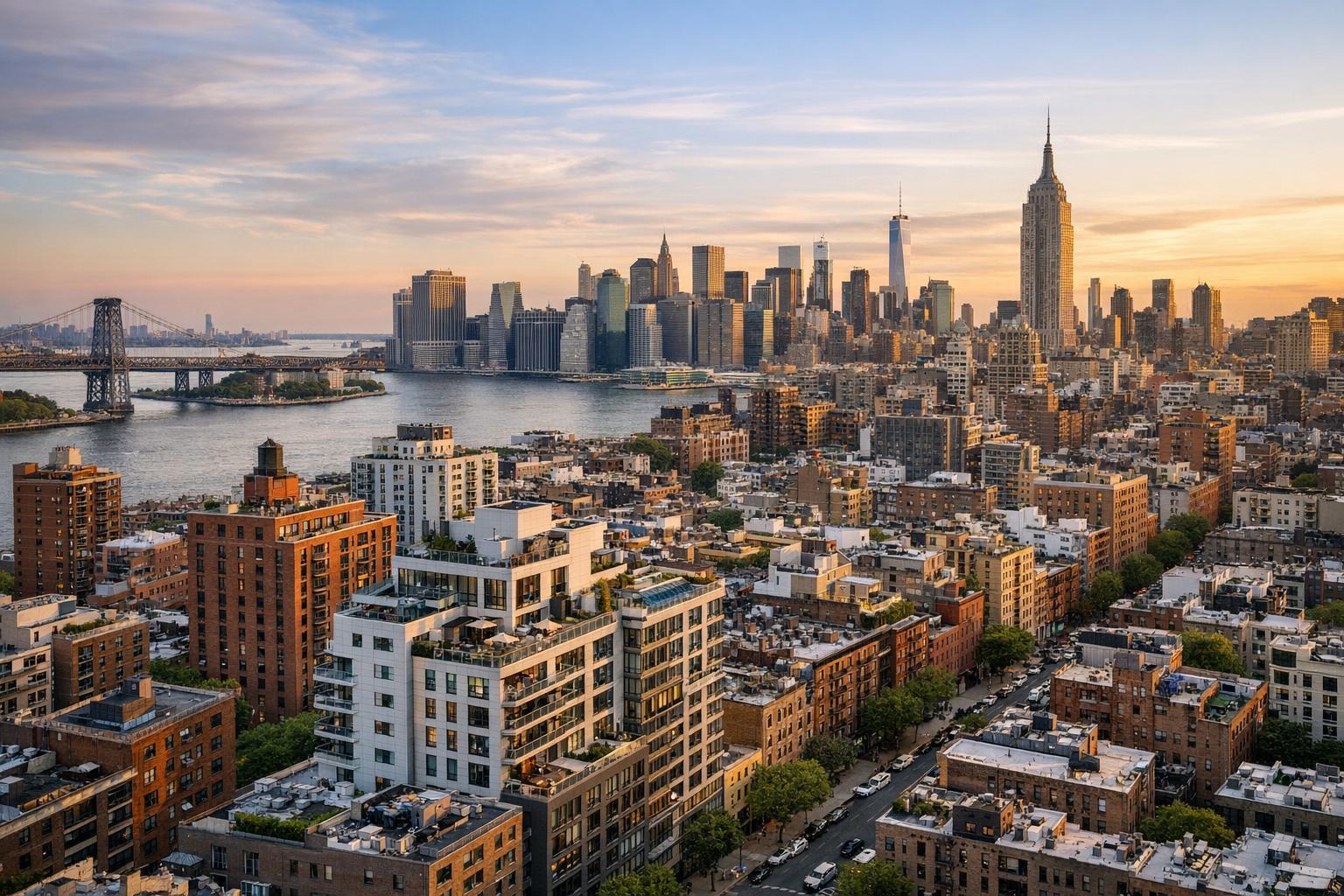
For large sites, aerial photography can clarify the overall layout, show street approaches, and illustrate how buildings relate to one another.
Mixed-Use: Clarity Over Quantity
Mixed-use properties often blend retail, office, residential, or even hospitality space. Rather than shoot every area equally, prioritize what’s actually being marketed. For example, if a retail broker is leasing a commercial base in a residential tower, the exterior, retail entrance, loading, and streetscape matter more than upper-floor features.
A strong set makes clear what’s available, what’s shared, and what’s simply part of the environment. Resist the temptation to overload your listing with images—clarity is the real goal.
Development and Construction: Show What Exists
Development projects—whether under construction or recently completed—need especially accurate images. Honest photography builds trust, so it’s vital to show the actual stage, site conditions, and completed features. Keep renderings and digital plans clearly separate from what’s physically present.
Photo priorities can include model units, leasing offices, amenities, rooftops, terraces, and any context that situates the development for out-of-market prospects or investors.
Consider Supporting Media When It’s Useful
Photography is the foundation of most commercial marketing, but certain listing profiles benefit from additional context. Choose add-on media that fits the property and the likely questions from your target audience.
- Floor Plans: Great for helping viewers grasp relationships between rooms or suites, especially in medical, office, or complex retail layouts. RealtaSnap creates floor plans through on-site capture—existing PDFs or blueprints can’t be directly converted.
- Video: Useful for demonstrating movement and sequence through a property (think: the journey from a building lobby to a top-floor suite). Commercial video should be planned as a walkthrough, not as a slideshow of stills.
- 3D Virtual Tours: Ideal for larger or more complex listings, or when your buyers or tenants are out-of-market. Like floor plans, 3D tours require physical access for scanning.
- Aerial Photography: Drone images can reveal building scale, roof features, site layout, proximity to transit, parks, or the city skyline. In NYC, drone work must be handled on a case-by-case basis and depends on airspace, safety, weather, building access, and pilot discretion.
Navigating NYC’s Logistics
Marketing commercial real estate in New York City means working around tight interiors, busy sidewalks, building security, and logistics for access. Preparation makes a real difference:
- Know who is providing access (for common areas, roof, or amenities)
- Check on required certificates of insurance, visitor registration, or building approvals
- Confirm freight elevator schedules and any delivery restrictions
- Time the session to avoid traffic during retail hours or cleaning crews on site
- Remove personal items, clutter, or signage as needed; make sure windows and lights can be controlled
Smaller spaces, like windowless offices or compact retail units, present their own challenges. Wide lenses alone won’t help—what works best are clean compositions and showing each space in a logical, understandable way.
What to Ask Before Booking a Commercial Real Estate Photographer
A professional photographer should be ready to discuss your campaign goals, property type, access needs, and final deliverables. Before committing, ask questions such as:
- Is the shoot for leasing, sales, investor pitching, or documentation?
- Which parts of the property will be highlighted, and why?
- Will both interiors and exteriors be covered with equal care?
- Is there a need for floor plans, video, virtual walks, or aerials?
- What kind of access and approvals need to be arranged before the shoot?
- Are there airspace, safety, or building rules that might affect the shoot?
Clear answers mean you’re less likely to end up with pretty images that leave potential buyers or tenants guessing.
Commercial Media Should Make Your Pitch Stronger
Effective commercial property photography empowers the next conversation—it helps a prospect decide if your asset deserves a closer look. When photography, video, and supporting media work together, they clarify what exists, how a space functions, and why a particular property fits the campaign’s goals.
If you’re looking for professional capture of your commercial property, RealtaSnap specializes in accurate, listing-focused media for offices, retail, industrial, mixed-use, and development projects across NYC and New Jersey. Explore RealtaSnap’s real estate media services or see availability and book online at www.RealtaSnap.com/schedule. For a broader overview, visit www.RealtaSnap.com.
FAQ
Question: How many photos should I expect for a commercial property listing?
Answer: The right number depends on the space and the story you need to tell. Small retail suites might only need a tight set of well-composed exteriors and interiors. Larger offices, warehouses, or mixed-use projects usually require more coverage to show access, layout, amenities, and context. Focus less on quantity and more on including all the angles that answer practical questions for your viewers.
Question: Is it better to photograph vacant commercial space as-is, or virtually staged?
Answer: Both approaches can work depending on the listing. Clean, vacant photography is helpful if the quality of daylight, finishes, and dimensions comes through clearly. Virtual staging can help prospects visualize potential uses in empty rooms, but it only works if the space is actually empty. If there’s existing furniture, it should be removed or clutter removal ordered before applying AI virtual staging.
Question: Can I get drone photography for commercial listings in NYC?
Answer: Sometimes, but it’s always case by case. Drone flights in New York City depend on airspace regulations, weather, safety, site access, and the pilot’s discretion. While roof access sometimes helps, it doesn’t guarantee a flight will be possible. If drone capture is a priority, discuss feasibility with your photographer well in advance.
If you’re planning your next commercial property campaign in NYC or New Jersey, professional media can help your listing stand out and make key details clear for every decision-maker. Explore options, see pricing, or schedule your shoot at www.RealtaSnap.com.