How to Choose Real Estate Photography in NYC for Your Next Listing
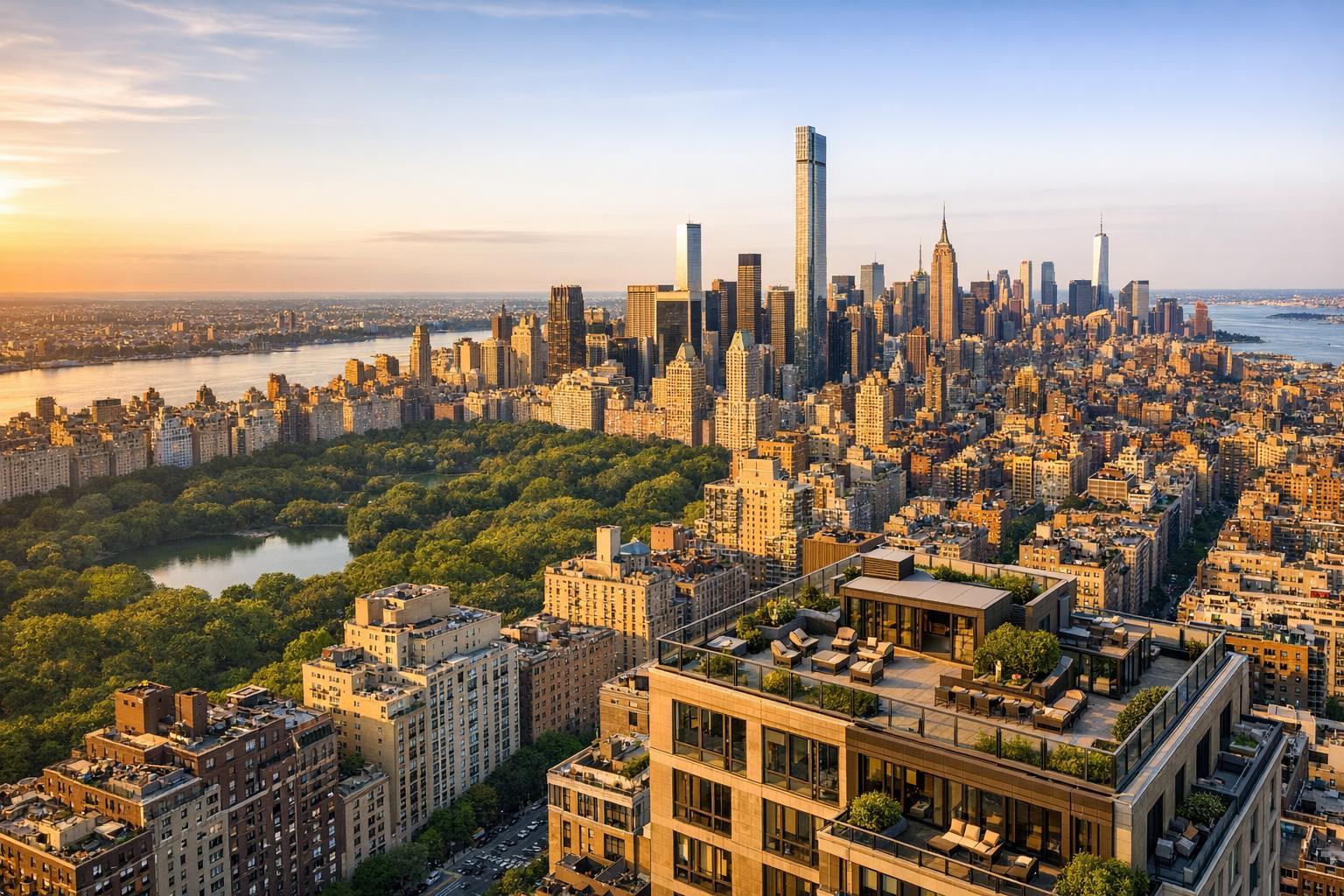
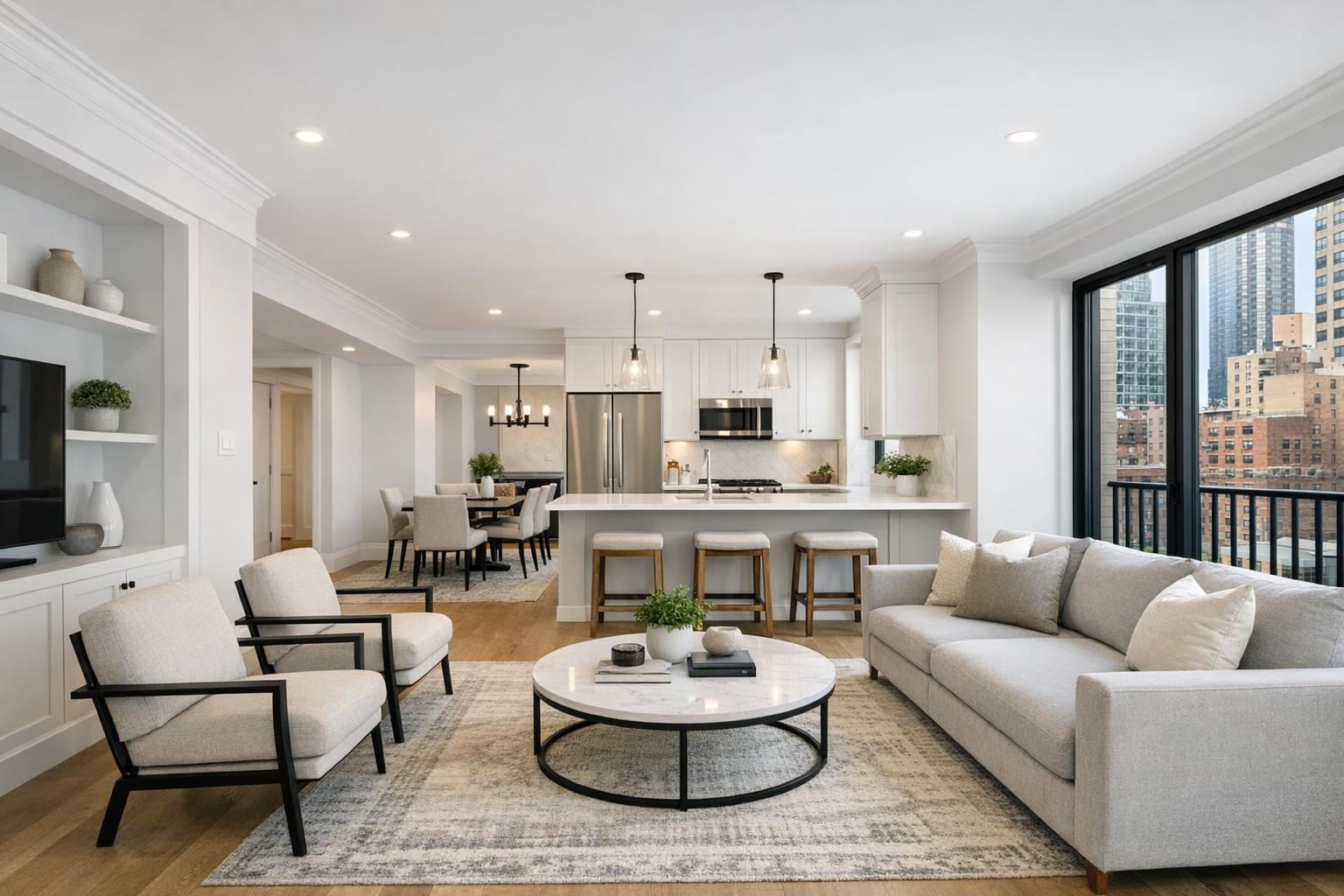
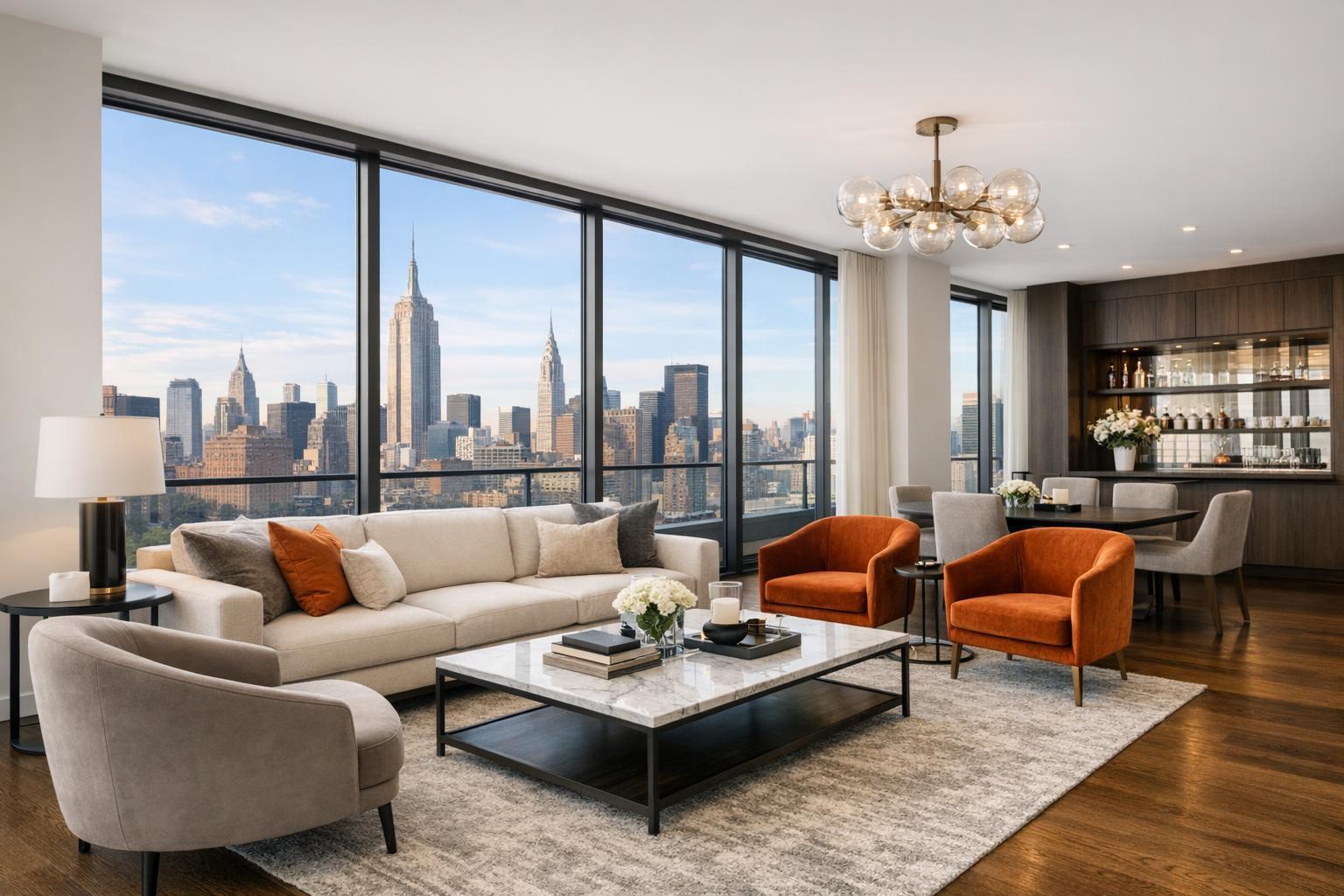
A luxurious New York City apartment showcases elegant furnishings against a backdrop of a stunning city skyline, highlighting the art of real estate photography in NYC.

How to Choose Real Estate Photography in NYC for Your Next Listing
Choosing real estate photography in NYC isn’t just about finding someone with a camera. In a market as unique and varied as New York City, the images you use to market a property directly influence how potential buyers or renters perceive space, finishes, light, and flow—even before they step foot through the door. Whether you’re a broker, agent, or property manager, zeroing in on the right real estate photography services in NYC means looking well beyond generic snapshots. Here’s how to think through your options and choose a photographer who helps your listing reach its real potential.
What Sets NYC Real Estate Photography Apart
New York City properties create special challenges and opportunities for professional property photography. The city’s signature mix of compact apartments, classic brownstones, and sprawling outer-borough homes means that no two shoots are quite the same. A listing-focused photographer in NYC brings more than technical know-how; they understand how locals view, evaluate, and ultimately fall in love with a space digitally.
Look for a photographer who:
- Knows how to balance exposure between sunlit windows and shaded interiors
- Captures natural lines, so rooms don’t look distorted or slanted
- Presents each room with proportions that make sense in-person, not just on a screen
- Composes images that highlight everything from a vintage fireplace to skyline views, while keeping clutter at bay
- Edits galleries for cohesion and a polished, but believable, look
NYC buyers and renters tend to do a lot of homework before scheduling a viewing. The photographs in your listing are your first, and often best, opportunity to communicate a property’s story.
Visual Priorities for NYC Listings
When it comes to real estate photography in New York City, practical visual standards really do matter. An experienced photographer approaches each listing with the end viewer in mind, building a sequence of images that tells a clear, truthful story.
Here are a few essentials to check for:
- Balanced Window and Interior Light: NYC apartments often have dramatic daylight from one side and deep shade on the other. The right photographer will manage both, so the images aren’t full of blown-out windows or gloomy rooms.
- Corrected Architectural Lines: Walls, cabinets, and doorways should look straight and true, especially important in the city’s famously detailed pre-war and modern buildings.
- Realistic Room Proportions: Wide-angle shots are useful, but in small spaces they can easily cross the line into misrepresentation. You want photos that help a potential buyer understand how rooms relate at a glance.
- Purposeful Composition: Every image should include features buyers care about. Whether it’s a windowed kitchen, restored moldings, or clever built-in storage, composition should feel intentional.
- Consistent, Clean Editing: Editing should smooth out visual noise without turning real spaces into something they’re not. Natural color and restrained retouching make for galleries that feel trustworthy.
Before booking, consider asking: Does the photographer plan their gallery before showing up? Do they customize their approach for each property? The answer should nearly always be yes.
Navigating NYC Property Types
Manhattan Condos and Co-ops
Listings here mean navigating everything from doorman check-ins to strict elevator bookings. Inside, apartments tend to have strong light on one side, narrow entryways, and city views that sellers want to showcase. For higher floors, balancing that incredible view with the feel of the interior is key.
Brooklyn Brownstones and Townhomes
Here, properties tell real stories: stoops, intricate woodwork, fireplaces, gardens, and winding stairs. These homes often have changing light as you move from front to back, and a photographer should know how to make a gallery feel even and thorough, not overexposed in one room and dark in another.
Larger Outer-Borough Homes
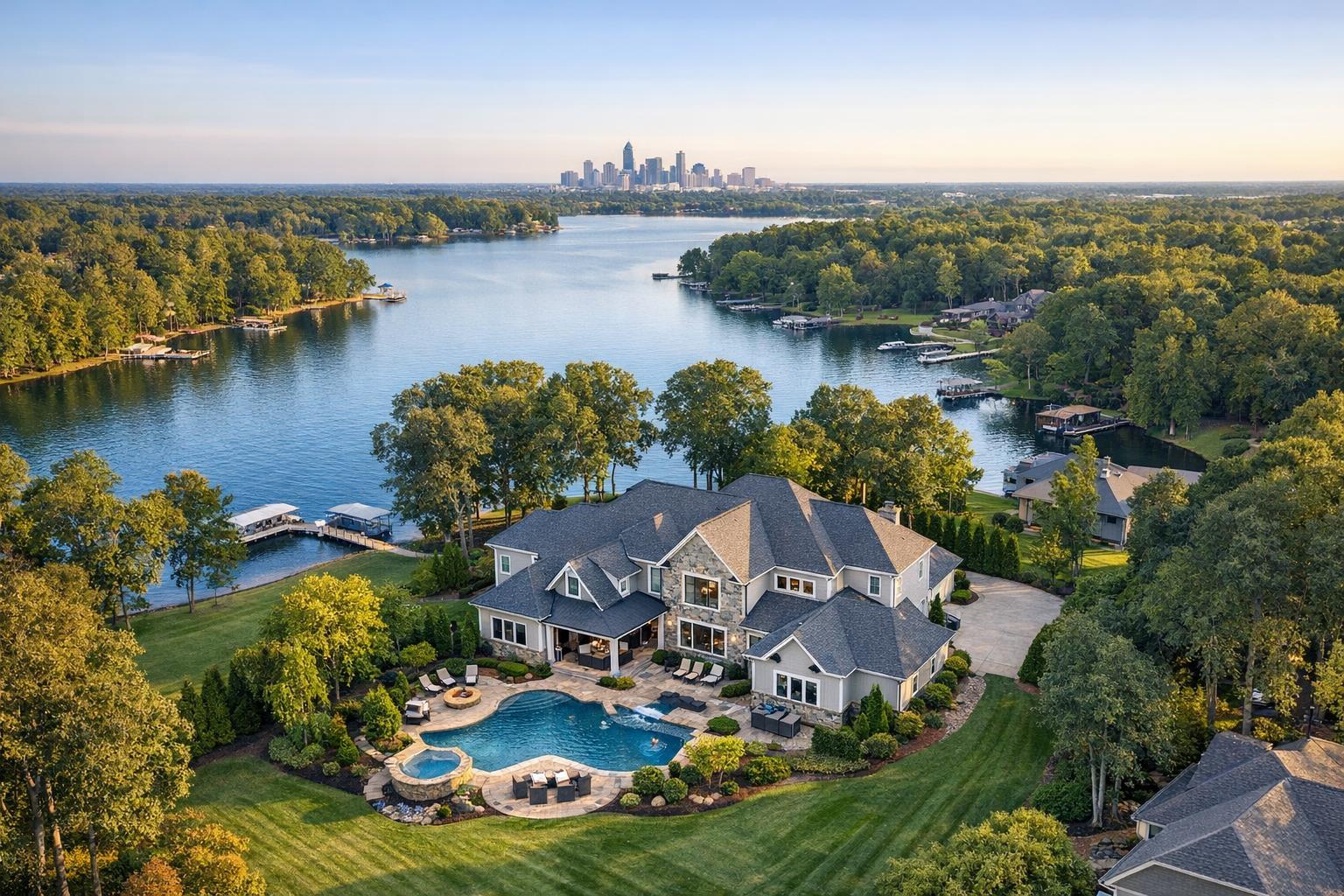
In Queens, Staten Island, and some deep Brooklyn or Bronx neighborhoods, you’ll see features like private drives, backyards, and basements. Here it’s the whole property experience that matters—interiors, exteriors, the flow from kitchen to deck, yard, or garage. In some cases, aerial drone shots can give vital context.
Practical Tips for Occupied Listings
Many New York City homes are staged while still lived-in. While a seasoned photographer can work around most signs of everyday life, preparation goes a long way. Some tried-and-true steps:
- Clear kitchen surfaces
- Remove personal items from bathrooms
- Hide pet gear, cords, bins, or laundry
- Turn off screens and monitors
- Tidy up beds, towels, and window treatments
It’s equally important to coordinate with tenants ahead of time. A respectful heads-up about timing, access details, and which rooms are being photographed usually results in smoother—and better—shoots.
Mastering Building Logistics
Getting access in NYC requires forethought. Before the appointment, double-check the building’s rules—photographers may need to check in with staff, provide insurance, follow building photo hours, or work within specific time slots. If the property includes shared amenities like a roof deck, gym, or lounge, sort out access early so none of your marketing features get left out.
Editing: What Should—and Shouldn’t—Change
Great editing subtly enhances the images without misleading future buyers or tenants. Reputable providers straighten lines, correct colors, and clean up minor distractions—but they won’t invent architectural changes, combine two units, or make a cluttered, furnished room look completely vacant with digital tricks alone.
Virtual staging, where furniture is digitally placed in an empty space, is best for truly empty rooms. If a property is furnished, it may need some clutter-removal edits first. A provider like RealtaSnap will capture what’s actually on site and only offer add-ons that suit the real, physical space.
Beyond Photos: When More Media Makes Sense
While listing images are the foundation, certain properties benefit from additional add-ons:
- Floor Plans: Especially helpful in units with unusual layouts, combinations, or multiple floors. These must be captured in person for accuracy; old blueprints or previous plans just won’t do.
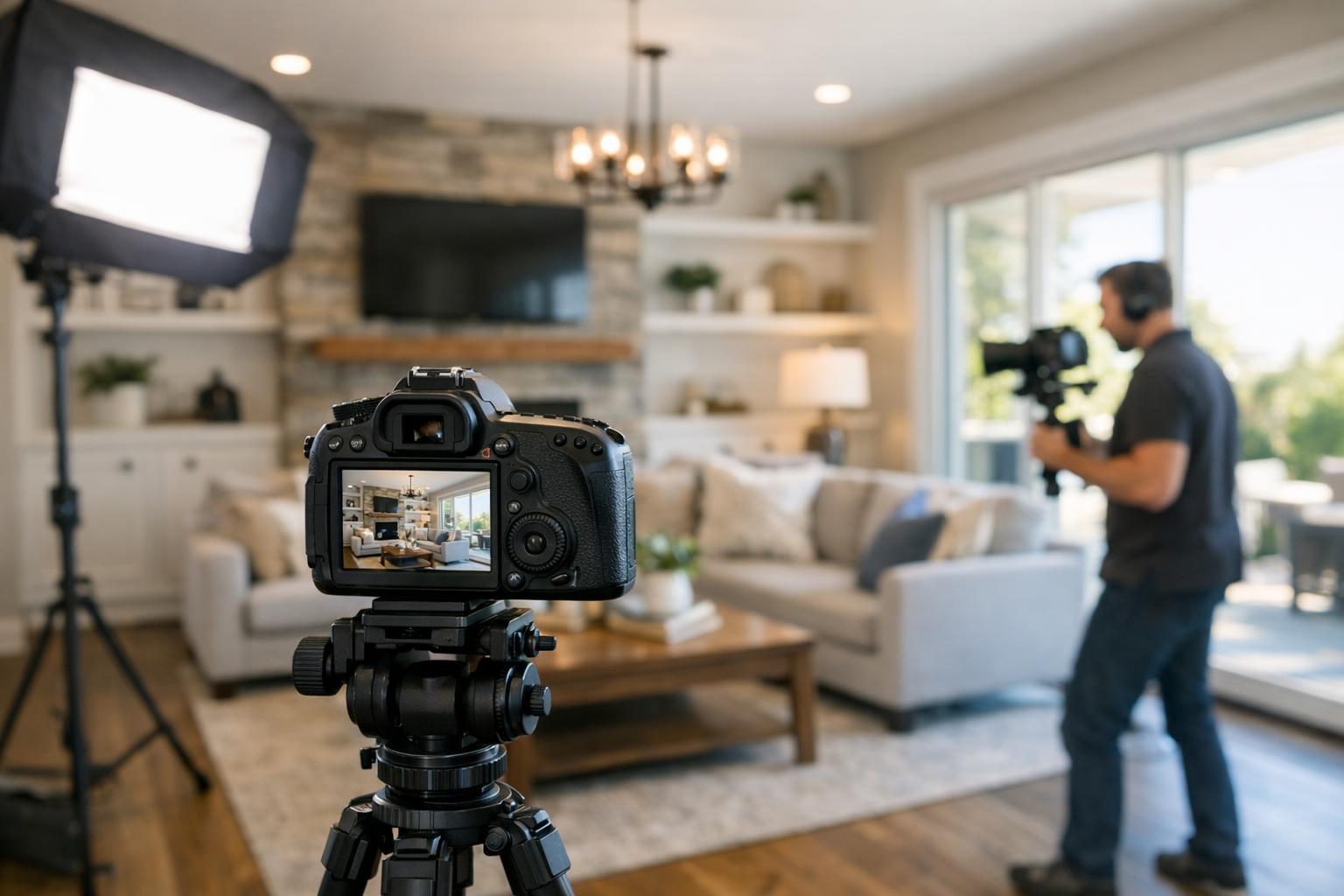
- Listing Video: Video lets viewers experience movement and space, see transitions, and understand flow. It’s ideal for listings with amenities, outdoor spaces, or a sequence that’s hard to show in just photos.
- 3D Virtual Tours: For remote buyers or hard-to-show apartments, a Matterport or similar virtual tour can be invaluable. Again, these require an on-site scan, not just old pictures.
- Drone Photography: If permitted, drones can showcase rooflines, outdoor context, or large lots. In NYC, drone availability is determined by airspace, safety, weather, access, and pilot discretion.
Smart Questions to Ask Before Choosing a Photographer
As you size up local real estate photography services in NYC, these questions can help separate the experienced from the generic:
- How do you plan photo coverage for studios versus multi-bedroom homes?
- What’s your approach to window and interior light balance?
- How do you manage architectural lines and proportions?
- What prep do you ask for in occupied apartments?
- Can you coordinate building access and meet insurance requirements?
- Do you offer floor plans, video, virtual tours, or drone media as add-ons?
- How do you handle editing requests and virtual staging?
- What if weather or access prevents a planned drone shoot?
- How is scheduling handled and confirmed?
Look for thoughtfully detailed, process-oriented answers.
A Practical NYC-Based Option
RealtaSnap specializes in professional property photography in New York City and New Jersey, offering a wide range of on-site media options for residential and commercial listings. With transparent pricing—such as $189 for a 20-photo package, and flexible shoot sizes to fit everything from small studios to large houses—you can choose just the right level of coverage. Browse photography packages and book online with at least 24 hours’ notice, and select add-ons like video, floor plans, 3D tours, drone imagery (when feasible), and virtual staging for a customized approach. Everything is scheduled online, with payment due at checkout.
Final Thoughts
Choosing a real estate photographer in NYC is all about matching a provider’s skills and workflow to the property you’re marketing. You need clarity, consistency, and a genuine feel for the neighborhood’s architecture, building rhythms, and buyer expectations. With the right prep, clear communication, and a listing-focused photographer, your images can help buyers or renters grasp what makes your property special—without over-selling or missing the details that matter.
For more details, prep guides, or to schedule your next shoot, visit RealtaSnap’s main website.
FAQ
Question: How many listing photos should I order for a typical NYC apartment?
Answer: It depends on the layout and features of the property. Studios or small one-bedrooms usually need less coverage than multi-bedroom condos with unique amenities or views. Aim for enough photos to communicate the main spaces without overloading the gallery with near-duplicate angles.
Question: Can I use an old PDF or previous listing plan for a new floor plan?
Answer: No, a reliable floor plan requires a new on-site capture of the actual property. Old documents may not reflect recent renovations or combined units. RealtaSnap provides floor plans based on physical scans only.
Question: Is drone photography possible for Manhattan listings?
Answer: It’s sometimes possible, but not guaranteed. Drone shoots in Manhattan depend on airspace, access, safety, weather, and pilot discretion. Approved roof access can help, but feasibility is determined case by case.