How to Choose Real Estate Photography Services for Your Next Listing
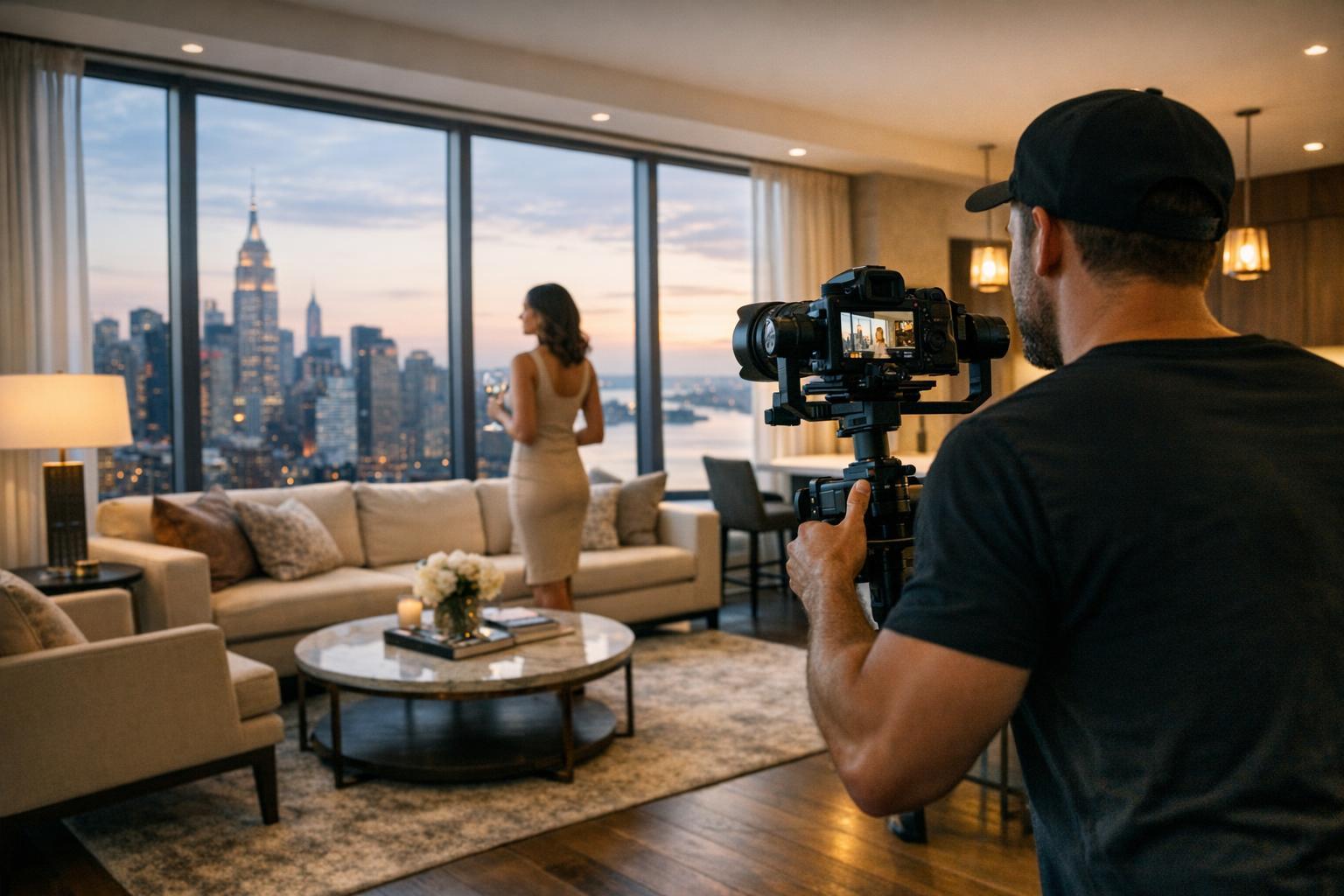
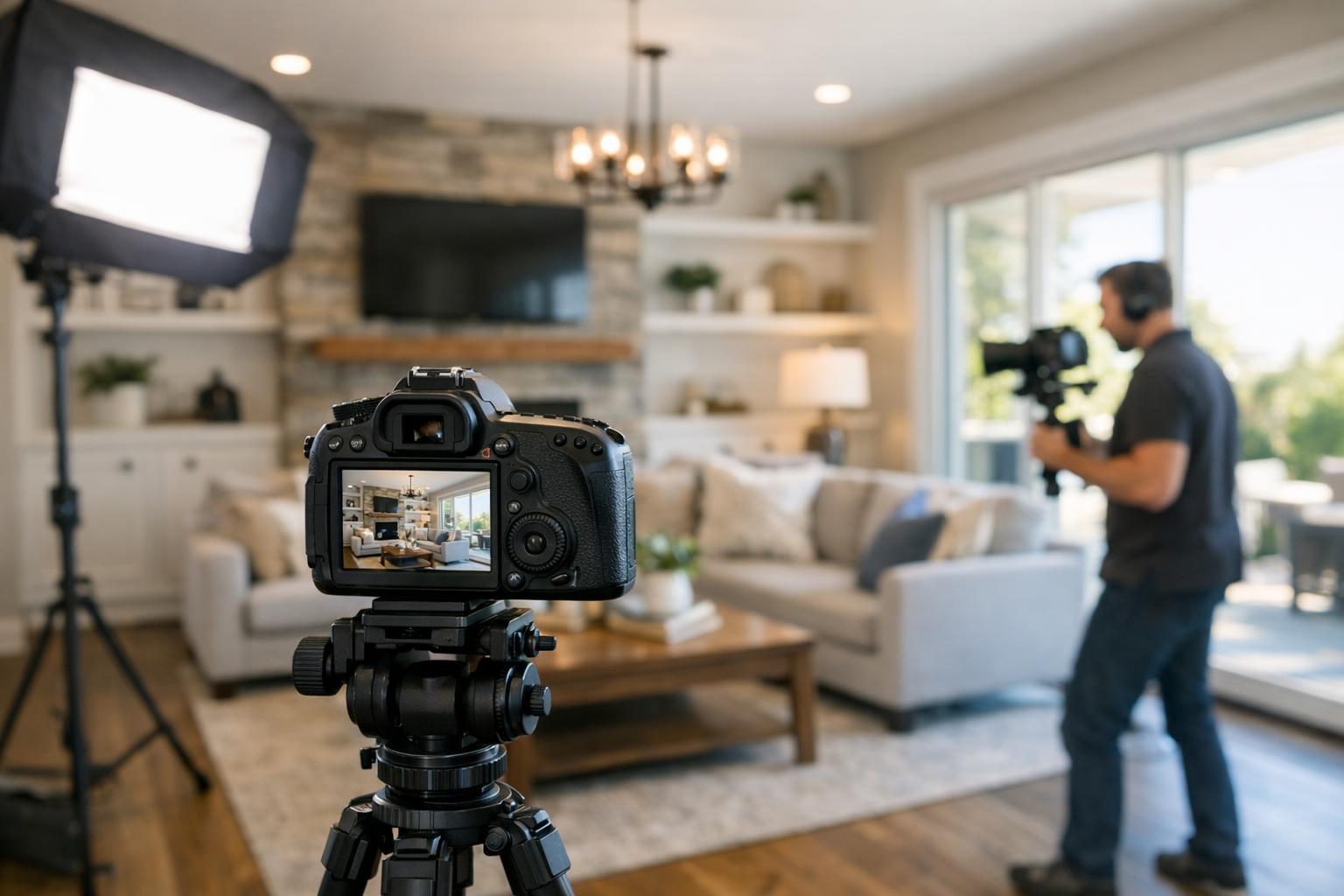
A professional camera setup captures an elegant living room scene, highlighting real estate photography with soft lighting and a videographer in action.

How to Choose Real Estate Photography Services for Your Next Listing
Real estate photography sets the tone for every property listing—often long before anyone schedules a viewing. The right images can help a prospective buyer, renter, or client visualize themselves in the space, understand the flow, and imagine how their life might fit within those walls. For agents and property managers, choosing a real estate photography service is a practical and strategic decision that influences both the first impression and marketing workflow.
Whether you're managing a listing for a sleek Manhattan condo, a classic Brooklyn brownstone, a Jersey City apartment, or a sprawling New Jersey home, finding a provider who understands the nuances of your market is key. This guide explores how to compare real estate photography services, what to expect from professional property photos, and how to set every listing up for success.
What Makes Real Estate Photography Effective?
Not all property photos are created equal. Strong listing photography should do more than document that a kitchen or living room exists—it should make the layout, features, and highlights instantly clear to anyone browsing online.
For urban apartments, consider the value of capturing natural light, views, high ceilings, storage, and smart layouts. In a brownstone, period details and multi-level flow might deserve special attention. Suburban homes often call for expansive coverage, from room size to outdoor settings and unique amenities.
While every listing is unique, most agents benefit from photography that:
- Clearly explains the flow and proportion of each space
- Balances interior lighting with window views
- Keeps walls, lines, and horizons consistently straight
- Maintains a cohesive color and editing style
- Focuses on features that help buyers make informed decisions
A full gallery should feel connected and intentional, not like a collection of random snapshots.
Evaluating Portfolios: Look for Consistency, Not Just Flash
It’s tempting to judge a photographer by a few impressive images, but the real test is how they handle complete properties—especially ones similar to yours. Request to see galleries from full listings, not just highlight reels. This reveals how well the photographer can:
- Handle small bedrooms, hallways, and less exciting utility spaces
- Maintain composition and light balance in tricky conditions
- Present living spaces as they actually feel in person
When viewing sample work, pay particular attention to window exposures (do you see the city skyline or just solid white rectangles?), straightness of lines, and whether the imagery truly matches the vibe of the property type—be it a moody pre-war walkup or a sun-drenched corner condo.
Matching Service Packages to Property Needs
Ordering too few images risks missing important details, while too many can create overwhelming or repetitive galleries. Think about which features and spaces matter most for your listing:
- Main living rooms and gathering spaces
- Kitchens and bathrooms (especially if recently renovated)
- Bedrooms and flexible spaces (offices, dens, finished basements)
- Outdoor areas: patios, decks, gardens, and exterior views
- Amenity spaces in buildings, such as lobbies, gyms, or rooftops
For a compact NYC apartment, 10–15 thoughtful images may suffice. A large New Jersey home or multi-level townhouse typically benefits from wider coverage. If you’re unsure, a good photographer will help determine the right number of photos and which areas to highlight or downplay.
What to Ask Before You Book
Beyond the camera work, the best real estate photography providers support you from scheduling through delivery. Before booking, clarify:
- How scheduling and property access will be managed (especially important in NYC, where building policies and elevator reservations can complicate things)
- Expected turnaround time for receiving edited photos
- Options and procedures for requesting edits or corrections
- Preparation expectations—who handles staging, decluttering, and getting the space photo-ready
Ask providers about their experience with your specific property type. A photographer familiar with tight Manhattan studios may approach a sprawling Bergen County listing differently from someone who shoots only suburban homes.
Preparing a Space: Your Collaborative Role
No matter how talented the photographer, the property’s presentation on the day makes all the difference. Encourage sellers or tenants to declutter countertops, remove personal items and pet supplies, open shades to maximize light, and ensure beds are made and floors are clear. Small details—swapping burnt-out bulbs, tucking away trash bins, and neatly folding towels—can subtly elevate every photo.
For a smooth shoot, consider this checklist:
- Remove magnets and notes from refrigerators and other surfaces
- Hide cables and cords
- Store away toiletries and excess décor
- Turn off screens and monitors
- Move cars from driveway or front curb, if possible
- Tidy up outdoor spaces, sweep walkways, and clear patios
If a property is vacant, virtual staging can help viewers see its potential, but this works best when the rooms are empty. Existing furniture generally needs to be removed (physically or through paid clutter removal) before digital furnishings can be realistically added.
For more tips, see the RealtaSnap Real Estate Photography Prep Guide.
Should You Add Floor Plans, Video, or Drone Media?
While professional property photos are the foundation for nearly all real estate listings, some properties benefit from additional media:
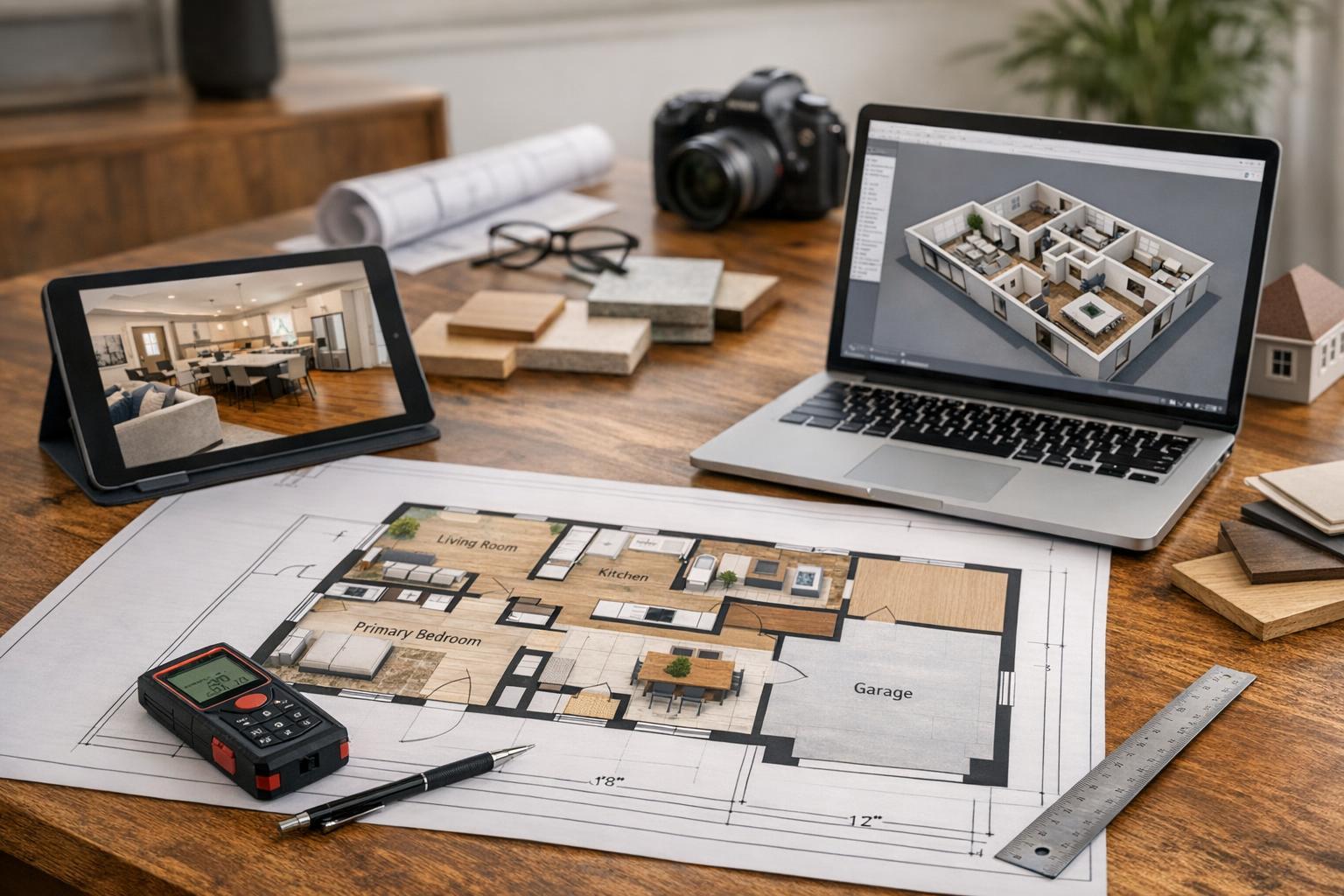
- Floor plans are practical for larger or uniquely laid-out homes, helping buyers understand how rooms connect. They require on-site measurement and can’t be created from listing PDFs or static photographs.
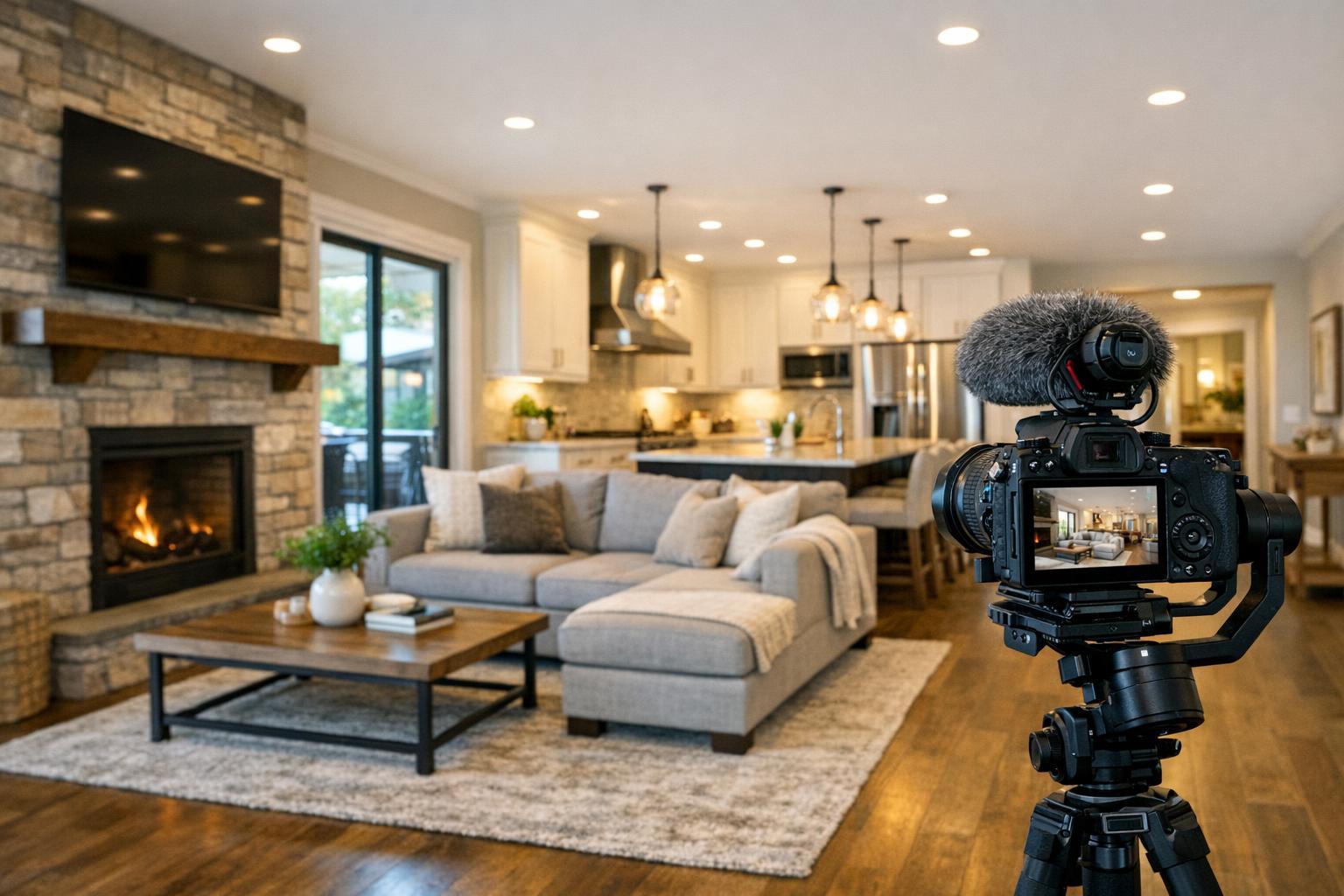
- Video tours allow viewers to experience how a home “flows,” making them particularly useful for properties with dramatic layouts, multiple levels, or resort-style amenities. High-quality videos are created on-site and aren’t simple slideshows of listing images.
- Drone photography or aerial video is useful for listings with large lots, waterfront positions, or notable exterior features. In denser city settings, however, drone feasibility depends on airspace rules, safety, and building access, all evaluated on a case-by-case basis.
Choose these formats when they answer specific questions that photos alone can’t: How is the outdoor space connected to the living area? What does the full roof deck look like? How does the home sit on the property?
Why Local Experience Matters
Properties across NYC and New Jersey span a wide spectrum of size, style, and complexity. Local photographers who understand the quirks of city co-ops, brownstones, and suburban developments can anticipate challenges and streamline the process—whether that means arranging elevator time, handling doormen, or capturing the architectural details that matter in your area.
RealtaSnap: A Local Photography Partner
For agents, brokers, and property managers in New York City and New Jersey, RealtaSnap offers real estate photography designed to honestly represent listings—without over-editing or misleading effects. Their focus is clean, consistent HDR photography that clarifies light, space, and flow for every property type. When the situation calls for it, additional offerings like floor plans, virtual staging, or drone work can be added to the package, always subject to property readiness and project feasibility.
If you’re preparing for a new listing, you can view detailed service options or book directly at www.RealtaSnap.com.
FAQ
Question: How many images should I get for my property listing?
Answer: The amount depends on the property’s size and layout. Smaller apartments might require 10–15 well-composed shots, while larger homes or listings with expansive grounds often benefit from more comprehensive coverage. Focus on images that explain the layout and showcase standout features without repeating the same angle or space.
Question: What’s the most important step for preparing my property before a photo shoot?
Answer: Preparation is key—declutter and clean every room, remove personal and pet items, open curtains for natural light, and ensure bedrooms and baths look tidy. This sets the stage for the photographer to capture the property at its best.
Question: Can RealtaSnap provide other media, like floor plans or video tours, for my listing?
Answer: Yes, RealtaSnap offers additional media services such as floor plans, listing videos, and drone photography, depending on the property and needs. Just note that certain add-ons, like drone work, are subject to airspace, weather, and site conditions, and floor plans must be measured on-site for accuracy.
Ready for your next listing? See options, schedule an appointment, or learn more at www.RealtaSnap.com.