What to Look for in Real Estate Photography Services
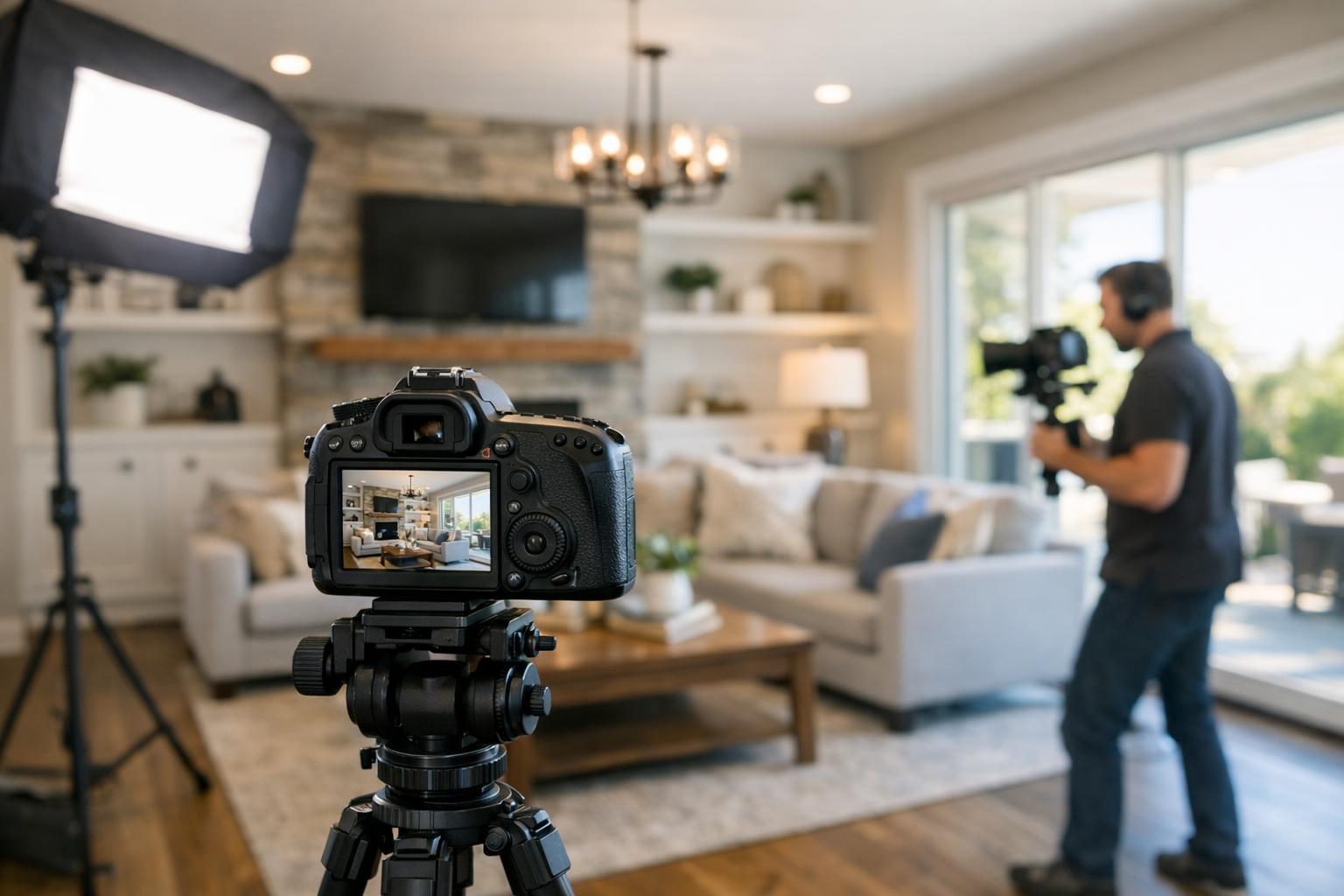
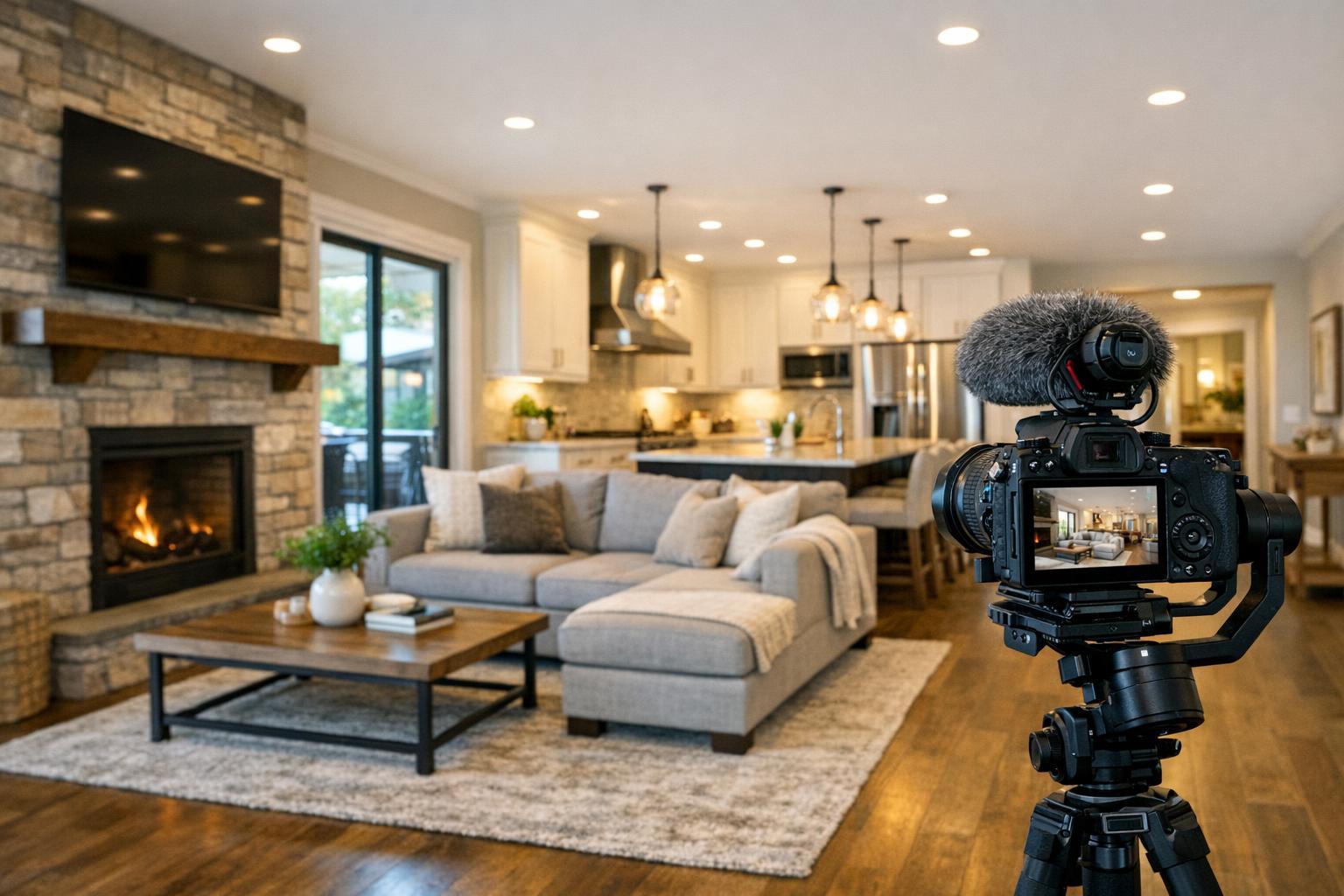
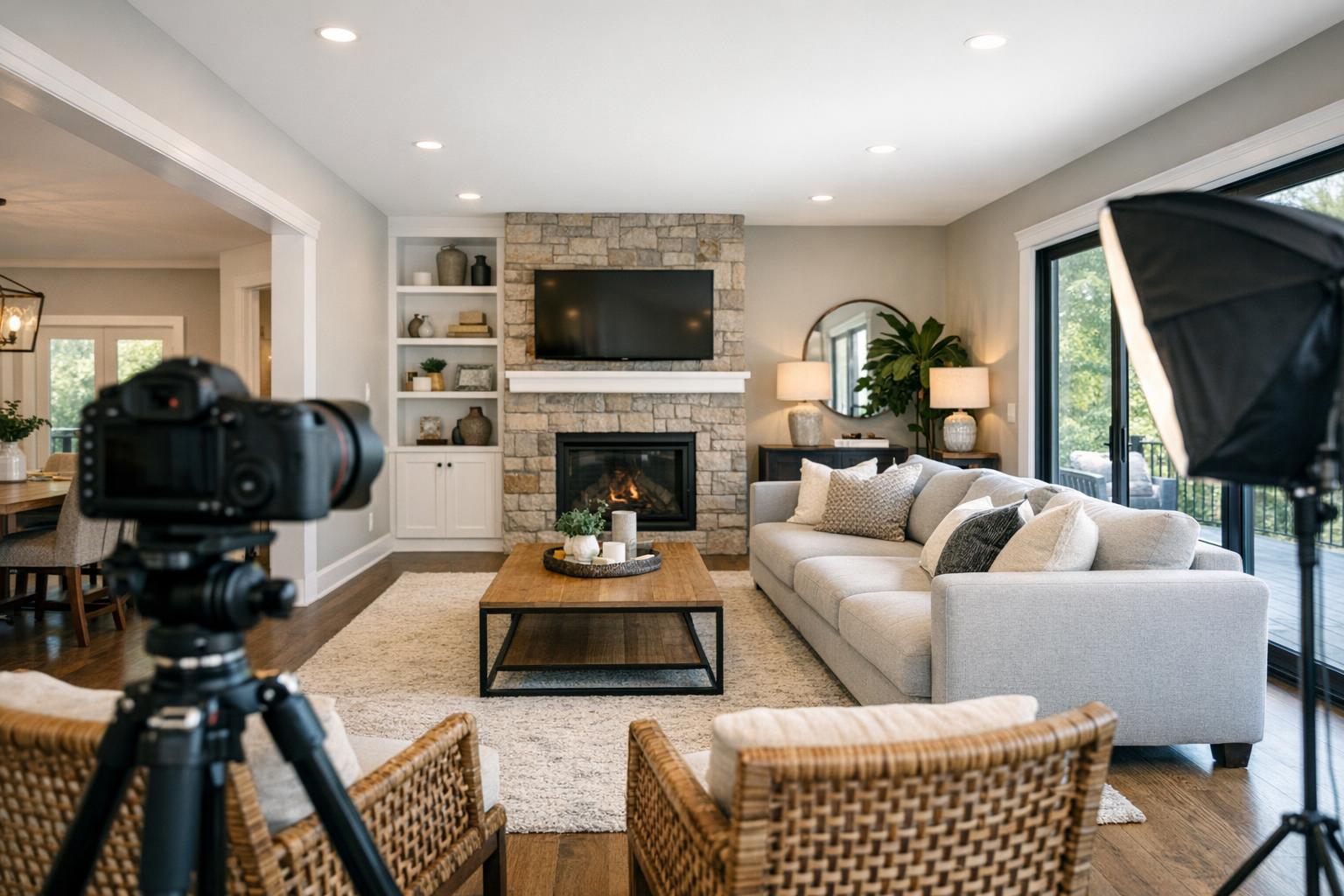
In a cozy living room with a stone fireplace and modern decor, a professional real estate photography setup captures the space with cameras and lighting equipment.

What to Look for in Real Estate Photography Services
Real estate photography in NYC and New Jersey is about more than just delivering bright, polished listing photos. It’s a way for agents, brokers, and property owners to help buyers, renters, and viewers quickly grasp what a property looks like—and just as importantly, how it feels to live there. Choosing the right provider means looking beyond a few staged highlights and focusing on quality, reliability, and professionalism made for local real estate.
What Sets Professional Real Estate Photography Apart?
A great exterior photo or dramatic wide shot might catch attention online, but professional property photos should do more. They’re intended to show buyers the shape and flow of the space, important features, and the relationship between rooms—without exaggeration or distortion.
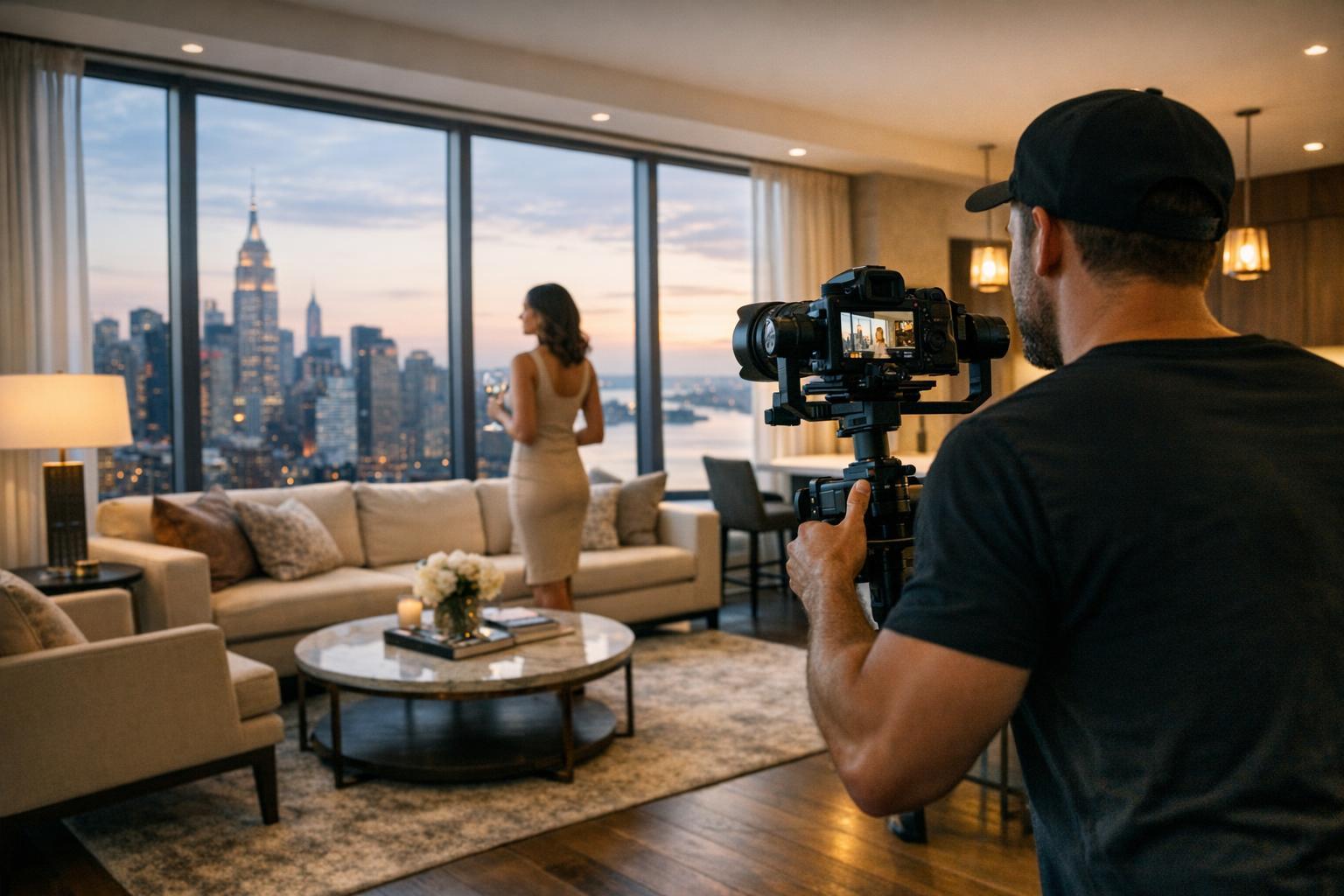
Capturing a listing well in NYC or New Jersey can mean framing a compact Manhattan apartment so the rooms feel usable, not fishbowled; showing how sunlight travels through a multi-story Brooklyn brownstone; or balancing indoor and outdoor spaces for a suburban Bergen County home.
When weighing real estate photography services, look for signs that the photographer really considers:
- Thoughtful composition: Do room photos help viewers understand layout, function, and flow? Is the most important feature—the view, the kitchen, exposed brick, clever storage—easy to understand?
- Balanced lighting/exposure: Are window views washed out or so bright that you lose the shape of the room? Is the interior so dark that it feels gloomy?
- Consistent, straight architectural lines: A kitchen shouldn’t slope into the floor, and door frames shouldn’t curve. Well-captured images feel stable and purposeful.
- Natural color and proportion: Are the colors believable? Is the grass unnaturally green, or do cabinets look more blue or gray than they are?
- A logical sequence of images: Does the gallery start with a strong exterior or living shot, then move through the home in a way that makes sense to someone unfamiliar with the property?
Preparation still matters. Clean, uncluttered rooms, open shades, and functioning lights all help make on-site image capture as smooth as possible.
Get expert prep tips for your next shoot.
Judging Quality: Not Just One Pretty Photo
Many photography companies have a few standout shots in their portfolios. What separates a reliable real estate photography service is consistency—across different listing types, lighting conditions, property sizes, and even occupied or less-than-perfect spaces.
Here’s how to spot true consistency:
- Can you browse through full galleries, not just a handful of hero images?
- Are small apartments, lived-in units, awkward layouts, and less-renovated homes represented as well as high-end condos and sprawling houses?
- Do the photos accurately reflect what a potential buyer will find in person—or do they promise more than the property can deliver?
A responsible real estate photographer uses wide angles with care. If the rooms seem unnaturally vast, or if furniture and windows are stretched into odd shapes, the result is not just misleading—it can disappoint buyers at showings. Look, too, for coverage of all meaningful spaces: kitchens, baths, storage, hallways, and even features like balconies or unique architectural details. The gallery should feel complete, not just beautiful in parts.
Understanding the Photographer’s Approach
How a photographer plans and communicates says a lot about their professionalism. Before you book, don’t be shy about asking questions like:
- How much time will the shoot require for this particular property?
- What should be ready or cleaned before arrival?
- Can you accommodate restrictions, such as building access rules, tenant schedules, or appointments during limited windows?
- How are unique features, amenities, or must-have shots identified in advance?
- What’s the projected delivery window for the gallery?
- How are requests for edits or additional media handled?
If there’s something the photographer needs to know before the shoot—special building requirements, limited roof or yard access, a view that’s only appealing at certain times—mention it early. Clear conversation helps prevent missed shots and scheduling headaches.
Matching the Approach to the Home
There’s no single shot list that’s perfect for every listing. Real estate photography works best when it’s tailored to property type, layout, location, and the story you want to share with buyers.
Compact NYC Apartments & Condos:
Tight floor plans mean every inch counts. Look for images that clarify living areas, highlight flexible-use spaces or storage, and manage city views. Shared building amenities may only need a shot if they’ll truly matter to buyers.
Brownstones, Townhomes, and Pre-War Properties:
Older homes often feature original millwork, unique windows, and dramatic vertical spaces. A skilled photographer balances detailed close-ups and wide shots to show both character and function.
Suburban New Jersey Homes:
Larger homes may require a broader set of images, but every shot should have a purpose. Useful photos highlight outdoor living spaces—patios, decks, gardens, pools—when they matter to buyers, but don’t overwhelm the gallery with repetition.
Add-Ons: Use Them With Purpose
Still photography is usually the foundation of a listing, but other media—like video, drone photos, floor plans, or 3D tours—may support your marketing plan if chosen wisely. Not every listing needs every media format. Ask yourself and your provider:
- Will a video help clarify a unique floor plan, movement, or scale?
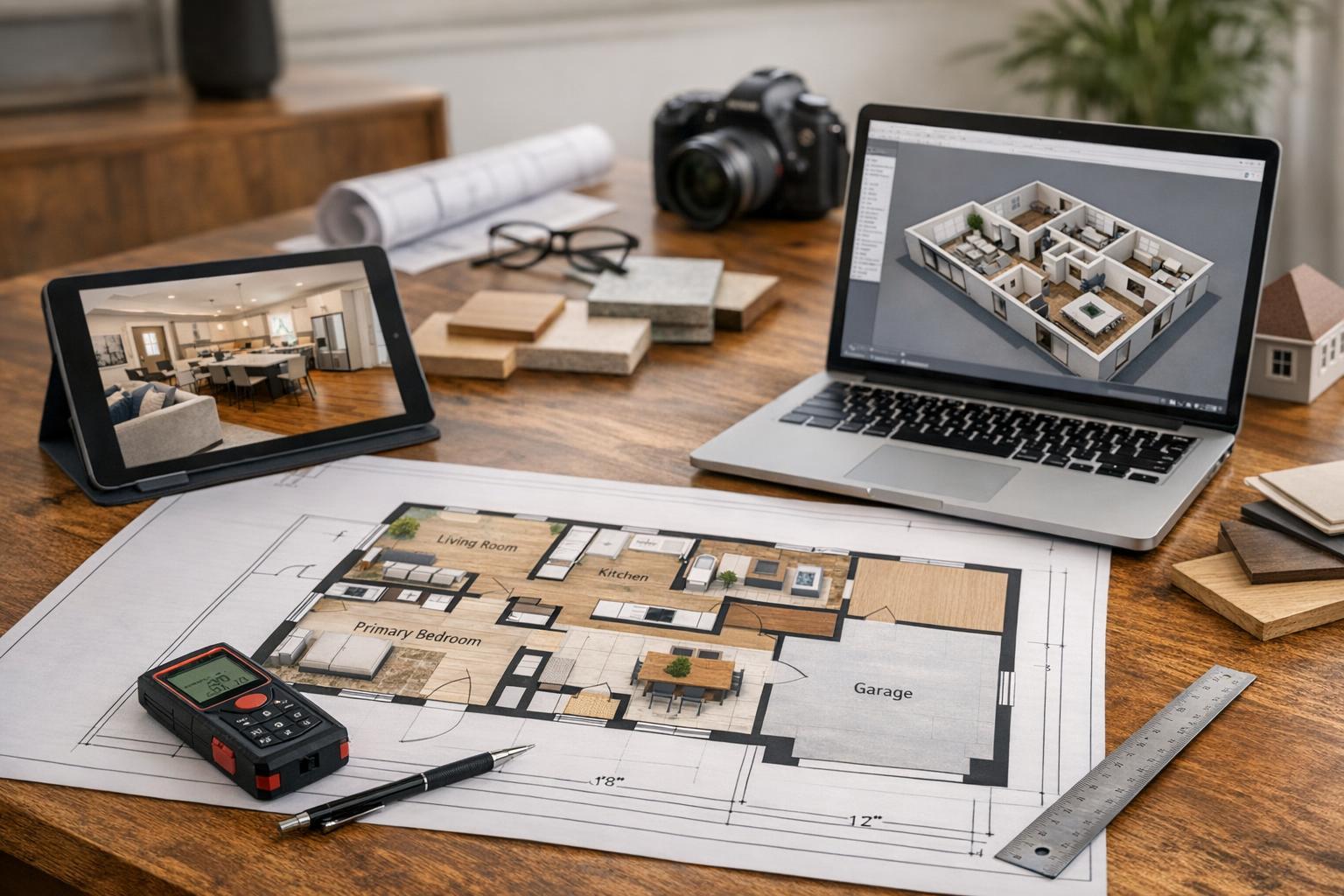
- Would a floor plan help buyers understand unusual layouts or multiple levels?
- Is a drone view both feasible and meaningful? (Drone operations depend on FAA rules, weather, airspace, pilot discretion, and property access.)
- Is virtual staging appropriate? (Staging works best with empty rooms. If a room is furnished, digital decluttering must be completed first for realistic results.)
Physical access is always required to create floor plans and 3D tours—these can’t be made from photographs or remote files alone.
Editing: Making Listings Clear, Not Unreal
Thoughtful editing can improve clarity, adjust exposure, and clean up small distractions. But it shouldn’t misrepresent the property. If grass looks neon, skies are too blue, or rooms appear double their size, the editing goes too far.
A trustworthy real estate photography service corrects color, straightens lines, and removes minor clutter as needed, but won’t erase permanent fixtures or invent features. The key is giving buyers a fair visual preview so the experience in person is consistent with what they saw online.
What Makes a Reliable Real Estate Photography Partner?
Strong photos matter, but so does the experience behind the scenes. If you’re juggling listing deadlines, seller requests, and building rules, an organized provider keeps things simple rather than adding more to your plate.
Look for:
- Clear, accurate descriptions of what’s included in your package
- Transparent scheduling and easy booking
- Prep checklists or guidance before the shoot
- Expectations for turnaround time and how you’ll receive your images
- Straightforward steps for requesting edits or supplemental media
Consistency counts when you’re handling multiple listings. Familiar, reliable workflow and delivery make it easy to focus on the listing details—not on chasing down files or wrangling last-minute surprises.
RealtaSnap: Local Expertise for NYC and New Jersey
If you’re searching for professional, listing-focused media in New York City or New Jersey, RealtaSnap is a practical choice. The approach emphasizes on-site capture, carefully composed HDR photography, and editing designed to present your property as it is—no gimmicks or artificial enhancements.
You can explore available services, view local project examples, and get useful prep information at www.RealtaSnap.com.
A solid photo gallery should let buyers connect with a listing at a glance. Add video, floor plans, virtual tours, or aerial perspectives only when they fill a real need for your unique property. If you have an upcoming listing and want to start the conversation, visit RealtaSnap online for a quick overview of service options and easy booking.
FAQ
Question: How many photos should be included in a real estate listing?
Answer: The right number depends on the layout and features of your property. Smaller apartments deserve a focused, complete set that covers all important rooms, while larger homes often need more images to show multiple living spaces, bedrooms, outdoor areas, and key details. Each photo should add new information, not simply duplicate what’s already there.
Question: Can I add virtual staging to rooms with existing furniture?
Answer: Virtual staging is most effective in empty or fully decluttered rooms. If furniture is present, clutter removal (either physical or digital, as a paid edit) is required first to ensure a natural, realistic result.
Question: Will drone photos be available for every listing?
Answer: Drone photography is handled on a case-by-case basis, depending on location, airspace, weather, safety, property access, and pilot discretion. Some areas or conditions might make drone flight impossible, but feasibility can be discussed once the property details are known.
For a smoother real estate photography experience in NYC and New Jersey, visit www.RealtaSnap.com.