How to Choose Real Estate Photography Services for Your Next Listing
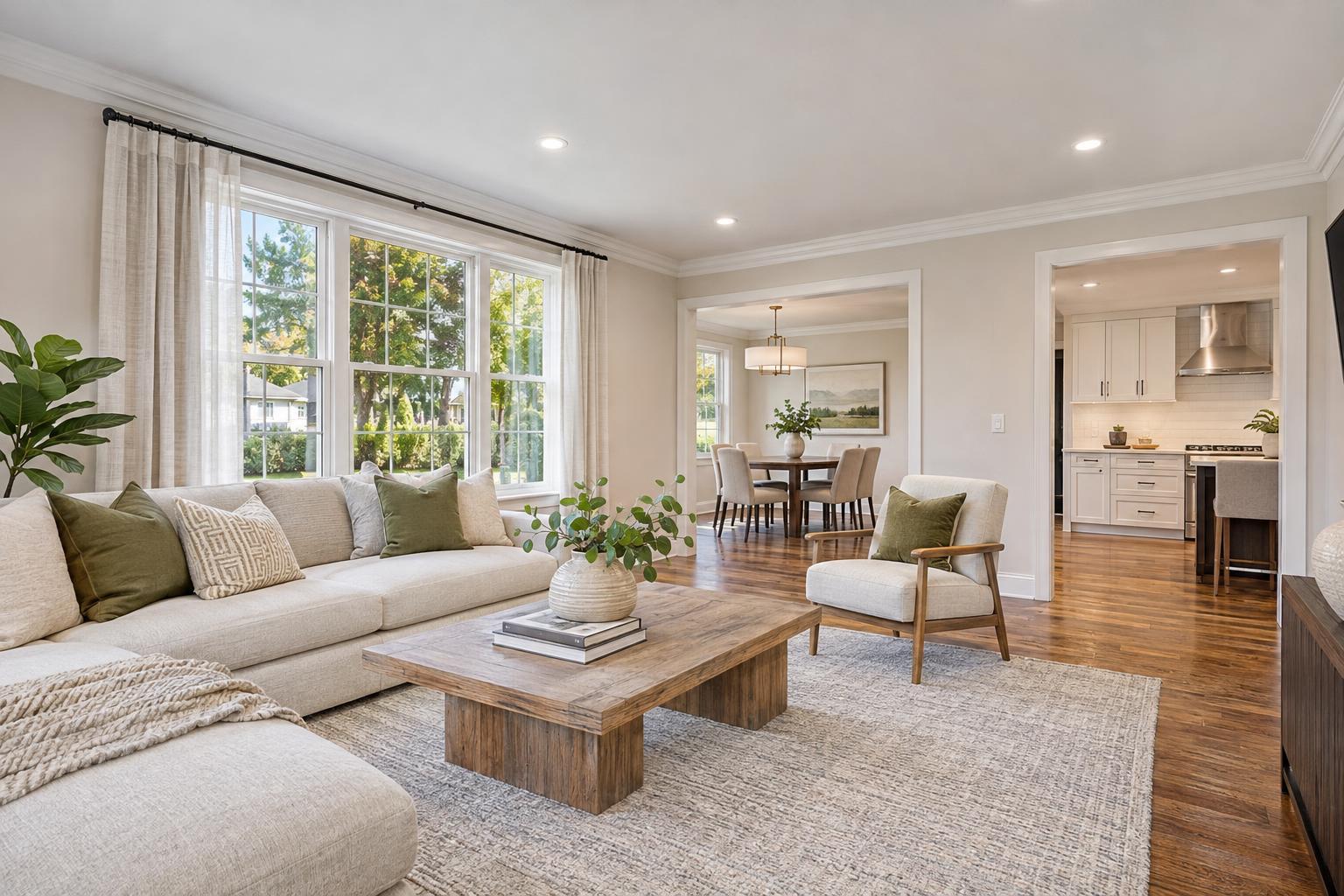
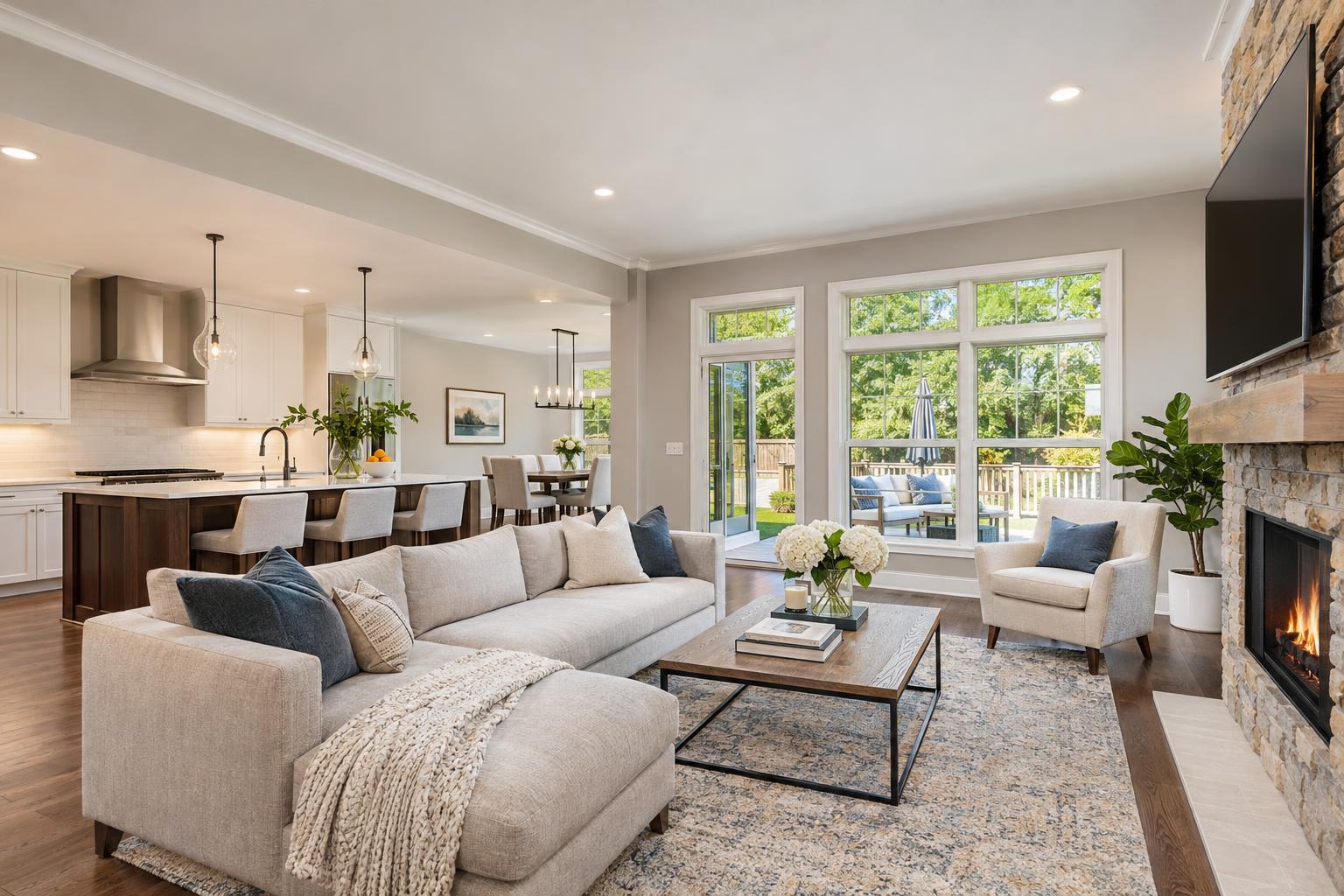
Warm and inviting, the open-concept living space features a cozy seating area, a modern kitchen with a large island, and expansive windows with views of the lush outdoor patio.

How to Choose Real Estate Photography Services for Your Next Listing
Real estate photography is often the first window a potential buyer, renter, or tenant gets into a property—long before they set foot inside. Those listing images aren’t just decoration. They need to explain how rooms connect, where morning and evening sun lands, what sets the home apart, and how the layout actually works in real life.
If you’re an agent, broker, or property manager in NYC or New Jersey, the sheer amount of photography services can make picking the right provider feel overwhelming. It’s not just about finding someone with professional gear and an empty calendar slot. What you really need is a photographer whose vision, process, style, and communication fit your specific listing and market goals.
Let’s walk through what matters most when choosing real estate photography services—and how to make the process less of a headache.
Start with the End in Mind: What Should the Photos Actually Show?
Strong listing photography is about clarity, not just beauty. Good images help viewers quickly form an accurate sense of scale, flow, and distinctive features—without giving a misleading impression. When you’re reviewing sample works, look for:
- Clear depictions of room size and layout
- Honest representation of natural light, window views, and actual lighting conditions
- Architectural details and finishes that make the property unique
- All important spaces: kitchens, baths, balconies, laundry, storage, and more
- Logical order—from the entryway, through common areas, and into bedrooms or bonus spaces
- Curb appeal and exterior highlights, like gardens, patios, rooftops, or amenities
Photos that stretch rooms to look enormous, wash out windows, or blur out texture may create more confusion than excitement. The most effective professional property photos use composition and editing that keep lines straight, finishes true, and give a real sense of how the space lives.
Before booking, jot down the features that are most likely to sell the property—is it a wall of windows, original floors, that parlor fireplace, or seamless indoor-outdoor flow? Sharing these points with your photographer pays off in the final shoot.
Reviewing Portfolios: Look for Consistency, Not Just Highlights
Photographers will share their best images online, but what matters is their ability to deliver that same level of care for every listing—especially the ordinary or challenging ones.
When you browse portfolios:
- Don’t just focus on dramatic exteriors or huge homes. Check smaller spaces, tricky layouts, and everyday rooms like bathrooms and hallways.
- Notice: Are the verticals straight, and are the colors true from shot to shot?
- Do bright windows look like glowing white holes, or can you see an actual view?
- Does the editing keep things believable—warm and inviting without looking artificial or overly airbrushed?
- How are cluttered, tight, or lower-lit spaces handled?
- Are all the basics included for each property type?
Ask the provider to show examples of properties similar to yours. If you’re marketing a compact New York apartment, it doesn’t help much to only see photos of sprawling New Jersey homes.
Tailoring the Shot List: Local Context Matters
Different properties need different approaches. A rigid shot checklist can miss what’s special about your listing—or waste time photographing irrelevant corners.
Compact Manhattan Apartments
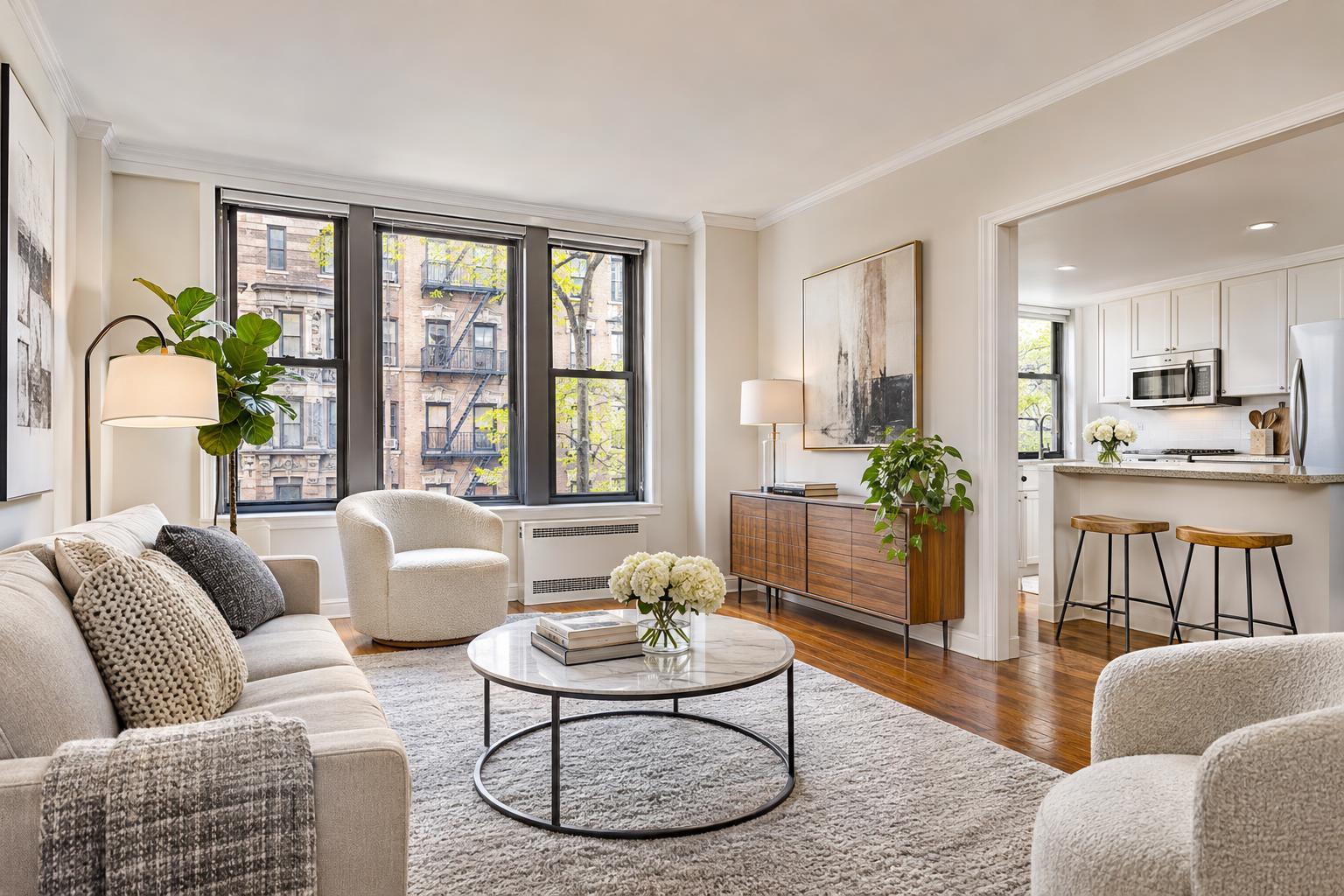
Small apartments require thoughtful angles to tell the story: Where does a dining table fit? Which way do the windows face? What unusual storage or details are present? Careful shooting helps potential buyers understand what day-to-day life looks like in a compact space without distorting the truth.
Brooklyn Brownstones & Townhomes
These properties often have signature features—stoops, ornate woodwork, fireplaces, backyard connections, multi-level layouts—that deserve special attention. The challenge is to capture both the unique character and practical flow between spaces.
New Development Condos
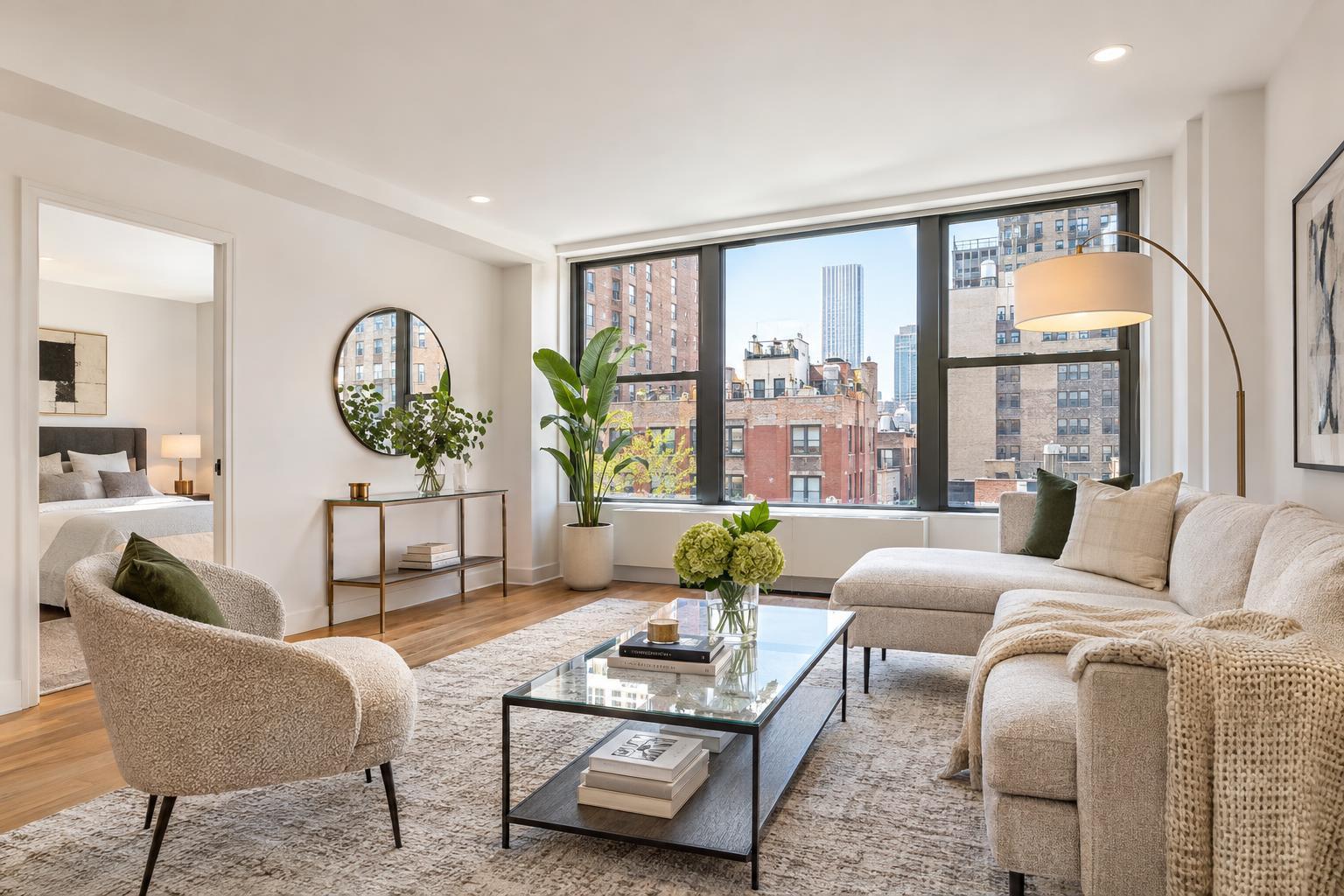
Here, both unit interiors and building amenities matter. Photography should clearly show the residence, but also include lobbies, gyms, rooftops, or lounges if those spaces are accessible and relevant. Consider scheduling based on when natural light flatters both the unit and the view.
Larger New Jersey Homes
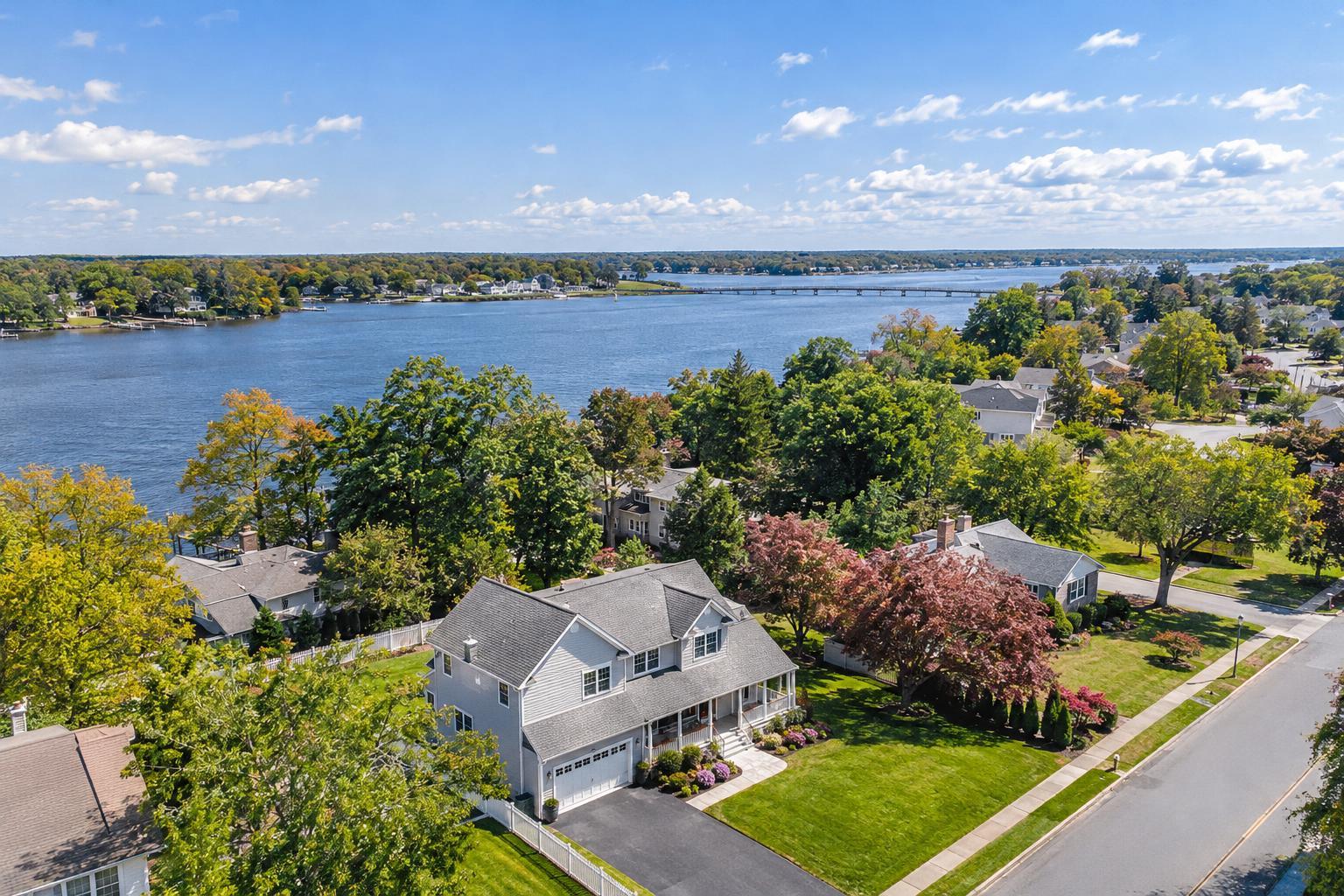
With bigger homes, it’s about coverage and organization: exteriors, main living areas, bedrooms, bonus rooms, basements, garages, entertaining spaces—and, sometimes, aerial perspectives. Drone services are handled based on location, weather, airspace rules, and access, so always discuss feasibility with your provider rather than assuming it comes standard.
The Editing and Delivery Process: What’s Included?
Editing plays a big role in creating seamless, inviting image sets. But editing can mean different things to different providers. It’s fair to ask:
- How do you balance window highlights with interior exposure?
- Is color kept consistent throughout, or does each room look wildly different?
- Are simple retouches (removing small objects, making minor fixes) included, or are they add-ons?
- Can you request minor revisions if needed, and how is that handled?
- What format will the finished images arrive in, and how can you access or download them?
Not all editing is equal. Professional property photos should never digitally alter the layout or create “fantasy” renovations. RealtaSnap, for example, captures photography and does not make false digital alterations of structure or permanent features. Virtual staging is available for decluttered or vacant spaces, and should be planned with your provider if used.
Preparation: Why Getting the Property Ready Matters
No amount of expert photography can clean up a cluttered or unfinished space. Preparing the home before the shoot is one of the biggest favors you can do for your listing—and your photographer.
A simple prep list:
- Clean up visible surfaces, appliances, mirrors, and floors
- Remove personal items, paperwork, magnets, pet bowls, remotes, and extra décor
- Hide cords, wastebaskets, and cleaning supplies
- Make beds neatly with streamlined bedding
- Open shades to show off views (if privacy allows)
- Make sure all spaces to be photographed are ready and accessible
When possible, clear unnecessary furniture to give rooms breathing space and cleaner lines. Let sellers or tenants know ahead of time what’s needed, so there are no surprises or delays at the shoot.
For more on preparing for a shoot, see the RealtaSnap prep guide.
Scheduling & Communication: Getting It Right from the Start
A smooth shoot depends on clear coordination. Before confirming, make sure you and your photographer are aligned on:
- The exact address (and unit number, if relevant)
- How to access the property (lockbox codes, concierge details, or parking logistics)
- The needed number of images or areas to cover
- Who will be on-site (agent, owner, tenant, stager, property manager, or nobody)
- Special features or spaces that need attention
- Common area rules (especially in larger buildings)
- Expected turnaround time for final images
At RealtaSnap, for instance, clients can book online, enter service and access details, select add-ons, and confirm available appointment times right at checkout—all with a 24-hour minimum notice window. That means fewer back-and-forth emails and less room for things to fall through the cracks. You can start here: RealtaSnap homepage.
Do You Need More Than Photography?
Photography is nearly always the foundation of a real estate listing’s marketing. But not every home needs a portfolio of add-ons. Consider what will clarify the space for buyers—and skip what doesn’t add value.
- Floor Plans: Useful for showing room relationships, especially in unusual layouts or multi-level properties. On-site access required.
- Listing Videos: Show movement and layout in a way stills can’t. These are captured on location, not stitched together from still photos.
- 3D Virtual Tours: Great for remote buyers or complex properties, but require a dedicated on-site scan.
- Drone Imagery: Adds aerial context where allowed—but subject to weather, airspace, access, and pilot judgment.
- Virtual Staging: Helps empty rooms look inviting, but works best when the space is decluttered or vacant.
Choose add-ons based on the questions your buyers (or renters) are most likely to have, not just what’s trendy in the market.
Is Pricing Really Apples to Apples?
Photography pricing is all over the map. Make sure you’re comparing equal coverage, editing, and image counts—don’t just shop low numbers. For instance, RealtaSnap photo packages start at $149 for 10 HDR images, with larger packages and clear add-on rates for services like floor plans, video, drone, or virtual staging.
Get a breakdown: How many images are included? Are extra shots available? What about revision policies, delivery timing, or add-on rates? A transparent provider will answer these questions up front.
The Right Media Partner Makes All the Difference
At the end of the day, you want a photographer who approaches each property as unique—one who listens, plans, keeps things simple, and delivers on what’s promised. The best listing images always start with a provider who is flexible, communicative, and experienced with local property types, from compact city apartments to four-story brownstones and sprawling New Jersey homes.
Taking a little extra time to ask questions, clarify your needs, and prepare the space can make your next listing launch with less stress—and a lot more confidence.
For agents and property owners looking to streamline the process and get clear, honest real estate imagery, you can explore booking or see more details at RealtaSnap.
FAQ
Question: How many real estate photos do I need for my listing?
Answer: The right number depends on the property’s size, layout, and features. Smaller apartments may need a focused set, while larger homes benefit from more comprehensive coverage of bedrooms, exteriors, and bonus spaces. Ask your photographer for recommendations based on your listing.
Question: Do I have to be present at the real estate photo shoot?
Answer: It’s not mandatory, but having an agent, owner, or manager present can help when there are tricky access rules or special features to highlight. If you can’t attend, be sure the photographer has detailed entry notes and access to all spaces that need to be photographed.
Question: Can you virtually stage a room that still has furniture in it?
Answer: Virtual staging works best in empty or properly decluttered spaces. If a room is furnished, digital clutter removal may be feasible but must follow specific preparation guidelines. Discuss this with your photographer or staging provider ahead of time to set expectations.
Ready to make your next listing easier? Start with www.RealtaSnap.com.