How to Choose Real Estate Photography Services for Your Next Listing
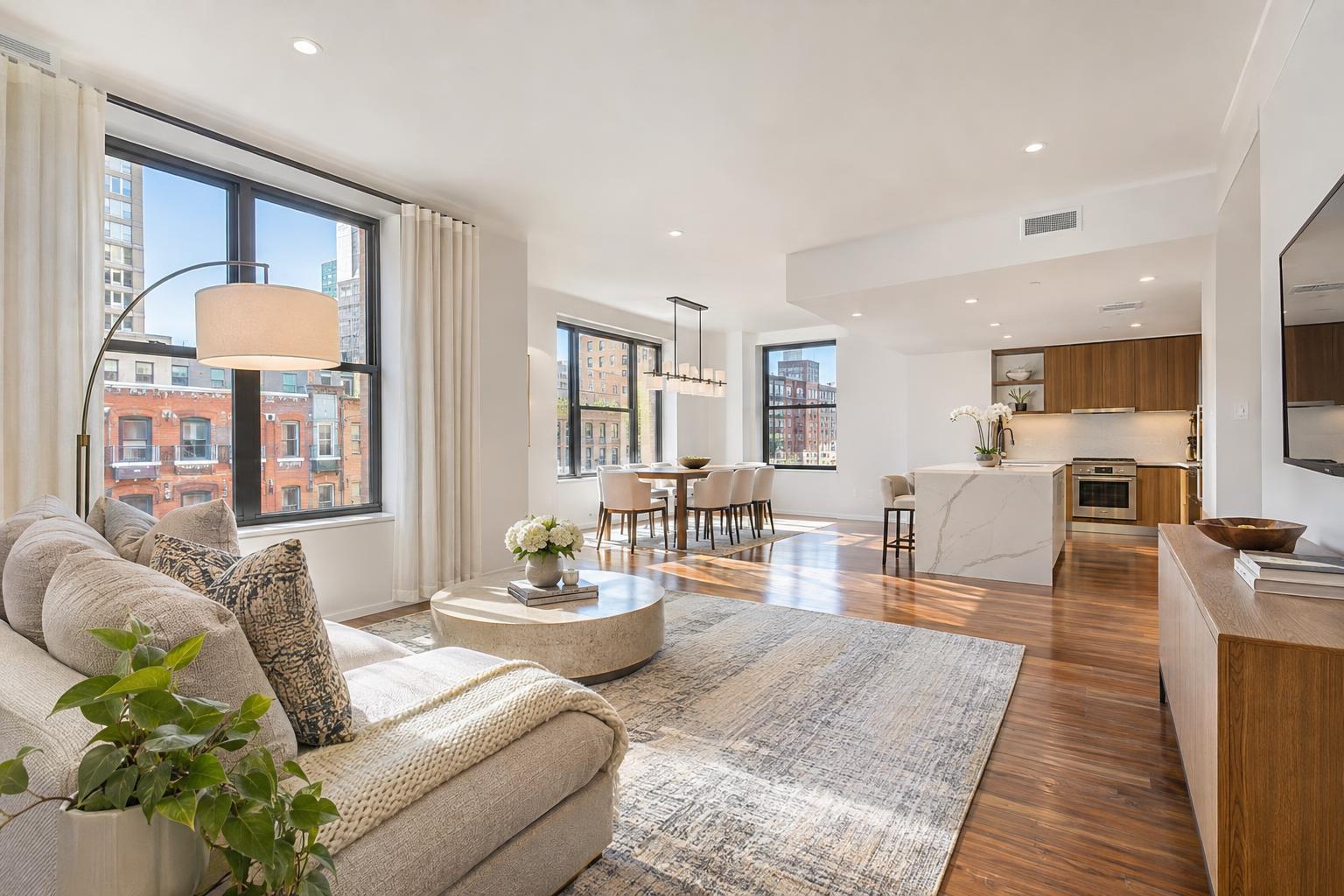
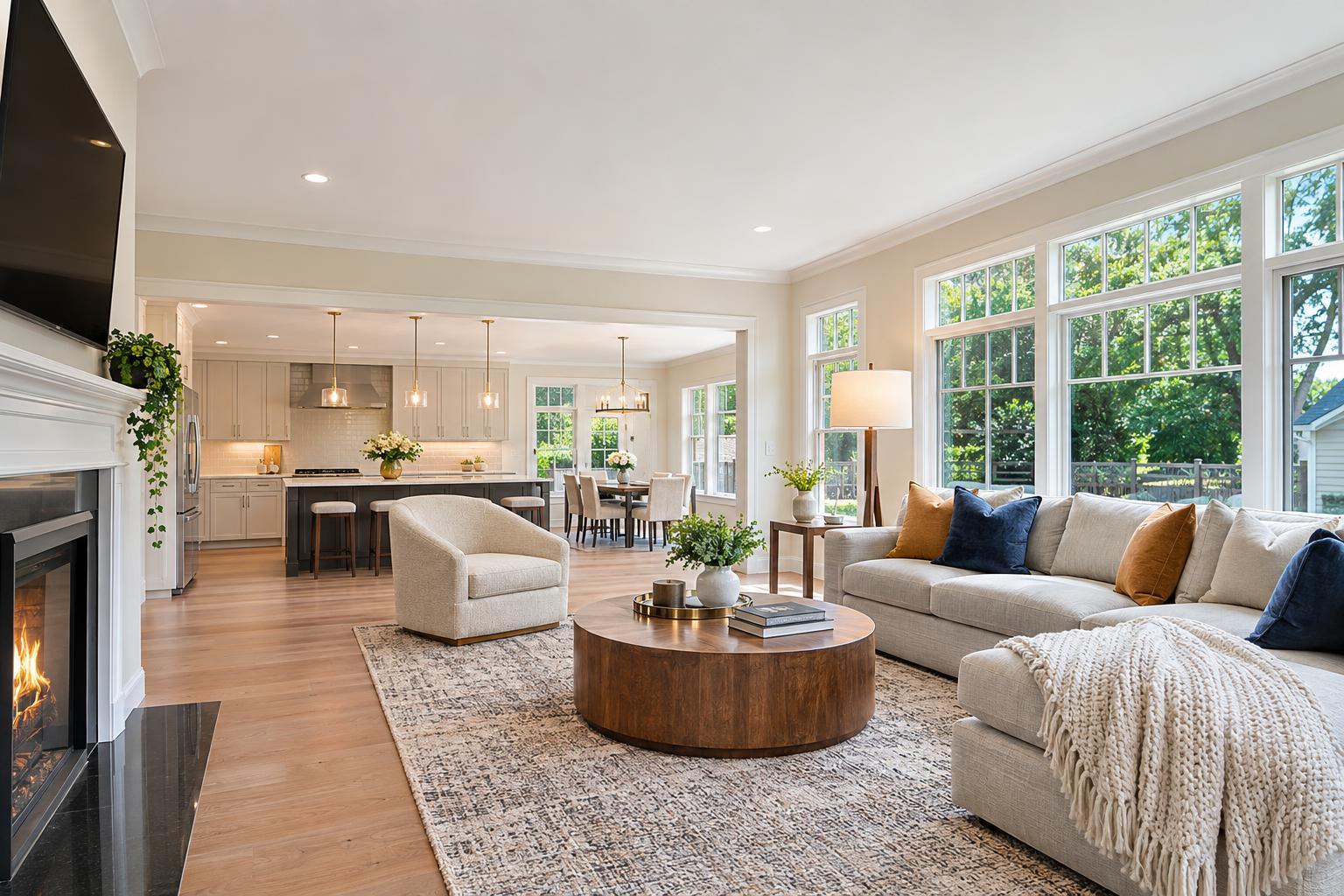
Showcasing a beautifully lit and spacious open-concept living area, the image highlights the high-quality real estate photography services that capture the inviting ambiance and modern design.

How to Choose Real Estate Photography Services for Your Next Listing
If you’re preparing a property for market, real estate photography services can make the difference between a listing that’s quickly understood and one that leaves buyers confused. For agents, brokers, property managers, and owners in New York City and New Jersey, choosing the right photographer is more than just booking someone with a camera—it’s about selecting a partner who can present your property in its best true-to-life light, no matter the quirks or challenges of the space.
More Than Just Wide Angles: What Professional Property Photography Should Deliver
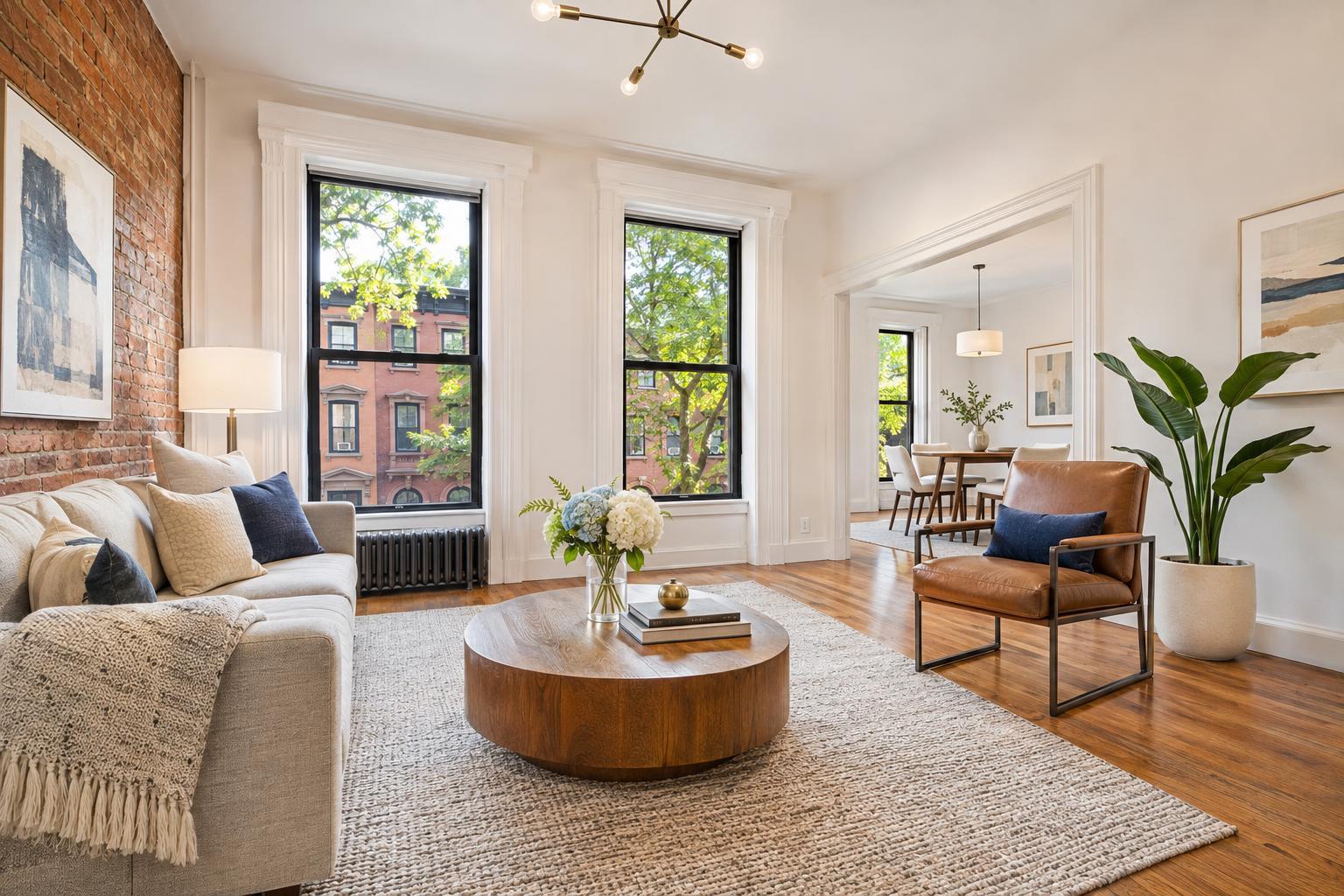
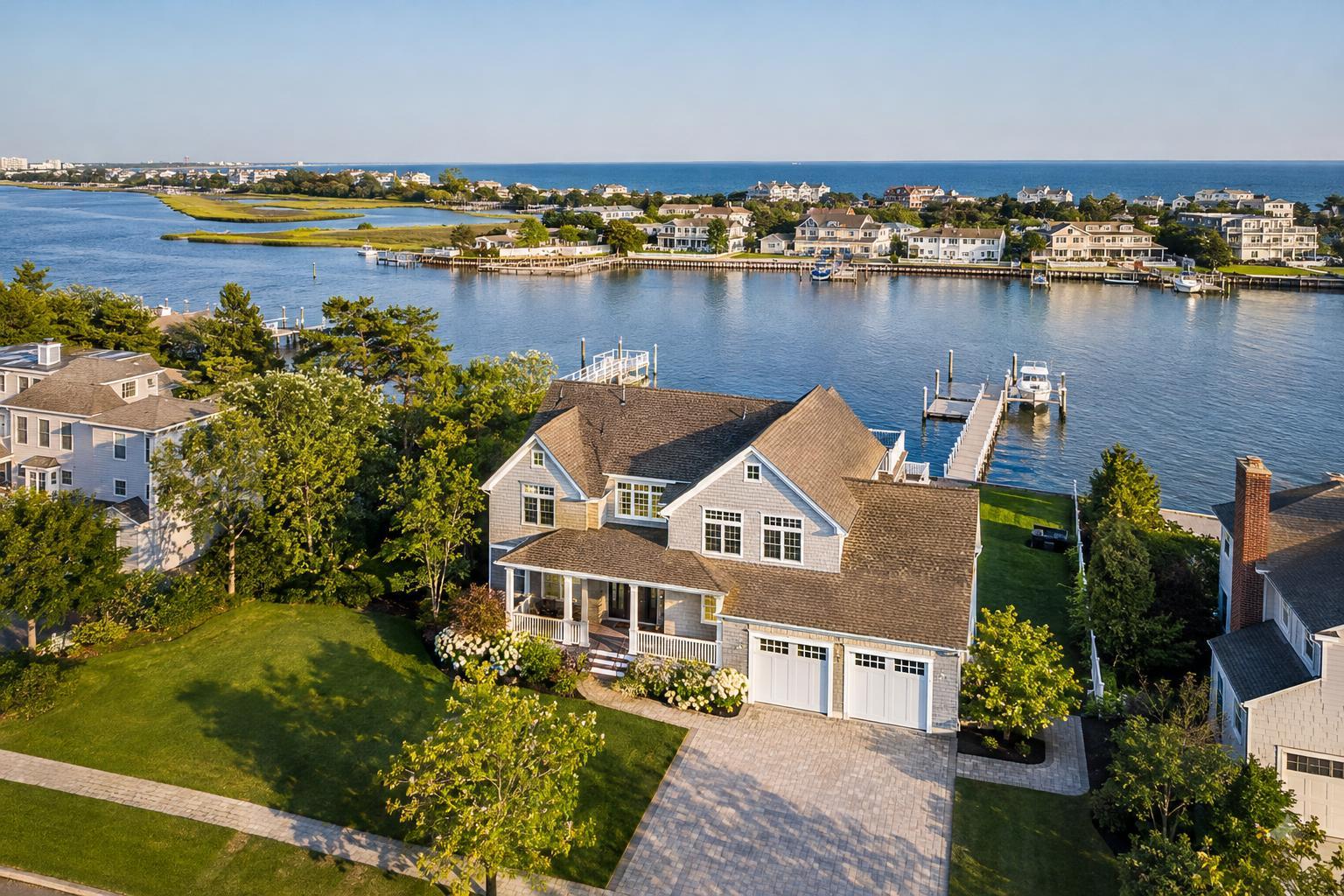
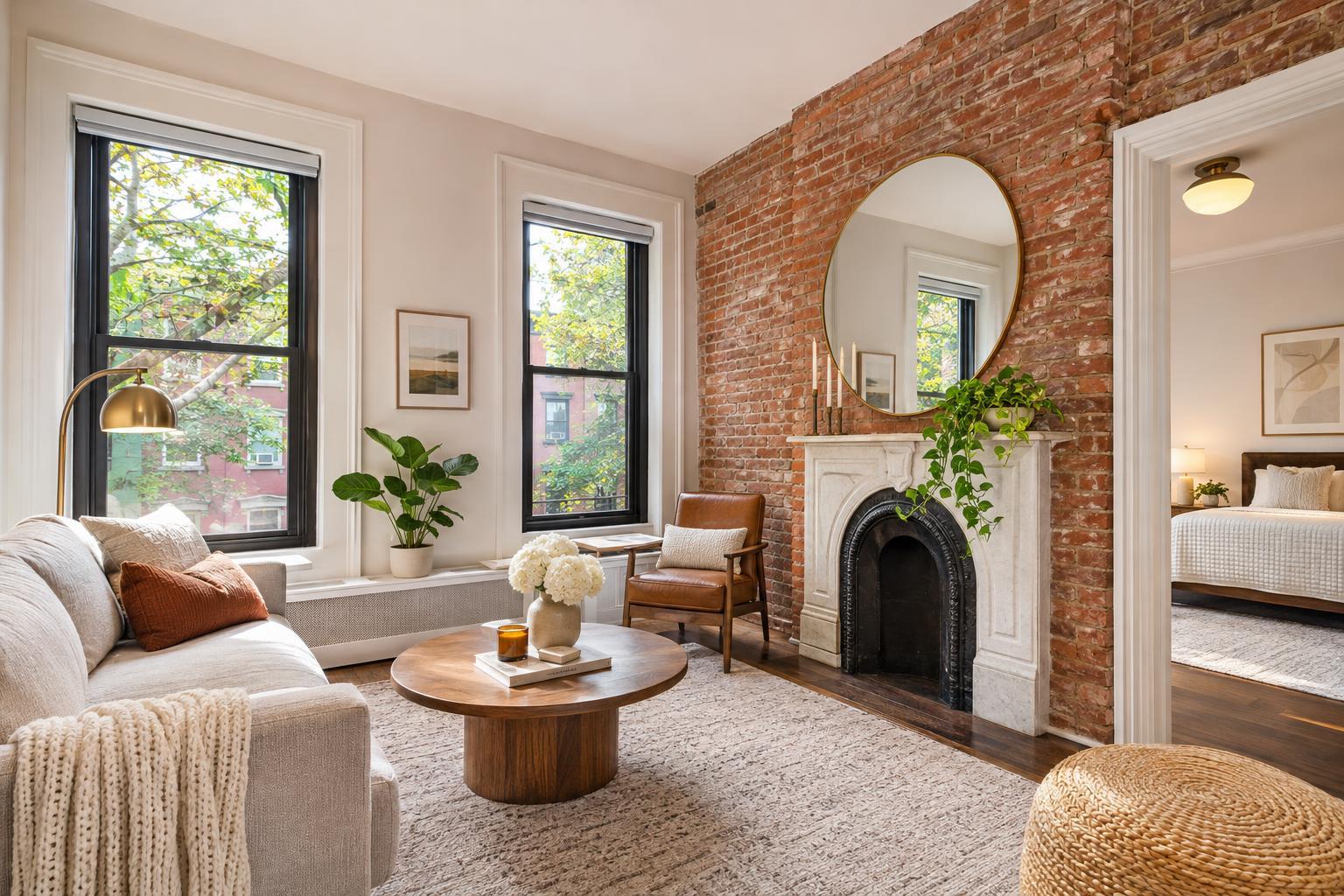
Wide-angle lenses are a staple for real estate photographers, but quality goes far beyond squeezing every inch of a room into one shot. Overly broad perspectives can distort reality or leave buyers with a false sense of scale. In a Manhattan studio, a balanced angle shows realistic living space, while in a Brooklyn brownstone, careful photography can capture grand windows and original woodwork without losing the home’s cozy feel. For larger New Jersey homes, connecting multiple living areas, outdoor amenities, and room relationships requires thoughtful curation.
A great set of listing photos leads the viewer on a logical, intuitive tour: exterior to entry, then through main living areas, kitchen, bedrooms, bathrooms, and standout features. You want potential buyers to feel oriented—not lost, underwhelmed, or distracted by repetitive angles.
What Sets Professional Real Estate Photographers Apart
Hiring a professional means expecting more than basic snapshots. Here’s what truly matters:
- On-site problem solving: Photographers who visit in person can adapt to changing light, highlight the right features, and work around narrow rooms or visual clutter.
- Balanced window exposures: Interiors with big windows, city views, or gardens need careful exposure blending to show both room and view naturally—avoiding dull gray skies or overexposed panes.
- Perspective correction: Vertical and horizontal lines should look straight. Slanted walls or leaning cabinets distract from the space and can make listings appear haphazard or cheap.
- Editing discipline: The final gallery should be visually consistent in color, brightness, and contrast—without using heavy filters, fake sky swaps, or excessive retouching that mislead buyers.
Professional real estate photographers, especially those experienced in NYC and New Jersey, understand that a pre-war apartment, a sunlit high-rise, and a multi-level family home each need a tailored visual approach.
How to Evaluate a Photography Portfolio
A photographer’s highlight reel doesn’t always represent the everyday challenges of residential and commercial listings. When vetting providers:
- Look for properties like yours—small apartments with tricky light, historic homes with detailed trim, or lived-in spaces with personal belongings.
- Assess how they handle less glamorous rooms: bathrooms, hallways, interiors with clutter, or oddly shaped spaces.
- Ask yourself: Are images repetitive, or does the set offer a logical progression? Do the photos give a sense of the full layout, or just showcase the easiest spaces?
A strong portfolio demonstrates versatility, not just a handful of magazine-worthy showpieces. For example, a real estate photographer NYC agents can depend on should have clear results from both compact co-ops and sprawling brownstones.
Matching Photo Count and Coverage to Your Listing
Package size should match property needs—not just a pre-set menu. Too few images can leave gaps; too many can overwhelm viewers with similar shots. Take stock of the areas that matter:
- Façade, entry, or unique exterior features
- Main living spaces
- Kitchens and bathrooms
- Every bedroom (not just the primary)
- Office, bonus rooms, or finished lower levels
- Balconies, terraces, patios, or yards
- Shared amenities, where allowed
A cozy studio may need just 10–15 images; a larger listing might require 30 or more to tell its full story. Providers like RealtaSnap allow clients to select between 10 and 50 images per order so that you aren’t forced into a one-size-fits-all solution. When in doubt, ask your photographer whether their proposed coverage is adequate for your specific floor plan.
How Preparation Shapes Your Results
Even the best real estate photographer can only capture what’s present. Spend time prepping before the shoot:
- Switch on all lights for warmth and clarity
- Clear countertops and remove visible cords or personal items
- Make beds, straighten pillows, and tidy up throws and rugs
- Remove trash cans, pet supplies, and any obvious clutter
- Open blinds for view and light, unless privacy is a concern
- Relocate vehicles for outdoor shots
For busy homes or occupied rentals, aim to prioritize public-facing areas and minimize visual distractions. If you’re interested in options like virtual staging, know that it’s intended for empty rooms. Clutter removal should come first for occupied or furnished spaces.
Clarifying Logistics: Scheduling, Access, and Delivery
No one likes a rushed shoot—especially in NYC buildings where access can be tricky. Confirm details up front:
- How much lead time is needed for a booking?
- What information must you provide about building entry or parking?
- What’s the process if weather is poor for outdoor or drone shots?
- How—and when—will finished images be delivered?
- Are revisions or extra images available if you change your mind after the shoot?
- Is the photographer familiar with your neighborhood, town, or borough?
RealtaSnap’s online real estate photography scheduling streamlines the process: clients input the service address, select their options, and add special notes, all in one place. Detailed instructions—like elevator reservation needs, parking tips, or photographing the garden at sunset—don’t just help the photographer, they ensure you get the results you want.
Should You Add More Than Photography?
Photography is the foundation for nearly every listing, but some properties benefit from additional media—if it genuinely clarifies the space. Consider:
- Floor plans are useful for properties with unusual layouts, multi-level homes, or ambiguous room connections. They must be captured on site.
- Video walkthroughs show movement and transitions, making open layouts and larger homes easier to understand. Professional listing videos are filmed specifically for each property—not built from still photos.
- 3D virtual tours allow remote exploration at the viewer’s own pace, ideal for out-of-town buyers or time-strapped decision makers. On-site scanning is required.
- Drone media can show off exteriors, land, water, or roof features, but feasibility in NYC especially depends on airspace restrictions, safety, access, and weather. Never assume a drone flight is possible without a site review.
Compare Both Process and Substance
When comparing providers, focus on the entire experience—not just headline pricing:
- Review full galleries for consistency and coverage
- Ask about the editing process and what’s included
- Confirm availability in your borough or township
- Assess the ease of scheduling and communication
- Make sure the fee structure (including add-ons) fits what you realistically need
For NYC and New Jersey listings, RealtaSnap offers regionally specific real estate photography services, with a reputation for clear composition and practical support throughout the order process.
Final Thoughts: Choose What Actually Helps
The goal isn’t to buy the largest package or add every feature—it’s to create a gallery that helps potential buyers or renters understand a property quickly and confidently. Start with thoughtful, well-composed photography. Prep the space, communicate expectations, and select add-ons like floor plans, video, or 3D tours only if they’ll meaningfully support your listing.
If you’re getting ready to list a property in NYC or New Jersey, RealtaSnap can help you craft the right approach, from photos to add-ons that clarify instead of clutter. See what’s possible at www.RealtaSnap.com.
FAQ
Question: How many real estate listing photos should I order for my listing?
Answer: The number of photos depends on your property’s size, layout, and unique features. Smaller spaces may need a concise set, while larger homes or multi-family buildings benefit from more images to cover different zones without repetition. It often helps to walk through your space and list out the must-have shots before booking.
Question: Is it worth booking professional photography before a property is fully prepped?
Answer: It’s best to schedule photography after cleaning, decluttering, and repairs are finished. Well-prepared spaces photograph better, reducing distractions and putting your property’s strengths front and center. If life gets in the way, focus first on public areas and rooms that will appear most prominently in your listing.
Question: Can I add floor plans, video, 3D tours, or drone images to my order later?
Answer: Many real estate photographers, including RealtaSnap, allow you to add extra services during booking or as your marketing needs change. Floor plans and 3D tours require physical scanning, so plan access accordingly. Drone services are only possible where airspace, weather, and safety allow, especially in dense urban neighborhoods.
Ready to showcase your next listing? Learn more or start your booking at www.RealtaSnap.com.