How to Choose a Brooklyn Real Estate Photographer for Your Next Listing
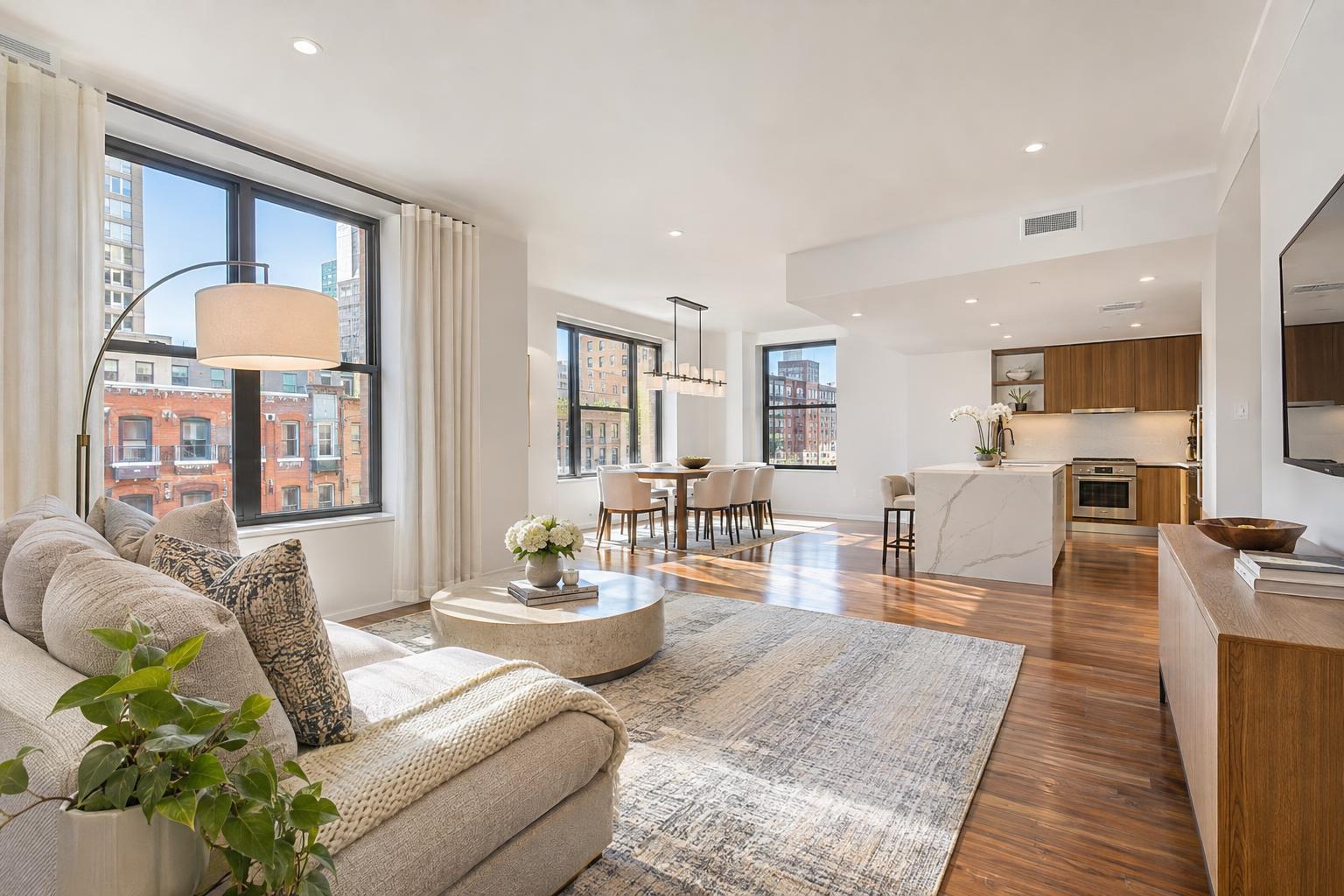
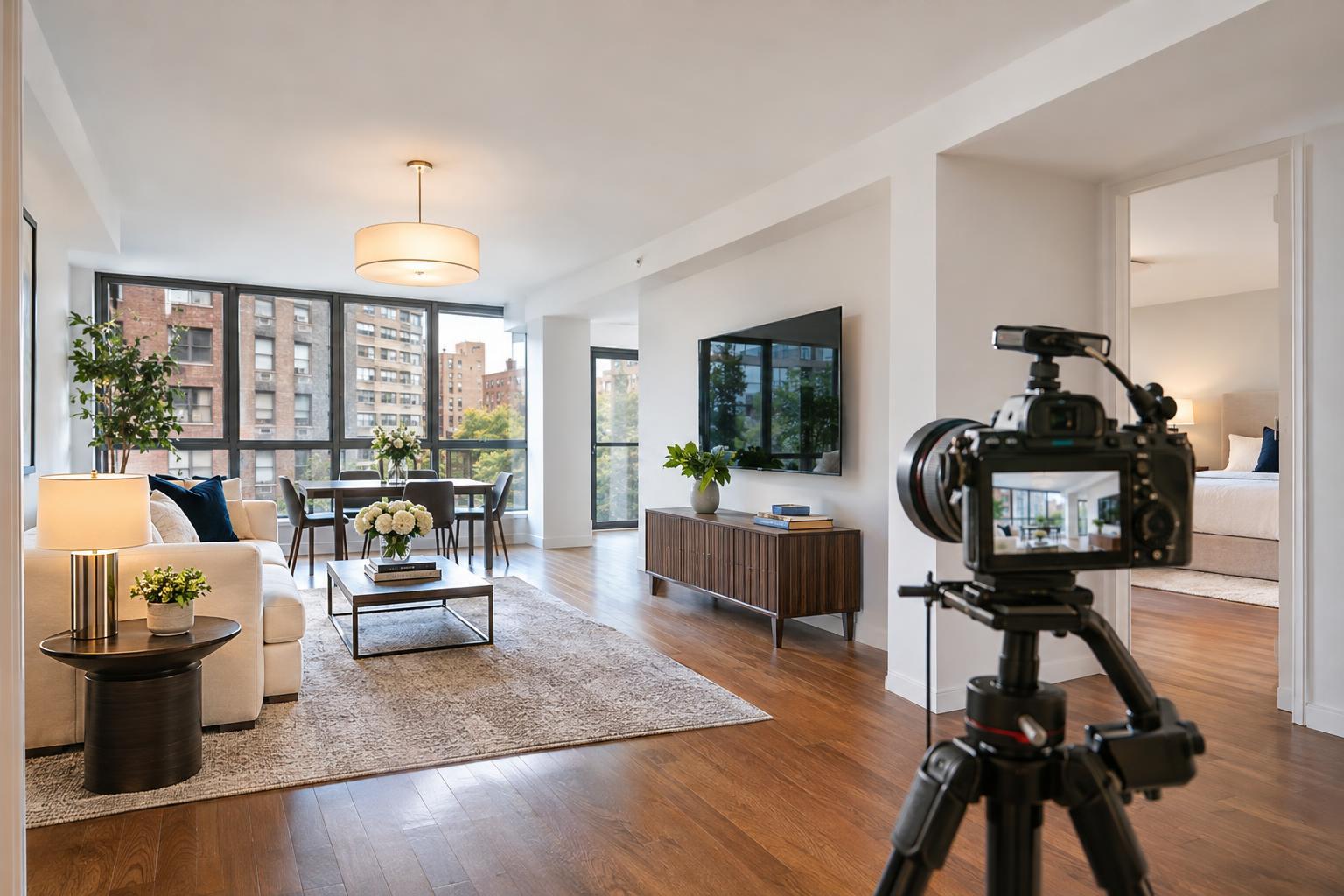
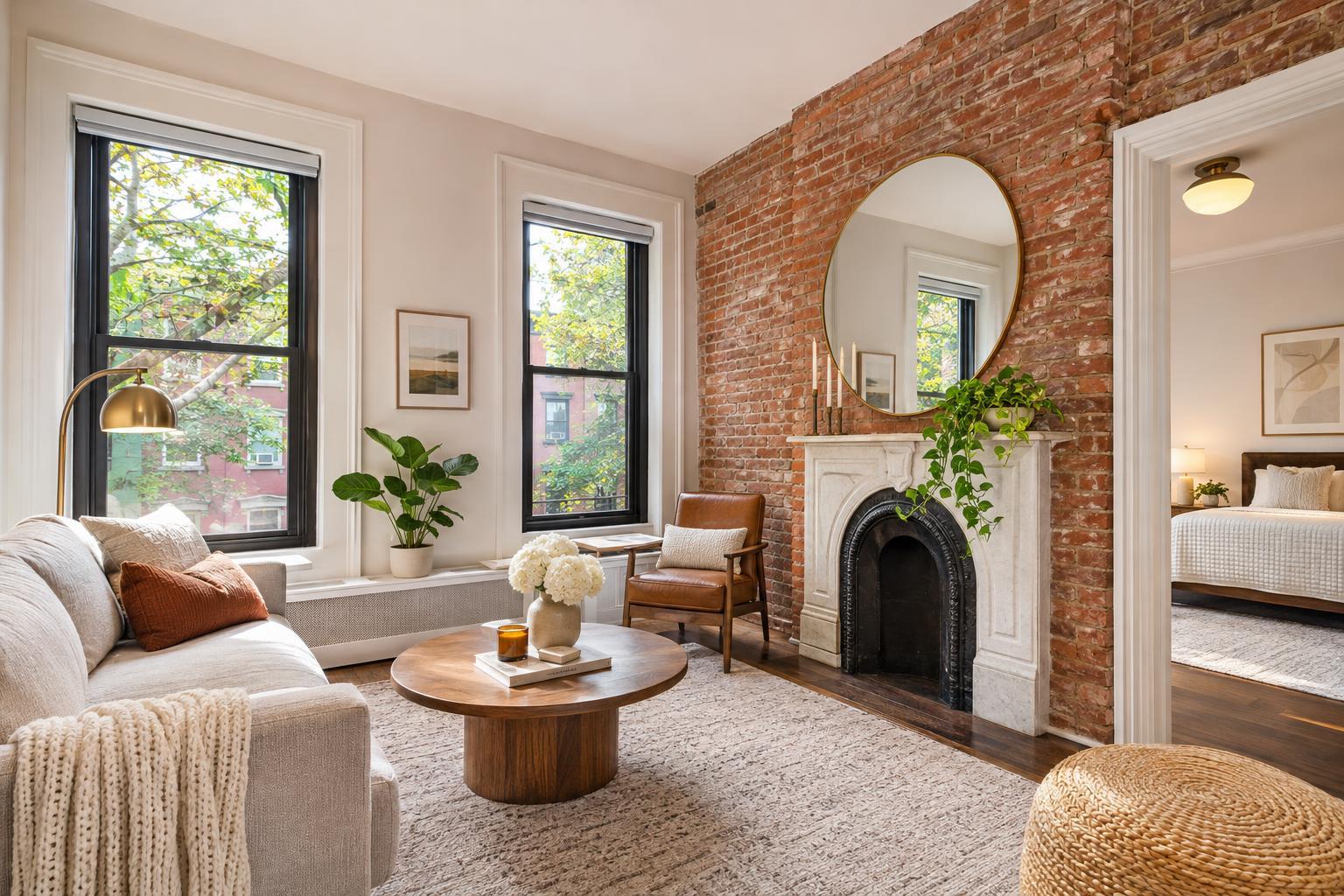
A Brooklyn real estate photographer captures a cozy living room with exposed brick, large windows, and stylish decor, leading into a warmly lit bedroom.

How to Choose a Brooklyn Real Estate Photographer for Your Next Listing
Finding a Brooklyn real estate photographer isn’t just about getting a few pretty photos for your listing. In a market packed with everything from compact studios to historic brownstones and new-build condos, clear, accurate visuals that help buyers or renters truly understand the space make all the difference.
If you’re an agent, property manager, or owner prepping your next Brooklyn listing, here’s how to size up photography services, what to expect from the process, and what to ask before booking. A little upfront planning leads to smoother shoots and listing photos that do their job—showcasing your property the right way, the first time.
What Makes Strong Real Estate Photography in Brooklyn?
There’s a knack to photographing Brooklyn properties. The city’s architecture can be narrow, sunlit, oddly shaped, or packed with period details. The best real estate photography in NYC meets two standards at once: it needs to look appealing, but it also needs to accurately explain what makes each unit or home unique.
When you review a photographer’s portfolio, look for more than just a few standout hero shots. Instead, ask yourself:
- Do you get a real sense of the whole space—or just a series of dramatic angles?
- Can you understand room size, flow, and layout from the gallery as a whole?
- Are window exposures and interior lighting balanced?
- Do key character features—like fireplaces, original moldings, terraces, or built-ins—show up cleanly?
- Is the editing style consistent, with true-to-life color and brightness?
- Are both wide shots and details included, showing context and character?
Great listing photos inspire but don’t mislead. They should align closely with a buyer’s or renter’s in-person expectations, capturing a property’s strongest side without overpromising on scale or finish.
Technical Quality: Photography That Really Works
Some of the most effective Brooklyn listing photos are the ones that feel effortless. That usually means there’s a lot of careful work behind the scenes:
- Balanced lighting: Brooklyn apartments can swing from deep shadows to glaring light. Good photographers know how to capture a room without windows looking like blank white boxes or views turning muddy. Attention to both interior and exterior exposures is key, especially when skyline, garden, or street views are part of the story.
- Natural perspective: Straight verticals bring calm and order to images. Watch out for galleries with slanted walls or extreme wide angles that distort scale—especially common in compact units. Well-chosen camera positions help people “read” how rooms connect and how circulation actually works.
- Thoughtful composition: Cookie-cutter composition, where every shot is from the doorway or the same corner, can leave listings feeling generic. A professional photographer adapts to the property: capturing the elegance of a brownstone staircase, the open vibe of a condo kitchen, or the segmentation of a railroad-style apartment.
A cohesive set of photographs allows buyers or renters to mentally walk through a listing without confusion, providing clarity at every step.
Matching Coverage to the Type of Brooklyn Property
Not every Brooklyn home calls for the same approach. Consider what really needs to be shown for your specific listing:
- Studios and small apartments: Overstuffing a gallery with angles that barely differ adds little value. Instead, a handful of well-framed shots that reveal how living, dining, sleeping, and storage areas work together will help renters or buyers picture themselves there. Keep the focus on clarity and function.
- Brownstones and townhouses: These homes offer layers: parlor floors, unique details, outdoor spaces, and more. A thorough session should include wide room shots, key features (think mantels, stained glass), stair transitions, garden views, and exteriors. The image sequence should let someone follow the layout floor by floor.
- Condos and co-ops: Light, amenities, finishes, and building context might be just as important as the unit itself. Make sure to clarify which common spaces or amenity areas will be photographed, and coordinate with the building if needed—questions about access and timing often arise.
- Mixed-use or commercial buildings: Here, you may need coverage of storefronts, entrances, street presence, and both residential and commercial areas. Let your photographer know who your audience is, so they can prioritize the right features.
Workflow and Communication: What to Expect Before and During the Shoot
Quality photos result from good preparation and clear expectations. Before you settle on a Brooklyn property photographer, pay attention to the booking process and communication style:
- Ask how bookings and property details are handled: Is everything gathered upfront? Do they provide reminders about building access or special requests?
- Clarify what’s included: Are gardens, rooftops, or common spaces part of the standard package? Is there a set number of images, or is it flexible?
- Review turnaround times: Most agents want a fast, predictable delivery—know when you’ll get your gallery so you can plan your listing launch.
- Get guidance on prep: Should you clear surfaces, adjust lighting, or move cars for exteriors? What about personal items or clutter?
- Understand package add-ons: If you’ll need floor plans, video, drone shots, or virtual staging, ask about the process and any additional costs.
A professional real estate photography provider should answer these questions clearly, making the process easy from start to finish.
Preparing Your Property: A Few Simple Steps
The most effective photos start with a space that’s ready for the camera. Here are easy prep tasks that consistently improve both the visual result and the flow of the shoot:
- Clear countertops, tables, and frequently used surfaces.
- Remove small clutter, cables, pet supplies, and visible personal photos.
- Make beds and tidy pillows.
- Switch on all lights and replace burnt-out bulbs.
- Open blinds or curtains if privacy and the view allow.
- Clean mirrors and glass surfaces.
- If exteriors are being photographed, move cars or bins from the driveway/curb.
- Confirm access to any outside areas, amenities, or mechanical rooms that need to be shown.
Occupied, lived-in homes don’t need to look staged or empty—just balanced and free from distractions. Real furnishings add a sense of size, scale, and warmth, but less is often more.
If you’re considering virtual staging, remember: it’s for empty or thoroughly decluttered rooms. Furniture or clutter left in the room will need to be removed first; AI staging can’t simply “cover up” existing items.
For a practical property prep rundown, check out RealtaSnap’s Real Estate Photography Prep Guide.
Should You Add Floor Plans, Video, 3D Tours, or Drone?
Photography remains the foundation of Brooklyn listing media, but in some cases, add-ons are worth the investment:
- Floor plans: These help buyers or renters understand room relationships and layout at a glance. Particularly helpful for multi-level homes or unusual layouts, floor plans are created during an on-site visit; PDFs or old plans aren’t enough.
- Listing video: Good video gives a feel for flow, transitions, and entry/exit—helpful for townhouses or homes that benefit from following a visual journey floor by floor. RealtaSnap captures property-specific videos on site rather than using slideshow formats.
- 3D and virtual tours: Interactive tours are valuable when remote viewings are likely or when depth and circulation matter (for example, larger or architecturally unusual properties). Like floor plans, these require on-site camera capture.
- Drone coverage: Aerial images and video can be especially effective for properties with outdoor spaces, notable views, or unique footprints. In dense Brooklyn, drone use depends on address, available airspace, weather, safety, and roof access. All flights are subject to regulations and pilot discretion.
Choose add-ons that enhance the buyer or renter’s understanding rather than just adding media for the sake of it. For more information, review RealtaSnap’s real estate photography services.
What to Ask Before You Book
Before confirming your photography appointment, a short checklist helps avoid confusion and ensures the shoot matches the listing’s needs:
- Which photo package fits the listing’s square footage and style?
- What images are a must (interiors, exteriors, amenities, etc.)? If there’s limited access, which areas need to be prioritized?
- What’s the expected turnaround for images?
- How should occupied properties be prepped?
- Can the photographer meet building access or timing restrictions?
- Which add-ons make sense for this listing?
- Are editing requests like object removal or virtual twilight possible, and how are those handled?
The clearer the answers, the smoother your experience—and the better the results.
RealtaSnap: A Local Option for Brooklyn and NYC Listings
RealtaSnap is built for agents, sellers, and property managers who want crisp, accurate listing media paired with straightforward communication and reliable workflow. The process is simple: book online, add your property details, select your services, and pick a shoot time. Pricing is transparent, with options for both small and large spaces, and add-ons like virtual staging, floor plans, or video are easy to include.
All media is captured on site and edited for consistency and listing-readiness. The service extends across Brooklyn, the rest of NYC, and New Jersey—so you won’t have to worry about mismatched coverage or extra booking hoops.
If you want a Brooklyn real estate photographer who takes care with each space and keeps logistics simple, visit RealtaSnap.com for details and scheduling.
FAQ
Question: How soon should I book a Brooklyn real estate photographer for my upcoming listing?
Answer: It’s best to book as soon as you know when the property will be ready for photos—especially if you need to coordinate with tenants, cleaning crews, or building management. A prepared space leads to a much smoother and faster shoot.
Question: Do all Brooklyn listings benefit from add-ons like floor plans or 3D tours?
Answer: Not always. Floor plans are particularly useful for homes with multi-level layouts or unusual configurations, while virtual tours make sense if remote showings will be common. For straightforward apartments, excellent photos are often enough.
Question: Can virtual staging be applied to rooms with furniture still in place?
Answer: Virtual staging works best on empty or fully decluttered spaces. If a room has furniture, those items should be removed before capture, or you’ll need to request clutter removal as an editing add-on.
For clear, practical real estate listing media throughout Brooklyn and the NYC area, explore your options at www.RealtaSnap.com.