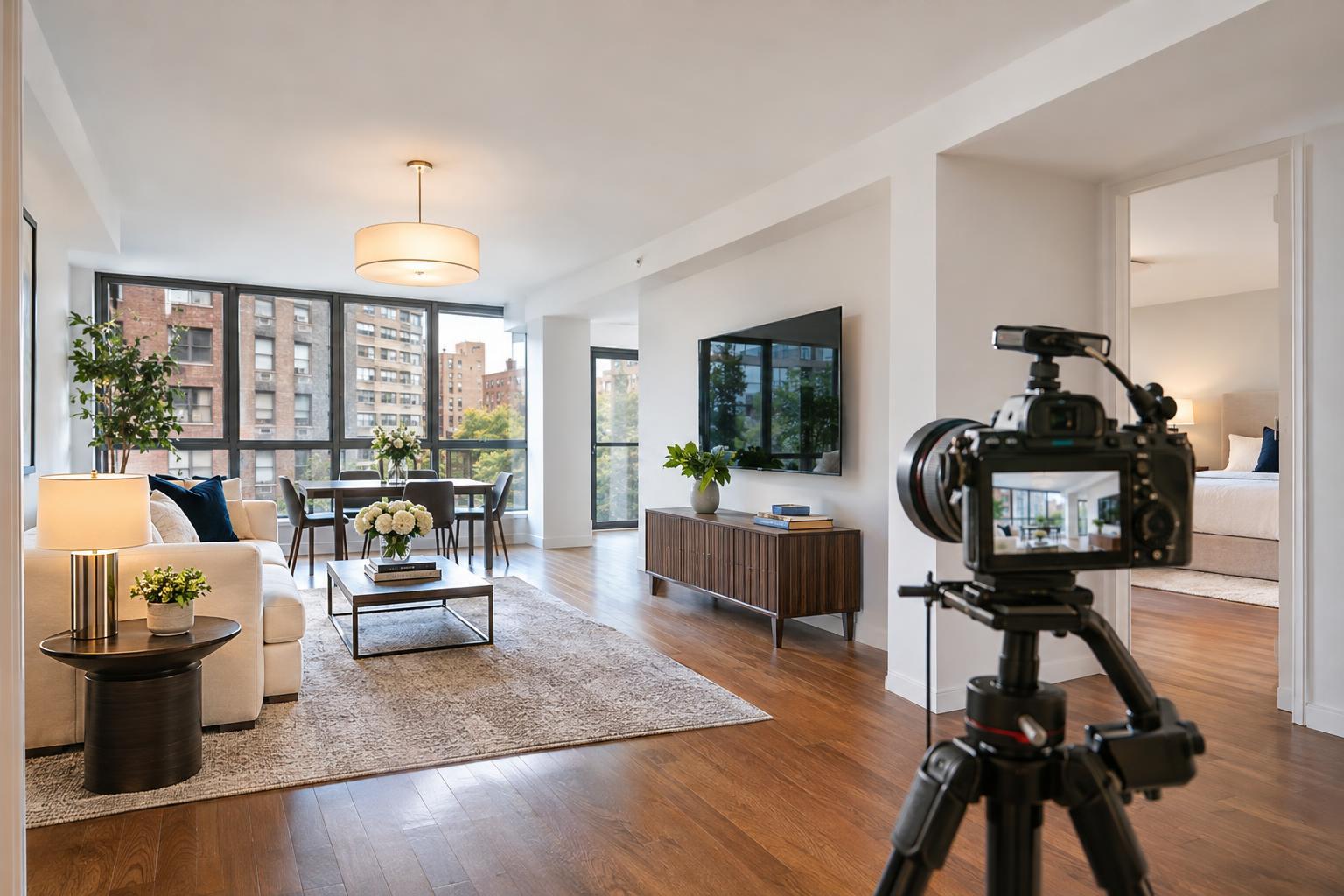
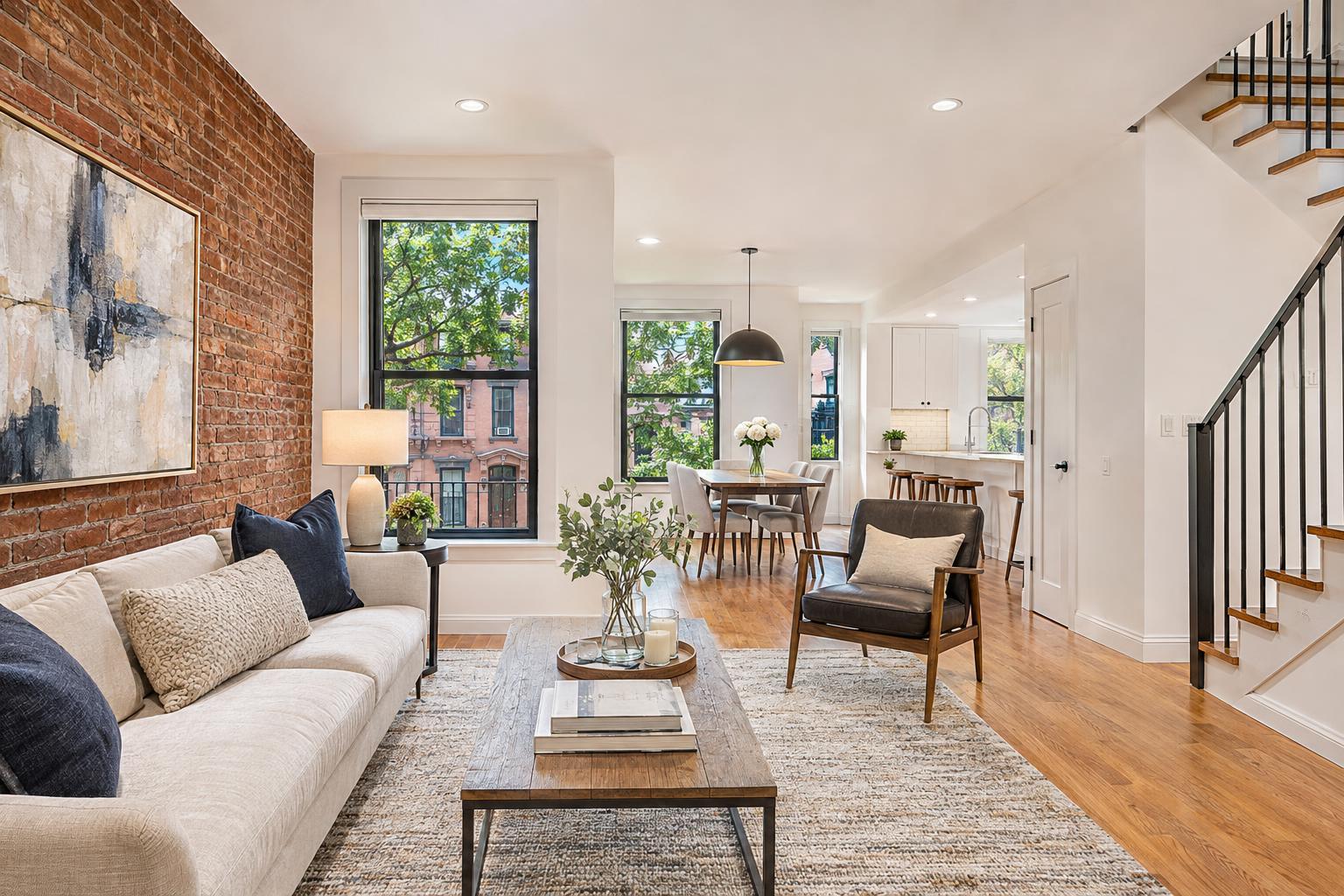
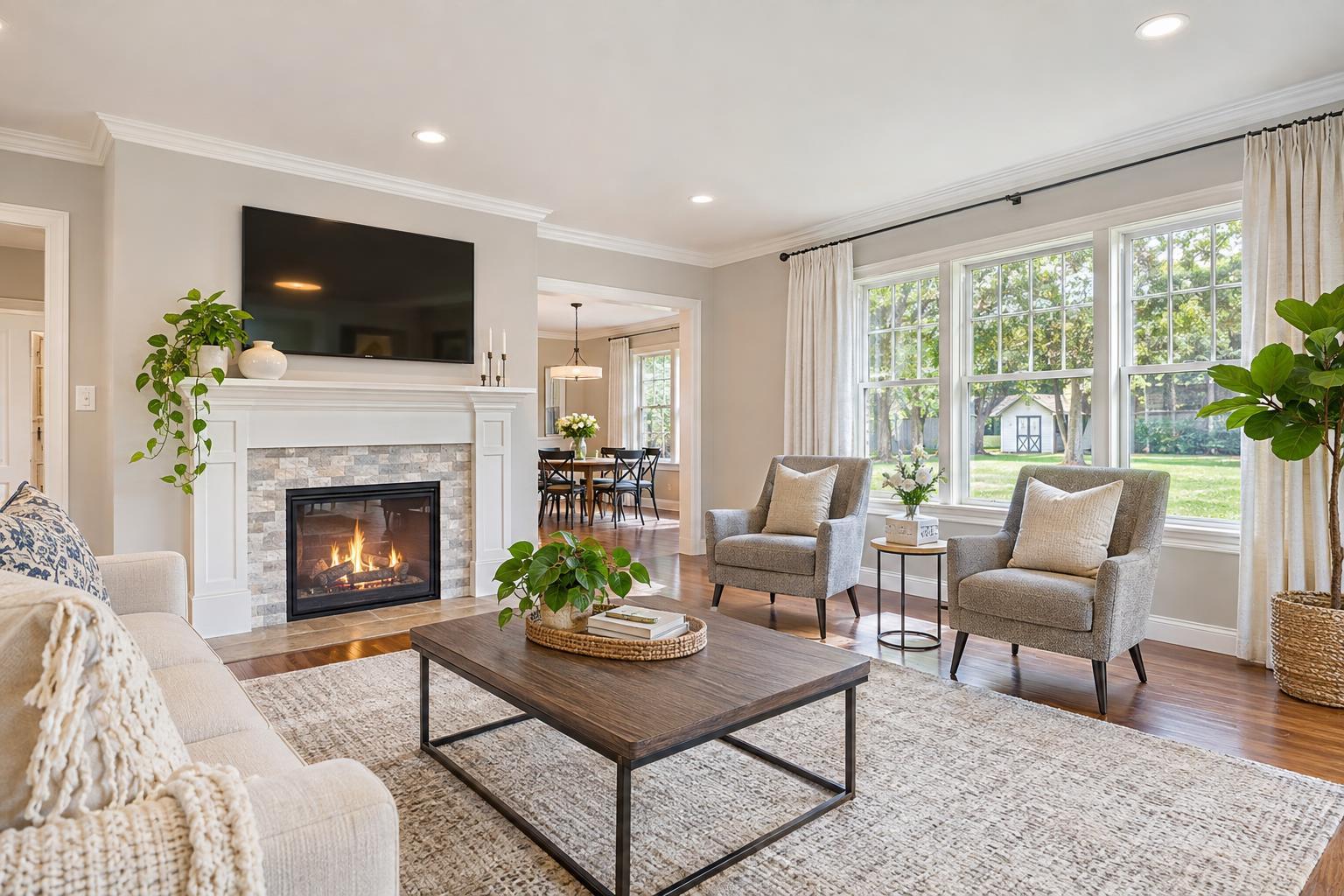
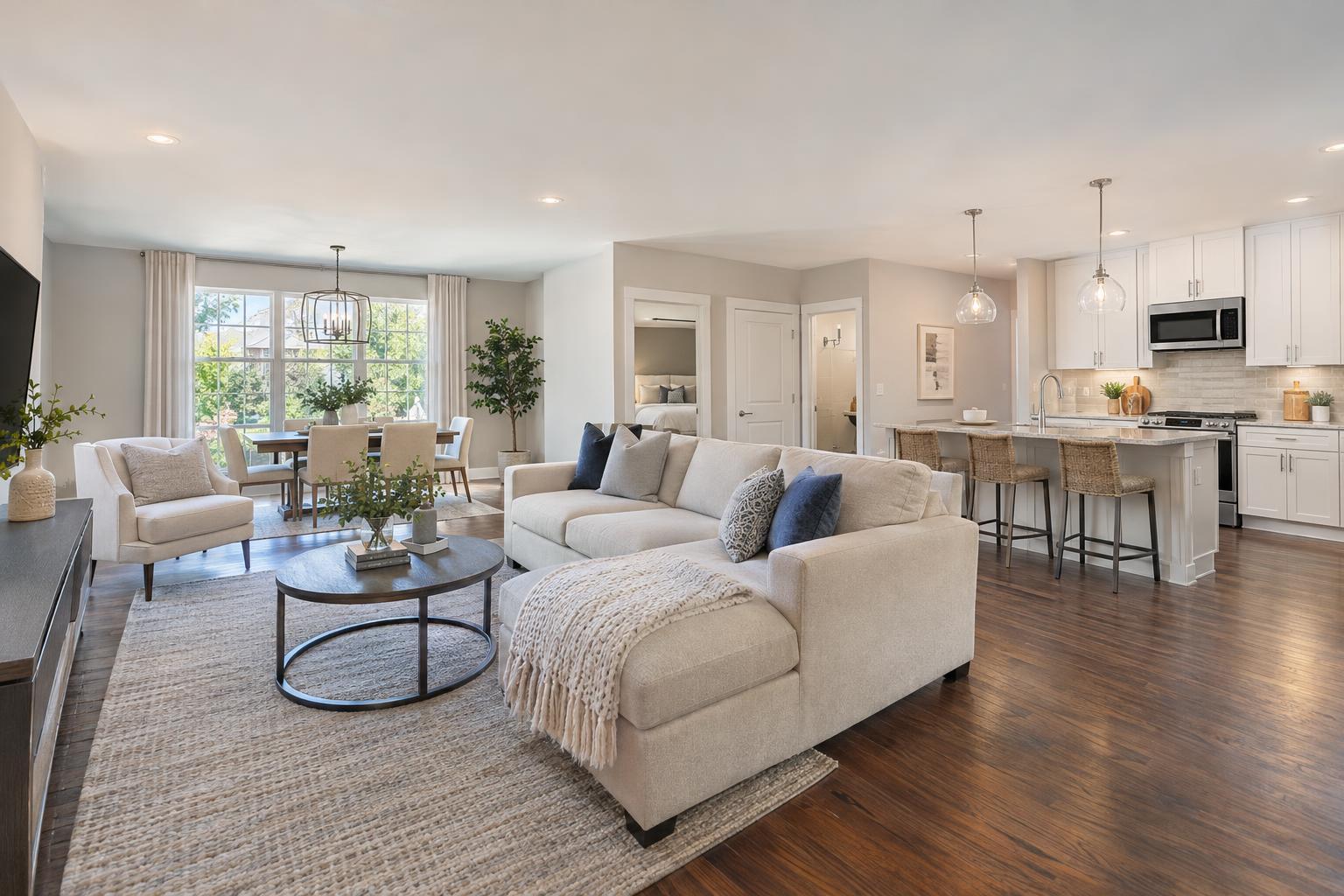
How to Choose a Real Estate Photographer in NJ for Your Next Listing
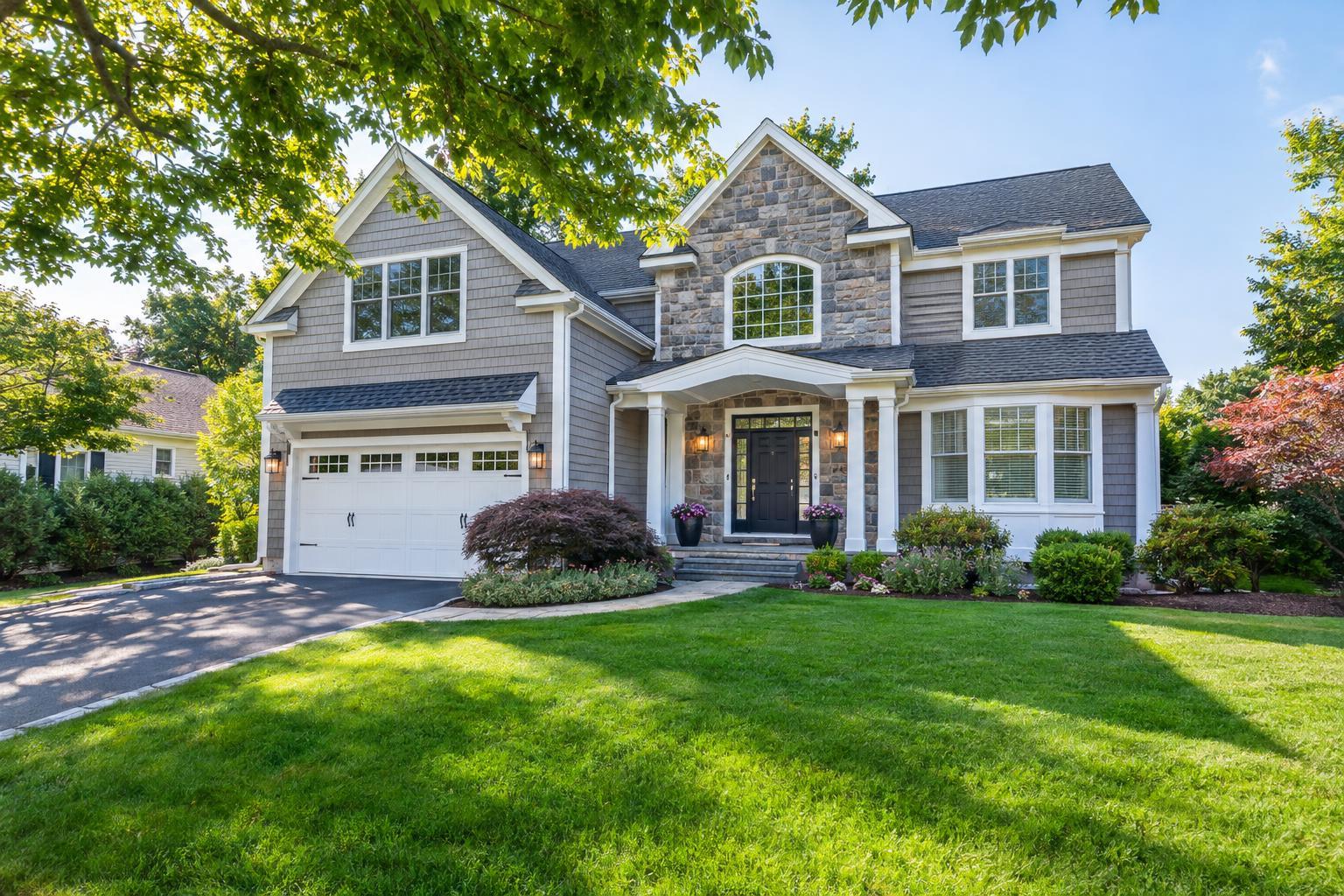
Captured by a real estate photographer in NJ, the elegant suburban house is highlighted by a beautifully manicured lawn and inviting entryway.

How to Choose a Real Estate Photographer in NJ for Your Next Listing
Selecting a real estate photographer in NJ is more than picking someone with the flashiest sample image. In a state with everything from Hoboken high-rises to classic suburban homes and commercial spaces, you need a photographer who can capture your listing accurately and support your workflow. Whether you’re an agent, broker, property manager, or seller, making the right choice is about clarity, reliability, and a practical approach to each unique property.
What Matters Beyond the Portfolio
Most real estate photographers have a few standout images, often captured at the perfect hour or in beautifully staged homes. What really sets a dependable photographer apart is consistency. Look at the full range of their work—are their images clear and professional across all property types, lighting conditions, and even trickier spaces like narrow hallways or basements?
Reliable real estate photography typically shows:
- Vertical lines that stay straight in walls and doorways
- Balanced lighting, where you can see both interior details and what’s outside bright windows
- Colors that feel natural and true to the space
- Compositions that help you understand the room layout
- Proportions that reflect the property accurately
- Editing that stays consistent from room to room
Wide-angle shots are used for good reason, but they shouldn’t trick the eye into thinking a room is much bigger than it is. You want every photo to help viewers picture themselves in the home—not hesitate because the images feel misleading.
Matching the Photographer to Your Property
Every New Jersey property is different, so there’s no one-size-fits-all approach to listing photography. The needs of a vacant new development, an occupied rental, a Jersey City townhome, or a large suburban house won’t be identical. Here's how to think about the match:
If the Home is Occupied
Occupied homes can be full of furniture, decor, or everyday clutter. A skillful property photographer works respectfully in the space, suggesting simple adjustments—moving a chair, straightening a bedspread, opening a set of blinds—to improve each shot without rearranging the entire house.
Before the appointment, a good photographer offers clear preparation advice, helping owners or tenants know what areas to tidy, what items to stow away, and how to set up each room for the session.
If the Property is Vacant
Empty properties have their own challenges. Without furniture to anchor the frame, vacant rooms can look bland or feel formless. Attention to layout, lighting, and room transitions becomes even more important. In some cases, virtual staging is a helpful add-on for select rooms, especially if it’s important to show how a bedroom, living area, or office space could work.
Virtual staging works best in genuinely empty spaces. If a room has existing furniture, it needs to be physically removed or clutter removed in editing (as a paid add-on) before any virtual staging can be applied.
Special Properties and Commercial Listings
Certain listings—waterfront homes, multifamily buildings, commercial spaces—call for even more specialized planning and media. For example:
- A waterfront home might need images that highlight its relationship to the water and outdoor amenities.
- A townhouse could need careful coverage of multiple floors, stairs, and even rooftop spaces.
- A rental listing might call for efficient, straightforward documentation of condition and layout.
- Commercial spaces need images that highlight usable square footage, entryways, parking, and more.
Share details about the property’s unique features with your photographer ahead of time. This ensures the shoot is tailored to what buyers or tenants will care about most.
Lighting, Lines, and Editing: The Photographer’s Approach
The difference between average and professional listing photography often comes down to how the photographer manages lighting and architectural lines. It’s not enough to snap the photo—editing and perspective correction make a big impact.
Ask potential photographers how they handle:
- Bright windows with darker rooms
- Maintaining straight, undistorted walls and doorways
- Editing boundaries (what gets included, what counts as extra)
Most importantly, confirm that permanent fixtures and structures aren’t changed in post-production. Market-ready real estate photos should show what actually exists at the property.
Comparing Deliverables and Pricing
When you’re comparing quotes for real estate photography in NJ, look closely at deliverables—not just price. Two similar-looking quotes might offer different numbers of images, include or exclude exterior shots, or differ in turnaround speed. Clarity up front saves you headaches later.
Here are a few questions worth asking:
- How many images will I get?
- Are both interior and exterior shots included?
- Will images be formatted for MLS and digital marketing?
- What’s the average turnaround?
- How are the media files delivered (online gallery, downloads, etc.)?
- Is optional retouching or extra editing available if needed?
- Does the package include options for floor plans, drone, video, or virtual tours?
- Are there travel fees, large-property surcharges, or add-on costs?
When considering providers like RealtaSnap, you can expect photo packages ranging from 10 to 50 images (with clear pricing per package), and a la carte add-ons for floor plans, drone, video, and more. Learn more about NJ listing photography options.
When to Add Floor Plans, Video, or Drone
While high-quality photography is the backbone of most listings, some properties truly benefit from complementary media that tells the full story.
- Floor Plans: Great for listings where layout is complicated, the space is unusually configured, or buyers will want to see room relationships clearly. With RealtaSnap and similar providers, physical access and on-site capture are required—floor plans can't be created from old blueprints or photos alone.
- Video: Particularly helpful in homes where a sense of movement and flow stand out—a connected kitchen and dining area, a sprawling backyard, or a townhouse with multiple levels. RealtaSnap captures actual video on-site (not just slideshows of static photos), giving you a one-minute or longer edit, with upgrade options for premium features.
- Aerial (Drone) Images and Video: Drone footage is great for properties where the setting, landscaping, water proximity, or commercial footprint matters. Just know that drone work in NJ is case-by-case—airspace, weather, safety, access, and the pilot’s discretion all play a role.
- Virtual Tours: For remote buyers or those interested in exploring the property interactively, a Matterport or similar 3D virtual tour can be a strong add-on. These tours require an on-site scan.
- Virtual Staging: For empty rooms, AI virtual staging helps viewers picture the possibilities. Remember, rooms need to be vacant or cleared before staging can be applied.
Making the Booking and Managing Logistics
Even the best photos won’t save a project if the coordination falls apart. A dependable New Jersey property photographer makes scheduling, communication, and delivery straightforward.
When booking, clarify:
- How you request and confirm appointments (RealtaSnap, for example, handles standard bookings online via their scheduling form)
- What details the photographer needs and what you should prep
- Access arrangements for condos, occupied homes, rentals, or commercial spaces
- How weather or exterior shots are handled if conditions change
- Who you’ll reach out to with last-minute questions
A smooth experience means you always know what to expect, from prepping the property to the day of the shoot and final media delivery.
Finding a New Jersey Property Photographer Who Fits
You don’t need to hunt for the loudest marketing claim or the “number one” spot on a list. What matters is a photographer whose quality, workflow, and service match your needs—and who understands how to present New Jersey’s varied housing stock genuinely and professionally.
RealtaSnap captures on location, delivers clear and market-ready photography, and can advise on which add-ons make sense for your listing—whether it’s a North Jersey condo, a classic single-family in the suburbs, or a waterfront estate.
Want to dig into details? Check out the full FAQ and NJ real estate photography service options.
If you have a listing coming up, RealtaSnap can help you plan and execute the photography (and other media) that fits your goals—without the confusion or unnecessary hype. For more information or to schedule your next shoot, visit www.RealtaSnap.com.
FAQ
Question: How soon should I book a real estate photographer in NJ?
Answer: As soon as you know your timeline, it’s smart to book. Early booking gives you flexibility—especially if seller prep, building access, weather, or additional services like drone or floor plans are on your list. Provide the shoot date, address, and goals up front for the smoothest experience.
Question: Does every property benefit from drone images?
Answer: Not every listing needs aerial photos or video. Drone coverage is most valuable for properties where the exterior, setting, or context is essential—think large lots, waterfront, special amenities, or commercial space. Factors like airspace, weather, and safety always determine if a flight is possible.
Question: What should sellers do before a listing photo shoot?
Answer: The basics are simple: clean visible surfaces, open blinds or curtains for light, turn on lights, and clear away personal or distracting items. For occupied spaces, tidy counters, reduce clutter, and give pet items and cables a home out of sight. Small efforts help the photographer capture clean, marketable images.