How to Choose a Real Estate Videographer for Your NYC or New Jersey Listing
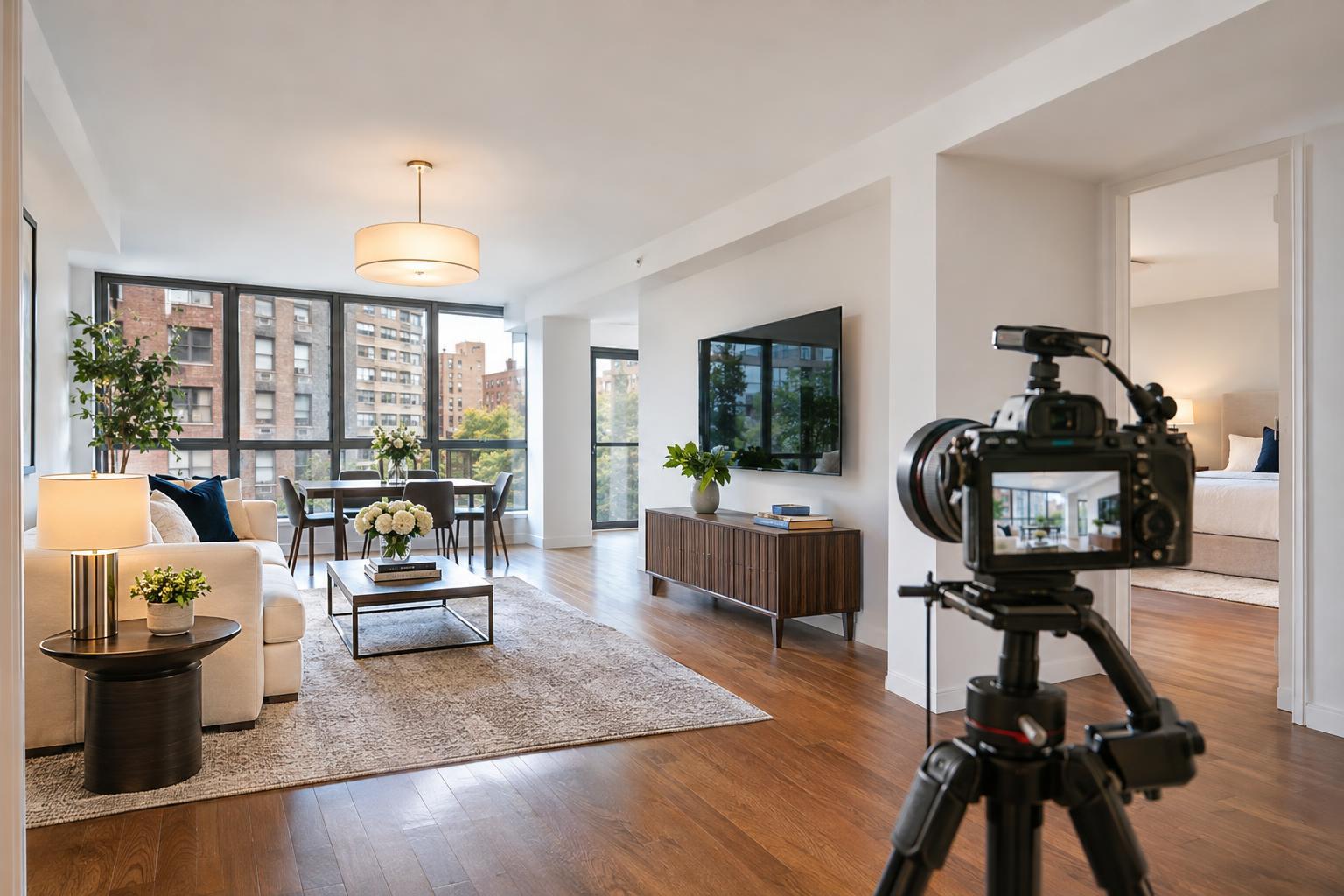
A real estate videographer's camera is set up in a beautifully furnished living room with large windows overlooking city buildings.

How to Choose a Real Estate Videographer for Your NYC or New Jersey Listing
Choosing a real estate videographer for your NYC or New Jersey property isn’t just about hiring someone with a camera—it’s about finding a visual partner who knows how to communicate a listing’s flow, strengths, and personality on screen. For agents, brokers, and property marketers, making the right choice can set the tone for an entire campaign.
Let’s take a look at what really matters when hiring a property video professional, what kind of stories video can tell that photography alone can’t, and how to prepare for a shoot that does your listing justice.
Why Real Estate Video Matters
Professional photography is foundational for every listing, but a real estate video tour can go further by showing how a property unfolds in real time. These videos reveal:
- How each room connects to the next
- The flow from entry to living to outdoor space
- The impact of natural light and views as you “walk” the home
- Features like staircases, facades, terraces, and backyards in motion
While still images let potential buyers pause and study details, video guides them through the narrative of the property—the rhythm, the transitions, and the sense of space.
Assessing Your Listing’s Unique Story
Before you even reach out to a videographer, think about what a viewer needs to see and understand. A one-bedroom Manhattan apartment, a Brooklyn brownstone, and a sprawling New Jersey colonial all call for different visual priorities.
- Condos and apartments: Prioritize a crisp, focused walk-through that clearly shows entry, main living spaces, window exposure, and, if relevant, the building’s setting.
- Pre-war or historic listings: Go slower, highlighting period details, room relationships, and unique proportions.
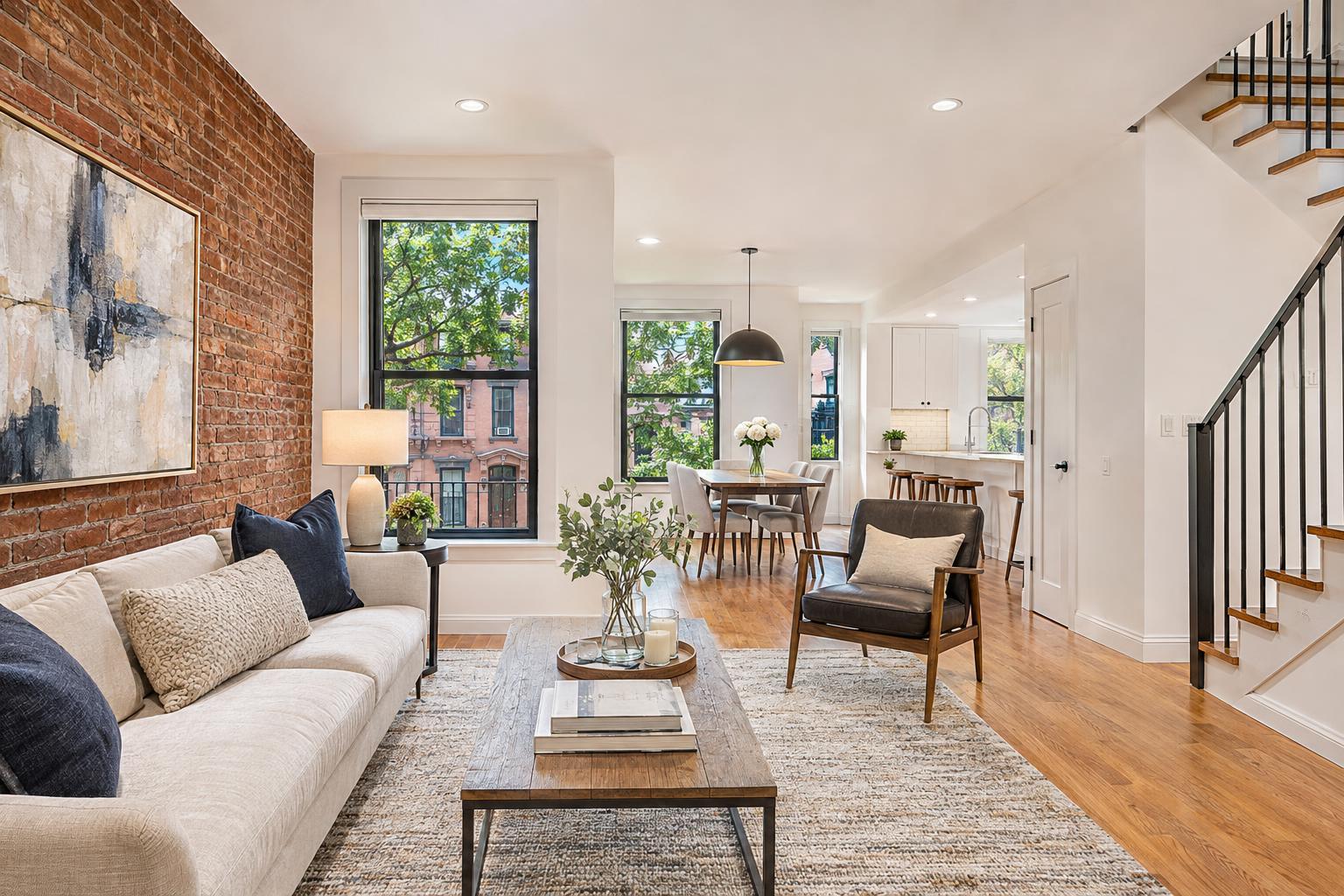
- Brooklyn brownstones and townhouses: Use the video to establish vertical movement, staircases, garden access, and the interplay between indoor and outdoor areas.
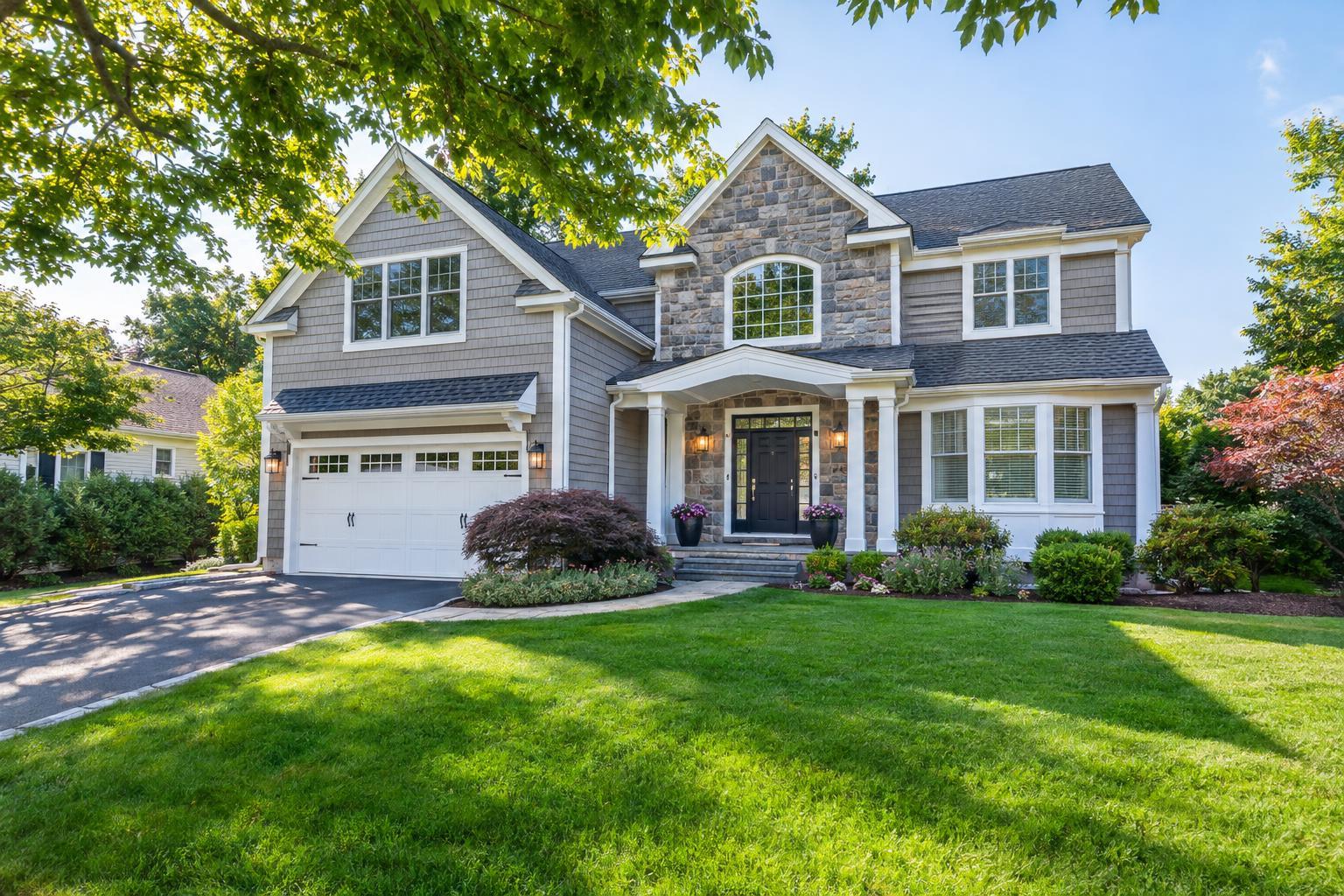
- Detached New Jersey homes: Cover the main entrance, living areas, backyard, pool, deck, garage, and—when meaningful—the broader setting.
A good property video does more than document rooms; it lays out a logical visual journey that’s easy to follow and helps the viewer orient themselves effortlessly.
What Video Shows That Photos Cannot
Why can’t you just rely on great photos? Because video can capture dynamic qualities that static images only hint at:
- Movement and Flow: See how spaces connect, and how a home “lives.”
- Scale and Proportion: Notice true room size, ceiling height, or wide entrances as the camera travels.
- Natural Light Changing: Get a sense of sunlight throughout the day as the video moves from one area to another.
- Views and Setting: Experience terrace-to-living flow, garden access, or city skyline reveals in a seamless sequence.
- Exterior Context: Grasp large features—driveways, entertaining spaces, architecture—in a way that feels natural and easy.
It’s not about replacing photography but enhancing it. The most effective listings use both formats strategically.
Reviewing Portfolios With a Critical Eye
When you’re shopping for a property video professional, don’t just look for crisp images and flashy edits. Zero in on work that matches your property type, price point, and layout complexity.
Consider these questions:
- Are rooms presented in a way that helps viewers understand size, layout, and connections?
- Does the editing pace allow enough time to register key areas?
- Are camera movements steady, clear, and logical?
- Do windows and lighting look balanced and inviting?
- Is the editing appropriate for the audience—grand for a luxury listing, but perhaps calmer for a classic Brooklyn brownstone?
Avoid reels packed with drama but little substance. Fast cuts, showy transitions, and music that drowns out the visuals might be fun, but do they actually make the home easier to understand?
Camera Movement and Editing: What to Watch For
Smooth, intentional camera movement is a hallmark of a skilled real estate videographer. The way the camera transitions from the front door to a living area, lingers on a fireplace, or glides up a staircase all impacts how your listing is understood.
- Forward movement can frame a welcoming entry or showcase a stunning view.
- Lateral pans help reveal depth and relationships between spaces.
- Calm, controlled motion keeps visuals inviting and easy to follow.
Editing choices are just as important. Large homes may call for a slower pace and longer takes; compact units benefit from concise edits that keep attention on the essentials. Always ask a provider how they tailor their approach for different types of listings.
Confirm That Video Is Captured On-Site
A real estate video tour should always be filmed on location—not pieced together from existing photos. Only on-site capture can truly communicate how a space is experienced, reveal sightlines, and respond to unique features in real time. If you want to feature a rooftop, terrace, lobby, garage, or garden, discuss priorities ahead of the shoot so the footage covers what matters most.
RealtaSnap, for example, handles all real estate video filming on-site. Explore NYC real estate videography options for service details and package selections.
Local Logistics: NYC and New Jersey Realities
Film production in the tri-state area comes with its own set of quirks:
- Manhattan: Be aware of building rules, elevator scheduling, doormen, and tight time windows. Small units require careful planning to look inviting and honest—not exaggerated.
- Brooklyn brownstones: Multiple floors and strong architectural identity provide character, but need sequencing so viewers don’t get lost. If the listing is occupied, prep pathways and rooms to avoid visual clutter.
- New Jersey homes: Larger lots and more exterior space mean prioritizing what’s unique. Don’t try to show everything—focus on features that support the property’s value. Weather can impact exterior shooting, so schedule accordingly.
Considering Drone and Aerial Shots
Drone footage can bring exterior scale, land, rooftops, and special settings to life—especially for New Jersey’s larger properties or city listings with accessible rooftops. But drone flights aren’t always possible. Airspace, weather, safety, building access, and FAA rules all play a role.
Discuss drone needs in advance. A reputable provider, like RealtaSnap, will only confirm a flight is possible after reviewing your address and on-site conditions.
Getting the Home Ready for Video
Motion video exposes things hidden in stills—like cords, clutter, or awkward furniture arrangements. Before your shoot:
- Clear counters, tables, and bathroom vanities
- Remove personal photos, pet items, cords, and cleaning supplies when practical
- Open blinds/curtains to highlight views and daylight
- Replace burned-out bulbs and turn on intended lighting
- Align chairs, straighten rugs, tidy up beds
- Make interior and exterior paths open and safe for steady camera work
- Ensure access to rooftops, terraces, backyards, or amenities to be featured
If there are features or moments you want highlighted (think custom kitchen, garden oasis, or unique entry), share those beforehand so nothing is missed.
For a property prep checklist, see RealtaSnap’s photo and video preparation guide.
What to Ask Before You Book
The best property video professionals ask plenty of questions, but you should too. Consider:
- What types of video formats are available and how do they differ?
- How do they plan and sequence shots for your specific listing?
- Can you provide a list of key features or requests ahead of time?
- What’s the delivery timeframe, and are shorter social media videos available as add-ons?
- How are building logistics and accessibility handled for shoot day?
- Is drone footage feasible for your location and conditions?
- What’s the plan if the unit is occupied or still in prep mode?
RealtaSnap offers standard, premium, and premium-with-interview packages along with optional 30-second trailers or social media cuts that can easily be added to your order.
Video as Part of Your Listing Strategy
Video should complement—never overwhelm—your marketing plan. A bright studio apartment benefits from a short, focused video highlighting light and views. A multi-level brownstone might call for a longer walkthrough that clarifies the layout. For homes with significant outdoor or exterior features, a mix of interior and exterior footage makes sense, with drone considered only when meaningful and feasible.
Think about where your video will be used: main listing sites, social channels, or email campaigns. Consistency and clarity are key.
If you’re gearing up for a new NYC or New Jersey launch, building your media plan around your listing’s real qualities—and showing them with clarity—sets the foundation for stronger showings and results.
Interested in professional video for your next listing? Learn more or start your booking at www.RealtaSnap.com.
FAQ
Question: How long is an effective real estate video tour?
Answer: The best video length depends on the property and what needs to be shown. Smaller condos or apartments generally work well with a tighter, concise edit. Larger homes or properties with several floors or extensive outdoor space often benefit from a slightly longer walkthrough so viewers can follow the entire flow without missing key moments.
Question: Can a real estate video be made from photos I already have?
Answer: No. A true property video is always filmed on-site. Only video shot in the actual space can capture room flow, lighting changes, and the genuine experience of moving through the property. Slideshows made from photos aren’t the same and aren’t offered as a substitute by providers like RealtaSnap.
Question: Does every listing in NYC or New Jersey need drone footage?
Answer: Not necessarily. Drone is most useful when aerial views tell a meaningful part of the story—think land, special settings, or unique architectural exteriors. In dense urban settings, drone flights depend on address, airspace, and building access. Always confirm feasibility with your media team before expecting an aerial shoot.