How to Choose a Real Estate Photographer in NYC for Your Next Listing
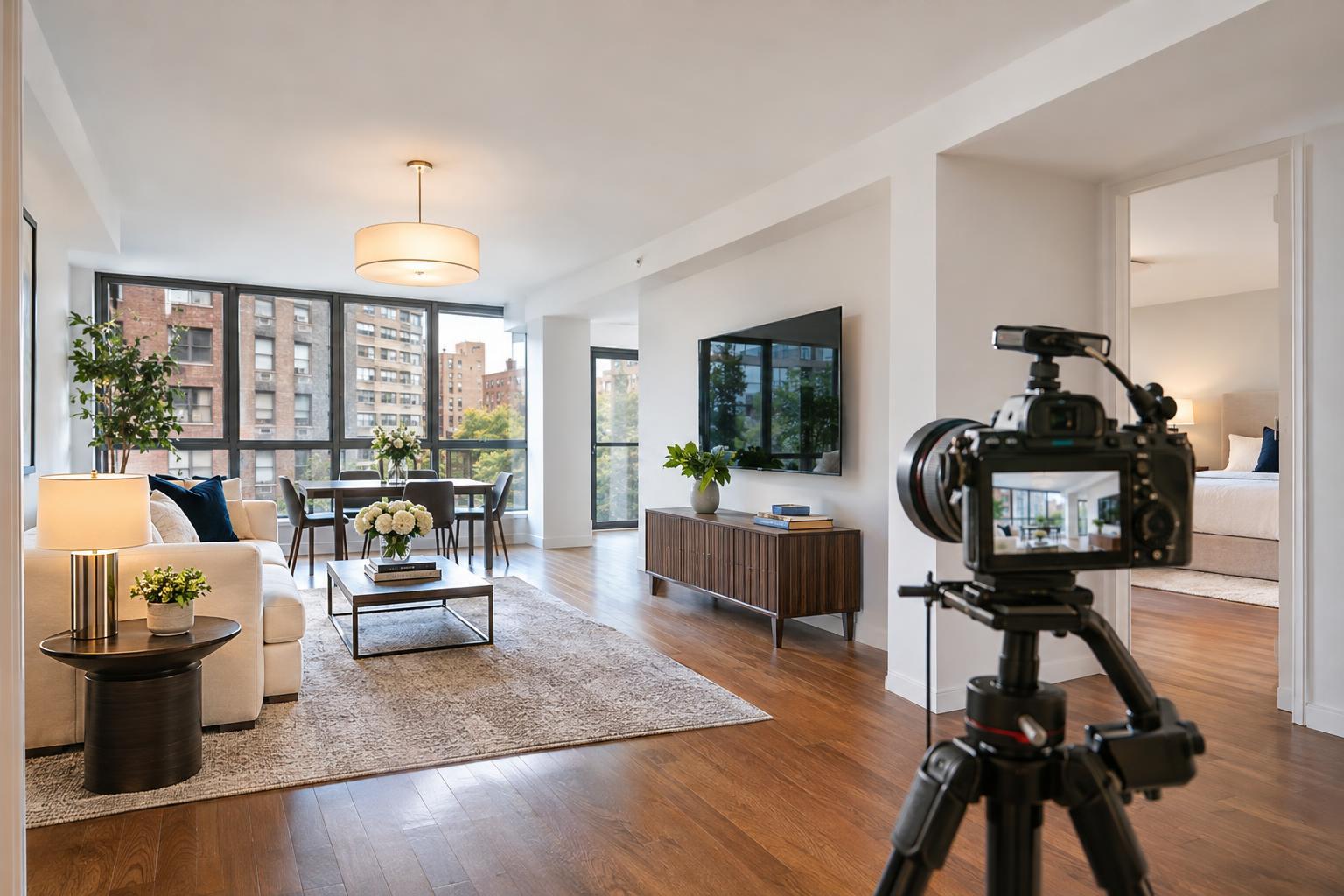
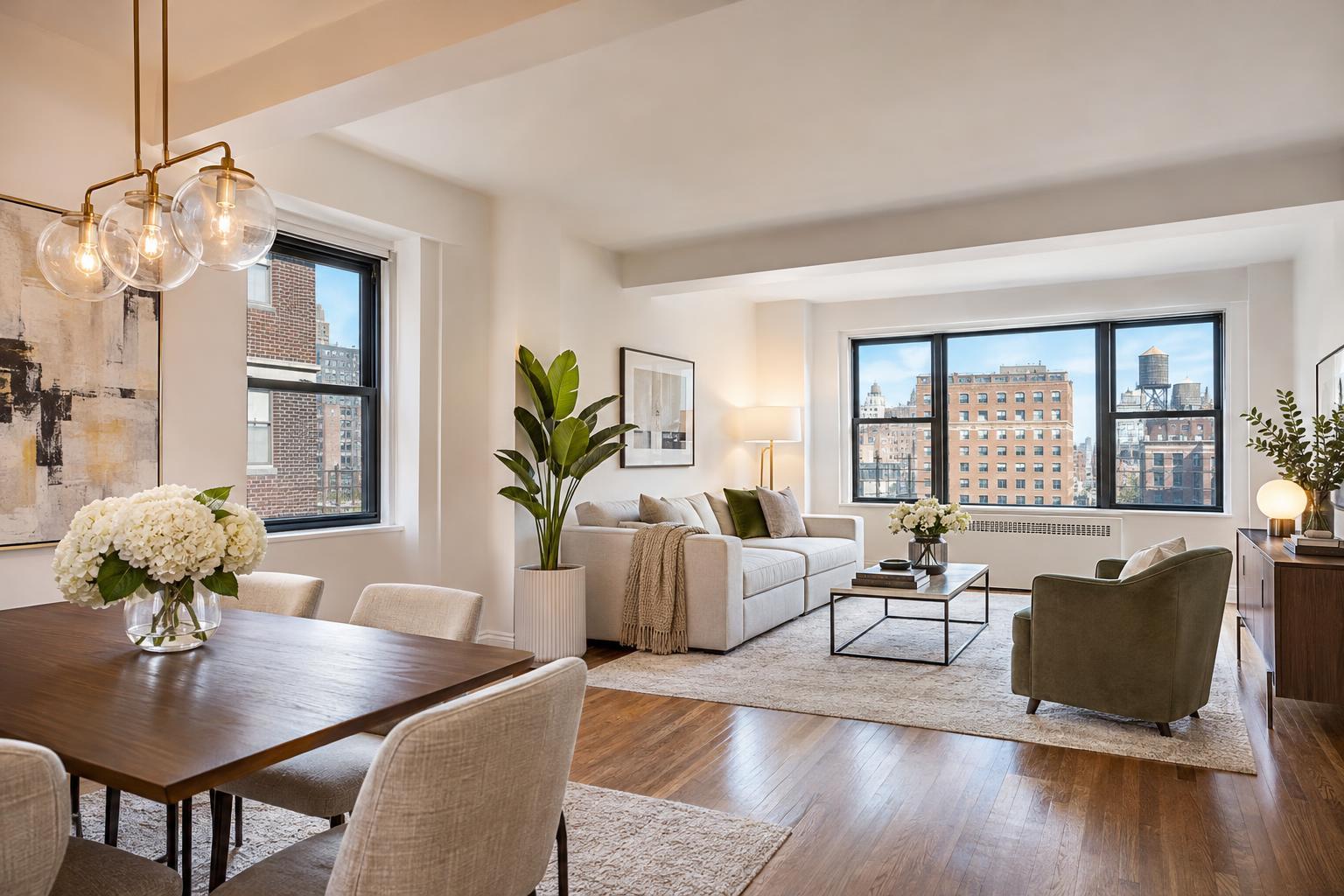
A tastefully decorated living and dining space in an NYC apartment is captured by a real estate photographer, highlighting the spacious layout and large windows with cityscape views.

How to Choose a Real Estate Photographer in NYC for Your Next Listing
When you’re searching for a real estate photographer in NYC, what actually matters isn’t just flashy images—it’s finding someone who knows how to work with New York City’s architecture, tenancy realities, and the specific goals of your listing. Whether you’re handling a Manhattan co-op, a Brooklyn brownstone, or a new-development condo, the right property photographer provides more than just attractive shots. Instead, you need a partner who brings thoughtful composition, clear communication, and practical local experience to every project.
Start by Defining Your Listing’s Needs
Before calling photographers, take a few minutes to outline what your listing needs to communicate. The requirements for a furnished one-bedroom rental are very different from a sprawling brownstone or a modern condo with city views. Sharing this context upfront allows your photographer to approach the shoot with the right priorities. For example:
- Does the media need to highlight skyline views or connect original architectural details?
- Is your property vacant, staged, or fully occupied?
- Are there building rules about scheduling or access?
Thinking through these realities—floor plan clarity, required amenities, occupancy status, and timing—helps narrow down providers and gets everyone on the same page well before shoot day.
Evaluating a NYC Photography Portfolio: What to Watch For
Experience matters, but don’t stop at pretty pictures. Strong real estate photography tells the story of a property without stretching the truth or relying on gimmicks. Here’s what to look for when you scroll through sample galleries:
Composition that Clarifies, Not Just Flatters
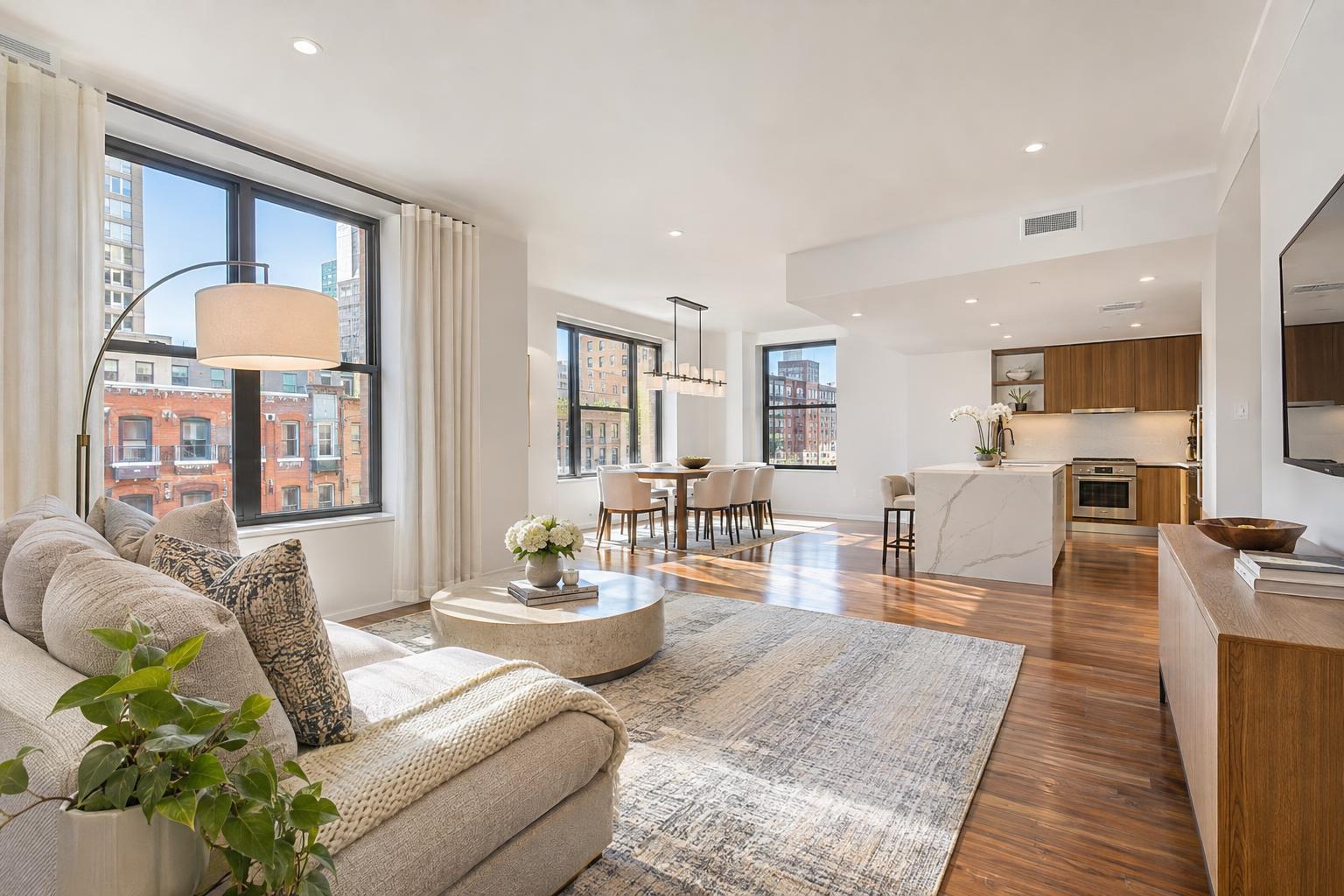
A good property portfolio shows layouts, architectural flow, and key features in a way that makes sense even for compact spaces or quirky NYC floor plans. You want images that:
- Reveal room connections, not just cozy corners
- Maintain believable proportions—no wide-angle distortions
- Follow a logical sequence, from entry to main living to bedrooms and outdoor areas
- Show the transitions that matter (like a kitchen connected to a terrace)
Size shouldn’t be exaggerated. Many NYC buyers and renters are looking for a clear, honest perspective on how the space really works.
Window and Interior Balance
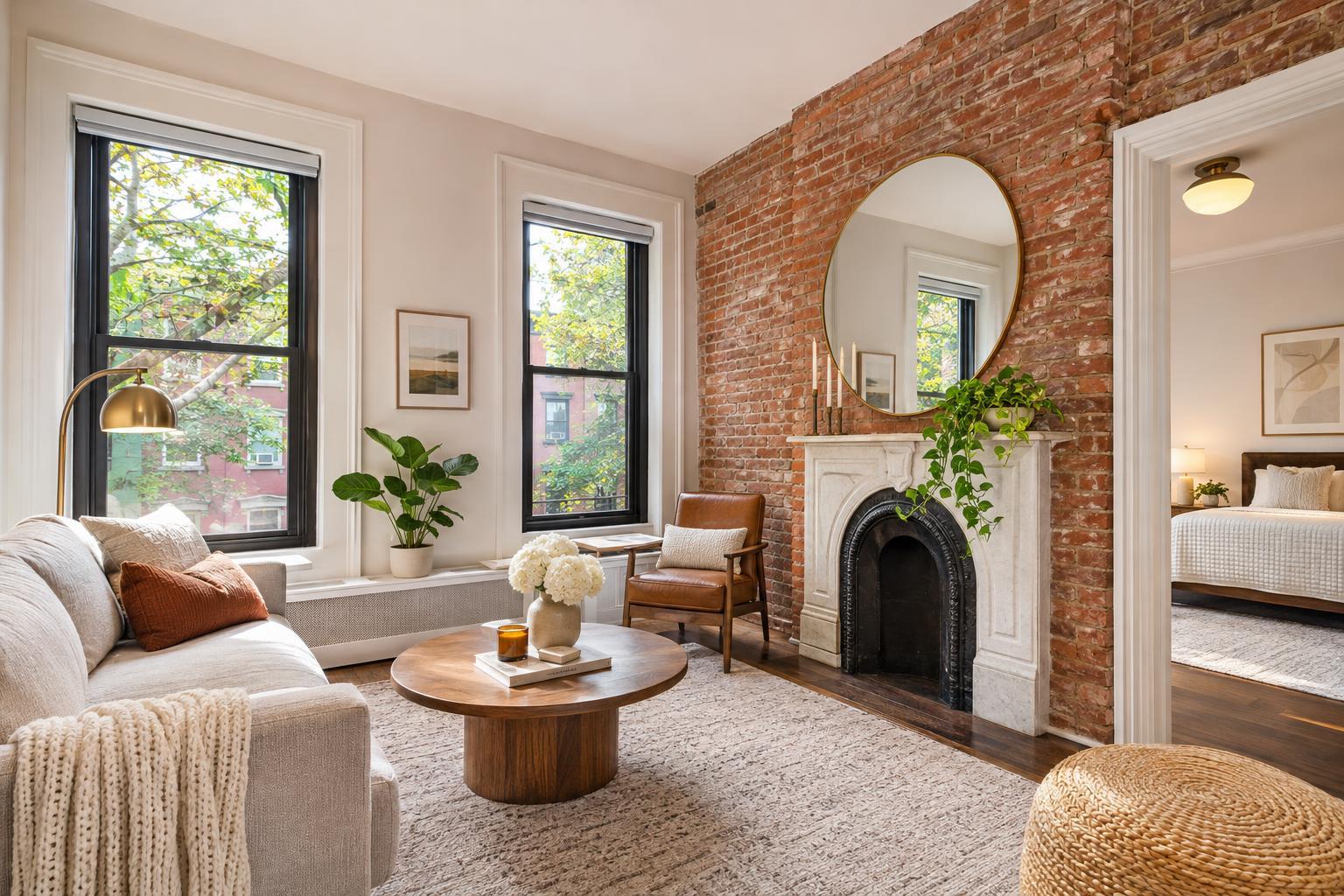
City apartments often mean bright windows and shadowed interiors in the same shot. The best NYC real estate photographers know how to capture natural daylight with real exterior context—keeping both the room and any city views in play. Review sample interiors for:
- Naturally bright rooms without “blown out” or pure white window views
- Photos that feel trustworthy—not artificially processed or hyper-saturated
- Evidence that the shooter understands timing and sun patterns
Straight Lines and Honest Perspective
Crowded bathrooms, tall ceilings, or compact galley kitchens can trip up newcomers. Clean, upright lines in doorways, cabinets, and windows are the hallmarks of a professional who respects the built environment. Consistency across rooms is essential—avoid portfolios where some images look stretched or over-edited.
Editing that Feels True to Life
Reliable property photographers don’t disguise the essence of a listing. Modern editing should provide:
- Consistent color that matches what buyers expect
- Texture that isn’t lost to heavy filtering or over-brightening
- Finishes and wall colors that reflect actual conditions
Ask how images are edited and clarify which touch-ups are included. Professional policies usually cover exposure and color, but not digital remodels or extensive object removal without a formal add-on.
Navigating NYC Logistics Is Part of the Job
Logistics in New York can be half the battle. Even with creative talent, a photographer who isn’t familiar with NYC access protocols, insurance requirements, or building management styles can run into last-minute hurdles:
- Confirm building guidelines (elevator reservations, insurance, weekday-only vendor entries)
- Prepare occupants—small items like visible cords, open kitchen counters, or personal photos add confusion in photos
- Open blinds and curtains where possible, and make beds or freshen outdoor spaces when relevant
- For multi-level homes or brownstones, make sure all spaces and outdoor areas are accessible on a tight schedule
A little preparation, particularly for compact spaces or shared living areas, makes a big difference. If your property needs to look live-in ready, clearing one countertop or moving a chair can unlock better compositions.
Ask About Workflow, Scheduling, and Communication
Photography isn’t just about what’s in the lens. Strong communication keeps the process stress-free and ensures your listing is represented accurately. A few direct questions for your next NYC property photographer:
- How do you approach smaller spaces or challenging natural light?
- Which pre-shoot details make for the best results?
- Do you handle building access requirements, or should I?
- How is media delivered? What’s the turnaround time?
- Are additional services captured on the same visit, or do they require extra appointments?
Look for answers rooted in experience, not just salesmanship. Providers should know the city’s quirks and be ready to clarify expectations.
Is Photography Alone Enough? When to Add More Media
Most NYC listings benefit from professional photography. But in some cases, you may want more context for buyers or renters, especially if the space is atypical or your audience is likely to view remotely.
- Video walkthroughs help convey flow, scale, and the movement between interior/exterior spaces. RealtaSnap’s videos are always captured on-site for a smooth, property-specific feel (never created from still photo slideshows).
- Floor plans are valuable when the layout is unusual, split level, or unclear from photos alone. These require physical access and on-site measurement—there’s no reliable remote option for NYC properties.
- 3D virtual tours allow for interactive online exploration, helpful when buyers aren’t local or the layout is complex. Again, these require on-site scanning.
- Drone media captures context for larger properties, roof spaces, or unique exterior settings. Feasibility depends on many factors, including airspace, weather, and pilot discretion—always handled on a case-by-case basis.
- AI virtual staging is useful for vacant rooms. Just remember, it works best on empty spaces; if there’s existing furniture, physical removal or clutter editing is needed before staging is applied.
Selecting a Provider Who Fits the Assignment
It’s easy to get distracted by big portfolios or the lowest advertised price. But in a diverse market like New York, you’ll get the best results from a provider whose approach fits your listing’s quirks, audience, and goals.
RealtaSnap specializes in listing-focused media for New York City, offering property photography, video, floor plans, 3D tours, drone, and virtual staging—always with a focus on clear process and predictable service. The team serves all boroughs, so access and scheduling can be matched to your property’s realities, not just the photographer’s timeline. For more service details and preparation tips, see our real estate photography service page.
A productive first conversation is specific: outline the property type, access rules, needed features, and listing timeline. This way, you get a coverage plan that really fits, rather than adding extra media just because it’s available.
Bringing Your Listing’s Story Into Focus
At its best, real estate photography brings clarity and trust to the listing experience. For the next Manhattan apartment, Brooklyn brownstone, co-op, condo, or townhouse you list, start by choosing the right partner and setting clear expectations. With the right preparation and a professional NYC property photographer, your property’s strengths become the focus—not the distractions.
Curious about professional listing photography, on-site video, drone, floor plans, or staging for your next NYC project? Start with RealtaSnap’s website.
FAQ
Question: How soon should I book a real estate photography appointment in NYC?
Answer: It’s smart to schedule once the property is prepared and building access is arranged. This gives everyone time to coordinate with residents, management, or staging crews. Online booking with RealtaSnap asks for at least 24 hours’ notice for most standard appointments.
Question: What can a photographer do to show a small NYC apartment at its best?
Answer: A professional uses smart angles, careful composition, and balanced editing to present even cozy spaces in a way that feels inviting and honest. The focus is on clarity and true proportions—no unrealistic wide-angles or digital stretching.
Question: When should I order a floor plan or 3D tour with listing photos?
Answer: Floor plans are particularly helpful for layouts that are unusual, multi-level, or hard to interpret from photos. 3D tours make sense for remote or out-of-town buyers, or if interactive exploration will help your audience. For straightforward layouts, a well-executed set of listing photos is often enough.
For more on booking, pricing, and NYC-focused real estate media options, visit www.RealtaSnap.com.